
Fueling Your Surgeonfish: The Ultimate Guide to Optimal Tang Nutrition


Welcome to Aquarium Mastery!
Ever wondered if you're really giving your Surgeonfish the best possible diet? Dive in and discover the secrets to optimal Tang nutrition! This guide, " Fueling Your Surgeonfish: The Ultimate Guide to Optimal Tang Nutrition", unlocks the key to a thriving, vibrant saltwater aquarium. Prepare to learn how to ensure your Surgeonfish are not just surviving, but truly flourishing!
- Understanding Surgeonfish Dietary Needs for a Healthy Aquarium
- Building the Ideal Surgeonfish Diet: A Practical Guide
- Feeding Strategies for Optimal Surgeonfish Health and Growth
- Preventing Health Problems Through Proper Nutrition
- Troubleshooting Common Surgeonfish Feeding Challenges
- Long-Term Surgeonfish Health: Maintaining a Balanced Diet
- Conclusion: Achieving Optimal Surgeonfish Health Through Informed Nutrition
- Frequently Asked Questions
- Final Reflection: Sustaining the Reef's Surgeons
- Ignite Your Tang's Vitality: Discover the Next Steps!
Understanding Surgeonfish Dietary Needs for a Healthy Aquarium
Why Proper Nutrition is Crucial for Surgeonfish Health
Proper nutrition is the bedrock of a surgeonfish's well-being, directly influencing its immune system, coloration, and overall vitality. A diet lacking essential nutrients can severely compromise a tang's ability to ward off common ailments like marine ich ( Cryptocaryon irritans) and Head and Lateral Line Erosion (HLLE). For instance, HLLE, characterized by pitting and lesions around the head and lateral line, is frequently linked to dietary deficiencies, particularly in Vitamin C and Iodine, with studies suggesting its prevalence in up to 75% of captive tangs on limited or unbalanced diets.
Beyond disease resistance, a well-balanced diet ensures robust growth and a significantly extended lifespan. While many surgeonfish species, such as the popular Yellow Tang ( Zebrasoma flavescens), can live for 10-15 years or even longer in optimal conditions, poor nutrition can drastically reduce this to just 2-3 years. Dull coloration, stunted growth, and fin erosion are clear indicators of nutritional stress, signaling that the fish is not receiving the necessary fuel to thrive and maintain its vibrant health.
The Natural Diet of Surgeonfish in the Wild: A Baseline for Aquarium Care
In their natural habitat, the coral reefs of the Indo-Pacific and Atlantic, surgeonfish are predominantly diurnal grazers. Their primary food source consists of benthic microalgae and macroalgae that grow on rocks, coral rubble, and sandy substrates. Species like the Blue Tang ( Paracanthurus hepatus) spend a significant portion of their day, often over 60-70% of daylight hours, meticulously scraping and consuming filamentous green algae, diatoms, and cyanobacteria. This continuous grazing behavior is crucial for their digestive health and energy intake.
While most surgeonfish are strictly herbivorous, there are exceptions. Some species, notably the Naso Tangs ( Naso lituratus and Naso unicornis), exhibit a more omnivorous tendency, supplementing their algal diet with small amounts of zooplankton and detritus. Understanding these subtle variations in natural feeding habits is vital for replicating a surgeonfish optimal diet nutrition plan in a captive environment, ensuring that the specific needs of each species are met.
Key Nutritional Components for Surgeonfish: Vitamins, Minerals, and Proteins
For surgeonfish, a broad spectrum of vitamins is indispensable. Vitamin C (ascorbic acid) is paramount for immune function and preventing HLLE, acting as a powerful antioxidant and aiding collagen synthesis for healthy skin and fins. Vitamin A is crucial for vision and epithelial tissue integrity, while Vitamin D is essential for calcium absorption and bone health. Deficiencies in these key vitamins can lead to a range of health issues, from compromised immunity to skeletal deformities.
Minerals, though required in smaller quantities, play equally vital roles. Iodine is particularly important for thyroid function and is often implicated in HLLE prevention alongside Vitamin C. Calcium and magnesium are critical for bone structure and various metabolic processes.
While surgeonfish are primarily herbivorous, they still require a small amount of high-quality protein for growth and tissue repair, typically ranging from 5-10% of their diet, derived from the minute invertebrates and detritus consumed incidentally with their algal meals in the wild. Essential fatty acids, such as Omega-3s (EPA and DHA), found in marine sources, are also crucial for cell membrane integrity, neurological function, and overall energy.
Building the Ideal Surgeonfish Diet: A Practical Guide
The Importance of Algae and Seaweed in a Tang's Diet
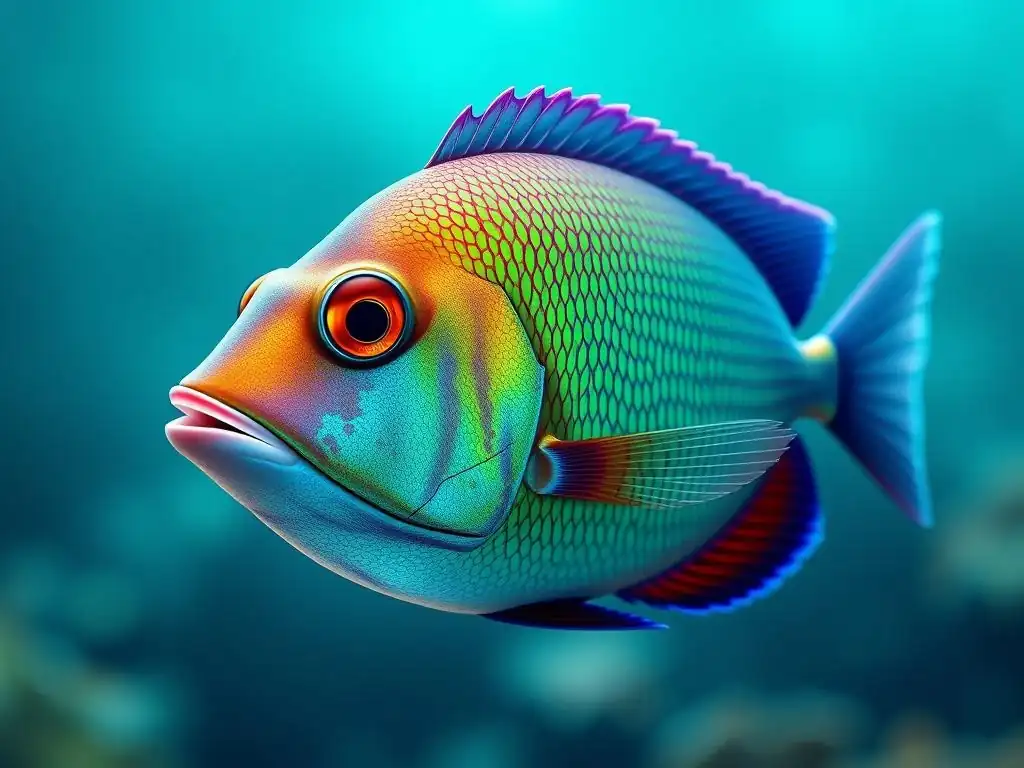
Algae and seaweed must form the cornerstone of any surgeonfish optimal diet nutrition strategy, ideally comprising 60-80% of their daily intake. Their long digestive tracts are specifically adapted to process fibrous plant matter, and continuous access to algae promotes healthy gut motility, preventing common issues like bloat and internal blockages. Without sufficient fiber, their digestive systems can become sluggish, leading to poor nutrient absorption and overall declining health.
Beyond the nutritional benefits, providing ample algae serves as vital mental stimulation and mimics their natural grazing behavior. This constant activity helps reduce stress, aggression, and boredom within the confines of an aquarium. A surgeonfish that can graze throughout the day on a readily available supply of plant matter is generally calmer and exhibits more natural behaviors compared to one that only receives infrequent, large meals.
Types of Algae Suitable for Surgeonfish: Nori, Spirulina, Ulva, and Gracilaria
Nori, the dried seaweed used for sushi, is an excellent and widely accessible staple for surgeonfish. It is rich in vitamins, minerals, and trace elements. When selecting nori, it is crucial to choose unseasoned, human-grade varieties, as flavored or roasted versions can contain harmful additives. Many aquarists report that tangs, including popular species like the Yellow Tang and Purple Tang ( Zebrasoma xanthurum), readily accept nori, with an acceptance rate often exceeding 90% among common species.
Diversifying the algal offerings enhances the nutritional profile. Spirulina, a blue-green algae, is highly valued for its exceptional protein content (often over 50%) and high levels of carotenoid pigments, which significantly enhance the vibrant coloration of many tang species. Fresh macroalgae like Ulva (sea lettuce) and Gracilaria (red macroalgae) provide an even broader spectrum of nutrients and are excellent for natural grazing. Gracilaria, for example, is particularly rich in beneficial polysaccharides and carotenes.
Preparing and Offering Algae to Your Surgeonfish
Preparing nori for your surgeonfish is straightforward. A small sheet can be folded and secured to a specialized veggie clip, which is then attached to the aquarium glass or rockwork. It's advisable to feed small amounts frequently throughout the day rather than one large portion. This mimics their natural grazing behavior and ensures a continuous supply of food. Any uneaten nori should be removed from the tank within 4-6 hours to prevent it from decomposing and negatively impacting water quality by releasing nitrates and phosphates.
To ensure a comprehensive surgeonfish optimal diet nutrition, rotate the types of algae offered. For instance, you might offer nori three times a week, supplement with spirulina flakes on other days, and provide fresh macroalgae (if available) once or twice a week. This rotation helps to provide a wider range of vitamins, minerals, and trace elements that might be present in varying concentrations across different algal species, promoting overall health and vibrancy.
Supplementing Algae with Commercial Surgeonfish Foods
Selecting High-Quality Pellets and Flakes for Tangs
While algae forms the primary component of a surgeonfish's diet, high-quality commercial foods are essential for providing concentrated nutrients that may be less abundant or inconsistent in single-source algae. These foods are formulated to deliver a balanced blend of vitamins, minerals, and proteins crucial for long-term health. When selecting pellets or flakes, prioritize those specifically designed for marine herbivores, with marine algae (e.g., spirulina, kelp, chlorella) listed as the first few ingredients. Avoid foods that heavily rely on terrestrial plant matter or excessive fillers.
Reputable brands such as Ocean Nutrition, New Life Spectrum, and Hikari Marine S offer excellent options formulated for marine herbivores. Always scrutinize the ingredient list to ensure it contains whole, natural ingredients and minimizes artificial additives, colors, and questionable preservatives like ethoxyquin. A premium pellet or flake designed for tangs should typically feature marine algae or spirulina as one of its top three ingredients, reflecting its suitability for a surgeonfish optimal diet nutrition.
Understanding Ingredient Labels: What to Look For and Avoid
When examining ingredient labels for surgeonfish foods, look for high-quality marine-derived ingredients. Ideal components include various marine algae (such as spirulina, kelp, chlorella, and wakame), high-grade fish meal, krill meal (a good source of protein and astaxanthin for color enhancement), and a comprehensive vitamin and mineral pre-mix. Pay attention to the guaranteed analysis: for most surgeonfish, a protein content of 30-40% and a fat content of 5-8% is generally appropriate, ensuring they receive enough protein for growth and essential fatty acids for energy without being excessive.
Conversely, there are several ingredients to avoid or be wary of. Excessive fillers like corn, wheat, or soy can be difficult for a surgeonfish's digestive system to process efficiently, leading to poor nutrient absorption and potential digestive issues. Artificial colors and flavors offer no nutritional value and can sometimes be detrimental. Also, be cautious of foods listing terrestrial animal proteins (e.g., chicken meal) as primary ingredients, as these are not naturally part of a surgeonfish's diet and can be poorly utilized.
The Role of Live Foods in a Surgeonfish Diet
Introducing Live Foods: Mysis Shrimp, Brine Shrimp, and Feeding Frequency
Live foods can serve as an excellent occasional supplement, providing essential fatty acids, amino acids, and digestive enzymes that may be less prevalent in dried or frozen foods. Mysis shrimp are particularly beneficial due to their high protein (around 60%) and lipid (around 15%) content, making them a nutrient-dense option. Brine shrimp, while less nutritious on their own, can be significantly enhanced through gut-loading with spirulina or other nutrient-rich solutions, boosting their value before feeding.
Live foods should be offered as a treat or supplement, perhaps 1-2 times per week, rather than forming the bulk of the diet. Over-reliance on nutritionally sparse live foods, especially newly hatched brine shrimp, can lead to dietary deficiencies over time. Introducing live foods also provides a natural hunting stimulus for your surgeonfish, promoting activity and engagement within the aquarium environment.
Culturing Your Own Live Foods: Benefits and Basic Techniques
Culturing your own live foods offers several distinct advantages, including guaranteed freshness, complete control over their nutritional content through gut-loading, and significant cost savings over time. Common live foods suitable for home culture include copepods, rotifers, and brine shrimp. This ensures a consistent supply of highly nutritious, pathogen-free food, reducing the risk of introducing diseases or parasites that might come with commercially sourced live foods by up to 90%.
Basic culturing techniques vary by organism. Brine shrimp hatching kits are relatively simple, requiring just saltwater, an air pump, and a warm temperature. Copepods and rotifers can be cultured in larger vessels with specific phytoplankton as their food source. Maintaining strict cleanliness and using purified water are paramount to prevent contamination and ensure healthy cultures. Regularly feeding your cultured organisms with nutrient-rich phytoplankton before feeding them to your surgeonfish ensures they are gut-loaded with beneficial compounds, further enhancing their surgeonfish optimal diet nutrition.
Feeding Strategies for Optimal Surgeonfish Health and Growth
Establishing a Consistent Feeding Schedule
Establishing a consistent feeding schedule is paramount for the health and well-being of surgeonfish. In the wild, these fish are continuous grazers, consuming small amounts of algae throughout the day. To mimic this natural behavior in the aquarium, it is ideal to provide multiple small feedings rather than one or two large ones. For example, offering a small piece of nori on a veggie clip two to three times daily, supplemented by a small pinch of high-quality pellets or flakes once a day, can significantly improve digestion and nutrient absorption.
Consistency in feeding times also reduces stress and aggression within the tank. Fish quickly learn when to expect food, which minimizes frantic competition and ensures that all tank inhabitants, including less dominant individuals, have adequate opportunities to feed. Irregular or infrequent feeding can lead to dominant fish monopolizing resources, potentially causing malnutrition and increased stress levels for subordinate surgeonfish.
Avoiding Overfeeding: Recognizing the Signs of Satiety
Overfeeding is a common pitfall in aquarium husbandry and can lead to a cascade of negative consequences for both the fish and the tank environment. Excess food quickly decomposes, releasing ammonia, nitrites, and nitrates, which degrade water quality and can lead to dangerous algae blooms. Furthermore, chronic overfeeding can cause health problems for the surgeonfish themselves, including fatty liver disease, digestive issues, and bloat.
To avoid overfeeding, observe your surgeonfish closely during meal times. Signs of satiety include a reduced interest in food, food sinking to the bottom uneaten, or the fish simply swimming away from the feeding area. A good general rule of thumb is to feed only what your fish can consume within 2-3 minutes for commercial foods. For grazing items like nori, remove any uneaten portions after a few hours, typically within 4-6 hours, to prevent water quality degradation.
Addressing Nutritional Deficiencies in Surgeonfish
Identifying Symptoms of Vitamin and Mineral Deficiencies
Recognizing the symptoms of nutritional deficiencies early is crucial for prompt intervention. One of the most prevalent and visually striking signs in surgeonfish is Head and Lateral Line Erosion (HLLE), characterized by pitting, lesions, and erosion of tissue around the head, face, and along the lateral line. This condition is strongly associated with a lack of Vitamin C and Iodine, with up to 75% of captive tangs potentially exhibiting some degree of HLLE if their diet is not adequately fortified.
Other indicators of a suboptimal surgeonfish optimal diet nutrition include faded or dull coloration, which suggests a lack of essential pigments or overall poor health. Stunted growth, fin erosion, lethargy, and a general susceptibility to common marine diseases like ich are also strong warning signs. Poor appetite, abnormal swimming patterns, or a noticeably thin body profile despite regular feeding can also point towards long-term nutritional neglect or malabsorption.
Supplementation Strategies to Correct Imbalances
Once nutritional deficiencies are identified, targeted supplementation strategies can help correct imbalances. Liquid vitamin supplements, such as Selcon or Vita-Chem, can be soaked into frozen or dry foods before feeding, ensuring the fish directly ingests the necessary vitamins. For deficiencies in specific minerals like iodine, a high-quality marine iodine supplement can be added to the aquarium water or, ideally, to the food. In severe cases, particularly with HLLE, some aquarists may consider medicated foods specifically formulated to address these issues, often under the guidance of an aquatic veterinarian.
However, the most effective long-term strategy for addressing and preventing nutritional deficiencies is through comprehensive dietary diversification. Regularly rotating different types of high-quality marine algae (nori, spirulina), premium pellets and flakes, and occasional live or frozen foods naturally provides a broader spectrum of nutrients. This varied approach reduces reliance on external supplements and ensures a more complete and balanced surgeonfish optimal diet nutrition.
Preventing Health Problems Through Proper Nutrition
The Link Between Diet and Surgeonfish Diseases
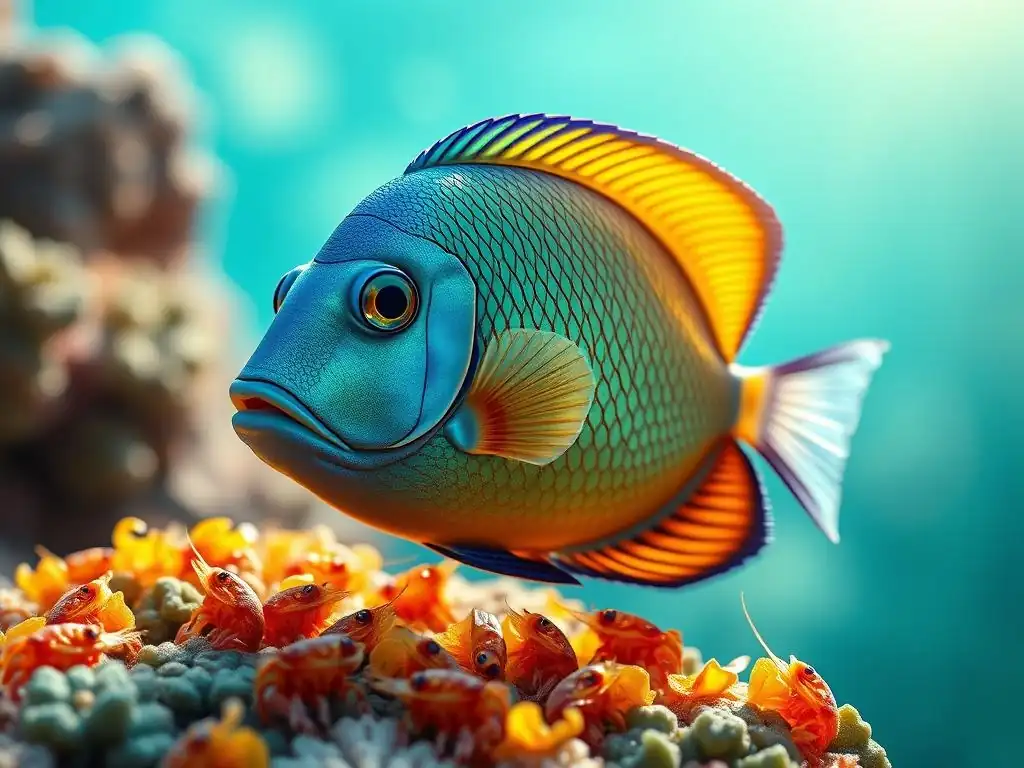
A robust immune system, meticulously built through optimal nutrition, stands as the primary defense mechanism against a myriad of pathogens and stressors in the aquarium environment. Malnourished surgeonfish are significantly more susceptible to bacterial infections, fungal issues, and parasitic infestations. For instance, a tang with a compromised immune system due to dietary deficiencies is far more likely to succumb to a marine ich outbreak, with mortality rates potentially exceeding 50% in stressed, underfed individuals.
Beyond general susceptibility, specific diseases are directly linked to dietary shortcomings. Head and Lateral Line Erosion (HLLE) is a classic example, as previously noted, often stemming from chronic deficiencies in Vitamin C and Iodine. While less common with a varied diet, internal parasites can also take hold more easily in a weakened host. Furthermore, a healthy gut microbiome, actively supported by the fibrous plant matter in a surgeonfish's diet, plays a critical role in overall disease resistance and nutrient assimilation.
Boosting Immunity Through Optimal Nutrition
Specific nutrients play a pivotal role in boosting a surgeonfish's immune response. Vitamin C (ascorbic acid) is a potent antioxidant and a cornerstone for immune cell function and the synthesis of collagen, which is vital for skin and fin integrity. Foods enriched with Beta-glucans, often derived from yeast or fungi, are also known to stimulate the innate immune system in fish, enhancing their ability to fight off infections.
A balanced diet contributes to the maintenance of a healthy mucous coat, which serves as the first line of defense against external parasites and pathogenic bacteria. This protective barrier is crucial for preventing infections. Furthermore, fish fed a diet rich in Omega-3 fatty acids, such as EPA and DHA, exhibit improved immune responses and a reduced propensity for inflammatory conditions, contributing significantly to their long-term health and resilience.
Managing Algae Growth in Your Tank Through Surgeonfish Feeding
While surgeonfish are renowned for their algae-eating capabilities, it's crucial to understand the balance between their natural grazing and supplemental feeding. If surgeonfish are underfed with external food sources like nori and commercial pellets, they will aggressively graze on nuisance algae growing within the tank. This can be beneficial to a certain extent, helping to keep undesirable algae in check. However, relying solely on tank algae is often insufficient to meet their complex nutritional requirements and can quickly lead to deficiencies once the readily available algae are consumed.
Therefore, a well-fed surgeonfish, receiving a consistent surgeonfish optimal diet nutrition from supplemental sources, will still graze on tank algae, but it won't be their sole or primary food source. This approach helps to naturally manage nuisance algae growth without compromising the fish's health. Conversely, overfeeding the tank in general, regardless of the fish species, introduces excess nutrients into the water column, which paradoxically fuels the growth of undesirable algae blooms.
Troubleshooting Common Surgeonfish Feeding Challenges
Picky Eaters: Encouraging Surgeonfish to Accept New Foods
Some surgeonfish can be notoriously picky eaters, especially when introduced to a new environment or unfamiliar foods. Consistency is key when trying to encourage them to accept new dietary items. Offer small amounts of the new food regularly, perhaps mixed with a familiar favorite. Trying different forms, such as pellets versus flakes, or different brands, can also make a difference. Many aquarists find success by soaking new foods in appetite stimulants like garlic extract (e.g., Seachem GarlicGuard), as the strong aroma can entice hesitant eaters.
Patience is paramount; it can take several days or even weeks for a surgeonfish to accept a novel food. Another effective strategy is "peer pressure." If you have other fish in the tank that readily accept the new food, their enthusiastic feeding can often encourage a reluctant surgeonfish to try it. For example, a newly introduced Yellow Tang might initially ignore nori for 3-5 days before finally trying and accepting it as a staple.
Competition for Food: Ensuring All Fish Get Enough
In a community aquarium, competition for food can be a significant challenge, especially with active and sometimes aggressive surgeonfish. To ensure all fish receive adequate nutrition, consider feeding in multiple locations simultaneously. For instance, you can use two or more veggie clips for nori, placed at opposite ends of the tank, to spread out the feeding activity. Similarly, scattering dry foods across the surface rather than in one concentrated spot can help.
Providing ample hiding spots and line-of-sight breaks within the rockwork can also reduce feeding-related stress and aggression, allowing less dominant fish to retreat and feed more comfortably. If competition remains severe, particularly with highly aggressive feeders, temporarily isolating the dominant fish during meal times or increasing the frequency of smaller feedings can help ensure that all tank inhabitants get their fair share of the surgeonfish optimal diet nutrition.
Addressing Aggression at Feeding Time
Aggression at feeding time in surgeonfish can stem from a combination of territoriality and perceived food scarcity. Ensuring the tank is adequately sized for the specific surgeonfish species is fundamental; a Yellow Tang, for example, requires a minimum of 75 gallons, while a Blue Tang needs at least 180 gallons to thrive. Overcrowding exacerbates aggression.
Providing plenty of intricate rockwork with numerous caves, crevices, and line-of-sight breaks allows fish to establish territories and retreat from dominant individuals. This reduces direct confrontations. Feeding multiple times a day in smaller, consistent portions can also significantly reduce the perceived scarcity of food, thereby lowering feeding-related aggression. Sometimes, simply rearranging existing rockwork can disrupt established territories and help re-balance social dynamics, leading to a more peaceful feeding environment.
Long-Term Surgeonfish Health: Maintaining a Balanced Diet
Adjusting the Diet as Your Surgeonfish Grows
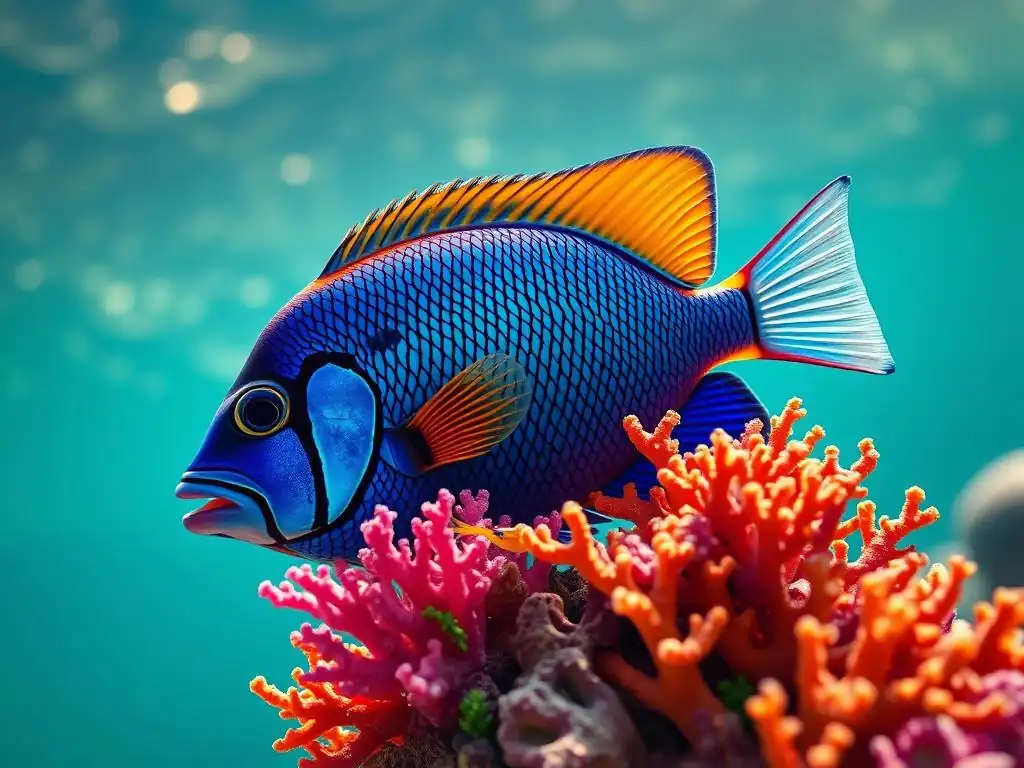
The dietary needs of surgeonfish evolve as they mature. Juvenile surgeonfish, undergoing rapid growth, may require a slightly higher proportion of protein in their diet to support tissue development. While still primarily herbivorous, a juvenile tang might benefit from 2-3 feedings of protein-rich marine flakes or small frozen mysis shrimp per day, in addition to constant access to algae. As they transition into adulthood, their diet will lean more heavily towards a predominantly herbivorous intake, with larger quantities of fibrous plant matter becoming paramount.
Monitoring growth rates and overall body condition is crucial. A healthy surgeonfish should exhibit steady growth and maintain a robust, well-rounded body shape. If a fish appears noticeably thin, stunted, or lacks vibrancy, it may indicate a need to increase the quantity of food offered or enhance its nutrient density. Conversely, if a fish appears overly plump, particularly around the belly, reducing portion sizes or adjusting the fat content of its diet may be necessary to prevent obesity and associated health issues.
Seasonal Variations in Dietary Needs: Temperature and Algae Availability
While the controlled environment of a home aquarium largely mitigates drastic seasonal changes, subtle variations can still impact a surgeonfish's dietary needs. For instance, slight increases in water temperature, which can occur during warmer seasons or due to environmental factors, can marginally increase a fish's metabolic rate. This might necessitate a slight increase in food quantity to meet their elevated energy demands, ensuring their surgeonfish optimal diet nutrition remains consistent.
For aquarists who utilize natural macroalgae grown in refugiums as a supplemental food source, it's important to consider the seasonal growth patterns of these algae. If the production of macroalgae in your refugium diminishes, perhaps due to lighting cycles or nutrient availability, it becomes crucial to compensate by increasing supplemental feedings of nori, spirulina, or high-quality commercial pellets. This ensures a continuous and adequate supply of plant matter, preventing any nutritional gaps.
Monitoring Water Quality and its Impact on Surgeonfish Nutrition
Excellent water quality is not merely a desirable condition; it is a foundational pillar that directly impacts a surgeonfish's ability to absorb and utilize nutrients from its diet. Poor water quality, characterized by elevated levels of nitrates, phosphates, or other pollutants, significantly stresses fish. Stressed fish have compromised immune systems and are less efficient at metabolizing and absorbing essential vitamins and minerals, even if the food itself is perfectly balanced.
Regular water changes are therefore critical for maintaining pristine water parameters, which in turn supports a healthy microbiome both in the tank and within the fish's gut. Elevated nitrate levels, for example, consistently above 20 ppm for extended periods, can suppress a surgeonfish's appetite and lead to lethargy, directly undermining the effectiveness of even the most carefully planned surgeonfish optimal diet nutrition. A clean, stable environment ensures that every nutrient provided is maximally beneficial.
Conclusion: Achieving Optimal Surgeonfish Health Through Informed Nutrition
Frequently Asked Questions
What is the most important component of a Surgeonfish's optimal diet?
The most crucial aspect is providing a varied diet rich in algae and seaweed. This closely mimics their natural grazing behavior and supports their digestive health.
How often should I feed my Surgeonfish?
Surgeonfish require frequent feedings, ideally several times a day. This helps to satisfy their constant grazing needs and maintain a healthy gut microbiome.
What types of algae are best for Surgeonfish?
Offer a mix of green, red, and brown algae, such as nori, spirulina, and Gracilaria. Rotate these to ensure your Surgeonfish receives a broad spectrum of nutrients.
Are there any foods I should avoid feeding my Surgeonfish?
Avoid foods high in animal protein or processed foods with artificial additives. These can lead to digestive issues and health problems for Surgeonfish.
What supplements can I add to my Surgeonfish's diet to boost their nutrition?
Consider supplementing their diet with vitamin-enriched foods or commercially available supplements designed for herbivorous marine fish. This can address any nutritional deficiencies.
Final Reflection: Sustaining the Reef's Surgeons
The intricate dance of life within a coral reef hinges on delicate balances, and understanding the surgeonfish's optimal diet nutrition is more crucial now than ever. As our oceans face unprecedented challenges from climate change and habitat degradation, ensuring these vital herbivores thrive is not just about keeping them healthy in aquariums; it's about safeguarding the very foundation of reef ecosystems.
This exploration into the dietary needs of surgeonfish has underscored the profound impact our choices have on the natural world. The responsibility we bear, whether as hobbyists or simply as inhabitants of this planet, is to act as stewards, promoting sustainable practices that support the health and resilience of these magnificent creatures. In the end, we will conserve only what we love; we will love only what we understand; and we will understand only what we are taught.
- Baba Dioum's words resonate deeply, reminding us that education and understanding are the cornerstones of conservation.
Now, armed with this knowledge of surgeonfish optimal diet nutrition, I invite you to reflect on your own role in this interconnected web of life. Consider how you can contribute to a more sustainable future, whether through responsible aquarium keeping, supporting conservation efforts, or simply making informed choices that minimize your impact on our oceans. Let us all strive to be active participants in preserving the beauty and biodiversity of our coral reefs for generations to come.
Ignite Your Tang's Vitality: Discover the Next Steps!
Thank you for diving deep into the world of surgeonfish nutrition! We hope you've gained valuable insights into ensuring your tang thrives in your aquarium. Now, let's put that knowledge into action!
Here are a few things you can do right now to elevate your tang's well-being:
- Prioritize establishing a consistent feeding schedule, incorporating a variety of algae and seaweed types for optimal health.
- Dare to diversify! Research and introduce a new, tang-safe vegetable or algae type into your fish's diet this week. Think outside the seaweed sheet!
- Share this guide with fellow aquarium enthusiasts! Help spread the word about proper tang care within our community.
What surprising dietary discoveries have you made while caring for your surgeonfish?