
From Feisty Fry to Formidable Adult: The Complete Triggerfish Life Cycle Explained

Welcome to Aquarium Mastery!
Ever wondered how those captivating and sometimes cheeky Triggerfish grow from tiny fry to the bold personalities we admire in our saltwater tanks? Dive into the fascinating world of these aquatic characters as we unravel the complete Triggerfish life cycle stages. Prepare to be amazed by the intricacies of their development and gain valuable insights into their needs every step of the way. Let's explore!
- From Egg to Adult: The Queen Triggerfish Life Cycle Explained
- Understanding the Queen Triggerfish Life Cycle: An Aquarist's Guide
- Queen Triggerfish Reproduction: The Beginning of the Life Cycle
- Queen Triggerfish Egg Development: From Spawn to Hatching
- The Queen Triggerfish Larval Stage: A Vulnerable Beginning
- Queen Triggerfish Fry Stage: Transition to Reef Life
- Juvenile Queen Triggerfish: Growing and Learning on the Reef
- Adult Queen Triggerfish: Reaching Maturity and Reef Dominance
- Queen Triggerfish Life Cycle in the Aquarium: Challenges and Considerations
- Ensuring a Healthy Queen Triggerfish Life Cycle: Best Practices for Aquarists
- Conclusion: Appreciating the Remarkable Journey of the Queen Triggerfish
-
Frequently Asked Questions
- How long does it typically take for a triggerfish to reach its adult size?
- What are the most critical factors for successfully raising triggerfish fry?
- What are the distinct differences between juvenile and adult triggerfish in terms of appearance or behavior?
- What specific dietary needs do triggerfish have at different stages of their life cycle?
- What are some common health issues that can affect triggerfish at different life cycle stages, and how can they be prevented?
- Final Reflection: The Enduring Wonder of Transformation
- Ignite Your Aquarium Journey!
From Egg to Adult: The Queen Triggerfish Life Cycle Explained
Understanding the Queen Triggerfish Life Cycle: An Aquarist's Guide
The Queen Triggerfish ( Balistes vetula) is a striking and intelligent marine fish renowned for its vibrant coloration and distinctive "trigger" fin. Found throughout the tropical and subtropical waters of the Atlantic Ocean, from Nova Scotia to Brazil, and across the eastern Atlantic, this species is a captivating subject for marine aquarists. Understanding the intricate Triggerfish life cycle stages is crucial for anyone aiming to appreciate or even attempt to care for these fascinating creatures.
From the moment of fertilization to their formidable adult size, Queen Triggerfish undergo remarkable transformations in their morphology, diet, and behavior. This journey involves complex reproductive rituals, a vulnerable larval phase, and a gradual development into the territorial reef inhabitants they are known to be. Delving into each of these Triggerfish life cycle stages provides valuable insights into their natural history and the specific care requirements that change throughout their lifespan.
Queen Triggerfish Reproduction: The Beginning of the Life Cycle
The reproductive phase marks the initial step in the Queen Triggerfish's remarkable journey, occurring predominantly in the warmer months when water temperatures are optimal for spawning and larval development. This process involves elaborate courtship and dedicated parental care, primarily by the male. Successfully observing these early Triggerfish life cycle stages in the wild is a testament to the species' complex social dynamics.
Queen Triggerfish Mating Rituals and Nest Building
The mating ritual of Queen Triggerfish is a fascinating display of courtship and territorial defense. Males initiate the process by selecting a suitable nesting site, typically a patch of sand or rubble near a protective coral head or rock formation. They then begin the arduous task of excavating a circular depression, which can range from 30 to 60 centimeters in diameter and 10 to 20 centimeters deep, using their powerful mouths and fins to clear debris. This meticulous nest preparation is a critical first step in their Triggerfish life cycle stages.
Once the nest is prepared, the male engages in elaborate displays to attract a female, often involving rapid color changes, fin flaring, and vigorous swimming patterns around the chosen site. If a female accepts, she will join him in the nest. Throughout this period, the male aggressively defends the nest from any potential intruders, including other fish and even divers, showcasing intense territoriality essential for successful reproduction. This protective behavior underscores the importance of a secure environment for these early Triggerfish life cycle stages.
The Spawning Process: Egg Laying and Fertilization in a Circular Nest
Following a successful courtship, the actual spawning takes place within the excavated nest. The female Queen Triggerfish releases a large clutch of demersal eggs directly into the sandy depression. These eggs are small, adhesive, and typically adhere to the substrate within the nest, providing a secure foundation for development. Simultaneously, the male releases his milt, fertilizing the eggs in situ. While exact figures vary with size and environmental conditions, a single female can lay thousands of eggs in one spawning event, a strategy to maximize the chances of survival given the high mortality rates in early life.
After fertilization, the male takes on the primary role of parental care. He diligently guards the nest, continuously fanning the eggs with his fins to ensure proper oxygenation and to prevent the accumulation of sediment and fungal growth. This constant vigilance is critical for the healthy development of the embryos. The eggs are typically laid in a single layer, making them accessible for fanning and protection. This dedicated care during the spawning process is a defining characteristic of the initial Triggerfish life cycle stages.
Queen Triggerfish Egg Development: From Spawn to Hatching
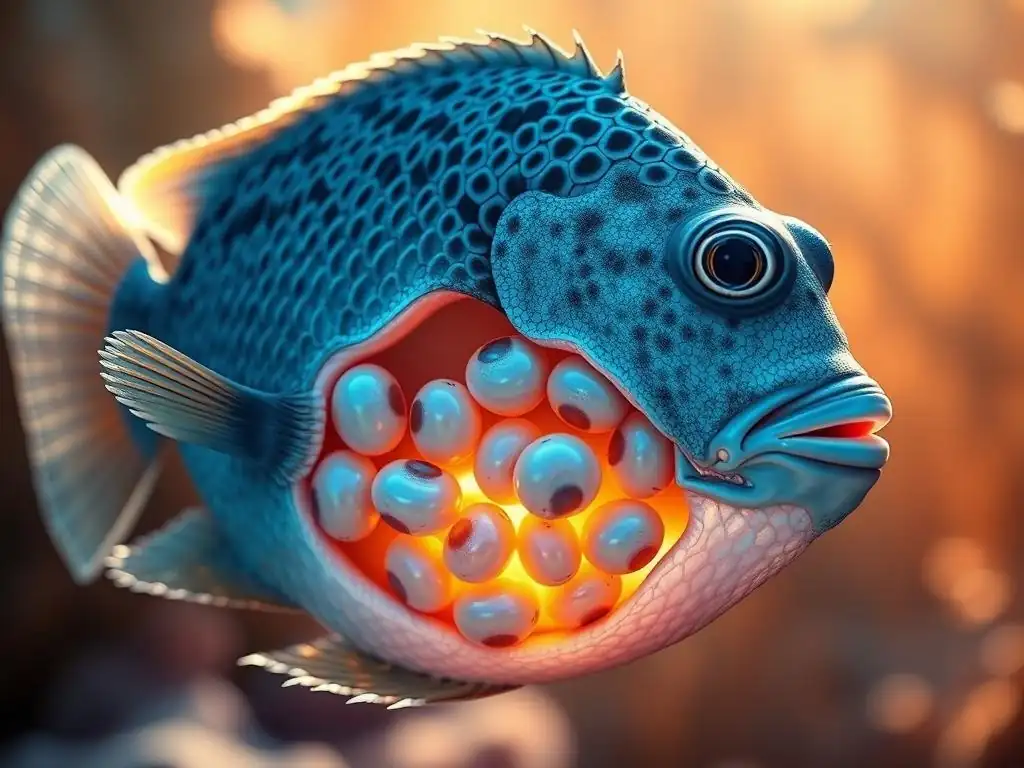
Once fertilized, the eggs enter a critical incubation period where the embryos rapidly develop within their protective casings. This phase is relatively short but highly vulnerable, relying heavily on the male's unwavering dedication and stable environmental conditions. Understanding this delicate period is key to appreciating the resilience required for these Triggerfish life cycle stages.
Incubation Period: Parental Care and Fanning of Eggs
The incubation period for Queen Triggerfish eggs is remarkably brief, typically lasting between 2 to 5 days, depending significantly on the water temperature. Optimal temperatures, usually ranging from 28-30°C (82-86°F), accelerate embryonic development. Throughout this time, the male Queen Triggerfish remains a vigilant guardian of the nest. His most crucial role is the continuous fanning of the eggs, which serves multiple purposes: it circulates oxygenated water over the developing embryos, removes metabolic waste products, and prevents the growth of detrimental fungi or bacteria on the egg surfaces.
Beyond fanning, the male's territorial aggression intensifies during incubation. He will fiercely defend the nest from any perceived threat, whether it be other fish, crabs, or even large predators. Divers approaching a nesting site often report being charged or nipped by an agitated male, demonstrating the extraordinary lengths to which they go to protect their offspring. This intense parental investment is a hallmark of these early Triggerfish life cycle stages and highlights the significant energy expenditure involved in reproduction.
Factors Affecting Hatching Success: Water Quality and Predation
Successful hatching of Queen Triggerfish eggs is highly dependent on a combination of environmental factors and the male's protective efforts. Optimal water quality is paramount; stable salinity levels, adequate dissolved oxygen, and the absence of pollutants are crucial for healthy embryonic development. Fluctuations in temperature or the presence of high levels of ammonia or nitrite, though rare in their vast natural habitat, would severely compromise hatching rates. Studies on similar demersal spawners indicate that even subtle changes in water chemistry can lead to developmental abnormalities or mortality.
Despite the male's diligent guardianship, predation remains a significant threat to the egg clutch. Opportunistic feeders such as wrasses, damselfish, and various invertebrates will attempt to raid the nest if the male's attention wavers or if he is overwhelmed. Strong currents can also dislodge eggs from the nest, washing them away and preventing successful development. The high number of eggs laid is a natural strategy to counteract these losses, ensuring that at least some offspring survive these fragile Triggerfish life cycle stages.
The Queen Triggerfish Larval Stage: A Vulnerable Beginning
Upon hatching, Queen Triggerfish enter their larval stage, a period of extreme vulnerability and rapid development spent drifting in the vast open ocean. This planktonic phase is a bottleneck in the Triggerfish life cycle stages, with only a tiny fraction surviving to adulthood.
Planktivorous Diet of Queen Triggerfish Larvae: Survival in the Planktonic Zone
Newly hatched Queen Triggerfish larvae are minuscule, typically only a few millimeters in length, and largely transparent, making them almost invisible in the water column. They possess underdeveloped fins and rely on ocean currents for dispersal, becoming a part of the zooplankton community. During this crucial period, their diet consists exclusively of microscopic plankton. This includes various copepod nauplii, rotifers, and other minute invertebrate larvae that are abundant in the pelagic zone. The larvae are active feeders, constantly sifting the water for suitable prey to fuel their rapid growth and development.
The availability of appropriate food sources is critical for the survival of these delicate larvae. A consistent supply of nutrient-rich plankton allows for the rapid development of their internal organs, digestive system, and fins, preparing them for their eventual transition to a benthic lifestyle on the reef. This planktivorous phase can last for several weeks to months, depending on environmental conditions and food availability, highlighting the extended period of vulnerability in these Triggerfish life cycle stages.
Predation Risks and Survival Strategies of Queen Triggerfish Larvae
The planktonic larval stage is arguably the most perilous of all Triggerfish life cycle stages due to the immense predation pressure they face. The open ocean teems with a vast array of predators, including larger fish larvae, jellyfish, and various planktivorous fish that actively hunt small, drifting organisms. The sheer numbers of eggs laid by the female are a direct evolutionary response to this high mortality rate; only a minute percentage of larvae will ever make it to the juvenile stage.
Despite their small size and transparency, which offer some degree of camouflage, larvae employ few active defense mechanisms. Their primary strategy for survival relies on sheer numerical abundance and the vastness of the ocean, which makes it difficult for predators to consume all of them. Some larvae may exhibit diurnal vertical migration, moving to deeper waters during the day to avoid visual predators and ascending at night to feed. This passive survival strategy, combined with their rapid growth, is essential for navigating the treacherous waters of the planktonic zone before they can settle onto a reef habitat.
Queen Triggerfish Fry Stage: Transition to Reef Life
Following their perilous planktonic journey, Queen Triggerfish larvae undergo a significant metamorphosis, transitioning into the fry stage. This period marks their migration from the open ocean back to the reef environment, where they begin to adopt a more recognizable form and lifestyle. This transition is a critical turning point in the Triggerfish life cycle stages.
Physical Changes in Queen Triggerfish Fry: Development of Coloration
As Queen Triggerfish larvae transition into fry, they undergo remarkable physical transformations. They lose their transparent, elongated larval form, developing a more compressed, disc-like body shape that is characteristic of juvenile and adult triggerfish. Their fins become fully developed and functional, allowing for more controlled swimming and navigation. This morphological shift enables them to actively seek out and settle in suitable reef habitats, rather than passively drifting with currents.
A striking change during this stage is the gradual development of their characteristic coloration. While not yet as vibrant as adults, fry begin to exhibit the muted blues, greens, and yellows that will intensify with age. These initial patterns often provide camouflage against the complex backdrop of the reef, helping them blend in with rubble, algae, and small coral formations. Observing the emergence of these colors is a clear indicator of progression through the Triggerfish life cycle stages.
Dietary Needs of Queen Triggerfish Fry: Small Invertebrates
Upon settling onto the reef, the dietary needs of Queen Triggerfish fry shift dramatically from plankton to small, benthic invertebrates. Their developing jaws and teeth are now capable of crushing the tiny shells of their new prey. Their diet primarily consists of minute crustaceans such as copepods, amphipods, and small isopods found among the reef structure and algae beds. They also consume polychaete worms and the larvae of various mollusks.
This transition to a benthic diet is crucial for their continued growth and development. Fry actively forage among the substrate, using their keen eyesight to locate hidden prey. A diverse and abundant food source is essential during this period of rapid growth, as they need significant energy to mature and build the robust body structure required for their future predatory lifestyle. Maintaining a rich microfauna in an aquarium setting is vital for supporting these Triggerfish life cycle stages.
Specific Care: High Water Quality and Small, Frequent Feedings
Caring for Queen Triggerfish fry in an aquarium setting presents unique challenges, primarily centered on maintaining pristine water quality and providing appropriate nutrition. Fry are extremely sensitive to fluctuations in water parameters. Stable salinity (around 1.025 specific gravity), consistent temperature (25-27°C or 77-80°F), and undetectable levels of ammonia and nitrite are absolutely critical for their survival. Regular, small water changes are often necessary to prevent the accumulation of nitrates and other waste products, as their small size makes them particularly vulnerable to environmental stressors.
Regarding feeding, due to their high metabolism and rapid growth rate, Queen Triggerfish fry require frequent, small feedings throughout the day. Offering live foods such as newly hatched brine shrimp nauplii, rotifers, and cultured copepods is often essential to mimic their natural planktivorous and micro-invertebrate diet. These live foods should ideally be enriched with nutritional supplements to ensure the fry receive all necessary vitamins and fatty acids. Successfully navigating these early Triggerfish life cycle stages in captivity demands meticulous attention to detail and consistent care.
Juvenile Queen Triggerfish: Growing and Learning on the Reef
As Queen Triggerfish continue to grow, they enter the juvenile stage, characterized by increasing size, developing territorial behaviors, and a more robust presence on the reef. This period is a bridge between the vulnerable fry and the dominant adult, with significant changes in their habitat preferences and social interactions. Observing these changes helps aquarists understand the progression of Triggerfish life cycle stages.
Habitat Preferences of Juvenile Queen Triggerfish: Sheltered Reef Areas
Juvenile Queen Triggerfish typically inhabit shallower, more sheltered areas of the reef compared to their adult counterparts. These preferred habitats include lagoons, patch reefs, and zones with abundant rubble, crevices, and small coral formations. The complex structure of these environments provides numerous hiding spots from larger predators, such as sharks or groupers, which are a significant threat to young fish.
Furthermore, these sheltered reef areas are often rich in the small crustaceans and mollusks that form the bulk of a juvenile Queen Triggerfish's diet. The intricate network of rocks and corals allows them to forage effectively while remaining close to protective cover. As they grow, they may gradually venture into slightly deeper or more exposed areas, but the initial reliance on sheltered zones is a key characteristic of these Triggerfish life cycle stages.
Compared to the highly solitary and territorial nature of adult Queen Triggerfish, juveniles can sometimes exhibit more tolerant social behaviors. While not schooling fish, they may occasionally be found in loose aggregations, particularly in areas with abundant food resources. This temporary association might offer some safety in numbers against predators, or simply reflect the concentration of suitable habitat. However, even at this stage, individuals will begin to show signs of developing territoriality, especially when competing for preferred feeding grounds or prime hiding spots.
As they mature through the juvenile phase, their inherent aggressive tendencies gradually become more pronounced. They will increasingly defend their personal space and resources from conspecifics and other fish of similar size. This shift in social dynamics is a natural progression towards the dominant and solitary behavior typical of adult Queen Triggerfish, marking an important developmental step in their Triggerfish life cycle stages.
Specific Care: Gradual Introduction to Larger Food Items
As juvenile Queen Triggerfish grow, their dietary needs evolve, and their mouths and jaws become considerably stronger, allowing them to tackle larger prey items. Aquarists caring for juveniles should gradually introduce a wider variety of foods to match their increasing size and nutritional demands. This includes high-quality frozen foods such as mysis shrimp, krill, and small pieces of chopped seafood like shrimp, squid, and clam. Some juveniles may also accept high-quality marine pellets.
It is crucial to offer a diverse diet to ensure they receive all necessary vitamins, minerals, and proteins for optimal growth and to maintain their vibrant coloration. While still requiring regular feedings, the frequency can typically be reduced compared to the fry stage, moving towards two to three feedings per day. Monitoring their growth rate and overall health will help determine the appropriate portion sizes and feeding schedule, ensuring they thrive through these crucial Triggerfish life cycle stages.
Adult Queen Triggerfish: Reaching Maturity and Reef Dominance
The adult stage represents the culmination of the Queen Triggerfish's development, where they reach their full size, display their most striking coloration, and establish their dominance within the reef ecosystem. This period is characterized by strong territoriality, specialized feeding habits, and reproductive maturity, defining the most formidable of the Triggerfish life cycle stages.
Physical Characteristics of Adult Queen Triggerfish: Identifying Features
Adult Queen Triggerfish are truly impressive specimens, capable of reaching lengths of up to 60 centimeters (approximately 24 inches) in the wild, though they typically remain somewhat smaller in captivity. Their most striking feature is their vibrant and complex coloration: a brilliant blue-green body adorned with distinctive yellow fins, particularly the caudal fin, and prominent blue lines radiating from their eyes. These lines often form a mask-like pattern, enhancing their captivating appearance.
Beyond their beauty, their physical structure is built for power and defense. They possess a robust, compressed body, a small mouth equipped with powerful jaws, and strong, chisel-like teeth perfectly adapted for crushing hard-shelled prey. The characteristic "trigger" mechanism, consisting of a large dorsal spine that can be locked upright by a second spine, is a primary defense. When threatened, they can wedge themselves into crevices and lock this spine, making it nearly impossible for predators to dislodge them. These unique features are hallmarks of the adult Triggerfish life cycle stages.
Territoriality and Aggression in Adult Queen Triggerfish
Adult Queen Triggerfish are renowned for their highly territorial and aggressive nature, a trait that becomes fully pronounced in this final life stage. They vigorously defend their chosen territories, which can encompass significant portions of the reef, especially during nesting periods. This aggression is directed towards other fish, particularly those of similar size or shape, and even towards divers or other large intruders perceived as threats. They are known to charge, nip, and even bite, demonstrating their formidable defensive capabilities.
This territorial behavior is primarily linked to resource defense, ensuring access to prime feeding grounds and suitable shelter, and is particularly intense during reproduction when males guard their nests. Their dominance on the reef is a testament to their strength and aggressive disposition, allowing them to outcompete many other species for resources. Understanding this inherent aggression is paramount for any aquarist considering keeping an adult Queen Triggerfish, as it significantly impacts tank mate selection and overall tank design. Their behavior is a clear indicator of their advanced Triggerfish life cycle stages.
Dietary Habits of Adult Queen Triggerfish: Crabs, Sea Urchins, and Invertebrates
The powerful jaws and specialized teeth of adult Queen Triggerfish are perfectly adapted for their diet of hard-shelled invertebrates, making them effective molluscivores and carcinivores. Their natural diet primarily consists of various crabs, sea urchins, bivalves (like clams and oysters), and gastropods. They employ clever techniques to access their prey; for instance, they may flip over sea urchins to expose their softer undersides or use jets of water to dislodge and expose buried mollusks.
Their predatory efficiency plays a significant role in shaping reef ecosystems by controlling populations of their prey. In a home aquarium, replicating this varied and challenging diet is crucial for their long-term health and well-being. Providing a consistent supply of whole, shelled items encourages their natural feeding behaviors and helps maintain the strength of their teeth and jaws. This specialized diet is a defining characteristic of the adult Triggerfish life cycle stages.
Queen Triggerfish Lifespan and Factors Affecting Longevity
In their natural habitat, Queen Triggerfish are relatively long-lived fish. While precise data can vary, wild specimens are estimated to live for 10 to 15 years, with some potentially exceeding this under ideal conditions. In well-maintained public aquariums and exceptionally large, stable home aquariums, they can also achieve a significant lifespan, often reaching 8-12 years. However, their longevity in captivity is highly dependent on the quality of care they receive.
Several factors significantly influence their lifespan. The availability of a diverse and appropriate diet, the absence of chronic stress (from unsuitable tank mates or inadequate space), and the consistent maintenance of pristine water quality are paramount. Predation pressure and disease outbreaks in the wild can limit their lifespan, while in captivity, poor husbandry practices, such as insufficient tank size or improper feeding, are the primary contributors to reduced longevity. Ensuring optimal conditions at all Triggerfish life cycle stages directly impacts their potential lifespan.
Queen Triggerfish Life Cycle in the Aquarium: Challenges and Considerations
While the Queen Triggerfish is a captivating species, successfully maintaining them through their various Triggerfish life cycle stages in an aquarium setting presents significant challenges. Their specific needs, particularly their size and aggressive nature, require careful planning and dedicated care.
Difficulty of Replicating Natural Breeding Conditions
Replicating the natural breeding conditions for Queen Triggerfish in a home aquarium is exceptionally difficult, bordering on impossible for most hobbyists. Their elaborate mating rituals, the need for vast open spaces for nest building (often in the range of several square meters), and the intense territoriality of the male during parental care are almost impossible to provide in a typical captive environment. Even in large public aquariums with specialized facilities, successful breeding remains a rare event.
The sheer volume of water required, the specific substrate needs for nest excavation, and the difficulty of managing the male's aggression towards a female in a confined space are major obstacles. Furthermore, raising the minute planktonic larvae requires highly specialized equipment and expertise, including continuous cultures of appropriate live foods. For these reasons, observing the full spectrum of Triggerfish life cycle stages from egg to adult in a private aquarium is an extraordinary achievement rarely accomplished.
Providing Optimal Nutrition for Growth and Coloration
Providing optimal nutrition is one of the most critical aspects of caring for Queen Triggerfish throughout their Triggerfish life cycle stages in captivity. Their natural diet of hard-shelled invertebrates requires aquarists to offer a varied and high-quality diet. This should include a mix of frozen foods such as mysis shrimp, krill, various types of chopped seafood (e.g., shrimp, squid, clam, scallops), and even whole, unshelled crustaceans like small crabs or pieces of clam for adults to ensure proper jaw and teeth health.
Supplementation with vitamin-enriched foods is also highly beneficial to bolster their immune system and maintain their vibrant coloration. Juveniles will require smaller, more frequent feedings, while adults can be fed larger meals less frequently, typically once or twice a day. A consistent and varied diet is paramount not only for growth but also for preventing nutritional deficiencies that can lead to faded colors, poor health, and a shortened lifespan.
Managing Aggression in Captive Environments
The aggressive and territorial nature of Queen Triggerfish, especially as they mature through their Triggerfish life cycle stages, poses the biggest challenge in a captive environment. An adult Queen Triggerfish requires a very large aquarium, ideally 300 gallons (approx. 1135 liters) or more for a single specimen, to provide adequate swimming space and territory. Without sufficient space, they can become highly stressed and direct their aggression towards tank mates.
Careful selection of tank mates is crucial. They should be robust, fast-swimming, and larger fish that can hold their own, or species that are too large to be perceived as a threat. Avoid keeping them with smaller, docile, or slow-moving fish, as they will likely be bullied or consumed. Providing ample rockwork with numerous caves and hiding spots can also help mitigate aggression by breaking up lines of sight and offering territories. Even with careful planning, aggression can be unpredictable, requiring vigilant observation and potential rehoming of tank mates.
Ensuring a Healthy Queen Triggerfish Life Cycle: Best Practices for Aquarists
To ensure Queen Triggerfish thrive through all their Triggerfish life cycle stages in an aquarium, aquarists must commit to rigorous husbandry practices. This involves meticulous attention to water quality, proactive disease prevention, and a deep understanding of their behavioral needs.
Monitoring Water Parameters: Maintaining Pristine Conditions
Maintaining pristine and stable water parameters is non-negotiable for the health of Queen Triggerfish at every stage of their life. Regular and accurate testing of key parameters is essential. Salinity should be kept stable at 1.023-1.026 specific gravity. Temperature should remain consistent within 24-27°C (75-80°F). pH levels should be maintained between 8.1 and 8.4. Crucially, ammonia and nitrite must always be at 0 ppm, while nitrates should be kept below 20 ppm through diligent maintenance.
Fluctuations in these parameters can cause significant stress, weakening the fish's immune system and making them highly susceptible to disease. Regular water changes, typically 20-30% bi-weekly, are vital for replenishing essential elements and removing accumulated waste products. Using a high-quality protein skimmer and efficient filtration systems (mechanical, biological, and chemical) further supports water purity, creating an environment conducive to all Triggerfish life cycle stages.
Preventing Common Diseases: Parasites and Bacterial Infections
Like all marine fish, Queen Triggerfish are susceptible to common marine diseases, particularly external parasites such as marine ich ( Cryptocaryon irritans) and velvet disease ( Amyloodinium ocellatum), as well as bacterial infections. Prevention is always the best approach. A strict quarantine protocol for all new arrivals, lasting a minimum of 4-6 weeks, is the most effective way to prevent the introduction of pathogens into the main display tank. During quarantine, observe the fish for any signs of illness and treat if necessary.
Beyond quarantine, maintaining optimal water quality and providing a highly nutritious diet significantly boosts the fish's natural immunity, making them more resilient to disease. Minimizing stress by providing adequate space and compatible tank mates also plays a crucial role in disease prevention. Any signs of lethargy, labored breathing, or visible spots should prompt immediate investigation and appropriate treatment to ensure the health of the Queen Triggerfish throughout its various Triggerfish life cycle stages.
Understanding Behavior at Different Life Stages for Optimal Care
A successful aquarist understands that the behavior and needs of a Queen Triggerfish evolve dramatically throughout its Triggerfish life cycle stages. Fry and juveniles, for instance, require smaller, more frequent feedings and more sheltered hiding spots compared to adults. Their developing aggression means that tank mate considerations become increasingly critical as they grow from a relatively docile juvenile to a highly territorial adult.
Observing subtle changes in behavior can also be an early indicator of stress or illness. A Queen Triggerfish that is normally active and inquisitive but suddenly becomes lethargic or refuses food warrants immediate attention. Adapting tank size, decor, and tank mate selection as the fish matures is paramount. By understanding and anticipating these behavioral shifts, aquarists can provide a dynamic and appropriate environment that allows the Queen Triggerfish to thrive and exhibit its natural behaviors across its entire life cycle.
Conclusion: Appreciating the Remarkable Journey of the Queen Triggerfish
The Queen Triggerfish life cycle is a testament to the intricate adaptations and remarkable resilience found within marine ecosystems. From the delicate, planktonic larvae drifting in the vast ocean to the dominant, territorial adults patrolling the reefs, each of the Triggerfish life cycle stages presents unique challenges and fascinating developments. Understanding this complete journey provides invaluable insight for aquarists and enthusiasts alike.
While replicating the entire Triggerfish life cycle stages in a home aquarium remains an extraordinary challenge, appreciating the complexities of their reproduction, growth, and behavioral shifts allows for more informed and responsible husbandry. By providing optimal conditions, a varied diet, and a deep respect for their inherent nature, aquarists can ensure these magnificent fish not only survive but truly thrive, showcasing their vibrant beauty and intelligent personalities for years to come.
Frequently Asked Questions
How long does it typically take for a triggerfish to reach its adult size?
It varies by species, but most triggerfish take several years to reach their full adult size. Some species may reach maturity faster than others, but the overall process is relatively slow.
What are the most critical factors for successfully raising triggerfish fry?
Maintaining pristine water quality is essential. Also, providing a consistent and varied diet suitable for their small size is crucial for their survival and growth.
What are the distinct differences between juvenile and adult triggerfish in terms of appearance or behavior?
Juvenile triggerfish often exhibit different coloration patterns than adults, sometimes for camouflage. Their behavior is generally more timid compared to the bolder and more territorial adult triggerfish.
What specific dietary needs do triggerfish have at different stages of their life cycle?
Fry require small, frequent feedings of live foods like rotifers and brine shrimp. As they mature, their diet expands to include larger invertebrates and meaty foods, reflecting their predatory nature.
What are some common health issues that can affect triggerfish at different life cycle stages, and how can they be prevented?
Young triggerfish are susceptible to parasitic infections and poor water quality impacts. Maintaining a clean and stable environment and quarantining new additions can help prevent these issues.
Okay, here's a final reflection designed to close your article "From Feisty Fry to Formidable Adult: The Complete Triggerfish Life Cycle Explained," optimized for emotional connection and a lasting impression, while also incorporating your keyword and the requested Markdown formatting:
Final Reflection: The Enduring Wonder of Transformation
The journey of the triggerfish, meticulously detailed from its humble larval beginnings to its reign as a formidable reef resident, serves as a powerful reminder that transformation is a constant force in the natural world, and indeed, in our own lives. Understanding the intricacies of the triggerfish life cycle allows us to appreciate the delicate balance of marine ecosystems and the remarkable resilience of life itself, a lesson profoundly relevant in our rapidly changing world.
This exploration of the triggerfish's development underscores the profound interconnectedness of life within coral reefs. Witnessing this intricate process, from the vulnerability of the fry to the strength of the adult, inspires a deeper respect for the ocean and its inhabitants. It reminds us that even the smallest creatures play a crucial role in the grand tapestry of life. As Jacques Cousteau so eloquently stated: The sea, once it casts its spell, holds one in its net of wonder forever.
Now, consider the lessons learned from the triggerfish's journey. Just as the triggerfish navigates the challenges of its life cycle, adapting and thriving, so too can we embrace change and growth in our own lives. Let the resilience and adaptability of the triggerfish inspire you to face challenges head-on, to appreciate the beauty of transformation, and to contribute to the preservation of the incredible ecosystems that support such wonders. Reflect on your own journey, and ask yourself: what formidable adult are you striving to become?
Ignite Your Aquarium Journey!
Thanks for diving deep into the fascinating world of triggerfish! We hope you’ve enjoyed learning about their unique life cycle and intriguing behaviors. Ready to bring some of that wonder into your own aquatic adventures? Here’s how to continue exploring:
- Consider adding a triggerfish (responsibly sourced!) to your established, appropriately sized marine aquarium. This is the ultimate way to apply your newfound knowledge!
- Share your triggerfish fascination with friends and family! Post a fun fact you learned on social media and tag three fellow aquarium enthusiasts.
- Dive even deeper! Research the specific care requirements of different triggerfish species to understand how to best provide for one.
What’s the first step you’ll take to celebrate the amazing triggerfish?