
Zebra Danio Deep Dive: The Enduring Charm of a Classic Aquarium Fish

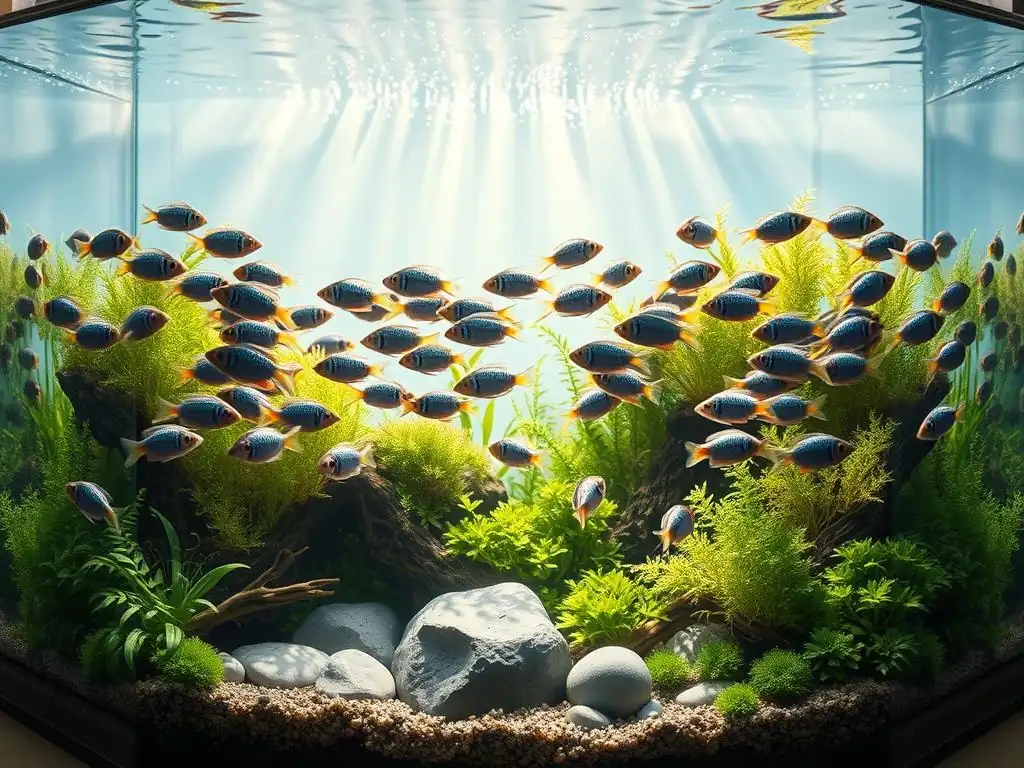
Welcome to Aquarium Mastery!
Ever wondered how to unlock the full potential of these vibrant, active fish? Dive into our comprehensive guide and discover essential Zebra Danio care tips that will transform your aquarium into a thriving underwater haven. From optimal tank conditions to dietary secrets, prepare to be amazed by the enduring charm and surprising depth of this classic aquarium favorite. Ready to master the art of Zebra Danio care? Let's get started!
- Introducing the Zebra Danio: A Freshwater Aquarium Staple
- Zebra Danio Care Guide: Essential Tips for a Thriving School
- Feeding Your Zebra Danios: Diet and Nutritional Needs
- Zebra Danio Tank Mates: Creating a Peaceful Community
- Zebra Danio Breeding: A Beginner's Guide to Spawning
- Common Zebra Danio Diseases and Health Issues
- Zebra Danio Varieties: Exploring Different Color Morphs and Fin Types
- Troubleshooting Common Zebra Danio Problems
- Zebra Danio Care Tips: A Summary of Key Considerations
- Frequently Asked Questions
- Final Reflection: The Enduring Ripple of Simplicity
- Dive Deeper: Transform Your Aquarium into a Danio Paradise!
Introducing the Zebra Danio: A Freshwater Aquarium Staple
Why Zebra Danios Remain a Popular Choice for Beginners and Experts
Zebra Danios (Danio rerio) have long been a cornerstone of the freshwater aquarium hobby, cherished for their remarkable hardiness, lively schooling behavior, and relatively small size. Their robust nature makes them incredibly forgiving, capable of tolerating a wider range of water parameters compared to many more delicate species, which is a significant advantage for those new to fishkeeping. Their constant activity and shimmering stripes add dynamic visual interest to any tank, making them a captivating focal point.
Beyond their resilience, Zebra Danios are also widely available and highly affordable, typically costing between $3 and $5 per fish at most local fish stores. This accessibility, combined with their ability to withstand the initial fluctuations of a newly established tank, often sees them recommended as ideal "starter fish" or inhabitants for the crucial tank cycling phase. Mastering fundamental Zebra Danio care tips with these fish provides a solid foundation for aspiring aquarists.
Understanding Zebra Danio Origins and Natural Habitat
The Zebra Danio originates from the slow-moving and stagnant waters of South Asia, primarily found in India, Bangladesh, Nepal, and Bhutan. Their natural habitats include rice paddies, streams, ditches, and ponds, often characterized by shallow depths, dense vegetation, and varying water conditions influenced by monsoon seasons. This adaptability to fluctuating environments in the wild contributes significantly to their hardiness in home aquariums.
In their native environment, Zebra Danios are accustomed to shoaling in open water, feeding on small insects, larvae, and plant matter. Their preference for slightly cooler temperatures, typically ranging from 64-74°F (18-24°C), reflects the conditions of their natural waterways. Understanding these origins is key to providing optimal Zebra Danio care tips, as it informs decisions regarding tank setup, water parameters, and community dynamics.
Zebra Danio Care Guide: Essential Tips for a Thriving School
Optimizing Water Parameters for Happy Zebra Danios
Maintaining stable and appropriate water parameters is paramount for the health and longevity of Zebra Danios. Ideally, their aquarium water should have a temperature between 64-74°F (18-24°C), a pH level ranging from 6.5 to 7.5, and a general hardness (dGH) of 5-19. While they are tolerant, sudden or drastic fluctuations in these parameters can cause stress and lead to illness, so consistency is more important than hitting exact numbers.
Crucially, a fully cycled aquarium with zero ammonia and nitrite is non-negotiable for Zebra Danio care. Nitrate levels should be kept below 20 ppm through regular partial water changes. Utilizing a reliable liquid test kit to monitor these parameters weekly will ensure the water remains pristine and safe for your fish, preventing common issues related to poor water quality.
The Ideal Zebra Danio Tank Setup: Size, Substrate, and Decor
Due to their active nature and schooling instincts, Zebra Danios require adequate space to thrive. While a 10-gallon tank can house a small group of 5-6 individuals, a 20-gallon long aquarium or larger is highly recommended for a school of 8-10 fish or more. This larger volume provides ample swimming room and helps maintain more stable water chemistry, reducing stress on the fish.
For substrate, fine gravel or sand is suitable, allowing for easy cleaning and preventing food from getting trapped. The tank decor should incorporate both open swimming areas and plenty of hiding spots provided by live or artificial plants, driftwood, or rocks. Zebra Danios appreciate a moderate water flow, which can be achieved with a suitable filter or powerhead, mimicking the gentle currents of their natural habitat.
Temperature and Lighting Requirements for Zebra Danio Health
As previously mentioned, Zebra Danios thrive in a temperature range of 64-74°F (18-24°C). While they can tolerate cooler temperatures, maintaining stability within this range using a reliable aquarium heater is crucial, especially in homes with fluctuating ambient temperatures. Sudden drops or spikes in temperature are significant stressors that can compromise their immune systems.
Regarding lighting, standard aquarium LED or fluorescent lights are perfectly adequate for Zebra Danios. They do not have specific high-intensity lighting requirements. Providing a consistent light cycle of 8-10 hours per day followed by a period of darkness is important for their natural circadian rhythm and overall well-being. This consistency is a simple yet effective aspect of Zebra Danio care tips.
Feeding Your Zebra Danios: Diet and Nutritional Needs
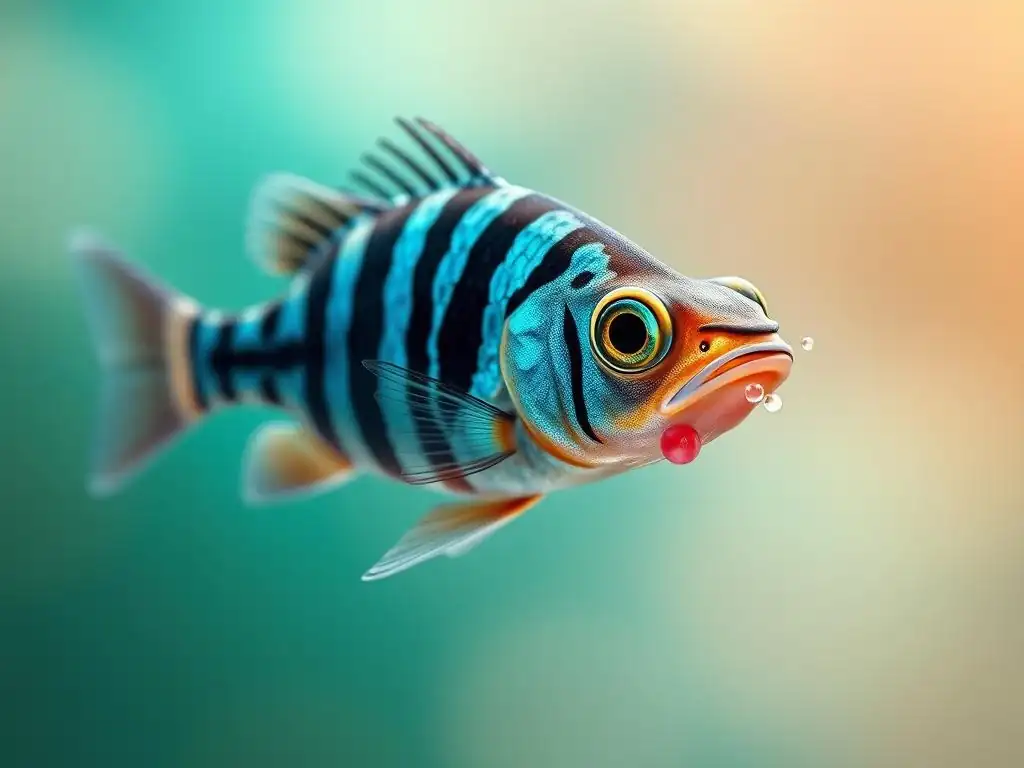
What Do Zebra Danios Eat? A Guide to Proper Feeding
Zebra Danios are omnivores, meaning their diet in the wild consists of both plant matter and small invertebrates. In the aquarium, a high-quality flake food should form the staple of their diet. Look for flakes that list fish meal, spirulina, or other quality protein sources as primary ingredients. Providing a staple flake with at least 35-40% crude protein will support their energetic lifestyle.
To ensure a balanced and nutritious diet, supplement their flakes with a variety of live or frozen foods 2-3 times per week. Excellent choices include brine shrimp, daphnia, micro worms, and finely chopped bloodworms. These protein-rich supplements enhance their color, boost their immune system, and provide essential nutrients often lacking in a sole flake diet, contributing significantly to optimal Zebra Danio care.
How Often to Feed Zebra Danios to Maintain Optimal Health
For adult Zebra Danios, feeding once or twice a day is generally sufficient. The key is to offer small portions that can be consumed entirely within 2-3 minutes. This prevents overfeeding and helps maintain water quality, which is a critical aspect of Zebra Danio care tips. Their high metabolism means they are almost always ready to eat, but restraint is necessary.
Observing your fish during feeding will help you gauge the correct amount. If food remains floating or settles on the bottom after a few minutes, you are likely feeding too much. An occasional fasting day, once a week, can also be beneficial for their digestive system, mimicking periods of less abundant food in their natural environment.
Preventing Overfeeding and Maintaining Water Quality
Overfeeding is one of the most common pitfalls in fishkeeping and directly impacts water quality. Excess uneaten food decomposes rapidly, releasing ammonia and nitrites into the water, which are highly toxic to fish. Even if your filter can process these compounds into nitrates, high levels of organic waste will lead to increased nitrate accumulation, necessitating more frequent water changes.
Beyond water quality issues, overfeeding can also lead to digestive problems in Zebra Danios, potentially causing bloating or fatty liver disease. Uneaten food also provides a rich nutrient source for undesirable algae growth. Implementing strict feeding protocols and regularly vacuuming the substrate to remove any settled debris are essential Zebra Danio care tips for a healthy, clean aquarium.
Zebra Danio Tank Mates: Creating a Peaceful Community
Compatible Fish for a Zebra Danio Aquarium: Corydoras, Neon Tetras, White Cloud Mountain Minnows
Zebra Danios are generally peaceful schooling fish, making them excellent candidates for a community aquarium, provided their tank mates are chosen carefully. Ideal companions are similarly sized, non-aggressive, and prefer comparable water parameters. Good examples include various species of Corydoras catfish, such as Bronze Corydoras (reaching about 2.5 inches), which are peaceful bottom dwellers.
Other excellent choices are small, peaceful schooling fish like Neon Tetras (around 1.5 inches), Harlequin Rasboras (1.5-2 inches), and White Cloud Mountain Minnows (approximately 1.5 inches). These species share the Danios' active nature and thrive in similar tank conditions. Always introduce new fish slowly and observe their interactions to ensure a harmonious environment, a vital part of Zebra Danio care tips for community tanks.
Fish to Avoid: Aggressive Species Unsuitable for Zebra Danios
When selecting tank mates for Zebra Danios, it is crucial to avoid species that are overly large, aggressive, or known fin-nippers. Large cichlids, such as many African Cichlid species (often growing to 4 inches or more and highly territorial), or larger Gouramis (like the Opaline Gourami, 4-5 inches) can stress or injure the smaller, more delicate Danios. Similarly, some larger Barb species, such as Tiger Barbs (2.5-3 inches), are notorious for nipping at the fins of other fish, including the flowing fins of longfin Danio varieties.
Furthermore, avoid fish that require vastly different water parameters, such as very high pH or hard water, which would be detrimental to the Danios' health. Also, extremely slow-moving or timid fish may struggle to compete for food with the fast-paced Danios, leading to starvation or undue stress. Proper tank mate selection is a foundational aspect of comprehensive Zebra Danio care tips.
Considerations for Invertebrates and Plants in a Zebra Danio Tank
Invertebrates can be a welcome addition to a Zebra Danio aquarium, provided they are not small enough to be perceived as food. Larger, peaceful invertebrates like Amano Shrimp (up to 2 inches) and various Nerite Snails (up to 1 inch) are generally safe and beneficial tank mates, contributing to tank cleanliness by consuming algae and detritus. However, very small dwarf shrimp species, especially their fry, might be preyed upon by adult Danios.
Live plants are highly recommended for a Zebra Danio tank. Species like Java Fern, Anubias, Hornwort, and various stem plants provide natural hiding spots, reduce nitrates, and contribute to a more stable and aesthetically pleasing environment. Plants also offer a sense of security for the fish and can enhance their natural behaviors, making them an integral part of excellent Zebra Danio care.
Zebra Danio Breeding: A Beginner's Guide to Spawning
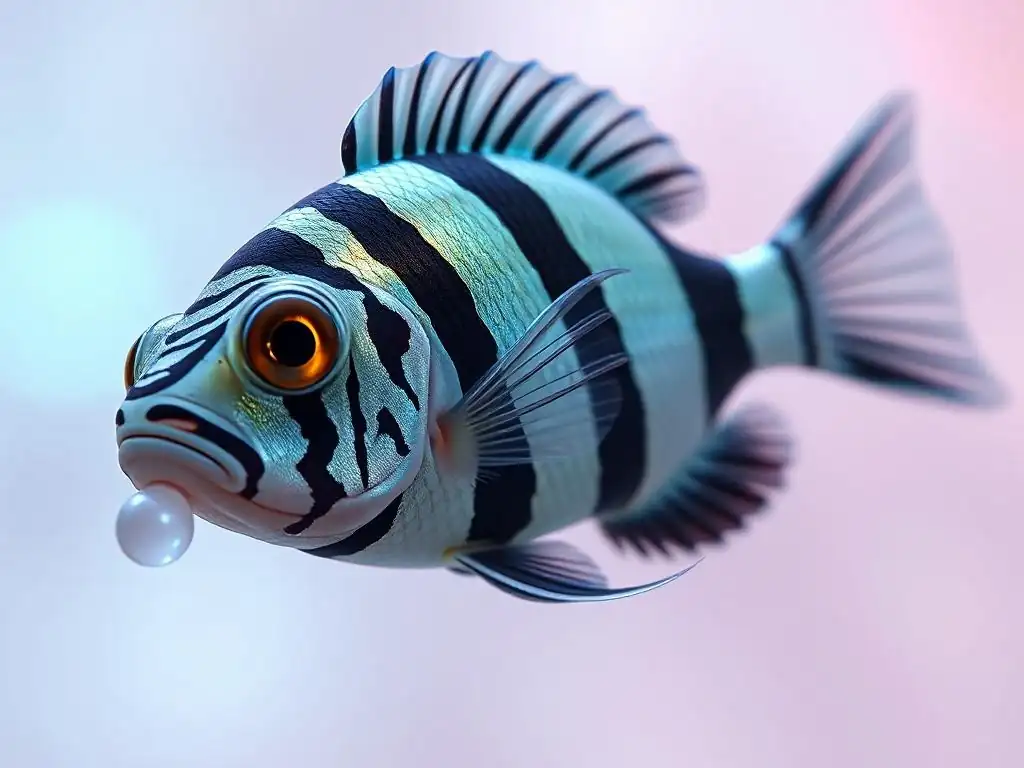
Setting Up a Breeding Tank for Zebra Danios
Breeding Zebra Danios is relatively straightforward, making them an excellent choice for beginner breeders. A separate breeding tank, typically 5-10 gallons, is highly recommended to protect the eggs from being eaten by the parents. Fill the tank with 4-6 inches of aged water, ideally slightly cooler than your main tank at around 72°F (22°C), which you will gradually raise.
To protect the non-adhesive eggs, place a spawning mop (made from yarn or synthetic fibers), a layer of marbles, or a mesh screen just above the bottom of the tank. This allows the eggs to fall through to safety. A small, air-driven sponge filter will provide gentle filtration without sucking up the tiny fry. Keep the breeding tank dimly lit to prevent fungal growth on the eggs.
Identifying Male and Female Zebra Danios
Distinguishing between male and female Zebra Danios is relatively easy, especially when they are conditioned for breeding. Male Zebra Danios are typically slimmer and more torpedo-shaped, with more vibrant, golden stripes running along their bodies. Their colors often intensify when they are ready to spawn, showcasing their breeding readiness.
Female Zebra Danios, on the other hand, are generally plumper and rounder in the belly area, particularly when they are gravid (full of eggs). Their stripes may appear slightly less intense than the males'. Observing these physical differences is crucial for selecting a healthy breeding pair or trio (one female to two males) to maximize spawning success.
The Zebra Danio Spawning Process: What to Expect
Zebra Danios are egg-scatterers and typically spawn in the early morning, often at dawn, stimulated by rising light and temperature. The male will actively chase the female, nudging her to release her eggs. The female will scatter hundreds of tiny, transparent, non-adhesive eggs randomly throughout the tank, which then fall to the bottom, hopefully through the spawning mop or into the marbles.
A single female can lay a significant number of eggs, ranging from 200 to 500 in a single spawning event. Once spawning is complete, it is crucial to remove the adult fish immediately. Zebra Danios are notorious egg-eaters, and failure to remove the parents will result in all the eggs being consumed. This quick removal is a vital Zebra Danio care tip for successful breeding.
Raising Zebra Danio Fry: From Hatching to Maturity
Zebra Danio eggs are remarkably fast to hatch, typically doing so within 24-36 hours at a temperature of 75-78°F (24-26°C). The newly hatched fry are minuscule and almost transparent, often resembling tiny slivers of glass. For the first 2-3 days, they will feed on their attached yolk sac, requiring no external food.
Once the yolk sac is absorbed, the fry become free-swimming and need extremely fine food. Begin with infusoria, liquid fry food, or commercially available powdered fry food, fed multiple times a day in very small amounts. As they grow, transition them to newly hatched brine shrimp, and then gradually to finely crushed flake food. Frequent small water changes (10-20% daily or every other day) are essential for fry development, as they are highly sensitive to water quality.
Common Zebra Danio Diseases and Health Issues
Identifying Symptoms of Illness in Zebra Danios
Early detection of illness is crucial for successful treatment and forms a key part of effective Zebra Danio care tips. Keep a close eye on your fish for any changes in behavior or appearance. Symptoms of illness can include lethargy, loss of appetite, hiding more than usual, erratic swimming, flashing (rubbing against tank decor), or clamped fins.
Physical signs might include white spots on the body and fins (Ich), fuzzy white or gray growths (fungus), ragged or deteriorating fins (fin rot), bloating (often indicative of Dropsy), or faded colors. Any deviation from their normal active and vibrant state warrants immediate investigation of water parameters and closer observation of the fish.
Treating Common Zebra Danio Diseases: Ich, Fin Rot, Dropsy
- Ich (White Spot Disease): This common parasitic infection appears as small, white spots resembling salt grains. Treatment involves raising the tank temperature gradually to 78-80°F (26-27°C) for several days (if compatible with tank mates and plants) to speed up the parasite's life cycle, combined with the use of aquarium salt (1-3 tablespoons per 5 gallons) or a commercial Ich medication.
- Fin Rot: Often caused by poor water quality or injury, fin rot manifests as ragged, discolored, or decaying fins. The primary treatment involves improving water quality through large, frequent partial water changes (e.g., 50% daily for several days) and, if severe, the use of a broad-spectrum antibacterial medication.
- Dropsy: This is a symptom, not a disease, characterized by severe bloating and scales protruding from the body, giving a "pinecone" appearance. It often indicates internal organ failure or severe bacterial infection. Dropsy is extremely difficult to treat; isolating the affected fish and trying an antibiotic bath may be attempted, but prognosis is often poor.
Preventing Disease Through Proper Zebra Danio Care
The best defense against disease in Zebra Danios is proactive prevention, rooted in consistent and excellent Zebra Danio care tips. Maintaining pristine water quality is paramount, achieved through regular partial water changes (25-30% weekly) and effective filtration that includes mechanical, biological, and chemical media. Avoid overcrowding your tank, as this increases waste load and stress levels.
Providing a varied and nutritious diet bolsters their immune system, making them more resilient to pathogens. Minimizing stress by providing adequate space, appropriate tank mates, and plenty of hiding spots is also critical. Finally, always quarantine new fish for 2-4 weeks in a separate tank before introducing them to your main aquarium. This simple step can prevent the introduction of common diseases into your established community.
Zebra Danio Varieties: Exploring Different Color Morphs and Fin Types
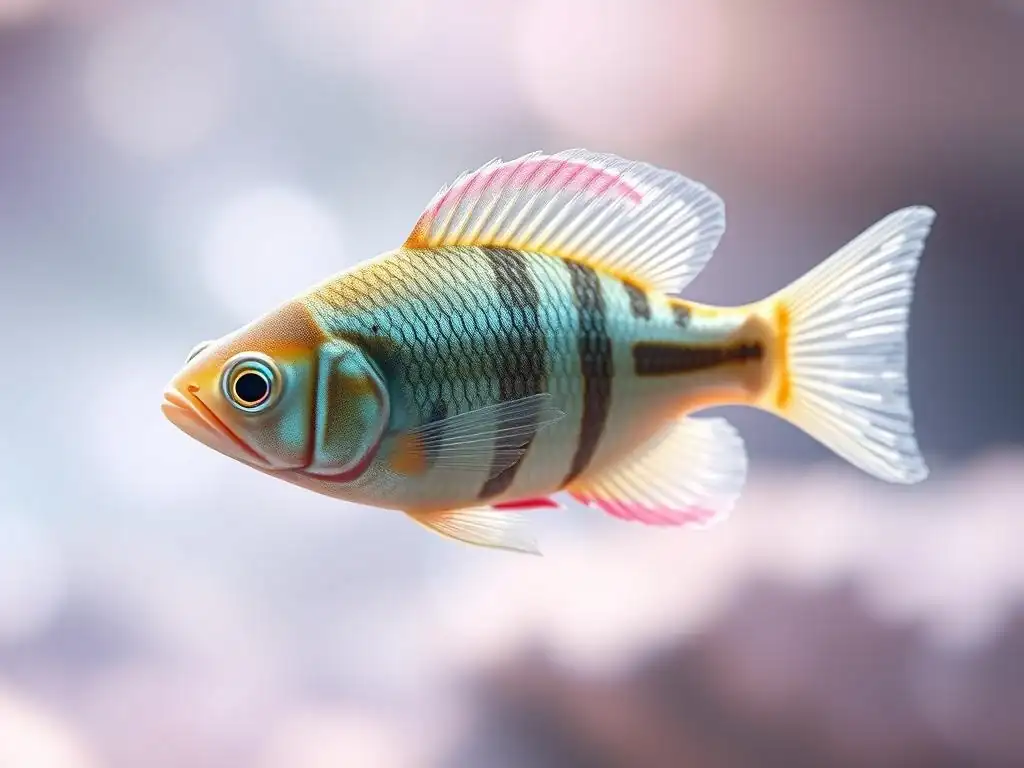
Leopard Danios: A Spotted Variation of the Zebra Danio
The Leopard Danio (Danio rerio var. frankei) is a captivating color morph of the common Zebra Danio, distinguished by its unique pattern of small, irregular spots covering its body, rather than the characteristic horizontal stripes. Despite their different appearance, Leopard Danios are genetically the same species as Zebra Danios and share identical care requirements, temperament, and activity levels.
Originally, Leopard Danios were mistakenly classified as a separate species, but genetic studies have confirmed they are a variant selectively bred from Danio rerio. They are just as hardy and active as their striped counterparts, making them an equally excellent choice for beginner aquarists or those looking to add a different visual texture to their Zebra Danio school.
Longfin Zebra Danios: Adding Elegance to Your Aquarium
Longfin Zebra Danios are another popular selectively bred variety, prized for their elongated, flowing fins that add a touch of elegance to their otherwise rapid and energetic movements. These extended fins, particularly the dorsal, caudal, and anal fins, create a graceful appearance as they dart through the water, making them a visually appealing addition to a community tank.
While their beauty is undeniable, their longer fins can sometimes make them more susceptible to fin-nipping by aggressive tank mates. Therefore, careful consideration of compatible species is even more crucial for Longfin Zebra Danios. Apart from their fin length, all other Zebra Danio care tips, including water parameters, diet, and schooling needs, remain the same as the standard variety.
Other Zebra Danio Color Variations: Golden Zebra Danio, Albino Zebra Danio
Beyond the Leopard and Longfin varieties, selective breeding has produced several other striking color morphs of the Zebra Danio. The Golden Zebra Danio possesses a recessive gene that results in a beautiful yellow-gold body color with very faint, almost translucent stripes. They retain the same hardiness and active schooling behavior as the wild type.
Albino Zebra Danios are another distinct variation, characterized by a complete lack of pigmentation, giving them a pale pink or white body with characteristic red eyes. While visually unique, albino fish can sometimes be slightly more sensitive to very bright lighting due to their lack of eye pigment, but otherwise, their general Zebra Danio care tips are identical to other varieties, ensuring they thrive in similar conditions.
Troubleshooting Common Zebra Danio Problems
Why Are My Zebra Danios Hiding? Possible Causes and Solutions
If your usually active Zebra Danios are suddenly hiding or exhibiting unusual shyness, it's a clear sign of stress or discomfort. Common causes include poor water quality (e.g., elevated ammonia, nitrite, or nitrate levels), the presence of aggressive or overly large tank mates, or an insufficient number of fish in their school. Zebra Danios feel most secure in larger groups.
To address this, immediately test your water parameters; if any are off, perform a partial water change. Re-evaluate your tank mates to ensure they are compatible and not intimidating the Danios. Ensure your school size is at least 6-8 individuals, as a larger group provides security in numbers. Adding more plants or decor can also provide additional hiding spots and a sense of safety.
Addressing Aggression in Zebra Danios: Solutions and Prevention
While generally peaceful, Zebra Danios can sometimes exhibit mild aggression, typically in the form of fin-nipping or chasing. This behavior is most often observed when they are kept in too small a school (fewer than 5-6 fish), which concentrates their natural "pecking order" behaviors onto fewer individuals. They may also nip at very slow-moving or long-finned tank mates if their own tank is too small, leading to boredom or territoriality.
The primary solution is to increase the school size to 8-10 or more individuals. A larger school diffuses aggression across the group, allowing them to establish a more natural hierarchy without focusing on a single target. Ensuring the tank is adequately sized (20 gallons or more for a school) and avoiding incompatible, slow-moving tank mates are essential Zebra Danio care tips for preventing aggression.
Maintaining Optimal Water Quality for Zebra Danio Well-being
Consistent, high-quality water is the single most important factor for the long-term well-being of Zebra Danios. This encompasses not just low levels of toxins but also stable parameters. Regular partial water changes (25-30% weekly) are non-negotiable, as they dilute nitrates, replenish essential minerals, and remove accumulated organic waste.
Beyond water changes, ensure your filtration system is robust and well-maintained. A good filter should be rated to turn over the tank volume at least 4-6 times per hour and include mechanical, biological, and chemical media. Regular testing for ammonia, nitrite, and nitrate is crucial, allowing you to address any issues promptly. Avoiding overfeeding and ensuring the tank is not overcrowded also significantly contribute to maintaining pristine water quality for your Zebra Danios.
Zebra Danio Care Tips: A Summary of Key Considerations
Ensuring a Long and Healthy Life for Your Zebra Danios
To ensure a long and healthy life for your Zebra Danios, which can live for 3-5 years or even longer with proper care, focus on providing a stable and enriching environment. This includes a spacious aquarium (preferably 20 gallons or more for a school of 8-10), consistent water parameters (temperature 64-74°F, pH 6.5-7.5), and a varied, high-quality diet of flakes supplemented with live or frozen foods.
Always keep them in a school of at least 6-8 individuals. This not only reduces individual stress but also encourages their natural schooling behaviors, making them more active and visually appealing. Proactive disease prevention through excellent water quality and careful observation will also significantly extend their lifespan and vitality.
The Importance of Regular Water Changes for Zebra Danios
Regular partial water changes are the cornerstone of effective Zebra Danio care. A weekly change of 25-30% of the tank volume is recommended. This essential routine removes accumulated nitrates, phosphates, and other dissolved organic compounds that can build up over time, even in well-filtered tanks. It also replenishes trace minerals that are gradually depleted.
When performing water changes, use a gravel vacuum to remove detritus and uneaten food from the substrate. This prevents anaerobic pockets from forming and further contributes to maintaining overall water quality and a clean, healthy environment for your Danios. Consistent water changes are the simplest yet most impactful Zebra Danio care tips for preventing stress and illness.
Creating a Stimulating Environment for Active Zebra Danios.
Zebra Danios are incredibly active swimmers and thrive in environments that cater to their energetic nature. Provide ample open swimming space in the mid to upper levels of the tank. Complement this with areas of dense planting or strategic decor arrangements that offer hiding spots and visual breaks, giving them a sense of security and encouraging exploration.
A gentle to moderate water current, mimicking their natural riverine habitats, can further stimulate their activity and contribute to their overall well-being. This can be achieved through appropriate filter outflow or by adding a small powerhead. A dynamic and stimulating environment, combined with proper water quality and diet, are comprehensive Zebra Danio care tips that will ensure your fish exhibit their full charm and vitality.
Frequently Asked Questions
What are the ideal water parameters for Zebra Danios?
Zebra Danios thrive in slightly acidic to neutral water. Aim for a pH between 6.5 and 7.5, a water temperature of 64-74°F (18-23°C), and ensure the tank is well-filtered to maintain excellent water quality.
What is the best type of food to feed Zebra Danios?
Zebra Danios are omnivores and are not picky eaters. Feed them a high-quality flake food as a staple, supplemented with occasional treats like live or frozen daphnia and brine shrimp for optimal health and color.
How much space do Zebra Danios need in an aquarium?
Zebra Danios are active swimmers and require plenty of space. A minimum tank size of 10 gallons is recommended for a small group of 5-6 fish, but a larger tank is always preferable to allow them to school comfortably.
Are Zebra Danios compatible with other fish species?
Yes, Zebra Danios are generally peaceful and compatible with many other community fish. Avoid housing them with large, aggressive species that may bully or eat them. Good tank mates include other small, peaceful fish like tetras and corydoras.
What are some common health issues to watch out for in Zebra Danios?
While generally hardy, Zebra Danios can be susceptible to common aquarium diseases like Ich (white spot disease) and fin rot. Maintaining excellent water quality and observing your fish regularly for signs of illness are crucial for preventing and treating these issues.
Final Reflection: The Enduring Ripple of Simplicity
The journey through the world of Danio rerio reveals more than just practical Zebra Danio care tips; it highlights the profound impact even the smallest creatures can have on our lives and our understanding of the natural world. From their humble beginnings in the aquarium trade to their vital role in scientific research, these striped wonders continue to captivate and inspire.
This exploration has underscored the enduring appeal of simplicity and resilience. The Zebra Danio, a seemingly unassuming fish, teaches us valuable lessons about adaptability, community, and the beauty found in the everyday. In the smallest things, nature shows its greatest perfections.
- Carl Linnaeus. This quote resonates deeply when considering the Danio's significance, proving that profound insights can be gleaned from even the most accessible of creatures.
As you consider the information shared within these pages, I encourage you to reflect on the lessons learned from the Zebra Danio. Whether you are a seasoned aquarist or a curious newcomer, take a moment to appreciate the intricate beauty of these fish and the responsibility we share in ensuring their well-being. Let the Danio's resilience inspire you to embrace simplicity, foster community, and find wonder in the everyday moments of your own life.
Dive Deeper: Transform Your Aquarium into a Danio Paradise!
Thanks for exploring the fascinating world of Zebra Danios! We hope this article has given you a newfound appreciation for these energetic and charming fish. Now, let's put that knowledge into action and create an even better home for your finned friends.
- **Prioritize their happiness:Evaluate your current tank setup and commit to making one immediate improvement to enhance your Zebra Danios' well-being. This could be increasing swimming space, adding more hiding spots, or improving water flow.
- Unleash your creativity: Craft an enriching environment by experimenting with different DIY aquarium decorations that provide stimulating spaces for your Danios to explore.
- Share the Danio love: Educate a friend or family member about the joy of keeping Zebra Danios and inspire them to start their own aquarium journey.
What's one simple change you can make today to create a more stimulating and joyful environment for your Zebra Danios?