
Open Water Aquascapes: Creating a *Cyprichromis*Friendly Environment

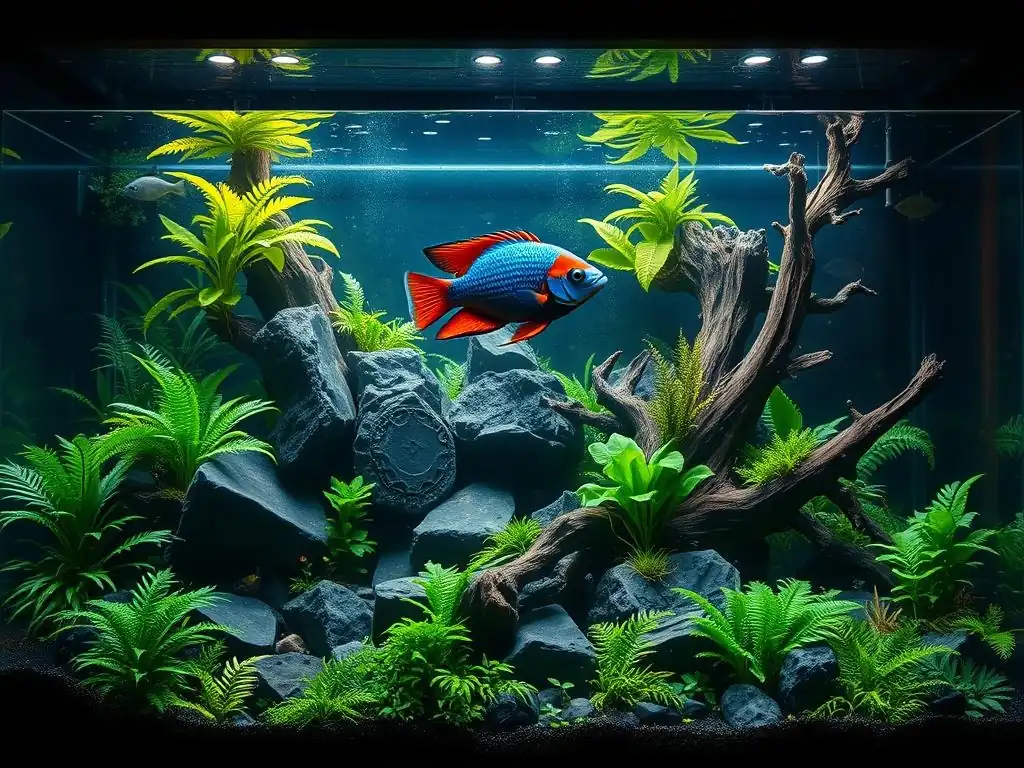
Welcome to Aquarium Mastery!
Ever wondered how to craft the perfect open water paradise for your Cyprichromis? Dive in! This guide provides essential aquascaping advice to unlock the full potential of your Cyprichromis tank, creating a thriving and beautiful environment. Read on to discover the secrets to happy, healthy fish!
- Understanding Cyprichromis Behavior for Optimal Tank Design
- Essential Elements of a Cyprichromis Aquascape
- Cyprichromis Tank Aquascaping Advice: A Step-by-Step Guide
- Maintaining Your Cyprichromis Aquascape
- Choosing Tank Mates for Cyprichromis
- Troubleshooting Common Cyprichromis Tank Issues
- Advanced Cyprichromis Aquascaping Techniques
-
Frequently Asked Questions
- What are the key considerations when aquascaping a Cyprichromis tank?
- What type of substrate is best for a Cyprichromis tank?
- What kind of rockwork is appropriate for a Cyprichromis tank aquascape?
- Can I include plants in a Cyprichromis tank aquascape?
- How important is water flow in a Cyprichromis tank aquascape?
- Final Reflection: Embracing the Cyprichromis Dance
- Dive Deeper: Design Your Dream Cyprichromis Habitat!
Understanding Cyprichromis Behavior for Optimal Tank Design
The Unique Open-Water Lifestyle of Cyprichromis
Cyprichromis cichlids, often called "Featherfins," are unique among Tanganyikan cichlids due to their pelagic, open-water lifestyle. Unlike many rock-dwelling or shell-dwelling cichlids, Cyprichromis spend the majority of their lives in the water column, often forming large schools of hundreds or even thousands of individuals in their natural habitat in Lake Tanganyika. This behavior is a direct adaptation to their diet, which consists primarily of zooplankton filtered from the open water.
This distinctive open-water existence dictates specific requirements for their aquarium environment. A successful Cyprichromis tank aquascape must prioritize vast, unobstructed swimming space over intricate rock formations or dense planting. Any clutter in the central water column will inhibit their natural schooling behavior and can lead to stress, reduced activity, and even aggression as they struggle to maintain their preferred spatial dynamics.
Cyprichromis are highly social fish, thriving in groups. In the wild, they form immense schools, which provides security and facilitates feeding. In a home aquarium, maintaining a minimum group size is crucial for their well-being. A recommended starting point for a species like Cyprichromis leptosoma is a group of at least 6-10 individuals, with larger numbers (e.g., 15-20+) being ideal for a truly natural display, provided tank size allows. This large group size helps to dilute aggression, particularly among males during breeding.
While generally peaceful, male Cyprichromis can become territorial, especially when displaying or breeding. Their territories are typically vertical columns in the open water. Therefore, the aquascape should offer tall, vertical structures, such as pillar-like rocks, that can serve as visual breaks and potential spawning sites without impeding overall swimming space. This specific Cyprichromis tank aquascaping advice helps manage social dynamics effectively.
Habitat Preferences: Replicating Lake Tanganyika in Your Aquarium
Replicating the natural habitat of Lake Tanganyika is paramount for the health and longevity of Cyprichromis. Lake Tanganyika is characterized by its exceptionally clear, highly oxygenated, and stable water parameters. The water is typically hard and alkaline, with a pH ranging from 8.0 to 9.0, a general hardness (GH) between 10-18 dGH, and carbonate hardness (KH) around 16-20 dKH. Temperatures generally remain stable between 24-27°C (75-81°F).
Translating these conditions into an aquarium means prioritizing robust filtration, excellent aeration, and consistent water chemistry. The aquascape itself should reflect the sparse, rocky environment of the lake's deeper, open zones. This implies a minimalist approach, focusing on water quality and volume rather than dense decor. Ensuring these parameters are met is fundamental Cyprichromis tank aquascaping advice.
Essential Elements of a Cyprichromis Aquascape
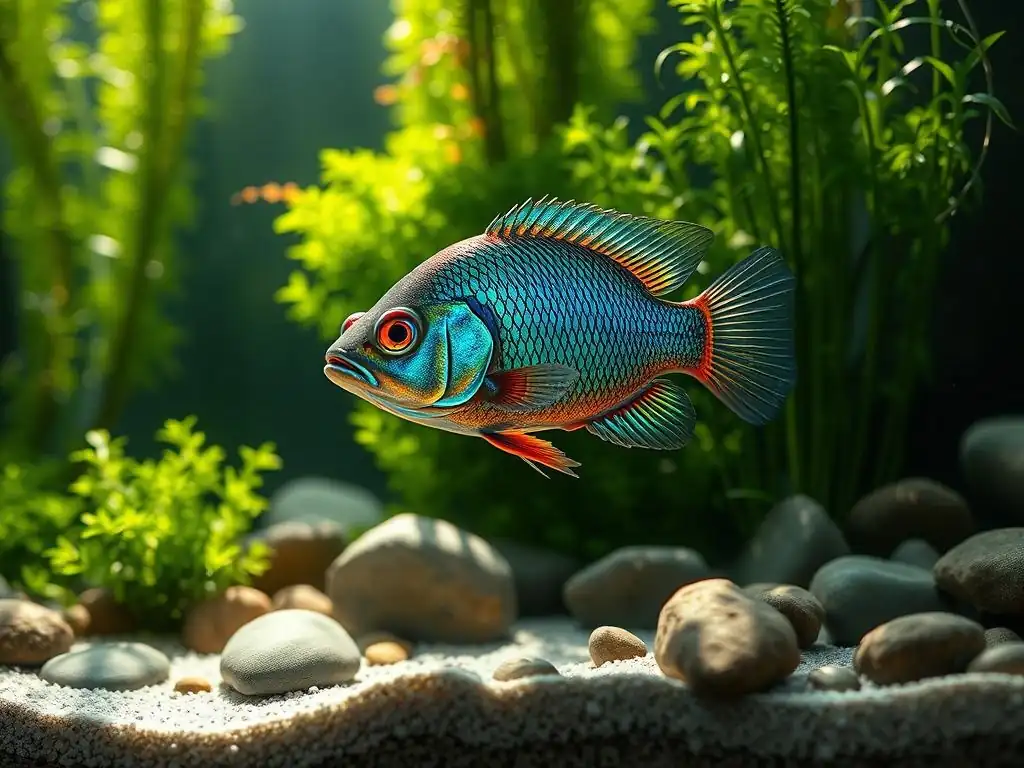
Open Swimming Space: Prioritizing Water Volume
The most critical element of any Cyprichromis aquascape is the provision of ample open swimming space. Due to their pelagic nature and schooling behavior, these fish require significant vertical and horizontal water volume. A tank length of at least 48 inches (120 cm) is recommended for a small group, with 72 inches (180 cm) or more being ideal for larger schools or species. Tank height is also crucial; a tank with a minimum height of 20-24 inches (50-60 cm) allows them to utilize the water column effectively.
For a group of 10-15 Cyprichromis leptosoma, a 75-gallon (approximately 280 liters) tank is a common minimum recommendation, though a 90-125 gallon (340-470 liters) tank is significantly better, providing more stable conditions and allowing for more natural schooling. Larger species like Cyprichromis microlepidotus would necessitate tanks upwards of 150-200 gallons (560-750 liters). Prioritizing tank size and open water is the cornerstone of effective Cyprichromis tank aquascaping advice.
Substrate Selection for a Cyprichromis Tank
When selecting a substrate for a Cyprichromis tank, the primary considerations are water chemistry stability and ease of maintenance. A fine, inert sand, such as play sand or pool filter sand, is generally recommended. However, to help maintain the high pH and hardness levels characteristic of Lake Tanganyika, a buffering substrate like aragonite sand or crushed coral is often preferred. A thin layer, typically 1 to 2 inches (2.5-5 cm) deep, is sufficient.
This type of substrate not only contributes to the desired water parameters but also mimics the natural lake bed, which is often composed of fine sediments. It is easy to keep clean, preventing the buildup of detritus that can lower pH. Coarse gravel should be avoided as it can trap waste and potentially harm the delicate mouths and fins of these fish.
Rockwork and Hardscape: Creating Vertical Structure
Rockwork in a Cyprichromis aquascape serves a specific purpose: to provide vertical structure for visual breaks, potential breeding sites, and to replicate the rocky outcrops they might encounter in their natural habitat, without obstructing the open water. Tall, pillar-like rocks, such as limestone, Texas holey rock, or lace rock, are ideal. These should be arranged to create vertical lines and some caves or crevices, but critically, these should be open and accessible, not tight hiding spots.
The key is to avoid creating dense rock piles or walls that would limit swimming space. Instead, aim for a minimalist arrangement of a few striking, vertical pieces. These structures allow males to establish loosely defined territories in the water column and provide females with areas to retreat to if needed. The verticality of the hardscape is a crucial aspect of Cyprichromis tank aquascaping advice.
Safe Rock Placement for Cyprichromis
Safety is paramount when placing heavy rockwork in an aquarium. All rocks, especially large ones, should be placed directly on the bottom glass of the tank, not on top of the substrate. This prevents the rocks from shifting or collapsing if the fish (or you) dig around them. Using egg crate or a thin sheet of plastic under the rocks can further distribute weight and protect the glass.
Once positioned, ensure the rocks are stable and cannot be easily dislodged. Aquarium-safe silicone can be used to bond unstable pieces together or to the tank bottom for added security. Regularly inspect the rockwork for any signs of instability, especially after maintenance activities.
Avoiding Traps and Confined Spaces
While some crevices are acceptable, the aquascape should actively avoid creating tight, confined spaces or dead ends. Cyprichromis are pelagic fish; they are not accustomed to navigating complex cave systems. Small, enclosed spaces can become traps, especially for juvenile or stressed fish, leading to injury or suffocation.
The design should prioritize open pathways and clear lines of sight, allowing the fish to school freely and escape potential aggression from dominant individuals. Any caves or hiding spots should be spacious and easily accessible from multiple angles, ensuring that fish can enter and exit without getting stuck.
Plant Selection for a Cyprichromis Biotope
In their natural open-water habitats, Cyprichromis typically encounter very little live vegetation. Therefore, a biotope-accurate Cyprichromis aquascape would feature few, if any, live plants. The focus should remain on crystal-clear water and open swimming lanes. However, some aquarists prefer to include plants for aesthetic reasons or to assist with water quality.
If plants are introduced, they must be species that can tolerate high pH and hard water conditions, and crucially, they should not impede the vast open swimming space Cyprichromis require. The goal is to maintain the illusion of an expansive water column.
Compatible Plant Species for Tanganyikan Cichlids
For those wishing to incorporate plants, hardy and adaptable species are best. Anubias species ( Anubias barteri var. nana, Anubias congensis) are excellent choices as they are tough, can be attached to rocks or driftwood, and thrive in a wide range of water parameters, including the hard, alkaline water of a Tanganyikan setup. Java Fern ( Microsorum pteropus) and African Water Fern ( Bolbitis heudelotii) are also suitable, offering a different texture.
Another option is Vallisneria (e.g., Vallisneria spiralis or Vallisneria gigantea), which can be planted sparsely along the back or sides of the tank to provide vertical lines without becoming too dense. These plants are generally not bothered by cichlids and contribute to a more natural look while tolerating the water chemistry.
Plant Placement Strategies for Minimal Disruption
Strategic plant placement is key to maintaining the open-water environment Cyprichromis need. Any plants should be positioned along the very back or sides of the tank, or directly attached to the rockwork. The central and upper water column should remain entirely free of obstructions.
Avoid creating dense thickets or using foreground plants that would clutter the swimming lanes. The aim is to enhance the background or frame the open space, not to fill it. This minimalist approach ensures that the Cyprichromis have the freedom to school and move unimpeded, which is vital for their health and display behavior.
Cyprichromis Tank Aquascaping Advice: A Step-by-Step Guide
Planning Your Cyprichromis Aquascape Design
Before placing anything in your tank, spend time planning your Cyprichromis aquascape design. Consider the dimensions of your tank and the number of fish you intend to keep. Sketch out a few different layouts, always prioritizing the central open swimming area. Think about where your tall rock structures will go to provide visual breaks and male territories without impeding schooling.
Visualize the tank from different viewing angles. Will the fish have ample space to swim vertically and horizontally? Are there enough visual barriers to diffuse potential aggression but not so many that the tank feels cramped? This initial planning phase is crucial for successful Cyprichromis tank aquascaping advice.
Setting Up the Substrate and Hardscape
Begin by thoroughly rinsing your chosen substrate (e.g., aragonite sand) to remove any dust. Place a thin, even layer of 1 to 2 inches (2.5-5 cm) across the bottom of the empty tank. Next, carefully position your selected rocks directly onto the bare bottom glass. This ensures stability and prevents rocks from shifting if the substrate is disturbed.
Once the main rock structures are securely in place, you can gently add more substrate around them, building up the desired thin layer. Double-check that all hardscape elements are stable and do not pose a risk of collapsing or trapping fish.
Introducing Plants and Decorations
With the substrate and hardscape in place, you can now introduce any chosen plants and minimal decorations. If using Anubias or Java Fern, attach them to your rocks or driftwood using fishing line, cotton thread, or a small dab of aquarium-safe super glue. Ensure the rhizome (the thick stem from which leaves and roots grow) is not buried in the substrate, as this can cause it to rot.
If you opt for Vallisneria, plant it along the back or sides of the tank, ensuring it doesn't create dense areas in the central swimming zone. Avoid adding excessive decorative items that would clutter the tank or detract from the natural, open aesthetic.
Cycling the Tank and Preparing for Cyprichromis
After your aquascape is complete and the tank is filled with water, the crucial step of cycling the tank begins. This process establishes the beneficial bacteria colony necessary to convert toxic ammonia and nitrite into less harmful nitrate. A fishless cycle, using an ammonia source, is highly recommended and typically takes 4 to 6 weeks.
During the cycling process, regularly test your water parameters (ammonia, nitrite, nitrate, pH, GH, KH, temperature). Only introduce Cyprichromis once ammonia and nitrite levels consistently read zero, and nitrates are present but manageable through water changes. Ensure all water parameters match the ideal Tanganyikan cichlid requirements before adding your fish.
Maintaining Your Cyprichromis Aquascape
Water Quality Management for Cyprichromis Health
Maintaining pristine water quality is paramount for the health and vibrancy of Cyprichromis. Regular partial water changes are essential; a weekly change of 25-30% of the tank volume is a good baseline. Always use a dechlorinator and ensure the new water matches the tank's temperature and pH as closely as possible to prevent shock.
Monitor water parameters frequently using a reliable test kit. Key parameters to check include pH (aim for 8.0-9.0), ammonia, nitrite (both should be zero), nitrate (keep below 20 ppm), GH, and KH. Robust filtration, including mechanical, biological, and chemical media, is crucial to support the high bioload of a schooling cichlid tank. High oxygen levels, achieved through surface agitation or air stones, are also vital. This consistent water quality management is vital Cyprichromis tank aquascaping advice.
Algae Control in a Planted Cyprichromis Tank
While Cyprichromis tanks typically have less dense planting, algae can still be an issue. Excessive algae growth often indicates an imbalance in nutrients or lighting. To control algae, limit the duration of your tank lights to 8-10 hours per day, ideally on a timer. Avoid overfeeding your fish, as uneaten food contributes to nutrient buildup.
Manual removal of algae during water changes is effective. Introducing certain algae-eating snails, like Nerite snails, can also help, provided they are compatible with your water parameters and fish. Maintaining consistent water changes will also help dilute excess nutrients that fuel algae growth.
Monitoring Cyprichromis Behavior for Aquascape Adjustments
Regularly observe your Cyprichromis for any changes in behavior. Healthy Cyprichromis should be actively schooling, swimming freely in the open water, and displaying vibrant colors. Signs of stress include clamped fins, faded coloration, hiding excessively, or unusual aggression.
If you notice frequent territorial disputes among males, despite adequate group size, it might indicate a need for minor aquascape adjustments. Adding another tall rock structure to create an additional visual break or slightly rearranging existing rockwork can sometimes alleviate tension. Conversely, if fish seem stressed by too much clutter, carefully remove non-essential decorations to maximize open swimming space.
Choosing Tank Mates for Cyprichromis
Compatible Species for a Tanganyikan Community Tank
When selecting tank mates for Cyprichromis, the primary goal is to choose species that share similar water parameter requirements and temperament, without competing for the same open-water territory. Ideal tank mates are other peaceful Tanganyikan cichlids that occupy different levels of the water column.
Good choices include smaller, less aggressive rock-dwelling cichlids like Julidochromis species ( Julidochromis regani, Julidochromis transcriptus), which primarily inhabit the rocky bottom areas. Shell-dwelling cichlids ( Neolamprologus multifasciatus, Lamprologus ocellatus) are also excellent choices as they occupy the very bottom and utilize shells for shelter and breeding. Other open-water Tanganyikan species like Paracyprichromis brieni are also highly compatible, often coexisting peacefully in the upper water column.
Species to Avoid When Keeping Cyprichromis
Avoid tank mates that are overly aggressive, highly territorial, or grow significantly larger than Cyprichromis. This includes many of the more boisterous Mbuna cichlids from Lake Malawi, which have very different temperaments and diets. Large, predatory cichlids should also be avoided, as they will view Cyprichromis as prey.
Furthermore, steer clear of fish that require significantly different water parameters (e.g., soft, acidic water) or those that are known to nip fins, as Cyprichromis have delicate, flowing fins that are susceptible to damage. Any species that would directly compete for the open-water column should also be avoided to prevent stress and aggression.
Minimizing Aggression Through Aquascaping Techniques
Aquascaping plays a critical role in minimizing aggression within a Cyprichromis community tank. For Cyprichromis themselves, providing ample open swimming space and maintaining a large group size (e.g., 15+ individuals) is the best defense against internal aggression, as it dilutes the focus of dominant males.
When housing Cyprichromis with other Tanganyikan species, design your aquascape to provide distinct territories for each group. For example, create a dedicated rock structure for Julidochromis at the bottom, and a separate shell bed for shell dwellers. The vertical rock pillars for Cyprichromis should not interfere with these other zones. This careful spatial separation, guided by Cyprichromis tank aquascaping advice, ensures each species has its own domain, reducing inter-species conflict.
Troubleshooting Common Cyprichromis Tank Issues
Addressing Aggression and Territoriality
Despite their generally peaceful nature, aggression can occasionally flare up in a Cyprichromis tank, particularly among males or if the tank is overcrowded. If aggression is observed, first re-evaluate your stocking density. If the group size is too small (e.g., fewer than 6-8 individuals), increasing the number of Cyprichromis can help dilute aggression by spreading it among more fish. A higher female-to-male ratio (e.g., 3-4 females per male) is also beneficial.
Secondly, assess your aquascape. Are there enough visual breaks to allow subordinate males to escape the line of sight of dominant ones? Adding another tall, slender rock or repositioning existing ones can create these necessary breaks. Ensure that the central swimming area remains vast and unobstructed, as crowding can exacerbate territorial disputes.
Preventing and Treating Diseases in Cyprichromis
Prevention is the best approach to disease in Cyprichromis. The most common causes of illness are poor water quality, unstable parameters, stress, and an inadequate diet. Maintaining pristine water conditions through regular water changes, consistent temperature, and ideal pH/hardness levels is paramount. A high-quality diet, primarily consisting of small, high-protein foods like spirulina flakes, cyclops, and daphnia, is also crucial.
If disease does occur, prompt diagnosis and treatment are essential. Common issues include bloat (often diet-related) and ich (usually stress-induced). Isolate affected fish in a quarantine tank if possible to prevent spread and facilitate targeted treatment. Consult a reliable aquarium disease guide for specific medication dosages and treatment protocols.
Optimizing Water Parameters for Cyprichromis Well-being
Consistent water parameters are more important than hitting exact numbers, as long as they are within the acceptable range for Cyprichromis. Ideal parameters include a pH between 8.0 and 9.0, a general hardness (GH) of 10-18 dGH, a carbonate hardness (KH) of 16-20 dKH, and a stable temperature of 24-27°C (75-81°F).
Regularly test your tap water to understand its baseline. If your tap water is naturally soft or acidic, you may need to use buffering agents, crushed coral in your filter, or aragonite sand as substrate to raise and stabilize pH and hardness. For very soft water, remineralizing RO (Reverse Osmosis) water with specific Tanganyika salts is the most precise method. Sudden fluctuations in parameters are highly detrimental to Cyprichromis health.
Advanced Cyprichromis Aquascaping Techniques
Creating a Biotope-Accurate Cyprichromis Habitat
For the dedicated aquarist, creating a truly biotope-accurate Cyprichromis habitat takes the Cyprichromis tank aquascaping advice to the next level. This involves an extreme minimalist approach, focusing on replicating the deep, open-water, rocky environment of Lake Tanganyika. The substrate should be a very thin layer (less than 1 inch) of fine, light-colored sand, such as aragonite, to mimic the lake bed.
Rockwork should consist of only a few striking, tall, smooth boulders or pillar-like structures made of limestone or dolomite, mimicking the vertical rock faces Cyprichromis inhabit. These should be placed to provide vertical interest and visual breaks without impeding the vast central swimming space. The emphasis is on crystal-clear water, perhaps enhanced by a powerhead to create gentle currents, simulating the natural flow in the lake's depths.
Using Lighting to Enhance Cyprichromis Colors
While Cyprichromis do not require intense lighting, strategic light choices can significantly enhance their vibrant colors and display behavior. Full-spectrum LED lighting with a color temperature around 6500K provides a natural daylight appearance. However, incorporating some actinic blue or other specific color-enhancing LEDs can truly make the blues, yellows, and oranges of Cyprichromis "pop."
Avoid overly bright or harsh lighting, as this can stress the fish. A dimmer or a ramp timer can be beneficial, simulating a gradual dawn and dusk, which reduces stress during light transitions and encourages natural behavior. The goal is to illuminate their beauty without overwhelming them.
Breeding Cyprichromis in a Dedicated Aquascape
For aquarists interested in breeding Cyprichromis, the aquascape can be subtly tailored to encourage spawning and fry survival. The core elements of ample open water and vertical rock structures remain paramount. However, ensure that the tall rocks provide smooth, vertical surfaces that males can claim as spawning territories and where females can retreat after spawning.
A dedicated breeding tank, often larger (e.g., 125 gallons or more) and housing a larger group with a higher female-to-male ratio (e.g., 3-4 females per male), increases breeding success. The open water facilitates their unique spawning dance, where the male displays above the female. While Cyprichromis are mouthbrooders, providing some very fine, open cover (like sparse Vallisneria in the background) can give fry a sense of security once released, without hindering the adults' movement.
Frequently Asked Questions
What are the key considerations when aquascaping a Cyprichromis tank?
The most important aspect is creating open swimming space. Cyprichromis are open water swimmers and need plenty of room to move freely. A few strategically placed rock structures are fine, but avoid overcrowding the tank.
What type of substrate is best for a Cyprichromis tank?
A sandy substrate is generally recommended. This mimics their natural habitat and allows for digging behaviors without causing harm. Avoid sharp or coarse gravel that could damage their delicate mouths.
What kind of rockwork is appropriate for a Cyprichromis tank aquascape?
Use smooth, rounded rocks to create caves and hiding places along the tank's perimeter. These should be stable and not pose a risk of collapsing. Avoid rocks with sharp edges.
Can I include plants in a Cyprichromis tank aquascape?
Yes, you can, but choose hardy plants that can withstand the water parameters and won't be easily uprooted. Anubias and Java Fern are good choices, as they can be attached to rocks or driftwood.
How important is water flow in a Cyprichromis tank aquascape?
Maintaining good water flow is crucial for oxygenation and waste removal. Use powerheads or wavemakers to create gentle currents throughout the tank. This also encourages natural behaviors in Cyprichromis.
Final Reflection: Embracing the Cyprichromis Dance
The journey of crafting an open water aquascape for Cyprichromis is more than just arranging rocks and plants; it's about understanding and respecting the delicate ecosystem we're recreating. The principles of open water design, coupled with the specific needs of these vibrant fish, offer a compelling lesson in responsible fishkeeping and the beauty of biotope-inspired aquariums. This approach, far from being a niche hobby, highlights the importance of informed decisions in all aspects of aquarium keeping, promoting both the well-being of our aquatic companions and the aesthetic value of our underwater worlds.
This exploration into Cyprichromis tank aquascaping has profoundly underscored the interconnectedness of environment and behavior. Witnessing these fish thrive in a carefully designed open water setup is a constant reminder of our responsibility to provide more than just basic survival. It’s about fostering an environment where they can truly flourish, exhibiting their natural behaviors and vibrant colors. As the renowned aquascaper Takashi Amano once said, To know Mother Nature, is to love her smallest creations.
This sentiment resonates deeply when observing the intricate dance of Cyprichromis in a well-crafted open water aquascape.
Now, consider how you can apply these principles of thoughtful design and environmental awareness to your own aquariums, and indeed, to other aspects of your life. Let the Cyprichromis serve as a reminder that understanding and respecting the needs of others, whether fish or fellow humans, leads to a richer, more vibrant, and ultimately more fulfilling existence. Embrace the challenge of creating harmonious environments, and you'll find that the rewards extend far beyond the confines of your aquarium.
Dive Deeper: Design Your Dream Cyprichromis Habitat!
Thank you for exploring the captivating world of open water aquascaping and Cyprichromis care. We hope you've gained valuable insights into creating a thriving environment for these fascinating fish. Now, let's put that knowledge into action!
Here are a few things you can do next:
- Design and Document: Sketch out your ideal Cyprichromis open water aquascape. Note the dimensions, rock placement, and potential plant choices.
- Explore Unique Substrates: Research unconventional substrate options, such as crushed coral or aragonite, to influence water parameters and mimic the natural Cyprichromis habitat.
- Share Your Vision: Discuss your Cyprichromis aquascaping plans on aquarium forums and connect with other enthusiasts.
What unique design element will you incorporate to truly make your Cyprichromis tank stand out?