
Pencil Wrasses (Pseudojuloides spp.): Sleek Swimmers for the Advanced Aquarist's Collection

Welcome to Aquarium Mastery!
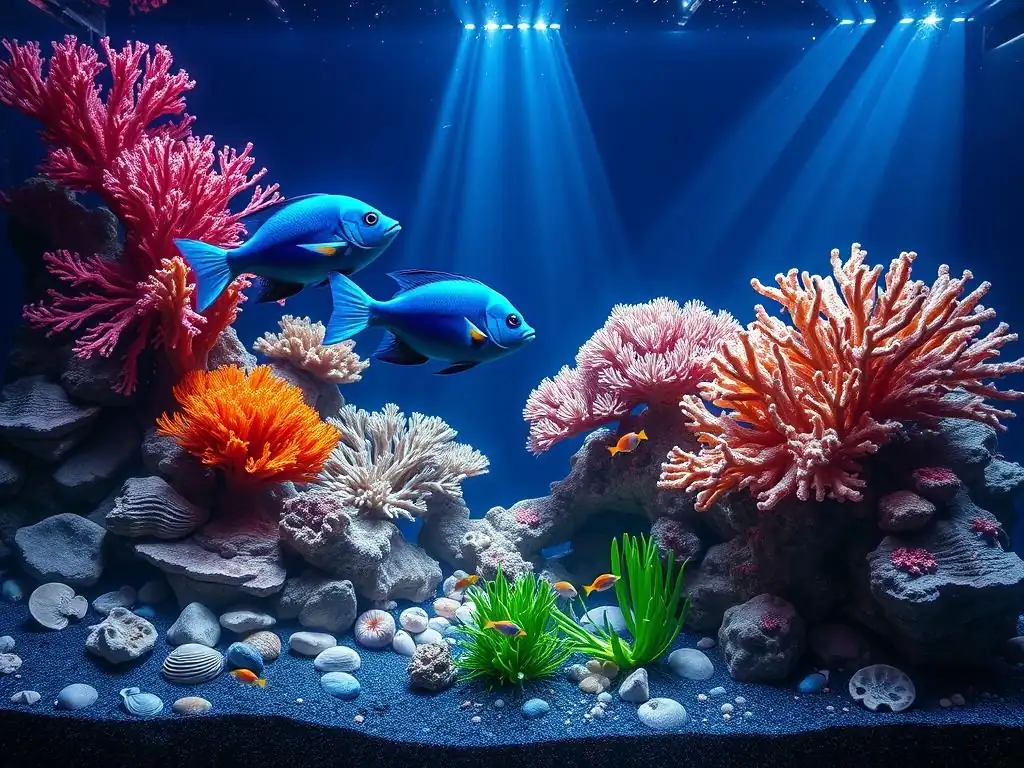
Intrigued by the sleek elegance of the Pencil Wrasse? These captivating swimmers bring a unique charm to advanced saltwater aquariums. Dive into our comprehensive Pencil Wrasse Care Guide and unlock the secrets to successfully keeping these fascinating fish thriving in your own reef environment. Are you ready to elevate your aquascaping game?
- Introduction to Pencil Wrasses: A Reef Tank Gem
- Understanding Pencil Wrasse Care: Essential Requirements
- Pencil Wrasse Behavior and Compatibility in the Reef Aquarium
- Setting Up the Ideal Pencil Wrasse Habitat
- Pencil Wrasse Health and Disease Prevention
- Breeding Pencil Wrasses: Challenges and Possibilities
- Pros and Cons of Keeping Pencil Wrasses
- Purchasing Pencil Wrasses: Finding Healthy Specimens
- Conclusion: Mastering Pencil Wrasse Care for a Thriving Aquarium
-
Frequently Asked Questions
- What makes Pencil Wrasses (Pseudojuloides spp.) suitable for an advanced aquarist?
- What type of aquarium setup is ideal for Pencil Wrasses?
- What do Pencil Wrasses eat, and how often should they be fed?
- What are some common health problems Pencil Wrasses are susceptible to?
- Are Pencil Wrasses compatible with other fish species in a reef tank?
- Final Reflection: The Enduring Allure of the Pencil Wrasse
- Unleash the Vibrant World of Wrasses!
Introduction to Pencil Wrasses: A Reef Tank Gem
What are Pencil Wrasses and Why are They Desirable?
Pencil Wrasses, belonging to the genus Pseudojuloides, are captivating inhabitants of the Indo-Pacific coral reefs, highly sought after by advanced marine aquarists. These small, active fish are characterized by their sleek, torpedo-shaped bodies and often vibrant, iridescent coloration, displaying hues of blue, green, yellow, and red. They typically inhabit depths ranging from 5 to 50 meters, constantly darting among live rock and coral structures. Their continuous activity and stunning appearance make them a focal point in any well-maintained reef aquarium.
Beyond their undeniable aesthetic appeal, Pseudojuloides species offer significant functional benefits to the reef tank environment. They are natural predators of various nuisance invertebrates, including pyramid snails (a common pest of Tridacnid clams) and flatworms. This natural pest control capability makes them invaluable additions for aquarists aiming to maintain a balanced and healthy ecosystem without resorting to chemical treatments. However, their delicate nature and specific requirements necessitate a meticulous Pencil wrasse care guide approach, appealing primarily to experienced hobbyists capable of providing pristine and stable conditions.
Pencil Wrasse Species Overview: Identifying Popular Varieties
The Pseudojuloides genus encompasses several species, each with unique coloration and subtle behavioral differences. One of the most popular is Pseudojuloides severnsi, commonly known as Severns's Pencil Wrasse, which typically reaches about 3 inches (7.5 cm) and is admired for its striking blue body contrasted with vibrant yellow accents. Another frequently encountered species is Pseudojuloides cerasinus, the Cherry Pencil Wrasse, distinguished by its intense red-orange coloration and slightly larger adult size of approximately 4 inches (10 cm). Pseudojuloides atavai, the Atavai Pencil Wrasse, is also sought after for its intricate patterns and graceful swimming.
Accurate identification of Pseudojuloides species can sometimes be challenging due to variations in coloration, particularly between sexes and geographic locations. Many species exhibit sexual dimorphism, with males often displaying more intense colors, elongated fins, and distinct patterns compared to females, which can lead to misidentification. For instance, a male P. severnsi might have more pronounced blue and yellow markings than a female.
Understanding these distinctions is crucial for providing proper Pencil wrasse care, as subtle differences in their natural diets or preferred habitats might exist among species. For example, some species may prefer deeper water, which could subtly influence their comfort levels under different lighting intensities in an aquarium.
Understanding Pencil Wrasse Care: Essential Requirements
Optimal Tank Parameters for Pencil Wrasses: Water Quality and Stability
Maintaining stable and pristine water parameters is paramount for the health and longevity of Pseudojuloides species. These delicate fish are highly sensitive to fluctuations, making consistent water quality a cornerstone of their Pencil wrasse care guide. Ideal parameters include a specific gravity of 1.023-1.026, a temperature range of 74-80°F (23.3-26.7°C), with a preference for stable temperatures around 76-78°F (24.4-25.6°C), and a pH level of 8.1-8.4.
Furthermore, a healthy reef environment, which directly benefits these wrasses, requires consistent alkalinity (8-12 dKH), calcium (400-450 ppm), and magnesium (1250-1350 ppm). Even minor deviations from these ranges can induce significant stress, compromising their immune system.
Beyond the core parameters, vigilant nutrient control is essential. Nitrate levels should be diligently maintained below 10 ppm, ideally closer to 0-5 ppm, while phosphate should be undetectable or below 0.03 ppm. Regular water changes, typically 10-20% weekly or bi-weekly depending on the bioload and filtration efficiency, are crucial for replenishing trace elements and exporting accumulated nutrients. Poor water quality is a leading cause of stress, disease, and premature mortality in Pencil Wrasses, underscoring the critical importance of a robust filtration system and a diligent maintenance schedule as part of comprehensive Pencil wrasse care.
Ideal Tank Size and Aquascaping for Pseudojuloides Species
Given their active nature and constant foraging behavior, Pseudojuloides species require ample swimming space. A minimum tank size of 50 gallons (approximately 190 liters) is recommended for a single specimen, with larger tanks, such as 75 gallons (280 liters) or more, being highly preferable, especially if planning to keep multiple wrasses or integrate them into a diverse community tank. Their high metabolism and continuous movement mean they actively utilize every available inch of the aquarium, making tank volume a significant factor in their overall well-being and stress reduction.
Aquascaping plays a vital role in providing a secure and stimulating environment for Pencil Wrasses. A critical element for any Pencil wrasse care guide is the provision of a deep sand bed, at least 3-4 inches (7.5-10 cm) in depth, composed of fine, soft sand. This allows them to burrow completely for sleep at night, when startled, or when seeking refuge, a natural and essential behavior for these species.
Additionally, the aquascape should include ample live rock with numerous crevices, caves, and overhangs, offering a multitude of hiding spots and exploration opportunities. This mimics their natural reef habitat, where they dart among coral structures and rocks, and helps to establish visual barriers if multiple wrasses are housed, thereby minimizing potential aggression.
Diet and Feeding Habits of Pencil Wrasses: Ensuring Nutritional Needs
In their natural reef environments, Pseudojuloides species are primarily carnivorous, exhibiting a diet rich in small benthic invertebrates. Their natural feeding habits involve actively hunting and consuming copepods, amphipods, small worms, and other microfauna found within the live rock and sand bed. This constant foraging behavior is not only a means of sustenance but also contributes to their beneficial role in controlling nuisance pests within the aquarium. Their keen eyesight and agile movements make them efficient predators of these tiny organisms.
Translating their natural diet to an aquarium setting requires a varied and high-quality feeding regimen. A comprehensive Pencil wrasse care guide emphasizes offering a mix of premium frozen foods to ensure their nutritional needs are met. Suitable options include Mysis shrimp, enriched brine shrimp, various types of copepods, and finely chopped seafood like krill or squid.
Live foods, such as enriched brine shrimp or copepods, can be offered occasionally to stimulate their natural hunting instincts and provide additional nutritional benefits. It is important to avoid relying solely on flake foods, as they typically lack the necessary nutritional density and protein content for these active, predatory fish.
Pencil Wrasse Feeding Guide: What to Feed and How Often
Due to their high metabolism and constant activity, Pencil Wrasses require frequent feedings to maintain their energy levels and overall health. It is generally recommended to feed them 2-3 times per day in small amounts, mimicking their continuous foraging in the wild. This consistent feeding schedule helps prevent hunger-related stress and ensures they receive adequate nutrition throughout the day. While frequent feeding is important, overfeeding should be carefully avoided, as excess food can quickly degrade water quality, which these sensitive fish cannot tolerate.
Proper food preparation and enrichment are also vital components of a successful Pencil wrasse care routine. Frozen foods should always be thoroughly thawed before being offered to prevent digestive issues. To further enhance their nutritional intake and boost their immune system, consider soaking frozen foods in vitamin supplements, such as Selcon or other marine fish vitamins, prior to feeding.
Ensure that the food particles are appropriately sized for their relatively small mouths, allowing for easy consumption. Observing their feeding response will help fine-tune the portion sizes and frequency, ensuring they are well-nourished without contributing to nutrient buildup in the tank.
Pencil Wrasse Behavior and Compatibility in the Reef Aquarium
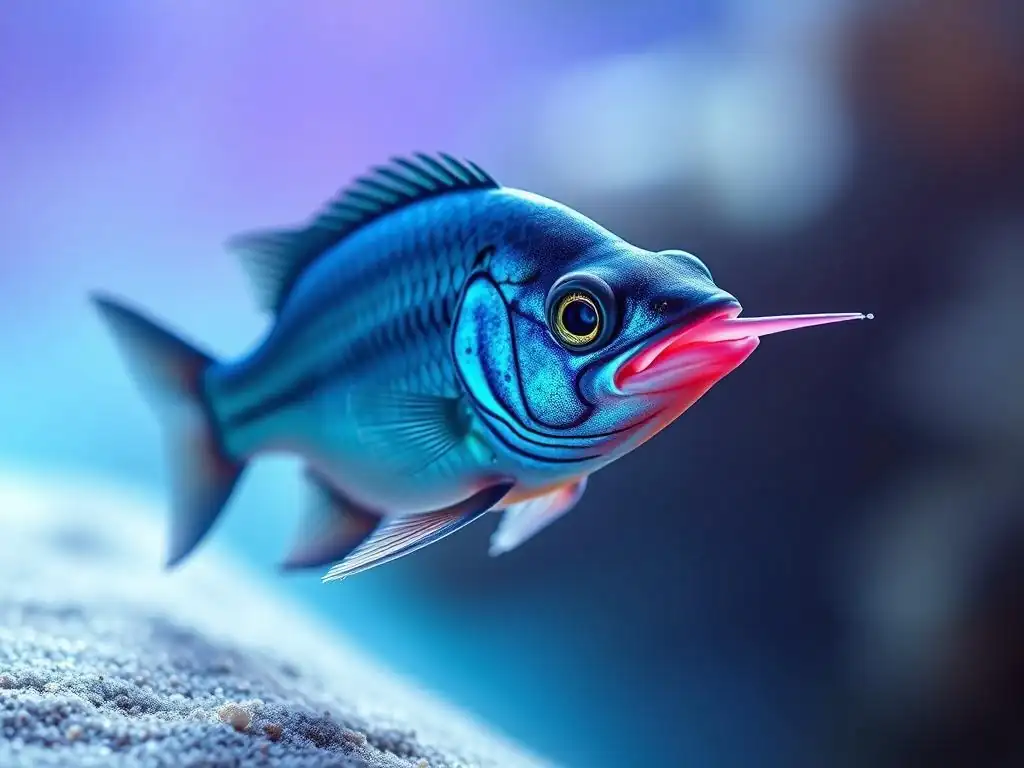
The social behavior of Pencil Wrasses can vary depending on the species and the size of the aquarium. While some Pseudojuloides species can occasionally be kept in small groups, typically consisting of a dominant male with multiple females, this often requires a very large tank, generally 100 gallons (approx. 380 liters) or more, and careful introduction techniques.
Males of the same species, or even those with similar appearances, can exhibit territorial aggression towards one another, especially in smaller confined spaces. For instance, attempting to house two male P. severnsi in a 75-gallon tank would likely result in persistent aggression, whereas a single male and two females might coexist more peacefully in a 120-gallon setup with ample hiding spots.
Upon introduction to a new aquarium, Pencil Wrasses are known to be quite shy and reclusive. They will readily burrow into the sand bed if stressed, frightened, or when settling down for the night, a natural protective behavior that is a key aspect of their Pencil wrasse care guide. During the day, however, they are constantly active, darting gracefully around the rockwork, meticulously picking at surfaces for microfauna. It is crucial for aquarists to observe their comfort level and ensure they have ample opportunities to exhibit these natural behaviors without undue stress from tank mates or environmental factors.
Compatibility with Other Fish and Invertebrates: Choosing Suitable Tank Mates
Pencil Wrasses are generally considered peaceful inhabitants within a reef aquarium, posing little threat to most other reef-safe fish that are not overly aggressive or large enough to perceive them as prey. Suitable tank mates include a variety of calm species such as peaceful gobies, blennies, cardinalfish, anthias, and smaller, non-aggressive tangs. It is important to avoid housing them with highly aggressive or predatory fish that could intimidate or consume them. For example, a Yellow Tang ( Zebrasoma flavescens) is typically a compatible tank mate, whereas a large Lionfish ( Pterois volitans) would pose an obvious threat.
When considering invertebrate compatibility, Pencil Wrasses are largely considered reef-safe with corals, as they typically do not nip at coral polyps. However, given their natural diet of small invertebrates, caution is advised with very tiny ornamental shrimp, such as certain species of Sexy Shrimp, or extremely small snails.
While they are highly effective at controlling nuisance pests like flatworms and pyramid snails, they generally leave larger, desirable ornamental shrimp (e.g., Peppermint Shrimp, Skunk Cleaner Shrimp) and most larger snails (e.g., Nassarius snails, Turbo snails) undisturbed. This beneficial pest-control attribute, combined with their general reef-safe nature, makes them an attractive choice, a crucial consideration in any Pencil wrasse care guide.
Preventing Aggression: Minimizing Stress in the Pencil Wrasse Tank
To minimize aggression and stress in a Pencil Wrasse tank, strategic aquascaping and careful stocking are essential. Providing ample hiding spots and visual barriers using live rock is paramount, as this breaks up lines of sight and allows individual fish to establish territories or retreat when feeling threatened.
If planning to keep multiple wrasses, it is advisable to introduce all specimens simultaneously, or introduce the least aggressive individuals first, allowing them to settle before adding potentially more dominant ones. Crucially, avoid keeping multiple males of the same or very similar species in tanks smaller than 100 gallons, as this often leads to chronic stress and aggression.
Constant monitoring of their behavior is another key aspect of preventing aggression and promoting overall well-being. Observe your Pencil Wrasses closely for any signs of stress or persistent aggression, such as constant chasing, nipping, or prolonged hiding. If aggression becomes a consistent issue, consider re-evaluating tank space, adding more hiding spots, or, in severe cases, separating the fish. A well-designed aquascape with diverse hiding spots and clear territories significantly contributes to reducing stress and promoting peaceful coexistence among tank inhabitants, which is a critical element of successful Pencil wrasse care.
Setting Up the Ideal Pencil Wrasse Habitat
Substrate Selection for Pencil Wrasses: Promoting Natural Behaviors
The selection of an appropriate substrate is a non-negotiable aspect of setting up an ideal habitat for Pseudojuloides species. A crucial element for their well-being is a soft, fine sand bed of at least 3-4 inches (7.5-10 cm) in depth. This specific depth and texture are vital because Pencil Wrasses are obligate burrowers; they completely bury themselves in the sand for sleep at night, when startled, or to seek refuge from perceived threats. Aragonite sand is typically preferred due to its fine grain size and its beneficial buffering capabilities, which help maintain stable pH and alkalinity in the aquarium.
Without an adequate sand bed, Pencil Wrasses can become severely stressed, leading to compromised immune systems and increased susceptibility to disease. If they cannot burrow, they may attempt to hide in insufficient spaces or even try to burrow into coarser substrates or bare bottom tanks, which can result in injury to their delicate bodies and fins.
This inability to perform a natural and essential behavior leads to chronic stress, manifesting as erratic swimming, persistent hiding, or a general decline in health. Therefore, providing a deep, soft sand bed is not merely a recommendation but a fundamental requirement in any comprehensive Pencil wrasse care guide.
Lighting Requirements for Pencil Wrasses: Replicating Their Natural Environment
Pencil Wrasses are found in various depths across their natural Indo-Pacific habitats, ranging from shallow reef crests to deeper reef slopes. While they do not have highly specific or demanding lighting requirements for their direct health, the lighting system should be appropriate for the overall reef environment they inhabit. Moderate to strong reef lighting, typical for a mixed reef aquarium with corals, is generally suitable and provides a naturalistic environment. They are diurnal fish, meaning they are active during daylight hours, and their vibrant colors are best appreciated under quality reef lighting.
The primary consideration for lighting in a Pseudojuloides habitat is its impact on the overall reef ecosystem and the health of any corals, which in turn provide a healthy and stable environment for the wrasses. It is important to ensure that lighting cycles are consistent, mimicking natural day and night patterns.
Implementing a dawn-to-dusk cycle, where lighting gradually brightens and dims, can be beneficial for their circadian rhythm and overall well-being, reducing sudden light shock. While the wrasses themselves are not highly sensitive to light intensity, a well-established lighting regimen contributes to the stability and maturity of the reef tank, which directly supports excellent Pencil wrasse care.
Filtration and Water Flow: Maintaining a Pristine Environment
Robust and efficient filtration is absolutely essential for maintaining the pristine water quality that these sensitive fish demand. A multi-faceted approach to filtration is highly recommended, combining mechanical, biological, and chemical methods. Mechanical filtration, typically achieved through filter socks or sponges, helps remove particulate matter from the water column, preventing the buildup of detritus.
Biological filtration, primarily provided by ample live rock and specialized bio-media, breaks down harmful ammonia and nitrites into less toxic nitrates. Chemical filtration, utilizing activated carbon and GFO (granular ferric oxide), removes dissolved organic compounds and phosphates, respectively. A high-quality protein skimmer is also highly advisable for efficient nutrient export, especially in the context of a detailed Pencil wrasse care guide.
Pencil Wrasses are active swimmers and thrive in environments with moderate to high water flow, which mimics the natural currents of their reef habitats. Strategic placement of powerheads or wavemakers is crucial to create turbulent, varied flow patterns throughout the tank without creating direct, overwhelming currents that could stress the fish or pin them against the glass. Aim for flow rates that provide excellent oxygenation, keep detritus suspended for removal by the filtration system, and encourage their natural darting movements. A well-designed flow regime contributes significantly to the overall health and vitality of your Pseudojuloides wrasses.
Pencil Wrasse Health and Disease Prevention
Common Diseases Affecting Pencil Wrasses: Identification and Treatment
Pencil Wrasses, like many delicate marine species, are susceptible to common saltwater diseases, particularly Ich ( Cryptocaryon irritans) and Velvet ( Amyloodinium ocellatum). These parasitic infections often manifest when fish are stressed due to poor water quality, inadequate acclimation, or aggression from tank mates. Signs of Ich typically include visible white spots resembling salt grains on the body and fins, rapid breathing, and flashing (rubbing against rocks or substrate). Velvet, which is more aggressive, appears as a fine, dusty, yellowish-brown coating, often accompanied by labored breathing and lethargy.
Immediate and appropriate treatment is crucial for the survival of affected Pencil Wrasses. For Ich, effective treatments include copper-based medications (which must be used with extreme caution in a reef tank and are best administered in a dedicated hospital tank) or hyposalinity (gradually reducing the specific gravity to 1.008-1.009 for 2-4 weeks).
Velvet, due to its rapid progression, requires prompt treatment, often with copper or formalin-based medications in a quarantine tank. It is vital to remember that prevention through maintaining stable, high-quality water parameters and minimizing stress is the most effective defense against these diseases, forming a core principle of any comprehensive Pencil wrasse care guide.
Quarantine Procedures for New Pencil Wrasses: Preventing Disease Introduction
Implementing a strict quarantine procedure for all new fish, especially delicate species like Pencil Wrasses, is absolutely essential for preventing the introduction of diseases into your established display tank. A minimum 4-6 week quarantine period in a separate hospital tank is highly recommended. This allows sufficient time for observation, deworming, and treatment of any latent diseases or parasites that the fish may be carrying before they are introduced to your main reef system, protecting your existing inhabitants.
The quarantine tank setup should be simple yet effective. It should be bare-bottomed to prevent substrate from absorbing medications and to facilitate easy cleaning. Include PVC pipes or other inert materials for hiding spots, a heater to maintain stable temperature, and an air stone for oxygenation. During the quarantine period, diligently monitor the wrasse's feeding habits, behavior, and physical appearance daily. Consider prophylactic treatments for common external parasites, even if no symptoms are visible, as a precautionary measure. This rigorous quarantine step is critical for a responsible Pencil wrasse care guide and safeguarding the health of your entire aquarium.
Maintaining a Healthy Pencil Wrasse Population: Best Practices
Beyond treating diseases, the most effective approach to ensuring a healthy Pencil Wrasse population is through proactive care and stringent preventative measures. This involves consistently monitoring and maintaining optimal water parameters, performing regular water changes to export nutrients and replenish trace elements, and providing a varied, nutritious diet tailored to their carnivorous needs. Minimizing stress factors, such as aggression from tank mates, sudden environmental changes, or inadequate hiding spots, is also paramount, as stress significantly weakens their immune system.
Daily observation of your Pencil Wrasses is a simple yet powerful best practice. Spend time each day watching their swimming patterns, coloration, appetite, and interactions with other fish. Subtle changes in behavior, a slight loss of color, or a decreased appetite can be early indicators of underlying issues.
Early detection allows for prompt intervention, which can mean the difference between successful treatment and the loss of a valuable fish. Ensure their essential sand bed is always accessible for burrowing, as restricted burrowing can lead to chronic stress and health decline. This diligent, attentive approach is central to exemplary Pencil wrasse care.
Breeding Pencil Wrasses: Challenges and Possibilities
Understanding Pencil Wrasse Reproduction in the Wild
In their natural Indo-Pacific reef habitats, Pseudojuloides species are pelagic spawners, meaning they release their eggs and sperm directly into the water column where fertilization occurs. Their reproductive strategy typically involves forming harems, with a single dominant male overseeing several females. Spawning events commonly occur at dusk, a time when many reef predators are less active, reducing the risk to the vulnerable eggs and larvae. During spawning, pairs or small groups will rise rapidly towards the surface, releasing their gametes at the apex of their ascent.
Following fertilization, the eggs are buoyant and drift as part of the plankton for a period of time, developing into tiny larvae. The larval stage of Pseudojuloides wrasses is relatively long and complex, requiring very specific and minute food sources, such as particular species of micro-algae and various types of zooplankton, for survival and development. This extended pelagic larval duration, coupled with highly specialized feeding requirements of the larvae, presents significant challenges for successful captive breeding efforts, making it difficult to replicate their natural life cycle in an artificial environment.
Breeding Pencil Wrasses in Captivity: Current Knowledge and Limitations
Breeding Pseudojuloides wrasses in captivity is an exceptionally rare occurrence and has not been widely achieved by hobbyists or even most professional aquaculture facilities. The primary hurdles in captive breeding lie in several critical areas. Firstly, consistently conditioning wild-caught broodstock to spawn in an aquarium environment can be challenging, as it requires highly stable, pristine conditions and a very specific diet.
Secondly, and more significantly, raising the delicate and extremely small larval stages poses immense difficulties. The larvae require highly specific, live food items that are often difficult to culture in sufficient quantities, and their survival rates are typically very low.
While some public aquariums or advanced aquaculture research facilities may have had limited success with related wrasse species, there are no widespread or repeatable reports of successful captive breeding for Pseudojuloides species by individual hobbyists. Research into larval rearing techniques for various wrasse families continues to advance, offering future hope for a more comprehensive Pencil wrasse care guide that might one day include reproducible breeding protocols. However, for the foreseeable future, virtually all Pencil Wrasses available in the aquarium trade are collected from the wild, underscoring the importance of sustainable collection practices.
Pros and Cons of Keeping Pencil Wrasses
Advantages of Adding Pencil Wrasses to Your Reef Tank: Aesthetic Appeal and Beneficial Behaviors
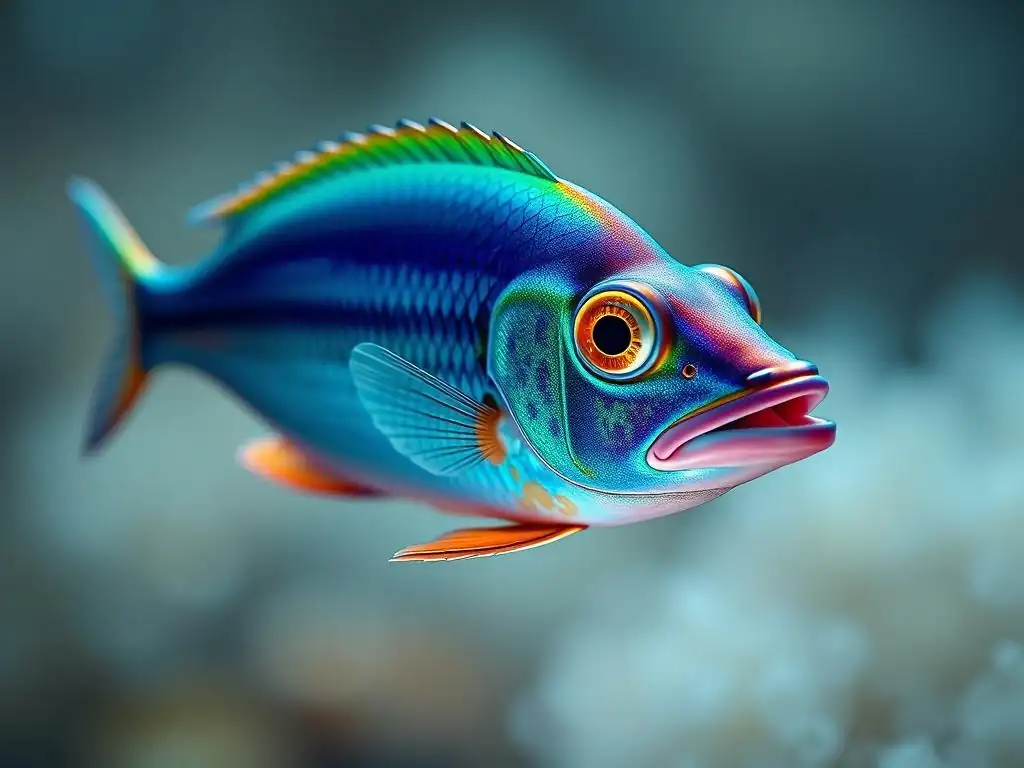
Adding Pencil Wrasses to a reef aquarium offers numerous advantages that make them highly desirable for the advanced aquarist. Foremost among these is their undeniable aesthetic appeal. Pencil Wrasses are truly captivating fish, bringing a burst of vibrant color and constant, graceful motion to the marine environment. Their sleek bodies, often adorned with iridescent blues, greens, and yellows, create stunning visual interest. For instance, the vivid blue and yellow markings of a Severns's Pencil Wrasse can become a dynamic focal point in a well-established reef tank.
Beyond their beauty, their natural pest-control abilities are a significant functional advantage for any reef keeper. Pencil Wrasses actively hunt and consume small, undesirable invertebrates that can plague a reef tank, such as pyramid snails (which prey on Tridacnid clams), various types of flatworms, and nuisance bristleworms.
This natural predation helps maintain a balanced and healthy ecosystem, reducing the need for chemical treatments and contributing to the overall well-being of corals and other invertebrates. This combination of aesthetic appeal and beneficial behaviors makes them a valuable and attractive choice for the experienced aquarist following a detailed Pencil wrasse care guide.
Potential Challenges of Pencil Wrasse Care: Specialized Needs and Sensitivity
While highly desirable, keeping Pencil Wrasses comes with a set of potential challenges that necessitate an experienced and dedicated aquarist. These fish are known for being delicate and remarkably sensitive to even slight changes in water quality, fluctuating parameters, and environmental stress. Their susceptibility to common marine diseases, particularly when stressed, means they are not suitable for novice aquarists or tanks that are still maturing. Maintaining a highly stable and pristine reef environment is non-negotiable for their long-term health.
Furthermore, Pencil Wrasses have several specialized requirements that can pose challenges for some setups. Their absolute need for a deep sand bed (at least 3-4 inches) for burrowing is a critical consideration that limits aquascaping options and may not be feasible for all tank designs. Their active nature necessitates a larger tank than their small adult size might suggest, typically a minimum of 50-75 gallons for a single specimen.
Additionally, their specific dietary needs for small, meaty foods and their requirement for frequent feedings (2-3 times daily) can be more demanding than for other common reef fish. This specialized Pencil wrasse care makes them a significant commitment for the hobbyist.
Purchasing Pencil Wrasses: Finding Healthy Specimens
Selecting Healthy Pencil Wrasses at Your Local Fish Store
When purchasing a Pencil Wrasse, careful observation of the specimen is paramount to ensure you acquire a healthy individual. Look for fish that are actively swimming, alert, and responsive to their surroundings. Healthy specimens should exhibit clear eyes, intact fins without any fraying or damage, and no visible signs of disease such as white spots (Ich), dusty coatings (Velvet), cloudy patches, or open sores. Avoid fish that are constantly hiding excessively (unless they have just been introduced to the store tank), have sunken bellies indicating malnourishment, or exhibit labored or rapid breathing.
It is highly advisable to inquire about the fish's history from the fish store staff. Ask about its origin (wild-caught vs. the rare captive-bred), how long it has been in their care, and, most importantly, what it is currently eating. A healthy Pencil Wrasse should be actively accepting food. Opt for reputable fish dealers who practice proper quarantine procedures for their incoming marine fish. Purchasing from such establishments significantly reduces the risk of introducing diseases or stressed fish into your display tank, a crucial step in any responsible Pencil wrasse care guide.
Acclimation Process: Safely Introducing Your New Pencil Wrasse to the Tank
Due to their sensitivity to changes in water parameters, a slow and careful acclimation process is critical for safely introducing a new Pencil Wrasse to your aquarium. The drip acclimation method is highly recommended over simpler methods like floating the bag.
This process, typically lasting 1-2 hours, gradually adjusts the fish to your tank's specific temperature, salinity, and pH, minimizing the shock that can occur from sudden environmental shifts. Use an airline tube to slowly siphon water from your tank into the bag or container holding the fish, allowing the water to drip in slowly until the volume in the container has significantly increased.
Once the acclimation process is complete, gently net the wrasse and carefully release it into your quarantine tank, or directly into the display tank if you have forgone quarantine (though not recommended). It is imperative to discard the water from the transport bag and never introduce it into your aquarium, as it may contain pollutants, parasites, or pathogens. Provide immediate hiding spots for the newly introduced wrasse, such as PVC pipes in a quarantine tank or rock crevices in a display tank.
Keep the aquarium lights dim for the first few hours to reduce initial stress. Closely monitor the fish for the next few days for any signs of distress or unusual behavior. Following this meticulous acclimation is a vital component of successful Pencil wrasse care.
Conclusion: Mastering Pencil Wrasse Care for a Thriving Aquarium
Pencil Wrasses ( Pseudojuloides spp.) are undeniably captivating additions to an advanced reef aquarium, offering a unique blend of vibrant aesthetic beauty and beneficial pest-control behaviors. Their sleek forms and constant, graceful movements add dynamic life and visual interest to any marine ecosystem. However, their delicate nature and specific environmental needs, particularly regarding pristine and stable water parameters, the absolute requirement for a deep sand bed for burrowing, and a specialized diet, demand a dedicated and experienced aquarist who is prepared for meticulous husbandry.
Mastering Pencil wrasse care is a rewarding endeavor that exemplifies advanced reef-keeping skills. By diligently adhering to the guidelines outlined in this guide – focusing on consistent water quality maintenance, thoughtful tank setup and aquascaping, providing a nutritious and varied diet, and implementing robust disease prevention strategies like quarantine – aquarists can ensure these sleek swimmers not only survive but truly thrive. Their sensitivity makes them a true test of an aquarist's commitment and attention to detail, but a healthy, vibrant Pseudojuloides wrasse is a testament to careful husbandry and a jewel in any thriving marine aquarium.
Frequently Asked Questions
What makes Pencil Wrasses (Pseudojuloides spp.) suitable for an advanced aquarist?
Pencil Wrasses require stable water parameters and a well-established reef environment to thrive. Their specific dietary needs and sensitivity to stress make them less suitable for beginners.
What type of aquarium setup is ideal for Pencil Wrasses?
A larger reef aquarium with plenty of live rock for hiding and foraging is recommended. This provides the necessary biological filtration and a natural environment for them.
What do Pencil Wrasses eat, and how often should they be fed?
They require a varied diet of small, high-quality meaty foods such as copepods, mysis shrimp, and finely chopped seafood. They should be fed multiple times a day due to their high metabolism.
What are some common health problems Pencil Wrasses are susceptible to?
They are prone to stress-related diseases like ich (white spot disease) and are sensitive to fluctuations in water quality. Proper quarantine and acclimation protocols are crucial.
Are Pencil Wrasses compatible with other fish species in a reef tank?
Generally, they are peaceful fish, but it's important to avoid housing them with aggressive or overly boisterous tank mates. They can be bullied by larger, more dominant fish, so careful selection is necessary.
Final Reflection: The Enduring Allure of the Pencil Wrasse
The information presented throughout this article underscores the complex needs and captivating beauty of Pseudojuloides wrasses. While their vibrant colors and graceful movements make them highly desirable additions to reef aquariums, their specialized care requirements demand a dedicated and informed aquarist. Understanding these nuances is not just about keeping these fish alive; it's about ensuring their well-being and contributing to responsible reef keeping practices.
The pencil wrasse, with its delicate nature, serves as a microcosm of the larger reef ecosystem. Successfully caring for these fish requires a deep understanding of their natural habitat and a commitment to replicating those conditions in a captive environment. This dedication reflects a growing trend towards more ethical and sustainable aquarium practices. As Jacques Cousteau famously said, The sea, once it casts its spell, holds one in its net of wonder forever.
This "net of wonder" compels us to not only admire these creatures but also to protect them through informed and responsible stewardship.
Now, as you close this guide, consider the responsibility that comes with the desire to keep these magnificent creatures. Are you prepared to dedicate the time, resources, and unwavering commitment necessary to provide a thriving environment for a pencil wrasse? Let this article serve as a catalyst for thoughtful consideration and informed action, ensuring that your passion for the reef translates into a brighter future for these captivating fish.
Unleash the Vibrant World of Wrasses!
Thank you for diving deep into the captivating world of Pencil Wrasses! We hope you've gained valuable insights into caring for these fascinating fish. Now, let's put that knowledge into action and further explore the wonders of the aquarium hobby.
Here's how you can continue your journey:
- Plan your next reef tank addition! Research compatible tank mates and the perfect environment for your chosen Pencil Wrasse species.
- Share your newfound knowledge! Spread the word by sharing this article with fellow aquarium enthusiasts on social media or forums. Let's build a community of informed aquarists.
- Explore the unexpected! Dive into researching uncommon or hybrid wrasse species. Who knows? You might uncover your next dream fish.
What unique characteristic of Pencil Wrasses most surprised you, and how will that influence your future aquarium planning?