
Yellowtail Damselfish: A Hardy and Colorful (But Potentially Feisty) Reef Option

Welcome to Aquarium Mastery!
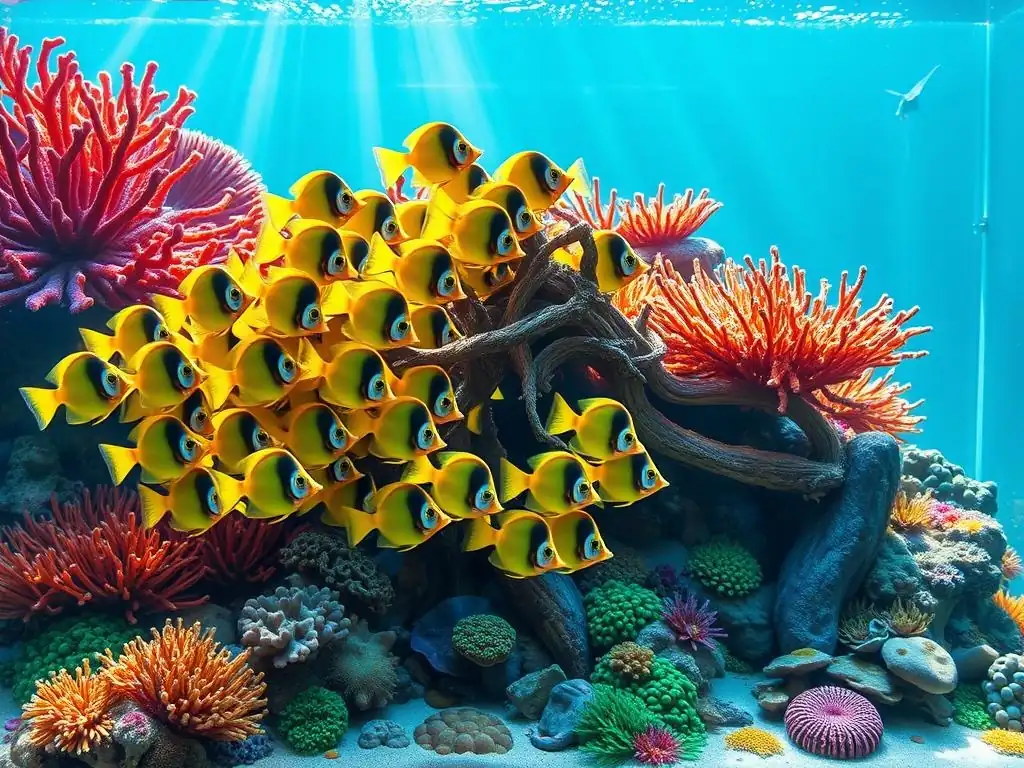
Ever been captivated by the vibrant flash of yellow and blue in a reef tank? Dive in to our complete Yellowtail Damselfish Care Guide and discover if this hardy, colorful fish is the right addition to your saltwater aquarium. But be warned: these little beauties can pack a surprisingly feisty punch! Read on to learn everything you need to know about their temperament, tank requirements, and how to keep them thriving. Ready to unlock the secrets to a successful Yellowtail Damselfish setup? Let's get started!
- Introduction to Yellowtail Damselfish (Chrysiptera parasema)
- Yellowtail Damselfish Care Guide: Essential Information
- Yellowtail Damselfish Compatibility: Tank Mates and Social Behavior
- Identifying and Addressing Common Yellowtail Damselfish Issues
- Yellowtail Damselfish Breeding: An Advanced Aquarist Challenge
- Pros and Cons of Keeping Yellowtail Damselfish in a Reef Tank
- Conclusion: Is the Yellowtail Damselfish Right for Your Reef Aquarium?
- Frequently Asked Questions
- Final Reflection: Appreciating the Balance in Reef Keeping
- Unleash the Vibrant Reef Keeper Within!
Introduction to Yellowtail Damselfish (Chrysiptera parasema)
Overview of the Yellowtail Damselfish: A Popular Reef Fish
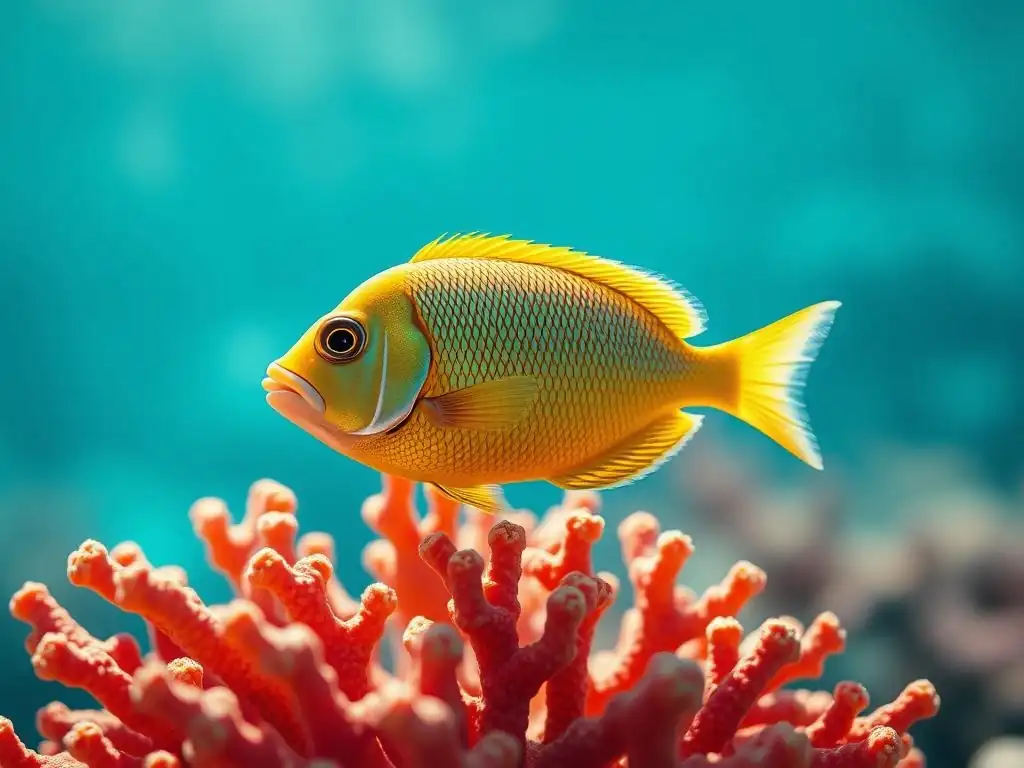
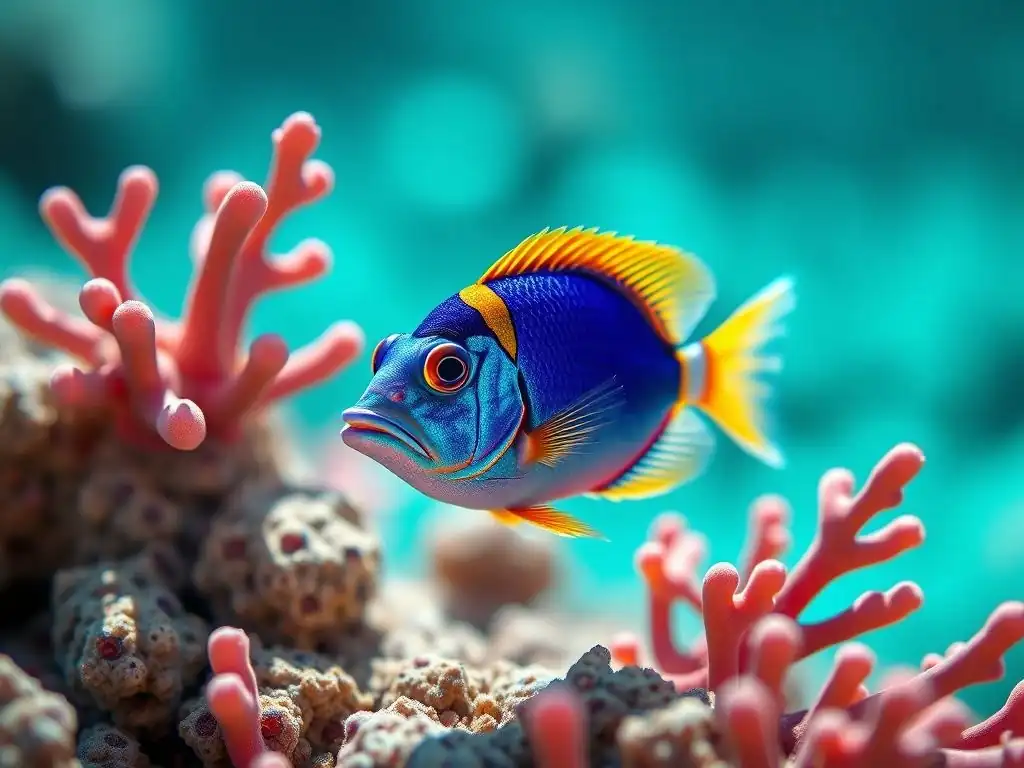
The Yellowtail Damselfish, scientifically known as Chrysiptera parasema, is a strikingly vibrant marine fish highly sought after by saltwater aquarists. Its distinctive appearance features a deep, iridescent blue body that abruptly transitions to a bright, almost neon yellow tail, making it an undeniable focal point in any reef aquarium. These small, active fish typically reach a maximum size of about 2.5 to 3 inches (6-7.5 cm) in captivity, making them suitable for a range of tank sizes, though their territorial nature must be considered.
Native to the Indo-Pacific region, from the Maldives to Fiji and as far north as southern Japan, Yellowtail Damselfish thrive in the shallow waters of coral reefs, often found darting among branching corals and rocky crevices. Their natural habitat provides ample hiding spots and territories, which is crucial for understanding their behavior in a home aquarium. Their widespread distribution and relative abundance in the wild contribute to their consistent availability and affordability in the aquarium trade, solidifying their status as a popular choice for both novice and experienced reef keepers.
Why Choose a Yellowtail Damselfish for Your Reef Tank?
One of the primary reasons aquarists opt for a Yellowtail Damselfish is their remarkable hardiness. Compared to many other delicate marine species, these damselfish are incredibly resilient and tolerant of minor fluctuations in water parameters, making them an excellent "starter" fish for those new to saltwater aquariums. Their robust nature means they are less susceptible to common diseases when provided with a proper Yellowtail damselfish care guide, offering a greater chance of success for new enthusiasts.
Beyond their resilience, their vibrant coloration adds an undeniable aesthetic appeal to any reef tank. The striking contrast between their electric blue body and brilliant yellow tail provides a dynamic splash of color that instantly draws the eye. Furthermore, Yellowtail Damselfish are active swimmers, constantly darting around the rockwork and open water, which contributes to a lively and engaging display. Their relatively small adult size also means they don't demand excessively large aquariums, further enhancing their appeal for many home aquarists.
Understanding the Yellowtail Damselfish's Temperament: Is it Right for You?
While undeniably beautiful and hardy, the Yellowtail Damselfish possesses a temperament that warrants careful consideration before introduction into a community reef tank. These fish are known for their territorial and sometimes aggressive nature, particularly towards smaller, more docile, or similarly shaped and colored tank mates. This aggression often escalates as the fish matures and establishes its domain, leading to potential stress or injury for other inhabitants if not managed properly.
Their territoriality stems from their natural instinct to defend prime hiding spots and food sources on the reef. In the confined space of an aquarium, this can translate into constant nipping, chasing, or even preventing other fish from accessing food. Therefore, understanding this aspect of their behavior is crucial for successful integration. A comprehensive Yellowtail damselfish care guide emphasizes selecting appropriate tank mates and providing ample space and rockwork to mitigate aggression, ensuring a harmonious environment for all inhabitants.
Yellowtail Damselfish Care Guide: Essential Information
Setting Up the Ideal Yellowtail Damselfish Tank Environment
Tank Size Recommendations for Yellowtail Damselfish
For a single Yellowtail Damselfish, a minimum tank size of 20 gallons (approximately 75 liters) is generally recommended. This allows sufficient swimming space and enough area for the fish to establish a territory without feeling overly confined, which can exacerbate aggression. However, for a more harmonious environment, especially if considering a pair or keeping them in a community tank, a 30-gallon (around 113 liters) or larger aquarium is highly preferable.
When planning to house multiple Yellowtail Damselfish or integrate them into a diverse reef community, a tank of 50 gallons (about 190 liters) or more significantly improves the chances of success. Larger tanks provide more horizontal swimming room and allow for intricate rockwork designs that can create multiple distinct territories, effectively diffusing potential conflicts. This crucial aspect of a Yellowtail damselfish care guide ensures that each fish has enough personal space, reducing stress and aggressive encounters.
Essential Water Parameters for Yellowtail Damselfish Health
Maintaining stable and appropriate water parameters is paramount for the long-term health and vibrancy of Yellowtail Damselfish. The ideal temperature range for these tropical fish is between 72-78°F (22-26°C), with minimal daily fluctuations. Salinity should be kept within a specific gravity range of 1.020-1.025, which is typical for most reef environments and can be accurately measured with a reliable refractometer.
The pH level should consistently remain between 8.1 and 8.4, which is characteristic of natural seawater. Additionally, alkalinity (dKH) should be maintained between 8-12 dKH, and calcium levels around 400-450 ppm, especially in a reef setup. Crucially, ammonia and nitrite levels must always be zero parts per million (ppm), and nitrates should be kept as low as possible, ideally below 10 ppm, to prevent stress and disease. Regular testing with quality kits is a vital component of any effective Yellowtail damselfish care guide.
Rockwork and Substrate for a Thriving Yellowtail Damselfish Habitat
Providing ample live rock and a suitable substrate is fundamental to mimicking the Yellowtail Damselfish's natural reef environment and managing their territorial instincts. Live rock should be arranged to create numerous caves, crevices, and overhangs, offering a multitude of hiding spots and visual barriers. These structures allow the damselfish to establish a personal territory and retreat when feeling threatened or stressed, which is crucial for their well-being.
The strategic placement of rockwork can also help diffuse aggression by breaking up lines of sight between tank inhabitants, preventing one fish from constantly seeing and harassing another. For substrate, fine sand or crushed coral is suitable, aiding in biological filtration and providing a natural aesthetic. While Yellowtail Damselfish don't typically burrow extensively, a substrate depth of 2-3 inches (5-7.5 cm) is generally adequate for maintaining a healthy biological bed and contributing to overall tank stability, as outlined in a comprehensive Yellowtail damselfish care guide.
Yellowtail Damselfish Diet and Feeding Habits
What Do Yellowtail Damselfish Eat in the Wild?
In their natural coral reef habitats, Yellowtail Damselfish are omnivorous, with a diet primarily consisting of zooplankton, small benthic invertebrates, and various forms of algae. They are active foragers, constantly picking at live rock and coral surfaces for microscopic organisms and detritus. This varied diet in the wild ensures they receive a full spectrum of nutrients necessary for their vibrant coloration and robust health.
Their opportunistic feeding behavior allows them to adapt to different food sources available in their specific reef niche. This natural inclination to graze and consume small, frequent meals is an important consideration when formulating a Yellowtail damselfish care guide for captive environments. Replicating this dietary diversity as closely as possible is key to their long-term well-being in an aquarium setting.
Best Foods for Yellowtail Damselfish in Captivity
To ensure optimal health and coloration in a home aquarium, Yellowtail Damselfish should be fed a varied and high-quality diet. A good staple includes nutrient-rich marine flakes and small pellets specifically formulated for omnivorous marine fish. These commercial foods are typically fortified with essential vitamins and minerals, providing a solid foundation for their nutritional needs.
Supplementing dry foods with frozen options significantly enhances their diet. Excellent choices include enriched brine shrimp, mysis shrimp, and finely chopped clam or spirulina-enriched frozen foods. Offering a mix of meaty and vegetable-based foods ensures they receive all necessary proteins, fats, and vitamins. For instance, a weekly serving of spirulina flakes or nori can help meet their algal grazing needs, contributing to a well-rounded Yellowtail damselfish care guide.
Feeding Schedule and Portion Sizes for Optimal Health
Yellowtail Damselfish are active fish with relatively high metabolisms, necessitating a consistent feeding schedule to maintain their energy levels and health. It is generally recommended to feed them two to three times per day, offering small portions at each feeding. This approach mimics their natural grazing behavior and prevents large amounts of uneaten food from accumulating, which can degrade water quality.
Each feeding portion should be small enough to be consumed entirely within one to two minutes. Overfeeding not only leads to wasted food but also contributes to elevated nitrate levels and potential algae blooms, which can stress the fish and the entire reef ecosystem. By adhering to these guidelines, aquarists can ensure their Yellowtail Damselfish receive adequate nutrition without compromising the delicate balance of their aquarium, a critical element of any Yellowtail damselfish care guide.
Maintaining a Healthy Yellowtail Damselfish Aquarium
Regular Water Changes and Tank Maintenance
Consistent and regular water changes are fundamental to maintaining a healthy environment for Yellowtail Damselfish and the entire reef system. A general recommendation is to perform a 10-20% water change every one to two weeks, depending on tank size, bioload, and filtration efficiency. This practice helps to replenish essential trace elements that are consumed by corals and invertebrates, while also diluting accumulated nitrates and other undesirable compounds.
Beyond water changes, routine tank maintenance includes siphoning detritus from the substrate, cleaning the glass to remove algae, and inspecting equipment such as pumps, heaters, and skimmers. Ensuring all equipment is functioning optimally prevents potential crashes or stress to the fish. Adhering to this maintenance schedule is a cornerstone of a robust Yellowtail damselfish care guide, promoting long-term health and preventing common issues.
Monitoring Water Quality for a Healthy Reef
Continuous monitoring of water quality parameters is crucial for the well-being of Yellowtail Damselfish and the stability of a reef aquarium. Regular testing for temperature, salinity, pH, ammonia, nitrite, and nitrate levels allows aquarists to detect any deviations quickly and take corrective action before they become problematic. For instance, ammonia and nitrite should always read 0 ppm, indicating a fully cycled and stable biological filter.
Beyond these basic parameters, in a reef tank, it's also important to monitor alkalinity, calcium, and magnesium, as these are vital for coral health and overall system stability. Utilizing reliable test kits and maintaining a log of readings helps identify trends and potential issues early. This proactive approach to water quality management is a defining feature of a successful Yellowtail damselfish care guide, ensuring a thriving habitat.
Preventing and Treating Common Yellowtail Damselfish Diseases
Prevention is always the best approach when it comes to fish diseases. For Yellowtail Damselfish, this begins with a thorough quarantine process for all new arrivals. A dedicated quarantine tank, operated for at least 3-4 weeks, allows for observation and treatment of any potential pathogens before they can be introduced to the main display tank. This significantly reduces the risk of widespread disease outbreaks.
Despite their hardiness, Yellowtail Damselfish can still be susceptible to common marine ailments such as Ich (Cryptocaryon irritans) and Marine Velvet (Amyloodinium ocellatum), especially if stressed by poor water quality or aggressive tank mates. Early detection of symptoms like white spots, labored breathing, or a velvety sheen is critical. Treatment often involves transferring the affected fish to a hospital tank for medication (e.g., copper-based treatments or hyposalinity), as many medications are harmful to invertebrates and corals in the main reef display. A comprehensive Yellowtail damselfish care guide emphasizes swift and appropriate action upon symptom recognition.
Understanding Yellowtail Damselfish Aggression
The territorial nature of the Yellowtail Damselfish is one of its most prominent behavioral traits, and it significantly influences tank mate compatibility. While typically peaceful as juveniles, they often become more assertive and territorial as they mature and establish their presence in the aquarium. This aggression is usually directed towards new additions, smaller fish, or species that share a similar body shape or coloration, as these are perceived as competitors for resources or territory.
In smaller tanks, this aggression can be particularly problematic, as the limited space makes it difficult for other fish to escape harassment. The damselfish may relentlessly chase, nip at, or even prevent other tank mates from feeding, leading to chronic stress, fin damage, or even starvation for the bullied fish. Understanding this potential for aggression is a critical component of any Yellowtail damselfish care guide, necessitating careful planning of the tank's stocking list and layout.
Suitable Tank Mates for Yellowtail Damselfish
Peaceful Fish Species
When selecting tank mates for a Yellowtail Damselfish, it's advisable to choose fish that are either significantly larger than the damselfish, possess a different body shape, or occupy a different niche within the aquarium. Good candidates include certain gobies like the Watchman Goby ( Cryptocentrus cinctus) or Diamond Watchman Goby ( Valenciennea puellaris), which spend most of their time sifting sand and are generally unbothered by damselfish. Blennies, such as the Lawnmower Blenny ( Salarias fasciatus), also make good companions as they are often more robust and prefer grazing on rockwork.
Larger, more robust clownfish species, like the Ocellaris Clownfish ( Amphiprion ocellaris), can often coexist peacefully, especially if introduced before the damselfish or if the damselfish is still small. Other options include certain tangs (in appropriately sized tanks, e.g., 75+ gallons for a Yellow Tang), which are active swimmers and generally ignore smaller fish. The key is to select species that can either hold their own or are distinct enough not to trigger the damselfish's territorial instincts, a vital consideration in a Yellowtail damselfish care guide.
Invertebrates Compatible with Yellowtail Damselfish
Yellowtail Damselfish are generally considered "reef-safe," meaning they typically do not bother corals or most invertebrates. This makes them excellent candidates for mixed reef aquariums. Most common clean-up crew members, such as various snail species (e.g., Turbo snails, Nassarius snails) and hermit crabs (e.g., Blue Leg Hermit Crabs, Scarlet Hermit Crabs), can coexist peacefully with Yellowtail Damselfish, as these invertebrates are not seen as competitors for territory or food.
When it comes to corals, Yellowtail Damselfish rarely nip at polyps, whether they are SPS (Small Polyp Stony), LPS (Large Polyp Stony), or soft corals. However, like with any fish, individual personalities can vary, and a rare instance of nipping at a particularly fleshy LPS coral or soft coral cannot be entirely ruled out, especially if the fish is underfed.
For most ornamental shrimp, such as Peppermint Shrimp ( Lysmata wurdemanni) or Skunk Cleaner Shrimp ( Lysmata amboinensis), the damselfish poses no threat, allowing them to perform their valuable cleaning duties without interference, as noted in comprehensive Yellowtail damselfish care guides.
Fish to Avoid Keeping with Yellowtail Damselfish
Aggressive Fish Species
While Yellowtail Damselfish can be territorial, they can also become targets of aggression from larger, more dominant fish species. It is generally advisable to avoid keeping them with highly aggressive fish such as some triggerfish, large angelfish, or more boisterous species of wrasses that might outcompete them for food or bully them relentlessly. For instance, a Picasso Triggerfish in a smaller tank would likely see the damselfish as a potential meal or rival.
Similarly, other highly aggressive damselfish species, particularly those known for extreme territoriality like the Azure Damselfish ( Chrysiptera hemicyanea) or certain larger Dascyllus species, should ideally not be housed with Yellowtail Damselfish in anything but very large aquariums. Such pairings can lead to constant conflict, stress, and potential injury or death for the weaker fish, undermining the harmony of the tank. A critical part of any Yellowtail damselfish care guide is understanding these incompatible pairings to prevent tank stress.
Fish That May be Outcompeted by Yellowtail Damselfish
Beyond avoiding overly aggressive tank mates, it's equally important to steer clear of very shy, slow-moving, or delicate fish species that might be easily outcompeted or stressed by the Yellowtail Damselfish's active and somewhat bold nature. Fish like certain species of pipefish or seahorses, which require slow feeding and minimal competition, would likely struggle to thrive in a tank with a Yellowtail Damselfish constantly vying for food.
Similarly, very small or timid gobies (unless they have a distinct burrowing niche), or delicate fairy wrasses, might find themselves constantly harassed or outmaneuvered during feeding times. The damselfish's quick darting movements and assertive nature can prevent more docile fish from getting adequate nutrition, leading to malnourishment and increased susceptibility to disease. A thorough Yellowtail damselfish care guide emphasizes creating a balanced ecosystem where all inhabitants can thrive without undue competition.
Creating a Balanced Reef Ecosystem with Yellowtail Damselfish
Achieving a balanced reef ecosystem with a Yellowtail Damselfish requires careful planning regarding tank size, rockwork, and stocking order. In tanks smaller than 50 gallons, it is generally best to keep only one Yellowtail Damselfish to minimize aggression. If housing multiple damselfish, introducing them simultaneously as juveniles into a larger tank with abundant hiding spots can sometimes help distribute aggression.
The strategic placement of live rock to create distinct territories and visual barriers is paramount. This allows the damselfish to claim its own space without constantly confronting other inhabitants.
When introducing new fish, especially those of similar size or shape, it can be beneficial to rearrange some of the rockwork to disrupt established territories, giving the new fish a better chance to settle in. Consistent observation and a willingness to intervene by temporarily isolating an aggressive fish or, if necessary, rehoming it, are key to maintaining a harmonious and stress-free environment for all inhabitants, a vital aspect of a comprehensive Yellowtail damselfish care guide.
Identifying and Addressing Common Yellowtail Damselfish Issues
Recognizing Signs of Stress or Disease in Yellowtail Damselfish
Vigilant observation is key to the early detection of stress or disease in Yellowtail Damselfish. Healthy damselfish are typically active, vibrant, and eager to feed. Any significant deviation from these behaviors warrants investigation. Common signs of stress include clamped fins (fins held tightly against the body), labored or rapid breathing, and excessive hiding or lethargy. A loss of appetite or refusal to eat is also a strong indicator of underlying issues.
Changes in coloration can also signal stress or illness; a healthy Yellowtail Damselfish exhibits bright, distinct blue and yellow hues, while a dulling of colors or the appearance of patchy, faded areas can indicate poor health. Furthermore, observing any physical abnormalities such as white spots, a velvety sheen on the body, torn fins, or unusual growths should prompt immediate action. Recognizing these specific symptoms is the first step in providing effective Yellowtail damselfish care guide solutions.
Specific Symptoms and What They Indicate
White spots, often appearing like grains of salt scattered across the body and fins, are the hallmark symptom of Marine Ich ( Cryptocaryon irritans), a common parasitic infection. If the fish appears to be dusted with a fine, golden or grayish powder, this often indicates Marine Velvet Disease ( Amyloodinium ocellatum), which is highly contagious and progresses rapidly. Both require immediate attention.
Other symptoms can point to different issues. Frayed or torn fins, often accompanied by reddening at the edges, can suggest bacterial fin rot, but also can be a result of aggression from tank mates. A swollen abdomen might indicate an internal bacterial infection or parasites, especially if accompanied by stringy white feces. Observing the fish rubbing or "flashing" against rockwork or substrate is a sign of external irritants, often parasites, suggesting a need to review the Yellowtail damselfish care guide protocols.
Common Diseases Affecting Yellowtail Damselfish and Their Treatment
Ich/White Spot Disease
Ich, caused by the parasite Cryptocaryon irritans, is one of the most prevalent diseases in marine aquariums. It manifests as distinctive white spots on the fish's body and fins, often accompanied by scratching against tank decor. While Yellowtail Damselfish are relatively hardy, they can contract Ich, especially if stressed or newly introduced without proper quarantine.
Treatment typically involves transferring the affected fish to a hospital tank, as most effective medications are harmful to invertebrates and corals. Copper-based medications, such as Copper Power or Cupramine, are widely used and effective against Ich. Alternatively, the Tank Transfer Method or Hyposalinity (gradually reducing salinity to 1.008-1.010 for several weeks) can also be employed, though these methods require careful monitoring. A comprehensive Yellowtail damselfish care guide emphasizes prompt treatment to prevent the parasite from completing its life cycle and reinfecting the main display tank.
Marine Velvet Disease
Marine Velvet Disease, caused by the dinoflagellate parasite Amyloodinium ocellatum, is another highly virulent and rapidly progressing ailment that can affect Yellowtail Damselfish. Symptoms include a fine, dusty, golden or grayish film covering the fish's body, often accompanied by rapid breathing, lethargy, and scratching. Unlike Ich, Marine Velvet can quickly lead to gill damage and suffocation, making immediate intervention crucial.
Similar to Ich, treatment for Marine Velvet requires isolating the affected fish in a hospital tank. Copper medications are highly effective against this parasite. Chloroquine phosphate is another potent treatment option. Formalin dips or extended baths can also provide temporary relief and help reduce parasite load. Due to its aggressive nature and high mortality rate, Marine Velvet demands swift and decisive action, highlighting the importance of a detailed Yellowtail damselfish care guide for rapid response.
Other Potential Ailments
Beyond Ich and Marine Velvet, Yellowtail Damselfish can occasionally suffer from other ailments, often stemming from poor water quality, stress, or inadequate nutrition. Bacterial infections, which can manifest as fin rot (frayed or reddened fins), open sores, or cloudy eyes, are common. These often require broad-spectrum antibiotics administered in a hospital tank, sometimes in medicated food.
Internal parasites, though less common, can lead to weight loss despite regular feeding, lethargy, and stringy white feces. Treatment typically involves deworming medications mixed into food. Fungal infections, while rare in saltwater, can occur on open wounds or in extremely poor water conditions. Maintaining pristine water quality, offering a varied diet, and minimizing stress are the best preventative measures against these and other potential health issues, reinforcing the core principles of a robust Yellowtail damselfish care guide.
Preventing Aggression and Bullying in the Aquarium
Preventing aggression and bullying within an aquarium housing Yellowtail Damselfish is crucial for the well-being of all inhabitants. The most effective strategy is to ensure the tank is adequately sized, providing ample space for each fish to establish its territory without constant conflict. For a single damselfish, a minimum of 20-30 gallons is recommended, while larger community tanks of 50 gallons or more are better for diffusing potential aggression among multiple fish.
Strategic aquascaping with plenty of live rock arranged into caves, overhangs, and visual barriers is paramount. This allows the damselfish to claim its own space and provides hiding spots for other, less dominant fish. Introducing the Yellowtail Damselfish last to a well-established tank, or simultaneously with other robust tank mates, can sometimes help. If aggression becomes problematic, temporarily isolating the aggressor in a breeder box or rearranging the rockwork to disrupt territories can sometimes alleviate the issue, as detailed in an effective Yellowtail damselfish care guide.
Yellowtail Damselfish Breeding: An Advanced Aquarist Challenge
Creating Breeding Conditions for Yellowtail Damselfish
Breeding Yellowtail Damselfish in a home aquarium is an advanced aquarist challenge, but it is achievable with dedicated effort and the right setup. A separate breeding tank, typically 20 gallons or larger, is highly recommended to isolate the breeding pair and protect the eggs and fry from other tank inhabitants. The breeding tank should mimic their natural environment with stable water parameters, ample rockwork for hiding, and a clean, flat surface for egg deposition.
A crucial aspect is conditioning the pair with a high-quality, varied diet, including plenty of live and frozen foods such as mysis shrimp, brine shrimp, and spirulina. This enriched diet stimulates gonad development and encourages spawning. Maintaining pristine water quality with regular small water changes is also essential. Providing a ceramic tile or a smooth piece of live rock as a designated spawning site can encourage the pair to deposit their eggs in a visible, accessible location, simplifying observation and care.
Recognizing Spawning Behavior in Yellowtail Damselfish
Recognizing spawning behavior in Yellowtail Damselfish involves observing specific courtship rituals and egg-laying patterns. Typically, the male will exhibit increased activity, displaying vibrant coloration and engaging in a "dance" where he shimmies and flutters his fins to attract the female. He may also aggressively defend the chosen spawning site, chasing away any perceived threats.
Once the female is receptive, she will join the male at the designated site, where she deposits numerous small, oval-shaped, purplish-brown eggs, often in neat rows. The male then fertilizes these eggs. The male Yellowtail Damselfish assumes primary responsibility for guarding and fanning the eggs until they hatch, usually within 3-4 days at typical reef temperatures (75-78°F or 24-26°C). The eggs are typically adhesive, sticking firmly to the chosen surface, allowing for easier observation of their development.
Raising Yellowtail Damselfish Fry
Raising Yellowtail Damselfish fry is the most challenging aspect of their breeding, primarily due to their extremely small size at hatching and their specific dietary requirements. The newly hatched fry are planktonic and require microscopic live foods as their initial sustenance. Rotifers (e.g., Brachionus plicatilis) are an absolute necessity for the first few days to a week, as the fry are too small to consume newly hatched brine shrimp.
As the fry grow, typically after 5-7 days, they can be transitioned to newly hatched brine shrimp nauplii. Maintaining impeccable water quality in the fry tank is paramount, requiring frequent, small water changes and careful removal of uneaten food. High mortality rates are common during the first few weeks, even for experienced breeders, due to the delicate nature of the fry and the precision required in their feeding and husbandry, making this an advanced section of any Yellowtail damselfish care guide.
Pros and Cons of Keeping Yellowtail Damselfish in a Reef Tank
Advantages of Owning Yellowtail Damselfish
Vibrant Coloration and Activity
The Yellowtail Damselfish is undeniably one of the most visually striking fish available to saltwater aquarists, boasting a brilliant electric blue body that sharply contrasts with its neon yellow tail. This vivid coloration adds an immediate and significant aesthetic appeal to any reef tank, making it a focal point that captures attention. Their bright hues remain consistent, providing a continuous splash of dynamic color against the backdrop of live rock and corals.
Beyond their stunning appearance, Yellowtail Damselfish are highly active swimmers. They are almost constantly in motion, darting in and out of rockwork, exploring their territory, and zipping across the open water. This constant activity brings a lively energy to the aquarium, making the entire display feel more dynamic and engaging. Their energetic presence ensures there is always something interesting to observe, contributing significantly to the overall appeal of a well-maintained reef tank.
Relatively Hardy and Easy to Care For
One of the most significant advantages of the Yellowtail Damselfish is its remarkable hardiness, which makes it an excellent choice for both novice and experienced aquarists. These fish are notably resilient to minor fluctuations in water parameters, such as slight temperature shifts or temporary increases in nitrates, compared to more delicate marine species. This robust nature translates into a higher survival rate, especially for beginners who are still learning the intricacies of saltwater aquarium maintenance.
Their adaptability extends to their general resistance to common marine diseases. While no fish is entirely immune, Yellowtail Damselfish tend to bounce back more readily from stress or mild infections, particularly when housed in a well-maintained environment following a proper Yellowtail damselfish care guide. This combination of resilience and adaptability makes them a forgiving and rewarding addition for those looking to gain confidence in marine fish keeping.
Effective Algae Control (to a degree)
Yellowtail Damselfish, being omnivorous, do exhibit a natural tendency to graze on certain types of algae found within the aquarium. This dietary habit can contribute, to a limited extent, to the overall cleanliness and health of the tank by helping to manage nuisance algae growth on live rock and tank surfaces. Their constant picking and browsing actions can help keep some filamentous or diatom algae in check, especially in a well-established system.
However, it is crucial to understand that while they contribute to algae control, Yellowtail Damselfish should not be relied upon as the sole or primary solution for significant algae problems. They are not as efficient or specialized algae eaters as certain tangs or blennies. Their grazing is a supplementary benefit rather than a dedicated function, and a comprehensive Yellowtail damselfish care guide will always recommend proper nutrient export and a dedicated clean-up crew for effective algae management.
Potential for Aggression
Despite their vibrant appearance, the most notable disadvantage of Yellowtail Damselfish is their potential for aggression, particularly as they mature. They are highly territorial and will vigorously defend their chosen space, often directing aggression towards tank mates, especially those that are smaller, more docile, or share a similar body shape or color. This can lead to constant chasing, nipping, and harassment of other fish.
In smaller aquarium environments, this aggression can escalate significantly, as there is less room for bullied fish to escape. Chronic stress induced by relentless harassment can weaken the immune systems of other inhabitants, making them more susceptible to disease. In severe cases, the aggression can lead to physical injury, fin damage, or even the death of targeted tank mates, making careful selection of companions and tank size a critical element of any Yellowtail damselfish care guide.
Can Outcompete More Docile Fish
The active and assertive feeding behavior of Yellowtail Damselfish can pose a significant challenge for more docile or slow-moving tank mates. During feeding times, their quick darting movements and bold nature often allow them to consume a disproportionate amount of food, leaving less for shyer or less competitive species. This can lead to nutritional deficiencies and malnourishment for other fish in the aquarium.
Species that require precise feeding, such as mandarinfish or certain pipefish, or those that are naturally timid, like some small gobies or cardinalfish, are particularly vulnerable. They may become stressed and fail to thrive due to constant competition for food resources, even if ample food is offered. This competitive nature requires aquarists to be mindful of stocking choices and potentially employ targeted feeding strategies to ensure all inhabitants receive adequate nutrition, a key consideration in a Yellowtail damselfish care guide.
May Nip at Certain Corals
While generally considered "reef-safe," there is a rare possibility that individual Yellowtail Damselfish may develop a habit of nipping at certain corals, particularly fleshy LPS (Large Polyp Stony) corals or some soft corals. This behavior is not common and is often attributed to an individual fish's personality, insufficient feeding, or if the coral is perceived as encroaching on the damselfish's established territory.
Instances of coral nipping are far less frequent than with known coral-eating species, but it remains a potential risk for a dedicated reef keeper. The damage is usually minor, involving a retracted polyp or a small tear, but it can be a concern for those with highly prized or delicate coral specimens. Aquarists should be aware of this rare possibility and monitor their damselfish for any signs of coral aggression, which would necessitate reevaluation of the tank's inhabitants or a review of the Yellowtail damselfish care guide.
Conclusion: Is the Yellowtail Damselfish Right for Your Reef Aquarium?
Summarizing Yellowtail Damselfish Care Requirements
The Yellowtail Damselfish is a hardy, colorful, and active marine fish that can be a rewarding addition to a saltwater aquarium. Key care requirements include maintaining stable water parameters within specific ranges: temperature 72-78°F, salinity 1.020-1.025, and pH 8.1-8.4, with zero ammonia and nitrite. A minimum tank size of 20-30 gallons for a single specimen is essential, with larger tanks (50+ gallons) highly recommended for community setups to mitigate aggression.
Their diet should be varied, consisting of high-quality marine flakes, pellets, and frozen foods such as mysis shrimp and spirulina, fed 2-3 times daily in small portions. Ample live rock with numerous hiding spots and visual barriers is crucial for managing their territorial nature. Regular water changes (10-20% bi-weekly) and consistent water quality monitoring are vital for preventing stress and disease, forming the bedrock of a successful Yellowtail damselfish care guide.
Making an Informed Decision About Adding a Yellowtail Damselfish to Your Tank
Ultimately, deciding whether a Yellowtail Damselfish is right for your reef aquarium hinges on careful consideration of its temperament and compatibility with your existing or planned tank inhabitants. While their hardiness and vibrant coloration make them appealing, their territorial and potentially aggressive nature requires thoughtful planning. Assess your tank size: if it's a smaller nano tank, a single Yellowtail Damselfish is often the only appropriate choice.
Consider your current fish population: are they robust and active enough to hold their own, or are they shy and easily bullied? Avoid housing them with very timid or slow-moving species that might be outcompeted for food. With proper planning, a well-structured aquascape providing ample hiding spots, and a clear understanding of their needs as outlined in this Yellowtail damselfish care guide, these beautiful fish can thrive and add immense life and color to your reef aquarium.
Frequently Asked Questions
How difficult is it to care for a Yellowtail Damselfish?
Yellowtail Damselfish are generally considered easy to care for, making them a good choice for beginner saltwater aquarists. However, their aggressive temperament can pose challenges in community tanks.
What size tank is recommended for a Yellowtail Damselfish?
A minimum tank size of 30 gallons is recommended for a single Yellowtail Damselfish. This provides enough space for them to establish a territory and reduce aggression towards other fish.
What do Yellowtail Damselfish eat?
Yellowtail Damselfish are omnivores and will accept a wide variety of foods. A balanced diet should include high-quality flake food, frozen foods, and occasional live foods.
Are Yellowtail Damselfish reef safe?
While generally considered reef safe, Yellowtail Damselfish can sometimes nip at corals or disturb invertebrates, particularly if they feel threatened or lack sufficient hiding places. Careful observation is key.
How aggressive are Yellowtail Damselfish towards other fish?
Yellowtail Damselfish are known to be territorial and aggressive, especially towards smaller or similarly shaped fish. It's crucial to choose tank mates carefully and provide plenty of rockwork for hiding.
Okay, here's a final reflection designed for your article, "Yellowtail Damselfish: A Hardy and Colorful (But Potentially Feisty) Reef Option," optimized for the keyword "Yellowtail damselfish care guide" and following your specified structure:
Final Reflection: Appreciating the Balance in Reef Keeping
The information presented in this Yellowtail damselfish care guide highlights a crucial aspect of reef keeping: understanding the delicate balance between beauty and responsibility. While the vibrant colors and hardiness of the Yellowtail Damselfish make it an appealing addition to any reef aquarium, its potential for aggression demands careful consideration and informed decision-making.
This exploration of the Yellowtail Damselfish underscores the ongoing need for responsible and ethical practices within the aquarium hobby. It reminds us that the lives we bring into our homes are not mere decorations, but living beings with complex needs and behaviors. In the end, we will conserve only what we love; we will love only what we understand; and we will understand only what we are taught.
- Baba Dioum. This quote perfectly encapsulates the importance of education and empathy in our interactions with the natural world, even within the confines of our aquariums.
As you consider adding a Yellowtail Damselfish to your reef, I encourage you to reflect on the information presented here. Are you prepared to provide the appropriate environment and manage its potential aggression? By making informed choices and prioritizing the well-being of all inhabitants, you can create a thriving and harmonious reef ecosystem that brings joy and wonder for years to come.
Unleash the Vibrant Reef Keeper Within!
Thanks for diving deep into the world of Yellowtail Damselfish! Hopefully, you now have a better understanding of whether this colorful character is the right fit for your reef aquarium. Now, let's transform that knowledge into action!
- Boldly decide if a Yellowtail Damselfish is right for your reef tank now. Research its compatibility with your existing inhabitants and tank size, before even thinking about a purchase. Don't let impulse win!
- Share your newfound wisdom! Inspire other aquarium enthusiasts by sharing this article on your favorite reefing forum or social media.
- Instead of buying, explore ethically sourced alternatives. Dive deep into local fish stores that prioritize sustainable practices.
What's the single, most crucial factor that will determine if you add a Yellowtail Damselfish to your reef tank… and what will that choice mean for your future fishkeeping successes or challenges?