
What NOT to Feed Your Tang: Common Foods That Can Harm Surgeonfish

Welcome to Aquarium Mastery!
Ever wondered if you're truly giving your beloved surgeonfish the best life possible? What if the foods you think are healthy are actually causing harm? Dive into our latest article, "What NOT to Feed Your Tang: Common Foods That Can Harm Surgeonfish," and uncover the surprising dietary dangers lurking in your saltwater aquarium. Discover how to keep your tang thriving and avoid costly mistakes. Let's unlock the secrets to a healthy and vibrant surgeonfish, together!
- Understanding Surgeonfish Dietary Needs: The Foundation for a Healthy Tang
- Surgeonfish Harmful Food Options: Identifying Dangerous Foods for Your Tang
- Specific Foods to AVOID Feeding Your Tang: A Comprehensive List
- Recognizing the Symptoms of Improper Diet in Surgeonfish
- Safe and Nutritious Food Options for Your Surgeonfish: Alternatives to Consider
- Preventing Dietary Problems: Best Practices for Feeding Your Surgeonfish
- Conclusion: Ensuring a Healthy and Happy Tang Through Proper Diet
-
Frequently Asked Questions
- What are some common food options that can be harmful to Surgeonfish?
- Why is it important to avoid certain foods when feeding Surgeonfish?
- What kind of foods should I be feeding my Surgeonfish?
- How can I tell if my Surgeonfish is being negatively affected by its diet?
- Where can I find more information on the specific dietary needs of my particular Surgeonfish species?
- Final Reflection: Protecting the Vibrant Reef
- Dive Deeper: Transform Your Tang's Life Today!
Understanding Surgeonfish Dietary Needs: The Foundation for a Healthy Tang
Why Proper Nutrition is Crucial for Surgeonfish Health and Longevity
Proper nutrition is the cornerstone of a healthy and vibrant surgeonfish, impacting everything from their coloration and immune response to their growth rate and overall lifespan. Tangs, renowned for their active swimming and impressive size, require a consistent intake of specific nutrients to thrive in a captive environment.
Without a diet tailored to their unique herbivorous needs, these fish can quickly develop a range of health issues, including stunted growth, faded colors, and a weakened immune system, making them highly susceptible to common diseases like Marine Ich (Cryptocaryon irritans). A well-fed surgeonfish, conversely, displays robust health, active foraging behavior, and a natural resistance to pathogens, reflecting the direct correlation between diet and disease prevention.
Moreover, the long-term well-being of surgeonfish hinges significantly on their dietary regimen. A deficiency in essential vitamins, such as Vitamin C, can lead to conditions like Head and Lateral Line Erosion (HLLE), a debilitating disease characterized by pitting and lesions on the head and body.
Similarly, an improper balance of proteins, fats, and carbohydrates can impair organ function, reduce energy levels, and even shorten their natural lifespan, which for many species like the Yellow Tang (Zebrasoma flavescens) can exceed 20 years in optimal conditions. Therefore, understanding and consistently providing the correct nutritional foundation is not merely about survival, but about ensuring these magnificent fish reach their full potential and live long, healthy lives in the aquarium.
The Natural Diet of Surgeonfish: A Guide to Replicating It in Your Aquarium
In their natural habitats, surgeonfish are primarily herbivorous, with many species classified as grazers that constantly feed on various types of macroalgae and microalgae found on coral reefs. This continuous grazing behavior is crucial for their digestive health, as it provides the necessary fiber and keeps their digestive system active and efficient.
For instance, species like the Yellow Tang primarily graze on filamentous algae, while others, such as the Blue Tang (Paracanthurus hepatus), consume a wider variety of algae and sometimes even zooplankton as a minor part of their diet, especially when young. Replicating this constant, varied intake of plant matter is essential for successful captive care.
To mimic their natural diet in an aquarium, aquarists should prioritize providing a steady supply of marine-based greens. This typically involves offering various types of dried macroalgae, such as nori (seaweed sheets), several times throughout the day, rather than a single large feeding.
Supplementing this with high-quality, spirulina-rich flake or pellet foods specifically designed for herbivorous marine fish can further round out their nutritional profile. The goal is to ensure they have access to fibrous plant material for digestion and a broad spectrum of nutrients that would naturally be acquired through diverse grazing, preventing the common Surgeonfish harmful food options from entering their diet.
Surgeonfish Harmful Food Options: Identifying Dangerous Foods for Your Tang
The Risks of Feeding the Wrong Foods to Your Surgeonfish
Feeding the wrong foods to your surgeonfish poses significant and often irreversible risks to their health, directly contributing to what are commonly known as Surgeonfish harmful food options. Unlike omnivores or carnivores, the digestive systems of tangs are specifically adapted for processing large quantities of plant matter.
Introducing foods that are high in animal protein, unhealthy fats, or indigestible components can lead to severe gastrointestinal distress, including bloat, constipation, and internal infections. For example, a diet rich in terrestrial proteins can overwhelm their digestive enzymes, leading to nutrient malabsorption and the accumulation of waste products that can damage their liver and kidneys over time.
Beyond immediate digestive upset, inappropriate foods can also lead to long-term health complications. Chronic feeding of unsuitable items can result in fatty liver disease, a condition where excessive fat accumulates in the liver, impairing its function and leading to systemic health decline. Furthermore, a lack of essential marine-specific nutrients, often absent in non-marine food sources, can manifest as visible deficiencies like HLLE, or compromise their immune system, making them vulnerable to opportunistic pathogens. These cumulative effects underscore why understanding and avoiding common Surgeonfish harmful food options is critical for the longevity of your tang.
Why Certain Foods Are Toxic or Difficult for Surgeonfish to Digest
Certain foods are inherently toxic or incredibly difficult for surgeonfish to digest due to fundamental differences in their biological makeup and nutritional requirements compared to terrestrial animals or even other fish species. For instance, land-based vegetables and fruits, while seemingly healthy, lack the complex carbohydrates and marine-specific fatty acids (like EPA and DHA) found in marine algae that tangs are evolved to process.
Their cell walls are also structured differently, making them less digestible for a fish whose gut flora is adapted to marine plant material. This leads to inefficient nutrient extraction and can cause blockages or fermentation issues in their sensitive digestive tracts.
Moreover, foods high in animal protein, such as feeder fish or even some generalist fish flakes, are particularly problematic. Surgeonfish lack the robust enzymatic machinery (like high levels of pepsin) necessary to efficiently break down large quantities of animal proteins and fats. When these proteins are consumed, they can put immense strain on the kidneys and liver as the fish attempts to process them, leading to organ damage over time.
The indigestible components can also putrefy in their gut, leading to harmful bacterial overgrowth and internal inflammation. Understanding these physiological limitations is key to identifying and eliminating Surgeonfish harmful food options from their diet.
Specific Foods to AVOID Feeding Your Tang: A Comprehensive List
Terrestrial Vegetables and Fruits: Why They're Bad for Surgeonfish
Lettuce and Spinach: Low Nutritional Value and Potential Health Problems
While seemingly benign, lettuce and spinach are common Surgeonfish harmful food options often mistakenly offered by aquarists. These terrestrial leafy greens, particularly iceberg lettuce, are composed primarily of water (often over 95%) and offer negligible nutritional value for marine fish. They lack the marine-specific vitamins, minerals, and complex carbohydrates that surgeonfish require for proper health and energy.
For instance, the beneficial omega-3 fatty acids (EPA and DHA) found in marine algae are absent in land plants. Feeding these frequently can lead to nutrient deficiencies, as the fish fill up on empty calories without receiving essential elements like iodine, selenium, and various B vitamins, which are crucial for metabolism and immune function.
Furthermore, some terrestrial vegetables like spinach contain oxalic acid, a compound that can bind with calcium and other minerals, making them unavailable for absorption by the fish. Over time, this can contribute to calcium deficiencies, impacting bone density and overall physiological processes. The cellulose structure of land plants is also different from marine algae, making it harder for the specialized digestive systems of tangs to break down effectively. This can lead to digestive upset, bloat, and inefficient nutrient extraction, highlighting why these common kitchen staples are detrimental Surgeonfish harmful food options.
Land-Based Fruits: High Sugar Content and Digestive Issues for Tangs
Land-based fruits, such as grapes, apples, or bananas, are another category of Surgeonfish harmful food options that should be strictly avoided. While they might seem like a "treat," their high sugar content (fructose, glucose) is entirely unsuitable for marine fish, particularly herbivores like tangs. Fish digestive systems are not designed to process large amounts of simple sugars; this can lead to rapid bacterial growth in the gut, causing fermentation, gas, and severe digestive distress. Much like in humans, excessive sugar intake can also contribute to fatty liver disease and other metabolic disorders in fish over the long term.
Moreover, fruits lack the fibrous structure and specific nutrient profile that marine algae provide. They do not offer the necessary roughage to maintain healthy gut motility in tangs, which constantly graze on tough, fibrous marine plants in their natural habitat. The rapid breakdown of sugars can also lead to spikes in blood glucose, placing undue stress on the fish's metabolic system. The risk of introducing pesticides or other chemical residues from unwashed fruits further compounds the dangers, making them definitively harmful and inappropriate for any surgeonfish diet.
Processed Foods and Meats: Completely Unsuitable for Surgeonfish
Avoid Feeding Surgeonfish Processed Human Foods
Processed human foods are among the most dangerous and definitively Surgeonfish harmful food options for any aquarium inhabitant, especially sensitive marine herbivores like tangs. Items such as bread, crackers, cooked meats, or even leftover pasta contain ingredients completely alien to a fish's natural diet and digestive system. These foods are often high in refined carbohydrates, unhealthy fats, sodium, and artificial additives (preservatives, colorings) that are toxic to fish. For instance, excessive sodium can disrupt their osmoregulation, the process by which fish maintain the balance of water and salts in their bodies, leading to severe stress and kidney damage.
Beyond the toxic components, processed human foods offer no nutritional benefit for surgeonfish. They lack the essential marine vitamins, minerals, and specific types of fiber required for a healthy immune system and proper digestive function. Introducing such items can rapidly lead to internal organ damage, severe digestive blockages, and fatal bacterial infections. The risk of introducing foreign bacteria or pathogens from uncooked or improperly stored human food also poses a significant threat to the entire aquarium ecosystem.
The Danger of Meats and High Protein Foods for Herbivorous Tangs
The feeding of meats or high-protein foods, such as feeder fish, shrimp, or even high-protein flakes designed for carnivores, represents a critical category of Surgeonfish harmful food options for tangs. Despite some species occasionally consuming small amounts of zooplankton in the wild, the vast majority of a surgeonfish's diet is plant-based. Their digestive systems are not equipped to efficiently break down and process large quantities of animal protein and fat. This can lead to a condition known as "protein poisoning" or "fatty liver disease," where the liver becomes overwhelmed and damaged by the metabolic byproducts of excessive protein.
Symptoms of feeding too much protein can include lethargy, bloat, and eventually organ failure. The high fat content in many meats can also lead to blockages in their digestive tract or contribute to internal fat deposits that impair organ function.
While some high-quality marine pellet foods may contain a small percentage of marine protein (e.g., krill or fish meal) as a binding agent or for specific amino acids, the bulk of a tang's diet must come from marine plant sources. Deliberately feeding them meat-based foods is a direct pathway to serious and often fatal health complications, solidifying their status as harmful food options.
Flake Food Misconceptions: Understanding Their Limitations
Why Some Flake Foods Lack Essential Nutrients for Surgeonfish
Not all flake foods are created equal, and many general-purpose or low-quality varieties can be significant Surgeonfish harmful food options when relied upon as a primary diet. A common misconception is that all flake foods are nutritionally complete. However, many brands utilize cheap fillers like corn products, soy, or wheat, which offer little to no nutritional value for marine fish and are difficult for their digestive systems to process efficiently. These fillers dilute the concentration of essential vitamins, minerals, and beneficial fatty acids (like DHA and EPA) that surgeonfish need for vibrant health and strong immunity.
Furthermore, the manufacturing process of some flake foods, involving high heat, can degrade sensitive vitamins such as Vitamin C and Vitamin B complex, which are crucial for preventing common tang ailments like HLLE. If a flake food's primary ingredients list includes terrestrial plant matter or generic "fish meal" without specifying marine sources, it's likely lacking in the specific nutrients a herbivorous tang requires. Relying solely on such flakes can lead to chronic nutrient deficiencies, faded coloration, reduced energy levels, and increased susceptibility to disease, making them a subtle but potent harmful food option.
Choosing High-Quality Flake Food Alternatives for Surgeonfish
To avoid the pitfalls of low-quality options, choosing high-quality flake food alternatives specifically formulated for herbivorous marine fish is crucial. Look for products where the first few ingredients are marine-based, such as spirulina, kelp, or various types of marine algae. Reputable brands often enrich their flakes with essential vitamins (especially stabilized Vitamin C) and beneficial omega-3 fatty acids. These flakes are designed to supplement, not replace, the primary diet of nori and other macroalgae.
Consider flakes that are explicitly marketed for tangs or herbivorous cichlids, as these are more likely to have the correct balance of plant-based proteins and carbohydrates. While flake food should not be the sole dietary component, a high-quality, algae-rich flake can provide a convenient way to deliver a broad spectrum of nutrients and trace elements that might be less abundant in a purely nori-based diet. Always check the ingredient list carefully to ensure you are providing a beneficial supplement rather than contributing to Surgeonfish harmful food options.
Inappropriate Algae Sources: Ensuring Safe Algae Consumption
Wild-Collected Algae: Potential Contamination and Parasites
While algae are the cornerstone of a surgeonfish's diet, not all algae are safe or beneficial. Wild-collected algae, whether from local beaches, ponds, or even outdoor ponds for other purposes, are a significant category of Surgeonfish harmful food options. The primary concern with wild-collected algae is the high risk of contamination. These sources can harbor an array of unseen dangers, including pesticides, herbicides, heavy metals (like lead or mercury from runoff), and industrial pollutants. Even seemingly clean water can contain microscopic contaminants that are highly toxic to sensitive marine fish.
Beyond chemical contamination, wild algae can also introduce unwanted parasites, bacteria, and diseases into your pristine aquarium. Marine Ich, velvet, flukes, and various bacterial infections can easily hitch a ride on wild-collected plant material, potentially decimating your entire tank population. The risk far outweighs any perceived benefit of free food. Always source your algae from reputable aquarium suppliers or cultivate it in a controlled, sterile environment to ensure the health and safety of your surgeonfish.
Algae Wafers Designed for Bottom Feeders: Insufficient Nutrition for Tangs
Another common misconception is that all algae wafers are suitable for surgeonfish. Many algae wafers, particularly those marketed for freshwater bottom feeders like plecos or ancistrus, are unsuitable and fall under the umbrella of Surgeonfish harmful food options for tangs. These wafers are often formulated with a high percentage of terrestrial plant matter, such as spirulina (which is fine in moderation if marine-grade) combined with significant amounts of soy, wheat, or corn. Their nutritional profile is tailored for omnivorous or herbivorous freshwater fish, not marine herbivores.
Crucially, these wafers often lack the specific marine-based nutrients, such as certain fatty acids and trace elements, that marine algae provide. They may also contain binders or ingredients that are difficult for a tang's digestive system to process, leading to bloat or nutrient malabsorption. While a tang might nibble on them, relying on these as a primary food source will lead to chronic deficiencies and poor health. Always opt for marine-specific algae wafers or nori sheets designed for saltwater fish to ensure your tang receives appropriate and beneficial nutrition.
Recognizing the Symptoms of Improper Diet in Surgeonfish
Identifying Nutrient Deficiencies in Tangs: Signs to Watch For
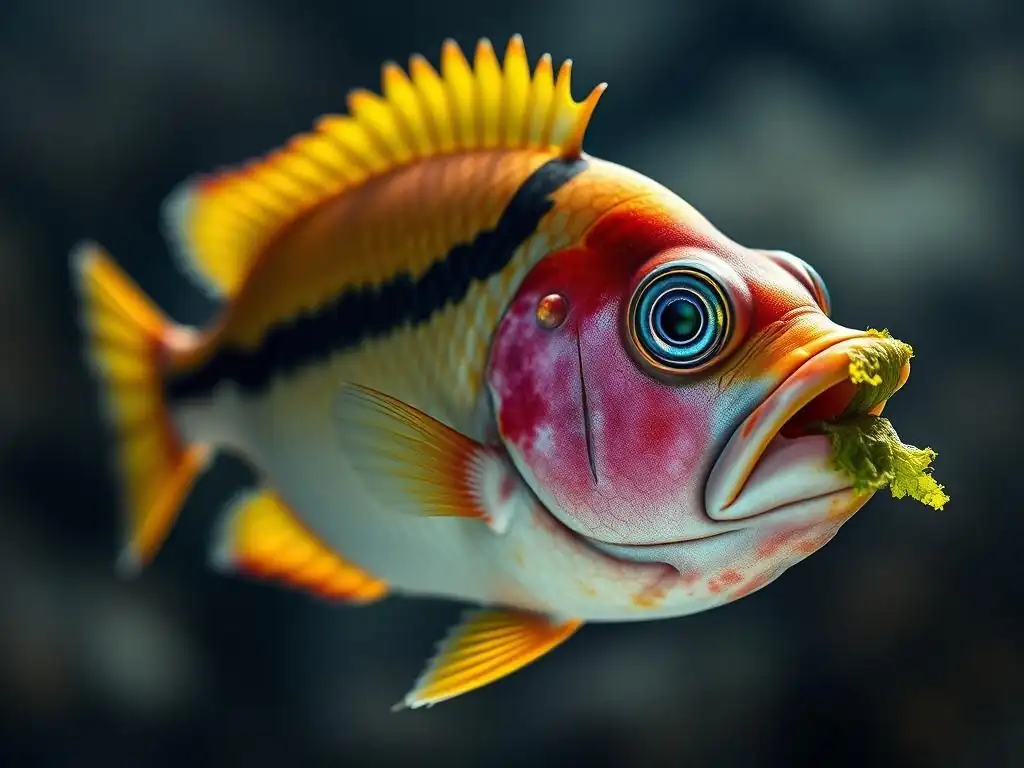
Recognizing the symptoms of nutrient deficiencies early is vital for correcting Surgeonfish harmful food options in their diet before irreversible damage occurs. One of the most common and visible signs is a loss of vibrant coloration; a healthy Yellow Tang should be bright yellow, while a deficient one might appear pale or faded. Similarly, a healthy Blue Tang's blues and yellows will be intense, whereas a malnourished one may look dull or washed out. This often indicates a lack of essential carotenoids, vitamins, and minerals.
Another critical indicator is Head and Lateral Line Erosion (HLLE), characterized by pitting, lesions, and eventually holes forming on the head, face, and along the lateral line. While the exact cause is complex, chronic vitamin C deficiency, poor water quality, and a lack of proper marine-specific nutrients are strongly implicated.
Other signs include stunted growth (the fish does not grow as expected for its species and age), fin erosion (frayed or dissolving fins unrelated to aggression or disease), and a general lack of vigor or lethargy, where the fish is less active than usual, often hovering or hiding rather than actively grazing.
Recognizing Digestive Issues Caused by Harmful Foods in Surgeonfish
Digestive issues caused by Surgeonfish harmful food options can manifest in several ways, signaling immediate problems. One of the most obvious signs is bloating or a distended abdomen, which can indicate gas buildup from fermenting indigestible foods or a severe blockage. This often occurs after consuming terrestrial vegetables or high-protein meats. A tang exhibiting bloating may also show difficulty swimming or a loss of buoyancy control.
Changes in stool consistency and frequency are also key indicators. Healthy tangs produce firm, green, and consistent fecal matter. If the fish produces stringy, white, or unusually large and irregular feces, it suggests a problem with digestion or nutrient absorption. Refusal to eat, spitting out food, or showing a lack of interest in food that was previously accepted can also point to digestive discomfort or an internal blockage. In severe cases, prolonged digestive upset can lead to secondary bacterial infections as the fish's immune system is compromised, underscoring the urgency of addressing dietary indiscretions.
Safe and Nutritious Food Options for Your Surgeonfish: Alternatives to Consider
Best Types of Seaweed and Algae for Tangs
The cornerstone of a healthy surgeonfish diet should be various types of marine-based seaweed and algae. Nori, specifically the unseasoned, unsalted, and unroasted variety typically found in Asian grocery stores (often labeled as "sushi nori"), is an excellent primary food source. It is rich in fiber, vitamins, and trace elements crucial for tang health. Offer it attached to a veggie clip several times a day to encourage natural grazing behavior. Species like Porphyra (red algae) and Ulva (green algae) are particularly beneficial.
Beyond nori, specialized marine algae sheets (often sold by aquarium brands) that contain a blend of different marine macroalgae, such as spirulina, kelp, and chlorella, can provide a broader spectrum of nutrients. Spirulina, a blue-green algae, is highly regarded for its high protein content (for an algae), essential amino acids, and rich concentration of carotenoids, which enhance fish coloration and immune function. Providing a rotation of these different types of marine greens ensures a complete and balanced diet, effectively replacing any Surgeonfish harmful food options.
High-Quality Pelleted Foods Formulated for Herbivorous Fish
While marine algae should form the bulk of their diet, high-quality pelleted foods formulated specifically for herbivorous marine fish can serve as an excellent supplement. These pellets are designed to be nutritionally complete, often fortified with essential vitamins (like stabilized Vitamin C for HLLE prevention) and minerals. Look for pellets that list marine algae, spirulina, and other plant-based ingredients as their primary components, with minimal fillers.
Brands like New Life Spectrum, Hikari, and Omega One offer excellent options tailored for tangs and other herbivorous marine fish. Pellets can be offered once or twice a day in small quantities, ensuring they are consumed quickly to avoid water pollution. They provide a convenient way to deliver a consistent dose of essential nutrients that might be variable in natural algae sources, helping to round out the diet and prevent deficiencies that could arise from relying solely on Surgeonfish harmful food options or limited natural sources.
Supplementing Your Tang's Diet with Vitamin and Mineral Supplements
Even with a high-quality diet of marine algae and specialized pellets, supplementing your tang's diet with liquid vitamin and mineral supplements can provide an extra layer of nutritional security. These supplements, often added to the food just before feeding, can help prevent deficiencies of crucial vitamins like Vitamin C, Vitamin B complex, and various trace elements that might be depleted in dried foods over time or simply not present in sufficient quantities. Many reputable aquarium brands offer vitamin complexes specifically designed for marine fish.
When using supplements, it's important to follow the manufacturer's instructions carefully to avoid over-supplementation, which can also be detrimental. A common practice is to soak a day's worth of nori or pellets in a few drops of the supplement solution for a short period before feeding. This targeted delivery ensures the fish directly ingests the added nutrients. Regular supplementation, particularly for species prone to HLLE or during periods of stress, can significantly enhance overall health and resilience, ensuring your tang thrives and avoids any issues from Surgeonfish harmful food options.
Preventing Dietary Problems: Best Practices for Feeding Your Surgeonfish
Establishing a Consistent Feeding Schedule for Optimal Digestion
Establishing a consistent feeding schedule is a best practice for preventing dietary problems and ensuring optimal digestion in your surgeonfish. Tangs are grazers by nature, meaning they consume small amounts of food frequently throughout the day in their natural habitat. Replicating this in the aquarium by offering small portions of food, especially marine algae, multiple times a day (e.g., 3-5 times) is far more beneficial than one or two large feedings. This continuous grazing keeps their digestive system active and reduces the risk of bloat or constipation, common issues when large meals are processed infrequently.
A consistent schedule also helps to maintain stable water quality, as smaller, more frequent feedings reduce the amount of uneaten food decaying in the tank at any one time. For example, attaching a fresh piece of nori to a veggie clip in the morning, replenishing it midday, and offering a small portion of pellets in the evening can mimic their natural grazing patterns. This routine not only aids digestion but also minimizes stress and encourages natural foraging behaviors, contributing to the overall well-being of the fish and preventing the introduction of Surgeonfish harmful food options.
Monitoring Water Quality to Ensure Healthy Digestion and Nutrient Absorption
Maintaining pristine water quality is intrinsically linked to healthy digestion and nutrient absorption in surgeonfish, acting as a crucial safeguard against dietary problems. Even the most nutritious diet can be ineffective if the fish is stressed by poor water parameters. High levels of ammonia, nitrite, or nitrate, or unstable pH and salinity, can severely compromise a fish's immune system and digestive functions. When a fish is stressed, its metabolic processes slow down, making it less efficient at absorbing nutrients from food, regardless of its quality.
Regular testing of water parameters (at least weekly for ammonia, nitrite, nitrate, pH, and salinity) and prompt corrective action are essential. Performing routine water changes (e.g., 10-20% weekly) helps to remove accumulated nitrates and replenish essential trace elements. A stable, clean environment reduces stress on the fish's internal systems, allowing their digestive enzymes to function optimally and ensuring that the valuable nutrients from their diet are efficiently absorbed and utilized. Neglecting water quality can turn even beneficial foods into contributing factors for health issues, exacerbating the impact of any Surgeonfish harmful food options.
Quarantine New Additions to Prevent Disease Spread
While not directly related to the type of food, quarantining new fish additions is a critical best practice that indirectly supports the effectiveness of a proper diet and prevents dietary problems from being compounded by disease. A stressed or diseased fish, even if fed the perfect diet, will struggle to digest food properly and absorb nutrients. New fish can introduce pathogens like Marine Ich or Brooklynella, which spread rapidly and debilitate existing tank inhabitants, making them susceptible to secondary infections and hindering their ability to process food.
A dedicated quarantine tank, equipped with basic filtration, heating, and lighting, allows new fish to be observed for at least 3-4 weeks. During this period, they can be treated for any visible parasites or diseases before being introduced to the main display tank. This practice minimizes the risk of widespread disease outbreaks, ensuring that all fish in the main tank remain healthy enough to fully benefit from their nutritious diet and are not further weakened by the stress of fighting off pathogens, which can make them more vulnerable to the effects of Surgeonfish harmful food options.
Conclusion: Ensuring a Healthy and Happy Tang Through Proper Diet
The Importance of Research and Informed Feeding Choices
The health and vibrancy of your surgeonfish are overwhelmingly dependent on the dietary choices you make. Understanding the natural grazing habits and specific nutritional requirements of these unique marine herbivores is not just a recommendation but a fundamental responsibility for every aquarist. Blindly offering foods without researching their suitability can inadvertently introduce Surgeonfish harmful food options, leading to a cascade of preventable health issues, from nutrient deficiencies like HLLE to severe digestive distress and organ damage.
By prioritizing marine-specific algae, high-quality herbivore pellets, and appropriate vitamin supplementation, you provide the essential building blocks for a robust immune system, vivid coloration, and sustained energy. Investing time in researching species-specific dietary needs and avoiding the common pitfalls of inappropriate foods ensures your tang not only survives but truly thrives, showcasing its natural beauty and active behavior for many years to come.
Further Resources: Exploring Reputable Aquarium Information
To deepen your understanding and continue making informed feeding choices for your surgeonfish, it is highly recommended to explore additional reputable aquarium information. Many dedicated hobbyist forums and online resources compile extensive data on specific species' care requirements, including detailed dietary needs and common health issues. These platforms often host discussions on the latest advancements in fish nutrition and provide real-world experiences from seasoned aquarists. By continuously educating yourself, you can refine your feeding strategies, adapt to new information, and ensure your tangs receive the best possible care, effectively steering clear of all Surgeonfish harmful food options.
Frequently Asked Questions
What are some common food options that can be harmful to Surgeonfish?
Surgeonfish, or Tangs, have specific dietary needs. Avoid feeding them foods high in protein from terrestrial animals, as this can lead to digestive issues and liver damage. Also, excessive amounts of meaty foods like brine shrimp can be problematic.
Why is it important to avoid certain foods when feeding Surgeonfish?
Surgeonfish are primarily herbivores in the wild. Feeding them the wrong foods can disrupt their digestive system, leading to malnutrition, disease, and a shortened lifespan.
What kind of foods should I be feeding my Surgeonfish?
Focus on providing a diet rich in marine algae and seaweed. Supplement this with specialized herbivore pellets and occasional small portions of blanched vegetables like zucchini or spinach.
How can I tell if my Surgeonfish is being negatively affected by its diet?
Signs of dietary problems in Surgeonfish include weight loss, changes in coloration, lethargy, and digestive issues, such as bloating or constipation. Monitor their behavior and appearance closely.
Where can I find more information on the specific dietary needs of my particular Surgeonfish species?
AquariumMastery.com offers detailed species profiles that include specific dietary recommendations. Consult these resources to ensure you're providing the optimal diet for your Tang and promoting its long-term health.
Final Reflection: Protecting the Vibrant Reef
The information presented throughout this article underscores the critical importance of responsible aquarium keeping, particularly when it comes to the delicate dietary needs of surgeonfish. Understanding the specific nutritional requirements of these magnificent creatures is not merely a suggestion, but a fundamental obligation for any aquarist seeking to ensure their health and longevity. Ignoring these needs, as we've seen, can lead to devastating consequences for both individual fish and the delicate balance of the reef ecosystem they represent.
The impact of informed choices extends far beyond the confines of our individual aquariums. The health and well-being of surgeonfish, and indeed all marine life, are inextricably linked to the health of our oceans. By educating ourselves and others about proper care, we contribute to a broader movement of conservation and responsible stewardship. We are tied to the ocean. And when we go back to the sea, whether it is to sail or to watch it, we are going back from whence we came.
- John F. Kennedy. This quote reminds us of our inherent connection to the ocean and our responsibility to protect its inhabitants.
Now, armed with this knowledge about surgeonfish harmful food options, I urge you to reflect on your own practices and consider the ripple effect of your choices. Are you truly providing the best possible care for your aquatic companions? Are you sharing this vital information with others in the hobby? Let this article serve as a catalyst for change, inspiring you to become a more informed, responsible, and compassionate aquarist. The future of these vibrant creatures, and the reefs they call home, depends on it.
Dive Deeper: Transform Your Tang's Life Today!
Thanks for exploring the vital world of Tang nutrition with us! We hope you’ve gained valuable insights into keeping your surgeonfish happy and healthy. Now, let's turn that knowledge into action.
- Commit to one simple change this week: Start by eliminating a single food from your Tang's diet that you now know is harmful.
- Explore our Aquarium Mastery community forum and share your experiences – what’s working, what’s not, and any surprising food preferences your Tang exhibits. (this is a placeholder - do not include)
- Dare to be different: Research and discover one unconventional, nutrient-rich food source suitable for Tangs that isn't commonly discussed.
What's the first step you'll take to ensure your Tang thrives?