
Will My New Wrasse Eat My Shrimp and Snails? A Compatibility Checklist

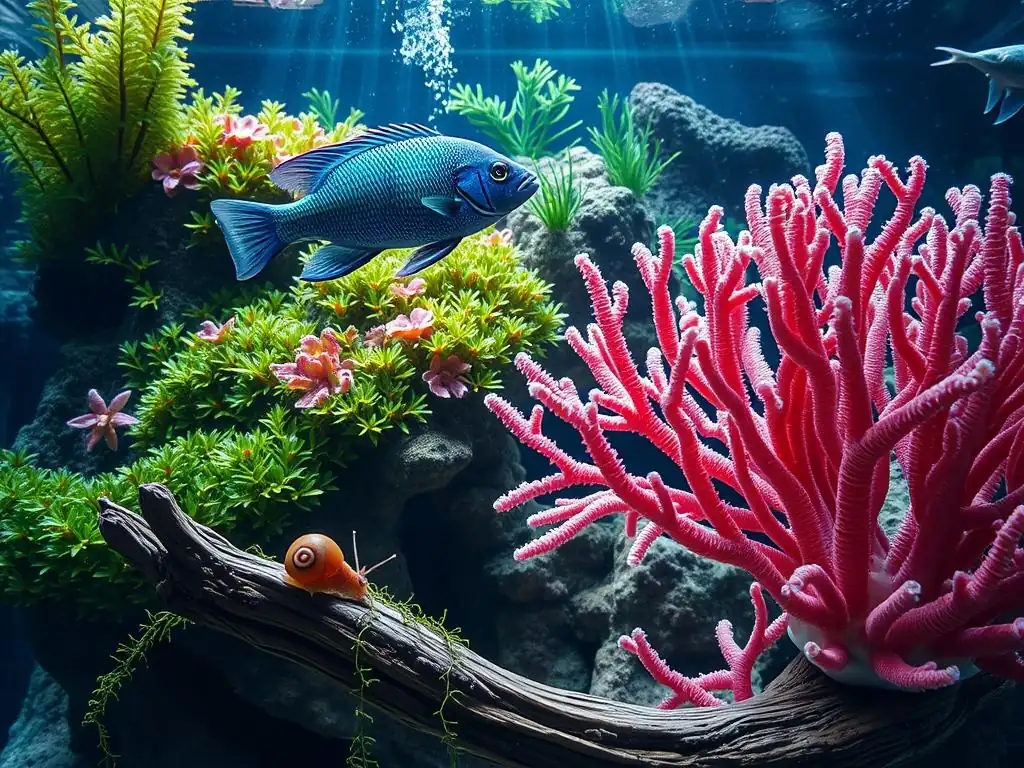
Welcome to Aquarium Mastery!
Ever wondered if that vibrant Wrasse you've got your eye on will play nice with your beloved shrimp and snails? Before you introduce a new Wrasse to your saltwater haven, dive into our comprehensive guide on Wrasse shrimp snail compatibility. Discover crucial compatibility factors and avoid a potential aquatic disaster. Keep reading to ensure a peaceful and thriving community in your saltwater aquarium!
- Understanding Wrasse Behavior and Aquarium Compatibility
-
Wrasse Species and Invertebrate Compatibility: A Breakdown
- Reef Safe Wrasses: Species Less Likely to Eat Shrimp and Snails
- Wrasses to Avoid: High Risk for Shrimp and Snail Predation
- Leopard Wrasse (Macropharyngodon spp.) Shrimp and Snail Compatibility: A Detailed Look
- Six Line Wrasse (Pseudocheilinus hexataenia) Shrimp and Snail Compatibility: A Detailed Look
- Melanurus Wrasse (Halichoeres melanurus) Shrimp and Snail Compatibility: A Detailed Look
- Assessing Your Current Invertebrate Population
- Factors Influencing Wrasse Predatory Behavior
- Preventing Predation: Strategies for a Peaceful Reef Tank
- Signs Your Wrasse is Eating Your Shrimp or Snails
- Creating a Wrasse-Safe Invertebrate Reef Aquarium: The Ultimate Checklist
- Alternative Tank Mates: Options for Wrasses and Invertebrates
- Conclusion: Achieving Harmony in Your Saltwater Aquarium with Wrasses, Shrimp, and Snails
-
Frequently Asked Questions
- Will all wrasse species eat my shrimp and snails?
- How can I determine if a specific wrasse species is compatible with shrimp and snails?
- What are some wrasse species generally considered safe for reef tanks with shrimp and snails?
- What factors besides the wrasse species itself can influence whether it eats my shrimp or snails?
- If I already have a wrasse, how can I minimize the risk of it eating new shrimp or snails?
- Final Reflection: Navigating the Reef's Delicate Balance
- Uncover Your Reef Aquarium's Potential!
Understanding Wrasse Behavior and Aquarium Compatibility
Introduction to Wrasses: Beautiful but Predatory?
Wrasses are among the most diverse and colorful fish families in the marine aquarium hobby, encompassing over 500 distinct species. Their vibrant hues, active swimming patterns, and intriguing behaviors make them a popular choice for many reef tank enthusiasts. However, beneath their captivating appearance lies a natural inclination for predation, which is a critical factor when considering wrasse shrimp snail compatibility in a mixed reef environment. Understanding this inherent predatory instinct is the first step in assessing their suitability for a tank housing delicate invertebrates.
While many wrasse species are often labeled "reef safe," this term primarily refers to their compatibility with corals, meaning they generally will not nip at or consume stony or soft corals. This label, however, does not always extend to invertebrates such as ornamental shrimp or various snail species. Their natural feeding habits in the wild often involve consuming small crustaceans and mollusks, setting the stage for potential conflicts within the confines of an aquarium. Therefore, a thorough understanding of specific wrasse species' predatory tendencies is paramount to ensuring successful wrasse shrimp snail compatibility.
Wrasse Natural Diet: What Do They Eat in the Wild?
The natural diet of wrasses in their wild habitats is incredibly varied but predominantly consists of benthic invertebrates. Many species are invertivores, actively hunting and consuming a wide array of small crustaceans like copepods, amphipods, and isopods, as well as various worms and small mollusks. They are often observed sifting through sandbeds or meticulously picking at live rock, searching for hidden prey. This innate foraging behavior is a direct indicator of their potential impact on your aquarium's clean-up crew and ornamental shrimp, directly influencing wrasse shrimp snail compatibility.
For example, many members of the Halichoeres genus, common in the aquarium trade, are highly efficient at consuming small snails and worms, which is why they are sometimes introduced for pest control. Similarly, larger Coris species may prey on small crabs and larger mollusks. While some wrasses, like cleaner wrasses, specialize in consuming parasites from other fish, the majority of species popular in reef tanks have a diet that directly overlaps with the types of invertebrates commonly kept by aquarists. This natural predatory inclination is the core reason why wrasse shrimp snail compatibility requires careful consideration.
Wrasse Species and Invertebrate Compatibility: A Breakdown
Reef Safe Wrasses: Species Less Likely to Eat Shrimp and Snails
When aiming for optimal wrasse shrimp snail compatibility, certain wrasse species are generally considered safer choices due to their smaller mouths and specific dietary preferences. Fairy Wrasses ( Paracheilinus spp.) and Flashing Wrasses ( Cirrhilabrus spp.) are prime examples. These species primarily feed on zooplankton in the water column and very small benthic microfauna, making them significantly less likely to actively hunt and consume larger ornamental shrimp or snails. Their mouths are typically not adapted for crushing shells or grasping larger prey, reducing the risk of predation.
While no wrasse can be guaranteed 100% "reef safe" with every single invertebrate, these species represent the lowest risk. For instance, a Cirrhilabrus exquisitus (Exquisite Wrasse) will spend most of its time darting through the water column or picking at the live rock surface for tiny amphipods, rather than targeting a 1.5-inch Skunk Cleaner Shrimp. However, it is always wise to exercise caution with newly molted or exceptionally small invertebrates, as even these generally peaceful wrasses might opportunistically nip at something bite-sized.
Wrasses to Avoid: High Risk for Shrimp and Snail Predation
Conversely, several wrasse species pose a significant threat to shrimp and snails, making wrasse shrimp snail compatibility extremely challenging or impossible. Larger, more robust wrasses, particularly those with strong jaws or a diet heavily reliant on crustaceans and mollusks in the wild, are prime candidates for invertebrate predation. Examples include many species within the Coris genus (e.g., Yellow Coris Wrasse, especially as they mature), certain Hogfish (which are closely related to wrasses, such as Bodianus species), and some larger Halichoeres wrasses.
These species are often opportunistic feeders that will readily consume any invertebrate small enough to fit into their mouths, and sometimes even those they have to work to extract. A mature Coris gaimard (Clown Coris Wrasse), for example, can reach lengths of over 10 inches and is well-known for its ability to consume large hermit crabs, snails, and even small crabs. Their natural foraging behavior often involves overturning rocks or sifting through large amounts of sand to uncover prey, making them highly effective predators in an aquarium setting and thus presenting very poor wrasse shrimp snail compatibility.
Leopard Wrasse (Macropharyngodon spp.) Shrimp and Snail Compatibility: A Detailed Look
Leopard Wrasses ( Macropharyngodon spp.) are highly sought after for their intricate patterns and graceful swimming. While they primarily forage for small benthic invertebrates and copepods within the sandbed, their feeding mechanism – sifting through sand – can inadvertently expose and make vulnerable smaller shrimp and snails. They are known to consume a variety of tiny organisms found in the substrate, and this constant foraging means that any small, exposed invertebrate could potentially become a target.
Regarding wrasse shrimp snail compatibility, Leopard Wrasses are generally considered "reef safe with caution." Established, larger ornamental shrimp, such as a 2-inch Skunk Cleaner Shrimp ( Lysmata amboinensis), and robust, thick-shelled snails like Astrea or Turbo snails, are typically safe. However, very small or newly introduced shrimp, especially those under an inch (e.g., Sexy Shrimp or juvenile Peppermint Shrimp), as well as smaller snail species like Nassarius or Cerith snails, are at a higher risk. Success often hinges on a well-established tank with a rich supply of microfauna and a consistent feeding schedule to minimize their predatory drive.
Six Line Wrasse (Pseudocheilinus hexataenia) Shrimp and Snail Compatibility: A Detailed Look
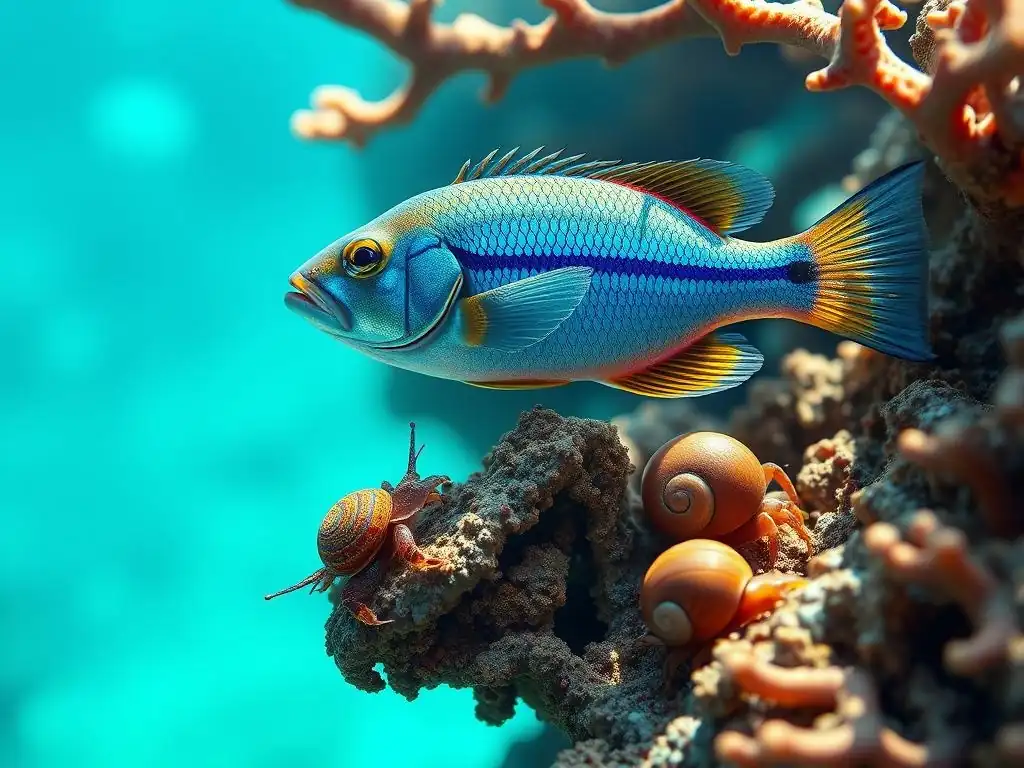
The Six Line Wrasse ( Pseudocheilinus hexataenia) is a popular choice for its vibrant coloration and reputation for controlling nuisance pests like flatworms and pyramid snails. However, the very predatory nature that makes them effective pest controllers also extends to desirable invertebrates. They are notorious for being opportunistic predators and can be quite aggressive towards smaller shrimp and delicate snail species. Many aquarists report issues with Six Line Wrasses harassing or consuming Peppermint Shrimp ( Lysmata wurdemanni) and smaller cleaner shrimp.
When evaluating wrasse shrimp snail compatibility with a Six Line Wrasse, it's important to understand their individual temperament can vary. While some may coexist peacefully with larger, established snails like Turbo snails (often 1.5 inches or more), smaller snails (e.g., Nassarius snails under 0.75 inches) and virtually all small ornamental shrimp are at significant risk. Anecdotal reports suggest that a Six Line Wrasse might decimate a colony of tiny Sexy Shrimp within days. Their active, territorial behavior, particularly in tanks smaller than 30 gallons, can also stress invertebrates, making them more vulnerable to predation.
Melanurus Wrasse (Halichoeres melanurus) Shrimp and Snail Compatibility: A Detailed Look
The Melanurus Wrasse ( Halichoeres melanurus), also known as the Tail Spot Wrasse, is an active and attractive fish prized for its ability to control various pests, including bristle worms and parasitic snails. This species is a relentless hunter, constantly sifting through sand and picking at live rock in search of small invertebrates. Their efficiency in pest control directly stems from their strong predatory instincts, which unfortunately extend to desirable shrimp and snails in a reef aquarium.
In terms of wrasse shrimp snail compatibility, the Melanurus Wrasse is generally considered a high risk for most ornamental shrimp and smaller snail species. While they might leave a large, well-established Turbo snail (over 2 inches) alone, any shrimp under 2 inches (e.g., Skunk Cleaner Shrimp, Blood Red Fire Shrimp) or smaller snail species like Nassarius, Cerith, or small Trochus snails (typically under 1 inch) are highly likely to become a meal. Their continuous foraging behavior means that even well-hidden invertebrates are unlikely to remain safe for long, making them a challenging choice for a mixed invertebrate reef tank.
Assessing Your Current Invertebrate Population
Types of Shrimp Commonly Kept in Saltwater Aquariums
Saltwater aquariums frequently host a variety of ornamental and functional shrimp species, each with varying degrees of vulnerability to wrasse predation. Common types include cleaner shrimp such as the Skunk Cleaner Shrimp ( Lysmata amboinensis) and the Blood Red Fire Shrimp ( Lysmata debelius), which are often robust, reaching lengths of 2-3 inches. These larger species tend to be more resilient. In contrast, smaller species like Sexy Shrimp ( Thor amboinensis), typically under 0.5 inches, and Peppermint Shrimp ( Lysmata wurdemanni), which usually grow to about 1-1.5 inches, are significantly more delicate and vulnerable.
The size and robustness of your shrimp directly impact their wrasse shrimp snail compatibility. A larger, active cleaner shrimp that is well-established in the tank has a much higher chance of coexisting with a moderately predatory wrasse than a tiny, newly introduced Sexy Shrimp. Furthermore, shrimp are particularly vulnerable during their molting process when their exoskeleton is soft, making them an easy target for any opportunistic wrasse.
Common Aquarium Snail Species: Vulnerability to Wrasses
A diverse range of snail species contributes to the clean-up crew in saltwater aquariums, each possessing different levels of vulnerability to wrasses. Large, thick-shelled snails like Turbo snails ( Tectus fenestratus or Turbo fluctuosa), which can grow to 2-3 inches, or Astrea snails ( Astrea tecta), generally 0.5-1 inch with conical shells, offer more protection. Their robust shells make them difficult for many wrasses to consume.
Conversely, smaller, thinner-shelled snails such as Nassarius snails ( Nassarius vibex), typically 0.5-0.75 inches, and Cerith snails ( Cerithium sp.), usually 0.5-1 inch, are far more susceptible to predation. Their smaller size and less robust shells make them easy targets for wrasses with a predatory inclination towards mollusks. Even larger wrasses that might not actively hunt larger snails may opportunistically consume these smaller, more vulnerable species, directly impacting wrasse shrimp snail compatibility.
Size Matters: How Invertebrate Size Impacts Predation Risk
The most critical factor in wrasse shrimp snail compatibility is the size differential between the wrasse and the invertebrate. A wrasse's mouth size and its feeding strategy are the primary determinants of what it can consume. Generally, if an invertebrate can fit into a wrasse's mouth, or if the wrasse can easily extract it from its shell or hiding spot, it is at risk. A 4-inch Melanurus Wrasse, for instance, has a significantly larger gape than a 2-inch Fairy Wrasse, directly impacting the size of prey it can swallow.
To illustrate, a 1-inch Nassarius snail is highly vulnerable to a 3-inch Six Line Wrasse, whereas the same snail might be completely ignored by a 2-inch Flashing Wrasse. Similarly, a small 0.75-inch Peppermint Shrimp is a much easier target for many wrasse species than a 2.5-inch Blood Red Fire Shrimp. This fundamental principle of "if it fits, it's food" should guide your stocking decisions to optimize wrasse shrimp snail compatibility.
Factors Influencing Wrasse Predatory Behavior
Tank Size and Hiding Places for Invertebrates
The physical environment of your aquarium plays a significant role in influencing a wrasse's predatory behavior and, consequently, wrasse shrimp snail compatibility. In larger tanks, such as those 75 gallons or more, wrasses have more space to establish territories and roam, which can sometimes dilute their focus on hunting specific invertebrates. More importantly, a densely aquascaped tank with ample live rock provides numerous crevices, caves, and overhangs that serve as essential hiding spots for shrimp and snails. These refuges allow invertebrates to retreat and evade detection, particularly during vulnerable periods like molting.
A well-structured aquascape with a variety of nooks and crannies creates microhabitats where small invertebrates can thrive relatively undisturbed. For sand-dwelling snails and burrowing shrimp, a sufficiently deep sand bed (at least 2-4 inches) offers a crucial escape route, allowing them to bury themselves when threatened. Providing these physical barriers and hiding opportunities significantly reduces the exposure of your invertebrates to predatory wrasses, thereby enhancing overall wrasse shrimp snail compatibility.
Feeding Habits: Keeping Your Wrasse Well-Fed
A consistently well-fed wrasse is generally less inclined to actively hunt for live prey, which can significantly improve wrasse shrimp snail compatibility. By offering a varied diet of high-quality frozen foods, such as mysis shrimp, brine shrimp, finely chopped seafood, and specialized wrasse pellets, multiple times a day, you can ensure their nutritional needs are met. This consistent provisioning reduces the wrasse's natural foraging intensity and lessens its motivation to pursue shrimp and snails.
Conversely, an underfed wrasse, driven by hunger, will be far more opportunistic and predatory. If a wrasse perceives a scarcity of food, it will actively seek out and consume any available shrimp or snails, even those it might typically ignore if adequately fed. Regular and sufficient feeding is not just about nutrition; it's a key strategy to manage and mitigate predatory behavior, thereby fostering better wrasse shrimp snail compatibility within your reef tank.
Wrasse Temperament: Observing Individual Behavior
While species-specific generalizations about wrasse shrimp snail compatibility are highly useful, it's crucial to acknowledge that individual fish temperament can vary, even within the same species. Some wrasses, despite their species' reputation, may exhibit a more peaceful disposition, while others might be exceptionally aggressive or predatory. Observing the individual wrasse's behavior, either in the fish store before purchase or during its initial acclimation period in your aquarium, is an important step in assessing its potential impact on your invertebrate population.
Look for specific behavioral cues: does the wrasse constantly patrol the sandbed with intense focus, or does it repeatedly pick at live rock in a manner that suggests hunting? Does it dart suddenly towards small movements, or persistently "inspect" your shrimp and snails closely? A wrasse that exhibits such focused predatory behaviors, even if its species is generally considered "safer," might still pose a significant risk. This individual observation adds a vital layer of precision to predicting long-term wrasse shrimp snail compatibility.
Preventing Predation: Strategies for a Peaceful Reef Tank
Acclimation Strategies: Introducing Wrasses Slowly
Proper acclimation strategies can play a subtle but important role in preventing immediate predation and fostering better wrasse shrimp snail compatibility. Drip acclimation, slowly introducing the new wrasse to your tank's water parameters over a period of 1 to 2 hours, minimizes stress and allows the fish to adjust calmly to its new environment. A less stressed fish is less likely to immediately perceive its surroundings as a hunting ground. Introducing the wrasse into a well-established tank where invertebrates are already settled and know their hiding spots can also be beneficial, rather than adding it to a brand-new setup.
Consider the timing of introduction. Some aquarists find success by introducing the wrasse last, after all invertebrates and other fish are comfortably settled in the tank. Additionally, feeding the tank generously just before introducing the wrasse can provide a distraction, satiating its initial hunger and potentially diverting its attention from immediate hunting. These careful introductory steps can help set a more peaceful tone for the entire tank, promoting improved wrasse shrimp snail compatibility.
Providing Adequate Hiding Spots for Shrimp and Snails
The provision of numerous and effective hiding spots is paramount for the survival of shrimp and snails when housing them with wrasses. Your live rock aquascape should be designed with an abundance of small caves, crevices, and overhangs where shrimp can retreat, especially during vulnerable periods like molting. For sand-dwelling snails and other invertebrates that burrow, a sufficiently deep sand bed (at least 2-3 inches) is crucial, allowing them to bury themselves and escape detection from foraging wrasses.
To further enhance safety, consider strategically placing small rubble piles or ceramic tubes within the rockwork specifically for invertebrates. These dedicated refuges increase their chances of evading predation and reduce overall stress, which is vital for maintaining a healthy and thriving invertebrate population alongside wrasses. The more secure your invertebrates feel, the better their chances of long-term wrasse shrimp snail compatibility.
Target Feeding: Ensuring Invertebrates Get Enough Food
Wrasses are typically fast and aggressive eaters, often outcompeting slower-moving invertebrates for food during general tank feedings. This can lead to undernourished shrimp and snails, forcing them to venture into open areas more frequently in search of food, thereby increasing their exposure to predatory wrasses. To counteract this, target feeding your shrimp and snails is an effective strategy to ensure they receive adequate nutrition.
Use a long pipette or a turkey baster to deliver sinking pellets, algae wafers, or small pieces of frozen food directly to the shrimp's or snail's location. This method ensures that the food reaches them without being intercepted by the faster fish. It is often most effective to do this after the wrasse has been fed, when it is less actively seeking food. Consistent target feeding reduces competition and helps maintain healthy, well-fed invertebrate populations, significantly contributing to better wrasse shrimp snail compatibility.
Signs Your Wrasse is Eating Your Shrimp or Snails
Observing Wrasse Behavior: Identifying Predatory Actions
Vigilant observation of your wrasse's behavior is key to identifying potential predation. Look for specific actions that indicate a predatory intent. This includes the wrasse actively picking at the sandbed or live rock with unusual intensity, particularly in areas where you know your invertebrates reside. Rapid darting movements, sudden lunges towards a specific spot, or persistent hovering near a snail or shrimp are strong indicators that your wrasse is hunting. Some wrasses may even attempt to flip over or dislodge snails from the rockwork.
It's also beneficial to observe your tank quietly during dawn or dusk, as some wrasses are more active hunters during these transitional periods when other tank inhabitants may be less alert. Any wrasse that consistently "inspects" or shows excessive curiosity towards your shrimp or snails should be closely monitored. These behavioral cues are often the first signs of challenging wrasse shrimp snail compatibility.
Monitoring Invertebrate Populations: Checking for Losses
A direct and often undeniable sign of predation is a noticeable and unexplained decrease in your invertebrate populations. It is advisable to keep a mental or even a written count of your shrimp and snails when you first introduce them. A sudden and significant reduction in their numbers over a short period – for instance, a 20-30% drop in your snail count within a week, or the disappearance of multiple shrimp – is a strong indication that they are being preyed upon.
While some invertebrate loss is natural due to old age or environmental factors, rapid or consistent disappearances, especially of healthy individuals, points directly towards predation. If you find that your clean-up crew is mysteriously dwindling, particularly after introducing a new wrasse, it's highly probable that your wrasse shrimp snail compatibility is not as ideal as hoped. This vigilance is crucial for managing the health and balance of your reef tank.
Shells and Carapaces: Evidence of Predation
Finding physical evidence in your aquarium can definitively confirm predation. Look for empty snail shells that appear "picked clean" rather than naturally decomposed. A snail shell that has been consumed by a wrasse often looks unnaturally clean inside, without the typical detritus or algae usually present in a naturally deceased snail. Some shells might also show small chips or signs of damage consistent with a wrasse attempting to extract the inhabitant.
Similarly, if you find discarded shrimp carapaces, examine them closely. A naturally molted shrimp carapace is typically intact, translucent, and looks like a perfect, empty replica of the shrimp. A carapace from a shrimp that has been consumed, however, might be fragmented, torn, or show signs of forceful removal or chewing. These pieces of evidence are undeniable indicators of a predatory wrasse and are clear signs of poor wrasse shrimp snail compatibility.
Creating a Wrasse-Safe Invertebrate Reef Aquarium: The Ultimate Checklist
Researching Wrasse Species Compatibility Before Purchase
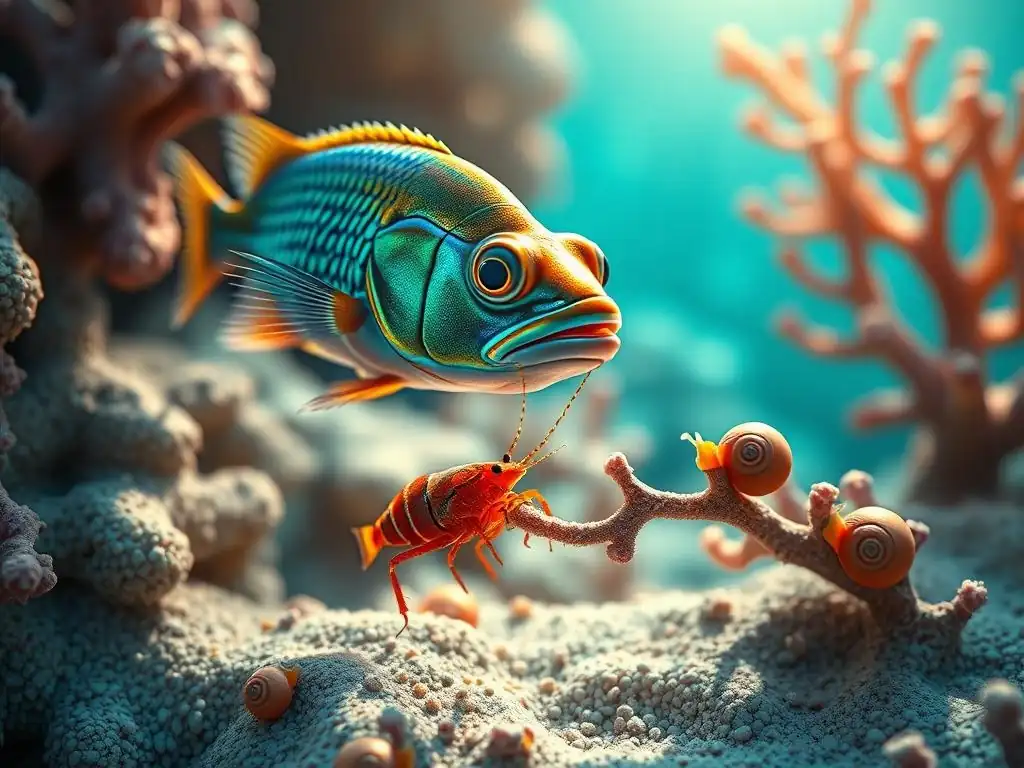
The most crucial step in achieving successful wrasse shrimp snail compatibility is thorough research before you make a purchase. Do not rely solely on general "reef safe" labels, which often pertain only to corals. Instead, meticulously investigate the specific dietary needs, adult size, and known compatibility issues of any wrasse species you are considering, particularly concerning ornamental shrimp and various snail species. Consult multiple reputable online sources, aquarium forums, and scientific databases.
For example, if your tank houses a delicate colony of Sexy Shrimp, your research should immediately flag a Six Line Wrasse as a high-risk choice, while a Leopard Wrasse might be deemed manageable with careful planning. Understanding the nuances of each species' predatory inclinations and natural diet will empower you to make informed decisions and prevent future conflicts, making this pre-purchase research the single most important action for ensuring long-term wrasse shrimp snail compatibility.
Planning Your Invertebrate Stocking List Carefully
Once you have researched potential wrasse species, carefully plan your invertebrate stocking list. If you intend to keep a wrasse with a known potential for predation, prioritize larger, more robust shrimp and snail species that are less likely to become prey. Avoid stocking very small, delicate, or slow-moving invertebrates that would be easy targets. Consider the adult size of both the wrasse and the invertebrates you wish to introduce, aiming for a significant size disparity where the invertebrate is too large to be easily consumed.
For instance, if a moderately predatory wrasse is a must-have for your tank, focus on larger Turbo snails (2+ inches) and established Skunk Cleaner Shrimp (2+ inches) rather than small Nassarius snails or tiny Peppermint Shrimp. This intentional stocking strategy, prioritizing size and robustness, significantly improves the chances of successful wrasse shrimp snail compatibility in your reef aquarium.
Observing and Adjusting Your Tank Setup as Needed
Even with meticulous research and planning, a reef aquarium is a dynamic ecosystem, and ongoing observation is absolutely critical for maintaining wrasse shrimp snail compatibility. Be prepared to continuously monitor the interactions between your wrasse and your invertebrates. If you begin to notice any of the signs of predation discussed earlier – such as dwindling populations, suspicious wrasse behavior, or physical evidence of consumption – be ready to make adjustments.
These adjustments might include adding more hiding spots for your invertebrates, increasing feeding frequency to satiate the wrasse, or, in more severe cases, considering the rehoming of either the wrasse or the most vulnerable invertebrates. A truly successful reef tank demands flexibility and adaptation. Accepting that a specific wrasse might simply be an unrelenting predator, despite your best efforts, and taking necessary action is paramount for the health and safety of all your tank inhabitants, ensuring the best possible wrasse shrimp snail compatibility.
Alternative Tank Mates: Options for Wrasses and Invertebrates
Fish That Coexist Peacefully with Wrasses and Invertebrates
If your primary goal is to maintain a vibrant invertebrate population alongside a wrasse, selecting fish species that are generally known to be peaceful and do not target shrimp or snails is essential. Many small, non-aggressive fish species can coexist harmoniously in a reef tank. Examples include various species of Gobies (e.g., Yellow Watchman Goby, Diamond Watchman Goby), many Blennies (e.g., Lawnmower Blenny, Starry Blenny), Clownfish (e.g., Ocellaris Clownfish, Percula Clownfish), and peaceful Damsels (e.g., Green Chromis).
These fish typically have different dietary needs and feeding strategies compared to predatory wrasses. For instance, a Yellow Watchman Goby primarily feeds on small organisms in the sandbed or prepared foods, rarely posing a threat to ornamental shrimp or snails. A pair of Ocellaris Clownfish will often stay near their host anemone or coral, and their diet of prepared foods and zooplankton does not overlap with the hunting of larger invertebrates. Choosing such tank mates helps foster overall wrasse shrimp snail compatibility by reducing competition and predatory pressure.
Creating a Balanced Ecosystem in Your Reef Tank
Achieving a truly balanced reef tank involves a holistic approach that integrates fish, corals, and invertebrates in a way that minimizes conflict and maximizes natural processes. This requires a deep understanding of the niche, behavior, and dietary requirements of each inhabitant. By carefully selecting species that complement each other, you can create a thriving environment where each organism contributes positively to the overall health and stability of the ecosystem.
For instance, a tank with a Leopard Wrasse might thrive with larger Turbo snails and robust Skunk Cleaner Shrimp, while a tank with a Six Line Wrasse might be better off with only large snails and no ornamental shrimp. Providing ample space, a varied diet, and maintaining excellent water quality are foundational elements. Through thoughtful planning and ongoing observation, aquarists can cultivate a vibrant, harmonious ecosystem where wrasses, shrimp, and snails can coexist, even if it means making specific choices to enhance wrasse shrimp snail compatibility.
Conclusion: Achieving Harmony in Your Saltwater Aquarium with Wrasses, Shrimp, and Snails
The decision to introduce a wrasse into a saltwater aquarium already housing shrimp and snails requires careful consideration and thorough planning. While wrasses are undeniably beautiful and active additions to a reef tank, their natural predatory instincts towards invertebrates are a significant factor that cannot be overlooked. Successful wrasse shrimp snail compatibility is not a given; it demands diligent research into specific species, careful planning of your invertebrate stocking, and continuous observation of tank dynamics.
Ultimately, achieving harmony in your saltwater aquarium comes down to making informed decisions based on the specific needs and behaviors of your chosen wrasse species and your desired invertebrate population. By understanding their natural diets, providing adequate hiding places, ensuring consistent feeding, and being prepared to adapt your setup, you can significantly increase the chances of a thriving, peaceful, and visually stunning reef aquarium where wrasses, shrimp, and snails can coexist.
Frequently Asked Questions
Will all wrasse species eat my shrimp and snails?
No, not all wrasse species are reef safe and therefore not all will eat shrimp and snails. It depends on the size and temperament of the particular wrasse species. Some are known to be peaceful and ignore invertebrates, while others are notorious predators.
How can I determine if a specific wrasse species is compatible with shrimp and snails?
Research is key! Look up the specific wrasse species on reputable aquarium websites and forums. Pay close attention to descriptions of their diet and temperament, as well as experiences shared by other aquarists who have kept them with invertebrates.
What are some wrasse species generally considered safe for reef tanks with shrimp and snails?
Some of the more popular and often-recommended reef-safe wrasses include the Fairy Wrasse (Cirrhilabrus species) and the Flash Wrasse (Paracheilinus species). However, always double-check the specific species within those genera, as exceptions can occur.
What factors besides the wrasse species itself can influence whether it eats my shrimp or snails?
Tank size can play a role. A smaller tank may increase the likelihood of aggression and predation. Also, the availability of food can influence a wrasse's behavior; a well-fed wrasse is less likely to hunt shrimp and snails.
If I already have a wrasse, how can I minimize the risk of it eating new shrimp or snails?
Introduce new shrimp or snails gradually and provide them with plenty of hiding places. You can also try acclimating the wrasse to the new inhabitants by placing them in a breeder box for a short period so the wrasse can get used to their presence before they are fully introduced into the tank.
The question of wrasse shrimp snail compatibility extends far beyond a simple checklist; it speaks to the heart of responsible reef keeping and the profound interconnectedness of life within a closed ecosystem. Understanding these dynamics is not merely about preventing predation, but about fostering a thriving and balanced environment where each creature can flourish. This article, hopefully, provides a foundation for making informed decisions that prioritize the well-being of all inhabitants.
This journey into the compatibility of wrasses with shrimp and snails has underscored the critical importance of diligent research and thoughtful planning when introducing new species to an established reef tank. It's a reminder that our actions have consequences, and that the health of our miniature underwater worlds rests on our ability to understand and respect the delicate balance of nature. In nature, nothing exists alone.
- Rachel Carson. This quote perfectly encapsulates the interconnectedness we strive to replicate in our aquariums, and the responsibility we bear to ensure its success.
As you consider adding a wrasse to your reef, remember that knowledge is your most powerful tool. Let this exploration of compatibility serve as a catalyst for deeper understanding and more conscientious choices. Reflect on the potential impact of your decisions, and strive to create a reef where harmony reigns, and every creature, from the smallest snail to the most vibrant wrasse, can thrive.
Uncover Your Reef Aquarium's Potential!
Thank you for diving into the fascinating world of wrasse compatibility! Now that you're armed with the knowledge to make informed decisions, let's ensure your reef inhabitants thrive together. Ready to take the next step?
Here are a few ways to put your newfound understanding into action:
- Conduct a detailed observation: Before introducing a wrasse, closely monitor your existing reef inhabitants for a week. Note any signs of vulnerability or stress that might make them tempting targets.
- Develop a 3-Month Feeding Plan: Research and implement a feeding plan with diverse foods to ensure your wrasse is well-fed and less likely to hunt other inhabitants.
- Share Your Wrasse Experience: Head over to AquariumMastery.com's forum and share your experiences with keeping wrasses alongside shrimp and snails. What strategies have you found successful?
What surprising combinations have you discovered in your reef tank that defy expectations?