
From Shy to Showy: Encouraging Your Blenny's True Personality to Shine

Welcome to Aquarium Mastery!
Ever wondered if your Blenny is truly living its best life? We're diving deep into the fascinating world of Blenny personality enrichment tips to help you unlock the full potential of these quirky and captivating fish. Discover how to create an environment where your Blenny can thrive, express its unique personality, and become the star of your saltwater aquarium. Ready to transform your Blenny from shy to showy? Let's get started!
- Understanding Your Blenny's Natural Behavior in the Reef Aquarium
- Blenny Personality Enrichment Tips: Creating a Thriving Environment
- Encouraging Social Interaction and Reducing Stress in Blennies
- Advanced Blenny Care: Promoting Long-Term Well-Being and Personality Development
- Troubleshooting Common Blenny Behavior Issues
- Witnessing the Transformation: Celebrating Your Blenny's Flourishing Personality
-
Frequently Asked Questions
- How can I encourage my blenny to be more active in my aquarium?
- What are some signs that my blenny is stressed or unhappy in its environment?
- What types of enrichment can I provide to stimulate my blenny's natural behaviors?
- Are there specific tank mates that are better or worse for blennies in terms of personality compatibility?
- How important is water quality for a blenny's overall well-being and personality expression?
- Final Reflection: Unveiling the Blenny Within
- Unleash Your Blenny's Bold Side!
Understanding Your Blenny's Natural Behavior in the Reef Aquarium
Decoding Blenny Behavior: Recognizing Shyness vs. Natural Temperament
Blenny species exhibit a fascinating array of natural behaviors, from perching on prominent rocks and hopping across the substrate to sifting sand or grazing on algae. It's crucial to differentiate between a blenny that is genuinely shy due to stress and one that is simply displaying its species-specific natural temperament.
For instance, a Combtooth Blenny ( Salarias fasciatus) might initially appear reclusive, spending significant time within rock crevices, a behavior typical for its species in the wild. In contrast, a Midas Blenny ( Ecsenius midas) is often more outgoing, frequently swimming in the water column and perching in open view.
Initial shyness is a common response to the stress of transport and introduction to a new aquarium. Most blennies will acclimate within 1-2 weeks, gradually becoming more visible and active. If a blenny continues to hide excessively beyond this initial period, it suggests a deeper issue rather than just natural caution. Observing how your blenny interacts with its environment over several days – whether it occasionally peeks out, moves freely when no threats are perceived, or remains constantly hidden – helps distinguish between a naturally cryptic species and a truly stressed or shy individual.
Key Indicators of a Happy and Healthy Blenny in Captivity
A happy and healthy blenny provides several visual cues. Its coloration should be vibrant and robust; for example, a Lawnmower Blenny ( Salarias fasciatus) will display rich greens and browns, not faded or dull tones. Clear eyes, intact fins without any signs of nipping or fraying, and a full, rounded belly are also strong indicators of well-being. Behaviorally, a healthy blenny will exhibit active foraging – darting between perches, sifting the substrate, or grazing on algae, often spending 30-40% of its active time engaged in these activities.
Beyond visual health, behavioral indicators signify contentment. A happy blenny, such as a Tailspot Blenny ( Ecsenius stigmatura), will actively explore its tank, establish a territory, and respond to its surroundings without constant fear. It might even approach the front glass when you are near, signaling a high level of comfort and confidence. Regular feeding without hesitation, consistent activity levels throughout the day, and peaceful interactions with compatible tank mates are all hallmarks of a blenny showcasing its true, flourishing personality.
Blenny Personality Enrichment Tips: Creating a Thriving Environment
Optimizing Tank Setup for Blenny Confidence
Providing Ample Hiding Places: Rocks, Caves, and Substrates for Blennies
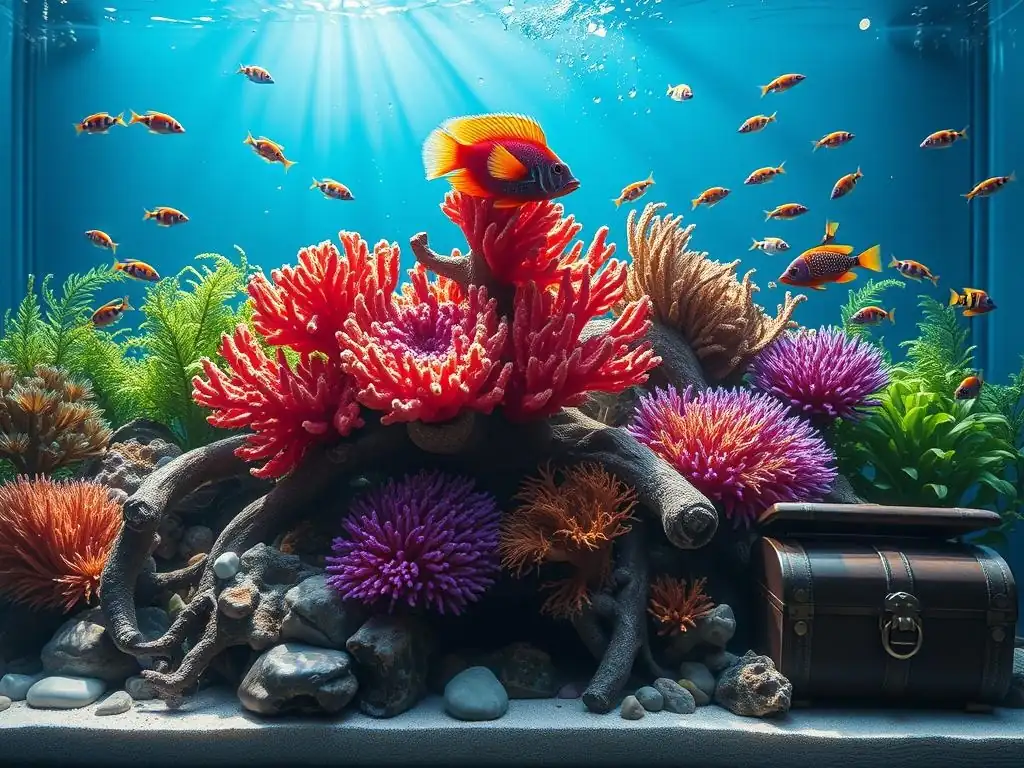
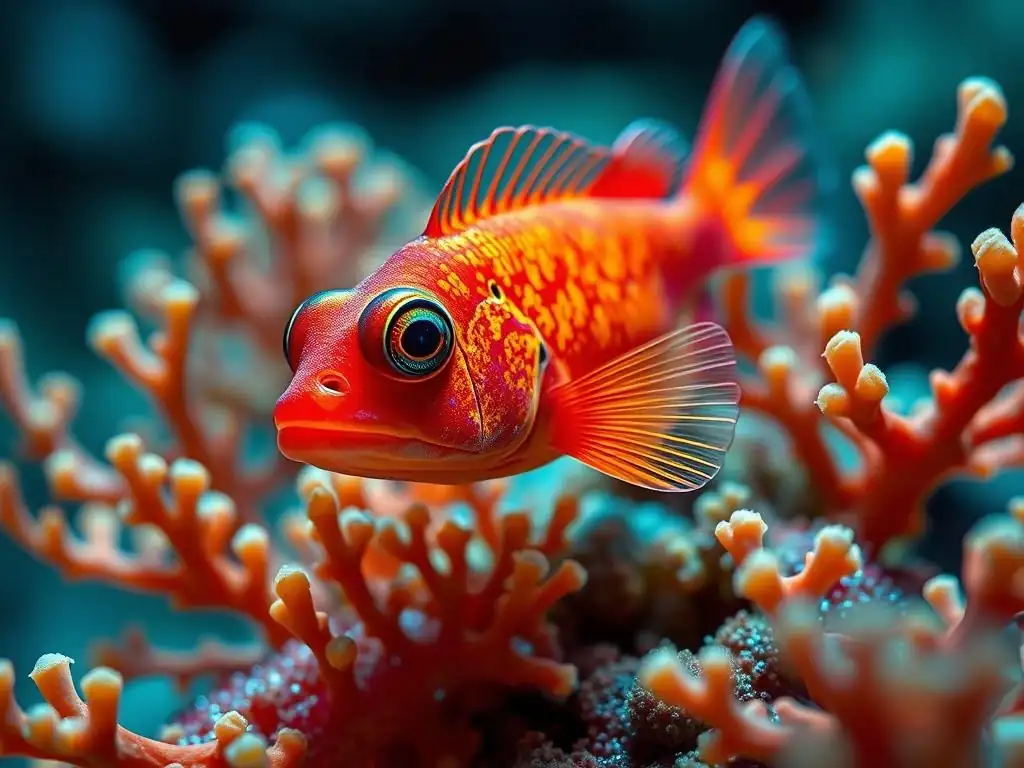
The natural instinct of most blennies is to seek shelter within rockwork and crevices, making ample hiding places crucial for their security and confidence. Incorporate diverse live rock structures with numerous nooks, crannies, and overhangs. For a standard 20-gallon nano reef tank, aiming for at least 15-20 pounds of well-scaped live rock can provide sufficient shelter options. This abundance of safe havens reduces stress, as the blenny always has an escape route, which in turn encourages it to spend more time exploring the open areas of the aquarium.
Beyond live rock, consider the substrate. A fine sand bed, typically 2-3 inches deep, is beneficial for blenny species that sift through sand for food or create burrows. Artificial shelters, such as ceramic caves or small PVC pipes cleverly hidden within the rockwork, can also serve as excellent boltholes. These additional retreats provide a sense of security that promotes natural blenny personality and allows them to exhibit bolder behaviors, knowing a safe spot is always nearby.
Creating Varied Territories: Encouraging Exploration and Reducing Territoriality
Establishing distinct zones within the aquarium is a key blenny personality enrichment tip. Utilize rock formations to create separate "neighborhoods" or visual barriers. This allows a blenny to establish its own territory, which can be as small as a 6-inch radius around a favorite perch or cave, without constantly feeling encroached upon by other tank inhabitants. This reduces inter-species stress and encourages the blenny to confidently patrol and display its chosen domain.
Furthermore, integrating varying water flow areas and light zones can significantly enhance exploration. Some blennies, like certain Fang Blennies, prefer higher flow areas where they can perch and filter feed, while others, such as the Starry Blenny ( Salarias ramosus), might prefer calmer, algae-rich spots for grazing. Providing a mix of these environmental conditions encourages the blenny to explore different parts of the tank, stimulating its natural behaviors and promoting a more active and engaging blenny personality.
Enhancing the Blenny Diet for Increased Activity and Coloration
Offering a Diverse Menu: Mimicking Natural Blenny Foraging Habits
A diverse and appropriate diet is fundamental to a blenny's health, activity, and coloration. Most blennies are omnivores or herbivores, with some being specialized micro-predators. For herbivorous species like the Lawnmower Blenny, offer high-quality spirulina flakes, nutrient-rich nori sheets (clipped to the tank glass), and specialized frozen herbivore formulas. For omnivorous blennies, such as the Midas Blenny, supplement their diet with finely chopped mysis shrimp, enriched brine shrimp, and small copepods. Aim for 2-3 small feedings throughout the day to mimic their natural grazing habits.
Regularly introducing new food types or varied feeding methods is a superb blenny personality enrichment tip. Allowing nori to float freely for a period, or scattering live copepods, encourages natural foraging behaviors, which are mentally stimulating and physically engaging. A well-fed blenny will display more vibrant colors and exhibit more active behaviors, spending significant time grazing on surfaces or sifting through the substrate, demonstrating a robust and confident blenny personality.
Target Feeding Techniques: Ensuring Even the Shyest Blennies Get Their Share
For newly introduced or particularly shy blennies, and in tanks with faster, more aggressive feeders, target feeding techniques are invaluable. Use a long pipette or a turkey baster to deliver food directly to the blenny's preferred hiding spot or perch. This ensures that the blenny, which might consume approximately 0.1-0.2 grams of food per day, receives adequate nutrition without having to compete with more assertive tank mates. This direct approach significantly reduces feeding stress.
The benefits of target feeding extend beyond simple nutrition. It helps build trust between the blenny and its environment, reducing its overall stress levels. Consistent target feeding for the first 1-2 weeks after introduction can dramatically improve the blenny's acclimation process, encouraging it to become more comfortable and outgoing. Over time, this method can transform a constantly hidden blenny into one that boldly emerges during feeding times, showcasing a more vibrant blenny personality.
Selecting Compatible Tank Mates: Avoiding Aggressive Competitors
Careful selection of tank mates is paramount for a blenny's well-being and the full expression of its personality. Choose peaceful fish that do not directly compete for food or territory. Avoid large, aggressive species or those known to nip fins, such as certain damselfish or triggerfish. Excellent choices often include small, peaceful gobies (ensuring they are not too similar in shape or niche to your blenny), firefish, or certain peaceful cardinalfish. For a 30-gallon tank, limit additional inhabitants to 1-2 small, peaceful fish to prevent overcrowding and reduce potential stress.
The impact of incompatible tank mates can be severe. Aggressive or overly competitive fish can cause chronic stress, leading to a blenny constantly hiding, displaying faded coloration, refusing to feed, and even suffering from fin nipping. For example, housing a blenny with a territorial Damselfish can result in continuous harassment, severely inhibiting the blenny's natural behaviors and suppressing its blenny personality. Researching species compatibility before adding any new fish is a crucial blenny personality enrichment tip.
Observing Blenny Interactions: Identifying and Addressing Bullying
Regular observation of your blenny's interactions with its tank mates is essential. Dedicate at least 10-15 minutes daily, especially during feeding times, to watch for signs of stress or bullying. Look for rapid breathing, clamped fins, darting movements, or the blenny constantly retreating to its hiding spots. Note which fish are interacting and the nature of those interactions; a blenny might retract its dorsal fin or slightly alter its coloration when stressed by an aggressor.
If bullying is identified, prompt action is necessary. Consider rearranging the rockwork to break up established territories and create new visual barriers. Adding more hiding spots can provide additional safe havens for the blenny. In severe cases, or if the aggressor continues to harass the blenny, removing the aggressive fish may be the only solution. Even a minor change in the aquascape can sometimes alleviate tension, allowing the blenny to feel more secure and its personality to re-emerge.
Minimizing Stress Factors: Stable Water Parameters and Reduced Disturbances
Stable water parameters are paramount for a blenny's health and confidence. Fluctuations in salinity (maintain consistently at 1.025-1.026 specific gravity), temperature (ideally 76-78°F or 24-25.5°C), pH (8.1-8.4), and nutrient levels (ammonia, nitrite at 0 ppm, nitrates below 20 ppm) can cause significant stress. Even minor swings can lead to a blenny becoming shy, lethargic, or prone to disease. Regular water testing, at least 2-3 times per week for newer tanks, is vital to ensure consistency.
Beyond water quality, minimize environmental disturbances. Avoid sudden changes in lighting, loud noises near the tank, or excessive movement around the aquarium. Maintain a consistent light cycle, typically 10-12 hours of light followed by 12-14 hours of darkness, to simulate natural day-night cycles. Limit reaching into the tank unless absolutely necessary. A calm, consistent environment allows the blenny to feel secure and display its natural behaviors and vibrant blenny personality more readily.
Advanced Blenny Care: Promoting Long-Term Well-Being and Personality Development
A consistent and thorough maintenance schedule is paramount for the long-term health and flourishing blenny personality. This routine should include weekly 10-20% water changes to replenish trace elements and export nitrates, regular glass cleaning to prevent excessive algae growth (though some blennies graze on it, excessive buildup can indicate nutrient issues), and filter media replacement or cleaning every 2-4 weeks. Consistency in these tasks prevents sudden environmental shifts that can induce stress.
Neglecting regular maintenance can lead to a gradual decline in water quality, which in turn causes chronic stress, suppresses the blenny's immune system, and ultimately diminishes its vibrant personality and overall health. For instance, allowing nitrates to consistently rise above 20 ppm or phosphates above 0.03 ppm can make a blenny lethargic, prone to infections, and less inclined to display its natural behaviors. A well-maintained tank fosters a healthy and active blenny.
Monitoring Water Quality: The Crucial Role of Stability in Blenny Behavior
Beyond the basic parameters, regular monitoring of alkalinity (8-12 dKH), calcium (400-450 ppm), and magnesium (1300-1400 ppm) is important, particularly in reef aquariums. While these parameters are most critical for coral health, their stability contributes significantly to the overall system's equilibrium, which directly impacts fish health and stress levels. For example, a sudden drop in alkalinity can lead to pH instability, creating an unhealthy environment that stresses sensitive blennies and suppresses their active blenny personality.
Pristine and stable water conditions allow blennies to not just survive but truly thrive, resulting in robust health, vibrant coloration, and active behaviors. A blenny housed in an unstable or declining environment might constantly hover near the substrate, hide excessively, or exhibit lethargy. Conversely, a blenny in a stable, well-maintained system will boldly explore, graze, and perch in prominent locations, showcasing its full range of fascinating behaviors and a confident blenny personality.
Recognizing and Treating Blenny Illnesses: Addressing Health Concerns Promptly
Prompt recognition and treatment of blenny illnesses are vital for their long-term well-being and the maintenance of their personality. Look for changes in appearance such as white spots (indicative of Ich), cloudy eyes, frayed fins, or unexplained lesions. Behavioral changes like lethargy, erratic swimming, flashing against rocks, or a sudden loss of appetite are also significant warning signs. A blenny that stops eating for more than 24-48 hours should be a cause for immediate concern.
Early detection and intervention are crucial. Quarantining new fish for 2-4 weeks in a separate observation tank can prevent the introduction of diseases to your main display. If a blenny shows signs of illness, isolate it in a hospital tank if possible to administer appropriate medications, such as copper-based treatments for parasitic infections or antibiotics for bacterial issues. Addressing health concerns promptly is a critical blenny personality enrichment tip, as a healthy fish is far more likely to be active, vibrant, and display its true character.
Troubleshooting Common Blenny Behavior Issues
Addressing Excessive Hiding: Identifying Potential Causes and Solutions
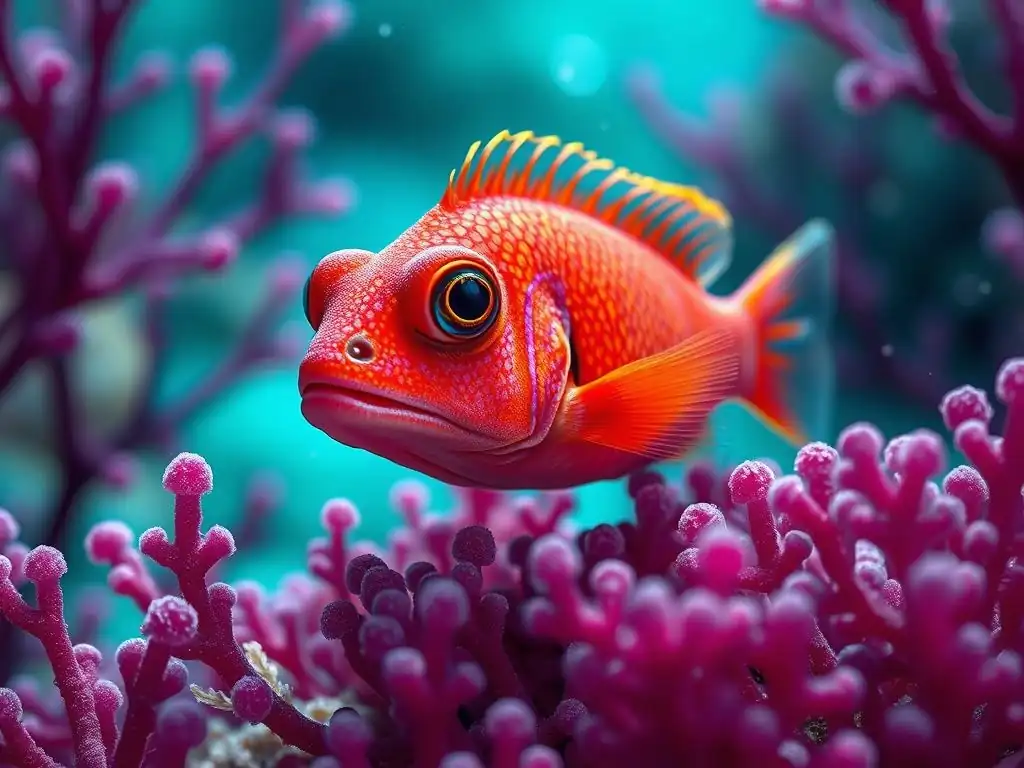
Excessive hiding in a blenny can stem from several factors, including recent introduction to the tank, the presence of aggressive tank mates, poor water quality, or an insufficient number of suitable hiding spots. For instance, while a Bicolor Blenny might initially hide for the first 7-10 days post-introduction due to acclimation stress, persistent hiding beyond that period often indicates an underlying problem that needs to be addressed for its blenny personality to emerge.
To resolve this, first review your tank mate compatibility and test all water parameters to ensure they are within optimal ranges. Ensure your aquascape provides ample rockwork and crevices that the blenny can call home. Gradually introduce food directly to its preferred hiding spot to encourage it to associate your presence with positive experiences. Sometimes, simply reducing ambient room light or activity around the tank for a few days can help a blenny feel more secure and encourage it to venture out, enhancing its confidence and blenny personality.
Managing Territorial Aggression: Strategies for Reducing Conflict
While generally peaceful, some blennies can exhibit territorial aggression, particularly towards similarly shaped or colored fish, or other blennies in smaller enclosures. This behavior is more commonly observed in species like the Starry Blenny ( Salarias ramosus) or certain Lawnmower Blennies when housed in tanks under 30 gallons, where space for distinct territories is limited. This aggression can suppress the blenny personality of other tank inhabitants.
If aggression is observed, effective management strategies include rearranging the aquascape to break line of sight and create new, distinct territories. Ensure the tank is adequately sized for all its inhabitants; for example, a minimum of 20 gallons is generally recommended for a single blenny, with larger tanks required for multiple blennies or more active species. Adding more hiding spots can also help by providing escape routes and reducing direct confrontations. In severe cases, or if aggression persists, rehoming one of the aggressive fish may be the best course of action.
Encouraging Feeding in Finicky Blennies: Tips and Tricks for Success
A blenny refusing to eat can be a sign of stress, illness, or simply unfamiliarity with the food types offered. Some blennies, especially certain specialized feeders like Fang Blennies, have very specific dietary requirements that might not be met by standard flake foods, leading to a finicky blenny personality. Addressing these issues is vital for their health and activity.
To encourage feeding, try offering a diverse variety of foods, including live options like copepods or enriched brine shrimp, which often entice even the shyest eaters. Utilize target feeding techniques with a pipette to deliver food directly to the blenny. Soaking dried foods in garlic extract or a vitamin supplement can significantly improve their palatability and appeal.
Always ensure proper water quality and a stress-free environment, as these directly impact a blenny's appetite. For instance, a Lawnmower Blenny might initially refuse prepared foods but will readily graze on natural algae or nori sheets, so providing these is crucial. Patience and persistence are key blenny personality enrichment tips when dealing with finicky eaters.
Witnessing the Transformation: Celebrating Your Blenny's Flourishing Personality
Documenting Blenny Behavior Changes: Tracking Progress and Identifying Trends
To truly appreciate and understand the development of your blenny's personality, it's highly beneficial to keep a simple journal or digital log of its behavior. Note daily observations such as feeding habits, activity levels, preferred perching spots, and interactions with tank mates. Crucially, record when you introduce new blenny personality enrichment tips, such as new rockwork, different food types, or changes in tank mates. Tracking changes over weeks or months – for example, "Day 1: Hiding mostly; Day 14: Perching on highest rock; Day 30: Actively grazing on glass" – provides invaluable insight into what works best.
This practice not only helps you identify effective strategies for your specific blenny but also allows you to recognize subtle signs of stress or improvement that might otherwise go unnoticed. Documenting progress serves as a deeply rewarding experience, enabling you to witness firsthand your blenny's incredible transformation from a shy newcomer to a confident, engaging, and unique member of your aquatic community. It also solidifies your understanding of effective blenny personality enrichment.
Once you've nurtured your blenny into confidently displaying its true personality, consider sharing your experiences with the wider aquarium community. Post your observations and successful blenny personality enrichment tips on online forums, social media groups dedicated to aquarists, or at local aquarium club meetings. Discuss the specific challenges you overcame, the strategies that proved most effective, and any unique observations about your blenny's individual character.
Your real-world insights can significantly benefit other hobbyists who may be facing similar challenges with their own blennies. By sharing concrete examples of how you encouraged your blenny's true personality to shine, you contribute to a more informed and supportive community. This collective knowledge empowers more aquarists to provide optimal care, troubleshoot common issues, and ultimately enjoy the full, vibrant potential of these fascinating and charismatic fish, making a tangible impact on blenny care practices worldwide.
Frequently Asked Questions
How can I encourage my blenny to be more active in my aquarium?
Provide plenty of rockwork and hiding places to make your blenny feel secure. Also, ensure a varied diet to stimulate its natural foraging behaviors. Gradual habituation is key.
What are some signs that my blenny is stressed or unhappy in its environment?
Signs of stress in blennies include hiding excessively, a loss of appetite, and changes in coloration. Monitor your water parameters closely and rule out disease.
What types of enrichment can I provide to stimulate my blenny's natural behaviors?
Offer a variety of food options, including live foods, and rearrange the tank's decorations periodically. This encourages exploration and reduces boredom.
Are there specific tank mates that are better or worse for blennies in terms of personality compatibility?
Avoid aggressive or overly boisterous tank mates that might intimidate your blenny. Peaceful, reef-safe fish are generally the best option. Research compatibility beforehand!
How important is water quality for a blenny's overall well-being and personality expression?
Excellent water quality is crucial for a healthy and happy blenny. Stable parameters minimize stress and allow your blenny to display its full range of natural behaviors.
Final Reflection: Unveiling the Blenny Within
The journey of understanding and enriching our blennies' lives, as explored throughout this article, resonates profoundly in today's world, where animal welfare and responsible pet ownership are increasingly valued. It's no longer enough to simply provide basic sustenance; we must strive to understand and cater to the unique needs and personalities of the creatures in our care, ensuring they thrive, not just survive.
This exploration of blenny personality enrichment has not only deepened our understanding of these fascinating fish but has also illuminated the broader importance of mindful interaction with all living beings. Witnessing a shy blenny transform into a confident, engaging member of the aquarium community is a testament to the power of observation, patience, and tailored care. The greatness of a nation and its moral progress can be judged by the way its animals are treated.
- Mahatma Gandhi. This quote reminds us that our interactions with even the smallest creatures reflect our own humanity.
Now, as you close this article, consider the lessons learned about blenny personality enrichment and how they might apply to other areas of your life. Are there any "shy blennies" in your own world – people or even aspects of yourself – that could benefit from a little extra understanding and encouragement? Let's all strive to create environments where every individual, regardless of size or species, can truly shine.
Unleash Your Blenny's Bold Side!
Thank you for diving into the fascinating world of blennies! We hope you’ve discovered new ways to understand and appreciate these quirky characters. Now it's time to take action and help your blenny thrive.
- First and foremost, reassess your blenny's environment. Are there enough hiding spots and algae-covered surfaces? This is the key to a confident blenny.
- Share your blenny's "glow-up" story! Post a picture of your blenny’s favorite spot on social media using #AquariumMasteryBlenny and inspire other hobbyists.
- Try introducing a small, blenny-safe "toy," like a clean shell or PVC pipe, to see how your blenny interacts with its environment in new ways.
What’s the first change you’ll make to your aquarium to encourage your blenny to show off its true colors?