
Bartlett's Anthias Deep Dive: Beauty, Behavior, and Essential Husbandry

Welcome to Aquarium Mastery, where your aquatic dreams come to life!
Ever been captivated by the vibrant hues of the reef? Then you're in the right place! Dive deep with us as we unravel the mysteries of saltwater aquariums. Curious about keeping one of the ocean's most stunning inhabitants? This article is your ultimate guide to Bartlett's Anthias care requirements. Prepare to uncover the secrets to successfully housing this dazzling fish, and discover everything you need to know to ensure a thriving and colorful aquarium! Let's explore!
- Introduction to Bartlett's Anthias: A Reef Aquarium Gem
- Bartlett's Anthias Care Requirements: A Comprehensive Guide
- Bartlett's Anthias Behavior and Compatibility: Creating a Harmonious Reef Tank
- Bartlett's Anthias Identification and Appearance
- Bartlett's Anthias Health and Disease Prevention
- Bartlett's Anthias Breeding: A Challenging Endeavor
- Troubleshooting Common Bartlett's Anthias Problems
- Conclusion: Mastering Bartlett's Anthias Care for a Stunning Reef Display
-
Frequently Asked Questions
- What are the basic tank size requirements for keeping Bartlett's Anthias?
- What are the recommended water parameters for a Bartlett's Anthias aquarium?
- What is the ideal diet for Bartlett's Anthias in captivity?
- How do I acclimate Bartlett's Anthias to a new aquarium environment?
- What are some common health issues to watch out for in Bartlett's Anthias?
- Final Reflection: Embracing the Delicate Dance of Reef Keeping
- Unleash Your Inner Reef Keeper: Dive Deeper Now!
Introduction to Bartlett's Anthias: A Reef Aquarium Gem
Unveiling the Beauty of Pseudanthias bartlettorum
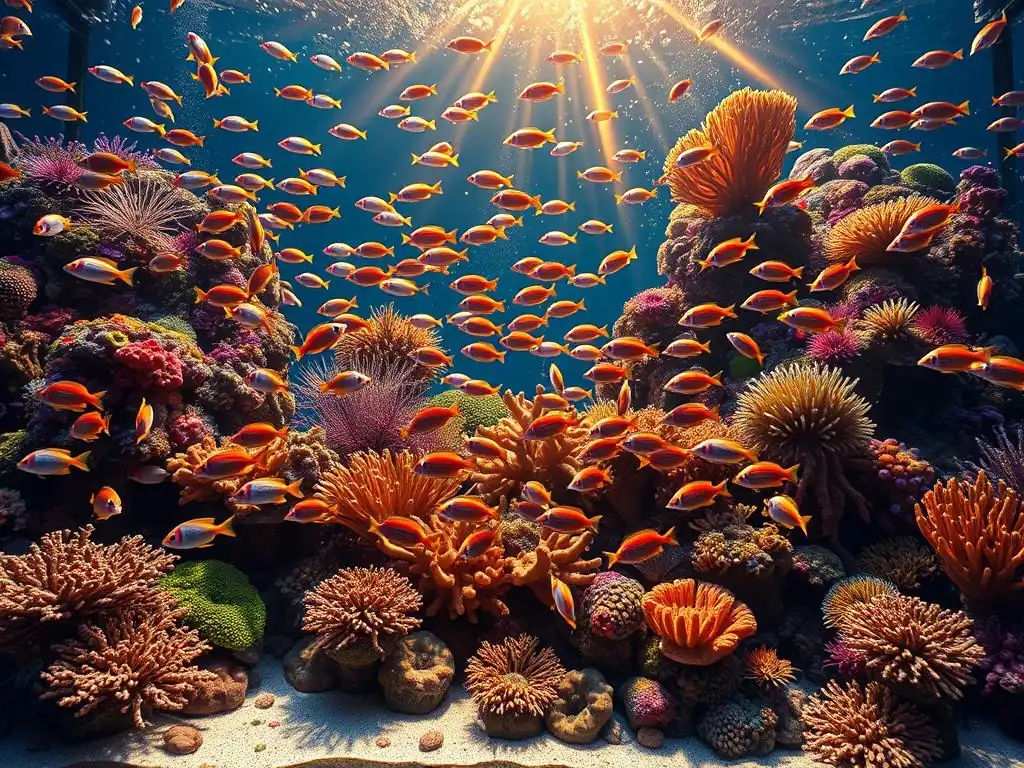
Bartlett's Anthias, scientifically known as Pseudanthias bartlettorum, are among the most visually striking and sought-after fish for saltwater reef aquariums. Their captivating coloration typically features a vibrant lavender or purple body that transitions into a brilliant yellow tail and dorsal fin, creating a stunning contrast. This unique palette makes them stand out in any reef display, often forming dynamic, shimmering schools that add movement and life to the aquarium.
Beyond their primary hues, individual specimens can exhibit subtle variations in intensity and distribution of these colors, influenced by their mood, health, and dominance within the group. The males, in particular, often display more intense coloration and elongated fin rays, further enhancing their aesthetic appeal. Their graceful swimming patterns and constant activity contribute significantly to the visual dynamism of a well-maintained reef system, making them a focal point for many aquarists.
Why Bartlett's Anthias are Popular Among Reef Keepers
The popularity of Bartlett's Anthias stems not only from their undeniable beauty but also from their relatively peaceful temperament and schooling behavior, which allows for the creation of a vibrant, active display. Unlike some other anthias species that can be more challenging to acclimate or maintain, Pseudanthias bartlettorum are generally considered moderately hardy once settled, making them accessible to a wider range of experienced aquarists. Their propensity to form schools provides a natural, captivating spectacle, mimicking their behavior in the wild.
Furthermore, Bartlett's Anthias contribute to the ecological balance and visual appeal of a reef tank by actively sifting through the water column for food, adding a layer of natural behavior to the captive environment. Their relatively small adult size, typically reaching around 3 inches (7.5 cm), also makes them suitable for a variety of tank sizes, provided ample swimming space and proper Bartlett's Anthias care requirements are met. This combination of aesthetic appeal, manageable temperament, and active schooling makes them a top choice for those looking to enhance their reef aquarium's vibrancy.
Understanding the Natural Habitat of Bartlett's Anthias
Bartlett's Anthias originate from the deep-water reef slopes of the Western Pacific Ocean, with their natural range extending across various island nations including the Marshall Islands, Micronesia, and Fiji. They are typically found at depths ranging from approximately 20 to 100 meters (65 to 330 feet), inhabiting areas with strong currents and abundant zooplankton. These environments often feature intricate coral formations and rocky outcrops, providing both shelter from predators and perching spots.
In their natural habitat, these anthias form large, dynamic schools, often numbering in the hundreds, that feed on the plankton carried by the currents. The deeper waters they inhabit mean they are accustomed to more stable water parameters and potentially lower light levels compared to shallow-water reef fish. Understanding these natural conditions is crucial for replicating a suitable environment in a home aquarium, ensuring their long-term health and facilitating proper Bartlett's Anthias care requirements.
Bartlett's Anthias Care Requirements: A Comprehensive Guide
Essential Tank Parameters for Optimal Bartlett's Anthias Health
Ideal Water Chemistry: Salinity, Temperature, pH, and Alkalinity
Maintaining stable and appropriate water chemistry is paramount for the health and longevity of Bartlett's Anthias. For salinity, a specific gravity of 1.023 to 1.025 is ideal, closely mimicking natural reef conditions. Fluctuations outside this range can cause significant stress. Temperature should be kept between 74-78°F (23-26°C), with a stable temperature being more important than hitting an exact number within this range; rapid swings can weaken their immune system.
The pH level should be maintained within the range of 8.1 to 8.4, which is typical for healthy reef aquariums. Equally important is alkalinity, or carbonate hardness, which should be kept between 8-12 dKH (degrees of carbonate hardness). This parameter is vital for coral growth if you have a mixed reef, but also acts as a buffer, preventing drastic pH swings that can be detrimental to fish health. Regular testing of these parameters, at least weekly, is a fundamental aspect of Bartlett's Anthias care requirements.
Maintaining Water Quality: Filtration and Regular Water Changes
Superior water quality is non-negotiable for Bartlett's Anthias, as they are sensitive to elevated levels of nitrates, nitrites, and ammonia. A robust filtration system, incorporating mechanical, chemical, and biological filtration, is essential. Mechanical filtration, such as filter socks or sponges, should be cleaned or replaced frequently, at least weekly, to remove particulate matter before it breaks down. Biological filtration, provided by live rock and a mature sand bed, is crucial for processing ammonia and nitrites into less toxic nitrates.
Regular partial water changes are the cornerstone of maintaining pristine water quality and replenishing essential trace elements. A recommended schedule involves changing 10-20% of the tank water bi-weekly or 5-10% weekly, depending on bioload and nutrient export methods. Utilizing high-quality salt mix and RODI (Reverse Osmosis Deionized) water is vital to avoid introducing undesirable contaminants. Consistent water changes, coupled with effective nutrient export methods like protein skimming, significantly contribute to meeting Bartlett's Anthias care requirements.
Bartlett's Anthias Tank Size and Setup: Creating a Thriving Environment
Minimum Tank Size Recommendations for a School of Anthias
When considering Bartlett's Anthias care requirements, tank size is a critical factor, especially given their schooling nature. While a single Bartlett's Anthias might theoretically survive in a smaller tank, their natural behavior dictates that they thrive in groups. For a small school of 3-5 individuals, a minimum tank size of 75 gallons (approximately 284 liters) is recommended. This provides adequate swimming space and helps to dilute waste products effectively.
For larger schools, which are often more visually impressive and exhibit more natural behavior, a 120-gallon (approximately 454 liters) or larger aquarium is highly advisable. This allows for a group of 6-10 or more individuals to establish a comfortable hierarchy and reduce potential aggression, providing ample room for their active swimming patterns. The larger volume also contributes to greater water stability, making it easier to maintain the precise water parameters essential for Bartlett's Anthias.
Rockwork and Aquascaping: Providing Shelter and Swimming Space
The aquascaping for Bartlett's Anthias should aim to replicate their natural deep-reef habitat, offering a balance between open swimming areas and ample hiding spots. Utilize live rock to create intricate caves, overhangs, and crevices that the anthias can retreat into when feeling threatened or for sleeping at night. These structures also provide essential surface area for beneficial bacteria, contributing to biological filtration.
While providing numerous hiding spots, ensure that there are also significant open water columns for the anthias to school and swim freely. Avoid overcrowding the tank with rockwork, which can restrict movement and increase competition. A well-designed aquascape will mimic the multi-layered structure of a natural reef, allowing different fish species to occupy various niches and promoting the overall health and natural behavior of your Bartlett's Anthias.
Bartlett's Anthias Diet and Feeding: Ensuring Nutritional Needs are Met
The Importance of a Varied Diet for Anthias
Bartlett's Anthias are primarily planktivores, meaning their natural diet consists of small invertebrates and zooplankton drifting in the water column. In a captive environment, replicating this diverse nutritional intake is crucial for their long-term health, vibrant coloration, and strong immune system. A monotonous diet can lead to nutritional deficiencies, dull coloration, and increased susceptibility to diseases, making a varied diet a cornerstone of Bartlett's Anthias care requirements.
Offering a wide array of foods ensures they receive all necessary vitamins, minerals, and fatty acids. This variety also encourages a stronger feeding response and reduces the likelihood of picky eating habits. It's important to rotate different types of foods daily or throughout the week to provide a comprehensive nutritional profile that supports their high metabolism and active lifestyle.
Recommended Foods: Frozen, Live, and Prepared Options
For Bartlett's Anthias, a diet rich in high-quality, protein-dense foods is essential. Excellent frozen food options include enriched Mysis shrimp, brine shrimp, cyclop-eeze, and finely chopped marine-based preparations. These should be thawed before feeding to avoid introducing cold spots into the tank. Live foods, such as copepods and enriched brine shrimp, are particularly beneficial, especially during the acclimation period, as they trigger a strong feeding instinct and provide superior nutrition.
High-quality prepared foods like marine flakes or small pellets designed for carnivorous or omnivorous marine fish can also be incorporated but should not form the sole basis of their diet. Look for formulations that list marine proteins as the primary ingredients. Supplementing with vitamin-enriched liquid supplements can further enhance their diet, especially for new or stressed individuals.
Feeding Frequency and Techniques to Avoid Overfeeding
Due to their high metabolism and constant activity, Bartlett's Anthias require frequent, small feedings throughout the day. It is recommended to feed them at least 2-3 times daily, and ideally 3-5 times a day, particularly when they are first introduced or if they are still growing. This mimics their natural grazing behavior on zooplankton in the wild and ensures they receive a continuous supply of energy.
While frequent feeding is necessary, it is equally important to avoid overfeeding, which can quickly degrade water quality and lead to health issues. Offer only as much food as the anthias can consume within 1-2 minutes. Any uneaten food should be removed promptly to prevent nutrient build-up. Observing their feeding behavior closely will help you gauge the appropriate amount and frequency, ensuring proper Bartlett's Anthias care requirements are met without compromising water quality.
Bartlett's Anthias Behavior and Compatibility: Creating a Harmonious Reef Tank
Schooling Behavior and Hierarchy within the Group
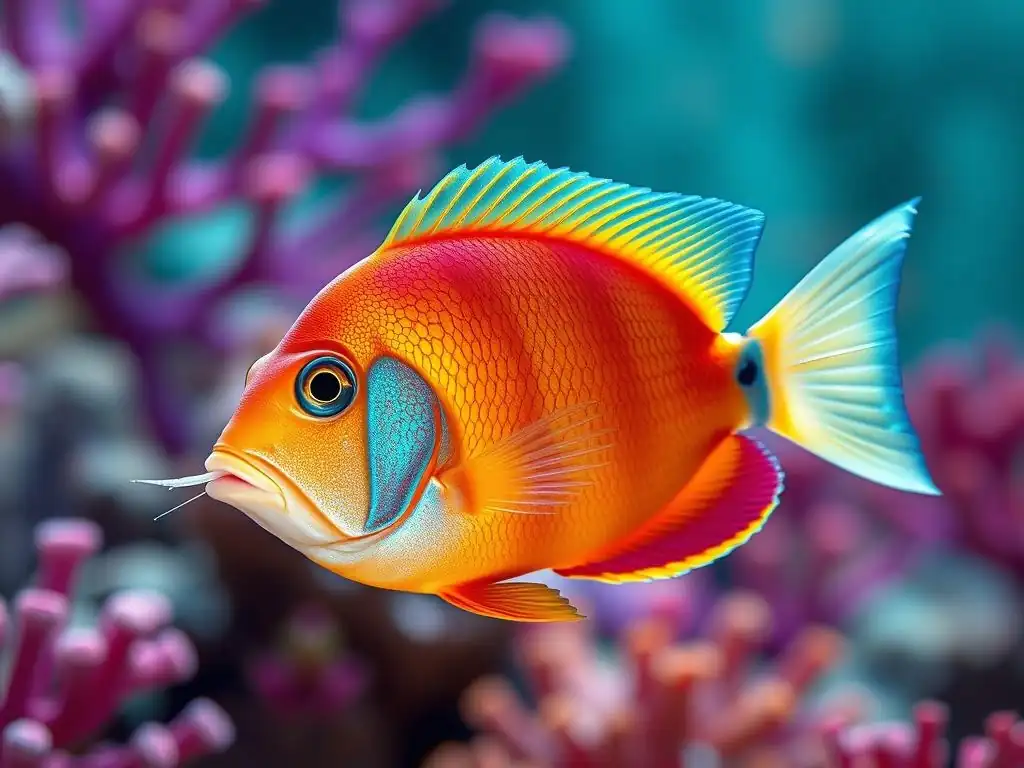
Bartlett's Anthias are renowned for their schooling behavior, which is a fundamental aspect of their social structure and survival in the wild. In a home aquarium, they will typically form a cohesive group, swimming together in the open water column, especially when feeling secure. This schooling instinct provides a sense of safety and reduces individual stress. Within a school, a clear hierarchy will often develop, usually led by a dominant male, identifiable by his more vibrant coloration and elongated fins.
Below the dominant male, there will be several females, and potentially smaller, less dominant males if the group is large enough. Anthias are protogynous hermaphrodites, meaning all are born female and can change to male later in life if the dominant male is removed or dies. Observing this social dynamic is fascinating and indicative of a healthy, well-adjusted school. Ensuring sufficient space and a proper male-to-female ratio (typically one male for every 3-5 females) helps maintain a stable hierarchy and minimizes internal aggression, which is crucial for Bartlett's Anthias care requirements.
Introducing New Anthias to an Existing School
Introducing new Bartlett's Anthias to an established school requires careful planning to minimize stress and potential aggression. It is generally advisable to add a group of new anthias simultaneously rather than single individuals, as a larger group can help diffuse aggression from existing residents. Always quarantine new fish for at least 3-4 weeks in a separate tank to ensure they are healthy and disease-free before introducing them to the main display.
When ready for introduction, turning off the main tank lights for a few hours or even overnight can help reduce initial aggression. Placing the new anthias in an acclimation box within the main tank for a day or two allows existing residents to get used to their presence without direct confrontation. Observe the interactions closely after release. While some initial chasing or fin nipping is normal as the hierarchy re-establishes, excessive aggression may require intervention, such as rearranging rockwork or, in extreme cases, removing the aggressor.
Bartlett's Anthias Tank Mates: Choosing Compatible Species
Ideal Tank Mates: Peaceful Fish and Invertebrates
Choosing appropriate tank mates is vital for the long-term well-being of Bartlett's Anthias. They are generally peaceful and non-aggressive towards other species, making them excellent community fish. Ideal tank mates include other peaceful planktivores or small, non-aggressive reef fish such as gobies, blennies, cardinalfish (like Banggai Cardinals), and certain dartfish. These species share similar environmental requirements and feeding habits without posing a threat.
In terms of invertebrates, Bartlett's Anthias are completely reef-safe. They will not bother corals, clams, or most sessile invertebrates. Therefore, they are compatible with a wide array of clean-up crew members like snails, hermit crabs, and shrimp. Larger, peaceful shrimp species such as cleaner shrimp or peppermint shrimp also make excellent additions and can coexist harmoniously with anthias, contributing to the overall biodiversity and health of the reef system.
Fish to Avoid: Aggressive Species that May Bully Anthias
While peaceful, Bartlett's Anthias can be easily intimidated and outcompeted for food by more aggressive or boisterous tank mates. Avoid housing them with large, predatory fish such as lionfish, aggressive groupers, or certain moray eels, as these species may view anthias as prey. Similarly, highly territorial or aggressive damselfish, large angelfish, or triggerfish can bully and stress anthias, leading to poor health, fin nipping, and reluctance to feed.
Fast-swimming, highly competitive feeders like certain tangs or surgeonfish, while not necessarily aggressive, can outcompete Bartlett's Anthias for food, especially if the anthias are shy or new to the tank. If housing them with such species, ensure very frequent feedings to guarantee all fish receive adequate nutrition. Careful research into potential tank mate compatibility is a crucial part of Bartlett's Anthias care requirements to prevent stress and ensure a thriving community.
Observing Bartlett's Anthias Behavior: Identifying Signs of Stress or Illness
Regularly observing the behavior of your Bartlett's Anthias is one of the most effective ways to identify early signs of stress or illness. Healthy anthias are typically active, constantly swimming in the water column, often as a cohesive school, and will exhibit vibrant coloration. They should have a strong appetite and respond eagerly during feeding times. Any deviation from these normal behaviors warrants immediate attention.
Signs of stress or illness include hiding persistently, rapid or labored breathing (gilling), clamped fins, dull or faded coloration, white spots (Ich), patchy discoloration, or visible lesions. A loss of appetite, erratic swimming, or rubbing against rocks (flashing) are also strong indicators of potential problems. Early detection allows for quicker intervention, whether through water parameter adjustments, diet enrichment, or medical treatment, significantly improving the chances of recovery and maintaining optimal Bartlett's Anthias care requirements.
Bartlett's Anthias Identification and Appearance
Distinguishing Male and Female Bartlett's Anthias
Distinguishing between male and female Bartlett's Anthias is relatively straightforward, as they exhibit clear sexual dimorphism, particularly as they mature. Females typically display a more uniform lavender or light purple body with a prominent yellow tail and sometimes yellow on the dorsal fin. Their coloration is generally softer and less intense compared to males. They also tend to be slightly smaller than males.
Males, on the other hand, develop more vibrant and intense coloration, with the purple often deepening and the yellow becoming more pronounced across the dorsal fin and tail. A key distinguishing feature for males is the elongation of the first few rays of the dorsal fin, which can extend significantly, giving them a more regal appearance. As protogynous hermaphrodites, the most dominant female in a group will transition into a male if the existing male is removed or dies, developing these characteristic male traits over several weeks.
Color Variations and Regional Differences
While the signature lavender-purple body and yellow tail/dorsal fin are characteristic of Bartlett's Anthias, subtle color variations can exist depending on their geographic origin and individual genetics. Some specimens might exhibit a more pinkish-purple hue, while others lean towards a deeper violet. The intensity of the yellow on the tail and dorsal fin can also vary, ranging from a pale yellow to a vivid, almost orange-yellow.
These regional differences are typically minor and do not alter the overall recognizable pattern of Pseudanthias bartlettorum. Environmental factors in the aquarium, such as diet, lighting, and water quality, can also influence the vibrancy of their colors. Providing optimal Bartlett's Anthias care requirements, including a varied diet and stable parameters, will ensure they display their most brilliant and natural coloration.
Size and Lifespan of Bartlett's Anthias in Captivity
Bartlett's Anthias are relatively small fish, reaching an average adult size of about 3 inches (approximately 7.5 cm) in a home aquarium. Some individuals, particularly dominant males, may grow slightly larger, up to 3.5 inches (9 cm). Their small size makes them suitable for a variety of reef tank setups, provided the minimum tank size recommendations are met for a schooling group.
With proper Bartlett's Anthias care requirements met, including pristine water quality, a high-quality varied diet, and suitable tank mates, these beautiful fish can have a respectable lifespan in captivity. While exact figures can vary, healthy Bartlett's Anthias can live for 3 to 5 years or even longer in a well-maintained reef aquarium. Consistent monitoring of their health and environment significantly contributes to their longevity.
Bartlett's Anthias Health and Disease Prevention
Common Diseases Affecting Bartlett's Anthias
Ich (White Spot Disease) and Other Parasitic Infections
Bartlett's Anthias, like many marine fish, are susceptible to common parasitic infections, with Marine Ich ( Cryptocaryon irritans) being one of the most prevalent. Ich manifests as small white spots resembling grains of salt on the fish's body, fins, and gills. Other parasitic infections include Velvet ( Amyloodinium ocellatum), which appears as a dusty, yellowish film, and various flukes. These parasites can cause severe irritation, leading to scratching against decor (flashing), rapid gilling, and loss of appetite.
Stress, often induced by poor water quality, inadequate diet, or aggressive tank mates, significantly weakens their immune system, making them more vulnerable to these pathogens. Early detection and prompt treatment are crucial for recovery. Maintaining stable water parameters, providing a nutritious diet, and implementing proper quarantine procedures are key preventative measures against these common ailments, forming a vital part of Bartlett's Anthias care requirements.
Bacterial Infections and Fin Rot
Bacterial infections are another concern for Bartlett's Anthias, often presenting as cloudy eyes, red streaks on the body, ulcers, or open sores. Fin rot, a common bacterial issue, causes the fins to appear frayed, ragged, or disintegrate. These infections can arise from poor water quality, physical injuries, or as secondary infections following a parasitic infestation. A compromised immune system due to stress or malnutrition also increases their susceptibility.
Treating bacterial infections typically involves the use of broad-spectrum antibiotics, often administered in a separate quarantine or hospital tank to avoid harming beneficial bacteria in the main display. Maintaining excellent water quality and ensuring the fish are well-fed are the best preventative measures against bacterial issues. Addressing underlying stressors immediately can prevent the onset or progression of these infections, reinforcing the importance of diligent Bartlett's Anthias care requirements.
Quarantine Procedures for New Bartlett's Anthias
Implementing a strict quarantine procedure for all new Bartlett's Anthias before introducing them to the main display tank is a non-negotiable aspect of responsible fishkeeping. A separate quarantine tank (QT) should be set up with its own filtration, heater, and minimal decor, allowing for easy observation and treatment. The QT should be cycled prior to use to prevent ammonia and nitrite spikes.
New anthias should be held in quarantine for a minimum of 3-4 weeks. During this period, observe them closely for any signs of disease, such as white spots, abnormal swimming, or changes in appetite. Prophylactic treatment for common parasites like Ich and Velvet, often using copper-based medications or hyposalinity, is often recommended, especially for fish coming from unknown sources. This rigorous quarantine process significantly reduces the risk of introducing pathogens into your established reef system, protecting your existing fish and corals.
Treating Common Anthias Diseases: Medications and Methods
When a Bartlett's Anthias shows signs of disease, prompt and appropriate treatment is essential. For parasitic infections like Ich, copper-based medications (e.g., copper sulfate, chelated copper) are often effective, administered in a hospital tank following manufacturer instructions. Hyposalinity, gradually lowering the specific gravity to 1.008-1.009, can also be effective against Ich but requires careful monitoring and is not suitable for tanks with invertebrates.
Bacterial infections typically respond to broad-spectrum antibiotics, available as medicated foods or water treatments. Fin rot can often be treated with improved water quality and specific antibacterial medications. Always use a hospital tank for treatment to avoid impacting the main display's inhabitants or beneficial bacteria. Research the specific disease and consult with experienced aquarists or a veterinarian if unsure. Understanding and being prepared for common ailments is a critical component of Bartlett's Anthias care requirements.
Bartlett's Anthias Breeding: A Challenging Endeavor
Understanding Anthias Reproductive Behavior
Bartlett's Anthias, like other Pseudanthias species, are protogynous hermaphrodites, meaning all individuals are born female and have the ability to change sex to male. In a natural or established aquarium setting, a dominant male will preside over a harem of females. If this male is removed or dies, the largest and most dominant female will typically begin the transition to male, developing male coloration and fin extensions over several weeks.
Reproduction in anthias is generally pelagic spawning, where eggs and sperm are released into the water column and drift with the currents. Spawning typically occurs at dusk, with the male and a female ascending towards the surface, releasing gametes, and then quickly descending. While courtship displays and even spawning events have been observed in well-established home aquariums, successfully raising the fry is exceptionally challenging.
Creating a Suitable Breeding Environment
To encourage spawning in Bartlett's Anthias, a large, mature aquarium with highly stable and pristine water parameters is essential. A tank size of 150 gallons or more, with a well-established school of at least 6-8 individuals (including a dominant male and multiple females), provides the best environment. Strong water flow, mimicking natural currents, may also stimulate spawning behavior.
The diet should be exceptionally rich and varied, with frequent feedings of high-quality live and frozen foods, ensuring the fish are in peak condition. A robust protein skimmer and consistent water changes are necessary to handle the increased bioload from frequent feeding. While these conditions can encourage spawning, they do not guarantee it, and the presence of suitable hiding spots for females may also contribute to a less stressful environment for courtship.
Raising Anthias Fry: A Difficult Goal
Raising Bartlett's Anthias fry from eggs is an extremely difficult undertaking, primarily due to the minute size of the newly hatched larvae and their specific feeding requirements. The eggs are pelagic and will drift, hatching into tiny, almost microscopic larvae that require similarly microscopic live food, such as rotifers, and later, newly hatched brine shrimp nauplii.
Successfully culturing these specific live foods in sufficient quantities to sustain the fry is a major hurdle for most home aquarists. The fry are also highly sensitive to water quality fluctuations and require very clean, stable conditions. While some public aquariums and highly experienced breeders have had limited success with various anthias species, it remains an advanced challenge for the vast majority of hobbyists. For the typical aquarist, the focus of Bartlett's Anthias care requirements remains on providing optimal conditions for the adult fish.
Troubleshooting Common Bartlett's Anthias Problems
Addressing Feeding Issues and Picky Eaters
One of the most common challenges with Bartlett's Anthias, especially new arrivals, is getting them to eat reliably. They can be shy or stressed, leading to a refusal to feed. To address this, start by offering small, frequent feedings (3-5 times daily) of high-quality, palatable foods like enriched frozen Mysis shrimp or live copepods. Live foods often trigger a stronger feeding response and can help acclimate them to the aquarium environment.
If they are still reluctant, try soaking frozen foods in a vitamin supplement or garlic extract, which can make them more appealing. Ensuring a peaceful environment with plenty of hiding spots and compatible tank mates will reduce stress, encouraging them to come out and feed. In a well-established school, new, shy individuals may learn to feed by observing their tank mates. Patience and persistence are key when dealing with picky eaters, as consistent nutrition is vital for meeting Bartlett's Anthias care requirements.
Dealing with Aggression within the Anthias School
While generally peaceful, some internal aggression can occur within a Bartlett's Anthias school, particularly if the tank is too small, if there are too few individuals (leading to a single female being bullied by the dominant male), or if the male-to-female ratio is imbalanced. A dominant male may occasionally chase or nip at less dominant females, especially during feeding or if they challenge his territory.
To mitigate aggression, ensure the tank is of adequate size for the number of anthias you keep, ideally 120 gallons or larger for a school. Maintain a proper male-to-female ratio, with at least 3-5 females per male to diffuse aggression. Providing ample rockwork with numerous hiding spots allows less dominant individuals to retreat and feel secure. If aggression becomes severe or leads to injury, temporarily isolating the aggressor or adding more females to the group may be necessary.
Preventing and Treating Common Diseases
Prevention is always the best approach to managing diseases in Bartlett's Anthias. The cornerstone of disease prevention lies in maintaining pristine water quality through regular partial water changes, robust filtration, and effective nutrient export. A stable environment, free from drastic fluctuations in temperature, salinity, or pH, significantly reduces stress on the fish, bolstering their immune system.
A varied, high-quality diet, fed frequently, ensures they receive all necessary nutrients to stay healthy and resilient. Most importantly, always quarantine new fish for at least 3-4 weeks in a separate tank before introducing them to your main display. This allows for observation and prophylactic treatment, preventing the introduction of pathogens. Should a disease manifest, prompt diagnosis and treatment in a hospital tank, using appropriate medications, will give your Bartlett's Anthias the best chance of recovery.
Conclusion: Mastering Bartlett's Anthias Care for a Stunning Reef Display
The Rewards of Keeping Bartlett's Anthias
Mastering the Bartlett's Anthias care requirements offers immense rewards for the dedicated reef aquarist. Their breathtaking lavender and yellow coloration, coupled with their active, schooling behavior, transforms a reef aquarium into a dynamic and captivating underwater spectacle. A thriving school of Bartlett's Anthias adds a unique dimension of beauty and natural activity that few other fish can provide, creating a truly stunning display.
Beyond their aesthetic appeal, successfully maintaining these delicate yet hardy fish instills a deep sense of accomplishment. Their consistent movement throughout the water column contributes to the overall vibrancy and health of the ecosystem, demonstrating the intricate balance of a well-managed reef. The daily joy of observing their social interactions and graceful swimming makes the effort put into their care incredibly worthwhile.
Resources for Further Learning About Anthias Care
To further deepen your understanding of Bartlett's Anthias care requirements and the broader world of anthias, numerous resources are available. Online forums and communities dedicated to marine aquaria, such as Reef2Reef and local reef club forums, provide invaluable opportunities to connect with experienced aquarists, share insights, and troubleshoot issues. These platforms often feature detailed discussions and personal experiences that can offer practical solutions.
Specialized books on marine fish keeping and reef aquariums often contain dedicated sections on anthias, covering their biology, specific care needs, and breeding challenges. Reputable online encyclopedias and databases for marine life, like FishBase or LiveAquaria's species profiles, offer scientific information and husbandry guidelines. Continuously seeking knowledge and staying updated on best practices will ensure you provide the best possible environment for your Bartlett's Anthias, allowing them to thrive and flourish.
Frequently Asked Questions
What are the basic tank size requirements for keeping Bartlett's Anthias?
Bartlett's Anthias require a minimum tank size of 75 gallons, preferably larger, to accommodate their active swimming behavior. This provides enough space for them to establish a social hierarchy and reduce stress.
What are the recommended water parameters for a Bartlett's Anthias aquarium?
Maintain a stable temperature between 72-78°F (22-26°C), salinity of 1.024-1.026 SG, and pH of 8.1-8.4. Consistent water changes are crucial for optimal health.
What is the ideal diet for Bartlett's Anthias in captivity?
They require a varied diet of high-quality meaty foods such as frozen mysis shrimp, brine shrimp, and finely chopped seafood. Feed them multiple small meals throughout the day.
How do I acclimate Bartlett's Anthias to a new aquarium environment?
Use a drip acclimation method over several hours to gradually introduce them to your tank's water parameters. This minimizes stress and helps them adjust more easily.
What are some common health issues to watch out for in Bartlett's Anthias?
Be vigilant for signs of ich, fin rot, or parasitic infections. Maintaining excellent water quality and providing a stress-free environment are crucial for preventing disease.
Final Reflection: Embracing the Delicate Dance of Reef Keeping
The journey into understanding Bartlett's Anthias care requirements, as we've explored, is more than just a checklist of parameters; it's a commitment to creating a thriving microcosm within our own homes. The delicate balance required to sustain these vibrant fish serves as a potent reminder of the interconnectedness of all life, both within the reef aquarium and beyond.
This exploration has undoubtedly influenced, and will continue to influence, the reef keeping hobby. The meticulous attention to detail required for Bartlett's Anthias highlights the importance of responsible aquarium keeping and the ethical considerations that come with it. In the end, we will conserve only what we love; we will love only what we understand; and we will understand only what we are taught.
- Baba Dioum. This quote underscores the critical role education plays in fostering a deeper appreciation for the marine environment and inspiring responsible stewardship.
Now, as you consider adding Bartlett's Anthias to your reef, or simply reflect on the principles of responsible aquarium keeping, I invite you to embrace the challenge. Let the beauty and fragility of these creatures inspire you to become a more informed, compassionate, and dedicated reef keeper. Your efforts, however small they may seem, contribute to a greater understanding and appreciation of the ocean's wonders, ensuring their preservation for generations to come.
Unleash Your Inner Reef Keeper: Dive Deeper Now!
Thank you for exploring the captivating world of Bartlett's Anthias with us! We hope you've gained valuable insights into the beauty and care of these vibrant reef inhabitants. Now, let's translate that knowledge into action!
Here are a few steps you can take to further enrich your aquarium journey:
- Start planning your reef tank to incorporate Bartlett's Anthias: consider tank size, suitable tank mates, and specific environmental conditions for their well-being.
- Explore less common Anthias species and compare their care requirements and aesthetic appeal to broaden your reef knowledge.
- Share this article with fellow reef enthusiasts and spark a discussion about the challenges and rewards of keeping Anthias in a home aquarium.
What specific aspects of Anthias care are you most curious to explore further in your reef-keeping journey?