
Water Quality for Moray Eels: Maintaining Optimal Conditions for Health

Welcome to Aquarium Mastery!
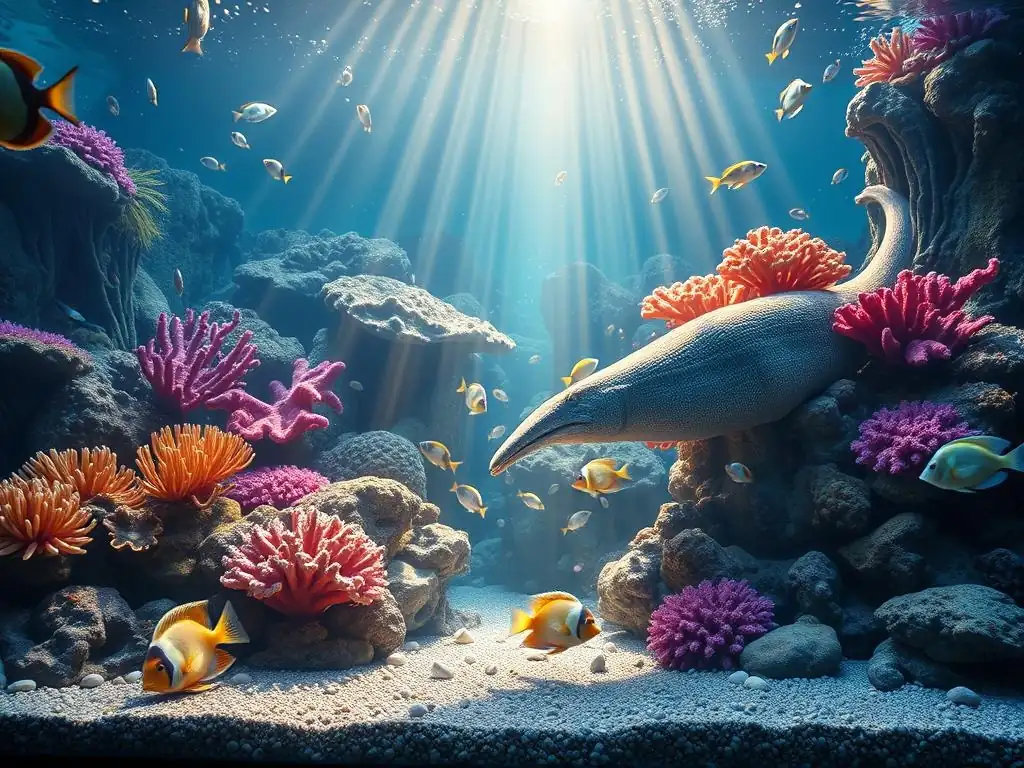
Ever wondered if your moray eel's tank is truly thriving? Dive into the secrets of maintaining pristine water quality for moray eels. Discover the crucial parameters that can make or break their health and happiness. Ready to unravel the mysteries of optimal aquatic conditions? Let's get started!
- Understanding Moray Eel Water Quality Needs for a Healthy Aquarium
- Essential Water Quality Parameters for Moray Eels in Saltwater Aquariums
- Maintaining Optimal Water Quality for Moray Eels: Practical Strategies
- Troubleshooting Water Quality Issues in Moray Eel Aquariums
- Water Quality and Moray Eel Species: Considerations for Different Types
- Setting Up a Quarantine Tank: Protecting Moray Eels from Water Quality Issues During Acclimation
- Advanced Water Quality Management Techniques for Moray Eels
- Conclusion: Ensuring Long-Term Health Through Optimal Moray Eel Water Quality
-
Frequently Asked Questions
- How crucial is water quality for moray eels?
- What specific water parameters are most important for moray eels?
- How often should I perform water changes for a moray eel tank?
- What type of filtration system is best for maintaining water quality for moray eels?
- What are some signs of poor water quality affecting my moray eel?
- Final Reflection: The Undulating Ripple of Responsibility
- Dive Deeper: Ensure Your Moray Thrives!
Understanding Moray Eel Water Quality Needs for a Healthy Aquarium
Why Moray Eel Water Quality is Crucial for Aquarium Success
Maintaining exceptional Moray eel water quality is not merely a recommendation; it is an absolute necessity for the successful keeping of these captivating predators in a home aquarium. Moray eels, unlike many scaled fish, possess a unique skin structure, often lacking scales entirely or having highly modified ones, making them particularly susceptible to external environmental stressors. Their skin is their primary barrier against pathogens and directly interacts with the water, meaning any fluctuations or accumulation of toxins can quickly lead to irritation, infections, and systemic stress.
Furthermore, Moray eels are predatory fish with a significant bioload, meaning they produce a considerable amount of waste relative to their size. This high waste production, coupled with their often messy eating habits, can rapidly degrade water quality if not properly managed. Poor Moray eel water quality directly translates to a weakened immune system, making the eel vulnerable to a host of health issues, including bacterial infections, lateral line erosion, and parasitic infestations. Ensuring stable and pristine conditions is the foundation for their long-term health and vibrant display.
Key Water Parameters for Moray Eel Health and Longevity
For Moray eels to thrive and exhibit their natural behaviors, several key water parameters must be consistently monitored and maintained within optimal ranges. These include temperature, salinity (specific gravity), pH, alkalinity, and the critical nitrogenous compounds: ammonia, nitrite, and nitrate. Each parameter plays a vital role in the eel's physiological processes, from osmoregulation and enzyme function to respiration and waste processing. Deviation from these optimal ranges can lead to severe stress, organ damage, and even death.
Beyond hitting specific numerical targets, the paramount concern for Moray eel water quality is stability. Rapid fluctuations in any parameter can be far more detrimental than a slightly off but consistent reading. For instance, a sudden drop in temperature or a drastic pH swing can induce thermal or osmotic shock, severely compromising the eel's health. Therefore, a diligent routine of testing and proactive adjustments is essential to mimic the stable oceanic conditions these creatures are accustomed to, ensuring their longevity and well-being in captivity.
Essential Water Quality Parameters for Moray Eels in Saltwater Aquariums
Temperature Requirements for Moray Eels: Avoiding Thermal Shock
Temperature is a fundamental parameter influencing the metabolic rate and overall health of Moray eels. Most commonly kept species, such as the Snowflake Moray (Echidna nebulosa) and Zebra Moray (Gymnomuraena zebra), originate from tropical and subtropical waters, thriving in a stable temperature range of 72-78°F (22-26°C). Maintaining consistency within this range is crucial, as significant temperature fluctuations can induce thermal shock, leading to severe stress, suppressed immune function, and increased susceptibility to diseases like marine ich or velvet.
Both excessively high and low temperatures pose risks. Temperatures above 78°F can reduce dissolved oxygen levels, increase the eel's metabolic rate, and accelerate the breakdown of organic waste, further degrading Moray eel water quality. Conversely, temperatures below 72°F can lead to lethargy, reduced feeding response, and a weakened immune system. Reliable aquarium heaters, often redundant for larger tanks, and accurate thermometers are indispensable tools for ensuring a stable thermal environment, preventing stress-related health issues.
Salinity Levels for Moray Eels: Maintaining Proper Osmotic Balance
Salinity, typically measured as specific gravity (SG), is critical for a Moray eel's osmoregulation—the process by which their bodies regulate water and salt balance. The optimal specific gravity for most Moray eels in a captive environment ranges from 1.023 to 1.026 (equivalent to 32-35 parts per thousand or ppt). Maintaining this precise range is vital, as deviations can lead to osmotic stress, where the eel either loses too much water or absorbs too much, causing cellular damage and organ dysfunction.
Low salinity levels can cause an eel to absorb excessive water, potentially leading to bloating or kidney strain, while excessively high levels can cause dehydration. Accurate measurement with a calibrated refractometer is highly recommended over hydrometers for its precision. Regular top-offs with fresh RO/DI (Reverse Osmosis/Deionized) water are necessary to compensate for evaporation, which only removes pure water, leaving salts behind and increasing salinity. Using a high-quality marine salt mix for water changes ensures the replenishment of essential trace elements while maintaining the correct salinity for optimal Moray eel water quality.
pH and Alkalinity: Buffering Capacity in Moray Eel Tanks
The pH level, a measure of acidity or alkalinity, is another cornerstone of healthy Moray eel water quality. For a marine aquarium housing Moray eels, an ideal pH range is typically between 8.1 and 8.4. This range is crucial for various biological processes within the eel's body, including enzyme function and oxygen uptake, as well as for the beneficial nitrifying bacteria that process waste. Significant pH swings can be highly stressful and detrimental to both the eel and the microbial ecosystem of the tank.
Alkalinity, often expressed as carbonate hardness (KH) in dKH (degrees of carbonate hardness), is intrinsically linked to pH stability. It represents the water's buffering capacity—its ability to resist changes in pH. A healthy alkalinity level for a Moray eel tank is typically 8-12 dKH. If alkalinity is too low, the pH can crash rapidly due to the accumulation of organic acids from fish waste and respiration. Regular testing of both pH and alkalinity, and the judicious use of marine buffers or kalkwasser supplements, can help maintain these critical parameters, preventing dangerous fluctuations and supporting robust Moray eel water quality.
Ammonia, Nitrite, and Nitrate: The Nitrogen Cycle and Moray Eel Health
The nitrogen cycle is the biological process that converts toxic waste products into less harmful substances. Understanding and managing this cycle is paramount for maintaining life-sustaining Moray eel water quality. Ammonia (NH3/NH4+) and nitrite (NO2-) are the first two compounds in this cycle, and both are highly toxic to all marine life, including Moray eels, even at very low concentrations.
Managing Ammonia and Nitrite in a Moray Eel Aquarium
Ammonia is produced from fish waste, uneaten food, and decaying organic matter. It is then converted into nitrite by beneficial bacteria (Nitrosomonas). Subsequently, another group of bacteria (Nitrobacter) converts nitrite into nitrate. For a healthy Moray eel aquarium, ammonia and nitrite levels must always be undetectable (0 ppm). Even concentrations as low as 0.25 ppm can cause gill damage, tissue necrosis, and severe stress, leading to a compromised immune system and eventual death.
Establishing a fully cycled tank before introducing a Moray eel is non-negotiable. This involves allowing sufficient time (typically 4-8 weeks) for the beneficial bacterial colonies to grow and mature, capable of processing the bioload. Overfeeding, overcrowding, or a sudden die-off of beneficial bacteria (e.g., due to medication or power outage) can lead to dangerous spikes. Regular testing, proper feeding habits, and robust biological filtration are essential strategies to keep ammonia and nitrite at zero, ensuring pristine Moray eel water quality.
Controlling Nitrate Levels for Optimal Moray Eel Water Quality
Nitrate (NO3-) is the final product of the nitrogen cycle and is significantly less toxic than ammonia or nitrite. However, while less immediately lethal, high concentrations of nitrate can still be detrimental to Moray eels over time. Chronic exposure to elevated nitrates can suppress their immune system, leading to increased susceptibility to disease, reduced growth, and overall stress. For most Moray eel aquariums, a target nitrate level of below 20 ppm is ideal, with many experienced aquarists aiming for under 10 ppm for optimal long-term health.
Since nitrates are the end product of biological filtration, they accumulate in the aquarium water and are not naturally removed by standard mechanical or biological filters. The primary methods for controlling nitrate levels include regular partial water changes, which physically remove nitrates from the system. Additionally, the incorporation of live rock, macroalgae (e.g., Chaetomorpha in a refugium), and deep sand beds can aid in natural nitrate reduction through anaerobic denitrification. Consistent management of nitrate levels is crucial for sustaining excellent Moray eel water quality and preventing chronic health issues.
Maintaining Optimal Water Quality for Moray Eels: Practical Strategies
Regular Water Changes: A Cornerstone of Moray Eel Tank Maintenance
Regular partial water changes are arguably the most effective and fundamental strategy for maintaining optimal Moray eel water quality. While robust filtration systems remove particulate matter and process nitrogenous wastes, they do not remove everything. Dissolved organic compounds (DOCs) accumulate over time, and essential trace elements are depleted. Water changes dilute these accumulating toxins, replenish vital minerals, and effectively reset the water parameters, providing a fresh, clean environment for your eel.
Beyond simply diluting nitrates, water changes are crucial for removing phosphates, silicates, and other pollutants that can fuel nuisance algae growth and irritate sensitive eel skin. They also help to stabilize pH and alkalinity by introducing fresh, buffered saltwater. Consistency is key; sporadic large water changes can be more stressful than regular, smaller ones. While water changes are powerful tools, they should complement, not replace, a well-designed filtration system and responsible husbandry practices.
How Often to Perform Water Changes for Moray Eels
The frequency of water changes for a Moray eel aquarium depends on several factors, including tank size, stocking density, feeding habits, and the efficiency of the filtration system. As a general guideline for a well-established Moray eel tank, a 10-20% water change weekly or a 25-30% change bi-weekly is often recommended. For instance, a 125-gallon tank housing a large Snowflake Moray might benefit from a 15-20 gallon water change every week to keep nitrates consistently below 10 ppm.
In tanks with high bioloads, heavy feeding, or where nitrate levels consistently climb above 20 ppm quickly, more frequent or larger water changes may be necessary. Conversely, a lightly stocked, mature tank with excellent filtration and a refugium might be able to extend intervals slightly. The most accurate way to determine the optimal frequency is through consistent water parameter testing; if nitrates are steadily rising, it's a clear signal to increase the frequency or volume of changes to maintain ideal Moray eel water quality.
What Volume of Water Should Be Changed for Moray Eels
The volume of water changed typically ranges from 10% to 30% of the total tank volume per interval, as discussed previously. For example, in a 180-gallon tank, a 20% water change would involve replacing 36 gallons of water. It is crucial that the new saltwater is prepared meticulously, matching the temperature and specific gravity of the existing tank water as closely as possible to prevent shock to the eel. Using RO/DI water and a high-quality marine salt mix is essential to ensure the new water is free of contaminants and has the correct mineral balance.
When performing water changes, ensure that the new water is thoroughly mixed and aerated before introduction. While large water changes (e.g., 50% or more) can be effective for rapidly correcting severe water quality issues, they should be approached with extreme caution, as they can be highly stressful. For routine maintenance, smaller, more frequent changes generally promote greater stability and are less likely to disrupt the delicate balance of the Moray eel water quality.
Choosing the Right Filtration System for Moray Eels
Given the significant bioload of Moray eels and their often messy eating habits, a robust and comprehensive filtration system is absolutely essential for maintaining excellent Moray eel water quality. A combination of mechanical, biological, and chemical filtration will provide the most effective means of processing waste and keeping the water pristine. Skimping on filtration for a Moray eel tank will almost inevitably lead to chronic water quality issues and health problems for the eel.
An efficient filtration setup should be capable of handling the substantial organic waste produced by a large, carnivorous fish. This typically involves an appropriately sized sump, which provides ample space for various filter media, a protein skimmer, and potentially a refugium. The goal is to continuously remove detritus, convert toxic nitrogenous compounds, and absorb dissolved organic pollutants, thereby creating a stable and healthy environment for your Moray eel.
Mechanical Filtration: Removing Particulate Matter
Mechanical filtration is the first line of defense in maintaining clear and clean Moray eel water quality. Its primary purpose is to physically remove suspended particulate matter, such as uneaten food, detritus, and fish waste, from the water column before it can decompose and release harmful ammonia. Common mechanical filter media include filter socks, filter floss, sponges, and foam blocks, often placed in a sump or canister filter.
For a Moray eel tank, which can generate a lot of particulate waste, mechanical filtration needs to be highly efficient and regularly maintained. Filter socks, for instance, should be cleaned or replaced every few days, or at least weekly, as they quickly become clogged. Neglecting mechanical media turns them into a source of nitrates and other pollutants as trapped detritus breaks down. Consistent cleaning prevents this accumulation, directly contributing to superior Moray eel water quality.
Biological Filtration: Establishing a Healthy Nitrogen Cycle
Biological filtration is the cornerstone of any healthy marine aquarium, especially one housing a high-bioload animal like a Moray eel. This type of filtration provides a vast surface area for beneficial nitrifying bacteria to colonize. These bacteria are responsible for the critical conversion of highly toxic ammonia into less toxic nitrite, and then nitrite into relatively less harmful nitrate, completing the initial stages of the nitrogen cycle.
Live rock is the most effective and natural form of biological filtration in a marine tank, offering immense surface area for bacteria and acting as a natural buffer. Other forms include ceramic rings, bio-balls, and porous filter media in sumps or canister filters. Ensuring a sufficient amount of established biological filtration is non-negotiable for stable Moray eel water quality. A fully cycled system with a thriving bacterial population prevents dangerous ammonia and nitrite spikes, which are lethal to eels.
Chemical Filtration: Utilizing Activated Carbon and Other Media
Chemical filtration plays a vital role in polishing Moray eel water quality by removing dissolved organic compounds (DOCs), odors, discoloration, and certain toxins that mechanical and biological filtration cannot address. Activated carbon is the most widely used chemical filter media in marine aquariums. It works by adsorbing a wide range of organic and inorganic molecules from the water.
Using activated carbon helps maintain crystal clear water, removes yellowing compounds, and eliminates phenols that can irritate an eel's sensitive skin and gills. However, activated carbon becomes saturated over time and must be replaced regularly, typically every 2-4 weeks, to remain effective. Other chemical media, such as granular ferric oxide (GFO) for phosphate removal, can also be beneficial, indirectly improving Moray eel water quality by controlling nuisance algae and reducing stress on the ecosystem.
The Importance of Protein Skimmers in Moray Eel Aquariums
For a Moray eel aquarium, a high-quality protein skimmer is arguably the most critical piece of equipment for maintaining superior Moray eel water quality. Protein skimmers work by creating a massive column of fine air bubbles that attract and capture dissolved organic compounds (DOCs), such as proteins, amino acids, and fats, before they can break down into nitrates and other undesirable substances. These organic compounds then rise to the top of the skimmer and collect in a removable collection cup.
The efficiency of a protein skimmer is directly proportional to its ability to remove these organic pollutants from the water column. For a Moray eel, which can be a messy eater and produce a substantial amount of waste, a properly sized and well-maintained protein skimmer significantly reduces the organic load on the biological filter, lessens the accumulation of nitrates, and contributes to better oxygenation. This proactive removal of waste dramatically improves overall Moray eel water quality, reducing the frequency and volume of necessary water changes and preventing the buildup of harmful substances.
Monitoring Water Quality: Testing Kits and Digital Meters
Consistent and accurate monitoring of Moray eel water quality parameters is not just a good practice; it is an absolute necessity for the long-term health and survival of your eel. Relying solely on visual cues or the assumption that "the water looks clear" is a recipe for disaster. Regular testing allows aquarists to proactively identify and address potential issues before they escalate into serious health problems for the eel.
Key parameters that must be tested regularly include ammonia, nitrite, nitrate, pH, alkalinity (KH), and specific gravity (salinity). High-quality liquid reagent test kits are generally recommended over test strips for their superior accuracy and reliability. Digital meters, such as refractometers for salinity and electronic thermometers for temperature, offer even greater precision and ease of use.
By diligently tracking these parameters, aquarists can maintain optimal Moray eel water quality, ensuring a stable and healthy environment. For instance, testing nitrates weekly provides data to adjust water change schedules, while daily checks of temperature and salinity help confirm heater and auto top-off system integrity.
Troubleshooting Water Quality Issues in Moray Eel Aquariums
Identifying Signs of Poor Water Quality in Moray Eels
Moray eels, despite their hardy reputation in some aspects, are quite sensitive to changes in their water environment. Identifying signs of poor Moray eel water quality early is crucial for intervention. General indicators of stress in an eel can include unusual lethargy or excessive hiding, even for naturally reclusive species. You might observe a reduced appetite or complete refusal to eat, which is a significant red flag for an animal that is typically a voracious feeder.
Other visual cues, though sometimes subtle on eels, can include changes in coloration (faded or dull appearance), excessive mucus production on the skin, or rapid and labored breathing (gilling). An eel that is constantly at the surface gasping for air is likely suffering from oxygen deprivation due to high ammonia or nitrite. Any deviation from its normal behavior or appearance warrants an immediate and thorough investigation of all Moray eel water quality parameters.
Reduced Appetite and Lethargy: Indicators of Water Quality Issues
A sudden and persistent refusal to eat, or a marked decrease in feeding enthusiasm, is one of the most common and concerning indicators of declining Moray eel water quality. Moray eels are typically highly motivated feeders, often recognizing their keepers and readily accepting food. When an eel consistently ignores food or only takes a small bite before retreating, it strongly suggests underlying environmental stress. This stress often stems from suboptimal water parameters, signaling that the eel is expending energy on coping mechanisms rather than on normal metabolic functions like digestion.
Paired with a reduced appetite, increased lethargy—where the eel remains hidden for extended periods, moves sluggishly, or shows a general lack of interest in its surroundings—further reinforces the suspicion of poor water quality. For instance, a normally active Snowflake Moray that suddenly stays tucked away in a rock crevice for days and refuses its usual prawn feeding is a clear sign that immediate testing of ammonia, nitrite, and pH levels is warranted. These behavioral changes are critical alerts that demand swift action to restore safe Moray eel water quality.
Addressing Common Water Quality Problems
When water quality issues are identified in a Moray eel aquarium, swift and decisive action is imperative. Delaying intervention can rapidly lead to severe health decline or even death for the eel. The first step upon noticing any abnormal parameters or signs of stress should always be to re-test the water to confirm the readings and rule out user error with the test kit. Once confirmed, a targeted approach based on the specific issue is necessary to restore optimal Moray eel water quality.
It's important to remember that addressing the symptom (e.g., high nitrates) is only part of the solution; the underlying cause (e.g., overfeeding, insufficient water changes) must also be identified and corrected to prevent recurrence. Emergency measures might be needed for acute problems, while long-term adjustments are required for chronic issues.
High Ammonia or Nitrite Spikes: Causes and Solutions
High ammonia or nitrite spikes are among the most dangerous water quality problems in a Moray eel aquarium, as both compounds are highly toxic. Common causes include a newly set up tank that hasn't fully cycled (new tank syndrome), overfeeding leading to excessive waste, a dead tank inhabitant going unnoticed, or a disruption to the biological filter (e.g., prolonged power outage, medication use). Even a single large feeding of a very messy food can cause a temporary spike in a less robust system.
Immediate solutions for an ammonia or nitrite spike include performing a small (10-20%) emergency water change with properly prepared, temperature-matched saltwater. Consider using an ammonia-binding product, such as a water conditioner that detoxifies ammonia/nitrite temporarily, but understand this is a band-aid, not a cure. Increase aeration in the tank to maximize oxygen availability, as eels suffer from oxygen deprivation in the presence of these toxins.
Cease all feeding until levels return to zero. For a new tank, patience and continued cycling are key. For an established tank, investigate and rectify the cause, such as siphoning out any decaying matter or checking filter media for blockages, to re-establish safe Moray eel water quality.
Elevated Nitrate Levels: Strategies for Reduction
Elevated nitrate levels, while less acutely toxic than ammonia or nitrite, can still significantly impact Moray eel health over time, leading to chronic stress and weakened immunity. Common causes include insufficient frequency or volume of water changes, overstocking the aquarium, consistent overfeeding, or inadequate overall biological filtration. The accumulation of detritus in the substrate or filter media that is not regularly cleaned also contributes to high nitrates.
To reduce elevated nitrates, the most effective strategy is to increase the frequency and/or volume of partial water changes. For example, if you were doing 20% bi-weekly, switch to 20% weekly. Review your feeding regimen: reduce portion sizes and ensure all food is consumed. Siphon any visible detritus from the substrate during water changes.
Ensure your mechanical filter media (filter socks, sponges) are cleaned or replaced frequently. For long-term control, consider enhancing your biological filtration by adding more live rock or implementing a refugium with macroalgae, which actively consume nitrates. These combined efforts are vital for maintaining optimal Moray eel water quality.
pH Imbalance: Identifying and Correcting the Problem
A pH imbalance, particularly a drop in pH, can be detrimental to Moray eels, disrupting their physiological processes. Common causes of low pH include insufficient alkalinity (the water's buffering capacity being depleted), excessive organic waste accumulation leading to acid buildup, or the use of unbuffered RO/DI water for top-offs without proper mineral supplementation. High CO2 levels from respiration or protein skimmer issues can also depress pH.
To correct a pH imbalance, first test your alkalinity (KH) levels. If alkalinity is low (e.g., below 7 dKH), it indicates insufficient buffering. Dose with a marine buffer or kalkwasser solution designed to increase both pH and alkalinity, following manufacturer instructions carefully. Perform a partial water change to dilute accumulated organic acids.
Ensure adequate surface agitation in the tank to promote gas exchange and off-gas excess CO2. It is crucial to make pH adjustments slowly and gradually; rapid swings can be more stressful to Moray eels than a slightly off but stable pH. Consistent monitoring of both pH and alkalinity is essential for preventing future imbalances and ensuring stable Moray eel water quality.
Water Quality and Moray Eel Species: Considerations for Different Types
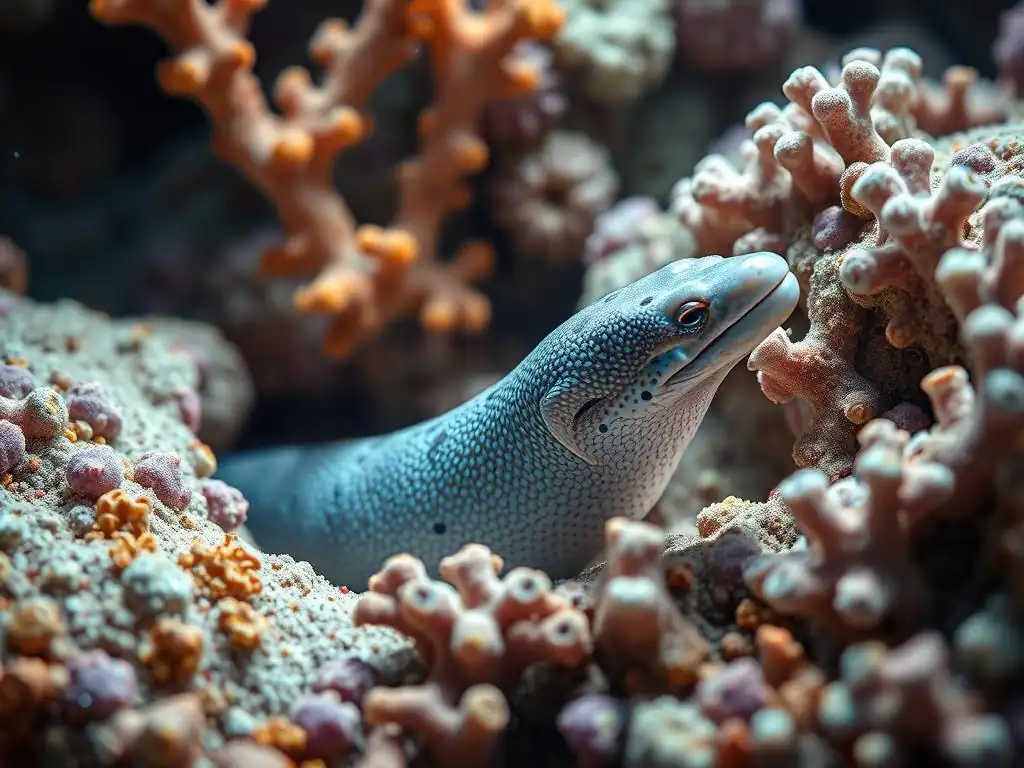
While general Moray eel water quality parameters apply across most species, some types have unique sensitivities or bioload considerations that warrant specific attention. Understanding these nuances helps tailor care to the specific needs of your chosen eel, ensuring its long-term health.
Water Quality Needs for Snowflake Moray Eels (Echidna nebulosa)
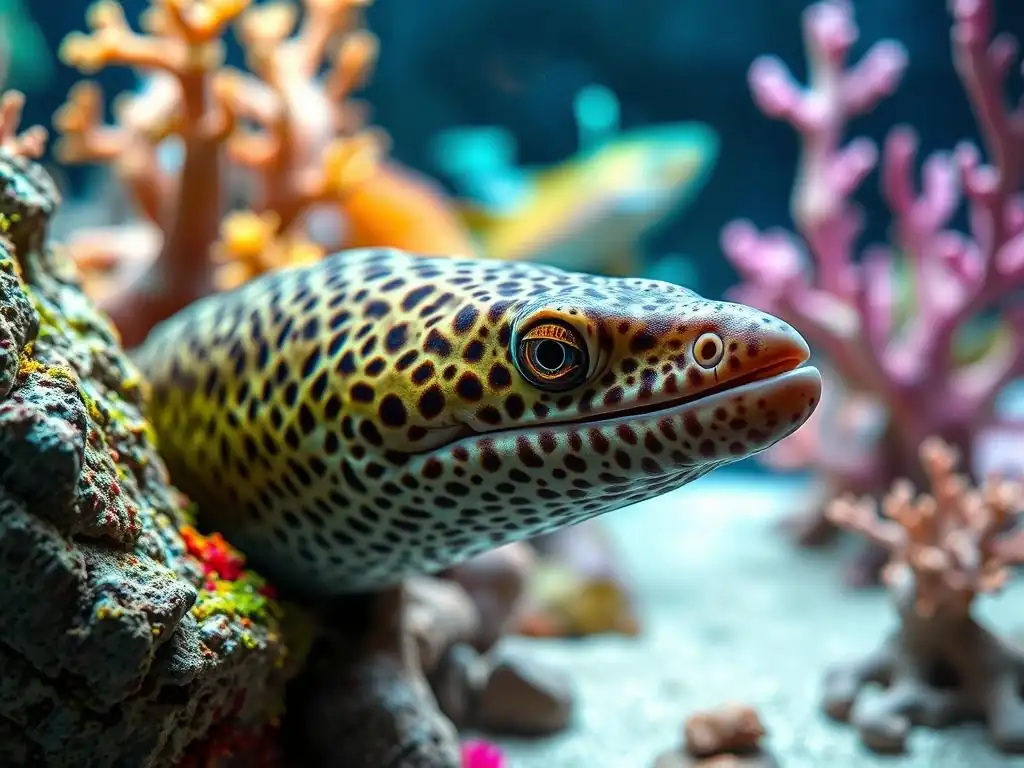
The Snowflake Moray eel (Echidna nebulosa) is one of the most popular and relatively hardy species kept in home aquariums, making it a good choice for aquarists with some marine experience. They are quite tolerant of minor fluctuations compared to more delicate species, but still require excellent Moray eel water quality for optimal health. Their typical adult size of 2-3 feet means they produce a significant bioload, necessitating robust filtration.
Snowflake Morays thrive in consistent temperatures between 72-78°F (22-26°C), a specific gravity of 1.023-1.026, and a pH of 8.1-8.4. While they can sometimes withstand brief periods of less-than-perfect conditions, consistent maintenance of these parameters is paramount to prevent stress-related illnesses. Due to their active nature and size, a minimum tank size of 75 gallons, ideally 125 gallons or more, is recommended to dilute their waste and provide ample swimming and hiding space, directly supporting stable Moray eel water quality.
Water Quality Needs for Zebra Moray Eels (Gymnomuraena zebra)
The Zebra Moray eel (Gymnomuraena zebra) is another popular choice, known for its docile temperament and striking banded pattern. Similar to the Snowflake, the Zebra Moray is considered relatively hardy in captivity, but its larger potential size (up to 5 feet) means it has an even more substantial bioload and requires diligent attention to Moray eel water quality. They are less prone to escaping than some other species due to their more sedentary nature but still require secure lids.
Zebra Morays flourish in the same optimal range of 72-78°F (22-26°C) for temperature, 1.023-1.026 specific gravity, and pH 8.1-8.4. Given their impressive adult length, a tank of at least 150-180 gallons is recommended to provide sufficient space and volume to dilute their waste effectively. Due to their high bioload, meticulous mechanical, biological, and chemical filtration, coupled with regular and substantial water changes, are essential to maintain the pristine Moray eel water quality that prevents health issues and ensures their longevity.
Water Quality Needs for Ribbon Moray Eels (Rhinomuraena quaesita)
The Ribbon Moray eel (Rhinomuraena quaesita), with its distinctive elongated body and often vibrant blue or yellow coloration, is undeniably captivating but presents a significantly greater challenge for aquarists. Unlike the hardier Snowflake or Zebra Morays, Ribbon Morays are notoriously delicate and highly sensitive to environmental stressors, often struggling to thrive in captivity due to specific dietary needs and extreme sensitivity to water parameters. They are not recommended for beginner or even intermediate aquarists.
For Ribbon Morays, exceptionally stable and pristine Moray eel water quality is not just preferred, but absolutely critical for their survival. Temperatures should be maintained consistently within a tighter range of 75-78°F (24-26°C), specific gravity at 1.024-1.026, and pH at 8.2-8.4. Any deviation or fluctuation, even minor ones, can quickly lead to severe stress, refusal to eat, and rapid decline.
Their unique, thin skin makes them particularly susceptible to irritation and infection from even slightly elevated nitrates or dissolved organic compounds. Therefore, robust filtration, a high-quality protein skimmer, and daily monitoring are paramount for any attempt to keep this challenging species.
Setting Up a Quarantine Tank: Protecting Moray Eels from Water Quality Issues During Acclimation
Setting up and utilizing a quarantine tank (QT) is a crucial step for protecting new Moray eels and the established inhabitants of your main display aquarium. A QT serves as a temporary, isolated environment where new fish can be observed for signs of disease, treated if necessary, and allowed to acclimate to captive conditions without the stress of immediate introduction to a larger, complex ecosystem. This is especially vital for Moray eels, which can be highly stressed by the transport process and sudden environmental changes.
A typical quarantine tank setup is minimalist: a bare bottom or very thin layer of sand, a simple sponge filter (already cycled or seeded with media from an established tank), a heater, and PVC pipes or non-porous rock for hiding places. The water parameters in the QT should be meticulously matched to the target Moray eel water quality of your main display tank. This minimizes the shock of transfer later on and allows the eel to adjust to its new environment gradually, reducing the risk of stress-induced illnesses. A QT period of at least 4-6 weeks is generally recommended.
Acclimating Moray Eels to New Aquarium Water: A Step-by-Step Guide
Proper acclimation is a critical process to minimize stress and prevent osmotic shock when introducing a new Moray eel to your aquarium. Due to their sensitivity to changes in salinity, pH, and temperature, the drip acclimation method is highly recommended over simpler floating or pouring methods. This gradual process allows the eel's delicate system to slowly adjust to the new Moray eel water quality.
Here's a step-by-step guide for drip acclimation:
- Prepare the Setup: Place the bagged Moray eel (still in its transport water) into a clean, appropriately sized bucket or container that will hold enough water for the acclimation process.
- Initial Temperature Match: Float the sealed bag in your quarantine tank (or main tank if quarantining separately) for 15-20 minutes to equalize the water temperature.
- Start Dripping: Carefully open the bag, avoiding spillage of the transport water into your tank. Use an airline tube and a simple knot or airline valve to create a slow drip from your tank water into the bucket containing the eel. Aim for approximately 1-2 drips per second.
- Gradual Acclimation: Allow the water to slowly drip into the bucket until the volume of water in the bucket has at least doubled, ideally tripled, over a period of 30-60 minutes. This gradual dilution allows the eel to slowly adjust to the new salinity and pH.
- Transfer: Once acclimation is complete, carefully net the Moray eel (avoiding handling it directly with bare hands if possible, as their skin can be sensitive and they can bite) and gently transfer it to its new tank. Discard the acclimation water; do not add it to your aquarium as it may contain pollutants or pathogens from the transport bag. This meticulous process significantly reduces stress and ensures a smoother transition to the new Moray eel water quality.
Advanced Water Quality Management Techniques for Moray Eels
For aquarists seeking to achieve truly superior Moray eel water quality and reduce maintenance demands, several advanced techniques can be integrated into the aquarium system. These methods often leverage natural biological processes to further enhance filtration and nutrient export, creating an even more stable and pristine environment for these sensitive predators.
Utilizing Refugiums for Natural Nitrate Reduction
A refugium is a separate, often dimly lit compartment, typically plumbed into the aquarium's sump, specifically designed to cultivate beneficial macroalgae (such as Chaetomorpha or Ulva) and a thriving population of microfauna (copepods, amphipods). The primary benefit of a refugium for Moray eel water quality is its ability to act as a natural nitrate and phosphate filter. Macroalgae actively absorb these undesirable nutrients from the water as they grow, effectively competing with nuisance algae in the main display tank.
Furthermore, a refugium provides a safe haven for micro-crustaceans, which can serve as a natural, continuous food source for the eel and other inhabitants, or simply contribute to the overall biodiversity and health of the ecosystem. Regular harvesting of the macroalgae removes the absorbed nutrients from the system, completing the nutrient export process. This natural approach significantly contributes to long-term stable Moray eel water quality and reduces the reliance on frequent water changes for nitrate control.
Deep Sand Beds: Benefits and Considerations for Moray Eel Aquariums
A deep sand bed (DSB) refers to a substrate layer typically 4-6 inches deep or more, specifically designed to foster anaerobic conditions in its lower layers. Within these oxygen-depleted zones, a specialized group of denitrifying bacteria thrives. These bacteria have the unique ability to convert nitrates (NO3-) into harmless nitrogen gas (N2), which then off-gasses from the aquarium. This makes DSBs a highly effective, natural method for long-term nitrate reduction, significantly contributing to superior Moray eel water quality.
While DSBs offer excellent nitrate removal, their implementation in a Moray eel aquarium requires careful consideration. Some Moray species, particularly Zebra Morays, are known for their burrowing behavior, which can disturb a DSB and potentially release trapped hydrogen sulfide gas—a highly toxic compound. Therefore, careful planning, proper setup to prevent gas pockets, and monitoring are essential. For species that do not burrow extensively, a well-established DSB can be a powerful tool in maintaining exceptionally low nitrate levels and overall stable Moray eel water quality.
Water Quality and Disease Prevention in Moray Eels
The direct correlation between pristine Moray eel water quality and disease prevention cannot be overstated. In marine aquaculture, stress is the leading cause of disease outbreaks, and the primary stressor for captive fish is often suboptimal water parameters. When Moray eels are subjected to poor conditions—such as elevated ammonia, nitrite, or nitrates, fluctuating pH, or incorrect salinity—their immune systems become severely compromised. This weakened state makes them highly susceptible to a wide array of bacterial infections (e.g., fin rot, skin lesions), parasitic infestations (e.g., marine ich, Brooklynella), and fungal infections.
For example, consistent exposure to even low levels of ammonia can cause irreversible gill damage, making the eel vulnerable to secondary bacterial infections. Similarly, chronic high nitrate levels suppress the immune response, turning minor injuries into severe infections. By diligently maintaining optimal Moray eel water quality through regular testing, robust filtration, consistent water changes, and responsible feeding, aquarists can significantly reduce the likelihood of disease. Proactive water management is the most effective and humane form of disease prevention, minimizing the need for stressful and often difficult-to-administer treatments for these reclusive predators.
Conclusion: Ensuring Long-Term Health Through Optimal Moray Eel Water Quality
Frequently Asked Questions
How crucial is water quality for moray eels?
Water quality is extremely crucial for moray eels. Poor water conditions can lead to stress, disease, and even death. Maintaining optimal parameters is essential for their health and well-being.
What specific water parameters are most important for moray eels?
Key parameters include ammonia, nitrite, and nitrate levels, which should ideally be at zero, zero, and below 20 ppm, respectively. Stable salinity and proper pH are also vital for their osmoregulation.
How often should I perform water changes for a moray eel tank?
Regular water changes, typically 10-20% every 1-2 weeks, are recommended. This helps to dilute nitrates and replenish essential trace elements, promoting a healthy environment.
What type of filtration system is best for maintaining water quality for moray eels?
A robust filtration system including mechanical, chemical, and biological filtration is ideal. A protein skimmer is also highly recommended to remove organic waste before it breaks down.
What are some signs of poor water quality affecting my moray eel?
Signs can include lethargy, loss of appetite, cloudy eyes, or increased mucus production. These symptoms indicate stress or illness often linked to deteriorating water conditions.
Final Reflection: The Undulating Ripple of Responsibility
The intricacies of maintaining optimal moray eel water quality extend far beyond the confines of a single aquarium or research facility; they resonate with the broader understanding of our responsibility towards all aquatic life and the delicate ecosystems they inhabit. The health and well-being of these fascinating creatures are inextricably linked to the quality of their environment, a truth that serves as a powerful reminder of the interconnectedness of all living things.
The pursuit of pristine water conditions for moray eels has profoundly influenced my perspective on the importance of mindful stewardship of our planet's resources. This journey into the specifics of pH levels, salinity, and filtration systems has underscored the universal need for clean water, not just for exotic pets, but for all life on Earth. We never know the worth of water till the well is dry.
- Thomas Fuller. This simple proverb encapsulates the urgency with which we must approach water conservation and pollution prevention.
As we conclude this exploration of moray eel water quality, I invite you to consider the ripple effect of your own actions. How can you contribute to the preservation of clean water, not just for these captivating creatures, but for the health of our planet and future generations? Let us all strive to be more conscious consumers, responsible stewards, and advocates for the protection of this precious resource, ensuring that the undulating ripple of our efforts creates a wave of positive change.
Dive Deeper: Ensure Your Moray Thrives!
Thank you for exploring the crucial elements of moray eel water quality! By now, you understand how vital pristine conditions are for their health and well-being. Let's translate this knowledge into action and guarantee your moray eel lives its best life.
Here's how you can take the next step:
- Immediately assess your current water parameters. Use a reliable test kit to measure ammonia, nitrite, nitrate, pH, and salinity levels.
- Research innovative filtration techniques such as incorporating a refugium to naturally reduce nitrates.
- Share this article with fellow aquarists to spread awareness about the specific needs of moray eels.
What's the very first step you'll take to enhance your moray eel's aquatic environment today?