
How to Trigger Corydoras Spawning: Tips from the Pros

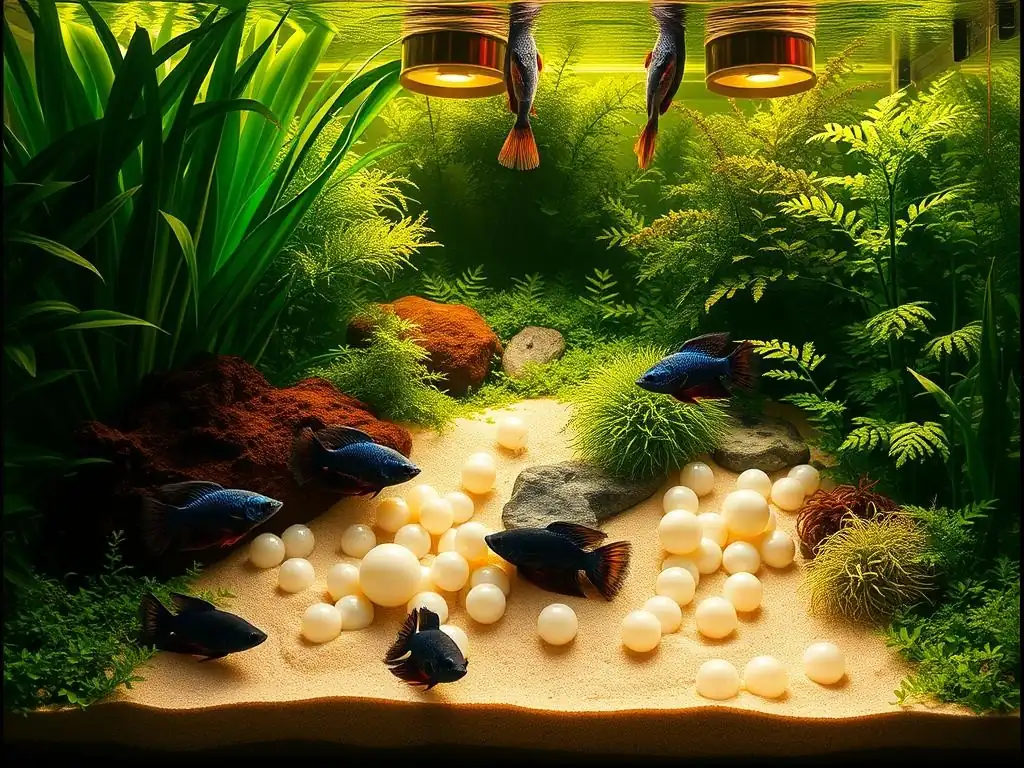
Welcome to Aquarium Mastery, where your aquatic dreams come to life!
Ever wondered how to unlock the secrets to breeding those adorable bottom-dwellers? This article dives deep into the fascinating world of Corydoras spawning, offering proven tips and tricks to help you successfully breed these popular fish in your own aquarium. Curious to know what triggers their breeding behavior and how to create the perfect spawning environment? Let's get started!
- Breeding Bronze Corydoras: A Comprehensive Guide
- Understanding Bronze Corydoras Breeding: An Introduction to Spawning
- Essential Water Parameters for Bronze Corydoras Spawning
- Diet and Conditioning: Preparing Bronze Corydoras for Breeding
- Simulating the Rainy Season: The Key to Triggering Spawning
- Choosing the Right Spawning Tank Setup
- Identifying Bronze Corydoras Eggs and Protecting Them
- Raising Bronze Corydoras Fry: From Hatching to Juvenile
- Troubleshooting Bronze Corydoras Spawning Problems
- Advanced Bronze Corydoras Breeding Techniques
- Conclusion: Mastering Bronze Corydoras Spawning for Aquarium Mastery
-
Frequently Asked Questions
- How do I identify if my Corydoras are ready to spawn?
- What water conditions are best for encouraging Corydoras to spawn?
- What type of food should I feed my Corydoras to prepare them for spawning?
- How can I protect the Corydoras eggs from being eaten by the parents or other fish?
- How long does it take for Corydoras eggs to hatch and what do I feed the fry?
- Final Reflection: Cultivating New Life
- Ignite the Spark: Begin Your Corydoras Breeding Journey Today!
Breeding Bronze Corydoras: A Comprehensive Guide
Understanding Bronze Corydoras Breeding: An Introduction to Spawning
Why Breed Bronze Corydoras? The Joys of Raising Corydoras Fry
Breeding Bronze Corydoras ( Corydoras aeneus ) offers a uniquely rewarding experience for aquarists, combining the satisfaction of nurturing new life with the opportunity to observe fascinating natural behaviors. These peaceful, bottom-dwelling catfish are popular aquarium inhabitants, and successfully breeding them not only provides a deeper understanding of aquatic life cycles but also contributes to the hobby by producing healthy, tank-bred specimens. The process, while requiring attention to detail, is often considered less daunting than breeding some other fish species, making it an excellent venture for intermediate aquarists looking to expand their skills.
The true joy of this endeavor lies in raising the Corydoras fry. Witnessing the transformation from tiny, almost microscopic larvae to miniature versions of their parents is incredibly fulfilling. With optimal conditions and diligent care, a well-conditioned pair or trio of Bronze Corydoras can produce clutches ranging from 30 to over 100 eggs, with a successful hatch rate often exceeding 70-80% if eggs are protected from fungus and predation. This high yield, combined with the relatively straightforward care of the fry, makes the effort highly gratifying and provides a continuous learning experience in aquatic husbandry.
Key Factors Influencing Bronze Corydoras Spawning Success
Successful Bronze Corydoras spawning hinges on mimicking their natural environment, particularly the triggers associated with the rainy season in their native South American habitats. The primary environmental cues include significant water changes, a slight drop in temperature, and a change in water chemistry. These factors signal to the fish that the conditions are optimal for reproduction, ensuring the highest survival rate for their offspring in the wild. Aquarists who master these environmental manipulations often see consistent spawning behavior.
Beyond environmental triggers, the health and conditioning of the parent fish are paramount for a successful Corydoras spawning tips guide. Adult Bronze Corydoras typically reach sexual maturity between 8 and 12 months of age, with peak fertility observed in fish aged 1 to 3 years.
It is generally recommended to have a group of at least five to six fish, ideally with a ratio of two to three males per female, to increase the likelihood of successful pairing and egg fertilization. A varied, high-quality diet, coupled with a stress-free environment, ensures the fish are in prime condition to produce viable eggs and milt.
Essential Water Parameters for Bronze Corydoras Spawning
The Importance of Water Temperature for Bronze Corydoras Breeding
Water temperature plays a critical role in triggering Bronze Corydoras spawning. In their natural habitat, a drop in temperature often coincides with the onset of the rainy season, signaling optimal breeding conditions. For successful spawning, aquarists typically aim for a gradual reduction in temperature, often by 3-5°F (approximately 1.5-3°C), from their usual comfortable range of 72-78°F (22-26°C) down to 68-72°F (20-22°C). This temperature drop, particularly when combined with large, cool water changes, is a powerful stimulus for initiating breeding behavior.
Maintaining a stable temperature after the drop is also important. Wild Corydoras experience relatively consistent temperatures during their spawning season once the initial change occurs. Fluctuations can stress the fish and deter spawning. Monitoring the temperature with an accurate thermometer is crucial, ensuring that the desired range is maintained consistently throughout the conditioning and spawning period. This precise control over temperature is a cornerstone of any effective Corydoras spawning tips guide.
pH Levels and Their Impact on Bronze Corydoras Reproduction
While Bronze Corydoras are generally adaptable to a range of pH values, subtle shifts can act as a trigger for spawning. In their natural environments, the influx of rainwater during the wet season often leads to a slight decrease in pH, making the water slightly more acidic. For breeding purposes, a pH range of 6.0 to 7.0 is often recommended, with some breeders reporting success at the lower end of this spectrum (e.g., 6.5). A stable pH within this acidic to neutral range is more important than achieving an exact number, as drastic fluctuations can be detrimental.
To gently lower pH and stimulate spawning, some aquarists utilize peat filtration or add Indian Almond leaves, which release tannins and humic acids. However, any adjustments should be made gradually over several days to avoid shocking the fish. Monitoring pH levels daily with a reliable test kit during the conditioning phase is essential to ensure the water parameters are conducive to successful reproduction and egg viability.
Water Hardness: Achieving the Ideal GH and KH for Spawning
Water hardness, specifically General Hardness (GH) and Carbonate Hardness (KH), is another key parameter influencing Bronze Corydoras spawning. These fish typically thrive and breed best in soft to moderately hard water. A GH range of 2-10 dGH (degrees of General Hardness) and a KH range of 1-5 dKH (degrees of Carbonate Hardness) are commonly cited as ideal for breeding. Softer water often signals a more favorable environment for egg development and fry survival, mimicking their natural floodplains.
Achieving the correct water hardness can be accomplished through various methods, including mixing tap water with reverse osmosis (RO) or distilled water, or using water softening pillows in the filter. It's crucial to measure both GH and KH regularly using appropriate test kits. Consistent soft water parameters, combined with the other environmental triggers, significantly increase the chances of successful egg fertilization and development, making hardness management a vital component of any comprehensive Corydoras spawning tips guide.
Performing Effective Water Changes to Stimulate Spawning
Large, cool water changes are arguably the most potent trigger for Bronze Corydoras spawning, directly mimicking the onset of the rainy season. This practice not only introduces fresh, cooler water but also dilutes accumulated nitrates and other metabolic waste products, improving overall water quality. A common strategy involves performing daily or every-other-day water changes of 50-75% of the tank volume, using water that is 3-5°F (approximately 1.5-3°C) cooler than the tank water. This consistent influx of cooler, fresh water is often enough to induce spawning behavior within a few days.
The timing and consistency of these water changes are crucial. For example, some successful breeders perform a 50% water change with cooler water every evening for three to five consecutive days. This routine closely replicates the natural environmental shift that prompts Corydoras to breed. Furthermore, ensuring the new water is dechlorinated and treated to match the desired pH and hardness parameters is vital to prevent stress and maintain optimal conditions for the fish.
Diet and Conditioning: Preparing Bronze Corydoras for Breeding
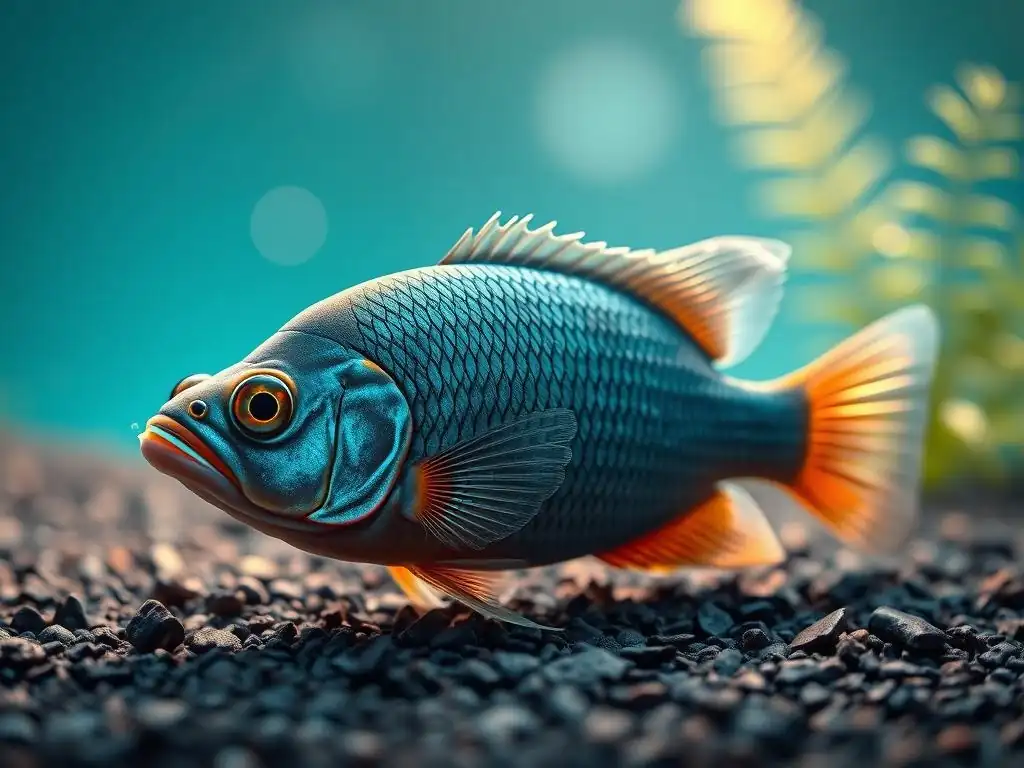
The Role of Live Foods in Spawning Readiness
A diverse and nutrient-rich diet is fundamental to conditioning Bronze Corydoras for spawning. Live foods are particularly effective in stimulating spawning readiness due to their high nutritional content and natural appeal. Foods such as blackworms, bloodworms, brine shrimp, and daphnia provide essential proteins, fats, and vitamins that are often lacking in dry flake or pellet foods alone. These live offerings not only boost the fish's overall health and vitality but also mimic their natural foraging behaviors, encouraging a more robust response to breeding triggers.
Feeding live foods should be done consistently for at least two to three weeks prior to attempting to trigger spawning. For instance, offering live blackworms or brine shrimp twice daily, in addition to their regular diet, can significantly enhance their conditioning. This intensive feeding regimen helps the females develop viable eggs and ensures the males produce strong, active milt, both crucial for successful fertilization and healthy fry development, making live foods a key element in any Corydoras spawning tips guide.
High-Protein Diets for Optimal Egg Production
Beyond live foods, supplementing the Bronze Corydoras' diet with other high-protein options is essential for optimal egg production. Quality frozen foods like bloodworms, brine shrimp, mysis shrimp, and daphnia are excellent choices. These provide concentrated protein sources that directly contribute to the development of robust egg clutches. Some aquarists also incorporate high-quality sinking pellets or wafers specifically designed for bottom-dwellers, ensuring they receive a balanced nutritional intake.
It's important to vary the diet to ensure a full spectrum of nutrients. For example, a typical feeding schedule might involve frozen bloodworms in the morning, followed by a high-protein sinking pellet in the afternoon, and live blackworms in the evening. This varied approach ensures that both male and female Corydoras are receiving all the necessary building blocks for reproduction, leading to larger, healthier egg clutches and increasing overall spawning success rates.
Feeding Frequency and Quantity for Breeding Bronze Corydoras
During the conditioning phase for breeding, the feeding frequency and quantity for Bronze Corydoras should be increased. Instead of the typical once-a-day feeding, it's beneficial to feed them two to three times daily. Each feeding should provide enough food that it is consumed within 5-10 minutes, without leaving excessive waste that could foul the water. This increased caloric intake ensures the fish have ample energy and nutrients to develop eggs and milt.
However, overfeeding must be avoided. Excess food can quickly degrade water quality, leading to elevated nitrates and ammonia, which can stress the fish and inhibit spawning. A good practice is to remove any uneaten food after the designated feeding time. This careful balance between providing abundant nutrition and maintaining pristine water conditions is a critical aspect of preparing your Corydoras for successful breeding, a detail often highlighted in a comprehensive Corydoras spawning tips guide.
Simulating the Rainy Season: The Key to Triggering Spawning
Understanding the "Rainy Season" Trigger
The concept of simulating the "rainy season" is central to triggering Bronze Corydoras spawning. In their native South American rivers, a significant drop in atmospheric pressure, combined with cooler rainwater runoff and increased water flow, signals the start of the breeding season. These environmental cues induce a physiological response in the Corydoras, prompting them to spawn when conditions are most favorable for the survival of their offspring. Aquarists aim to replicate these natural triggers in their tanks to encourage breeding.
The precise combination of triggers can vary slightly among different Corydoras species, but for Bronze Corydoras, the most effective method typically involves a series of large, cool water changes. This mimics the influx of fresh, cooler water that accompanies rainfall. Some breeders also report success by slightly reducing the tank's lighting or simulating a "storm" by gently splashing water into the tank, further enhancing the naturalistic cues.
Implementing Water Changes to Mimic Rainfall
As detailed earlier, consistent and significant water changes are the cornerstone of mimicking rainfall for Corydoras spawning. Performing daily water changes of 50-75% of the tank volume, using water that is 3-5°F (1.5-3°C) cooler than the existing tank water, is highly effective. This routine should be continued for several days (e.g., 3-7 days) or until spawning occurs. The cooler water not only provides a temperature shock but also introduces fresh, oxygenated water, which is beneficial for conditioning.
It is crucial that the new water is properly dechlorinated and has the appropriate pH and hardness parameters. Using a dedicated bucket or container to prepare the new water ensures it is ready at the correct temperature. Pouring the new water in slowly, perhaps over an hour or two, can further simulate a gentle rain, minimizing stress on the fish. This systematic approach to water changes is a fundamental Corydoras spawning tips guide strategy.
Adjusting Water Temperature to Simulate Seasonal Changes
While the cool water changes themselves contribute to temperature drops, a sustained slight reduction in the overall tank temperature can further enhance the spawning trigger. After the initial cool water changes, aiming to maintain the tank temperature at the lower end of their comfortable range, perhaps around 68-72°F (20-22°C), can encourage continued spawning activity. This prolonged cooler period signals a stable breeding season.
To achieve this, some aquarists may temporarily lower their heater's thermostat setting or even remove the heater if the ambient room temperature is stable and within the desired range. However, sudden, drastic temperature drops should be avoided as they can shock the fish. The goal is a gradual, consistent shift that mimics natural seasonal variations, leading to a more natural and less stressful spawning environment for the Corydoras.
Choosing the Right Spawning Tank Setup
Tank Size and Dimensions for Breeding Bronze Corydoras
For breeding Bronze Corydoras, a dedicated spawning tank is highly recommended to maximize egg survival and simplify fry rearing. A tank size of 10-20 gallons (approximately 38-76 liters) is generally sufficient for a breeding group of 3-6 fish. While they can spawn in larger community tanks, the eggs are often consumed by other tank inhabitants or even the parent Corydoras themselves. The dimensions of the tank are also important; a tank with a larger footprint (length and width) rather than excessive height provides more bottom surface area for the fish to interact and deposit eggs.
For example, a standard 10-gallon breeder tank (20" L x 10" W x 12" H) or a 20-gallon long tank (30" L x 12" W x 12" H) offers ample space. The lower water column in these tanks also makes it easier for fry to reach the surface for their initial gulp of air, which is crucial for the development of their labyrinth organ. A smaller, dedicated setup allows for precise control over water parameters and simplifies the removal of parent fish after spawning, a vital step in this Corydoras spawning tips guide.
Substrate Considerations: Bare Bottom vs. Sand
When setting up a spawning tank for Bronze Corydoras, the choice of substrate significantly impacts egg collection and tank hygiene. A bare-bottom tank is often preferred by experienced breeders. This setup makes it incredibly easy to spot and collect eggs, and it simplifies tank cleaning, preventing the buildup of detritus that can lead to bacterial or fungal issues, especially when dealing with delicate fry. Without substrate, uneaten food and waste are easily siphoned out, maintaining pristine water quality.
However, some breeders opt for a thin layer (approximately 1 inch) of fine sand, mimicking their natural environment where they enjoy sifting through the substrate. If sand is used, meticulous cleaning is required to prevent it from becoming a trap for uneaten food and waste. For a beginner following a Corydoras spawning tips guide, a bare-bottom tank is generally the most practical and recommended option for successful egg and fry management.
Adding Spawning Mops or Plants for Egg Deposition
Bronze Corydoras are substrate spawners, meaning they typically deposit their adhesive eggs on various surfaces within the tank. To encourage egg deposition and facilitate collection, providing suitable spawning sites is crucial. Spawning mops, often made from acrylic yarn, are an excellent choice. They are easy to sanitize, provide ample surface area, and allow for simple egg removal. Placing several mops in different areas of the tank, particularly near the filter outflow, can be effective.
Alternatively, broad-leafed plants like Anubias, Java Fern, or Amazon Swords, or even plastic spawning cones, can serve as egg deposition sites. Live plants also offer some benefits by helping to absorb nitrates. However, eggs on plants can be harder to spot and remove without damaging the plant. Regardless of the choice, ensuring the chosen material is clean and free of algae is important for egg health.
Filtration and Aeration in the Spawning Tank
Proper filtration and aeration are essential in a Bronze Corydoras spawning tank, even for a temporary setup. A gentle sponge filter is highly recommended. Sponge filters provide both mechanical and biological filtration without creating strong currents that could stress the fish or dislodge eggs. They are also fry-safe, preventing tiny fry from being sucked into the filter. The air stone or airline powering the sponge filter also provides crucial aeration, ensuring high oxygen levels in the water, which is vital for both adult Corydoras and developing eggs.
Over-filtration or strong currents should be avoided. The goal is gentle water movement that keeps the water oxygenated and clean, but not turbulent. A small air stone placed away from the primary spawning sites can also supplement aeration if needed. Regular cleaning of the sponge filter, typically by rinsing it in old tank water during water changes, will maintain its efficiency without destroying beneficial bacterial colonies.
Identifying Bronze Corydoras Eggs and Protecting Them
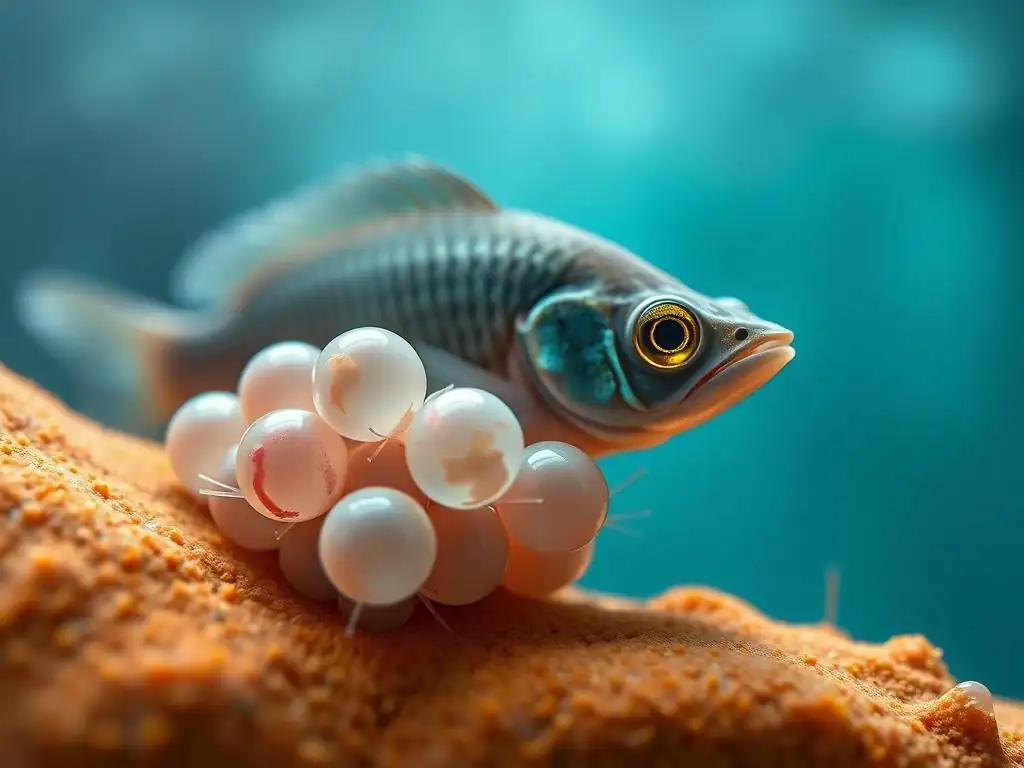
Recognizing Bronze Corydoras Eggs: Appearance and Location
Once spawning has occurred, identifying Bronze Corydoras eggs is the next critical step. The eggs are typically small, round, and adhesive, appearing off-white or translucent when freshly laid, often about 1-2mm in diameter. They are usually deposited in clusters on various surfaces throughout the tank. Common locations include the tank glass, particularly in corners or near the water line, broad plant leaves (like Anubias or Amazon Swords), spawning mops, filter tubes, and even heater elements.
The female Corydoras will often clean the chosen surface before depositing the eggs, which the male then fertilizes. After deposition, the eggs become quite firm and can be carefully rolled off surfaces with a clean finger or a credit card without damage. A healthy batch of eggs will retain their translucent, slightly amber appearance. Any eggs that turn opaque white are likely infertile or fungused and should be removed promptly to prevent fungal spread.
Removing Parent Bronze Corydoras After Spawning
After Bronze Corydoras have successfully spawned, it is crucial to remove the parent fish from the spawning tank. While Corydoras are generally peaceful, they are opportunistic feeders and will readily consume their own eggs if given the chance. This act of "eggeating" is a common behavior and a significant reason why eggs rarely survive in a community tank. Prompt removal maximizes the number of viable eggs that can hatch.
Once all the eggs have been laid and fertilized (which can take several hours, often into the next morning), carefully net the adult Corydoras and return them to their main display tank. This leaves the eggs undisturbed in a dedicated environment where they can develop safely. This step is a non-negotiable part of any successful Corydoras spawning tips guide aimed at maximizing fry survival.
Protecting Eggs from Fungus: Using Methylene Blue or Similar Treatments
One of the most common challenges in raising Corydoras eggs is preventing fungal infections. Unfertilized eggs or those damaged during deposition are highly susceptible to fungus, which can then spread rapidly to healthy, viable eggs, leading to significant losses. To combat this, treating the egg-containing water with an antifungal agent is highly recommended. Methylene Blue is a popular and effective choice, used at a very dilute concentration (e.g., a few drops per gallon until the water is light blue).
Alternatively, adding Indian Almond leaves (catappa leaves) can provide natural antifungal and antibacterial properties due to the tannins they release. Some breeders also use a very small amount of hydrogen peroxide (e.g., 1 ml of 3% hydrogen peroxide per gallon of water) as a short-term dip or treatment. Regular inspection and prompt removal of any fungused (opaque white) eggs with tweezers or a pipette are also vital to prevent widespread infection.
Raising Bronze Corydoras Fry: From Hatching to Juvenile
Hatching and Initial Fry Care
Bronze Corydoras eggs typically hatch within 3-5 days at a temperature of 72-75°F (22-24°C). The newly hatched fry are tiny, often less than 3mm long, and initially survive on their yolk sacs for the first 24-48 hours. During this period, they will mostly remain stationary on the tank bottom or attached to surfaces. It is crucial to maintain stable water parameters and very gentle aeration during this delicate stage.
Once the yolk sac is absorbed, the fry will become free-swimming and begin actively searching for food. This is the critical moment when feeding must commence. Their initial size necessitates very fine, specialized foods. Observing their behavior—whether they are active and exploring, or lethargic—provides an early indicator of their health and readiness to feed.
Feeding Newly Hatched Bronze Corydoras Fry
Feeding newly hatched Bronze Corydoras fry is perhaps the most challenging aspect of their care, as their mouths are incredibly small. The ideal first foods include infusoria, liquid fry food, or very finely crushed spirulina powder. After a few days, they can typically graduate to newly hatched brine shrimp nauplii, which are an excellent source of protein and essential nutrients for rapid growth. Microworms are another highly recommended first food due to their small size and high nutritional value.
Feed small amounts multiple times a day (3-5 times) to ensure a constant supply of food. Overfeeding should be avoided, as uneaten food quickly fouls the water. For example, a common Corydoras spawning tips guide recommends feeding brine shrimp nauplii in a small amount that is consumed within 15-20 minutes, repeated every 4-6 hours. This consistent, small-portion feeding strategy is vital for their initial growth and survival.
Maintaining Water Quality for Optimal Fry Growth
Maintaining pristine water quality is paramount for the optimal growth and survival of Bronze Corydoras fry. Due to their small size and sensitivity, they are highly susceptible to poor water conditions. Daily small water changes are essential, typically 10-20% of the tank volume, using dechlorinated water that matches the tank's temperature and parameters. A small airline tubing or a turkey baster can be used to carefully siphon out detritus and uneaten food from the bare bottom.
Regular testing of ammonia, nitrite, and nitrate levels is crucial. Ammonia and nitrite should always be at zero, and nitrates kept below 10 ppm. A gentle sponge filter is usually sufficient for filtration, providing biological filtration without creating strong currents. Consistent water changes and diligent cleaning prevent the accumulation of toxins, which are often the primary cause of fry mortality.
Preventing Common Fry Diseases and Issues
Bronze Corydoras fry, like all young fish, are vulnerable to certain diseases and issues. The most common problems include bacterial infections, often indicated by lethargy, clamped fins, or white spots on the body, and fungal infections, particularly on unhatched eggs or weakened fry. Maintaining excellent water quality is the best preventative measure against most diseases. Overcrowding should also be avoided, as it leads to stress and increased waste production.
If disease outbreaks occur, mild treatments may be considered, but caution is advised as fry are sensitive to medications. Often, increasing aeration and performing more frequent water changes can help alleviate symptoms of minor bacterial issues. For fungal infections on eggs, the initial Methylene Blue treatment is critical. Prevention through meticulous husbandry, as emphasized in a comprehensive Corydoras spawning tips guide, is always more effective than attempting to cure diseases in fragile fry.
Troubleshooting Bronze Corydoras Spawning Problems
Why Aren't My Bronze Corydoras Spawning? Common Reasons
If your Bronze Corydoras are not spawning despite your best efforts, several common factors could be at play. The most frequent reason is often insufficient or incorrect triggering. Ensure you are consistently performing large, cool water changes (e.g., 50-75% daily for several days) and that the new water is indeed cooler than the tank water. Another common issue is the lack of proper conditioning; if the fish are not receiving a high-protein, varied diet (especially live foods) for at least two weeks prior, they may not be physiologically ready to spawn.
Other contributing factors include an imbalanced male-to-female ratio (aim for 2-3 males per female), fish that are too young or too old (peak breeding age is generally 1-3 years), or an overly stressful environment. High nitrate levels, aggressive tank mates in a community setup, or a lack of suitable spawning sites can also inhibit spawning. Systematically reviewing each of these points, as outlined in this Corydoras spawning tips guide, can help identify the root cause.
Addressing Issues with Egg Fertilization
Sometimes, Bronze Corydoras will lay eggs, but they fail to hatch, often turning opaque white within 24-48 hours, indicating they were unfertilized or went bad. This can be a frustrating issue. One primary cause is an insufficient number of mature males or males that are not in prime breeding condition. Ensure you have at least two to three robust males for every female in your breeding group. Sometimes, increasing the protein content in the males' diet can improve milt quality.
Another factor could be water parameters that are slightly off for fertilization, particularly pH or hardness. While the adults can tolerate a range, optimal conditions (soft, slightly acidic water) are more conducive to sperm viability. Lastly, ensuring the tank is calm and free from disturbances during the spawning process allows the males to effectively fertilize the eggs as they are laid.
Fungus is the bane of Corydoras egg rearing. If a significant percentage of your eggs are fungusing, despite initial treatments, there are a few areas to investigate. Firstly, ensure that all unfertilized eggs (which turn opaque white) are promptly removed, as they are a primary source of fungal growth. Use fine tweezers or a pipette for this delicate task. Secondly, confirm that your antifungal treatment (e.g., Methylene Blue) is at the correct concentration and has been applied consistently.
Poor water quality in the egg tank can also contribute to fungal issues. Even if the water was clean initially, decaying unfertilized eggs or detritus can quickly degrade water quality. Ensure gentle aeration is present, as well-oxygenated water helps prevent fungal growth. If using a bare-bottom tank, make sure it's meticulously clean. Sometimes, a slight increase in temperature (within the safe range for eggs) can also help inhibit some fungal strains, though this must be balanced with the ideal hatching temperature.
Preventing Fry Predation
Preventing fry predation is straightforward but critical: remove the parent fish and any other tank inhabitants immediately after spawning. As previously mentioned, adult Corydoras are opportunistic and will consume their own eggs and newly hatched fry. In a community tank, virtually all other fish species, even seemingly peaceful ones, will view Corydoras eggs and fry as a food source.
Therefore, the dedicated spawning tank setup is paramount for maximizing fry survival. Once the eggs hatch, ensure no snails or other invertebrates that might prey on tiny fry are present in the fry tank. Even small snails can pose a threat to newly hatched Corydoras. A bare-bottom tank also makes it easier to spot and remove any potential predators or detritus.
Advanced Bronze Corydoras Breeding Techniques
Selective Breeding for Desired Traits
For the dedicated aquarist, Bronze Corydoras breeding offers an opportunity for selective breeding, focusing on enhancing desired traits over generations. This might include selecting for specific color intensity (e.g., a more vibrant bronze sheen), fin shape, or even size. To engage in selective breeding, you would need to carefully track parentage and the characteristics of their offspring. This typically involves setting up multiple breeding tanks and maintaining meticulous records of each spawning event.
For example, if you notice a particular female consistently produces larger clutches with a higher survival rate, or if a male exhibits exceptionally vibrant coloration, you might choose to breed those individuals together. This long-term commitment allows breeders to develop unique lines of Corydoras that stand out in the hobby, contributing to the genetic diversity and quality of tank-bred fish. This advanced application transforms a simple Corydoras spawning tips guide into a comprehensive breeding program.
Documenting Your Bronze Corydoras Breeding Journey
Detailed documentation is invaluable for any serious breeding endeavor, particularly for advanced techniques like selective breeding. Keeping a breeding log or journal allows you to track crucial information for each spawning event. This includes the date of spawning, the number of eggs laid, the percentage of viable eggs, the hatching date, and the number of fry hatched. You should also record water parameters (temperature, pH, GH, KH) at the time of spawning and during fry rearing, as well as the specific conditioning diet used.
Beyond numerical data, note observations about the parents' behavior, the fry's growth rate, and any challenges encountered (e.g., fungal outbreaks, fry mortality rates). This comprehensive record-keeping allows you to identify successful patterns, troubleshoot issues more effectively, and refine your breeding techniques over time. It transforms anecdotal experience into actionable data, paving the way for consistent and improved breeding success.
Conclusion: Mastering Bronze Corydoras Spawning for Aquarium Mastery
Mastering Bronze Corydoras spawning is a deeply rewarding aspect of aquarium keeping, offering a unique window into the life cycle of these charming bottom dwellers. By understanding and diligently applying the principles of environmental triggering, precise water parameter management, and optimal dietary conditioning, aquarists can consistently encourage successful breeding. The journey from conditioning mature adults to raising robust fry is a testament to careful planning and attentive husbandry, embodying the essence of an effective Corydoras spawning tips guide.
The detailed approach, from simulating the rainy season with cool water changes and adjusting pH and hardness, to providing the perfect spawning sites and meticulously caring for the delicate fry, ensures high survival rates and healthy offspring. This comprehensive guide equips aquarists with the knowledge and actionable steps to not only trigger spawning but also to successfully rear the next generation of Bronze Corydoras, enriching their personal experience and contributing positively to the broader aquarium hobby.
Continued Learning and Resources for Corydoras Breeders
The world of Corydoras breeding is vast and continually evolving, with new insights and techniques emerging from dedicated aquarists globally. For those looking to deepen their expertise beyond this Corydoras spawning tips guide, continued learning is key. Online forums and specialized Facebook groups dedicated to Corydoras offer invaluable opportunities to connect with experienced breeders, share experiences, and troubleshoot specific issues. These communities often provide real-time advice and support.
Additionally, academic papers on fish reproduction, books focused on catfish breeding, and detailed articles from reputable aquarium websites (like AquariumMastery.com) can provide further scientific and practical knowledge. Attending local aquarium club meetings or conventions can also offer networking opportunities and access to expert speakers. Embracing a mindset of continuous learning will undoubtedly enhance your success and enjoyment in the fascinating endeavor of Bronze Corydoras breeding.
Frequently Asked Questions
How do I identify if my Corydoras are ready to spawn?
Look for signs like increased activity and chasing behavior among the Corydoras. The females will often appear noticeably plumper with eggs.
What water conditions are best for encouraging Corydoras to spawn?
Mimic their natural environment by performing a large, cool water change (20-50%). This, combined with slightly acidic water (pH around 6.5-7.0), can trigger spawning.
What type of food should I feed my Corydoras to prepare them for spawning?
Feed them a high-quality diet rich in protein, including live and frozen foods like bloodworms and brine shrimp. This provides the necessary nutrients for egg development.
How can I protect the Corydoras eggs from being eaten by the parents or other fish?
Remove the parents after spawning, or place the eggs in a separate breeding tank or hatchery. This will significantly increase the survival rate of the fry.
How long does it take for Corydoras eggs to hatch and what do I feed the fry?
Corydoras eggs typically hatch within 3-5 days. Feed the fry newly hatched brine shrimp or microworms until they are large enough to eat larger foods.
Okay, here's a final reflection tailored for your "How to Trigger Corydoras Spawning: Tips from the Pros" article, designed to resonate with readers and leave a lasting impression:
Final Reflection: Cultivating New Life
The journey of understanding and facilitating Corydoras spawning is more than just a technical exercise; it's about embracing the delicate balance of life within our aquariums. The tips and techniques shared in this guide, gleaned from experienced aquarists, offer a pathway to not only witness this incredible event but also to contribute to the continuation of these fascinating creatures.
This pursuit of successful Corydoras breeding has profoundly influenced the aquarium hobby, fostering a deeper appreciation for the intricacies of aquatic ecosystems. The dedication and patience required to create the right conditions mirror the challenges and rewards of nurturing any form of life. The best way to observe a fish is to become the water.
- Jacques Cousteau. This sentiment encapsulates the level of understanding and empathy required to truly succeed in triggering Corydoras spawning.
Now, armed with this knowledge, we invite you to reflect on your own role in the aquarium ecosystem. Consider how you can apply these principles of observation, patience, and environmental control to not only encourage Corydoras spawning but also to enhance the overall well-being of your aquatic inhabitants. Let the lessons learned here inspire you to become a more mindful and responsible aquarist, fostering a thriving environment where life can flourish.
Ignite the Spark: Begin Your Corydoras Breeding Journey Today!
Thank you for exploring the fascinating world of Corydoras spawning with us! Now that you're armed with expert tips, it's time to translate knowledge into action and witness the miracle of life firsthand.
Here are your next steps:
- Immediately assess your Corydoras tank: Are the water parameters optimal, and is the environment conducive to spawning based on what you've learned? This is the most crucial step!
- Start a detailed observation log. Recording subtle changes in behavior, especially after a water change, can provide invaluable insights.
- Share your Corydoras spawning aspirations and challenges in our Aquarium Mastery community forum. Collaborative learning accelerates success!
What's the very first adjustment you'll make to your Corydoras tank setup to encourage spawning this week?