
The Secret Life of SandSleeping Wrasses: Why Your Fish Vanishes Nightly

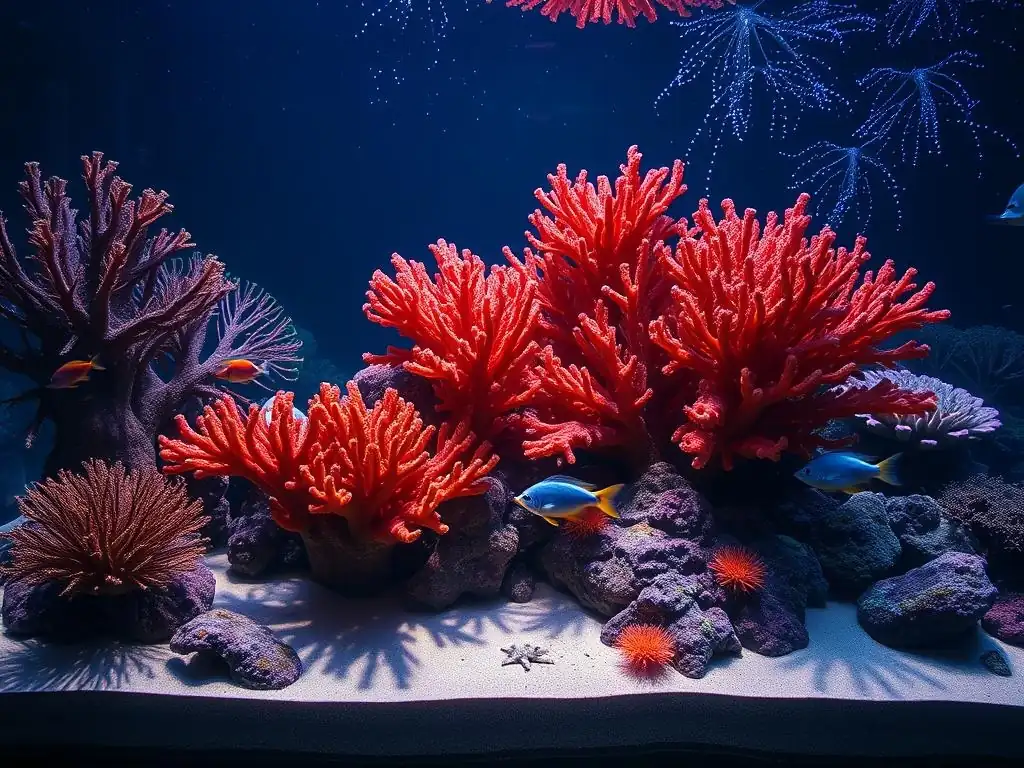
Welcome to Aquarium Mastery!
Ever wondered where your Sandsleeping Wrasse disappears to every night? These fascinating fish have a secret ritual, and we're about to uncover it. Dive in to learn about the captivating nighttime behavior of Sandsleeping wrasses and ensure your aquarium provides the perfect environment for their unique needs. Get ready to unlock the mysteries beneath the sand!
- Understanding Sandsleeping Wrasses: A Comprehensive Guide to Nighttime Behavior
- The Mystery Unveiled: Why Sandsleeping Wrasses Bury Themselves
- Identifying Sandsleeping Wrasses: Key Characteristics and Varieties
- Recreating the Ideal Sand Bed: Essential for Sandsleeping Wrasses
- Sandsleeping Wrasse Nighttime Routine: A Detailed Observation
- Potential Problems & Solutions: Addressing Concerns About Burrowing Behavior
- Enhancing Your Aquarium for Sandsleeping Wrasse Comfort
- Sandsleeping Wrasses: Contributions to a Healthy Aquarium Ecosystem
- Conclusion: Appreciating the Unique Nighttime Behavior of Sandsleeping Wrasses
-
Frequently Asked Questions
- What is a SandSleeping Wrasse and why is it called that?
- Why do SandSleeping Wrasses bury themselves in the sand?
- Is this burying behavior normal, or should I be concerned if I see my SandSleeping Wrasse doing it?
- What kind of substrate (sand) is best for a SandSleeping Wrasse?
- Are there any potential problems associated with SandSleeping Wrasses burying themselves?
- Final Reflection: Unveiling the Mysteries of the Deep
- Unveil the Mystery: Become a Sand-Sleeping Wrasse Expert!
Understanding Sandsleeping Wrasses: A Comprehensive Guide to Nighttime Behavior
Introduction to Sandsleeping Wrasses: Masters of Disappearance
Sandsleeping wrasses are among the most captivating and often perplexing inhabitants of a saltwater aquarium, primarily due to their unique sandsleeping wrasses nighttime behavior. For many new aquarists, the sudden disappearance of a vibrant wrasse as dusk settles can be a source of immediate alarm, leading to frantic searches for a missing fish. However, this vanishing act is not a cause for concern but rather a perfectly natural and essential survival strategy, deeply ingrained in their evolutionary history. These fish masterfully burrow into the sand bed, becoming completely hidden until the morning light signals their safe emergence.
This remarkable adaptation allows them to evade nocturnal predators and find a secure resting place in the often-turbulent reef environment. Species from genera such as Halichoeres, Macropharyngodon, and Pseudocheilinops are particularly known for this distinctive habit. Understanding this innate sandsleeping wrasses nighttime behavior is crucial for providing an optimal environment and appreciating the intricate lives of these fascinating marine creatures. Their ability to disappear and reappear daily is a testament to their specialized adaptations for life on the reef.
Why Sandsleeping Wrasses are Unique in the Aquarium World
What truly sets sandsleeping wrasses apart from many other aquarium fish is their absolute reliance on the substrate for their nightly rest. Unlike some fish that might find refuge in rock crevices or among corals, these wrasses actively and completely submerge themselves within the sand bed. This behavior is a defining characteristic, making the quality and depth of the sand bed paramount for their well-being and natural expression of their instincts. Without suitable substrate, these fish can become stressed, refuse to settle, and may even suffer physical damage or perish due to lack of a secure sleeping spot.
This unique sandsleeping wrasses nighttime behavior also differentiates them from species like parrotfish, which secrete a mucous cocoon around themselves for protection, or even other wrasses that simply wedge themselves into rockwork. The active burrowing mechanism, involving rapid, undulating movements to disappear entirely from sight, is a specialized adaptation. This makes them particularly vulnerable if their environment doesn't support their natural needs, highlighting the importance of proper tank setup for anyone considering these beautiful and active fish.
The Mystery Unveiled: Why Sandsleeping Wrasses Bury Themselves
The Biological Reasons Behind Sand Burrowing
The primary biological imperative behind the sandsleeping wrasses nighttime behavior of burying themselves in the sand is an instinctive need for security and protection during their most vulnerable state. As diurnal (day-active) fish, wrasses enter a state of reduced metabolic activity, akin to sleep, during the night. In this dormant state, they are far less agile and aware of their surroundings, making them easy targets for nocturnal predators that roam the reef after dark. By burying themselves, they effectively become invisible, creating a physical barrier against potential threats.
This burrowing mechanism is not merely a preference but a deeply ingrained survival strategy honed over millions of years of evolution. The sand provides a physical buffer, masking their scent and visual presence from predators such as moray eels, larger groupers, and even some sharks that hunt by night. For instance, a small Halichoeres wrasse, typically 3-5 inches long, would be an easy meal if exposed, but completely disappears once submerged. This crucial biological function ensures their safety, allowing them to conserve energy and emerge refreshed and ready to forage at dawn.
Predator Avoidance: A Natural Defense Mechanism
One of the most critical reasons for the sandsleeping wrasses nighttime behavior is predator avoidance. The reef at night transforms into a different hunting ground, with many nocturnal predators emerging from their daytime hiding spots. Fish like moray eels, lionfish, and various species of sharks actively hunt during these hours. A wrasse resting openly on the reef would be an incredibly easy target. By burying themselves completely within the sand, they become virtually undetectable to these visual and olfactory hunters.
This defense mechanism is highly effective. The sand not only conceals them visually but also helps to mask their scent, making it difficult for predators that rely on olfaction to locate them. In an aquarium setting, while the threat of natural predators might be absent, this innate behavior persists. It still provides a crucial sense of security for the wrasse, reducing stress from larger or more aggressive tank mates that might otherwise harass them during their sleep cycle. This instinctual drive to hide is a fundamental aspect of their well-being.
Sand as a Thermal Regulator: Maintaining Optimal Temperature
Beyond predator avoidance, the sand bed also serves as a surprisingly effective thermal regulator for sandsleeping wrasses. While marine aquariums typically maintain stable temperatures, in their natural reef habitats, water temperatures can fluctuate, albeit subtly, between day and night, or due to currents and tides. The sand provides a degree of insulation, helping to buffer these minor temperature changes.
Studies on natural substrates show that temperatures within the top few inches of sand can be more stable than the immediate water column, particularly in very shallow reef flats. This consistent microclimate within the sand helps the wrasse maintain a more stable body temperature during its inactive period, minimizing metabolic stress. Although the effect might be less pronounced in a climate-controlled home aquarium, this function contributes to the overall comfort and energy conservation that defines the sandsleeping wrasses nighttime behavior.
Preparing for Sleep: The Ritual Before Vanishing
Observing the ritualistic preparation for sleep is a fascinating aspect of sandsleeping wrasses nighttime behavior. As the aquarium lights begin to dim, or shortly after they are turned off, wrasses will typically cease their active foraging and begin to show signs of preparing for their nightly burrow. This often involves slowing their swimming, hovering near the sand bed, and sometimes performing a few exploratory "dips" or "test runs" into the substrate to gauge its suitability.
Once a chosen spot is identified, the actual disappearance is remarkably swift and efficient. The wrasse will typically dive head-first into the sand, using rapid, undulating body movements to propel itself downwards. This "shimmying" motion allows them to displace the sand and create a small, comfortable cavity around their body. The entire process can take as little as 5 to 20 seconds for smaller species like the Six-Line Wrasse, leaving behind only a slight ripple or depression on the sand surface where they vanished.
Identifying Sandsleeping Wrasses: Key Characteristics and Varieties

Common Species of Sandsleeping Wrasses for Aquariums
Several species of sandsleeping wrasses are popular in the aquarium hobby, each bringing unique colors and behaviors while sharing the common sandsleeping wrasses nighttime behavior. Some of the most frequently encountered include:
- Six-Line Wrasse (Pseudocheilinops hexataenia): A small, active wrasse known for its six horizontal orange lines on a purplish body. While it primarily burrows, it may sometimes sleep wedged in rockwork. They typically reach about 3 inches (7.5 cm).
- Melanurus Wrasse (Halichoeres melanurus): Also known as the Tail Spot Wrasse, this species features vibrant green and orange markings with a distinctive black spot on its tail. It is a highly active and avid burrower, growing up to 4-5 inches (10-12.5 cm).
- Yellow Coris Wrasse (Halichoeres chrysus): A brilliant yellow wrasse with striking blue markings around its eyes, known for its constant foraging and frequent burrowing. They typically grow to 4-5 inches (10-12.5 cm).
- Leopard Wrasses (Macropharyngodon spp.): This group, including species like the Choati's Leopard Wrasse ( Macropharyngodon choati) and the Potters Leopard Wrasse ( Macropharyngodon potteri), are renowned for their intricate, leopard-like spot patterns. They are almost exclusively sand-burrowers and are very sensitive, often reaching 4-6 inches (10-15 cm).
These species, among others, exemplify the diverse beauty and fascinating sandsleeping wrasses nighttime behavior that make them sought-after additions to many reef tanks.
Distinguishing Features: How to Identify a Sandsleeping Wrasse
Beyond their characteristic burrowing habit, sandsleeping wrasses often share certain physical attributes that aid in their identification. Most species exhibit an elongated, torpedo-shaped body, which is ideal for efficient movement through the water column and for pushing through sand. Their mouths are typically small and slightly pointed, equipped with teeth designed for picking small invertebrates off live rock and out of the sand.
Their coloration is often vibrant and complex, serving both for camouflage and display on the reef. For instance, the intricate patterns of Leopard Wrasses provide excellent camouflage against sandy or rocky substrates, while the bold stripes of a Six-Line Wrasse are a clear warning to potential rivals. Observing these physical traits in conjunction with their active foraging during the day and their signature sandsleeping wrasses nighttime behavior confirms their classification.
Habitat Preferences: Replicating Their Natural Environment
In their natural habitats, sandsleeping wrasses are typically found in shallow reef flats, sandy lagoons, rubble zones, and areas where sand meets coral structures. They thrive in environments that offer a mix of open sand for burrowing and foraging, as well as plenty of live rock for daytime exploration, hiding, and hunting. Replicating these conditions in an aquarium is crucial for their long-term health and comfort.
An ideal aquarium setup will feature a substantial sand bed, as detailed in the following sections, alongside ample live rock arranged to create caves, overhangs, and swim-throughs. This diversified environment caters to both their need for secure nighttime refuge and their active daytime foraging and territorial behaviors. Providing a habitat that closely mimics their natural home ensures that their sandsleeping wrasses nighttime behavior is not only possible but also stress-free.
Recreating the Ideal Sand Bed: Essential for Sandsleeping Wrasses
Choosing the Right Substrate: Grain Size and Composition
The quality and type of substrate are paramount for sandsleeping wrasses. The ideal sand for these fish should be fine, soft, and non-abrasive to prevent injury to their delicate skin and fins during burrowing. Aragonite sand, which naturally helps buffer pH and maintain alkalinity in a saltwater environment, is an excellent choice. The recommended grain size typically ranges from 0.5 mm to 2 mm, often referred to as "sugar-fine" or "live sand." Coarser gravel or crushed coral should be strictly avoided, as these can easily scratch or damage a wrasse's scales and fins, leading to infections.
Using a fine-grained sand not only facilitates easy burrowing but also replicates the natural substrate found in their native reef environments. This smooth texture ensures that the wrasse can comfortably and safely perform its essential sandsleeping wrasses nighttime behavior without encountering sharp edges or overly dense material. Investing in the correct substrate is a fundamental step in setting up a suitable habitat for these unique fish.
Sand Bed Depth: Creating a Comfortable Burrowing Environment
The depth of the sand bed is equally as important as its composition. To allow sandsleeping wrasses to fully submerge and feel secure, a minimum sand bed depth of 3 to 4 inches (approximately 7.5 to 10 cm) is generally recommended for most common species. For larger wrasses, or if you plan to keep multiple sand-burrowing species, increasing the depth to 5 or 6 inches (12.5 to 15 cm) can provide even greater comfort and reduce potential territorial disputes over prime burrowing spots.
An insufficient sand bed depth can lead to significant stress for the wrasse. If they cannot fully bury themselves, they will feel exposed and vulnerable, which can compromise their immune system and overall health. Adequate depth ensures they can create a secure, fully enclosed space, allowing them to perform their sandsleeping wrasses nighttime behavior without anxiety. It's a critical factor in their psychological and physical well-being.
Maintaining a Healthy Sand Bed: Preventing Anaerobic Zones
While a deep sand bed is crucial for wrasses, it also requires careful maintenance to prevent the formation of anaerobic zones, which are areas lacking oxygen that can develop within the sand bed. These zones can produce harmful gases like hydrogen sulfide, which are toxic to aquarium inhabitants. Regular manual stirring of the top few inches of the sand bed (typically during water changes) can help release trapped gases and prevent compaction.
Alternatively, introducing natural sand-sifting invertebrates, such as Nassarius snails or certain species of gobies like the Diamond Watchman Goby ( Valenciennea puellaris), can help keep the sand bed aerated and clean. These organisms constantly sift through the sand, preventing detritus buildup and ensuring oxygen penetration. A healthy, oxygenated sand bed is vital not only for the wrasse's burrowing activities but also for the overall biological stability of the marine aquarium ecosystem.
Sandsleeping Wrasse Nighttime Routine: A Detailed Observation
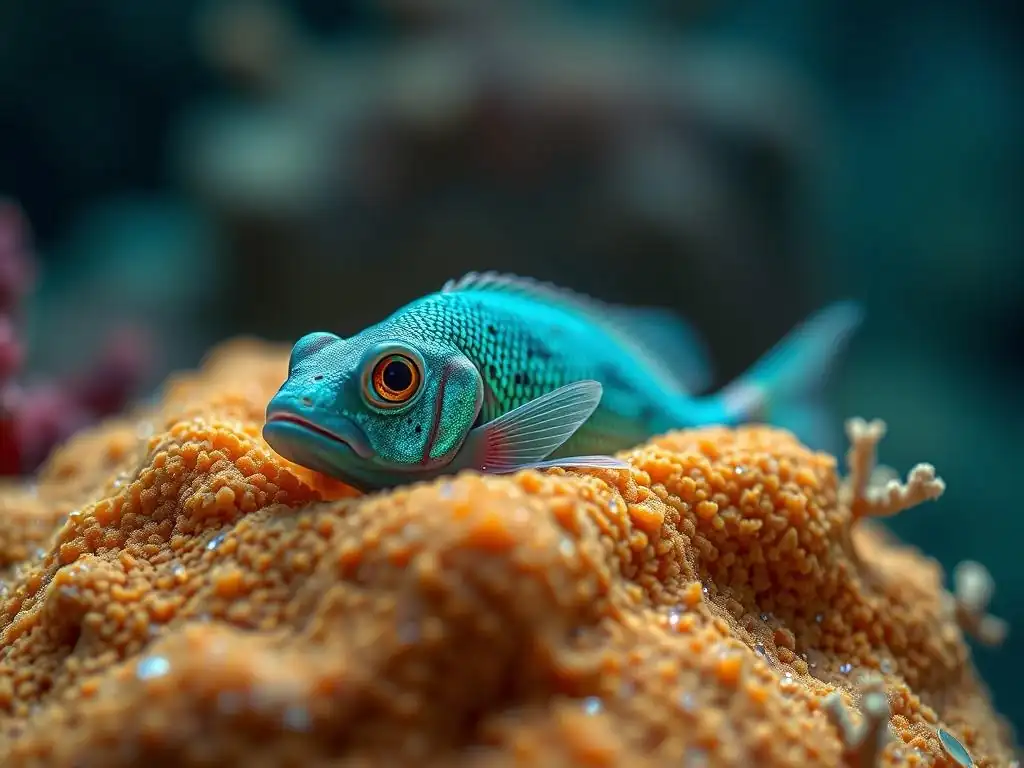
The Disappearance Act: Witnessing the Burrowing Process
The actual "disappearance act" of a sandsleeping wrasse is a truly captivating sight, epitomizing their unique sandsleeping wrasses nighttime behavior. As the lights dim, or once the tank is completely dark, the wrasse will typically select a spot on the sand bed. It then performs a series of rapid, almost violent, shimmying motions, driving itself head-first into the substrate. The wrasse's body undulates quickly, allowing it to displace the sand and create a small, temporary burrow.
Within a matter of seconds—often less than 10-15 seconds for a small wrasse—the entire fish will vanish completely from sight, leaving behind only a faint ripple or a slightly disturbed patch on the sand surface. This swift and efficient method of burrowing ensures that they are hidden as quickly as possible from any lingering predators. Observing this precise moment can be an awe-inspiring experience, showcasing the remarkable adaptations of these marine fish.
Sleep Duration and Patterns: What to Expect Each Night
Sandsleeping wrasses adhere to a remarkably consistent sleep schedule, closely tied to the aquarium's photoperiod. They typically begin their burrowing process as the lights fade or immediately after they are turned off, signaling the onset of their "night." They then remain completely buried for the entire duration of the dark cycle, which usually spans 8 to 12 hours, depending on the aquarium's lighting schedule.
As dawn approaches, or when the aquarium lights gradually come on, the wrasse will emerge from the sand, often just as quickly as it disappeared. They typically "pop" out of the sand, shake off any remaining grains, and immediately resume their active foraging and swimming. This predictable sandsleeping wrasses nighttime behavior is a clear indicator of a healthy and well-adjusted fish that feels secure in its environment.
What Happens Beneath the Sand? Understanding Their Subterranean Activities
While buried beneath the sand, sandsleeping wrasses enter a state of torpor, a form of reduced physiological activity that conserves energy. Their metabolism slows significantly, and their movements become minimal. Although they are in a deep rest, they are not completely dormant; their gills continue to function, efficiently extracting oxygen from the interstitial water within the sand bed. This ability to respire effectively in a low-oxygen environment within the sand is another key adaptation.
During this period, they are essentially in a protective "sleep mode," minimizing their energy expenditure and vulnerability. It's crucial not to disturb them during this time, as it can cause significant stress, disrupt their natural sleep cycle, and potentially impact their health. Their subterranean activities are limited to maintaining their position and resting, ensuring they are ready to emerge vibrant and active when the light returns.
Potential Problems & Solutions: Addressing Concerns About Burrowing Behavior
Is My Sandsleeping Wrasse Sick or Just Sleeping?
Distinguishing between a healthy wrasse engaged in its normal sandsleeping wrasses nighttime behavior and a sick one exhibiting unusual burrowing patterns is crucial. A healthy wrasse will consistently bury itself at night as the lights dim and emerge actively and purposefully when the lights come on in the morning. It will then spend its day actively foraging and swimming.
Conversely, a wrasse that buries itself during the day, remains buried for unusually long periods (e.g., more than 24-36 hours during daytime hours), or shows other signs of distress upon emergence (such as labored breathing, clamped fins, loss of appetite, or faded coloration) might be sick or severely stressed. If a wrasse exhibits these atypical behaviors, it warrants closer observation for potential disease or environmental issues. Check water parameters immediately and look for other symptoms.
While the act of burrowing itself is generally solitary, some wrasses can be territorial, especially if multiple sand-burrowing species are kept in a limited space. Aggression might manifest as chasing or nipping during the day, rather than direct conflict over a burrowing spot at night. To minimize potential conflicts related to their sandsleeping wrasses nighttime behavior, ensure your aquarium provides ample sand bed space and multiple potential burrowing locations.
Introducing multiple wrasses simultaneously, or adding smaller wrasses before larger, established ones, can sometimes help reduce aggression. Monitor interactions closely, especially during feeding times. If severe aggression persists, it may indicate that the tank is too small or that the species are incompatible. Providing a diverse landscape with plenty of hiding spots in the rockwork can also help diffuse daytime territorial disputes.
Sand Bed Disruptions: Protecting Corals and Other Inhabitants
The vigorous burrowing of sandsleeping wrasses, while natural, can sometimes lead to minor disruptions in the aquarium, particularly for corals or rockwork placed directly on the sand bed. A wrasse burying itself can kick up sand, potentially burying or irritating sensitive corals. This is a common concern with their sandsleeping wrasses nighttime behavior.
To mitigate this, ensure that all rockwork is placed directly on the bottom glass of the tank, not on top of the sand bed. This prevents the wrasse from undermining the rockwork and causing it to shift or collapse. For sensitive corals, especially those that prefer to be off the sand (e.g., Acropora or Montipora), elevate them on frag plugs, small pieces of live rock, or on higher shelves within the aquascape. This prevents them from being covered by displaced sand or irritated by the wrasse's nightly routine, allowing both the fish and corals to thrive.
Enhancing Your Aquarium for Sandsleeping Wrasse Comfort
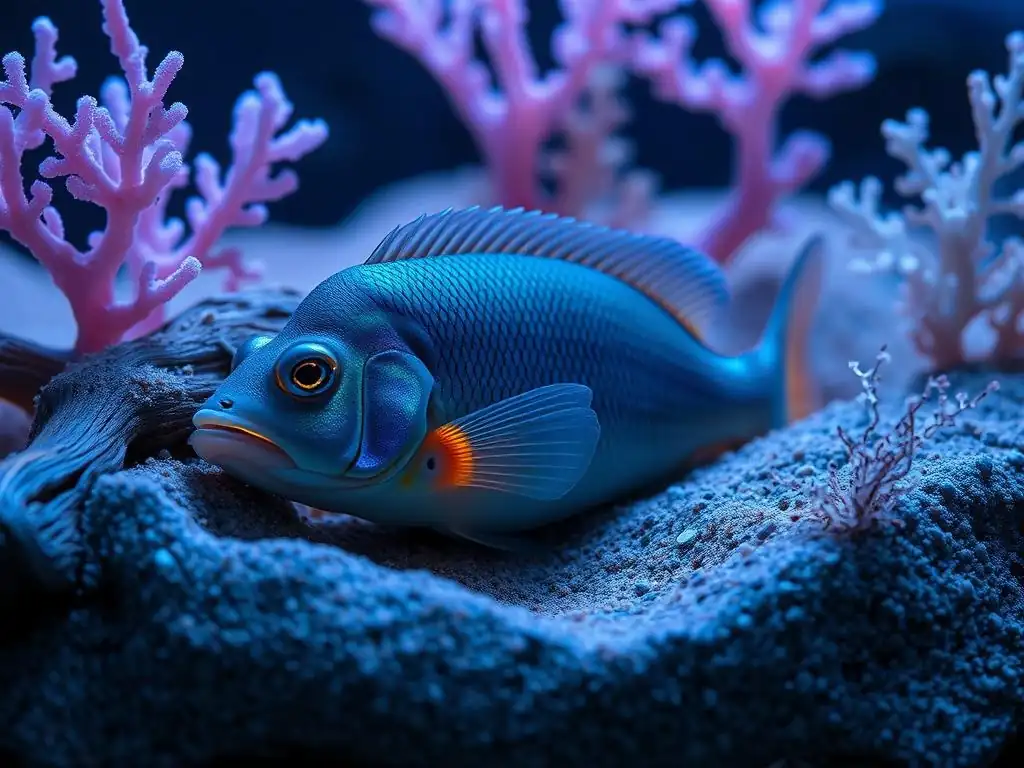
Providing Ample Space: Minimizing Stress and Encouraging Natural Behavior
Providing ample swimming and sand-bed space is crucial for the comfort and well-being of sandsleeping wrasses. While some smaller species like the Six-Line Wrasse can be housed in tanks as small as 30 gallons (115 liters), a minimum of 50 gallons (190 liters) is generally recommended for most common species to allow for natural foraging and territory establishment. Larger species, such as Leopard Wrasses, thrive in tanks of 75-100 gallons (280-380 liters) or more.
Adequate space minimizes stress, reduces aggression among tank mates, and provides sufficient open sand areas for their essential sandsleeping wrasses nighttime behavior. Overcrowding can lead to chronic stress, weakened immune systems, and a reluctance to exhibit their natural behaviors, ultimately impacting their health and lifespan. A spacious environment allows them to thrive and display their full range of fascinating activities.
Tank Mates: Choosing Compatible Species for a Peaceful Environment
Selecting compatible tank mates is vital for a peaceful aquarium environment for sandsleeping wrasses. While generally robust, they can be intimidated by overly aggressive or very large fish. Avoid highly aggressive species such as large triggerfish, some angelfish, or aggressive groupers that might view the wrasse as prey or a competitor. Similarly, avoid other fish that might compete directly for sand-dwelling food sources if the tank is too small.
Good tank mates include peaceful tangs, clownfish, peaceful gobies (excluding very aggressive sand-sifters that might compete directly), and other smaller, non-aggressive wrasses, provided there is sufficient space and multiple hiding spots. Always research the specific compatibility of species before introducing them. A well-chosen community ensures that the wrasse feels secure and can perform its sandsleeping wrasses nighttime behavior without harassment.
Water Quality: Maintaining Optimal Conditions for Sandsleeping Wrasses
Like all marine fish, sandsleeping wrasses require stable and pristine water quality to thrive. Maintaining optimal water parameters is essential for their overall health and resilience. Key parameters include:
- Salinity: 1.023-1.026 specific gravity.
- pH: 8.1-8.4.
- Alkalinity: 8-12 dKH.
- Temperature: 74-78°F (23-26°C).
- Nitrogen Compounds: Undetectable ammonia and nitrite, with nitrates kept as low as possible (ideally below 10-20 ppm).
Regular water changes (e.g., 10-20% bi-weekly) and robust filtration (mechanical, chemical, and biological) are critical to preventing the buildup of toxins and maintaining stable conditions. Consistent water quality reduces stress, prevents disease, and ensures that the wrasse can comfortably engage in its natural sandsleeping wrasses nighttime behavior without physiological strain.
Sandsleeping Wrasses: Contributions to a Healthy Aquarium Ecosystem
Natural Sand Bed Stirrers: Preventing Detritus Buildup
Beyond their captivating appearance and unique behaviors, sandsleeping wrasses contribute positively to the aquarium ecosystem. Their active foraging during the day involves constantly sifting through the top layers of the sand bed with their mouths, searching for small invertebrates. This natural behavior acts as a continuous, gentle stirring mechanism, which helps prevent the compaction of the sand and the accumulation of detritus within the substrate.
By aerating the sand bed, they facilitate the activity of beneficial aerobic bacteria, which are crucial for the nitrogen cycle and breaking down waste. This natural sand-stirring action helps prevent the formation of stagnant, anaerobic zones that can release harmful hydrogen sulfide gas, making the sand bed a healthier environment for all inhabitants.
Biological Control: Managing Small Invertebrate Populations
Many sandsleeping wrasses are voracious predators of small, undesirable invertebrates that can sometimes proliferate in a reef aquarium. They actively hunt and consume various pests, including small crustaceans, bristle worms, and, most notably, nuisance flatworms (e.g., Convolutriloba retrogemma). For instance, the Six-Line Wrasse is often sought after specifically for its effectiveness in controlling flatworm outbreaks.
Their natural predatory instincts make them excellent biological control agents, reducing the need for chemical treatments that can sometimes harm sensitive corals or other beneficial organisms. By keeping these pest populations in check, sandsleeping wrasses contribute to the overall health and balance of the aquarium ecosystem, making them more than just visually appealing inhabitants.
A Fascinating Addition: Observing Unique Behavior in Your Aquarium
Ultimately, sandsleeping wrasses are a truly fascinating addition to any marine aquarium, primarily due to their unique sandsleeping wrasses nighttime behavior. The daily ritual of watching them disappear into the sand as night falls and then reappear with the morning light is an endlessly captivating display of natural adaptation. Their vibrant colors and active, inquisitive personalities during the day make them a joy to observe.
Beyond their practical benefits as sand stirrers and pest controllers, the sheer wonder of their mysterious nightly vanishing act adds a dynamic and engaging element to the aquarium experience. They serve as a constant reminder of the incredible diversity and specialized adaptations found within the marine world, enriching the hobbyist's understanding and appreciation of reef life.
Conclusion: Appreciating the Unique Nighttime Behavior of Sandsleeping Wrasses
The sandsleeping wrasses nighttime behavior of burying themselves in the substrate is far more than a curious quirk; it is a fundamental and essential aspect of their survival and well-being. This natural instinct serves as a vital defense mechanism against nocturnal predators, offers thermal regulation, and provides a secure, stress-free environment for rest. Understanding this behavior is paramount for any aquarist considering these vibrant and active fish.
By providing the appropriate fine, deep sand bed, maintaining pristine water quality, and selecting compatible tank mates, aquarists can ensure that their sandsleeping wrasses thrive and confidently perform their unique nightly ritual. Embracing and accommodating this fascinating behavior not only ensures the health of these remarkable fish but also adds a captivating dimension to the marine aquarium, allowing for a deeper appreciation of the intricate adaptations of life on the reef.
Frequently Asked Questions
What is a SandSleeping Wrasse and why is it called that?
A SandSleeping Wrasse is a type of fish known for its unique nighttime behavior. The name comes from the fact that they bury themselves in the substrate, or sand, at night to sleep and hide from predators. This natural camouflage provides them with protection.
Why do SandSleeping Wrasses bury themselves in the sand?
They bury themselves for several reasons, primarily for protection from predators during their inactive period. The sand acts as a natural shield, concealing them from nocturnal hunters and providing a safe haven.
Is this burying behavior normal, or should I be concerned if I see my SandSleeping Wrasse doing it?
It's completely normal! The burying behavior is a natural and healthy instinct for SandSleeping Wrasses. Seeing your wrasse disappear into the sand each night is a sign that it's exhibiting its typical sleeping pattern.
What kind of substrate (sand) is best for a SandSleeping Wrasse?
A fine, soft sand substrate is crucial for their well-being. Coarse gravel can injure them as they bury themselves. Aim for a sand bed that is at least 2-3 inches deep to allow for comfortable and complete burial.
Are there any potential problems associated with SandSleeping Wrasses burying themselves?
While generally safe, sometimes a wrasse might disturb the substrate enough to release trapped gases. This is usually only a problem in very deep, established sandbeds. Regularly maintaining your aquarium's water quality will help prevent any issues.
Final Reflection: Unveiling the Mysteries of the Deep
The fascinating world of sandsleeping wrasses, once shrouded in mystery, is now brought to light, revealing the intricate details of their nighttime behavior. Understanding these nocturnal habits is crucial for responsible aquarium keeping and appreciating the delicate balance of marine ecosystems. By demystifying their nightly disappearances, we can better care for these captivating creatures and contribute to their conservation.
The sandsleeping wrasse's unique adaptation of burying itself in the sand each night is a testament to the incredible diversity of life beneath the waves. This exploration has deepened my appreciation for the hidden wonders of the ocean and the importance of continuous learning and observation in the natural world. In the end, we will conserve only what we love; we will love only what we understand; and we will understand only what we are taught.
- Baba Dioum's words resonate deeply, reminding us that knowledge is the key to fostering a love for and protecting our planet's biodiversity.
Now, armed with this newfound understanding of sandsleeping wrasses and their nighttime behavior, I invite you to reflect on the interconnectedness of all living things. Consider how even the smallest creature plays a vital role in the grand tapestry of life. Let this knowledge inspire you to become a more informed and responsible steward of our oceans, advocating for their protection and ensuring that future generations can marvel at the secret lives of these remarkable fish.
Unveil the Mystery: Become a Sand-Sleeping Wrasse Expert!
Thanks for diving deep into the fascinating world of Sand-Sleeping Wrasses! We hope you've gained a new appreciation for their unique nocturnal habits. Now, let's put that knowledge into action!
- Become the ultimate Wrasse Whisperer: Closely observe your wrasse tonight when the lights go out. Can you pinpoint exactly where and how it buries itself in the sand?
- Share your Wrasse expertise: Start a thread on a reef forum sharing your newfound knowledge.
- Consider the unique needs of sand-sleeping fish: research compatible tank mates that won't disturb your wrasse during its rest.
What surprising behavior have you observed in your sand-sleeping wrasse since reading this article? Share your observations in the comments below!