
Nitrates & Dwarf Cichlids: The Silent Stressor You Must Control

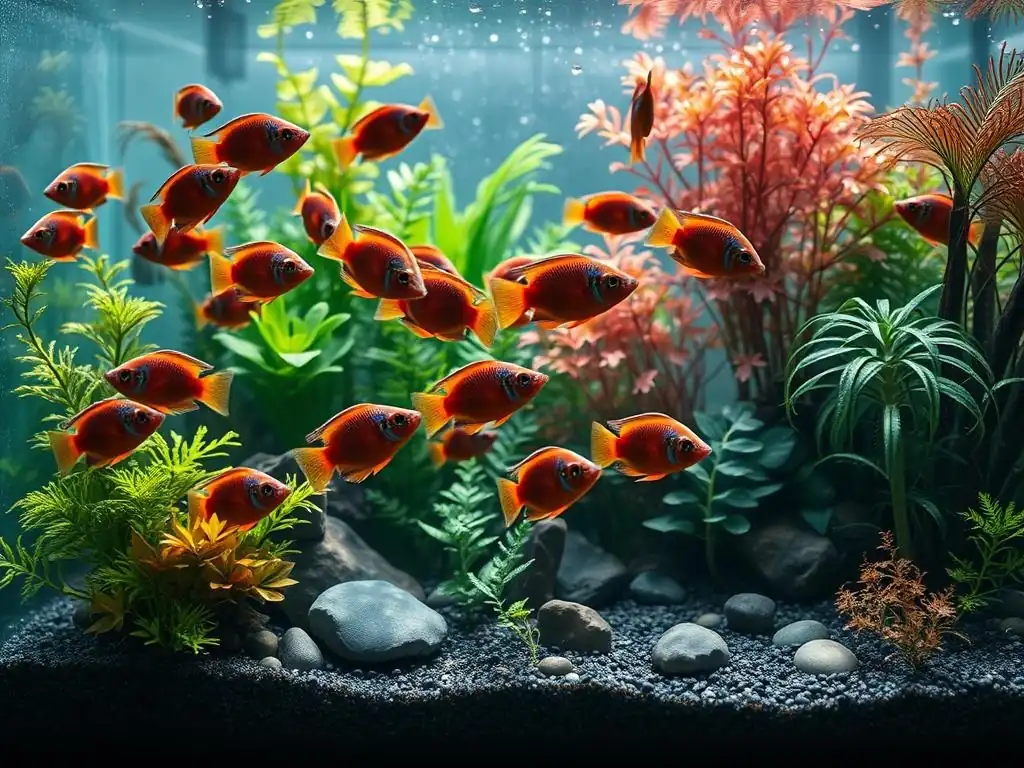
Welcome to Aquarium Mastery!
Ever wondered if your vibrant dwarf cichlids are secretly battling an invisible foe? You're not alone! Many aquarists struggle to maintain the delicate balance in their freshwater tanks. Dive into our comprehensive guide on dwarf cichlid nitrate control and discover how to create a thriving environment for these captivating fish. What if mastering this one crucial element could unlock the secret to healthier, happier cichlids? Let's find out!
- Apistogramma & Nitrates: A Crucial Guide to Water Quality
- Understanding Nitrates and Their Impact on Apistogramma
- The Effects of Nitrates on Apistogramma Health and Behavior
- Apistogramma Nitrate Control: Practical Strategies
- Monitoring Nitrate Levels: Testing Your Apistogramma Tank Water
- Long-Term Strategies for Low Nitrate Aquariums
- Troubleshooting Nitrate Issues in Apistogramma Aquariums
- Substrate Selection for Nitrate Management in Apistogramma Tanks
- Advanced Nitrate Control Techniques [Optional]
-
Frequently Asked Questions
- How do high nitrate levels specifically impact Dwarf Cichlids?
- What is the ideal nitrate level for a Dwarf Cichlid aquarium?
- What are the primary methods for controlling nitrates in a Dwarf Cichlid tank?
- How often should I perform water changes to control nitrates in my Dwarf Cichlid aquarium?
- Besides water changes, what other long-term strategies can help manage nitrate levels?
- Final Reflection: The Delicate Balance of Life
- Unleash a Thriving Cichlid Paradise!
Apistogramma & Nitrates: A Crucial Guide to Water Quality
Understanding Nitrates and Their Impact on Apistogramma
What are Nitrates in an Aquarium Environment?
Nitrates, chemically represented as NO3-, are the final product of the nitrogen cycle in an aquarium. They are formed when beneficial bacteria convert toxic nitrites (NO2-) into a less harmful compound. While less acutely toxic than ammonia or nitrites, nitrates accumulate in closed systems like aquariums over time and can become a significant stressor for sensitive fish species, including Apistogramma dwarf cichlids.
Unlike ammonia and nitrite, which are rapidly converted, nitrates typically remain in the water until they are either removed through water changes, absorbed by live plants, or processed by specialized denitrifying bacteria in anaerobic conditions. For effective dwarf cichlid nitrate control, understanding this accumulation is key, as even seemingly low levels can impact the long-term health and vitality of your prized Apistogramma.
The Nitrogen Cycle: A Concise Overview for Apistogramma Keepers
The nitrogen cycle is the fundamental biological process that makes an aquarium habitable. It begins with fish waste and uneaten food breaking down into highly toxic ammonia (NH3/NH4+). Specialized nitrifying bacteria, primarily Nitrosomonas species, then convert this ammonia into equally toxic nitrites (NO2-). Finally, another group of beneficial bacteria, Nitrobacter species, transform nitrites into nitrates (NO3-).
For Apistogramma keepers, a robust and mature biological filter is paramount to ensure these conversions happen efficiently. However, since nitrates are the end product and are not readily removed by standard filtration in aerobic conditions, they steadily build up in the aquarium water. This constant accumulation necessitates active dwarf cichlid nitrate control strategies to maintain a healthy environment for these delicate fish.
Why Apistogramma are Sensitive to Nitrate Levels
Apistogramma species, such as Apistogramma cacatuoides or Apistogramma agassizii, originate from pristine, soft, and acidic blackwater or clearwater environments in South America. In their natural habitats, water flows continuously, preventing the buildup of dissolved pollutants like nitrates. This evolutionary background means they are not adapted to tolerate even moderate levels of nitrates often found in home aquariums.
Compared to hardier species that might tolerate nitrate levels up to 40 ppm or more, Apistogramma can show signs of stress and declining health at levels as low as 10-20 ppm. Their delicate gill structures and sensitive internal systems are easily compromised by chronic exposure to these compounds, making stringent dwarf cichlid nitrate control an absolute necessity for their well-being and longevity.
The Effects of Nitrates on Apistogramma Health and Behavior
Recognizing Signs of Nitrate Toxicity in Apistogramma
Detecting nitrate toxicity in Apistogramma can be challenging because the symptoms often mimic other ailments or general stress. Common behavioral indicators include lethargy, reduced activity, and a noticeable loss of appetite. Affected fish might exhibit clamped fins, rapid or labored breathing, and a general dulling of their vibrant coloration, becoming pale or washed out.
Physically, chronic exposure to elevated nitrates can lead to a weakened immune system, making Apistogramma more susceptible to common diseases like fin rot, ich (Ichthyophthirius multifiliis), and bacterial infections. Their slime coat might appear excessive or patchy, and in severe cases, the fish may develop internal organ damage. Early and consistent dwarf cichlid nitrate control is vital to prevent these subtle signs from escalating into serious health issues.
Impact on Apistogramma Breeding and Fry Survival
High nitrate levels are a significant deterrent to successful Apistogramma breeding. Even if a pair attempts to spawn, elevated nitrates can inhibit the female's ability to produce viable eggs or lead to egg reabsorption. Spawning activity itself may be reduced or cease entirely, as the fish perceive the environment as unsuitable for reproduction.
Furthermore, if eggs are laid, their viability can be severely compromised, leading to low hatch rates. Apistogramma fry are exceptionally delicate and highly sensitive to water quality, making them extremely vulnerable to nitrates. Even marginally high levels can result in high fry mortality rates, often preventing any significant number of offspring from reaching maturity. Strict dwarf cichlid nitrate control, aiming for levels below 5 ppm, is crucial for any successful breeding program.
Stunted Growth and Immune Suppression in High Nitrate Environments
Chronic exposure to elevated nitrate levels forces an Apistogramma's body to divert significant metabolic energy towards detoxification and coping mechanisms. This redirection of energy comes at the cost of essential processes like growth and immune system development. Young Apistogramma, particularly fry and juveniles, exposed to high nitrates will often exhibit stunted growth, remaining significantly smaller than their healthy counterparts.
Moreover, the constant physiological stress weakens the fish's immune system, leaving them highly vulnerable to pathogens that they would otherwise easily fight off. This immune suppression means that even minor environmental fluctuations or the presence of common bacteria can lead to severe infections and disease outbreaks. Effective dwarf cichlid nitrate control is not just about survival, but about ensuring these fish can thrive, reach their full size potential, and maintain robust health throughout their lifespan.
Apistogramma Nitrate Control: Practical Strategies
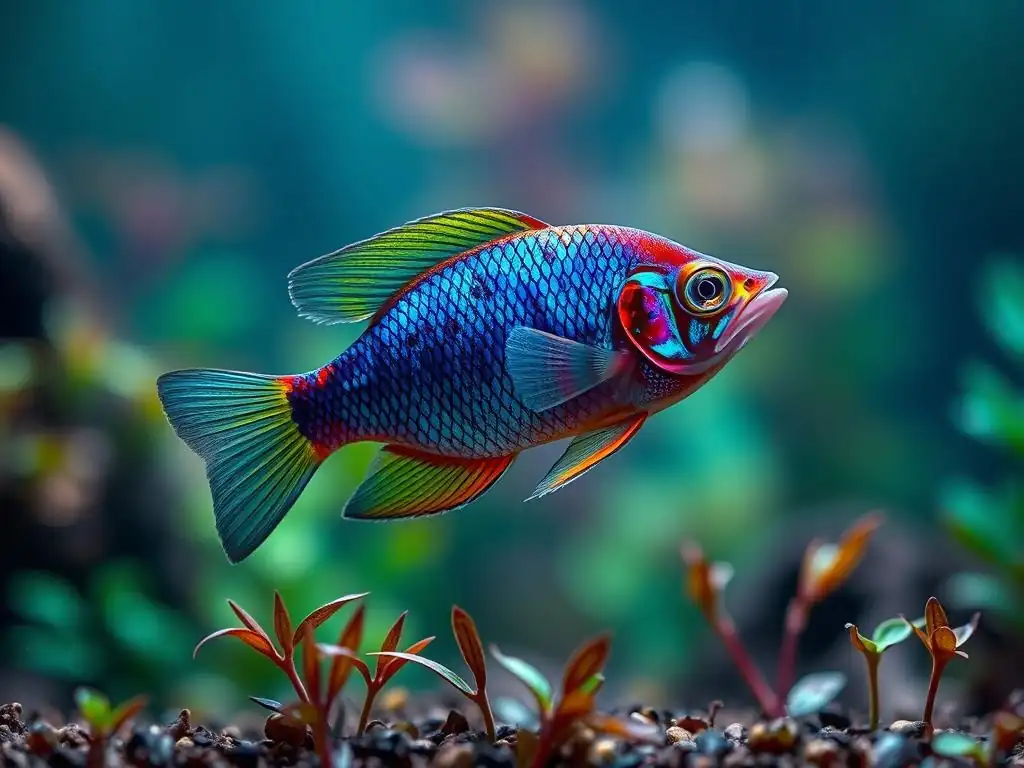
Regular Water Changes: Essential for Nitrate Reduction
Regular water changes are, without question, the most effective and fundamental strategy for dwarf cichlid nitrate control. Since nitrates accumulate in the water, diluting them with fresh, clean water is the most direct way to reduce their concentration. For Apistogramma, a minimum of 25-30% of the tank volume should be replaced weekly. In heavily stocked tanks, or those with higher nitrate production, a 50% bi-weekly change may be more appropriate.
It is crucial to use dechlorinated water that is temperature-matched to the aquarium to prevent shocking the fish. For Apistogramma, who prefer soft, acidic conditions, it's also important to ensure the replacement water doesn't drastically alter the pH or hardness. Consistent adherence to a water change schedule not only lowers nitrates but also replenishes essential minerals and improves overall water quality, significantly contributing to the health of your dwarf cichlids.
Optimizing Aquarium Filtration for Nitrate Control
Effective filtration is critical in dwarf cichlid nitrate control, not just for removing existing nitrates, but for preventing their excessive formation in the first place. A multi-faceted approach to filtration, encompassing mechanical, biological, and sometimes chemical methods, will yield the best results for maintaining a low-nitrate environment for Apistogramma.
Mechanical Filtration and Detritus Removal
Mechanical filtration, typically consisting of sponges, filter floss, or pads, plays a crucial role by physically removing solid waste particles from the water column. This includes uneaten food, fish waste, and decaying plant matter. By trapping these organic materials before they can decompose and enter the nitrogen cycle, mechanical filtration directly reduces the potential for ammonia and, subsequently, nitrate production.
For optimal dwarf cichlid nitrate control, mechanical filter media should be cleaned or replaced regularly – usually weekly or bi-weekly – to prevent the trapped detritus from breaking down within the filter itself. A clogged or dirty mechanical filter can become a source of nitrates rather than a solution, undermining its purpose and contributing to poor water quality.
Biological Filtration: Maintaining a Healthy Bacteria Colony
Biological filtration is the cornerstone of the nitrogen cycle, relying on beneficial bacteria to convert toxic ammonia and nitrites into less harmful nitrates. Media like ceramic rings, bio-balls, and porous sponges provide vast surface areas for these bacterial colonies to colonize and thrive. A robust biological filter ensures that ammonia and nitrites are processed swiftly, preventing dangerous spikes that could severely stress or kill Apistogramma.
While biological filtration produces nitrates, its efficiency in converting the more toxic compounds is paramount for overall water stability, which indirectly supports dwarf cichlid nitrate control. Maintaining a stable environment, avoiding filter crashes, and ensuring adequate oxygenation for these bacteria are critical for the long-term health of your Apistogramma tank.
Chemical Filtration: Nitrate Removing Media
Chemical filtration, specifically nitrate-removing media, can be a valuable supplementary tool in dwarf cichlid nitrate control, though it should not replace regular water changes. Products such as specialized resins (e.g., Purigen, Seachem de*nitrate) or zeolite-based media are designed to either absorb nitrates directly or provide an anaerobic environment for denitrifying bacteria.
These media can be particularly useful during initial tank cycling, for tanks with persistent nitrate issues, or when preparing for breeding Apistogramma where ultra-low nitrate levels are desired. However, they typically have a finite capacity and require regeneration or replacement, adding to the ongoing maintenance of the aquarium. Always follow the manufacturer's instructions for optimal use and longevity.
Planted Aquariums: Natural Nitrate Reduction with Live Plants
A heavily planted aquarium offers one of the most natural and effective methods for dwarf cichlid nitrate control. Live plants actively absorb nitrates from the water column, utilizing them as a primary nutrient for their growth. This biological uptake directly removes nitrates, preventing their accumulation and contributing to a healthier, more stable environment for sensitive Apistogramma.
Beyond nitrate absorption, plants also provide essential cover and a sense of security for shy Apistogramma, reducing stress and encouraging natural behaviors. A thriving planted tank mimics their natural habitat more closely, further enhancing their well-being and resilience against environmental stressors.
Selecting Plants Effective at Nitrate Uptake
For efficient nitrate removal, choose fast-growing aquatic plants that readily absorb nutrients from the water. Excellent choices include floating plants such as Frogbit ( Limnobium laevigatum), Duckweed ( Lemna minor), and Water Lettuce ( Pistia stratiotes), which have direct access to atmospheric CO2 and light, facilitating rapid growth and nitrate consumption. Submerged fast-growers like Hornwort ( Ceratophyllum demersum), Anacharis ( Egeria densa), and Water Sprite ( Ceratopteris thalictroides) are also highly effective.
Even slower-growing plants like various Cryptocoryne species or certain sword plants will contribute to nitrate uptake over time. The key is to have a sufficient biomass of healthy, actively growing plants to make a significant impact on dwarf cichlid nitrate control.
Promoting Plant Growth for Nitrate Removal
To maximize plants' ability to remove nitrates, it's essential to provide them with optimal growth conditions. This includes adequate lighting, which is crucial for photosynthesis, and a source of carbon, often from CO2 injection systems or liquid carbon supplements. Additionally, a nutrient-rich substrate or regular dosing of liquid fertilizers containing trace elements will support robust plant growth.
Healthy, vigorously growing plants are far more efficient at nitrate uptake than struggling ones. Regular pruning of fast-growing species will encourage new growth and maintain their nitrate-consuming capacity. By ensuring your plants are thriving, you create a powerful natural filtration system that significantly aids in dwarf cichlid nitrate control, contributing to a pristine environment for your Apistogramma.
Feeding Management: Minimizing Nitrate Production
Proper feeding practices are paramount in dwarf cichlid nitrate control, as uneaten food is a primary source of organic waste that rapidly breaks down into ammonia and subsequently nitrates. Overfeeding is one of the most common mistakes in aquarium keeping and a direct contributor to elevated nitrate levels, particularly in sensitive setups like Apistogramma tanks.
Careful attention to the quantity and quality of food provided can drastically reduce the organic load on your filtration system, making it easier to maintain the low nitrate levels that Apistogramma require for optimal health and breeding success.
Avoiding Overfeeding Apistogramma
Apistogramma have relatively small stomachs and do not require large quantities of food. The general rule of thumb is to feed only what they can consume entirely within 2-3 minutes. For dwarf cichlids, it's often better to offer very small portions two to three times a day rather than one large meal. This approach ensures that all food is eaten, minimizing waste that could decay and contribute to nitrate buildup.
Any uneaten food should be promptly removed from the tank using a fine net or siphon. By rigorously avoiding overfeeding, you significantly reduce the initial organic load, thereby making dwarf cichlid nitrate control much more manageable and preventing unnecessary stress on your fish.
Choosing Quality, Easily Digestible Food
The type of food you offer also influences nitrate production. High-quality, easily digestible foods result in less waste. Opt for premium flake foods, small pellets, and a variety of frozen or live foods such as bloodworms, brine shrimp, daphnia, and grindal worms. These provide excellent nutrition for Apistogramma while producing less solid waste compared to cheaper, filler-laden foods.
A varied diet not only contributes to the overall health and vibrancy of your Apistogramma but also ensures that the waste they produce is more manageable for your filtration system. By feeding high-quality, digestible foods in appropriate quantities, you are taking a proactive step in minimizing nitrate production and enhancing your dwarf cichlid nitrate control strategy.
Maintaining Stable Tank Parameters for Nitrate Control
While temperature, pH, and water hardness do not directly cause nitrate production, maintaining stable parameters is crucial for dwarf cichlid nitrate control. Fluctuations in these parameters can severely stress Apistogramma, weakening their immune systems and making them more susceptible to the negative effects of even moderate nitrate levels. Stability contributes to a resilient ecosystem where fish are better equipped to handle environmental stressors.
Temperature and pH Stability
Apistogramma thrive in stable water temperatures, typically between 75-82°F (24-28°C), and slightly acidic to neutral pH levels, ideally ranging from 6.0 to 7.0. Sudden swings in temperature or pH can cause immense stress, leading to a compromised immune system and increased susceptibility to disease. When fish are stressed, their metabolic processes can be affected, potentially leading to more waste production and a reduced ability to cope with pollutants.
Maintaining consistent temperature and pH values creates a stable environment where beneficial bacteria in the filter can also function optimally, ensuring efficient processing of ammonia and nitrites. This indirectly supports dwarf cichlid nitrate control by preventing the precursor compounds from accumulating.
Water Hardness and Nitrate
Apistogramma prefer soft water with low general hardness (GH) and carbonate hardness (KH). While water hardness itself doesn't directly influence nitrate levels, maintaining the appropriate hardness for these species is vital for their overall health and stress levels. If fish are kept in water parameters outside their preferred range, they experience chronic stress.
Stressed fish are more vulnerable to the effects of nitrates and other pollutants. Therefore, ensuring the water hardness is suitable for Apistogramma is an integral part of creating a holistic environment that supports their well-being and their ability to tolerate, or ideally avoid, any nitrate-related issues. This contributes to the comprehensive approach to dwarf cichlid nitrate control.
Monitoring Nitrate Levels: Testing Your Apistogramma Tank Water
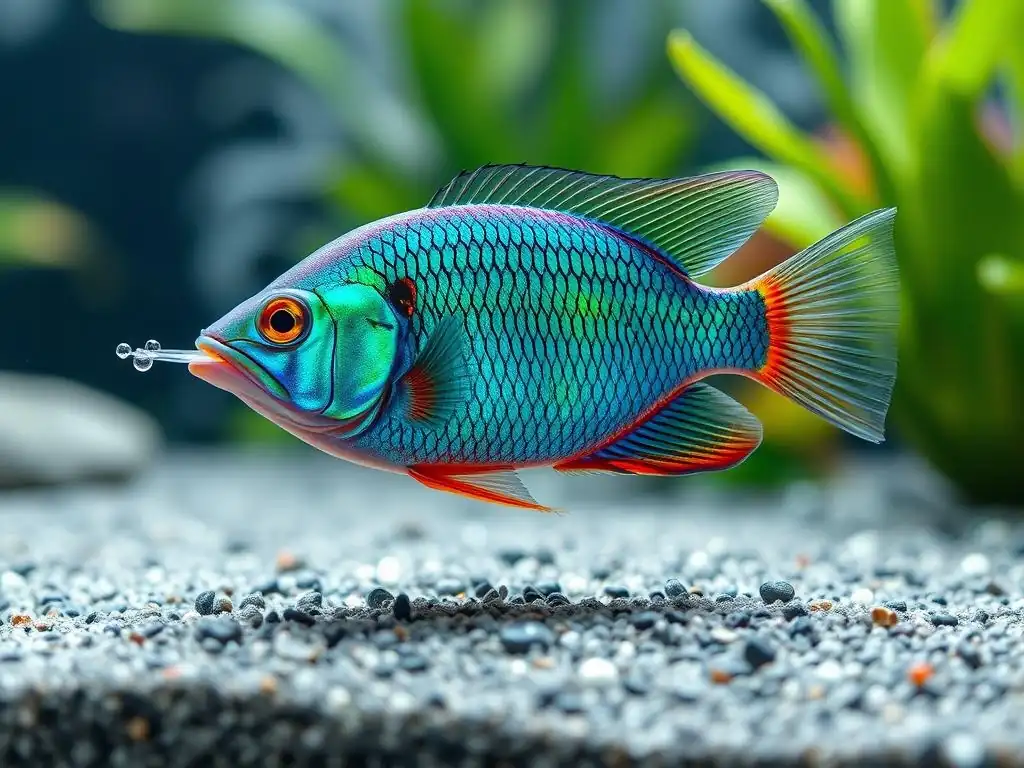
Consistent and accurate monitoring of nitrate levels is an indispensable part of successful dwarf cichlid nitrate control. Without regular testing, you are operating blindly, unable to proactively address rising nitrate concentrations before they adversely affect your sensitive Apistogramma. Routine testing allows you to track trends, assess the effectiveness of your maintenance routines, and make informed decisions to maintain optimal water quality.
Selecting a Reliable Nitrate Test Kit
For Apistogramma keepers, liquid reagent test kits are far superior to test strips for measuring nitrate levels. Brands like API Freshwater Master Test Kit, Salifert, or Seachem offer highly accurate and reliable liquid kits that provide precise readings. These kits typically involve mixing water samples with various reagents and comparing the resulting color to a chart.
When purchasing a test kit, always check the expiration date, as expired reagents can give inaccurate results. Investing in a quality liquid test kit is a small but crucial investment that pays dividends in the health and longevity of your Apistogramma, forming the backbone of effective dwarf cichlid nitrate control.
Accurate Nitrate Testing Procedures
To ensure accurate nitrate test results, it is essential to follow the kit's instructions precisely. This often involves specific shaking times for reagents, precise water sample volumes, and waiting for a specified reaction time before reading the results. Inconsistent procedures can lead to misleading readings, potentially causing you to misdiagnose or overlook nitrate issues.
Perform tests at regular intervals, such as weekly or bi-weekly, at the same time of day. This consistency helps establish a baseline and allows you to detect any rising trends early. Always use the same lighting conditions when comparing the color to the chart for the most accurate interpretation. Diligent adherence to these procedures is fundamental for reliable dwarf cichlid nitrate control.
Interpreting Nitrate Test Results: Acceptable Levels for Apistogramma
Interpreting nitrate test results specifically for Apistogramma requires a stricter standard than for many other aquarium fish. While some hardy species can tolerate up to 40 ppm, Apistogramma are far more sensitive. An ideal nitrate level for Apistogramma is between 0-5 ppm. Levels of 5-10 ppm are generally acceptable, but indicate that your dwarf cichlid nitrate control methods are working, but could be optimized.
Levels between 10-20 ppm should be considered concerning for Apistogramma and warrant immediate action, such as a water change. Any reading above 20 ppm is dangerous and requires urgent, significant intervention to prevent severe stress, illness, or even death. Always strive to keep nitrates as low as possible for these delicate and beautiful cichlids.
Long-Term Strategies for Low Nitrate Aquariums
Achieving and maintaining consistently low nitrate levels for Apistogramma requires a proactive, long-term approach rather than simply reacting to high readings. Implementing regular maintenance routines and understanding the delicate balance of your aquarium's ecosystem are crucial for effective dwarf cichlid nitrate control. These strategies aim to prevent nitrate buildup from the source, ensuring a stable and healthy environment for your fish.
Regular Gravel Vacuuming and Substrate Maintenance
Regular gravel vacuuming is a cornerstone of preventing nitrate accumulation. Uneaten food, fish waste, and decaying plant matter settle into the substrate, where they decompose and contribute significantly to the nitrogen cycle, ultimately producing nitrates. By siphoning out this detritus during water changes, you are physically removing a major source of organic pollutants before they can break down.
For Apistogramma tanks, which often feature fine sand substrates, careful vacuuming is essential to avoid disturbing the beneficial bacterial colonies within the sand while still effectively removing surface debris. Aim to vacuum a portion of the substrate weekly or bi-weekly, depending on stocking levels and the amount of visible detritus. This proactive measure drastically reduces the organic load and significantly aids in dwarf cichlid nitrate control.
Maintaining a Balanced Bio-Load
The "bio-load" refers to the total amount of biological waste produced by the inhabitants of your aquarium. A balanced bio-load means that the amount of waste produced is manageable by your filtration system and maintenance routine without leading to excessive nitrate buildup. Overloading the tank with too many fish, or fish that produce large amounts of waste, will inevitably lead to high nitrate levels that are difficult to control.
For Apistogramma, which are relatively small but territorial, it's important to consider not only their physical size but also their waste output and territorial needs when stocking. Maintaining a balanced bio-load is a fundamental principle of effective dwarf cichlid nitrate control, ensuring that your tank's ecosystem can naturally cope with the waste produced.
Avoiding Overstocking Apistogramma Tanks
Overstocking is one of the most common causes of persistent high nitrate levels and general water quality issues. More fish mean more waste, which directly translates to higher ammonia, nitrite, and ultimately, nitrate production. While Apistogramma are small, their sensitivity to water quality and their territorial nature mean they require more space per fish than many other species.
A general guideline might suggest one inch of fish per gallon, but for Apistogramma, being more generous is always better. For example, a single pair of Apistogramma might be comfortable in a 15-20 gallon tank, but adding more fish rapidly increases the bio-load beyond what the tank can easily manage. Avoiding overstocking is a simple yet profoundly effective strategy for long-term dwarf cichlid nitrate control and overall fish health.
Troubleshooting Nitrate Issues in Apistogramma Aquariums
Despite best efforts, nitrate levels can sometimes spike unexpectedly or remain stubbornly high. When this happens, a systematic approach to troubleshooting is essential to identify the root cause and implement effective solutions. Rapid response is particularly critical for sensitive Apistogramma, as they can quickly succumb to the stress of elevated nitrates.
Addressing Sudden Nitrate Spikes
A sudden, significant increase in nitrate levels in an Apistogramma tank requires immediate action. The primary response should be a large water change, typically 50-75% of the tank volume, performed carefully to match temperature and pH, and using thoroughly dechlorinated water. This rapidly dilutes the nitrates, providing immediate relief to the fish.
After the emergency water change, investigate the cause of the spike. Common culprits include a deceased fish, a filter malfunction (e.g., power outage, clogged filter), excessive overfeeding, or a large amount of decaying plant matter. Addressing the underlying issue is crucial to prevent future spikes and maintain effective dwarf cichlid nitrate control.
Identifying the Source of High Nitrate Levels
If nitrate levels are consistently high despite regular maintenance, a detective approach is needed to identify the source. First, re-evaluate your feeding regimen: are you overfeeding, or is food accumulating in the substrate? Next, assess your water change schedule: is it frequent and large enough for your tank's bio-load? Also, check your tap water; some municipal water supplies naturally contain nitrates, which can be a hidden source.
Inspect your filtration system for efficiency and cleanliness, ensuring mechanical media isn't saturated with detritus and biological media is functioning. Finally, look for any decaying organic matter, such as dead fish or plants, hidden within the tank or filter. Pinpointing the source is key to implementing targeted dwarf cichlid nitrate control solutions.
When to Perform Large Water Changes
Large water changes (50% or more) are powerful tools in dwarf cichlid nitrate control but should be used judiciously. They are necessary when nitrate levels exceed 20 ppm for Apistogramma, or if fish show clear signs of nitrate toxicity (lethargy, clamped fins, rapid breathing). They are also appropriate after a filter crash, a significant period of overfeeding, or if a large amount of organic matter has decomposed in the tank.
While effective, large water changes can also be stressful if not performed correctly. Always ensure the replacement water is temperature-matched and properly dechlorinated, and consider adding a stress coat product. For ongoing maintenance, smaller, more frequent water changes (e.g., 25-30% weekly) are generally preferred to avoid parameter swings and provide consistent dwarf cichlid nitrate control.
Substrate Selection for Nitrate Management in Apistogramma Tanks
The choice of substrate in an Apistogramma aquarium is more than just an aesthetic decision; it plays a significant role in the overall water chemistry and can directly influence nitrate management. Given Apistogramma's preference for soft, fine substrates for digging and sifting, selecting the right type can either aid in or hinder your dwarf cichlid nitrate control efforts.
Substrate Composition and its Influence on the Nitrogen Cycle
Fine sand or very fine gravel (e.g., 1-2mm grain size) is generally preferred for Apistogramma, as it allows them to exhibit natural digging and sifting behaviors without damaging their delicate mouths. This type of substrate also tends to compact more, limiting the accumulation of detritus deep within it, which can reduce the amount of organic matter breaking down into nitrates.
Conversely, coarse gravel allows significant amounts of uneaten food and waste to fall between the pieces and accumulate, creating anaerobic pockets where decomposition can lead to nitrate production. While not directly influencing the nitrogen cycle's bacterial processes, the substrate's ability to trap or release detritus has a profound indirect effect on the overall nitrate load and the ease of dwarf cichlid nitrate control.
Anaerobic Bacteria and Nitrate Reduction in the Substrate
In deeper layers of fine substrate, particularly in setups like deep sand beds (DSBs), oxygen levels become depleted, creating an anaerobic environment. In these oxygen-deprived zones, a different type of bacteria, known as denitrifying bacteria, can thrive. These bacteria perform an essential step in the nitrogen cycle by converting nitrates (NO3-) into nitrogen gas (N2), which then harmlessly off-gasses from the aquarium.
This natural process of denitrification can significantly contribute to long-term dwarf cichlid nitrate control, especially in heavily planted tanks with suitable substrate depth. However, managing anaerobic zones requires careful attention to avoid the production of harmful hydrogen sulfide gas, which can occur if the anaerobic conditions become too extreme or if the substrate is disturbed improperly.
Advanced Nitrate Control Techniques [Optional]
For dedicated Apistogramma enthusiasts seeking the absolute lowest nitrate levels or for those with persistent nitrate challenges, several advanced techniques can be employed. These methods typically involve more complex setups or a deeper understanding of aquarium chemistry, but they can provide exceptional dwarf cichlid nitrate control beyond standard practices.
Deep Sand Beds and Their Potential Benefits
A deep sand bed (DSB) refers to a substrate layer that is typically 2-4 inches (5-10 cm) or more in depth, composed of fine-grained sand. The primary benefit of a DSB lies in its ability to foster anaerobic zones within its lower layers. In these oxygen-deprived areas, denitrifying bacteria can thrive, converting nitrates into harmless nitrogen gas through a process called denitrification.
This natural biological process provides a continuous, passive method of nitrate removal, significantly contributing to dwarf cichlid nitrate control without constant manual intervention. While effective, DSBs require careful setup to ensure proper water flow and oxygen gradients, preventing the formation of toxic hydrogen sulfide. Once established, they can offer remarkable stability and ultra-low nitrate environments for sensitive Apistogramma.
Denitrators for Advanced Nitrate Removal
Denitrators are specialized aquarium devices designed to create and maintain an anaerobic environment specifically for denitrifying bacteria. These units, which can be internal or external reactors, slowly feed oxygen-rich water into a chamber where oxygen is rapidly consumed by aerobic bacteria, leaving an oxygen-depleted zone for denitrifying bacteria to flourish. Some models utilize a carbon source (like sugar or vinegar) to fuel the bacteria.
While highly effective at actively removing nitrates, denitrators are generally considered an advanced technique due to their cost, complexity, and the need for precise monitoring. They are often employed in large or heavily stocked systems, or for highly sensitive species like Apistogramma where achieving near-zero nitrate levels is paramount and other dwarf cichlid nitrate control methods are insufficient.
The Walstad Method: A Natural Approach to Nitrate Reduction
The Walstad Method, pioneered by Diana Walstad, is a holistic approach to aquarium keeping that emphasizes a heavily planted tank with a soil-based substrate and minimal or no artificial filtration. In this method, live plants are the primary means of nutrient cycling and dwarf cichlid nitrate control. The nutrient-rich soil substrate fuels vigorous plant growth, and these plants efficiently absorb nitrates and other waste products from the water column.
This approach creates a naturally balanced and stable ecosystem that closely mimics natural aquatic environments. For Apistogramma, the Walstad Method can provide an ideal, low-nitrate, and naturally soft-water environment with ample plant cover. It requires patience for establishment and careful stocking, but once mature, it offers a remarkably self-sustaining system for maintaining pristine water quality.
Frequently Asked Questions
How do high nitrate levels specifically impact Dwarf Cichlids?
High nitrates cause stress in Dwarf Cichlids, leading to weakened immune systems and increased susceptibility to disease. They also affect their breeding behavior and overall lifespan.
What is the ideal nitrate level for a Dwarf Cichlid aquarium?
Ideally, nitrate levels should be kept below 20 ppm, and preferably below 10 ppm, for most Dwarf Cichlid species. Regular testing is crucial to maintain these optimal levels.
What are the primary methods for controlling nitrates in a Dwarf Cichlid tank?
The main methods include performing regular water changes, optimizing biological filtration, and using nitrate-reducing media. Planted aquariums can also contribute to nitrate reduction.
How often should I perform water changes to control nitrates in my Dwarf Cichlid aquarium?
Water changes should be performed at least weekly, typically around 25-50% of the tank volume, depending on the bioload and nitrate levels. Consistent testing will help determine the ideal frequency.
Besides water changes, what other long-term strategies can help manage nitrate levels?
Implementing proper feeding practices (avoiding overfeeding), ensuring adequate filtration, and maintaining a healthy plant population are all effective long-term strategies.
Final Reflection: The Delicate Balance of Life
The preceding exploration of nitrate control in dwarf cichlid aquariums highlights more than just water chemistry; it underscores the fragility of ecosystems and the responsibility we bear as caretakers. The delicate balance within these miniature worlds mirrors the larger environmental challenges we face, demanding a proactive approach to maintain harmony and prevent unseen harm. Ignoring the silent stressor of nitrates can have devastating consequences, not just for our fish, but as a metaphor for neglecting the subtler signs of imbalance in any system.
This journey into the nuances of aquarium management has profoundly influenced my understanding of interconnectedness. The meticulous attention required to maintain a healthy environment for these sensitive creatures serves as a constant reminder of the impact our actions have, however small, on the world around us. As the renowned conservationist Baba Dioum wisely stated: In the end, we will conserve only what we love; we will love only what we understand; and we will understand only what we are taught.
This understanding, fostered through careful observation and dedicated learning, is the key to responsible stewardship.
Now, armed with this knowledge of dwarf cichlid nitrate control, I invite you to reflect on the ecosystems you influence, both large and small. Consider the subtle stressors that might be silently impacting the health and vitality of those systems. Take the lessons learned here – the importance of monitoring, proactive intervention, and a deep understanding of interconnectedness – and apply them to your own life, fostering a more balanced and sustainable future for all.
Unleash a Thriving Cichlid Paradise!
Thank you for diving deep into the world of nitrates and dwarf cichlids! We hope you’ve gained a valuable understanding of how to create a healthier, happier environment for your finned friends. Now, let's put that knowledge into action.
- Immediately test your aquarium water for nitrates! This is your crucial first step towards a stress-free haven for your cichlids.
- Share this article with a fellow cichlid enthusiast and spark a conversation about best practices for water quality management.
- Consider starting a dedicated journal to track your aquarium's nitrate levels and corresponding cichlid behavior. Discover patterns and proactively adapt your care routine.
What surprising methods have you discovered for maintaining optimal nitrate levels in your dwarf cichlid aquarium? Share your secrets in the comments below!