
Fairy Wrasses: Dazzling Colors & ReefSafe Behavior – The Ultimate Guide

Welcome to Aquarium Mastery!
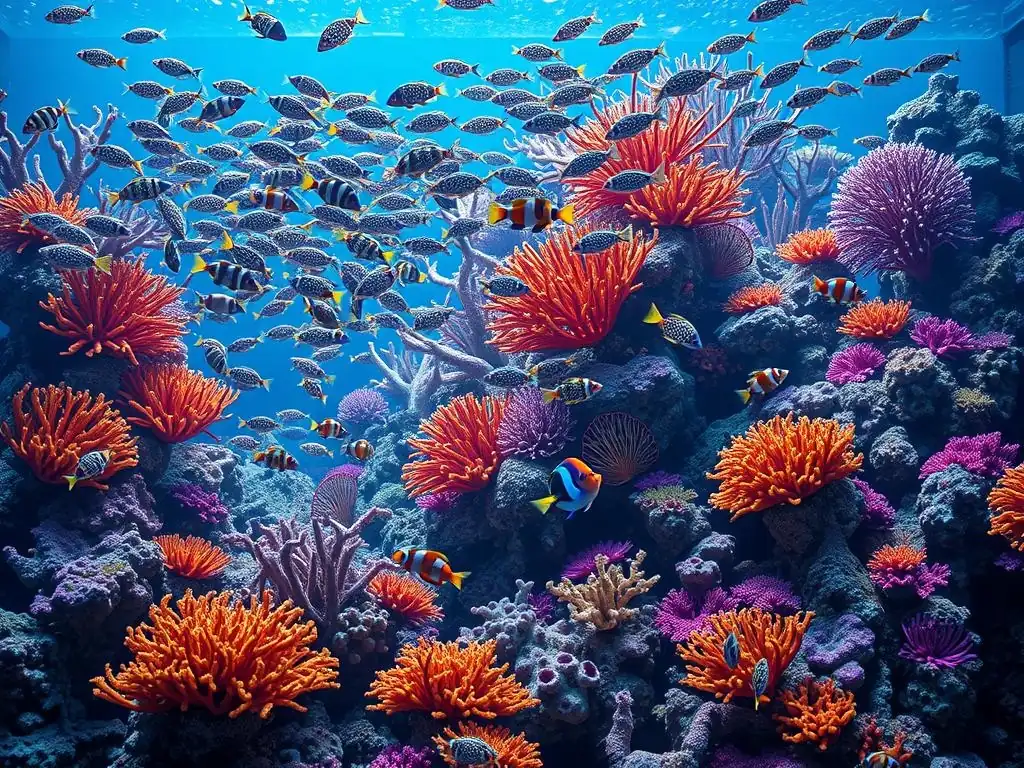
Dive into the vibrant world of reef aquariums with us! Ever wondered if those dazzling fairy wrasses you've seen are truly reef-safe and how to best care for them? Get ready to unlock the secrets to successfully keeping these colorful characters in your reef tank. Discover everything you need to know about their unique needs, compatible tank mates, and how to ensure they thrive. Let's explore the mesmerizing world of Fairy Wrasses together!
- Introduction to Fairy Wrasses for Reef Tanks
- Exploring the Diversity of Fairy Wrasses
- Fairy Wrasse Care: Creating the Ideal Reef Tank Environment
- Fairy Wrasses and Tank Mates: Ensuring Compatibility
- Observing Fairy Wrasse Behavior in the Reef Aquarium
- Preventing and Treating Common Fairy Wrasse Diseases
- The Benefits of Keeping Fairy Wrasses in Your Reef Aquarium
- Troubleshooting Common Issues with Fairy Wrasses in Reef Tanks
- Purchasing Fairy Wrasses: Ethical Considerations and Sourcing
- Advanced Fairy Wrasse Keeping: Breeding and Propagation
- Conclusion: Enjoying the Beauty and Benefits of Fairy Wrasses in Your Reef Tank.
-
Frequently Asked Questions
- What makes Fairy Wrasses a good choice for a reef tank?
- What size tank is recommended for keeping Fairy Wrasses?
- What are the ideal water parameters for a Fairy Wrasse reef tank?
- What type of food do Fairy Wrasses eat, and how often should they be fed?
- What are some common health issues that can affect Fairy Wrasses?
- Final Reflection: A Symphony of Color in Our Reefs
- Dive Deeper: Unleash the Fairy Wrasse Fascination!
Introduction to Fairy Wrasses for Reef Tanks
Why Fairy Wrasses are a Popular Choice for Reef Aquariums
Fairy Wrasses, primarily from the genus Cirrhilabrus, stand out as a premier choice for enthusiasts building a vibrant and dynamic reef aquarium. Their unparalleled aesthetic appeal is a major draw, boasting a kaleidoscope of iridescent blues, greens, reds, and yellows that shimmer under aquarium lighting.
These active swimmers constantly dart through the mid-water column and around rockwork, providing continuous visual interest and a sense of liveliness to any Fairy wrasses reef tank. Their typically small to medium size, ranging from approximately 2 to 6 inches depending on the species, also makes them adaptable to a variety of tank dimensions, from moderately sized setups to expansive reef systems.
Beyond their stunning coloration, Fairy Wrasses are highly valued for their generally peaceful temperament. This disposition allows them to coexist harmoniously with a wide array of other reef-safe fish and invertebrates, integrating seamlessly into a diverse community. Unlike some other wrasse species, they do not typically harass or predate upon corals, making them an ideal inhabitant for mixed reef aquariums housing delicate SPS, LPS, and soft corals. Their contribution to the overall biodiversity and visual dynamics of a healthy reef ecosystem is significant, enriching the aquarist's experience with their beauty and gentle nature.
Understanding Reef Compatibility and Fairy Wrasse Behavior
Reef compatibility, in the context of marine fish, refers to a species' ability to coexist with corals and various invertebrates without causing harm or predation. Fairy Wrasses are renowned for their exceptional reef-safe qualities, a critical factor for their widespread popularity among reef aquarists. They primarily feed on small zooplankton and benthic invertebrates found in the water column and on live rock, rather than nipping at coral polyps or consuming desirable cleanup crew members like snails and hermit crabs. This makes them a cornerstone species for maintaining the delicate balance of a thriving Fairy wrasses reef tank.
Observing Fairy Wrasse behavior reveals them to be diurnal fish, meaning they are active during the day and typically seek shelter within the rockwork at night. They are constant, graceful swimmers, often cruising along the front glass or weaving through intricate aquascapes. While generally peaceful, males can exhibit territorial behavior, especially towards other males of the same or very similar species, particularly during courtship displays. This characteristic highlights the importance of careful species selection and adequate tank size when planning a multi-wrasse or mixed-species Fairy wrasses reef tank to ensure a harmonious environment.
Exploring the Diversity of Fairy Wrasses
A Look at Popular Fairy Wrasse Species for Reef Aquariums
The Flame Fairy Wrasse (Cirrhilabrus jordani): A Fiery Reef Addition
The Flame Fairy Wrasse, Cirrhilabrus jordani, is one of the most iconic and sought-after species in the Cirrhilabrus genus, aptly named for its fiery, vibrant coloration. Males typically display an intense, uniform red or orange body, often accented with brilliant blue lines or markings on their fins, and sometimes a yellow tail, making them an undeniable focal point in any Fairy wrasses reef tank.
Growing to an average size of about 4 inches (10 cm), this species is a moderately sized wrasse, fitting comfortably into a range of reef systems. Its temperament is generally peaceful, and its active swimming habit adds constant motion and a splash of vivid color to the aquarium.
When considering C. jordani for a reef tank, it's important to provide a minimum tank size of 50 gallons (190 liters) to accommodate its swimming needs and potential territorial displays, especially if housing multiple individuals or a male with females. They thrive in pristine water conditions, mirroring the stable parameters required for corals: a specific gravity of 1.023-1.025, temperature range of 74-78°F (23.3-25.5°C), and a pH of 8.1-8.4.
Compared to some more delicate wrasse species, the Flame Fairy Wrasse is considered relatively hardy, making it an excellent choice for both experienced aquarists and those new to keeping Fairy wrasses in reef tanks.
The Yellowtail Fairy Wrasse (Cirrhilabrus flavidorsalis): A Vibrant Choice
The Yellowtail Fairy Wrasse, Cirrhilabrus flavidorsalis, offers a breathtaking display of iridescent blues, greens, and purples across its body, strikingly contrasted by a distinct, bright yellow tail. This species typically reaches an adult size of approximately 3.5 to 4 inches (9-10 cm), making it a compact yet highly visible addition to a reef aquarium. Its constant, graceful movement and the way its colors shift under different lighting conditions make it a truly mesmerizing inhabitant. The Yellowtail Fairy Wrasse's unique color pattern, combining cool body tones with a warm tail, ensures it stands out amidst other reef inhabitants.
Highly suitable for a Fairy wrasses reef tank, C. flavidorsalis is known for its peaceful nature, making it an excellent community fish. It rarely exhibits aggression towards tank mates, though males may posture towards other male Cirrhilabrus species if tank space is limited.
They adapt well to captive diets, readily accepting a variety of high-quality marine-based frozen foods such as mysis shrimp, enriched brine shrimp, and finely chopped seafood, as well as marine flakes and pellets. Their adaptability and vibrant appearance make them a popular choice for aquarists seeking a lively and colorful addition that integrates seamlessly into a well-established reef environment.
The Scott's Fairy Wrasse (Cirrhilabrus scottorum): A Hardy Option
The Scott's Fairy Wrasse, Cirrhilabrus scottorum, is celebrated for its robust nature and striking, albeit variable, coloration, making it a highly desirable and relatively hardy option for a Fairy wrasses reef tank. Its appearance can vary significantly depending on its geographic origin and individual specimen, often featuring a base color of green or blue, adorned with intricate patterns of red, orange, or yellow lines, spots, and finnage.
This species is one of the larger fairy wrasses, capable of reaching up to 5-6 inches (12-15 cm) in length, which necessitates a more spacious aquarium, ideally 75 gallons (280 liters) or larger, to provide ample swimming room and reduce potential territorial disputes.
Despite its larger size, C. scottorum generally maintains a peaceful disposition towards most other fish species. However, males can be more assertive than smaller Cirrhilabrus species, particularly when establishing territories or interacting with other male wrasses.
Its resilience and adaptability to captive conditions make it an excellent choice for aquarists looking for a long-lived and visually impactful wrasse that can withstand minor fluctuations better than some of its more delicate relatives. Providing plenty of live rock with numerous hiding spots and open swimming areas is crucial for its well-being, allowing it to exhibit its natural behaviors and thrive in the Fairy wrasses reef tank.
Lesser-Known but Equally Stunning Fairy Wrasse Varieties
Beyond the commonly imported species, the Cirrhilabrus genus boasts an incredible array of lesser-known but equally captivating fairy wrasse varieties that captivate advanced aquarists and collectors. Species like the Pintail Fairy Wrasse ( Cirrhilabrus lanceolatus), with its exceptionally long, pointed tail and often subtle yet intricate patterns, or the Rhomboid Fairy Wrasse ( Cirrhilabrus rhomboidalis), prized for its diamond-shaped body and shimmering, often bluish-purple hues, represent the pinnacle of rarity and beauty.
These species are typically found in deeper waters and are collected less frequently, resulting in higher price points due to their scarcity and the specialized techniques required for their capture. Their unique features, such as distinct fin shapes, rare color combinations, and often larger adult sizes, make them highly sought after by those looking to add a truly unique specimen to their Fairy wrasses reef tank.
Keeping these rarer fairy wrasse varieties often comes with specific considerations that differentiate them from their more common counterparts. Many of these species may originate from deeper water environments, implying a need for more stable and pristine water conditions, potentially lower lighting, and a very calm tank environment to minimize stress. Their diets might also be more specialized, requiring a consistent supply of high-quality, varied frozen foods and even live feeds to ensure proper nutrition and acclimation.
Due to their value and often delicate nature post-collection, a rigorous quarantine process is even more critical. Despite these challenges, successfully maintaining these exquisite wrasses in a dedicated Fairy wrasses reef tank is a testament to an aquarist's skill and commitment, offering unparalleled visual rewards.
Fairy Wrasse Care: Creating the Ideal Reef Tank Environment
Tank Size and Setup for Optimal Fairy Wrasse Health
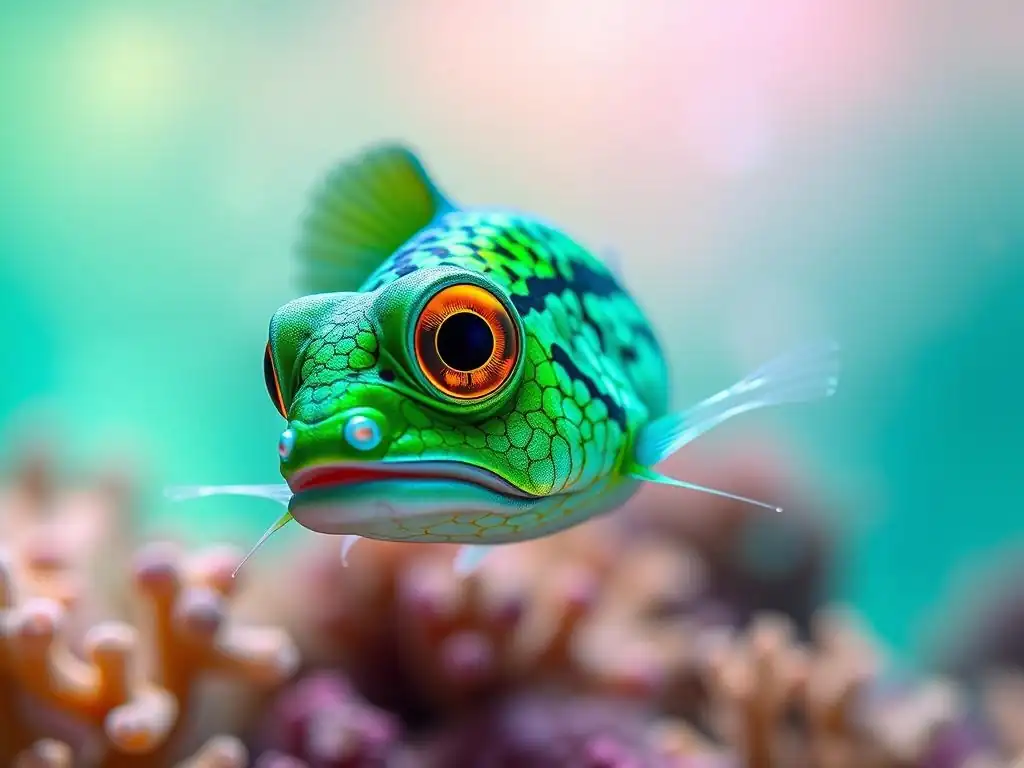
Providing an appropriately sized aquarium is fundamental for the long-term health and well-being of Fairy Wrasses. While smaller species like Lubbock's Fairy Wrasse ( Cirrhilabrus lubbocki) might thrive in a 30-gallon (115-liter) reef tank, larger species such as Scott's Fairy Wrasse ( Cirrhilabrus scottorum) or the Rhomboid Fairy Wrasse require a minimum of 50-75 gallons (190-280 liters) to accommodate their swimming patterns and potential adult size.
For aquarists planning to keep multiple Fairy Wrasses, particularly a group or a male with a harem of females, a tank of 75-100 gallons (280-380 liters) or larger is highly recommended. This increased volume provides ample swimming space, helps diffuse potential aggression between males, and contributes to greater water stability.
The physical setup of the Fairy wrasses reef tank is equally crucial. Abundant live rock aquascaping, creating numerous caves, crevices, and overhangs, is essential. These structures provide vital hiding spots, which wrasses utilize for security, especially when newly introduced or during nighttime resting periods.
While Fairy Wrasses do not typically bury themselves in the substrate like some other wrasse species, a sand bed is still beneficial for overall reef tank aesthetics and biological filtration. Most importantly, a tightly fitting lid or cover is non-negotiable. Fairy Wrasses are notorious jumpers, capable of leaping out of even small openings, making a secure top a critical safety measure to prevent escape.
Water Parameters: Maintaining a Pristine Reef Environment
Maintaining stable and pristine water parameters is paramount for the health and vibrant coloration of Fairy Wrasses in a reef environment. These fish, like most marine inhabitants, are sensitive to fluctuations and poor water quality.
Ideal parameters for a Fairy wrasses reef tank generally align with those required for a thriving coral system: a stable specific gravity of 1.023-1.025, a consistent temperature range of 74-78°F (23.3-25.5°C), and a pH level between 8.1 and 8.4. Additionally, maintaining optimal levels of alkalinity (8-12 dKH), calcium (400-450 ppm), and magnesium (1200-1350 ppm) is vital, not only for the corals but also for the overall biological stability that benefits the fish.
Beyond these core parameters, diligent water management is crucial. Regular water changes, typically 10-20% bi-weekly or 5-10% weekly, are essential for replenishing trace elements and removing accumulated nitrates and phosphates. A robust filtration system, including a high-quality protein skimmer, ample live rock, and potentially a refugium, will significantly contribute to maintaining low nutrient levels and clear water. Fairy Wrasses are active feeders, and efficient waste removal is necessary to prevent water quality degradation. Consistently monitoring parameters with reliable test kits and promptly addressing any deviations will ensure a healthy and stress-free environment for your Fairy wrasses in reef tanks.
Diet and Feeding: Ensuring Proper Nutrition for Fairy Wrasses
Recommended Foods for Fairy Wrasses
Fairy Wrasses are primarily carnivorous, with a natural diet consisting largely of small invertebrates, copepods, amphipods, and other zooplankton in their wild habitats. To replicate this in a captive Fairy wrasses reef tank, a varied and nutrient-rich diet is essential for their long-term health and to maintain their dazzling colors. High-quality marine-based flakes and pellets specifically formulated for carnivorous marine fish should form a staple part of their diet.
However, frozen foods are critical for providing the necessary protein and fat content. Excellent choices include mysis shrimp, enriched brine shrimp, copepods, and finely chopped seafood such as squid, scallops, or shrimp.
To further enhance their nutritional intake, consider offering live foods occasionally, such as enriched copepods or newly hatched brine shrimp, which can also stimulate their natural hunting instincts. Many aquarists find success by soaking frozen foods in a vitamin supplement (e.g., Selcon) before feeding, which boosts the nutritional value and helps prevent vitamin deficiencies. Providing a diverse array of foods ensures that your Fairy Wrasses receive all the necessary vitamins, minerals, and amino acids required for robust health, vibrant coloration, and a strong immune system within the dynamic environment of a Fairy wrasses reef tank.
Feeding Schedule and Techniques
Due to their active metabolism and continuous swimming, Fairy Wrasses benefit from frequent, small feedings throughout the day rather than one large meal. A recommended feeding schedule involves offering food 2-3 times per day. This mimics their natural grazing behavior in the wild, where they constantly seek out small food particles. When feeding, observe their response to ensure all individuals are getting enough food, as shyer or newly introduced wrasses might be outcompeted by more aggressive tank mates. Broadcasting food across the water surface is a common technique, allowing active swimmers to catch particles as they drift.
For very shy individuals or to ensure specific wrasses receive adequate nutrition, target feeding with a specialized tool can be employed. However, most Fairy Wrasses are bold eaters once settled. It's crucial to avoid overfeeding, as excess food can rapidly degrade water quality, leading to increased nitrates and phosphates, which are detrimental to both fish and corals in a Fairy wrasses reef tank.
Instead, offer only what they can consume within 2-3 minutes. If you notice uneaten food settling on the substrate, reduce the quantity or frequency of future feedings. Patience is key when introducing new foods, as some wrasses may initially be hesitant to try unfamiliar items.
Fairy Wrasses and Tank Mates: Ensuring Compatibility
Choosing the Right Tank Mates for Fairy Wrasses in a Reef Setting
Selecting appropriate tank mates is paramount to ensuring a peaceful and thriving Fairy wrasses reef tank. Fairy Wrasses are generally peaceful and will coexist well with a wide range of marine fish. Good choices include other small to medium-sized, peaceful to semi-aggressive species that won't bully or outcompete them for food. Ideal companions often include various tangs (e.g., Yellow Tang, Kole Tang), clownfish, gobies (like Watchman Gobies or Pistol Shrimp Gobies), blennies (e.g., Lawnmower Blennies), cardinalfish, and anthias. These species typically occupy different niches within the water column, minimizing direct competition and promoting a balanced ecosystem.
When considering other wrasse species, caution is advised. While Fairy Wrasses are generally compatible with wrasses from different genera (e.g., Flasher Wrasses, Leopard Wrasses), mixing multiple male Cirrhilabrus species in tanks smaller than 100 gallons can lead to aggression and territorial disputes, especially if the species are visually similar.
It is generally recommended to keep only one male Fairy Wrasse per species unless the tank is exceptionally large or you are aiming for a specific harem setup with one male and multiple females of the same species. Introducing multiple females of the same species to a single male can often create a stable and harmonious social dynamic within the Fairy wrasses reef tank.
Fish to Avoid: Incompatible Tank Mates for Fairy Wrasses
To maintain a stress-free environment for your Fairy Wrasses, it is crucial to avoid introducing tank mates that are overly aggressive, predatory, or highly competitive. Large predatory fish such as lionfish, groupers, or large moray eels will view Fairy Wrasses as potential prey. Similarly, highly aggressive species like some large triggerfish (e.g., Clown Triggerfish, Queen Triggerfish) or certain large angelfish can harass, nip at, or even injure the more docile Fairy Wrasses. Even seemingly smaller, but notoriously aggressive, fish like certain damselfish species can become problematic, constantly nipping or chasing, leading to chronic stress and illness in the wrasses.
Furthermore, avoid extremely fast or hyper-aggressive feeders that will consistently outcompete Fairy Wrasses for food, leading to malnutrition and weakened immune systems. While Fairy Wrasses are active feeders, they can be outmaneuvered by highly voracious species. Some species of dottybacks, known for their territorial and aggressive nature, can also pose a threat to the peaceful wrasses, especially in smaller tanks. Thorough research into the temperament and adult size of any potential tank mate is essential to prevent conflicts and ensure the long-term well-being of all inhabitants in your Fairy wrasses reef tank.
Invertebrate Compatibility: Reef-Safe Considerations
One of the most significant advantages of keeping Fairy Wrasses in a reef aquarium is their exceptional compatibility with a vast array of invertebrates and corals. They are widely regarded as truly "reef-safe" fish, meaning they do not typically nip at, consume, or otherwise bother corals, including delicate SPS (small polyp stony), LPS (large polyp stony), and soft corals. This makes them an ideal choice for aquarists who prioritize a thriving and diverse coral display in their Fairy wrasses reef tank. You can confidently introduce Fairy Wrasses into systems housing prized corals, knowing they will not cause damage.
Furthermore, Fairy Wrasses are generally safe with most common cleanup crew members and ornamental invertebrates. This includes snails (like turbo snails, nassarius snails), hermit crabs, starfish (e.g., sand sifting starfish), and most types of shrimp (e.g., cleaner shrimp, peppermint shrimp, blood shrimp). They do not typically predate on these larger invertebrates.
A very rare exception could be extremely tiny, delicate ornamental shrimp, such as "sexy shrimp" ( Thor amboinensis), which might occasionally be perceived as food by larger, more boisterous wrasse species, but this is highly uncommon and not a general concern. Overall, their non-destructive nature towards the invertebrate population solidifies their status as one of the best choices for a mixed Fairy wrasses reef tank.
Observing Fairy Wrasse Behavior in the Reef Aquarium
While Fairy Wrasses are often kept as single specimens or in a male-female pair, in very large aquariums (typically 100 gallons or more), they can form loose aggregations or "schools," particularly when multiple females are kept with a single dominant male. Within such a group, clear social dynamics emerge. The male will often display intensified coloration and engage in elaborate "flashing" behaviors to assert dominance and attract females, especially during periods of high activity or courtship. Females typically exhibit less vibrant colors and generally coexist peacefully, forming a hierarchy among themselves.
Observing these social interactions provides fascinating insights into their natural behavior. However, it's crucial to monitor the group for signs of undue stress or aggression, particularly if multiple males of similar species are introduced into an insufficiently sized Fairy wrasses reef tank. Signs of stress can include faded colors, clamped fins, or excessive hiding.
If aggression escalates beyond occasional posturing, such as constant chasing or nipping, it may indicate that the tank is too small or that the male-to-female ratio needs adjustment. Understanding these dynamics is key to ensuring a harmonious and healthy environment for your Fairy wrasses in reef tanks.
Courtship and Spawning Behavior of Fairy Wrasses
One of the most captivating behaviors to witness in a healthy and well-adjusted Fairy wrasses reef tank is their courtship and spawning ritual. Males, in particular, undergo a dramatic transformation during courtship, intensifying their already vibrant colors to an almost electric brilliance. This phenomenon, often referred to as "flashing," involves the male rapidly changing his coloration and extending his fins in an elaborate display designed to attract a female. He will often swim in a distinct, undulating pattern, sometimes circling the female or leading her towards the water surface.
Spawning itself is a rapid and energetic event. The male and female will typically engage in a swift "spawning rush," ascending rapidly towards the water surface side-by-side. At the apex of their ascent, they release a cloud of eggs and sperm, which are then dispersed into the water column.
This process is incredibly quick, often lasting only a few seconds. While observing spawning is a rewarding experience, successfully rearing Fairy Wrasse fry in captivity is extremely rare due to the pelagic nature of their eggs and the microscopic size and specific feeding requirements of their larvae. Nevertheless, the beauty of their courtship behavior alone makes them a truly special addition to the Fairy wrasses reef tank.
Identifying Signs of Stress or Illness in Fairy Wrasses
Early detection of stress or illness is critical for the well-being of Fairy Wrasses in a reef aquarium, as they can rapidly succumb to health issues if left unaddressed. Aquarists should regularly observe their fish for any deviations from normal behavior or appearance. Common signs of stress include faded or dulled coloration, clamped fins (held close to the body), rapid or labored breathing, and excessive hiding or lethargy. A healthy Fairy Wrasse is typically active, curious, and displays vibrant colors.
Visible physical symptoms of illness might include the appearance of white spots (indicative of Ich or marine white spot disease), a dusty or velvety film (suggesting Velvet disease), frayed fins, lesions, or unusual growths. A refusal to eat, or a significant decrease in appetite, is also a strong indicator of a problem.
Other subtle signs could be rubbing against rocks or substrate, indicating irritation from parasites. Promptly identifying these signs allows aquarists to investigate potential causes, such as fluctuating water parameters, aggressive tank mates, or the presence of disease, enabling timely intervention to restore the health of their Fairy wrasses in reef tanks.
Preventing and Treating Common Fairy Wrasse Diseases
Quarantine Procedures for New Fairy Wrasses
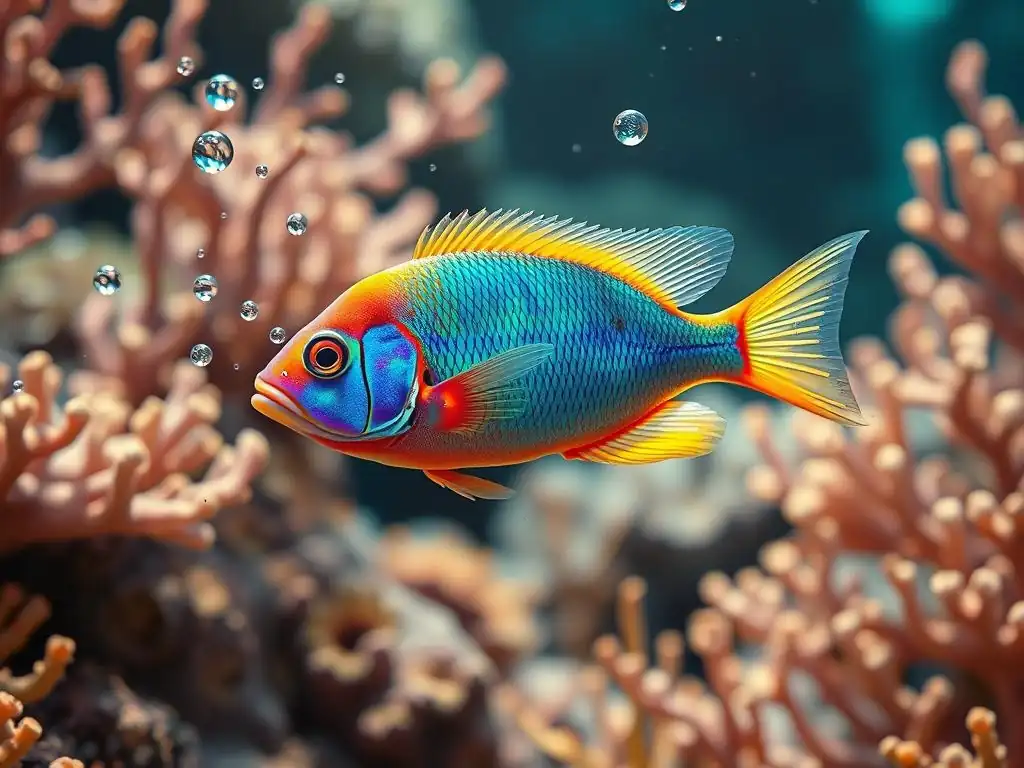
The single most effective measure to prevent the introduction and spread of diseases in a Fairy wrasses reef tank is the implementation of a strict quarantine procedure for all new arrivals. A dedicated quarantine tank (QT) should be set up with basic filtration, a heater, an air stone, and PVC pipes or other inert materials for hiding spots. This tank should be bare-bottom to facilitate cleaning and observation.
New Fairy Wrasses should ideally spend a minimum of 4-6 weeks in quarantine. This extended period allows for the observation of any latent diseases that might not be immediately apparent, such as marine Ich ( Cryptocaryon irritans) or Velvet ( Amyloodinium ocellatum), which have life cycles that can take several weeks to manifest.
During quarantine, fish can be proactively treated for common parasites and internal issues without risking harm to the main reef tank's established ecosystem, including corals and beneficial bacteria. For instance, a prophylactic deworming treatment can be administered, and observation for external parasites allows for targeted treatment with medications that are safe for fish but harmful to invertebrates. This diligent approach significantly reduces the risk of devastating outbreaks in the display tank, protecting your existing inhabitants and ensuring a healthier transition for your new Fairy wrasses in reef tanks.
Recognizing and Addressing Common Diseases Like Ich and Velvet
Marine Ich ( Cryptocaryon irritans) and Marine Velvet ( Amyloodinium ocellatum) are two of the most prevalent and dangerous parasitic diseases in saltwater aquariums, and Fairy Wrasses are susceptible to them. Ich manifests as small, white, salt-like spots scattered across the fish's body and fins, often accompanied by rapid breathing, lethargy, and rubbing against tank decor. Velvet, on the other hand, appears as a fine, dusty, golden-brown film, giving the fish a "dusted" appearance, and can cause severe respiratory distress. Both diseases are highly contagious and can rapidly decimate a tank if not addressed promptly.
Effective treatment for Ich and Velvet almost always requires moving the affected fish to a separate hospital or quarantine tank, as most effective medications are not reef-safe. Copper-based medications (e.g., Copper Power, Cupramine) are highly effective against Ich, while Chloroquine phosphate or specific anti-parasitic medications are often used for Velvet. Hyposalinity (gradually reducing salinity to 1.008-1.010 SG) can also be used for Ich, though it requires careful monitoring. Treating these diseases in the main Fairy wrasses reef tank is generally not advised due to the harm copper and many other medications inflict on corals and invertebrates.
Medications and Treatments Safe for Reef Tanks with Fairy Wrasses
It is crucial for Fairy wrasses reef tank enthusiasts to understand that most highly effective medications for common marine fish diseases, particularly parasitic infections like Ich and Velvet, are not safe for the main reef display tank. Copper-based treatments, formaldehyde, and many other anti-parasitic drugs are toxic to corals, anemones, shrimp, snails, and the beneficial bacteria in the live rock and sand bed that are essential for nitrogen cycling. Administering these medications directly into the reef tank will inevitably lead to widespread invertebrate death and a complete collapse of the biological filtration.
Therefore, the golden rule for treating diseases in a reef environment is to always use a separate quarantine or hospital tank. In the rare instances where a treatment might be considered "reef-safe," such as certain herbal remedies or freshwater dips (which offer temporary relief but do not eradicate parasites from the system), their efficacy is often limited, and they should be used with extreme caution.
The primary strategy for maintaining healthy Fairy wrasses in reef tanks is prevention through meticulous quarantine and maintaining pristine water quality, rather than relying on in-tank treatments that pose a significant risk to the entire ecosystem.
The Benefits of Keeping Fairy Wrasses in Your Reef Aquarium
Pest Control: Fairy Wrasses as Natural Bristleworm Predators
While not their primary function, some species of Fairy Wrasses, particularly those within the Cirrhilabrus genus, can offer a subtle but beneficial form of natural pest control in a Fairy wrasses reef tank. They are known to occasionally prey upon small, nuisance invertebrates that emerge from the live rockwork, including tiny bristleworms. While they won't eradicate a major infestation, their opportunistic feeding habits can help keep populations of these common detritivores in check, contributing to the overall cleanliness of the substrate and rockwork.
This behavior is a positive secondary benefit, as it aligns with their natural feeding instincts of sifting through crevices for small crustaceans and worms. They might also pick at other small, undesirable hitchhikers that appear in the tank. This contribution, though minor compared to dedicated pest-eating fish, adds to their utility beyond just their aesthetic appeal. By helping to manage the micro-fauna, Fairy Wrasses play a small but active role in maintaining the ecological balance of the Fairy wrasses reef tank environment, ensuring a healthier and cleaner habitat for corals and other inhabitants.
Adding Color and Activity to Your Reef Tank Ecosystem
The most immediate and obvious benefit of introducing Fairy Wrasses to your reef aquarium is the unparalleled explosion of color and constant activity they bring. With their dazzling array of iridescent blues, fiery reds, vibrant yellows, and deep purples, Fairy Wrasses are living jewels that transform any Fairy wrasses reef tank into a dynamic underwater spectacle.
Their colors often intensify under aquarium lighting, creating a mesmerizing display that shifts with their movements and mood. Unlike many other reef fish that tend to hide or stay stationary, Fairy Wrasses are perpetual motion machines, gracefully darting through the water column, weaving between corals, and exploring every nook and cranny of the aquascape.
This constant, yet non-disruptive, activity fills the often-empty mid-water column, adding a crucial dimension to the visual appeal of the tank. Their active swimming and curious nature create a focal point, drawing the eye and making the entire ecosystem feel more alive and vibrant. The addition of Fairy Wrasses elevates the aesthetic quality of the reef tank, providing continuous visual engagement and contributing significantly to the overall beauty and dynamism of the aquatic display.
Contributing to a Balanced and Thriving Reef Environment
Beyond their stunning looks, Fairy Wrasses contribute significantly to the establishment and maintenance of a balanced and thriving reef environment. Their peaceful and reef-safe nature ensures they integrate seamlessly into a community without posing a threat to corals or most invertebrates. As active feeders on zooplankton and small benthic invertebrates, they play a role in nutrient cycling by consuming small food particles and micro-organisms that might otherwise contribute to detritus buildup. This helps to maintain cleaner water parameters and reduces the bioload of decaying organic matter.
Their relatively low bioload for their size, combined with their non-destructive nature towards the delicate coral structures, makes them excellent citizens in a mixed-reef setup. By contributing to the diversity of the fish population without introducing aggression or harm to the corals, Fairy Wrasses foster a more natural and stable ecosystem. Their presence encourages a robust and healthy micro-fauna population, which they graze upon, further enhancing the biological processes within the Fairy wrasses reef tank and promoting a long-term, flourishing aquatic habitat.
Troubleshooting Common Issues with Fairy Wrasses in Reef Tanks
Addressing Aggression and Bullying within the Tank
While Fairy Wrasses are generally peaceful, aggression can occasionally arise, particularly when keeping multiple males of the same or very similar species in a tank that is too small (e.g., under 100 gallons). If you observe one Fairy Wrasse consistently chasing, nipping at, or stressing another, the first step is to assess the tank's aquascape. Rearranging the live rockwork can often help break up established territories and create new hiding spots, effectively "resetting" the social dynamics. Adding more visual barriers can also reduce direct line-of-sight aggression.
If aggression persists, consider the specific species involved. Some Fairy Wrasses, like Scott's Fairy Wrasse, can be more assertive. If a single fish is the clear aggressor, and rearranging doesn't work, temporary isolation in a clear acclimation box within the tank can sometimes calm the situation.
In severe cases, or if the tank is truly too small for the combination of wrasses, the removal of the aggressor or the stressed fish might be the only viable solution to ensure the well-being of all inhabitants in your Fairy wrasses reef tank. Ensure adequate space is provided for all fish to minimize such issues.
Overcoming Feeding Challenges with Picky Eaters
Some newly introduced Fairy Wrasses, especially those that have recently undergone shipping stress or were collected from deep waters, can be shy or finicky eaters initially. If a wrasse is refusing food, patience and persistence are key. Begin by offering a variety of small, meaty frozen foods such as mysis shrimp, cyclopeeze, or enriched brine shrimp, as these closely mimic their natural diet.
Feeding small amounts multiple times throughout the day can also encourage them to eat, as it aligns with their natural grazing behavior. For extremely shy individuals, try turning off pumps during feeding to reduce water flow and allow food to remain suspended longer.
If a wrasse continues to be picky, consider soaking their food in a garlic extract or a vitamin supplement, which can act as an appetite stimulant. Ensure that more aggressive tank mates are not monopolizing all the food; sometimes, target feeding with a pipette can ensure the shy wrasse gets its share.
If a Fairy Wrasse consistently refuses food for more than a few days, it's crucial to also check water parameters and look for any other signs of stress or illness, as a lack of appetite is often a primary indicator of underlying health problems in a Fairy wrasses reef tank.
Maintaining Water Quality to Prevent Health Problems
The vast majority of health issues encountered with Fairy Wrasses in reef tanks can be directly attributed to, or exacerbated by, poor water quality. Maintaining pristine and stable water parameters is the cornerstone of preventing disease and ensuring the long-term vitality of these sensitive fish. Regular and consistent water testing for key parameters such as salinity, temperature, pH, ammonia, nitrite, nitrate, and phosphate is non-negotiable. Ammonia and nitrite should always be undetectable, while nitrates and phosphates should be kept as low as possible, ideally below 10 ppm and 0.03 ppm respectively.
Consistent water changes (e.g., 10-15% weekly or 20% bi-weekly) are vital for replenishing essential trace elements and diluting accumulated pollutants. A robust filtration system, including an appropriately sized protein skimmer, ample live rock for biological filtration, and potentially a refugium, will significantly contribute to waste removal and nutrient export. Ensuring adequate water flow throughout the Fairy wrasses reef tank is also important for oxygenation and preventing "dead spots" where detritus can accumulate. Proactive water quality management is the most effective defense against stress and disease in your Fairy Wrasses.
Purchasing Fairy Wrasses: Ethical Considerations and Sourcing
Selecting Healthy Fairy Wrasses from Reputable Sources
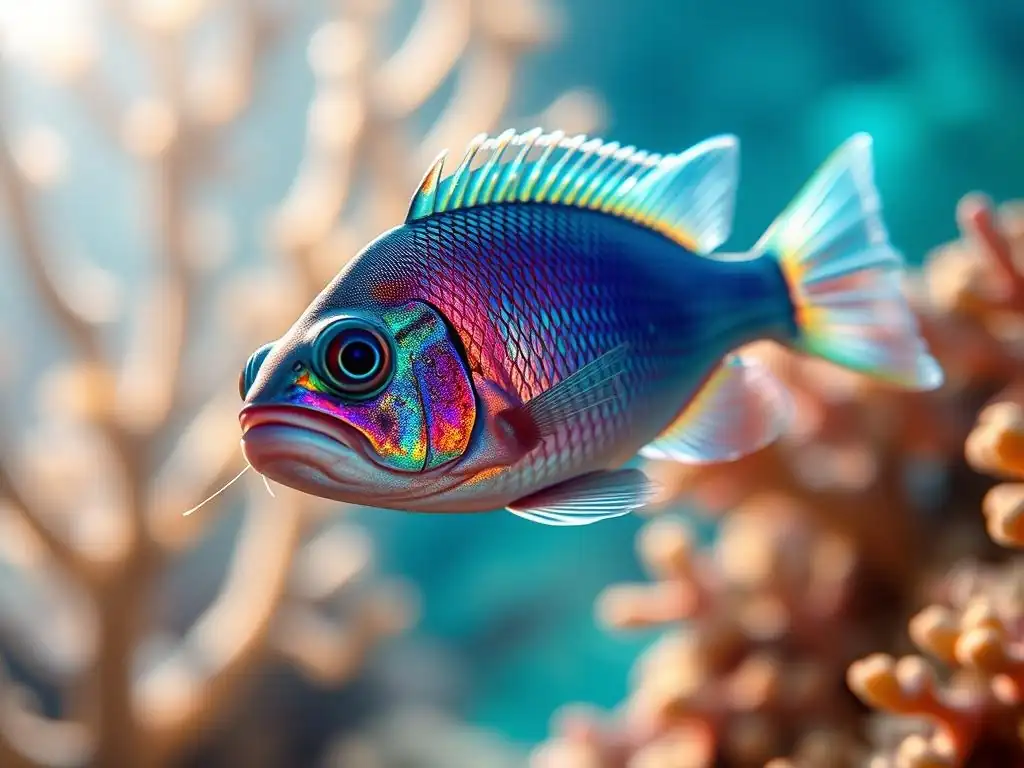
When adding a Fairy Wrasse to your reef tank, the initial health of the specimen is paramount for its long-term success. Always purchase from reputable local fish stores (LFS) or established online vendors who prioritize fish health and ethical sourcing. A reputable dealer will have clean, well-maintained holding tanks and knowledgeable staff who can answer questions about the fish's origin, diet, and time in captivity. Look for active, alert fish that are swimming purposefully, not listlessly. Their colors should be vibrant and full, not faded or patchy.
Inspect the fish closely for any visible signs of disease: no white spots (Ich), no dusty film (Velvet), no frayed fins, no visible lesions or sores. The eyes should be clear and bright, and the gills should not be inflamed or excessively red. The fish should appear plump, with no sunken belly, indicating it has been eating well.
A reputable source will also likely have a robust quarantine procedure in place themselves, further ensuring the health of the fish before it even reaches your Fairy wrasses reef tank. Don't hesitate to ask to see the fish eat, as a strong feeding response is a good indicator of health.
Understanding the Importance of Sustainable Collection Practices
The marine aquarium hobby relies heavily on wild-caught specimens, and understanding sustainable collection practices is an ethical responsibility for every aquarist. When purchasing Fairy Wrasses, inquire about their collection methods. Support suppliers who can verify that their fish are sourced through sustainable means, such as hand-netting, which minimizes damage to the reef ecosystem and avoids destructive practices like cyanide fishing. Cyanide fishing, though illegal in many areas, is still unfortunately prevalent and leads to high mortality rates for collected fish and severe damage to coral reefs.
Choosing aquaculture-bred marine fish whenever possible is the most environmentally friendly option, as it reduces pressure on wild populations. While captive breeding of Fairy Wrasses is still extremely challenging and rare, supporting research and facilities that are working towards this goal is crucial for the future of the hobby. By consciously selecting fish from ethical and sustainable sources, aquarists contribute to the long-term health of natural Fairy wrasses reef tank populations and the delicate marine ecosystems they inhabit, ensuring these beautiful creatures remain available for future generations to admire.
Acclimating New Fairy Wrasses to Your Reef Tank
Proper acclimation is a critical step in successfully introducing new Fairy Wrasses to your reef tank, minimizing stress and preventing shock from changes in water parameters. The drip acclimation method is highly recommended for its gentle approach. Begin by floating the sealed bag in your quarantine tank (or display tank, if skipping quarantine, though not recommended) for 15-20 minutes to equalize temperature. Then, open the bag, roll down the edges, and use an air line with a knot to create a slow drip from the tank into the bag. The drip rate should be approximately 1-2 drops per second.
Allow the water volume in the bag to double over a period of 30-60 minutes, or even longer for very sensitive species. This slow introduction helps the fish gradually adjust to the new pH, salinity, and temperature. Once the acclimation is complete, gently net the wrasse from the bag, discarding the bag water (never add it to your tank).
Place the wrasse into its new environment. To further reduce stress, turn off the aquarium lights for several hours after introduction and ensure plenty of hiding spots are available. This allows the Fairy Wrasse to explore its new Fairy wrasses reef tank home at its own pace and find refuge, promoting a smoother transition.
Advanced Fairy Wrasse Keeping: Breeding and Propagation
Creating a Suitable Breeding Environment for Fairy Wrasses
Breeding Fairy Wrasses in a captive environment is an advanced endeavor, presenting significant challenges that only a handful of dedicated aquaculturists have begun to overcome. To even attempt to induce spawning, a specialized breeding environment is required, typically a very large, species-specific aquarium (often 200 gallons or more) that provides ample space for courtship and spawning rituals without undue stress. This tank must maintain absolutely pristine and highly stable water parameters, mirroring those of their natural reef habitats. Robust filtration, consistent temperature, and optimal water chemistry are non-negotiable.
Furthermore, a healthy, well-conditioned pair or harem (one male with multiple females) is essential. The diet provided to the breeding stock must be exceptionally rich and varied, including live foods such as copepods, enriched brine shrimp, and finely chopped meaty foods, to ensure peak physical condition and reproductive readiness. Specific environmental cues, such as precise photoperiods mimicking natural light cycles, and possibly subtle temperature fluctuations, may also be necessary to trigger spawning behavior. While challenging, providing an ideal, low-stress environment is the foundational step towards observing any reproductive activity in a Fairy wrasses reef tank.
Understanding the Challenges of Breeding Fairy Wrasses in Captivity
The primary reason why the vast majority of Fairy Wrasses in the aquarium trade are wild-caught stems from the immense challenges associated with their captive breeding and propagation. Even if a pair successfully spawns, the eggs are typically pelagic, meaning they float freely in the water column and are often quickly consumed by tank inhabitants or filtered out. If eggs hatch, the larvae are incredibly tiny, often less than 2 millimeters upon hatching, making them extremely delicate and difficult to see, let alone collect.
The most significant hurdle lies in providing appropriate first foods for these microscopic larvae. They require specific, live food sources that are even smaller than newly hatched brine shrimp, such as certain species of rotifers or copepod nauplii, at precise densities. Maintaining these live food cultures is a specialized and labor-intensive process.
The larvae also have very specific water quality requirements and are highly susceptible to disease and environmental fluctuations, leading to extremely high mortality rates in their early stages. These combined factors make the successful rearing of Fairy Wrasse fry an exceptional accomplishment, far beyond the scope of a typical Fairy wrasses reef tank setup.
Research and Developments in Fairy Wrasse Propagation
Despite the formidable challenges, dedicated researchers and advanced aquaculturists are making slow but steady progress in the field of marine ornamental fish propagation, including efforts focused on wrasses. While large-scale commercial breeding of Fairy Wrasses remains elusive, breakthroughs with other challenging species (such as certain angelfish, tangs, and some other wrasses) provide valuable insights and methodologies that could eventually be applied to Cirrhilabrus species. Research often involves perfecting live food cultures for various larval stages, developing specialized larval rearing systems, and understanding the precise environmental triggers for spawning.
The potential benefits of successful captive breeding of Fairy Wrasses are immense. It would significantly reduce pressure on wild populations, contributing to the conservation of natural reef ecosystems. Captive-bred fish are also generally hardier, more accustomed to aquarium life and prepared foods, and less likely to carry diseases, leading to healthier and more resilient specimens for hobbyists. Furthermore, controlled breeding environments could lead to the development of unique color morphs or patterns, adding new dimensions to the Fairy wrasses reef tank hobby. This ongoing research is a vital area for the sustainable future of marine aquariology.
Conclusion: Enjoying the Beauty and Benefits of Fairy Wrasses in Your Reef Tank.
Frequently Asked Questions
What makes Fairy Wrasses a good choice for a reef tank?
Fairy Wrasses are generally considered reef-safe because they don't typically bother corals or other invertebrates. Their vibrant colors also add a beautiful aesthetic to any reef environment. They also eat small invertebrates, which can help control pests.
What size tank is recommended for keeping Fairy Wrasses?
A minimum tank size of 30 gallons is generally recommended for smaller Fairy Wrasse species. Larger species may require 50 gallons or more to thrive. This allows them ample space to swim and establish territories.
What are the ideal water parameters for a Fairy Wrasse reef tank?
Maintaining stable water parameters is crucial. Aim for a temperature of 72-78°F, a specific gravity of 1.023-1.025, and a pH of 8.1-8.4. Regular water changes are essential for maintaining water quality.
What type of food do Fairy Wrasses eat, and how often should they be fed?
Fairy Wrasses are carnivores and require a diet rich in protein. Offer a variety of small, meaty foods like mysis shrimp, brine shrimp, and high-quality flake food designed for marine fish. Feed them 2-3 times per day in small portions.
What are some common health issues that can affect Fairy Wrasses?
Fairy Wrasses can be susceptible to common aquarium diseases like ich (white spot disease) and marine velvet. Proper quarantine procedures for new arrivals and maintaining excellent water quality are key to preventing these issues.
Final Reflection: A Symphony of Color in Our Reefs
The vibrant world of fairy wrasses, as we've explored, isn't just a spectacle of dazzling colors; it represents a crucial intersection of beauty and responsibility in the reef-keeping hobby. Understanding their specific needs and reef-safe behaviors is paramount to ensuring the health and longevity of our captive ecosystems. Ignoring these considerations risks not only the well-being of these delicate creatures but also the delicate balance of the entire reef environment.
The allure of these fish extends beyond their aesthetic appeal; it speaks to our innate desire to connect with the natural world and recreate its wonders within our homes. This connection, however, demands a commitment to ethical and informed practices, ensuring that our pursuit of beauty doesn't come at the expense of the very ecosystems we admire. In the end, we will conserve only what we love; we will love only what we understand; and we will understand only what we are taught.
- Baba Dioum. This quote perfectly encapsulates the responsibility we bear as reef aquarists.
As you consider adding a fairy wrasse to your reef tank, remember that you are not merely acquiring a pet, but becoming a steward of a small piece of the ocean. Reflect on the knowledge you've gained here, and let it guide your decisions. Choose responsibly, research thoroughly, and commit to providing the optimal environment for these magnificent creatures to thrive. By doing so, you contribute to a more sustainable and ethical future for the reef-keeping hobby, ensuring that the symphony of color within our reefs continues to inspire and captivate for generations to come.
Dive Deeper: Unleash the Fairy Wrasse Fascination!
Thank you for exploring the vibrant world of Fairy Wrasses! We hope this guide has ignited your passion for these reef-safe jewels. Ready to take the next step?
Here’s how to continue your Fairy Wrasse journey:
- Locate a reputable breeder or supplier specializing in healthy, ethically sourced Fairy Wrasses. Avoid impulse buys and prioritize fish with clear origins.
- Explore complementary tank mates! Research species known to coexist peacefully with Fairy Wrasses to create a harmonious reef environment. Consider adding a school of peaceful Chromis for added activity and visual appeal.
- Share your newfound Fairy Wrasse knowledge! Educate fellow hobbyists on the unique beauty and care requirements of these captivating fish.
What’s one small change you can make to your current reef setup to better accommodate a Fairy Wrasse, or what new question about them has surfaced after reading this article? Share your thoughts below!