
Ocellaris Clownfish: The Iconic ReefSafe Companion & Its Ideal Tank Mates

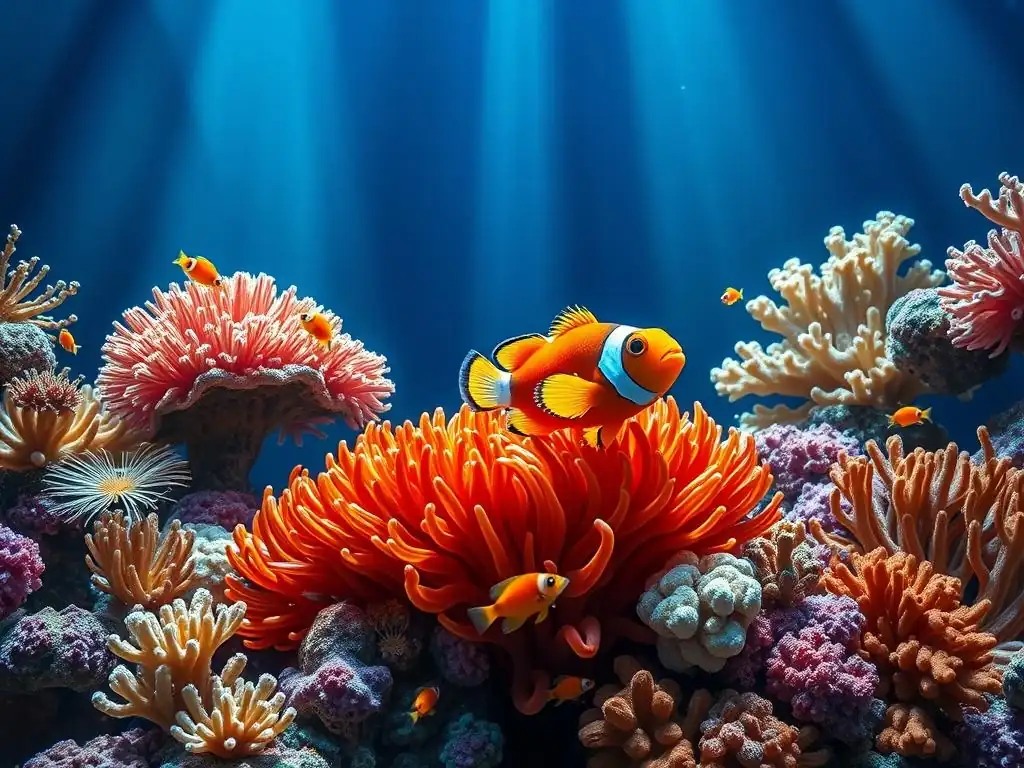
Welcome to Aquarium Mastery!
Ever wondered which vibrant personalities can thrive alongside your Ocellaris clownfish in a dazzling reef tank? Dive in and unlock the secrets to building a harmonious aquatic community! We'll guide you through choosing the perfect Ocellaris clownfish tank mates, ensuring a balanced and beautiful underwater world. Curious to learn more? Let's explore!
- Understanding the Ocellaris Clownfish (Amphiprion ocellaris)
- Reef Compatibility of Ocellaris Clownfish
- Selecting the Best Tank Mates for Ocellaris Clownfish
- Fish to Avoid as Ocellaris Clownfish Tank Mates
- Creating the Perfect Aquarium Environment for Ocellaris Clownfish and Their Companions
- Feeding Ocellaris Clownfish and Their Tank Mates
- Potential Health Issues in Ocellaris Clownfish and Tank Mates
- Breeding Ocellaris Clownfish in a Home Aquarium
- Maintaining a Healthy and Balanced Reef Aquarium with Ocellaris Clownfish
- Troubleshooting Common Issues with Ocellaris Clownfish and Tank Mates
-
Frequently Asked Questions
- What makes Ocellaris clownfish a popular choice for aquariums?
- What are some ideal tank mates for Ocellaris clownfish in a reef tank?
- Are there any fish that should never be kept with Ocellaris clownfish?
- How does the size of the aquarium affect the choice of tank mates for Ocellaris clownfish?
- Besides fish, what other types of creatures can be good tank mates for Ocellaris clownfish?
- Final Reflection: Embracing Harmony in the Reef
- Dive Deeper: Start Your Clownfish Adventure!
Understanding the Ocellaris Clownfish (Amphiprion ocellaris)
Ocellaris Clownfish Profile: A Beginner-Friendly Guide
The Ocellaris Clownfish, scientifically known as Amphiprion ocellaris, is arguably the most recognizable marine fish in the aquarium hobby, largely due to its vibrant orange body adorned with three distinct white bands edged in black. Reaching an average adult size of 3 to 4 inches (approximately 7.5 to 10 cm), these captivating fish are renowned for their peaceful temperament, hardiness, and relatively simple care requirements, making them an excellent choice for novice and experienced aquarists alike. They have an average lifespan of 6 to 10 years in a well-maintained aquarium, with some individuals living even longer.
Their diet is omnivorous, primarily consisting of small crustaceans and algae in the wild, but in captivity, they readily accept a variety of prepared foods such as high-quality marine flakes, pellets, frozen mysis shrimp, and spirulina. Ocellaris clownfish are protandrous hermaphrodites, meaning all individuals are born male, with the largest and most dominant fish in a group transforming into a female. This unique biological trait allows pairs to form naturally, often exhibiting fascinating host anemone relationships within the aquarium.
Identifying the True Percula vs. Ocellaris Clownfish
While often confused due to their similar appearance, the Ocellaris Clownfish ( Amphiprion ocellaris) and the True Percula Clownfish ( Amphiprion percula) possess subtle yet discernible differences. The most reliable visual distinction lies in their white banding: Ocellaris clownfish typically have thinner black outlines around their white stripes, which may sometimes be absent or very faint. In contrast, True Percula clownfish generally exhibit thicker, more prominent black outlines that sharply delineate their white bands.
Beyond the banding, there are also slight variations in their body shape and color intensity. Ocellaris clownfish tend to have a slightly more oval or elongated body shape and a vibrant orange hue that can sometimes lean towards a brownish-orange. True Perculas, on the other hand, often have a more rounded, compact body and a deeper, more intense orange or even red-orange coloration. Genetic analysis further confirms their distinct species status, though their care requirements and compatibility as Ocellaris clownfish tank mates are largely identical, making either a suitable choice for a reef aquarium.
The Natural Habitat of Ocellaris Clownfish: Reef Ecology
Ocellaris Clownfish are native to the vast Indo-Pacific region, spanning from the Andaman and Nicobar Islands across Southeast Asia, the Philippines, Indonesia, and northern Australia, extending as far north as southern Japan. Within this expansive range, they primarily inhabit shallow coral reefs, typically at depths of 1 to 15 meters (approximately 3 to 50 feet). Their preferred microhabitats include sheltered lagoons, reef slopes, and areas with abundant soft and stony corals, where they can find suitable host anemones.
In their natural environment, Amphiprion ocellaris form symbiotic relationships with specific host anemones, most notably the Magnificent Sea Anemone ( Heteractis magnifica), the Giant Carpet Anemone ( Stichodactyla gigantea), and the Merten's Carpet Anemone ( Stichodactyla mertensii). This mutualistic relationship provides the clownfish with protection from predators due to the anemone's stinging tentacles, to which the clownfish is immune. In return, the clownfish actively defends the anemone from potential threats, removes parasites, and attracts prey, playing a crucial role in the delicate ecosystem of the reef.
Reef Compatibility of Ocellaris Clownfish
Are Ocellaris Clownfish Reef Safe? A Detailed Explanation
Yes, Ocellaris Clownfish are widely considered one of the most reef-safe fish species available to marine aquarists. Their natural diet primarily consists of small planktonic organisms, algae, and uneaten food particles, which means they pose virtually no threat to corals, sessile invertebrates, or other delicate reef inhabitants. Unlike some larger or more aggressive fish, Ocellaris clownfish do not nip at corals, disturb sand beds excessively, or prey on valuable invertebrates like snails or crabs, making them an excellent foundation species for a thriving mixed-reef aquarium.
Their small size and peaceful demeanor further contribute to their reef-safe status. They spend most of their time in a specific area of the tank, often near their host anemone if one is present, or a substitute like a torch coral or even a powerhead. This localized behavior minimizes their impact on the broader reef structure and allows corals to grow undisturbed. When considering Ocellaris clownfish tank mates for a reef environment, their non-destructive nature is a significant advantage, allowing for a diverse and vibrant ecosystem.
Benefits of Keeping Ocellaris Clownfish in a Reef Tank
Integrating Ocellaris Clownfish into a reef tank offers numerous aesthetic and ecological benefits. Visually, their bright orange and white coloration provides a striking contrast against the diverse hues of corals and live rock, adding dynamic movement and a focal point to the aquarium. Their characteristic "wobble" swim and potential interaction with a host anemone create an engaging display that mimics natural reef behaviors, enhancing the overall viewing experience for the aquarist.
Beyond their visual appeal, Ocellaris clownfish contribute to the biological balance of a reef system. As scavengers, they help consume uneaten food and detritus, contributing to the cleanliness of the tank. While their primary diet is target-fed, they will opportunistically pick at nuisance algae on rocks and glass. Their peaceful nature also allows for a wider selection of Ocellaris clownfish tank mates, including various small, peaceful fish and a broad array of corals and invertebrates, fostering a more diverse and stable reef environment.
Potential Risks of Ocellaris Clownfish in Reef Aquariums
While generally reef-safe, there are a few minor considerations when keeping Ocellaris Clownfish in a reef aquarium. The primary "risk" is not to the corals themselves, but rather to the clownfish's potential host.
If an Ocellaris clownfish hosts a large, sensitive, or newly introduced coral (such as a torch coral, hammer coral, or even certain LPS corals) in the absence of a true anemone, its constant rubbing and nesting behavior could potentially irritate or stress the coral. This is usually not severe enough to kill a healthy coral but might cause it to retract polyps or grow slower in the affected area.
Another minor point pertains to their territoriality, particularly if breeding. A pair of Ocellaris clownfish defending their eggs can become unusually aggressive towards other tank inhabitants that venture too close to their nesting site. However, this aggression is typically limited to small fish and is usually temporary, subsiding once the eggs hatch. For the most part, these are minor considerations that do not detract from their overall suitability as reef inhabitants and ideal Ocellaris clownfish tank mates.
Selecting the Best Tank Mates for Ocellaris Clownfish
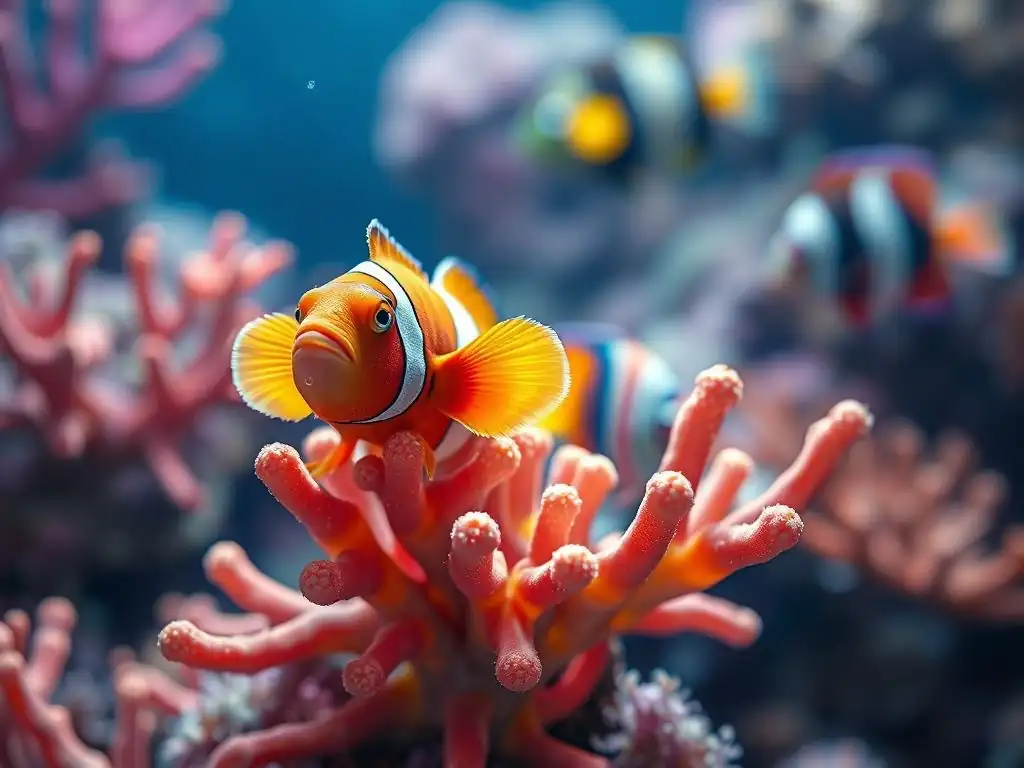
Ideal Ocellaris Clownfish Tank Mates: A Compatibility Chart
Selecting appropriate Ocellaris clownfish tank mates is crucial for a harmonious and thriving marine aquarium. Their peaceful nature allows for a wide range of compatible species, but care must be taken to avoid overly aggressive or predatory fish.
Here’s a general compatibility guide for common Ocellaris clownfish tank mates:
- High Compatibility (Generally Peaceful & Safe):
- Gobies (e.g., Yellow Watchman Goby, Diamond Watchman Goby, Clown Goby)
- Blennies (e.g., Lawnmower Blenny, Starry Blenny, Tailspot Blenny)
- Damsels (e.g., Azure Damsel, Springer's Damsel – avoid aggressive types like Dominos)
- Pajama Cardinalfish
- Banggai Cardinalfish
- Royal Gramma Basslet
- Firefish Goby (e.g., Purple Firefish, Red Firefish)
- Wrasses (e.g., Six-Line Wrasse, Melanurus Wrasse – ensure they are not predatory on desired invertebrates)
- Certain Angelfish (e.g., Flame Angelfish, Coral Beauty – generally reef-safe with caution, but can nip at soft corals)
- Small Tangs (e.g., Yellow Tang, Kole Tang – require larger tanks, 75+ gallons)
- Cleaner Shrimp (e.g., Skunk Cleaner Shrimp, Peppermint Shrimp)
- Snails (e.g., Turbo Snails, Nassarius Snails, Cerith Snails)
- Hermit Crabs (e.g., Dwarf Blue Leg Hermit Crab, Dwarf Red Tip Hermit Crab)
- Moderate Compatibility (Requires Caution or Specific Conditions):
- Larger Wrasses (e.g., Leopard Wrasse, Fairy Wrasse – typically fine but ensure tank size is adequate)
- Some Dragonets (e.g., Mandarin Dragonet – requires mature tank with copepods, not a direct compatibility issue but a care consideration)
- Certain Butterflyfish (most are not reef-safe, but some like Copperband Butterfly are used for Aiptasia control and can coexist if well-fed)
- Low Compatibility (Avoid):
- Aggressive Triggers (e.g., Clown Trigger, Picasso Trigger)
- Lionfish
- Groupers
- Moray Eels
- Large Predatory Wrasses
- Large Dottybacks (e.g., Orchid Dottyback can be aggressive to smaller fish, but some smaller ones are okay)
- Mantis Shrimp
- Large crabs (e.g., Sally Lightfoot Crab can be opportunistic predators)
This chart provides a general guideline; individual fish personalities can vary. Always introduce new Ocellaris clownfish tank mates slowly and observe their interactions.
Peaceful Fish Species That Thrive with Clownfish
When selecting Ocellaris clownfish tank mates, prioritizing peaceful species that occupy different ecological niches helps prevent competition and stress. Small gobies, such as the Yellow Watchman Goby ( Cryptocentrus cinctus) or the Diamond Watchman Goby ( Valenciennea puellaris), are excellent choices. They spend their time sifting sand or perching on rocks, largely ignoring the water column-dwelling clownfish. Similarly, blennies like the Lawnmower Blenny ( Salarias fasciatus) or the Tailspot Blenny ( Escenius stigmatura) are primarily herbivorous, grazing on algae, and pose no threat to Ocellaris clownfish.
Cardinalfish, such as the Pajama Cardinalfish ( Sphaeramia nematoptera) or the Banggai Cardinalfish ( Pterapogon kauderni), are also ideal Ocellaris clownfish tank mates. These slow-moving, schooling fish are known for their calm temperament and striking appearances, adding diversity without aggression. Royal Gramma Basslets ( Gramma loreto) are another popular choice, inhabiting rock crevices and displaying vibrant purple and yellow coloration. Their shy nature ensures they will not bother the clownfish, and they remain relatively small, making them suitable for tanks as small as 20-30 gallons alongside a pair of Ocellaris clownfish.
Invertebrates That Complement Ocellaris Clownfish in a Reef Tank
Beyond fish, a wide array of invertebrates make excellent Ocellaris clownfish tank mates, contributing to the health and biodiversity of a reef aquarium. Cleaner shrimp, such as the Skunk Cleaner Shrimp ( Lysmata amboinensis) or the Fire Shrimp ( Lysmata debelius), are highly beneficial. Not only do they add visual interest with their vibrant colors, but they also perform a valuable service by consuming parasites from fish and scavenging uneaten food, directly contributing to tank hygiene without bothering the Ocellaris clownfish.
Various snail species, including Turbo Snails ( Turbanidae family), Nassarius Snails ( Nassarius vibex), and Cerith Snails ( Cerithium atratum), are indispensable as part of the clean-up crew. They effectively graze on nuisance algae and detritus, maintaining pristine water quality and preventing unsightly outbreaks, all while being completely ignored by Ocellaris clownfish. Dwarf hermit crabs, such as the Dwarf Blue Leg Hermit Crab ( Clibanarius tricolor) or the Dwarf Red Tip Hermit Crab ( Clibanarius rutilus), also contribute significantly to waste removal and algae control, making them safe and beneficial Ocellaris clownfish tank mates for any reef setup.
Fish to Avoid as Ocellaris Clownfish Tank Mates
Aggressive Fish Species: A Threat to Ocellaris Clownfish
When planning your aquarium, it's critical to avoid highly aggressive fish species that can intimidate, injure, or even kill the peaceful Ocellaris clownfish. Large predatory fish such as Lionfish ( Pterois volitans), Groupers ( Serranidae family), and Moray Eels ( Muraenidae family) are entirely unsuitable Ocellaris clownfish tank mates. Their predatory instincts mean they will view the small clownfish as a food source, leading to inevitable tragedy. Even if the clownfish initially escapes, the constant stress of being hunted will severely compromise its health and lifespan.
Similarly, many species of triggerfish, including the commonly available Clown Triggerfish ( Balistoides conspicillum) and Picasso Triggerfish ( Rhinecanthus aculeatus), are notoriously aggressive and territorial. While small juveniles might seem harmless, they grow rapidly into powerful, assertive fish capable of inflicting serious damage on smaller, more docile tank mates.
They are known for nipping fins, chasing, and generally harassing other fish, making them a significant threat to the well-being of Ocellaris clownfish. Even certain large dottybacks, like the Orchid Dottyback ( Pseudochromis fridmani), while beautiful, can be surprisingly territorial and aggressive towards smaller or similarly shaped fish, making them risky Ocellaris clownfish tank mates in smaller setups.
Predatory Invertebrates That Can Harm Clownfish
While many invertebrates are ideal Ocellaris clownfish tank mates, certain species can pose a significant threat. Large, opportunistic crabs, such as the Sally Lightfoot Crab ( Percnon gibbesi) or various species of Fiddler Crabs, can become predatory as they grow. While they might primarily scavenge, an unwary or sleeping clownfish could become an easy target, especially if the crab is hungry or the clownfish is small. It's generally safer to stick with smaller, herbivorous, or detritivorous crabs like the dwarf hermit crabs mentioned earlier.
Furthermore, any type of Mantis Shrimp ( Stomatopoda order) should be strictly avoided in a tank with Ocellaris clownfish or any other fish. These powerful crustaceans possess either lightning-fast smashing claws or sharp spearing appendages capable of stunning or dismembering fish, even those larger than themselves. Often introduced accidentally as hitchhikers on live rock, a Mantis Shrimp can quickly decimate an entire fish population. If detected, immediate removal is necessary to protect your Ocellaris clownfish and other valuable tank inhabitants.
Fish with Similar Niches: Avoiding Competition
Introducing fish that occupy the same ecological niche as Ocellaris clownfish can lead to competition for resources, even if the species are otherwise peaceful. For instance, while most clownfish species are not directly aggressive towards each other (outside of their own species pairing), housing multiple species of clownfish in a smaller tank (under 75 gallons) can lead to territorial disputes over space, food, or potential host anemones. Even if overt aggression isn't observed, the subtle stress of constant competition can weaken the fish's immune system.
Similarly, while many small, peaceful fish are good Ocellaris clownfish tank mates, introducing too many species that primarily inhabit the water column or rely on similar food sources can lead to issues. For example, if you have a pair of Ocellaris clownfish and then add multiple species of small dartfish or other mid-water column dwellers in a tank under 50 gallons, it can create a crowded environment where each fish feels pressured to secure its share of food and territory.
Diversifying your fish selection to include bottom-dwellers (gobies, blennies) and rock-dwellers (basslets) alongside your clownfish helps distribute the bioload and reduce direct competition for space.
Creating the Perfect Aquarium Environment for Ocellaris Clownfish and Their Companions
Tank Size Requirements for Ocellaris Clownfish and Tank Mates
The minimum tank size for a single Ocellaris Clownfish is generally considered to be 10 gallons (approximately 38 liters), though a 20-gallon (75-liter) tank is highly recommended for better stability and water quality. For a pair of Ocellaris clownfish, a 20-gallon long or 30-gallon (114-liter) tank is ideal, providing ample space for them to establish their territory without stress. However, when considering Ocellaris clownfish tank mates, the tank size requirements increase significantly.
To comfortably house a pair of Ocellaris clownfish along with a diverse selection of compatible Ocellaris clownfish tank mates (such as a goby, a blenny, and a cardinalfish), a minimum tank size of 40-50 gallons (150-190 liters) is strongly advised. This larger volume provides sufficient swimming space for multiple fish, dilutes waste more effectively, and allows for more stable water parameters, which are crucial for a healthy reef environment. If you plan to include a host anemone, especially larger species, or more fish, a 75-gallon (284-liter) tank or larger becomes necessary to accommodate the increased bioload and territorial needs.
Water Parameters: Maintaining a Healthy Reef Environment
Maintaining stable and appropriate water parameters is paramount for the health of Ocellaris clownfish and their reef tank mates. Salinity should be kept consistently between 1.023 and 1.026 specific gravity, ideally at 1.025, mimicking natural ocean conditions. Temperature is crucial and should be maintained within a narrow range of 75-80°F (24-27°C), with 78°F (25.5°C) being optimal. Fluctuations in temperature can cause significant stress.
pH levels should be stable between 8.1 and 8.4, which is typical for healthy saltwater systems. Ammonia (NH3/NH4+), Nitrite (NO2-), and Nitrate (NO3-) levels are critical indicators of water quality. Ammonia and Nitrite should always be undetectable (0 ppm), as even trace amounts are highly toxic to marine fish and invertebrates. While some Nitrate is tolerable for fish (under 20 ppm), for a thriving reef with corals, it should ideally be kept below 5-10 ppm. Regular testing and consistent water changes are essential to maintain these parameters.
Essential Equipment for a Thriving Ocellaris Clownfish Tank
Setting up an Ocellaris clownfish and reef tank requires specific equipment to ensure a stable and healthy environment. A well-sized aquarium with a sturdy stand is the foundation. Filtration is key, typically comprising a combination of mechanical (filter socks/pads), biological (live rock, bio-media), and chemical (activated carbon, GFO) filtration. A protein skimmer is highly recommended, especially for reef tanks, as it efficiently removes organic waste before it breaks down into harmful compounds, significantly reducing nitrate buildup and enhancing water clarity.
Proper lighting is crucial, especially if you plan to keep corals alongside your Ocellaris clownfish tank mates. LED lights are popular due to their energy efficiency, customizable spectrums, and long lifespan. Water circulation is also vital; powerheads or wavemakers create beneficial flow patterns that mimic natural reef currents, preventing dead spots and aiding in gas exchange. Lastly, a reliable heater with a thermostat is necessary to maintain consistent water temperature, and a good quality salt mix, refractometer (for salinity testing), and a comprehensive test kit for water parameters complete the essential setup.
Feeding Ocellaris Clownfish and Their Tank Mates
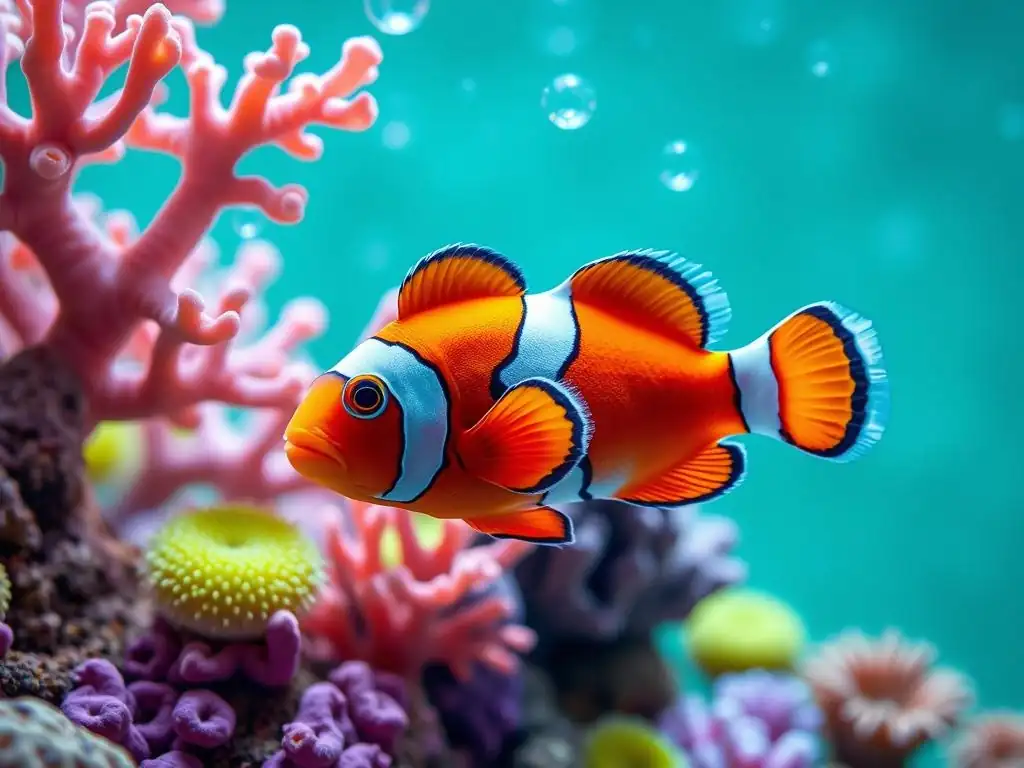
Optimal Diet for Ocellaris Clownfish: Nutritional Needs
Ocellaris Clownfish are omnivores, requiring a varied diet to thrive in a home aquarium. In their natural habitat, they consume a mix of small zooplankton, algae, and detritus. To replicate this in captivity, their diet should consist of high-quality marine flakes or pellets designed for omnivorous marine fish, which provide essential vitamins and minerals. Look for formulas that include spirulina or other plant-based ingredients.
Supplementing their dry food with frozen options significantly enhances their nutrition and overall health. Mysis shrimp, enriched brine shrimp, spirulina flakes, and finely chopped marine-grade seafood (like silversides or squid) are excellent choices. Feeding small amounts 2-3 times a day is generally recommended. This frequent, smaller feeding schedule mimics their natural grazing behavior and helps maintain water quality by preventing large amounts of uneaten food from decaying. A well-fed Ocellaris clownfish is more vibrant, active, and less prone to disease.
Feeding Strategies for a Community Reef Tank
Feeding a community reef tank with Ocellaris clownfish tank mates requires a strategic approach to ensure all inhabitants receive adequate nutrition without overfeeding the system. Different fish species have varying dietary needs and feeding behaviors. For instance, bottom-dwelling gobies might prefer sinking pellets or frozen foods that reach the substrate, while water column dwellers like cardinalfish will readily take flakes or pellets from the surface.
A common strategy is to offer a mix of foods at different times. Start with a high-quality flake or pellet for the general population, then follow up with frozen foods like mysis shrimp or brine shrimp, targeting specific fish if necessary. If you have herbivorous Ocellaris clownfish tank mates like blennies or tangs, offer seaweed or algae clips a few times a week. Always observe how quickly food is consumed; ideally, all food should be eaten within a few minutes to prevent excess from decaying and polluting the water.
Avoiding Overfeeding: Maintaining Water Quality
Overfeeding is one of the most common pitfalls in aquarium keeping and can severely degrade water quality, leading to algae blooms, high nitrate levels, and compromised fish health. When too much food is introduced, uneaten portions decompose, releasing ammonia and nitrites, which are toxic. Even if these are processed by the biological filter into nitrates, persistently high nitrate levels can stress fish and fuel nuisance algae growth, particularly problematic in a reef tank with sensitive corals.
To avoid overfeeding, feed only what your Ocellaris clownfish and their tank mates can consume in 2-3 minutes. If there's food left after this time, you're feeding too much. It's better to underfeed slightly than to overfeed. A good rule of thumb is that a fish's stomach is roughly the size of its eye. Also, consider fasting your fish one day a week; this can aid digestion and does not harm healthy fish. Regular water changes and protein skimming are also crucial lines of defense against the negative impacts of overfeeding.
Potential Health Issues in Ocellaris Clownfish and Tank Mates
Common Diseases Affecting Ocellaris Clownfish
While Ocellaris Clownfish are relatively hardy, they are not immune to common marine aquarium diseases. One of the most prevalent is Marine Ich ( Cryptocaryon irritans), characterized by small white spots resembling grains of salt on the fish's body and fins. Other symptoms include rapid breathing, scratching against decor, and lethargy. Another common ailment is Marine Velvet ( Amyloodinium ocellatum), which appears as a dusty, yellowish film on the fish, often accompanied by labored breathing and darting movements. This disease is highly contagious and progresses rapidly.
Bacterial infections can manifest as fin rot, cloudy eyes, or body lesions, often caused by poor water quality or injury. Fungal infections are less common in marine systems but can occur if a fish is severely stressed or injured, appearing as white, cotton-like growths. Internal parasites can also affect clownfish, leading to emaciation despite regular feeding. Early detection and prompt action are crucial for successful treatment and preventing the spread of disease to other Ocellaris clownfish tank mates.
Identifying and Treating Illnesses in a Reef Tank
Identifying illnesses in a reef tank requires keen observation of fish behavior and appearance. Subtle changes, such as reduced appetite, unusual swimming patterns, clamped fins, faded coloration, or isolation from Ocellaris clownfish tank mates, can be early indicators of stress or disease. Daily monitoring during feeding times is an excellent way to spot these changes. When an illness is suspected, confirming the diagnosis is key before treatment, as misdiagnosis can lead to ineffective or harmful interventions.
Treating illnesses in a reef tank presents unique challenges due to the presence of corals and invertebrates, many of which are sensitive to common fish medications containing copper or certain antibiotics. Therefore, the preferred method for treating sick fish from a reef tank is to move them to a separate quarantine or hospital tank.
This allows for targeted treatment without harming the main display tank's delicate ecosystem. For widespread issues like Ich, lowering salinity (hyposalinity) or using UV sterilizers can sometimes help manage the parasite in the main tank, but these methods require careful implementation and are not always fully effective for established infections.
Quarantine Procedures for New Fish Additions
Implementing a strict quarantine procedure for all new Ocellaris clownfish tank mates is perhaps the single most effective way to prevent the introduction and spread of diseases in a marine aquarium. A quarantine tank (QT) should be a separate, fully cycled aquarium, typically 10-20 gallons, equipped with basic filtration (sponge filter, small power filter), a heater, and PVC pipes for hiding spots. It does not need elaborate lighting or substrate.
New fish should spend a minimum of 4-6 weeks in the QT. During this period, they can be observed for signs of disease, treated if necessary, and dewormed proactively. Common prophylactic treatments include freshwater dips for external parasites and a broad-spectrum anti-parasitic medication. This isolation period allows the fish to acclimate to captive conditions and ensures they are healthy before being introduced to your main display tank, protecting your established Ocellaris clownfish and their companions from potential pathogens.
Breeding Ocellaris Clownfish in a Home Aquarium
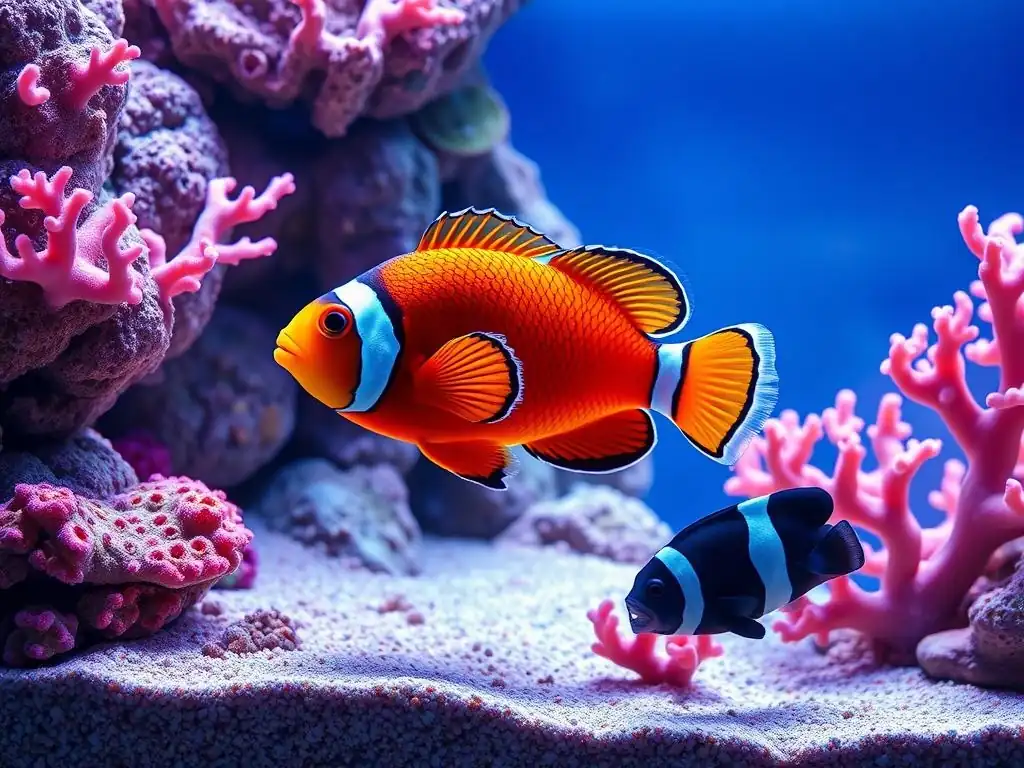
Setting Up a Breeding Tank for Ocellaris Clownfish
Breeding Ocellaris Clownfish in a home aquarium is a rewarding experience that requires a dedicated breeding tank, separate from the main display. A 20-gallon long (75-liter) or 30-gallon breeder tank is an ideal size for a single pair. The tank should be relatively bare, featuring only a heater, a small sponge filter or air stone for aeration, and a clay pot, ceramic tile, or a small piece of live rock to serve as a spawning site. Anemones are not strictly necessary for breeding, as clownfish will readily spawn on other flat surfaces.
Water parameters in the breeding tank should be kept pristine and stable, mirroring those of the main display: salinity 1.025, temperature 78-80°F (25.5-27°C), and pH 8.1-8.4. A consistent light cycle of 12-14 hours on and 10-12 hours off can help stimulate spawning. Feeding the breeding pair a high-quality, varied diet rich in protein (e.g., mysis shrimp, spirulina brine shrimp, and high-quality pellets) is crucial to conditioning them for spawning and ensuring healthy egg development.
Caring for Ocellaris Clownfish Eggs and Fry
Once a pair of Ocellaris clownfish has spawned, they will typically lay 100-500 orange-colored, oval-shaped eggs on their chosen spawning site. The male clownfish primarily guards and tends to the eggs, fanning them to ensure oxygenation and removing any unfertilized or diseased eggs. The eggs usually hatch within 7-10 days, depending on the water temperature, with hatching often occurring shortly after the tank lights go out.
Just before hatching, the eggs will turn a silvery-gray color as the fry develop. It is critical to remove the spawning site with the eggs to a separate rearing tank before they hatch, or carefully siphon the newly hatched fry into a dedicated rearing tank. The rearing tank should be small (5-10 gallons), bare-bottomed, and equipped with gentle aeration (e.g., an air stone with minimal bubbles) and a heater. Intense filtration is not needed immediately, as the fry are extremely delicate and can be sucked into filters.
Raising Clownfish Fry: A Step-by-Step Guide
Raising Ocellaris clownfish fry is the most challenging aspect of breeding but can be achieved with careful attention to diet and water quality. Immediately after hatching, clownfish fry are tiny, planktonic organisms that require live food. The first food source must be rotifers ( Brachionus plicatilis), specifically enriched with phytoplankton to boost their nutritional value. Fry will consume rotifers for the first 5-7 days.
After about a week, the fry will grow large enough to accept newly hatched brine shrimp nauplii. Continue feeding brine shrimp for another 7-10 days, gradually introducing finely powdered dry fry food or micro-pellets as they grow larger. Water quality in the rearing tank is paramount; daily small water changes (10-20%) are often necessary to remove waste and provide fresh water. As the fry grow, they will begin to develop their characteristic orange and white coloration and can be slowly acclimated to larger tanks or sold to local fish stores or fellow hobbyists.
Maintaining a Healthy and Balanced Reef Aquarium with Ocellaris Clownfish
Regular Water Changes and Testing
Regular water changes are the cornerstone of maintaining a healthy and balanced reef aquarium for Ocellaris clownfish and their tank mates. They dilute accumulated nitrates and other undesirable compounds, replenish essential trace elements (like calcium, alkalinity, and magnesium) that are consumed by corals and invertebrates, and introduce fresh, oxygenated saltwater. For most established reef tanks, a weekly or bi-weekly water change of 10-20% of the total tank volume is recommended.
Consistent water testing is equally vital. Routine testing should include salinity (using a calibrated refractometer), temperature, pH, ammonia, nitrite, and nitrate. For reef tanks with corals, testing alkalinity, calcium, and magnesium is also crucial, as these parameters directly impact coral growth and health. Keeping a log of your test results helps identify trends and allows for proactive adjustments, preventing minor issues from escalating into major problems that could stress your Ocellaris clownfish or their companions.
Algae Control Strategies
Algae control is a continuous battle in any reef aquarium, and effective strategies are essential for maintaining a clean and aesthetically pleasing environment for Ocellaris clownfish and their tank mates. The primary cause of nuisance algae is an excess of nutrients, specifically nitrates and phosphates. Implementing methods to reduce these nutrients is key. This includes proper feeding practices to avoid overfeeding, regular water changes, and efficient protein skimming.
Introducing a robust clean-up crew (CUC) is a highly effective biological control method. Herbivorous snails (e.g., Turbo, Trochus, Cerith) and small hermit crabs (e.g., Blue Leg, Red Leg) will actively graze on various types of algae. Macroalgae like Chaetomorpha grown in a refugium (a separate sump compartment) can also export nutrients by consuming them as they grow. Lastly, manual removal of algae from tank glass and rocks during routine maintenance helps keep outbreaks in check.
Monitoring Fish Behavior for Early Signs of Stress
Observing the behavior of your Ocellaris clownfish and their tank mates daily is a critical proactive measure for maintaining a healthy aquarium. Fish behavior can be an early indicator of stress, disease, or environmental issues long before visible symptoms appear. Look for changes in appetite; a sudden refusal to eat is a significant warning sign. Observe swimming patterns: erratic movements, darting, scratching against rocks, or listlessness are all red flags.
Pay attention to interaction between Ocellaris clownfish tank mates. Are previously peaceful fish now showing aggression? Is one fish constantly hiding or being bullied? Changes in coloration, such as fading or darkening, can also indicate stress. By becoming familiar with your fish's normal behavior, you can quickly identify deviations and take corrective action, whether it's adjusting water parameters, addressing aggression, or preparing for potential disease treatment, thus preventing more serious health issues.
Troubleshooting Common Issues with Ocellaris Clownfish and Tank Mates
Ocellaris Clownfish Not Eating: Possible Causes and Solutions
An Ocellaris clownfish refusing to eat is a common and concerning issue that requires prompt investigation. Several factors can contribute to anorexia. The most frequent cause is stress, often induced by poor water quality (high ammonia/nitrite, unstable pH/salinity), aggressive tank mates, or a new environment. Disease, such as internal parasites or bacterial infections, can also lead to a loss of appetite. Less commonly, a clownfish might be finicky about food, especially if it's new to the tank.
To troubleshoot, first, test all water parameters immediately to rule out water quality issues. If parameters are off, perform a water change. Observe the Ocellaris clownfish tank mates for signs of aggression or bullying. If identified, consider rearranging rockwork to break up territories or, if severe, rehoming the aggressor. Offer a variety of highly palatable foods, such as live or frozen mysis shrimp, to entice eating. If the fish shows other signs of illness (spots, clamped fins, labored breathing), prepare a quarantine tank for treatment. Persistent refusal to eat often leads to rapid decline, so quick action is vital.
Aggression Issues Between Tank Mates: Identifying and Resolving Conflicts
Aggression between Ocellaris clownfish tank mates, though rare with the clownfish themselves, can arise from various factors among other species. It often stems from insufficient tank size, leading to limited territory, or the introduction of overly aggressive species. Signs of aggression include chasing, nipping fins, flared gills, or one fish constantly hiding. Identifying the aggressor is the first step.
To resolve conflicts, first, ensure the tank is large enough for the fish population. If overcrowding is an issue, rehoming some fish may be necessary. Rearranging live rock can help by breaking up established territories and creating new hiding spots, effectively "resetting" the social dynamics.
Introducing new fish last, and ensuring they are similar in size or larger than the existing fish (but still compatible), can also help. In severe cases, temporarily removing the aggressor for a few days to a "time-out" tank can sometimes quell its dominance upon reintroduction. For persistent aggression, especially if it's causing stress or injury, the aggressive fish may need to be permanently rehomed.
Cloudy Water and Poor Water Quality: Remedial Actions
Cloudy water in a reef aquarium housing Ocellaris clownfish and their tank mates is a clear indication of poor water quality or an imbalanced biological system. White cloudiness often signals a bacterial bloom, which can occur during new tank syndrome, after a large die-off, or due to overfeeding. Green cloudiness typically indicates an algal bloom, driven by excess nutrients and light. Yellowish or brownish water suggests an accumulation of dissolved organic compounds.
To address cloudy water, first, test water parameters, especially ammonia, nitrite, and nitrate. If ammonia or nitrite are present, perform an immediate partial water change (25-30%) and reduce feeding. For bacterial blooms, ensure adequate aeration and maintain consistent water parameters; they often resolve on their own once the bacterial population stabilizes.
For algal blooms, reduce lighting duration, perform water changes, and ensure your protein skimmer is working efficiently. Activated carbon can effectively remove dissolved organics and contribute to crystal clear water. Always address the root cause – typically overfeeding or inadequate filtration – to prevent recurrence and maintain a healthy environment for your Ocellaris clownfish and their companions.
Frequently Asked Questions
What makes Ocellaris clownfish a popular choice for aquariums?
Ocellaris clownfish are popular due to their vibrant coloration, peaceful temperament, and relatively easy care requirements. They are also known for their symbiotic relationship with anemones.
What are some ideal tank mates for Ocellaris clownfish in a reef tank?
Good tank mates include peaceful fish like gobies, blennies, and chromis. Avoid aggressive or territorial fish that could bully the clownfish. Consider also the tank's size and water parameters.
Are there any fish that should never be kept with Ocellaris clownfish?
Yes, avoid keeping Ocellaris clownfish with larger, aggressive fish like triggers, lionfish, and certain types of wrasses. These fish could prey on or harass the clownfish.
How does the size of the aquarium affect the choice of tank mates for Ocellaris clownfish?
A larger aquarium allows for a greater diversity of tank mates and reduces the risk of aggression. Smaller tanks should be limited to fewer, smaller, and more peaceful species.
Besides fish, what other types of creatures can be good tank mates for Ocellaris clownfish?
Invertebrates like coral, snails, and shrimp can make excellent additions to a clownfish tank. Ensure the invertebrates are reef-safe and compatible with the tank's environment.
Final Reflection: Embracing Harmony in the Reef
The vibrant world of the Ocellaris clownfish, as we've explored, is not just about individual beauty, but about the delicate interconnectedness within a reef ecosystem. Understanding the nuances of compatibility and the impact of our choices as aquarists is more crucial than ever, as we strive to recreate and preserve these fragile environments within our own homes.
This journey into the ideal tank mates for the Ocellaris clownfish has underscored the importance of responsible reef keeping. It's a reminder that our actions, however small, ripple outwards, affecting the well-being of these creatures and the overall health of the simulated ecosystem. In the end, we will conserve only what we love; we will love only what we understand; and we will understand only what we are taught.
- Baba Dioum. This quote perfectly encapsulates our responsibility to learn and appreciate the intricacies of the reef environment.
As you consider adding an Ocellaris clownfish and its companions to your aquarium, remember that you are becoming a steward of a miniature reef. Let the knowledge gained here inspire you to make informed decisions, prioritize the well-being of your aquatic inhabitants, and contribute to the preservation of these magnificent ecosystems, one tank at a time.
Dive Deeper: Start Your Clownfish Adventure!
Thanks for exploring the captivating world of Ocellaris Clownfish with us! We hope you found valuable insights to help you create a thriving reef aquarium. Now, let's put that knowledge into action!
Here are some steps you can take right now:
- Embark on Your Ocellaris Journey: Begin researching reputable breeders or local fish stores to find your perfect pair of Ocellaris Clownfish.
- Share the Wonder: Spread the joy by sharing this article with fellow aquarium enthusiasts who might be interested in keeping these vibrant fish.
- Discover More Reef Inhabitants: Explore our other articles on reef-safe companions to discover even more fascinating species to add to your aquatic ecosystem.
What are you most excited to bring into your reef tank first?