
Saltwater Tank Selection Secrets: Critical Differences from Freshwater Aquariums

Welcome to Aquarium Mastery!
Ever wondered what really separates a thriving saltwater paradise from a freshwater flop? You're in the right place! Dive in and discover the crucial differences in our Saltwater aquarium setup guide, where we unravel the secrets to selecting the perfect tank and equipment. Get ready to unlock the knowledge you need to create a stunning and healthy saltwater ecosystem... but be warned, there's more to it than just adding salt! Intrigued? Let's get started!
- Saltwater Tank Selection: Key Differences from Freshwater Aquariums
- Understanding Saltwater Aquarium Setup
- Tank Selection: Saltwater vs. Freshwater
- Water Chemistry: The Foundation of a Healthy Saltwater Aquarium
- Equipment Essentials for Saltwater Aquariums
- Livestock Compatibility: Selecting Marine Fish and Invertebrates
- Substrate Selection: Creating a Natural Marine Environment
- Cycling Your Saltwater Aquarium: A Step-by-Step Guide
- Troubleshooting Common Saltwater Aquarium Problems
- Advanced Saltwater Aquarium Techniques
- Conclusion: Mastering Saltwater Aquarium Keeping
-
Frequently Asked Questions
- What are the key differences between setting up a saltwater aquarium versus a freshwater aquarium?
- Why is water chemistry so much more critical in saltwater tanks?
- What are some essential pieces of equipment that are unique to saltwater aquarium setups?
- How does the choice of fish and corals impact the saltwater aquarium setup?
- What are some common troubleshooting issues specific to saltwater aquariums?
- Final Reflection: Embracing the Saltwater Symphony
- Dive Deeper: Transform Your Aquarium Dreams into Reality!
Saltwater Tank Selection: Key Differences from Freshwater Aquariums
Understanding Saltwater Aquarium Setup
Why Saltwater Aquariums Require a Different Approach
Setting up a saltwater aquarium presents a distinct set of challenges and requirements that significantly differ from freshwater systems. Marine life, whether fish, corals, or invertebrates, thrives within a narrow range of specific water parameters, including salinity, pH, and alkalinity, which are far more critical and complex to maintain than in most freshwater setups. The unique biological needs of these organisms necessitate specialized equipment and a deeper understanding of water chemistry, making the initial investment and ongoing maintenance generally higher for a successful saltwater aquarium setup guide.
Beyond the initial setup, the delicate balance of a marine ecosystem demands vigilant monitoring and consistent care. Marine fish and corals are often more sensitive to environmental fluctuations and pollutants than their freshwater counterparts. For instance, maintaining a precise specific gravity of 1.023-1.025 for a reef tank is paramount, whereas freshwater parameters are much more forgiving. The inherent sensitivity of marine organisms means that even small deviations in water quality can lead to significant stress, disease, or even mortality, underscoring why a comprehensive saltwater aquarium setup guide is essential.
Essential Considerations for Saltwater Aquarium Success
Successful saltwater aquarium keeping begins with meticulous planning and thorough research before any equipment is purchased or livestock is introduced. Understanding the bioload capacity of your chosen tank size and the specific needs of the marine species you intend to keep is fundamental. Unlike many freshwater setups that can utilize tap water with simple conditioners, a saltwater aquarium setup typically requires purified RO/DI (Reverse Osmosis/Deionization) water to ensure it is free from phosphates, nitrates, silicates, and other impurities that can fuel nuisance algae or harm sensitive inhabitants.
The commitment to a saltwater aquarium extends to consistent daily checks, weekly or bi-weekly water changes (often 10-20% of the total volume), and regular parameter testing. For example, a 75-gallon reef tank might require a 15-gallon water change every week to export nutrients and replenish trace elements. This level of dedication helps mitigate common pitfalls such as algae blooms or disease outbreaks. Adhering to a well-structured saltwater aquarium setup guide not only ensures the health and longevity of your marine ecosystem but also provides a rewarding and captivating experience for the aquarist.
Tank Selection: Saltwater vs. Freshwater
Material Matters: Glass vs. Acrylic for Saltwater
When embarking on a saltwater aquarium setup, one of the primary decisions involves the tank material: glass or acrylic. Glass tanks are favored for their superior scratch resistance, maintaining a pristine view over many years, and their lower cost for smaller to medium sizes (e.g., 40-120 gallons). However, they are significantly heavier, less impact-resistant, and their optical clarity can diminish at greater thicknesses, potentially distorting the view in very large tanks.
Acrylic tanks, in contrast, offer exceptional optical clarity, often appearing seamless and brighter than glass. They are considerably lighter, making them easier to move, and are highly impact-resistant, less prone to shattering. Acrylic is also easier to drill for plumbing, a common requirement for sumped saltwater aquarium setups. While more susceptible to scratching, which can be buffed out, acrylic's insulation properties can also contribute to more stable water temperatures, a subtle but beneficial feature for sensitive marine life, especially in larger systems (e.g., 180 gallons and up).
Size and Dimensions: Matching Tank Size to Livestock
The size and dimensions of your saltwater aquarium are far more critical than for most freshwater setups due to the higher activity levels, territoriality, and waste production of marine fish and invertebrates. While a small 10-gallon tank might suffice for a single Betta, even the smallest saltwater fish, like a pair of Ocellaris Clownfish, typically require a minimum of 20-30 gallons. Larger, more active species such as a Yellow Tang ideally need at least a 75-gallon tank with sufficient swimming room (e.g., 4 feet in length).
Beyond total volume, the tank's footprint and height play a significant role. A longer, shallower tank provides more surface area for gas exchange and swimming space for fish, whereas a taller tank might be suitable for vertical rock structures and certain coral placements.
For instance, a 90-gallon tank that is 48 inches long by 18 inches deep offers much more practical space for a varied marine community than a 90-gallon tank that is 36 inches long by 24 inches deep. Carefully considering the adult size and territorial needs of your desired livestock is a cornerstone of any effective saltwater aquarium setup guide.
Filtration Needs: Sump vs. All-in-One Systems
Filtration is paramount in a saltwater aquarium setup, and aquarists typically choose between a sump system or an All-in-One (AIO) tank. A sump is a separate reservoir, usually placed below the main display tank, that houses critical equipment such as protein skimmers, refugiums, heaters, and return pumps. This setup significantly increases the total system water volume, enhancing water parameter stability, and provides ample space for advanced filtration media and nutrient export methods. Sumps are commonly found on tanks 40 gallons and larger, offering superior customization and efficiency for a robust marine environment.
All-in-One (AIO) tanks, on the other hand, integrate filtration compartments directly into the back or sides of the display tank. These systems are highly popular for smaller saltwater aquarium setups, typically ranging from 10 to 40 gallons, due to their compact footprint, sleek appearance, and ease of initial setup. While convenient and space-saving, AIOs offer less flexibility for equipment upgrades or expansion of filtration components compared to sumped systems. The choice often boils down to tank size, available space, and the aquarist's long-term goals for their saltwater aquarium setup.
Water Chemistry: The Foundation of a Healthy Saltwater Aquarium
Maintaining Optimal Salinity: Refractometers and Hydrometers
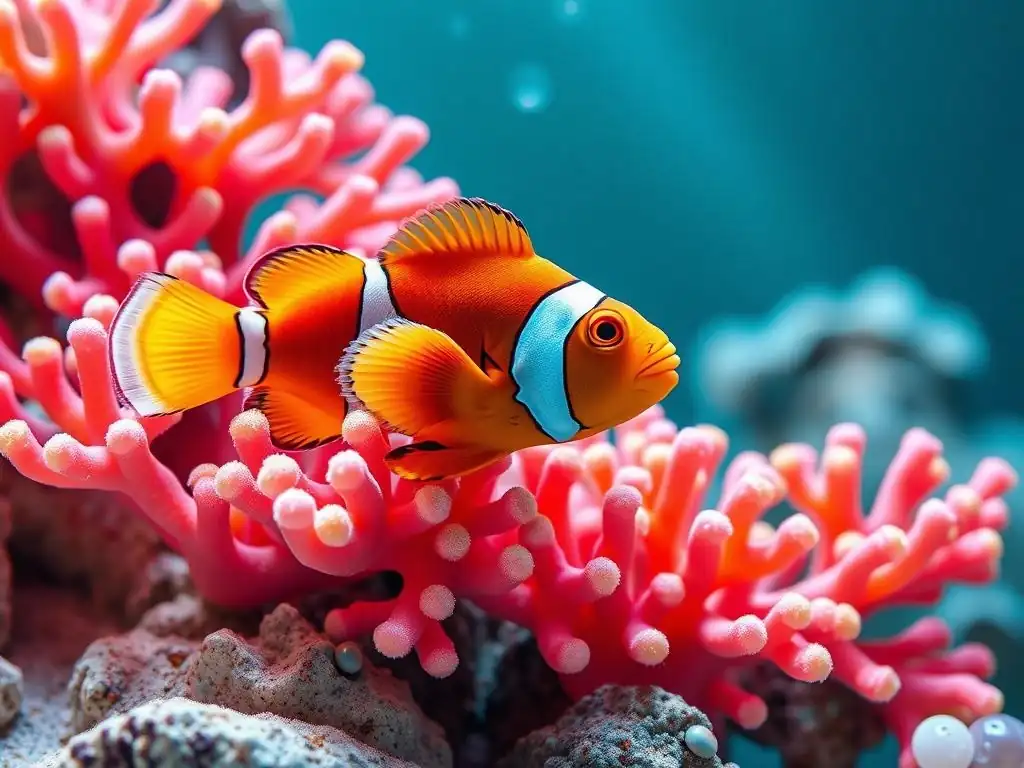
Salinity, the concentration of dissolved salts in the water, is perhaps the most critical parameter in a saltwater aquarium setup. Marine organisms are highly sensitive to fluctuations, with an ideal specific gravity typically ranging from 1.023 to 1.026 (equivalent to 32-35 parts per thousand, or ppt). Consistency is key; even minor shifts can cause osmotic stress. When mixing saltwater, it is imperative to use purified RO/DI water, as tap water often contains undesirable contaminants like chlorine, chloramines, and heavy metals that can harm delicate marine life.
To accurately measure salinity, aquarists primarily use two tools: refractometers and hydrometers. Refractometers are handheld optical devices that measure the bending of light through water, providing highly accurate readings (typically within ±0.001 specific gravity). They require calibration with distilled water for reliability and are generally preferred by experienced aquarists. Hydrometers, while more affordable, are less precise (often off by ±0.002-0.003 specific gravity) and prone to errors from air bubbles or mineral buildup. Regular, consistent monitoring (e.g., weekly) with a calibrated refractometer is vital for maintaining the stable environment crucial to any thriving saltwater aquarium setup.
The Importance of pH and Alkalinity Balance
Maintaining stable pH and alkalinity levels is fundamental to the health of a saltwater aquarium, particularly for reef tanks housing corals. The optimal pH range for most marine systems is 8.0 to 8.4, representing the slightly alkaline conditions found in natural coral reefs. Alkalinity, measured in dKH (degrees of carbonate hardness), refers to the water's buffering capacity—its ability to resist sudden changes in pH. An ideal alkalinity range is typically 7-12 dKH, with many reef keepers aiming for 8-9 dKH for optimal coral calcification.
These two parameters are intrinsically linked: stable alkalinity acts as a buffer, preventing drastic pH swings that can severely stress or kill corals and other invertebrates. Corals actively consume carbonate hardness for skeletal growth, so alkalinity levels in a reef saltwater aquarium setup will deplete over time.
If alkalinity drops too low (e.g., below 7 dKH), the pH can crash, leading to tissue necrosis in corals. Regular testing (e.g., 2-3 times per week for reef tanks) and consistent dosing of two-part solutions or calcium reactors are often necessary to replenish these consumed elements and maintain the crucial balance in a sensitive marine environment.
Testing and Adjusting Water Parameters: Test Kits and Dosing
Beyond salinity, pH, and alkalinity, a comprehensive saltwater aquarium setup guide emphasizes regular testing for other vital parameters, including calcium (ideal 380-450 ppm), magnesium (ideal 1250-1350 ppm), nitrates (<10 ppm for fish-only, <0.2 ppm for reef), and phosphates (<0.03 ppm for reef). High-quality liquid reagent test kits are generally recommended over less precise test strips for accurate readings. Consistent monitoring (e.g., weekly for basic parameters, more frequently for reef tanks) allows aquarists to identify issues before they become critical.
Adjusting these parameters often involves a combination of methods. Regular water changes are the primary means of reducing accumulated nitrates and phosphates, while also replenishing trace elements. For parameters like calcium, alkalinity, and magnesium, which are actively consumed by corals, targeted dosing of chemical additives is necessary. This can range from manual daily additions of two-part solutions to automated dosing pumps for larger, demanding reef systems, which provide precise, consistent delivery of elements. Understanding the interplay of these parameters and how to adjust them is a cornerstone of advanced saltwater aquarium setup and maintenance.
Equipment Essentials for Saltwater Aquariums
Protein Skimmers: Choosing the Right Size and Type
A protein skimmer is a cornerstone of effective filtration in most saltwater aquarium setups, particularly for reef tanks. This vital piece of equipment removes organic waste compounds, such as proteins, amino acids, and fats, from the water column before they can break down into nitrates and phosphates. By generating a column of fine bubbles, the skimmer attracts these organic molecules to the air-water interface, forming a foam that is collected in a removable cup, thereby directly exporting nutrients and improving water clarity.
When selecting a protein skimmer, it is generally advisable to choose one rated for a tank volume 1.5 to 2 times your actual aquarium size, ensuring robust nutrient export. Skimmers come in various types: in-sump models are highly efficient and quiet, hang-on-back (HOB) skimmers are convenient for tanks without sumps, and external skimmers offer maximum performance and accessibility. Factors like footprint, noise level, and ease of maintenance should also be considered to ensure the skimmer seamlessly integrates into your saltwater aquarium setup and provides reliable performance.
Lighting Considerations: LEDs vs. Metal Halide
Lighting is a critical component of any saltwater aquarium setup, especially for reef tanks housing photosynthetic corals. Two dominant technologies prevail: LEDs (Light Emitting Diodes) and Metal Halides. LEDs have gained immense popularity due to their energy efficiency, long lifespan (often exceeding 50,000 hours), and customizable spectrums and intensity. Modern LED fixtures allow aquarists to fine-tune light color and brightness to suit specific coral types, from soft corals needing moderate light (e.g., 50-100 PAR) to demanding SPS corals requiring very high intensity (e.g., 250-450+ PAR).
Metal Halide lighting, historically favored by advanced reef keepers, delivers intense, broad-spectrum light with excellent penetration, making them effective for deep tanks and demanding corals. However, they consume more power, generate significant heat (often requiring a chiller), and require bulb replacement every 6-12 months, adding to operating costs. While still a viable option, for a contemporary saltwater aquarium setup guide, LEDs are often recommended for their flexibility, lower long-term operating costs, and continuous technological advancements in spectral control and efficiency.
Heaters and Chillers: Maintaining Temperature Stability
Maintaining stable water temperature is crucial for the health and well-being of marine inhabitants in a saltwater aquarium setup. Most marine fish and invertebrates thrive within a narrow range of 75-80°F (24-27°C). Heaters are essential in cooler climates or rooms to prevent temperature drops, which can stress fish and lead to disease. It is often recommended to use two smaller heaters rather than one large one for redundancy; if one fails, the other can provide some heat, preventing a catastrophic temperature crash. For example, a 75-gallon tank might use two 150-watt heaters.
Conversely, in warmer climates or for tanks with high-heat-producing equipment (e.g., powerful lighting, multiple pumps), chillers are vital to prevent overheating. Elevated temperatures reduce oxygen levels and can be lethal to sensitive marine organisms, particularly corals. A temperature swing of more than 2-3°F within a 24-hour period can cause significant stress. Proper sizing of heaters and chillers based on tank volume, ambient room temperature, and heat load from equipment is a critical step to ensure consistent temperature stability for your saltwater aquarium setup.
Livestock Compatibility: Selecting Marine Fish and Invertebrates
Understanding Aggression and Compatibility
Unlike many freshwater species, marine fish often exhibit more pronounced territoriality and aggression, making livestock compatibility a critical consideration in a saltwater aquarium setup. Introducing fish in the correct order—typically starting with the least aggressive species—and providing ample hiding spots and visual breaks within the rockwork can help mitigate conflict. For example, a single Yellow Tang, known for its territorial nature, requires at least a 75-gallon tank to minimize aggression towards other tank mates and provide sufficient swimming space.
Researching the adult size, temperament, and dietary needs of each potential inhabitant is paramount to prevent conflict and ensure a peaceful, thriving community. Some species, like Triggerfish or large Angelfish, can be highly aggressive or prone to nipping corals, making them unsuitable for mixed-reef environments. Others, like the highly specialized Mandarinfish, require a mature, copepod-rich system to survive. A comprehensive saltwater aquarium setup guide emphasizes that understanding these nuances is key to avoiding costly mistakes and ensuring the well-being of your marine residents.
Choosing Fish for a Beginner Saltwater Aquarium: Examples and Considerations
For those new to the hobby, selecting hardy, beginner-friendly fish is a wise approach for a first saltwater aquarium setup. Ocellaris or Percula Clownfish are excellent choices due to their resilience, availability, and relatively small size (typically 3-4 inches), making a pair suitable for tanks as small as 20-30 gallons. Other good options include certain species of Gobies (e.g., Watchman Goby, Diamond Watchman Goby), Blennies (e.g., Lawnmower Blenny), and some Damselfish (though some damsel species can be quite aggressive).
It is crucial to avoid impulse buys and resist the temptation of delicate or demanding species for a beginner saltwater aquarium setup. Fish like Mandarinfish, which rely on a constant supply of live copepods, or large, aggressive predators such as Lionfish or large Groupers, are not suitable for novice aquarists. Always quarantine new fish in a separate tank for 2-4 weeks to observe for diseases and treat if necessary, preventing the introduction of pathogens into your main display tank. This preventive measure is invaluable for long-term success.
Adding Invertebrates: Corals, Shrimp, and More
The world of marine invertebrates offers incredible diversity and beauty, from functional clean-up crews to stunning corals. Shrimp, such as Cleaner Shrimp or Peppermint Shrimp, are excellent additions, consuming parasites, detritus, and even Aiptasia anemones. Snails, like Turbo Snails or Nassarius Snails, are diligent algae grazers and sand sifters, contributing significantly to tank hygiene. Hermit crabs also serve as part of the clean-up crew but can sometimes be disruptive, occasionally preying on snails or knocking over small frags.
Corals are often the centerpiece of a saltwater aquarium setup, categorized by their growth requirements. Soft corals (e.g., Zoanthids, Mushrooms, Leathers) are generally the easiest for beginners, tolerating wider parameter fluctuations and lower light levels. LPS (Large Polyp Stony) corals (e.g., Euphyllia, Acanthastrea) are moderately difficult, requiring more stable parameters and moderate light/flow. SPS (Small Polyp Stony) corals (e.g., Acropora, Montipora) are the most demanding, necessitating precise water chemistry, intense lighting, and strong, turbulent flow, representing the pinnacle of a challenging saltwater aquarium setup.
Substrate Selection: Creating a Natural Marine Environment
Live Sand vs. Aragonite: Benefits and Drawbacks
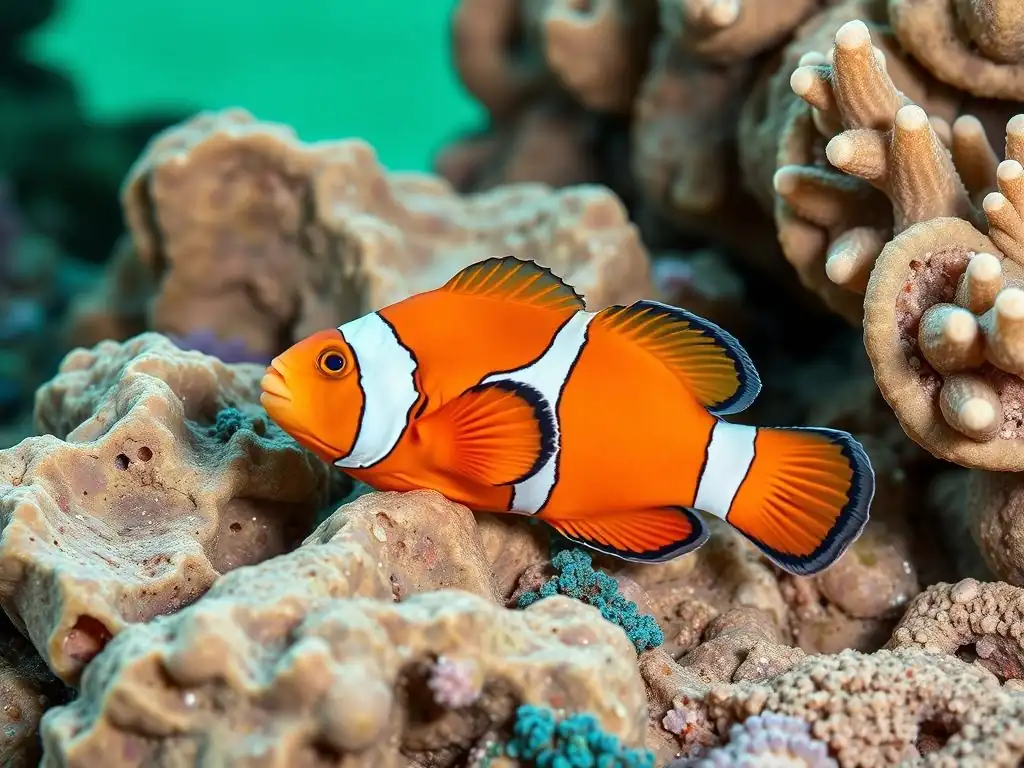
Substrate plays a vital role in a saltwater aquarium setup, providing a natural aesthetic, a home for beneficial bacteria, and a place for burrowing inhabitants. Live sand, packaged wet and containing beneficial bacteria, can accelerate the cycling process by providing an immediate source of nitrifying organisms. This can be particularly beneficial for establishing a mature biological filter more quickly. However, live sand typically comes at a higher cost compared to dry alternatives.
Aragonite sand, a form of calcium carbonate, is the most common dry substrate used in marine aquariums. It is inert and needs to be thoroughly rinsed before use to remove fine dust. Aragonite is available in various grain sizes and colors, allowing for aesthetic customization. Both live sand and dry aragonite contribute to water chemistry by slowly dissolving calcium carbonate, which helps buffer pH and alkalinity levels over time. This subtle but important chemical contribution aids in maintaining the stable parameters essential for a thriving saltwater aquarium setup.
Substrate Depth and Its Impact on Water Quality
The depth of the substrate in a saltwater aquarium setup significantly influences its role in filtration and overall water quality. Shallow sand beds (SSBs), typically 1-2 inches deep, are common in most reef tanks. They provide a clean aesthetic, minimize detritus accumulation within the sand, and primarily offer surface area for aerobic nitrifying bacteria to convert ammonia and nitrite into nitrate. SSBs are generally easier to maintain and are less prone to issues associated with anaerobic zones.
Deep sand beds (DSBs), ranging from 4 to 6 inches or more in depth, are designed to create an anoxic (low oxygen) or anaerobic (no oxygen) zone within the lower layers. In these zones, specialized denitrifying bacteria can convert nitrates into harmless nitrogen gas, effectively reducing nitrate levels without large water changes. However, DSBs are delicate; if disturbed, they can release toxic hydrogen sulfide gas. They take several months to fully mature and are considered an advanced technique, requiring careful setup and management for a successful saltwater aquarium setup.
Cycling Your Saltwater Aquarium: A Step-by-Step Guide
The Nitrogen Cycle in Marine Aquariums
The nitrogen cycle is the cornerstone of biological filtration in any saltwater aquarium setup, converting toxic waste products into less harmful compounds. It begins with ammonia (NH3), a highly toxic substance produced from fish waste, uneaten food, and decaying organic matter. Specialized nitrifying bacteria, primarily Nitrosomonas species, convert ammonia into nitrite (NO2-), which is also highly toxic to marine life. Subsequently, another group of bacteria, Nitrobacter or Nitrospira species, converts nitrite into much less toxic nitrate (NO3-).
This biological process is essential for establishing a stable and safe environment for marine inhabitants. Before any livestock can be introduced, the aquarium must be fully cycled, meaning that colonies of these beneficial bacteria are established sufficiently to process all ammonia and nitrite produced. A typical cycling process can take anywhere from 4 to 8 weeks, during which ammonia and nitrite levels will spike and then gradually fall to zero, indicating the maturation of the biological filter in your saltwater aquarium setup.
Monitoring Ammonia, Nitrite, and Nitrate Levels
During the cycling phase of a saltwater aquarium setup, consistent and accurate water parameter testing is paramount. Aquarists should test daily for ammonia and nitrite, expecting to see initial spikes followed by a gradual decline to zero. The presence of zero ammonia and zero nitrite for several consecutive days, coupled with a measurable increase in nitrate levels, indicates that the nitrogen cycle is complete and the beneficial bacteria colonies are fully established.
Once ammonia and nitrite consistently read zero, and nitrates are present but not excessively high (e.g., typically below 20 ppm after the initial cycle), the tank is considered biologically stable. Before adding any livestock, it is highly recommended to perform a large water change (e.g., 50%) to reduce initial nitrate levels, providing the cleanest possible starting point for your new marine inhabitants. This crucial step in the saltwater aquarium setup guide helps ensure a smooth transition for your first fish.
Introducing Livestock After Cycling: A Gradual Process
After successfully cycling your saltwater aquarium setup, the introduction of livestock must be a slow and gradual process to avoid overwhelming the newly established biological filter. Adding too many fish or invertebrates at once can lead to a sudden spike in ammonia, which can be fatal to marine organisms. It is best to start with one or two small, hardy fish, such as a single Ocellaris Clownfish, and wait a few weeks before adding more. This allows the bacterial colonies to adapt and grow to the increasing bioload.
Proper acclimation of new arrivals is equally critical. Drip acclimation, where water from the display tank is slowly dripped into the bag or container holding the new organism over 30-60 minutes, is the preferred method for marine fish and invertebrates. This gentle process gradually equalizes temperature, pH, and salinity, minimizing stress. Furthermore, quarantining all new fish in a separate tank for 2-4 weeks allows for observation and treatment of potential diseases, protecting your main saltwater aquarium setup from pathogens.
Troubleshooting Common Saltwater Aquarium Problems
Algae Blooms: Identification and Control
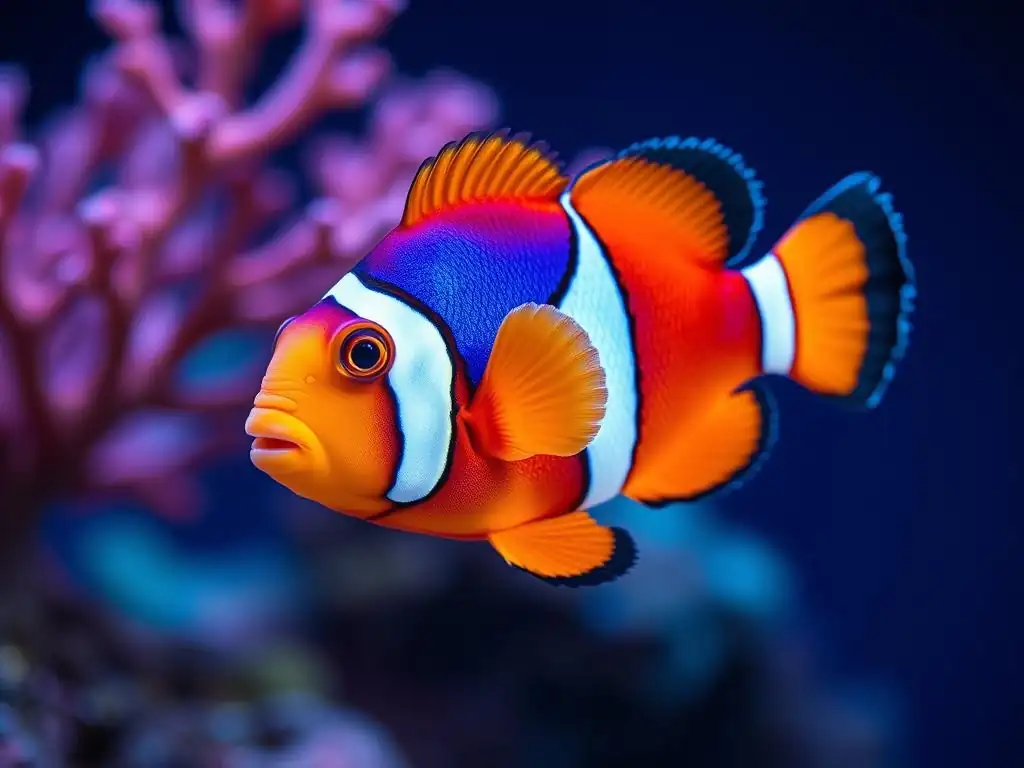
Algae blooms are a common and often frustrating issue in saltwater aquarium setups, typically signaling an underlying imbalance in water quality. Common types include green hair algae (often caused by excess nitrates and phosphates), diatoms (brown film, common in new tanks due to silicates), cyanobacteria (red slime algae, indicating low flow and high nutrients), and dinoflagellates (ugly brown or rust-colored slime, complex and often nutrient-driven). Identifying the type of algae helps pinpoint the cause.
Controlling algae involves addressing the root cause: nutrient reduction. This includes regular water changes (e.g., weekly 10-20% of tank volume), ensuring RO/DI water quality, reducing overfeeding, improving water flow to eliminate dead spots, and adding a robust clean-up crew (snails, hermit crabs). Implementing nutrient export methods like efficient protein skimming, refugiums, and phosphate removers (e.g., GFO) can significantly reduce nitrates and phosphates, essential for maintaining a clean and clear saltwater aquarium setup.
Disease Prevention and Treatment: Common Diseases and Remedies
Disease prevention is paramount in a saltwater aquarium setup, as marine fish are often more susceptible to stress-induced illnesses. The best defense is a strong offense: rigorous quarantine of all new fish for 2-4 weeks, maintaining stable water parameters, providing a balanced and nutritious diet, and avoiding overcrowding. Despite best efforts, common diseases like Marine Ich (Cryptocaryon irritans), Marine Velvet (Amyloodinium ocellatum), and Brooklynella (Brooklynella hostilis) can occur.
Treatment options vary. Copper-based medications are highly effective against Ich and Velvet but are toxic to invertebrates and corals, necessitating treatment in a separate hospital tank. Freshwater dips can offer temporary relief for some parasites. UV sterilizers can help reduce free-floating parasites in the water column. Always research the specific disease and consult reliable sources before administering any treatment, as incorrect medication can be more harmful than the disease itself in a delicate saltwater aquarium setup.
Addressing Water Quality Issues
Water quality issues manifest in various ways within a saltwater aquarium setup, from cloudy water and unpleasant odors to rapid algae growth and stressed livestock. Cloudy water can indicate a bacterial bloom, excessive particulate matter, or a sudden die-off. Unpleasant smells often point to decaying organic matter. Rapid algae growth, as mentioned, is a classic sign of high nitrates and phosphates. These issues underscore the need for consistent monitoring and proactive intervention.
Solutions often involve a multi-pronged approach. Increased frequency or volume of water changes can quickly reduce dissolved pollutants. Thorough gravel vacuuming or siphoning detritus from the sump can remove accumulated organic waste. Ensuring the protein skimmer is operating efficiently, adding filter socks or pads to mechanical filtration, and checking for proper water flow throughout the tank to prevent dead spots are also vital. For persistent issues, a complete review of the saltwater aquarium setup guide, including equipment functionality and feeding practices, is necessary to identify and resolve the underlying problem.
Advanced Saltwater Aquarium Techniques
Reef Tank Setup: A Specialized Approach
A reef tank setup represents a specialized and often more demanding facet of saltwater aquarium keeping, focusing on the cultivation of corals and other photosynthetic invertebrates alongside marine fish. This type of saltwater aquarium setup requires a higher degree of precision and control over water parameters compared to fish-only tanks. Parameters such as calcium (400-450 ppm), alkalinity (8-9 dKH), and magnesium (1300-1350 ppm) must be meticulously maintained to support coral calcification and growth.
Key differences from a basic saltwater aquarium setup include the need for more powerful and specialized lighting (e.g., high-PAR LEDs or T5HO fixtures), robust nutrient export systems (e.g., oversized protein skimmers, refugiums, carbon/GFO reactors), and often automated dosing systems to replenish consumed elements. Reef tanks typically range from 75 gallons upwards to provide stable environments and adequate space for coral growth. Success in reef keeping demands a deeper understanding of coral biology, water chemistry, and the intricate balance of a miniature ecosystem.
Deep Sand Beds: Advanced Filtration Methods
Deep Sand Beds (DSBs) are an advanced filtration technique used in some saltwater aquarium setups, typically consisting of 4-6 inches or more of fine aragonite sand. The primary purpose of a DSB is to create an anoxic or anaerobic zone within its lower layers. In these oxygen-depleted regions, a specific type of bacteria, known as denitrifying bacteria, thrives. These bacteria perform the crucial function of converting nitrates into harmless nitrogen gas, which then off-gasses from the system.
While DSBs can be highly effective at nitrate reduction, significantly reducing the need for large water changes, they come with caveats. A DSB must be meticulously set up and, once established, should not be disturbed, as disruption can release toxic hydrogen sulfide gas trapped within the anaerobic layers. They also take several months to fully mature and become effective. DSBs are generally considered an advanced technique for aquarists who have a thorough understanding of their principles and are committed to their specific maintenance requirements within a saltwater aquarium setup.
SPS Coral Care: Lighting, Flow, and Water Chemistry
Small Polyp Stony (SPS) corals, such as Acropora and Montipora, are highly prized for their vibrant colors and intricate branching structures but are renowned as the most challenging corals to keep in a saltwater aquarium setup. Their demanding nature stems from very specific requirements for lighting, water flow, and water chemistry. SPS corals require exceptionally high light intensity, often measured in PAR (Photosynthetically Active Radiation) levels of 250-450+, and a full spectrum that mimics natural sunlight, typically achieved with high-end LED or T5HO fixtures.
Beyond light, strong and turbulent water flow is critical for SPS corals to ensure proper gas exchange, nutrient delivery, and to prevent detritus from settling on their delicate polyps. Water chemistry must be maintained within very tight, stable parameters: calcium at 400-450 ppm, alkalinity at 8-9 dKH, and magnesium at 1300-1350 ppm. Even minor fluctuations can cause stress, leading to tissue loss or bleaching. Consistent, often automated, dosing of these elements is essential for their long-term health and growth, marking SPS care as a true test of mastery in a saltwater aquarium setup guide.
Conclusion: Mastering Saltwater Aquarium Keeping
Frequently Asked Questions
What are the key differences between setting up a saltwater aquarium versus a freshwater aquarium?
Saltwater aquariums require a greater understanding of water chemistry and specialized equipment like protein skimmers and specific gravity meters. The types of fish and corals kept also necessitate different lighting and filtration.
Why is water chemistry so much more critical in saltwater tanks?
Saltwater environments are far more sensitive to fluctuations in pH, alkalinity, and salinity. Maintaining stable parameters is crucial for the health and survival of marine life and prevents harmful algae blooms.
What are some essential pieces of equipment that are unique to saltwater aquarium setups?
Besides a standard filter, saltwater tanks often require a protein skimmer to remove organic waste, a powerhead for water circulation, and a refractometer or hydrometer to measure salinity levels accurately.
How does the choice of fish and corals impact the saltwater aquarium setup?
Different species have specific needs regarding lighting intensity, water flow, and tank size. Researching compatibility and providing appropriate environments for each organism is paramount for a successful and healthy reef ecosystem.
What are some common troubleshooting issues specific to saltwater aquariums?
Common problems include algae blooms, disease outbreaks, and invertebrate health issues. Addressing these often requires careful water testing, quarantine procedures, and a deep understanding of marine biology.
Final Reflection: Embracing the Saltwater Symphony
The journey into saltwater aquariums, as we've explored, is a leap into a world of vibrant complexity. Understanding the critical differences between freshwater and saltwater setups is not just about technical proficiency; it's about respecting the delicate ecosystems we aim to recreate. The information presented here serves as a foundational guide, empowering aspiring reef keepers to embark on this rewarding, yet demanding, endeavor with knowledge and confidence.
This intricate dance between technology and biology has profoundly shaped the aquarium hobby, pushing the boundaries of what's possible in home environments. The dedication required to maintain a thriving saltwater tank mirrors the commitment we should extend to preserving the natural reefs themselves. In the end, we will conserve only what we love; we will love only what we understand; and we will understand only what we are taught.
- Baba Dioum. This quote underscores the responsibility that comes with recreating a slice of the ocean in our homes – a responsibility to learn, to understand, and ultimately, to protect.
Now, armed with this knowledge, I invite you to reflect on your own role in this aquatic narrative. Consider the impact your choices have, not just on the inhabitants of your tank, but on the broader marine environment. Let this "Saltwater Aquarium Setup Guide" be more than just a set of instructions; let it be a catalyst for deeper understanding, a commitment to responsible reef keeping, and a lifelong journey of learning and appreciation for the wonders of the ocean.
Dive Deeper: Transform Your Aquarium Dreams into Reality!
Thanks for exploring the fascinating differences between freshwater and saltwater aquariums with us! We hope this guide has equipped you with the knowledge to confidently choose the right path for your aquatic ambitions. Now, let's put that knowledge into action!
Here are a few next steps you can take:
- Start planning your ideal saltwater setup: Research specific fish and coral species that you find captivating to help narrow down your tank size and equipment needs.
- Explore local aquarium clubs or online forums to connect with experienced saltwater enthusiasts and gather invaluable insights.
- Consider attending a workshop or shadowing a seasoned hobbyist to gain hands-on experience before committing to a purchase.
What's the first captivating creature you envision inhabiting your future saltwater paradise?