
Yellow Pyramid Butterflyfish (Hemitaurichthys polylepis): A Schooling Reef Marvel? Unveiling the Truth

Welcome to Aquarium Mastery!
Intrigued by the vibrant beauty of the reef? Ever wondered if the Yellow Pyramid Butterflyfish could be the perfect addition to your saltwater setup? Dive in and discover essential Yellow Pyramid Butterflyfish care tips, unraveling the secrets to successfully keeping this schooling marvel. But be warned, there's more to their care than meets the eye! Get ready to explore the details and determine if this stunning fish is right for your aquarium.
- Introduction to the Yellow Tang
- Yellow Tang Care: Essential Tips for Success
- Yellow Tang Diet and Feeding Habits
- Tank Setup for Yellow Tang: Creating the Ideal Environment
- Yellow Tang Compatibility and Tank Mates
- Yellow Tang Health and Disease Prevention
- Yellow Tang Breeding: Is it Possible in Captivity?
- Purchasing Yellow Tangs: Finding Healthy Specimens
- Yellow Tang: Pros and Cons of Keeping Them
- Advanced Yellow Tang Care: Tips for Experienced Aquarists
- Conclusion: Is the Yellow Tang Right for Your Aquarium?
- Frequently Asked Questions
- Final Reflection: Embracing the Delicate Dance of Reef Life
- Dive Deeper: Transform Your Reef Tank!
Introduction to the Yellow Tang
A Brief Overview of Zebrasoma flavescens
The Yellow Pyramid Butterflyfish, scientifically known as Hemitaurichthys polylepis, is a stunning marine species admired for its distinctive coloration and elegant swimming patterns. Native to the Indo-Pacific region, this butterflyfish typically inhabits outer reef slopes and drop-offs, often found at depths ranging from 10 to 60 meters (approximately 33 to 197 feet). Unlike many other butterflyfish species, Hemitaurichthys polylepis is primarily a planktivore, feeding on zooplankton in the water column, which contributes to its generally reef-safe reputation regarding corals.
Adult Yellow Pyramid Butterflyfish can reach a maximum size of about 7 inches (18 cm) in length, making them a moderately sized addition to a mature saltwater aquarium. Their striking appearance features a vibrant yellow anterior portion, including the head and front half of the body, sharply contrasting with a white posterior that extends into the dorsal, anal, and caudal fins.
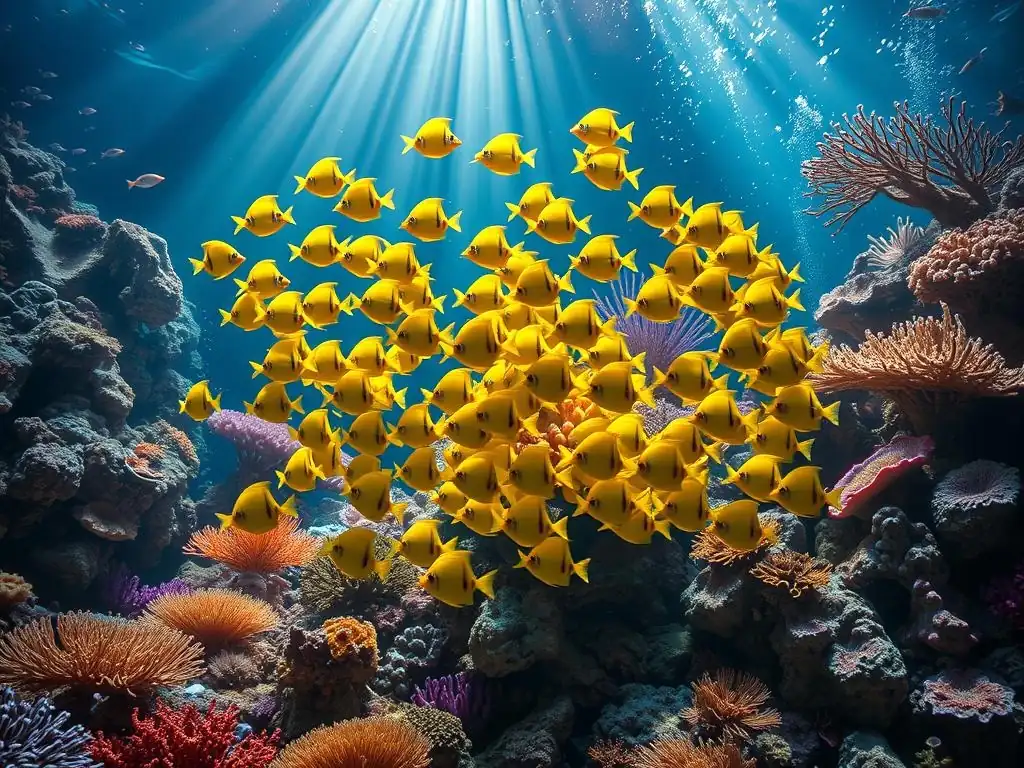
A prominent black "pyramid" or triangle shape often marks the dorsal fin, giving the fish its common name. In the wild, these fish are known to form impressive schooling aggregations, sometimes numbering in the hundreds, which is a rare sight for butterflyfish in general.
Why Yellow Tangs Are Popular Among Saltwater Aquarists
While the provided structure refers to Yellow Tangs, the Yellow Pyramid Butterflyfish ( Hemitaurichthys polylepis) holds a significant appeal for saltwater aquarists due to several compelling reasons. Firstly, their unique coloration provides a vibrant splash of yellow and white, offering a distinct aesthetic that stands out in a reef tank.
Their graceful swimming style and relatively peaceful temperament, especially when compared to some other butterflyfish species, make them suitable for community aquariums. Moreover, their diet primarily consists of zooplankton, meaning they are less likely to nip at corals, which is a major advantage for reef tank enthusiasts aiming to maintain a diverse invertebrate population.
Another key aspect contributing to their popularity is their potential for schooling behavior in larger aquariums, mimicking their natural tendencies. Witnessing a small group of Yellow Pyramid Butterflyfish swimming in unison can be a truly captivating experience, adding dynamic movement and visual interest to the aquatic display.
With proper Yellow Pyramid Butterflyfish care tips, these fish can thrive, offering a lifespan of 5 to 7 years, or even longer, in captivity. Their resilience and adaptability, coupled with their striking beauty and relatively peaceful nature, make them a desirable choice for intermediate to advanced aquarists looking to expand their reef tank's biodiversity.
Yellow Tang Care: Essential Tips for Success
Understanding the Specific Needs of Yellow Tangs
Caring for the Yellow Pyramid Butterflyfish ( Hemitaurichthys polylepis) requires a thorough understanding of their specific environmental and dietary needs to ensure their long-term health and vitality. These fish, originating from open reef environments, require ample swimming space. For a single specimen, a minimum tank size of 75 gallons (approximately 284 liters) is recommended. However, if considering keeping a small group, which is ideal for observing their natural schooling behavior, a tank of 125 gallons (approximately 473 liters) or larger would be more appropriate to accommodate their activity levels and reduce potential territorial disputes.
Furthermore, these butterflyfish benefit greatly from a well-established aquarium with stable water parameters and mature live rock structures. While they are planktivores, live rock provides crucial hiding spots and a sense of security, mimicking their natural reef habitat. Providing varied water flow is also beneficial, as it encourages their active swimming and helps distribute food particles, simulating the plankton-rich currents they encounter in the wild. Adhering to these fundamental Yellow Pyramid Butterflyfish care tips is paramount for their adaptation and thriving in a captive environment.
Optimizing Water Parameters for Zebrasoma flavescens
Temperature, Salinity, and pH Levels
Maintaining precise and stable water parameters is crucial for the health of Hemitaurichthys polylepis. The ideal temperature range for Yellow Pyramid Butterflyfish is between 74°F and 80°F (23°C to 27°C). Fluctuations outside this range can stress the fish, making them susceptible to disease. A stable temperature, ideally maintained within a 1-2 degree Fahrenheit variation, is more important than hitting an exact median. Aquarists often find success maintaining their tanks around 76-78°F (24-26°C).
Salinity should be kept within a specific gravity range of 1.020 to 1.025, with 1.023-1.024 being an often-cited optimal point for mixed reef aquariums. Consistency in salinity is vital; sudden changes can lead to osmotic shock. The pH level should be maintained between 8.1 and 8.4, typical for healthy saltwater environments. Regular testing with reliable kits (at least weekly) for temperature, salinity, and pH is essential to promptly identify and correct any deviations, ensuring the Yellow Pyramid Butterflyfish's well-being.
Maintaining Water Quality: Filtration and Water Changes
Exceptional water quality is non-negotiable for the Yellow Pyramid Butterflyfish. A robust filtration system, combining mechanical, biological, and chemical filtration, is necessary to process waste and maintain low levels of nitrates, phosphates, and other undesirable compounds. A protein skimmer is highly recommended for any tank housing these butterflyfish, as it efficiently removes organic waste before it breaks down, significantly reducing the bioload and improving water clarity. Live rock and a deep sand bed also contribute significantly to biological filtration, providing ample surface area for beneficial bacteria.
Regular partial water changes are a cornerstone of effective Yellow Pyramid Butterflyfish care tips. A general guideline is to perform a 10-20% water change every two to four weeks, depending on the tank's bioload and nutrient levels. For heavily stocked tanks or those with higher feeding rates, more frequent or larger water changes may be necessary. Using high-quality salt mix and RODI (Reverse Osmosis Deionized) water is critical to avoid introducing harmful contaminants or unwanted nutrients into the aquarium, ensuring a pristine and stable environment for these delicate beauties.
Yellow Tang Diet and Feeding Habits
What Do Yellow Tangs Eat in the Wild?
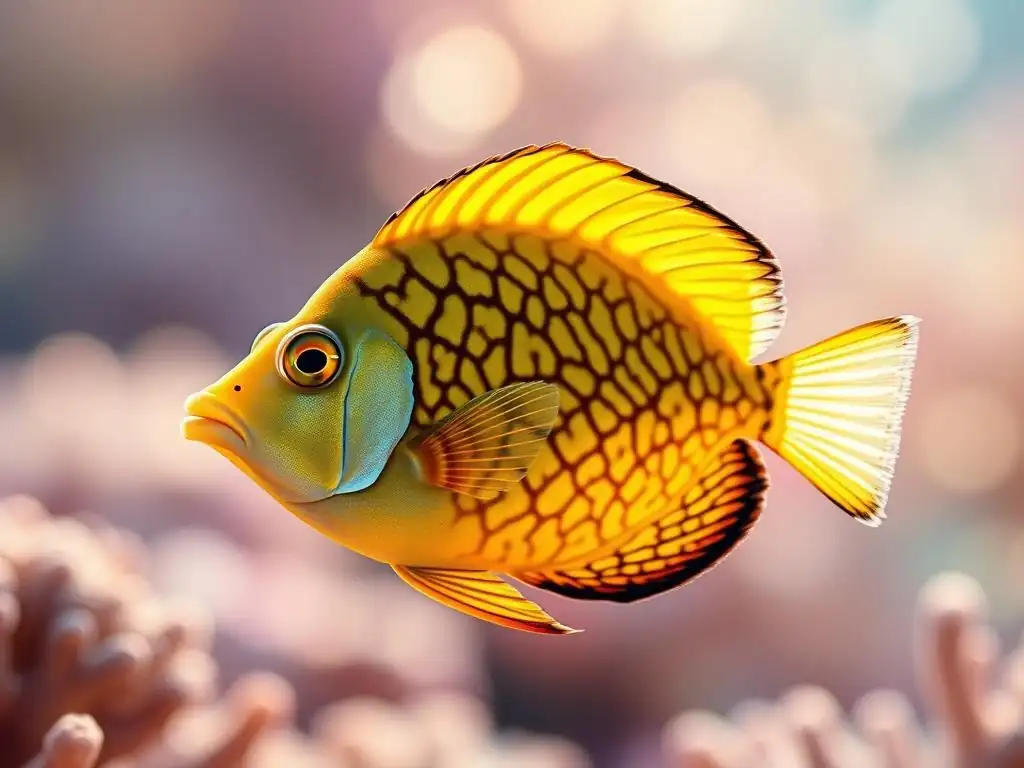
In their natural Indo-Pacific habitat, the Yellow Pyramid Butterflyfish ( Hemitaurichthys polylepis) primarily feeds on zooplankton, which are microscopic animals drifting in the water column. They are often observed in large aggregations, swimming against currents, actively picking out individual planktonic organisms. Their specialized mouth structure is adapted for this feeding method, allowing them to efficiently filter tiny crustaceans, larval fish, and other suspended organic matter from the water. Unlike some other butterflyfish species that are obligate corallivores (coral eaters), Hemitaurichthys polylepis is not known to consume live corals, making it a more reef-safe option for mixed reef aquariums.
This planktivorous diet in the wild means that their digestive system is geared towards processing small, protein-rich food sources. They are constant grazers, consuming small amounts of food throughout the day rather than large meals infrequently. This natural feeding behavior must be replicated in the aquarium to ensure their nutritional needs are met. Understanding their wild diet is fundamental for providing optimal Yellow Pyramid Butterflyfish care tips in captivity, preventing nutritional deficiencies that can lead to health issues.
Creating a Balanced Diet for Aquarium Specimens
Recommended Foods and Feeding Frequency
To ensure the optimal health and vibrant coloration of aquarium-kept Yellow Pyramid Butterflyfish, a varied and balanced diet is essential. Their diet should primarily consist of high-quality frozen or live zooplankton substitutes. Mysis shrimp, enriched brine shrimp, copepods, and finely chopped krill are excellent choices. These foods mimic the small, protein-rich items they consume in the wild. It is crucial to offer a variety of these foods to ensure a full spectrum of nutrients. For instance, feeding mysis shrimp one day and copepods the next can help diversify their intake.
Given their natural grazing behavior, feeding small amounts multiple times a day is more beneficial than one or two large meals. Aim for 3-5 small feedings throughout the day to keep their digestive system active and provide a continuous supply of nutrients. This also helps reduce competition if they are kept with other fish. Some aquarists have success with high-quality flake or pellet foods designed for marine omnivores, but these should only supplement, not replace, their primary diet of frozen and live foods.
Supplementation for Optimal Health
Beyond staple foods, supplementation plays a vital role in maintaining the long-term health and vitality of Yellow Pyramid Butterflyfish. Foods enriched with essential fatty acids, such as Omega-3 and Omega-6, are highly beneficial. Many commercially available frozen foods are already enriched, but soaking foods in vitamin supplements like Selcon or Vita-Chem prior to feeding can further boost their nutritional value. This is especially important for newly introduced fish or those showing signs of stress or dull coloration.
While primarily planktivores, some aquarists also report that Hemitaurichthys polylepis will occasionally pick at certain types of algae, though this is not their primary food source. Offering seaweed sheets (nori) clipped to a rock or a veggie clip a few times a week can provide additional roughage and vitamins, even if only sparingly consumed. Ensuring a consistent, nutrient-dense feeding regimen is a cornerstone of effective Yellow Pyramid Butterflyfish care tips, directly influencing their immune system strength and overall resilience against common diseases.
Tank Setup for Yellow Tang: Creating the Ideal Environment
Tank Size Requirements for an Active Fish
The Yellow Pyramid Butterflyfish ( Hemitaurichthys polylepis) is an active swimmer that requires ample space to thrive. While a minimum of 75 gallons (approximately 284 liters) is often cited for a single specimen, this is truly the bare minimum for an adult fish that can reach up to 7 inches (18 cm). To truly allow for their natural swimming patterns and reduce stress, especially if considering keeping them for their full potential lifespan of 5-7 years, a tank of 100 gallons (about 379 liters) or larger is highly recommended.
For aquarists aiming to keep a small group of Yellow Pyramid Butterflyfish, which is often preferred to observe their schooling behavior, the tank size must be significantly larger. A 125-gallon (approximately 473 liters) or even 180-gallon (about 681 liters) tank would provide sufficient territory and swimming room for three to five individuals. Adequate space helps mitigate potential aggression between conspecifics and allows for the establishment of a stable pecking order, contributing significantly to successful Yellow Pyramid Butterflyfish care tips.
Rockwork and Aquascaping Considerations
The aquascaping for a Yellow Pyramid Butterflyfish tank should balance open swimming areas with plenty of live rock structures. While these fish are active swimmers in the water column, they also appreciate crevices, caves, and overhangs where they can retreat for security or rest. A well-designed aquascape should incorporate at least 50-70 pounds (23-32 kg) of live rock for a 100-gallon tank, creating diverse hiding spots and natural territories.
The arrangement of live rock should prioritize vertical relief and multiple swim-throughs, mimicking the outer reef slopes and drop-offs they inhabit in the wild. Avoid creating dead spots with poor water circulation, as this can lead to detritus accumulation. Ensuring stability of the rockwork is paramount to prevent collapses, especially given the fish's active swimming. The strategic placement of rockwork contributes to both the aesthetic appeal and the psychological well-being of the Yellow Pyramid Butterflyfish.
Choosing the Right Substrate and Lighting
For Yellow Pyramid Butterflyfish, the choice of substrate is less critical than for bottom-dwelling species, but it still plays a role in overall tank health. A sand bed, ranging from a shallow 1-2 inches (2.5-5 cm) to a deeper 4-6 inches (10-15 cm) for denitrification, is generally suitable. Fine aragonite sand is often preferred as it helps buffer pH and provides a natural aesthetic. Ensure the substrate is clean and does not leach undesirable substances.
Lighting for a Yellow Pyramid Butterflyfish tank depends largely on other inhabitants, particularly corals. If the tank is a fish-only-with-live-rock (FOWLR) system, moderate lighting is sufficient. However, in a reef tank, the lighting system should be chosen to meet the needs of the corals, which will typically be more than adequate for the butterflyfish. While Hemitaurichthys polylepis does not have specific lighting requirements beyond a natural day-night cycle, consistent and appropriate lighting contributes to a stable environment, which is a key element in providing comprehensive Yellow Pyramid Butterflyfish care tips.
Yellow Tang Compatibility and Tank Mates
Suitable Tank Mates for Peaceful Coexistence
The Yellow Pyramid Butterflyfish ( Hemitaurichthys polylepis) is generally considered a peaceful and non-aggressive species, making it a good candidate for many community reef tanks. Ideal tank mates include other peaceful, similarly sized fish that are not overly boisterous or territorial. Good choices often include smaller tangs (like Kole Tangs or Tomini Tangs), peaceful wrasses (such as Fairy or Flasher Wrasses), clownfish, gobies, blennies, and certain anthias species. These fish typically occupy different niches within the aquarium, reducing direct competition for space or food.
When selecting tank mates, it's crucial to consider their temperament and dietary needs. Since Yellow Pyramid Butterflyfish are planktivores, they generally pose no threat to corals or most invertebrates, including shrimp, snails, and crabs, making them excellent additions to a diverse reef environment. Introducing tank mates simultaneously or introducing the butterflyfish first into a large, well-established tank can help minimize stress and facilitate peaceful coexistence, a vital aspect of Yellow Pyramid Butterflyfish care tips.
Fish to Avoid: Aggressive Species and Potential Conflicts
While generally peaceful, the Yellow Pyramid Butterflyfish can become stressed or shy if housed with overly aggressive or very large tank mates. Avoid highly territorial or predatory species such as large angelfish (especially those known for aggression like Queen or Emperor Angelfish), triggerfish, lionfish, and large groupers. These fish can intimidate the butterflyfish, outcompete them for food, or even prey upon them. Even certain tangs, particularly those known for high aggression like the Sohal Tang or large Achilles Tang, might pose a threat due to their territorial nature.
Care should also be taken when considering other butterflyfish species. While Hemitaurichthys polylepis can be kept in small groups of its own kind, mixing different butterflyfish species, especially those with similar body shapes or dietary needs, can lead to aggression or competition. Some butterflyfish are known for being nippy towards corals or other invertebrates, which contradicts the reef-safe nature of the Yellow Pyramid Butterflyfish and could lead to an imbalanced tank. Thorough research into the temperament and adult size of any potential tank mate is crucial before introduction.
In their natural habitat, Yellow Pyramid Butterflyfish are known to form large schools, indicating a strong social dynamic. In captivity, while forming massive schools is impractical, keeping them in small groups (3-5 individuals) in a sufficiently large aquarium (125 gallons or more) can allow them to exhibit more natural schooling behaviors and reduce individual stress. When introducing a group, it's best to add them simultaneously to allow them to establish a pecking order without a single dominant fish already being established.
If kept singly, the Yellow Pyramid Butterflyfish is generally not territorial towards other species, focusing more on swimming and feeding in the open water column. However, like many fish, they will establish a "home base" or preferred hiding spot within the rockwork. Providing ample hiding spots for all tank inhabitants helps reduce potential conflicts. Observing their social interactions closely during the initial weeks after introduction is a key Yellow Pyramid Butterflyfish care tip, allowing for prompt intervention if signs of undue stress or aggression appear.
Yellow Tang Health and Disease Prevention
Common Diseases Affecting Zebrasoma flavescens
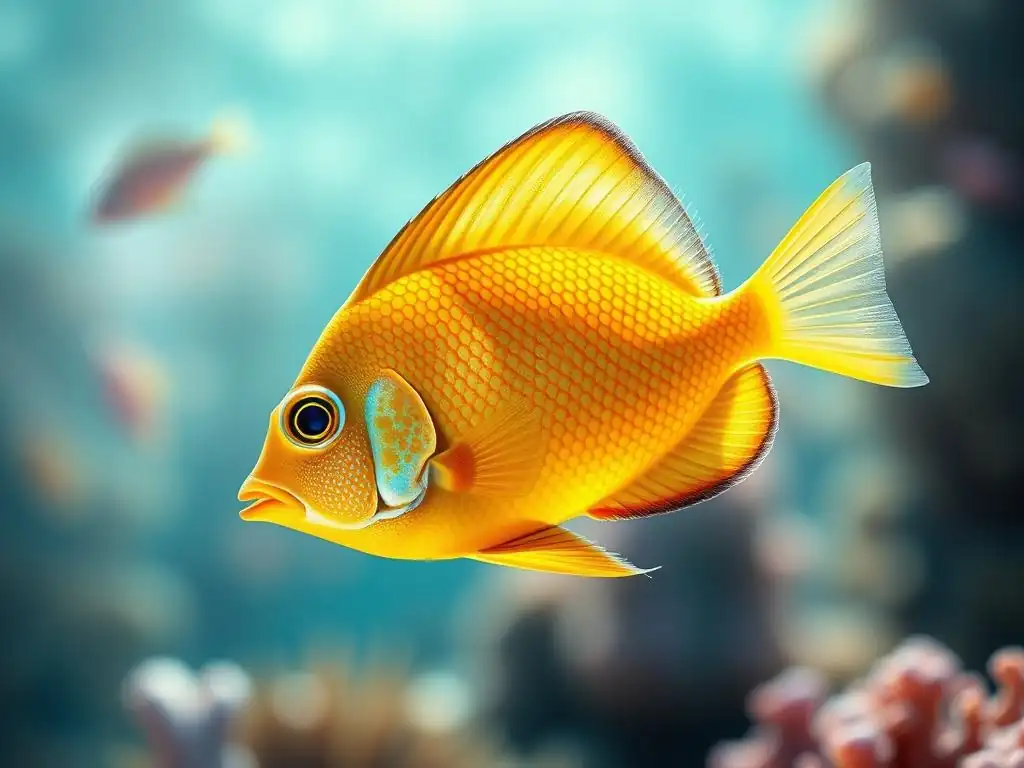
Like all marine fish, the Yellow Pyramid Butterflyfish ( Hemitaurichthys polylepis) is susceptible to common saltwater aquarium diseases, particularly if stressed by poor water quality, inadequate diet, or incompatible tank mates. The most prevalent diseases include marine ich (Cryptocaryon irritans), velvet (Amyloodinium ocellatum), and various bacterial infections. Marine ich manifests as small white spots resembling salt grains on the fish's body and fins, leading to scratching against rocks and lethargy. Velvet presents as a fine, dusty coating, often with rapid breathing and gill irritation.
Bacterial infections can cause fin rot, body lesions, cloudy eyes, or general malaise. Stress, often caused by sudden changes in water parameters, high nitrate levels, or bullying, significantly weakens their immune system, making them more vulnerable. Understanding these common ailments and recognizing their early symptoms is a critical aspect of providing effective Yellow Pyramid Butterflyfish care tips and ensuring timely intervention.
Quarantine Procedures and Early Detection
Implementing a strict quarantine procedure for all new arrivals is arguably the most crucial preventative measure against disease introduction in a Yellow Pyramid Butterflyfish aquarium. A separate quarantine tank (QT) of at least 20-30 gallons, equipped with a heater, filter, and some PVC pipes for hiding, should be used for a minimum of 4-6 weeks. During this period, observe the fish closely for any signs of disease, administer preventative treatments if necessary (e.g., a copper-based medication for ich prevention), and ensure it is eating well.
Early detection of disease is vital for successful treatment. Regularly inspect your Yellow Pyramid Butterflyfish for any changes in appearance, behavior, or feeding habits. Look for unusual spots, lesions, frayed fins, labored breathing, clamped fins, or a loss of appetite. Any deviation from normal behavior warrants immediate investigation and, if necessary, isolation in a hospital tank for observation and treatment. Acting quickly can prevent the spread of disease to other tank inhabitants and significantly improve the chances of recovery for the affected fish.
Treatment Options and Preventative Measures
Treatment for common marine diseases like ich and velvet typically involves moving the affected fish to a hospital tank and administering specific medications. Copper-based medications are effective against external parasites like ich and velvet, but they must be dosed carefully and monitored with a copper test kit. Alternatively, hyposalinity (gradually lowering salinity to 1.009-1.010) can be used for ich, but it requires precise monitoring and is not suitable for all fish or invertebrates. For bacterial infections, broad-spectrum antibiotics are often prescribed, either mixed with food or added to the water in a hospital tank.
Preventative measures are always superior to treatment. Beyond quarantine, maintaining pristine water quality through consistent filtration, regular water changes, and stable parameters is paramount. A high-quality, varied diet rich in vitamins and nutrients strengthens the fish's immune system. Avoiding overstocking, providing ample hiding spots, and ensuring compatible tank mates also reduce stress, which is a major contributor to disease. By adhering to these comprehensive Yellow Pyramid Butterflyfish care tips, aquarists can significantly reduce the risk of disease in their marine aquariums.
Yellow Tang Breeding: Is it Possible in Captivity?
Challenges and Considerations for Breeding
Breeding the Yellow Pyramid Butterflyfish ( Hemitaurichthys polylepis) in captivity presents significant challenges, primarily due to their pelagic spawning habits and the specific environmental cues required for reproduction. In the wild, these fish are open-water spawners, releasing eggs and sperm directly into the water column, where the fertilized eggs drift as plankton. The larval stage is prolonged and requires specific, abundant microscopic food sources that are extremely difficult to replicate in a home aquarium or even most public aquariums.
Furthermore, conditioning adult Hemitaurichthys polylepis to spawn in a captive environment requires a large, stable aquarium with pristine water quality and a highly nutritious diet that fully meets their complex needs. Replicating the natural schooling behavior and providing sufficient space for courtship rituals are also crucial factors. The sheer scale and complexity of these requirements make successful breeding a rare occurrence outside of highly specialized aquaculture facilities.
Documented Breeding Attempts and Successes
As of current knowledge, documented successful captive breeding of the Yellow Pyramid Butterflyfish ( Hemitaurichthys polylepis) by hobbyists is exceedingly rare, if not non-existent. Most, if not all, specimens available in the aquarium trade are wild-caught. Public aquariums and advanced research facilities have made strides in breeding various marine species, but even for these institutions, breeding pelagic spawners like the Yellow Pyramid Butterflyfish remains a considerable hurdle.
The primary bottleneck lies in the highly specialized and delicate nature of the larval stage, which demands specific planktonic food items in precise concentrations, along with stable environmental conditions. While there may be ongoing research or isolated, undocumented successes, Hemitaurichthys polylepis is not considered a species that can be reliably bred in a home aquarium setting. Therefore, aquarists interested in keeping these beautiful fish should plan to acquire wild-caught specimens and focus their efforts on providing optimal Yellow Pyramid Butterflyfish care tips to ensure their longevity.
Purchasing Yellow Tangs: Finding Healthy Specimens
Where to Buy Yellow Tangs
When seeking to acquire a Yellow Pyramid Butterflyfish ( Hemitaurichthys polylepis), it is crucial to choose reputable sources to ensure you are getting a healthy, well-acclimated specimen. Local fish stores (LFS) with a strong reputation for marine fish care are often a good starting point. Look for stores that maintain clean tanks, have knowledgeable staff, and display fish that appear active and free of visible diseases. Inquire about their quarantine procedures and the origin of their fish.
Online retailers also offer Yellow Pyramid Butterflyfish, providing access to a wider selection. When purchasing online, prioritize companies with excellent customer reviews, clear shipping policies, and a live arrival guarantee. Research their reputation for packaging and handling delicate marine fish. While it's tempting to seek out the cheapest option, investing in a healthy fish from a reliable vendor significantly reduces the risk of disease and stress, which is a foundational aspect of Yellow Pyramid Butterflyfish care tips.
Assessing Fish Health Before Purchase
Before committing to a purchase, carefully assess the health of the Yellow Pyramid Butterflyfish. Observe the fish in its holding tank for at least 10-15 minutes. Look for the following signs of good health:
- Active Swimming: The fish should be swimming actively, not listlessly hovering or hiding excessively.
- Clear Eyes: Eyes should be bright, clear, and free of cloudiness or damage.
- Intact Fins: Fins should be fully extended, not clamped, torn, or frayed.
- Clean Body: The body should be free of white spots (ich), dusty film (velvet), open sores, or unusual discoloration.
- Normal Respiration: Gills should open and close smoothly, without rapid or labored breathing.
- Good Body Condition: The fish should appear plump, not emaciated or with a sunken belly.
- Interest in Food: If possible, observe feeding behavior. A healthy fish should show interest in food.
Avoid any fish that are hiding constantly, breathing rapidly, have visible signs of disease, or appear to be bullied by tank mates. A careful pre-purchase inspection is one of the most proactive Yellow Pyramid Butterflyfish care tips you can employ.
Acclimation Procedures for New Arrivals
Proper acclimation is critical for the survival of new Yellow Pyramid Butterflyfish arrivals. The goal is to slowly adjust the fish to your aquarium's water parameters, minimizing osmotic shock. The drip acclimation method is highly recommended for delicate marine fish.
- Dim Lights: Turn off your aquarium lights and dim the room lights.
- Float Bag: Float the sealed bag in your sump or aquarium for 15-20 minutes to equalize temperature.
- Transfer to Bucket: Open the bag and carefully transfer the fish and its water into a clean bucket or container.
- Drip Acclimation: Use an air line tubing and a knot or valve to create a slow drip from your main display tank (or quarantine tank) into the bucket. Aim for 2-3 drips per second.
- Monitor Water: Allow the water volume in the bucket to slowly double over a period of 45-60 minutes.
- Transfer Fish: Carefully net the fish and transfer it directly into your quarantine tank. Avoid adding the shipping water to your tank.
- Quarantine: Keep the fish in quarantine for at least 4-6 weeks, as discussed previously, to monitor for health and ensure it is eating well before introducing it to your main display tank. This meticulous acclimation and quarantine process is a cornerstone of successful Yellow Pyramid Butterflyfish care tips.
Yellow Tang: Pros and Cons of Keeping Them
Advantages of Adding Zebrasoma flavescens to Your Reef Tank
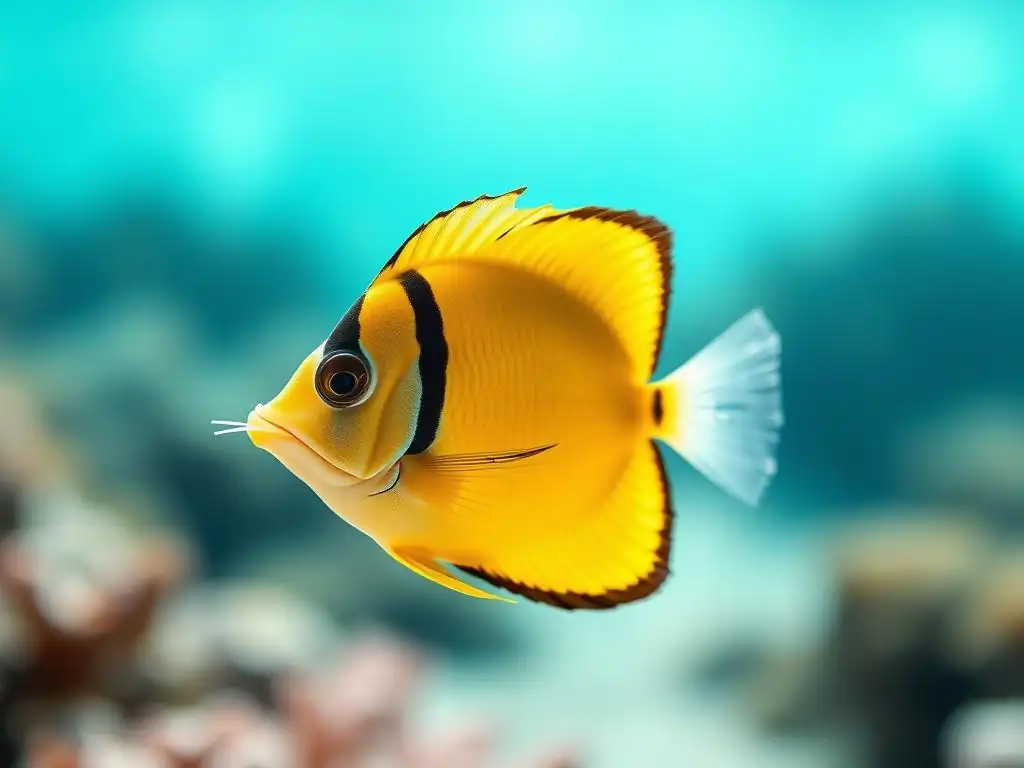
Adding a Yellow Pyramid Butterflyfish ( Hemitaurichthys polylepis) to a well-suited reef tank offers several distinct advantages. Firstly, their striking visual appeal, with a vibrant yellow and white coloration, provides an immediate aesthetic boost, creating a focal point in the aquarium. Their graceful swimming patterns and active nature contribute dynamic movement and life to the display. Unlike many other butterflyfish, their primary diet of zooplankton makes them largely reef-safe, meaning they are unlikely to nip at or damage corals, which is a significant benefit for mixed reef enthusiasts.
Secondly, their generally peaceful temperament allows for good compatibility with a wide range of other non-aggressive marine fish, making them suitable for community tank setups. The potential for observing their natural schooling behavior when kept in small groups in larger aquariums is another unique advantage, offering a captivating glimpse into their wild habits. With diligent Yellow Pyramid Butterflyfish care tips, including proper diet and water quality, these fish can live for many years, becoming a long-term, rewarding inhabitant of a marine aquarium.
Potential Challenges and Drawbacks
Despite their many advantages, keeping Yellow Pyramid Butterflyfish also comes with certain challenges and considerations. One primary drawback is their specific dietary needs; relying heavily on zooplankton and requiring multiple small feedings throughout the day can be demanding for busy aquarists. They may also be shy initially and can be outcompeted for food by more aggressive or faster-eating tank mates, leading to malnourishment if not carefully monitored.
Another consideration is their minimum tank size requirement. While 75 gallons is the minimum for a single specimen, larger tanks of 100-125 gallons or more are truly ideal, especially for groups, which can be a limiting factor for hobbyists with smaller setups. Their susceptibility to common marine diseases, particularly if stressed by poor water quality or inadequate quarantine, also necessitates diligent husbandry practices. While generally robust once settled, initial acclimation and disease prevention require careful attention, underscoring the importance of comprehensive Yellow Pyramid Butterflyfish care tips.
Advanced Yellow Tang Care: Tips for Experienced Aquarists
Maintaining Long-Term Health and Vitality
For experienced aquarists seeking to ensure the long-term health and vitality of their Yellow Pyramid Butterflyfish ( Hemitaurichthys polylepis), going beyond basic care is essential. This involves meticulous attention to water chemistry, including regular testing for not just the standard parameters (temperature, salinity, pH) but also alkalinity, calcium, and magnesium, especially in reef systems. While these fish don't directly utilize these elements as much as corals, stable parameters contribute to overall system health, which directly impacts fish well-being. Aim for alkalinity between 8-12 dKH, calcium 400-450 ppm, and magnesium 1250-1350 ppm.
Consistent and varied feeding remains paramount. Experienced hobbyists often culture live copepods or rotifers to supplement their diet, providing a constant source of natural, highly nutritious food that closely mimics their wild diet. Utilizing an automatic feeder for multiple small, daily feedings of high-quality frozen foods can also help maintain a consistent food supply, reducing stress and ensuring adequate nutrition, which are advanced Yellow Pyramid Butterflyfish care tips for longevity.
Addressing Specific Behavioral Issues
While generally peaceful, experienced aquarists might encounter specific behavioral issues with Yellow Pyramid Butterflyfish. Shyness or reclusiveness, especially in new environments or with dominant tank mates, can be addressed by providing ample hiding spots and ensuring a calm, stable environment. If a fish is overly shy and not eating, consider isolating it in a hospital tank to regain strength and confidence before reintroduction. Observing the fish's interactions with tank mates is crucial; if bullying is evident, consider rearranging rockwork to break up territories or, in extreme cases, rehoming the aggressor.
Conversely, if keeping a group of Hemitaurichthys polylepis, occasional squabbles over hierarchy are normal. However, excessive chasing or fin nipping among conspecifics may indicate an overcrowded tank or insufficient hiding places. In such cases, increasing tank size or adding more complex rockwork can help dissipate aggression. Understanding these subtle behavioral cues and responding proactively is a mark of advanced Yellow Pyramid Butterflyfish care tips.
Algae Management and Grazing
While Yellow Pyramid Butterflyfish are primarily planktivores, some aquarists report that they may occasionally pick at certain types of algae, though they are not considered dedicated algae grazers like tangs or some blennies. Their primary role in a reef tank is not algae control. However, a healthy reef tank benefits from a balanced ecosystem, where algae growth is naturally kept in check by a combination of nutrient export (skimming, water changes, refugiums) and dedicated herbivorous grazers.
For comprehensive algae management, experienced aquarists often incorporate species like various tangs, rabbitfish, or snails and hermit crabs. While Hemitaurichthys polylepis might opportunistically graze on soft algae films, they should not be relied upon for significant algae control. Maintaining low nutrient levels (nitrate below 10 ppm, phosphate below 0.05 ppm) through robust filtration and regular husbandry practices remains the most effective strategy for preventing nuisance algae blooms, complementing the overall Yellow Pyramid Butterflyfish care tips.
Conclusion: Is the Yellow Tang Right for Your Aquarium?
Reviewing Key Care Requirements
Based on the detailed information provided, the Yellow Pyramid Butterflyfish ( Hemitaurichthys polylepis) is a captivating and rewarding addition to a marine aquarium, but it requires specific care to thrive. Key requirements include a minimum tank size of 75-100 gallons for a single specimen, or 125+ gallons for a small group, to accommodate their active swimming and potential schooling behavior. Pristine water quality, maintained through robust filtration, regular partial water changes (10-20% bi-weekly to monthly), and stable parameters (temperature 74-80°F, salinity 1.020-1.025, pH 8.1-8.4), is non-negotiable.
Their diet is primarily zooplankton-based, necessitating multiple small feedings throughout the day of high-quality frozen foods like mysis shrimp, enriched brine shrimp, and copepods. They are generally peaceful and reef-safe, making them compatible with most non-aggressive reef inhabitants. However, strict quarantine procedures for new arrivals and vigilant observation for signs of disease are crucial for long-term health. Mastering these Yellow Pyramid Butterflyfish care tips is essential for their success.
Making an Informed Decision
Ultimately, determining if the Yellow Pyramid Butterflyfish is the right choice for your aquarium involves an honest assessment of your resources, commitment, and existing tank setup. If you possess a sufficiently large and stable marine aquarium, are prepared to provide a specialized, frequent feeding regimen, and are committed to meticulous water quality management and disease prevention, then Hemitaurichthys polylepis can be an exceptional and beautiful addition.
For those with smaller tanks, less experience with delicate marine fish, or an inability to commit to their specific feeding demands, it might be advisable to consider other species. However, for the dedicated aquarist, the Yellow Pyramid Butterflyfish offers a unique blend of striking beauty, fascinating natural behavior (especially in groups), and a relatively peaceful temperament that can truly elevate a reef aquarium. By understanding and meeting their specific Yellow Pyramid Butterflyfish care tips, you can enjoy this schooling reef marvel for many years.
Frequently Asked Questions
How difficult is it to care for a Yellow Pyramid Butterflyfish?
Yellow Pyramid Butterflyfish are considered moderately difficult to care for. They require a large, established reef tank with excellent water quality and a peaceful environment. Their specific dietary needs also contribute to the challenge.
What size tank is recommended for a Yellow Pyramid Butterflyfish?
A minimum tank size of 125 gallons is recommended for a single Yellow Pyramid Butterflyfish. However, since they are schooling fish, keeping them in groups requires a much larger tank, ideally 200 gallons or more.
What do Yellow Pyramid Butterflyfish eat?
In the wild, they primarily feed on zooplankton. In an aquarium, they need a varied diet of small meaty foods like mysis shrimp, brine shrimp, and high-quality flake food formulated for reef fish. Consistent feeding is crucial for their health.
Can Yellow Pyramid Butterflyfish be kept with other butterflyfish species?
While they are generally peaceful, keeping them with other butterflyfish can be risky. It's best to avoid housing them with aggressive or territorial butterflyfish species to minimize stress and competition for food.
Are Yellow Pyramid Butterflyfish reef safe?
They are considered relatively reef safe, especially compared to other butterflyfish species. They are less likely to nip at corals, but it's still important to monitor them closely and provide a varied diet to prevent them from targeting corals or invertebrates.
Final Reflection: Embracing the Delicate Dance of Reef Life
The journey into understanding the Yellow Pyramid Butterflyfish, as we've explored, reveals a delicate balance between their natural needs and our ability to provide appropriate care. The information presented underscores the critical importance of responsible aquarium keeping when considering these captivating creatures. Ignoring the specific requirements of Hemitaurichthys polylepis can have devastating consequences, not only for the individual fish but also for the broader health of reef ecosystems.
This exploration has deeply resonated with the understanding that our actions, however small, ripple outwards, impacting the fragile beauty of our oceans. The responsibility we bear as hobbyists to ensure the well-being of these animals is paramount. In the end, we will conserve only what we love; we will love only what we understand; and we will understand only what we are taught.
- Baba Dioum. This quote perfectly encapsulates the need for continuous learning and mindful engagement with the natural world, especially when bringing a piece of it into our homes.
Now, armed with a deeper understanding of Yellow Pyramid Butterflyfish care, I invite you to reflect on your own role in preserving the wonders of the reef. Consider how you can contribute to responsible aquarium practices, support sustainable sourcing, and advocate for the protection of these magnificent creatures in their natural habitat. Let's strive to be not just observers, but active participants in the conservation of our planet's underwater treasures.
Dive Deeper: Transform Your Reef Tank!
Thanks for exploring the world of Yellow Pyramid Butterflyfish with us! We hope you've gained valuable insights into these fascinating creatures. Now, let's turn knowledge into action:
- Start planning your reef tank upgrade! Research compatible tank mates and consider the specific needs of Hemitaurichthys polylepis to create a thriving environment.
- Share this article with fellow reef-keeping enthusiasts to spread awareness and inspire responsible aquarium practices.
- Surprise us! What innovative feeding strategy are you considering to bring out the best colors in your butterflyfish?