
Sourcing Butterflyfish: Understanding Collection Impacts & Ethical Choices

Welcome to Aquarium Mastery!
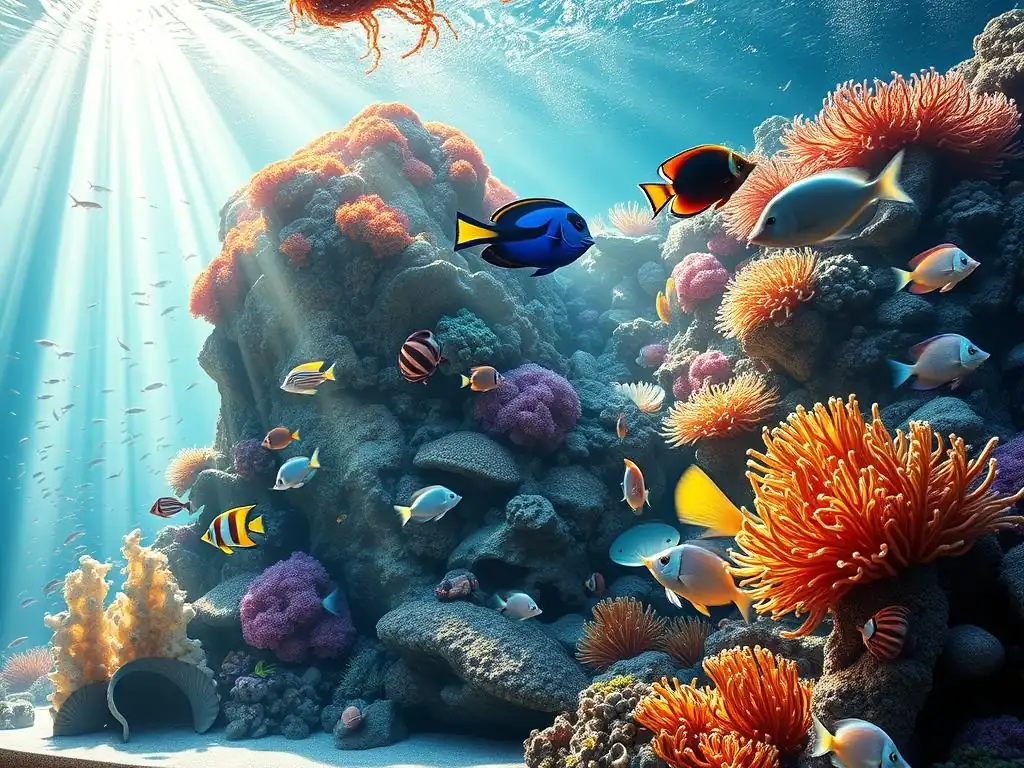
Ever wondered how to ensure your beautiful butterflyfish isn't contributing to environmental damage? Dive in and explore the crucial aspects of ethical butterflyfish sourcing practices. Discover the impact of collection methods, learn about sustainable alternatives, and make informed choices that benefit both your aquarium and our oceans. Intrigued? Let's uncover the secrets to responsible reef keeping!
- Understanding Butterflyfish Collection Practices and Their Impact
- The Problem: Unsustainable Butterflyfish Collection
- Ethical Butterflyfish Sourcing Practices: A Solution
- Making Informed Choices: A Guide to Responsible Butterflyfish Keeping
- Alternatives to Wild-Caught Butterflyfish
- Supporting Ethical Butterflyfish Trade: What You Can Do
- The Future of Butterflyfish in Aquariums: Sustainability and Conservation
- Evaluating Butterflyfish Health Upon Arrival: Signs of Stress
- Long-Term Care and Sustainability for Butterflyfish in Captivity
-
Frequently Asked Questions
- How does wild-caught butterflyfish collection impact coral reefs?
- What are some ethical considerations when sourcing butterflyfish for my aquarium?
- Are there any butterflyfish species that are considered more sustainable to keep in aquariums?
- What questions should I ask a vendor to ensure I'm purchasing ethically sourced butterflyfish?
- What alternatives exist to keeping butterflyfish if I'm concerned about ethical sourcing?
- Final Reflection: Navigating the Delicate Dance of Ethical Butterflyfish Sourcing
- Dive Deeper: Transform Your Reef Keeping Ethics!
Understanding Butterflyfish Collection Practices and Their Impact
The Allure of Butterflyfish in Saltwater Aquariums
Butterflyfish, with their vibrant colors, intricate patterns, and graceful movements, are undeniably one of the most sought-after inhabitants for saltwater aquariums. Species like the Copperband Butterflyfish ( Chelmon rostratus), the Longnose Butterflyfish ( Forcipiger flavissimus), and various Bannerfish ( Heniochus spp.) captivate aquarists with their unique beauty and interesting behaviors, often becoming the centerpiece of a thriving reef tank. Their popularity drives a significant demand within the global ornamental fish trade.
However, the delicate nature and specialized dietary requirements of many butterflyfish species mean that their journey from wild reefs to home aquariums is often fraught with challenges. Understanding how these fish are collected is crucial for any responsible aquarist, as the methods employed can have profound impacts on the fish themselves and the fragile ecosystems they inhabit. The desire to keep these magnificent creatures comes with a responsibility to ensure their acquisition aligns with ethical standards.
Destructive Fishing Methods and Their Consequences
A significant portion of wild-caught ornamental fish, including many butterflyfish, are collected using methods that are highly destructive to coral reefs. Cyanide fishing, for example, involves dissolving sodium cyanide tablets in water and squirting the solution into reef crevices to stun fish, making them easy to catch. While effective for collectors, this chemical also bleaches and kills corals, sponges, and other invertebrates. Studies have shown that a single cyanide fishing event can damage an area of several square meters of reef, leading to widespread coral mortality and ecosystem collapse over time.
Another harmful practice is the use of moxy nets or blast fishing, where explosives are detonated underwater to stun or kill fish for easy collection. This method shatters the intricate three-dimensional structure of coral reefs, turning vibrant, biodiverse habitats into rubble fields. The long-term consequences are devastating, as it can take decades, or even centuries, for these slow-growing coral structures to recover, if they ever do. Such methods not only harm the target species but also indiscriminately kill non-target marine life, disrupting the entire food web.
The Coral Reef Ecosystem: Why Butterflyfish Matter
Coral reefs are often referred to as the "rainforests of the sea" due to their immense biodiversity and ecological importance. They provide essential habitats, feeding grounds, and nurseries for an estimated 25% of all marine species, despite covering less than 0.1% of the ocean floor. Butterflyfish play a vital role within these complex ecosystems; many species are corallivores, grazing on coral polyps, while others feed on algae, small invertebrates, or detritus, contributing to the reef's health and balance.
The presence and abundance of butterflyfish can serve as an indicator of reef health. A diverse and thriving population of these fish suggests a robust and resilient coral ecosystem, whereas their decline can signal environmental stress or habitat degradation. Therefore, unsustainable collection practices that deplete butterflyfish populations or destroy their habitats have far-reaching consequences, undermining the very foundation of these critical marine environments. Protecting butterflyfish through ethical butterflyfish sourcing practices is synonymous with protecting the coral reefs themselves.
The Problem: Unsustainable Butterflyfish Collection
High Mortality Rates Associated with Wild-Caught Butterflyfish
The journey from the wild reef to a home aquarium is incredibly stressful and often fatal for wild-caught butterflyfish. The initial capture, often involving destructive methods, can cause significant physical injuries, internal damage, and chemical poisoning (in the case of cyanide). Following capture, fish undergo multiple transfers, prolonged periods in small containers, and long-distance transportation, often across continents, with fluctuating water quality and temperature.
As a result, mortality rates for wild-caught ornamental fish, particularly delicate species like many butterflyfish, are alarmingly high. Estimates suggest that between 30% and 70% of wild-caught marine fish die before even reaching the retail store, and an additional significant percentage perish within the first few weeks in a hobbyist's tank due to stress, disease, or complications from collection. This represents an immense waste of marine life and a significant ethical concern for aquarists committed to ethical butterflyfish sourcing practices.
Habitat Degradation Due to Destructive Collection Techniques
The methods used to capture wild butterflyfish directly contribute to the widespread degradation of coral reef ecosystems. Cyanide fishing, for instance, not only stuns fish but also kills coral polyps, leading to coral bleaching and eventual death. Repeated use of cyanide in an area can transform a vibrant, living reef into a barren wasteland dominated by algae, rendering it unsuitable for the very fish species it once supported. This has been particularly evident in parts of Southeast Asia, a major source of ornamental fish.
Blast fishing, while less common for ornamental fish collection specifically, also contributes to the physical destruction of reef structures. The fragmentation of corals by explosives removes the foundational habitat for countless species, including butterflyfish, which rely on these complex structures for shelter, food, and breeding sites. The long-term impact on biodiversity and ecological function is severe, threatening the sustainability of marine ecosystems far beyond the immediate collection site.
The Impact on Butterflyfish Populations in the Wild
The high demand for butterflyfish in the aquarium trade, coupled with unsustainable collection practices, has led to noticeable declines in wild populations of certain species in heavily fished areas. While comprehensive population data for all ornamental species is challenging to obtain, localized depletions are a documented concern. For example, some popular species may become rare or even locally extinct in areas subjected to intensive and unregulated collection.
This depletion not only affects the butterflyfish themselves but also disrupts the delicate ecological balance of the reef. As key grazers or corallivores, their reduced numbers can lead to imbalances, such as algal overgrowth or a decline in overall reef health. The continued pressure on wild populations without adequate replenishment or ethical butterflyfish sourcing practices puts the long-term viability of these species at risk, impacting both the marine environment and the future availability of these fish for the aquarium hobby.
Ethical Butterflyfish Sourcing Practices: A Solution
Identifying Sustainably Sourced Butterflyfish
Identifying sustainably sourced butterflyfish is a critical step for responsible aquarists. This typically involves looking for fish that have been collected using methods that minimize environmental impact and ensure the long-term health of wild populations. One key indicator is the use of non-destructive collection techniques, such as hand-netting by trained divers who target specific fish without harming corals or other marine life. These methods are more labor-intensive but result in healthier fish and preserved habitats.
Furthermore, sustainably sourced fish often come with a clear chain of custody, meaning their origin can be traced from the collector to the retailer. This transparency allows consumers to verify the legitimacy of claims regarding collection methods and ethical practices. While not always easy to confirm, asking retailers about their sourcing policies and looking for reputable suppliers known for their commitment to sustainability are essential components of ethical butterflyfish sourcing practices.
Supporting Captive Breeding Programs for Butterflyfish
Supporting captive breeding programs is perhaps the most impactful way to promote ethical butterflyfish sourcing practices. Captive-bred fish are raised in controlled environments, eliminating the need to remove them from wild populations and preventing any associated habitat destruction. This approach significantly reduces stress and mortality rates, as the fish are accustomed to aquarium conditions, prepared foods, and human interaction from birth.
While many butterflyfish species are notoriously difficult to breed in captivity due to their complex life cycles, significant progress has been made with some species. For instance, while widespread commercial breeding of many Chaetodon species remains a challenge, species like the Four-eyed Butterflyfish ( Chaetodon capistratus) have seen advancements in aquaculture. Investing in captive-bred options, even if they are currently limited in variety or higher in price, directly contributes to the research and development necessary to expand these programs and reduce reliance on wild-caught specimens.
The Role of Aquaculture in Ethical Butterflyfish Acquisition
Aquaculture, the farming of aquatic organisms, plays a pivotal role in shifting towards ethical butterflyfish sourcing practices. Beyond traditional captive breeding, which focuses on breeding successive generations in captivity, aquaculture encompasses a broader range of methods including "tank-raised" or "aquacultured" fish that may originate from wild-caught larvae or juveniles, but are then grown out in controlled environments. This significantly reduces the pressure on wild adult populations and ensures better health and survival rates for the fish entering the trade.
The advancement of aquaculture techniques for marine ornamentals is a continuous process. Facilities are investing in sophisticated systems that replicate natural conditions, allowing for the successful rearing of more delicate species. As these technologies improve and become more cost-effective, the availability of ethically sourced butterflyfish through aquaculture is expected to increase, offering aquarists a responsible alternative to wild-caught specimens. This systematic approach is key to securing a sustainable future for the hobby.
Making Informed Choices: A Guide to Responsible Butterflyfish Keeping
Researching Butterflyfish Origins Before Purchase
Before adding any butterflyfish to your aquarium, diligent research into its origins is paramount for responsible aquarists. This goes beyond simply identifying the species and its care requirements; it involves understanding where and how the fish was collected. While direct sourcing information might not always be readily available for every single fish, understanding the general collection methods prevalent in the regions from which a species typically originates can provide valuable insight.
For instance, if a particular butterflyfish species is known to be primarily collected from regions with documented issues of cyanide fishing, this should raise a red flag. Conversely, if a species is increasingly available as captive-bred or from specific collection sites known for sustainable practices, it signals a more ethical choice. This proactive approach empowers aquarists to make purchasing decisions that align with ethical butterflyfish sourcing practices rather than inadvertently supporting harmful ones.
Questioning Retailers About Their Sourcing Practices
One of the most effective ways to promote ethical butterflyfish sourcing practices is to actively engage with your local fish store or online retailer. Do not hesitate to ask specific questions about where their butterflyfish come from and what collection methods were used. A reputable and responsible retailer should be transparent about their supply chain and proud of their commitment to sustainability.
Key questions to ask include:
- "Are these butterflyfish wild-caught or captive-bred/aquacultured?"
- "If wild-caught, what collection methods were used?"
- "What steps does your supplier take to ensure sustainable collection and minimal environmental impact?"
- "Do you work with suppliers who adhere to specific sustainability certifications?"
Retailers who are evasive or unable to provide satisfactory answers may not be prioritizing ethical sourcing, and choosing to purchase elsewhere sends a clear message about consumer demand for responsible practices.
Looking for Certifications and Sustainable Collection Labels [Marine Aquarium Council (MAC) Certification]
While not universally adopted or always active, specific certifications and labels have emerged over the years to help aquarists identify fish sourced through ethical butterflyfish sourcing practices. The Marine Aquarium Council (MAC) Certification, for example, aimed to establish standards for the entire marine ornamental trade chain, from collection to consumer, focusing on sustainable collection, proper handling, and good husbandry. Although MAC's operations have faced challenges and are less prominent today, the concept of such certifications remains vital.
When available, looking for fish that bear labels from similar initiatives or from suppliers who explicitly state their adherence to recognized codes of conduct for sustainable marine ornamental collection can provide assurance. These certifications, when rigorously applied, indicate that the fish have been collected with minimal environmental damage and handled in a way that prioritizes their welfare. Always research the validity and current status of any certification claimed by a retailer or supplier.
Alternatives to Wild-Caught Butterflyfish
Captive-Bred Butterflyfish Species: A Growing Trend
The availability of captive-bred butterflyfish species, while still limited compared to wild-caught varieties, represents a significant and growing trend in the aquarium hobby. As advancements in aquaculture technology continue, more species that were once considered impossible to breed in captivity are now seeing success. While the iconic Copperband Butterflyfish ( Chelmon rostratus) remains challenging for commercial-scale breeding, efforts are ongoing, and some success has been reported in specialized facilities.
Currently, aquarists seeking captive-bred options might find certain butterflyfish species from the Bannerfish group ( Heniochus spp.) or other related families becoming more available. The primary advantage of captive-bred fish is their resilience; they are typically hardier, more accustomed to aquarium life and prepared foods, and free from the parasites and diseases often associated with wild collection. Choosing these species directly supports ethical butterflyfish sourcing practices and reduces pressure on wild populations.
Sustainable Tank-Raised Options and Availability
Beyond true captive-bred fish (where the entire life cycle occurs in captivity), "tank-raised" or "aquacultured" options offer another sustainable alternative. These fish may originate as wild-caught larvae or juveniles that are then grown out in controlled aquaculture facilities. This approach significantly reduces the impact on adult wild populations and allows for better health management and conditioning of the fish before they enter the trade.
The availability of tank-raised butterflyfish varies by species and region, but it is a segment of the market that is steadily expanding. These fish often adapt more readily to aquarium conditions than their fully wild-caught counterparts, exhibiting less stress and a higher survival rate. Aquarists should inquire with their suppliers about the distinction between truly captive-bred and tank-raised options, both of which contribute positively to ethical butterflyfish sourcing practices.
Exploring Other Reef-Safe Fish Species
For aquarists committed to ethical sourcing but finding limited options for captive-bred or sustainably tank-raised butterflyfish, exploring other reef-safe fish species is a viable and responsible alternative. The marine aquarium hobby offers an incredible diversity of beautiful and fascinating fish that thrive in home aquariums and are more readily available through sustainable means.
Consider species like captive-bred clownfish ( Amphiprion spp.), various gobies, blennies, or certain types of damselfish. Many of these species are now routinely bred in captivity, making them excellent choices for an ethically constructed reef tank. While they may not offer the exact aesthetic of a butterflyfish, they provide equally rewarding experiences and allow aquarists to enjoy the beauty of a marine aquarium without contributing to unsustainable collection practices.
Supporting Ethical Butterflyfish Trade: What You Can Do
Choosing Reputable Aquarium Stores and Suppliers
The cornerstone of supporting ethical butterflyfish trade lies in carefully selecting the aquarium stores and online suppliers you patronize. Reputable establishments prioritize the health and welfare of their livestock and are transparent about their sourcing. They often work directly with collectors who employ sustainable practices, or they actively seek out captive-bred and aquacultured options.
Look for stores that:
- Maintain clean, well-kept tanks with healthy, active fish.
- Have knowledgeable staff who can answer detailed questions about fish origins and care.
- Are transparent about their supply chain and can articulate their commitment to ethical butterflyfish sourcing practices.
- May display certifications or affiliations with sustainability initiatives.
By directing your purchasing power towards these businesses, you reinforce the market demand for responsibly sourced marine life.
Educating Yourself and Other Aquarists
Knowledge is power, and educating oneself about the impacts of the marine ornamental trade is a crucial step for any responsible aquarist. Understand the difference between destructive and sustainable collection methods, learn about the challenges of captive breeding for various species, and stay informed about current conservation efforts. This personal education forms the basis for making informed purchasing decisions.
Furthermore, share this knowledge with fellow aquarists. Engage in respectful discussions in online forums, local club meetings, or casual conversations. By raising awareness about ethical butterflyfish sourcing practices and the broader implications of unsustainable collection, you contribute to a more informed and responsible hobby community. Collective awareness can drive significant positive change in the industry.
Contributing to Conservation Efforts [Coral Reef Alliance]
Beyond individual purchasing choices, directly contributing to marine conservation efforts is a powerful way to support the long-term health of coral reefs and the species, like butterflyfish, that depend on them. Organizations such as the Coral Reef Alliance (CRA) work globally to protect and restore coral reefs through various initiatives, including promoting sustainable fisheries, reducing pollution, and supporting scientific research.
Donating to or volunteering with reputable conservation organizations allows you to extend your impact beyond your personal aquarium. These organizations often work on the ground with local communities and governments to implement sustainable management practices, establish marine protected areas, and educate stakeholders about the value of healthy reefs. Your support helps ensure a future for butterflyfish in their natural habitats, reinforcing the broader goal of ethical butterflyfish sourcing practices for the hobby.
The Future of Butterflyfish in Aquariums: Sustainability and Conservation
The Importance of Responsible Fishkeeping
The future of butterflyfish in aquariums hinges critically on the widespread adoption of responsible fishkeeping practices. This encompasses not only the initial ethical butterflyfish sourcing practices but also providing optimal long-term care for the fish once acquired. A responsible aquarist understands that keeping marine life is a privilege that comes with a significant commitment to the animal's welfare and the health of the broader marine environment.
This means choosing species that are appropriate for one's tank size and experience level, maintaining pristine water quality, providing suitable diets, and ensuring a stress-free environment. When fish thrive in captivity, it reduces the demand for constant replenishment from the wild and showcases the hobby as a responsible and educational endeavor. Responsible fishkeeping acts as a powerful advocate for marine conservation.
Advancements in Captive Breeding Technologies
The ongoing advancements in captive breeding technologies offer immense hope for the sustainable future of butterflyfish in the aquarium trade. Researchers and aquaculture facilities are continuously refining techniques for larval rearing, nutrition, and environmental control, leading to breakthroughs for increasingly challenging species. While many butterflyfish still pose significant hurdles, the progress seen with other delicate marine ornamentals suggests that commercial-scale breeding of more butterflyfish species is an achievable goal.
Investments in research and development for captive breeding are crucial. As these technologies mature, they will reduce costs and increase the availability of hardy, ethically sourced butterflyfish, making them more accessible to the average aquarist. This shift will significantly alleviate pressure on wild populations and provide a truly sustainable pathway for enjoying these beautiful fish.
Ensuring a Future for Butterflyfish and Coral Reefs
Ultimately, ensuring a future for butterflyfish in both aquariums and their natural habitats requires a concerted effort from all stakeholders: collectors, distributors, retailers, and aquarists. By consistently choosing ethical butterflyfish sourcing practices, supporting conservation efforts, and advocating for sustainable trade, the aquarium hobby can transition from being a potential source of environmental concern to a powerful force for marine conservation.
The goal is to create a self-sustaining hobby where the demand for marine ornamentals is met through aquaculture and truly sustainable wild collection practices, rather than methods that degrade vital ecosystems. This holistic approach will not only allow future generations of aquarists to appreciate the beauty of butterflyfish but also ensure the continued health and biodiversity of the world's precious coral reefs.
Evaluating Butterflyfish Health Upon Arrival: Signs of Stress
Quarantine Procedures for Newly Acquired Butterflyfish
Even when adhering to the best ethical butterflyfish sourcing practices, newly acquired butterflyfish will experience stress from transportation and a new environment. Implementing a strict quarantine procedure is paramount to their survival and the health of your existing tank inhabitants. A dedicated quarantine tank (QT) allows you to observe the fish for signs of illness or stress in isolation, preventing the introduction of diseases into your main display tank.
The QT should be set up with stable water parameters, minimal décor to facilitate observation, and a reliable filtration system. The new butterflyfish should remain in quarantine for a minimum of 4-6 weeks, or longer if any signs of illness appear. During this period, you can acclimate them to prepared foods, monitor their behavior, and administer any necessary treatments without risking your main system. This proactive measure significantly increases the chances of long-term success for your new fish.
Minimizing Stress During Acclimation
Acclimation is a critical step in introducing a new butterflyfish to its quarantine tank, and subsequently to the main display tank. Proper acclimation minimizes the shock of changing water parameters (temperature, salinity, pH) and significantly reduces stress, which is a major factor in new fish mortality. The drip acclimation method is highly recommended for delicate marine species like butterflyfish.
This process involves slowly introducing water from the quarantine or display tank into the bag containing the new fish, typically over a period of 1-2 hours, allowing for gradual equalization of parameters. Avoid exposing the fish to harsh lighting immediately and ensure there are plenty of hiding spots available in the QT. A calm, quiet environment during acclimation helps the butterflyfish adjust more smoothly, contributing to its overall well-being.
Despite ethical butterflyfish sourcing practices, the inherent stress of collection and transport can manifest as various health issues upon arrival. Recognizing these signs early is crucial for effective intervention. Common indicators of stress or illness in newly acquired butterflyfish include:
- Rapid breathing or gasping at the surface: Can indicate poor water quality, lack of oxygen, or internal stress.
- Clamped fins: Fins held close to the body, often a general sign of discomfort or illness.
- Loss of color or dullness: A common stress response.
- White spots (Ich) or velvet: External parasites often exacerbated by stress.
- Physical injuries: Torn fins, abrasions, or scale loss from netting or handling.
- Lack of appetite or refusal to eat: A serious concern, as butterflyfish are prone to starvation.
Promptly addressing these issues, often with appropriate medication in the quarantine tank and careful attention to water quality, can vastly improve the butterflyfish's chances of recovery and long-term survival.
Long-Term Care and Sustainability for Butterflyfish in Captivity
Providing Appropriate Tank Environments for Butterflyfish
The long-term health and sustainability of butterflyfish in captivity depend heavily on providing an appropriate tank environment. Many butterflyfish species grow quite large, often reaching 6-8 inches or more, and require spacious aquariums – typically 75 gallons minimum for smaller species, with 120 gallons or more preferred for larger or more active types. Adequate swimming space is crucial, as is a well-established reef structure with plenty of hiding spots and crevices for security.
Water flow should be moderate and consistent, mimicking their natural reef habitats. For corallivorous species, providing alternative food sources that replicate their natural diet (e.g., frozen preparations containing sponges or corals) is essential, as they often struggle to adapt to standard aquarium fare. A stable, mature tank environment with minimal fluctuations is key to their delicate physiology.
Maintaining Optimal Water Quality for Butterflyfish Health
Maintaining consistently optimal water quality is non-negotiable for the long-term health of butterflyfish. These fish are highly sensitive to fluctuations in parameters and accumulate toxins. Regular testing and maintenance are vital:
- Salinity: Stable at 1.025-1.026 specific gravity.
- Temperature: Consistent between 74-78°F (23-26°C).
- pH: Maintained between 8.1-8.4.
- Ammonia, Nitrite, Nitrate: Ammonia and nitrite must be undetectable (0 ppm). Nitrates should be kept as low as possible, ideally below 10-20 ppm, through regular water changes and efficient filtration.
A robust filtration system, including mechanical, biological, and chemical filtration (such as protein skimming and activated carbon), is essential. Regular partial water changes (e.g., 10-20% weekly or bi-weekly) help replenish trace elements and remove accumulated pollutants. This diligent approach to water quality significantly reduces stress and susceptibility to disease, ensuring a thriving environment for your butterflyfish.
Ensuring a Sustainable Future for Butterflyfish in Your Aquarium
Ensuring a sustainable future for butterflyfish in your aquarium extends beyond their initial acquisition through ethical butterflyfish sourcing practices; it encompasses a commitment to their longevity and well-being in captivity. A butterflyfish that thrives for many years in a home aquarium represents a successful example of responsible fishkeeping and reduces the overall demand for wild-caught specimens. This long-term commitment contributes to the sustainability of the hobby as a whole.
This means providing consistent, high-quality care throughout their lifespan, adapting tank conditions as they grow, and being prepared to address any health challenges promptly. By offering a stable, enriched environment and a suitable diet, you not only provide a fulfilling life for your butterflyfish but also contribute to the broader narrative of responsible marine aquaculture and conservation. Your success as an aquarist directly supports the ethical future of these magnificent creatures in the hobby.
Frequently Asked Questions
How does wild-caught butterflyfish collection impact coral reefs?
Wild-caught butterflyfish collection can significantly impact coral reefs by reducing biodiversity and disrupting the natural food chain. Unsustainable practices can damage reef structures and harm other marine organisms.
What are some ethical considerations when sourcing butterflyfish for my aquarium?
Ethical sourcing prioritizes sustainable collection methods, ensuring the fish are handled humanely throughout the process. Choosing suppliers that support reef conservation initiatives is also crucial.
Are there any butterflyfish species that are considered more sustainable to keep in aquariums?
Generally, captive-bred butterflyfish are the most sustainable option, as they do not contribute to wild population decline. Researching the origin and collection methods of any species is essential.
What questions should I ask a vendor to ensure I'm purchasing ethically sourced butterflyfish?
Inquire about the fish's country of origin, the collection methods used, and whether the supplier supports sustainable fisheries or reef conservation projects. Transparency is key.
What alternatives exist to keeping butterflyfish if I'm concerned about ethical sourcing?
Consider keeping other reef-safe fish species that are readily available from reputable breeders. Alternatively, focusing on coral propagation or creating a freshwater planted tank can be equally rewarding.
The journey to understand ethical butterflyfish sourcing practices is not merely an academic exercise; it's a critical imperative in a world where the beauty of our oceans often comes at a hidden cost. As we've explored the complexities of collection impacts and the nuances of responsible choices, it becomes clear that informed decisions are the cornerstone of preserving these vibrant ecosystems for generations to come.
This exploration has profoundly underscored the interconnectedness of our actions and the health of coral reefs. The demand for butterflyfish, while driven by a desire to bring a piece of the ocean into our homes, carries a significant responsibility. We are tied to the ocean. And when we go back to the sea, whether it is to sail or to watch it, we are going back from whence we came.
- John F. Kennedy. This quote resonates deeply, reminding us that our relationship with the ocean is fundamental and demands respect and mindful stewardship.
Now, as you reflect on the information presented, consider the power you hold as a consumer. Let the knowledge gained inspire you to champion sustainable practices and demand transparency from suppliers. By choosing ethically sourced butterflyfish, supporting conservation efforts, and advocating for responsible aquarium keeping, you become an active participant in safeguarding the future of these magnificent creatures and the delicate ecosystems they call home.
Dive Deeper: Transform Your Reef Keeping Ethics!
Thank you for exploring the world of butterflyfish and the impact of their collection on our reefs. We hope this information has empowered you to make more informed and ethical choices as an aquarium hobbyist. Now, let’s take action!
- Commit to researching the origins of any butterflyfish before you consider adding it to your tank. Inquire with your local fish store or online retailer about their sourcing practices.
- Explore captive-bred alternatives! Look into other reef-safe fish that can fulfill similar ecological roles within your aquarium.
- Share this article with fellow aquarium enthusiasts to raise awareness about responsible sourcing and conservation efforts.
What steps will you take to promote ethical aquarium practices within your local aquarium community?