
Why Did My Cleaner Shrimp Disappear? Investigating Common Mysteries

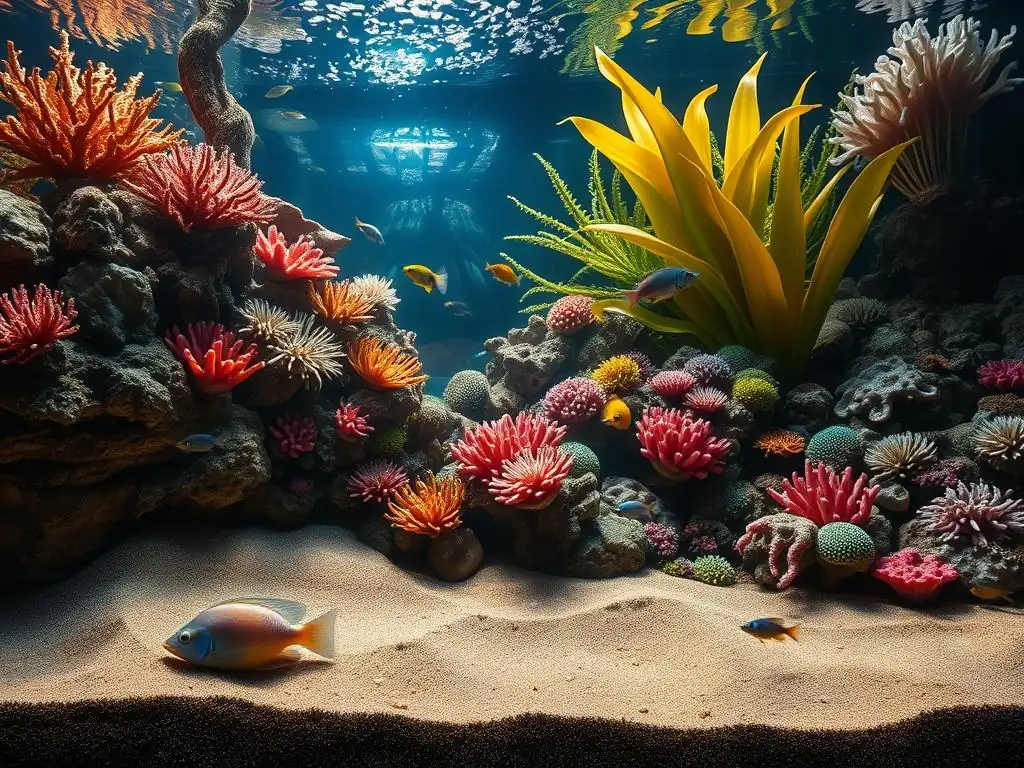
Welcome to Aquarium Mastery!
Ever wondered where your beloved cleaner shrimp vanished to? That's a mystery many aquarists face, and we're diving deep into the possible causes behind a "cleaner shrimp disappearing aquarium" in this comprehensive guide. Get ready to uncover the secrets of your underwater world and ensure a thriving environment for all your aquatic inhabitants. Curious to know what might be lurking beneath the surface? Let's explore!
- Why Did My Cleaner Shrimp Disappear? Investigating Common Mysteries in Saltwater Aquariums
- Introduction: The Case of the Vanishing Cleaner Shrimp
- Understanding Cleaner Shrimp Behavior in Aquariums
-
Common Reasons for Cleaner Shrimp Disappearance
- 1. Predation: Identifying Potential Tankmates That Eat Cleaner Shrimp
- 2. Poor Water Quality: How Unstable Parameters Affect Cleaner Shrimp
- 3. Molting Issues: A Vulnerable Time for Cleaner Shrimp
- 4. Starvation: Ensuring Your Cleaner Shrimp Gets Enough Food
- 5. Disease and Parasites: Invisible Threats to Cleaner Shrimp
- 6. Stress: Factors That Contribute to Cleaner Shrimp Stress
- 7. Jumping Out of the Tank: Preventing Escape
- Diagnosing the Disappearance: A Step-by-Step Approach
- Preventing Future Cleaner Shrimp Disappearances
- Conclusion: Maintaining a Safe and Thriving Aquarium for Cleaner Shrimp
- Frequently Asked Questions
- Final Reflection: The Unseen Ecosystem
- Unveil the Secrets: What's Next for Your Aquarium?
Why Did My Cleaner Shrimp Disappear? Investigating Common Mysteries in Saltwater Aquariums
Introduction: The Case of the Vanishing Cleaner Shrimp
Few experiences are as perplexing and disheartening for a saltwater aquarist as the sudden disappearance of a beloved cleaner shrimp. These vibrant, active invertebrates are often the stars of a reef tank, diligently picking parasites from fish or scavenging detritus. When a cleaner shrimp disappears from an aquarium, it leaves behind a mystery and a void, often prompting owners to wonder if it simply vanished into thin air.
This article delves into the common reasons behind a cleaner shrimp disappearance, offering insights into their behavior, environmental needs, and potential threats. By understanding these factors, aquarists can better diagnose the cause of a missing shrimp and implement strategies to prevent future occurrences, ensuring a safer and more stable environment for these fascinating creatures.
Understanding Cleaner Shrimp Behavior in Aquariums
Natural Cleaner Shrimp Habits and Expectations
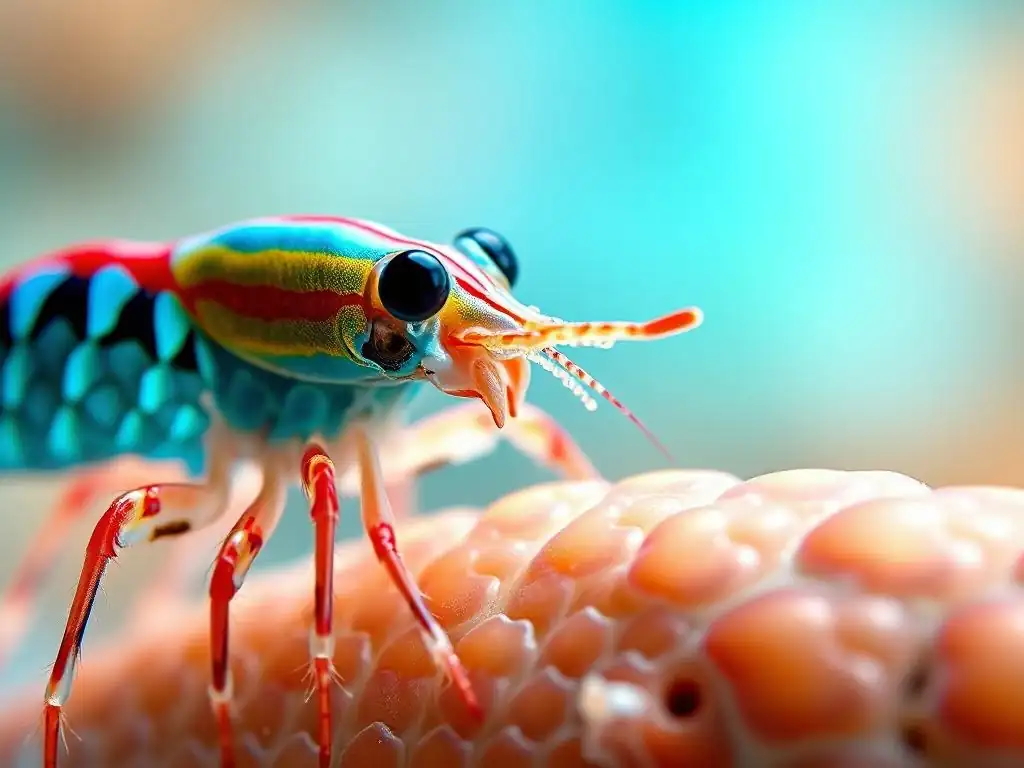
Cleaner shrimp, such as the popular Skunk Cleaner Shrimp ( Lysmata amboinensis), are naturally found in coral reefs across the Indo-Pacific, often residing in crevices and caves. In their natural habitat, they establish "cleaning stations" where fish visit them to have parasites and dead tissue removed. They are typically solitary or live in small pairs, exhibiting a fascinating symbiotic relationship with their aquatic neighbors.
In a home aquarium, cleaner shrimp generally maintain these natural habits. They are most active during the day, often seen perched on live rock or even on the aquarium glass, waiting for fish to approach for cleaning. While they are generally hardy, their lifespan in captivity typically ranges from 2 to 3 years, though some well-cared-for individuals may live longer. Their nocturnal tendencies for hiding or molting can sometimes lead owners to mistakenly believe a cleaner shrimp disappeared.
Why Cleaner Shrimp are Essential for a Healthy Saltwater Tank
Beyond their captivating appearance, cleaner shrimp serve a vital role in the marine aquarium ecosystem. They are nature's janitors, acting as part of the clean-up crew by consuming detritus, uneaten food, and even some types of nuisance algae. This scavenging behavior helps maintain water quality and overall tank hygiene.
Their most celebrated contribution, however, is their cleaning service to fish. They are known to remove external parasites like Cryptocaryon irritans (marine Ich) and Amyloodinium ocellatum (Velvet) from fish, which can significantly reduce the parasite load in a tank. Their presence can reduce stress in fish and promote healthier skin and fins. A healthy cleaner shrimp population contributes to the overall biodiversity and natural balance of a thriving saltwater aquarium.
Common Reasons for Cleaner Shrimp Disappearance
1. Predation: Identifying Potential Tankmates That Eat Cleaner Shrimp
One of the most common and often immediate reasons for a cleaner shrimp disappearing aquarium is predation by incompatible tankmates. Many popular marine fish species, while beautiful, view shrimp as a natural food source, especially if the shrimp is small or vulnerable. This instinct often outweighs any perceived "reef-safe" label.
Common culprits include triggerfish ( Balistidae family), pufferfish ( Tetraodontidae family), lionfish ( Pterois species), and many larger wrasses ( Coris or Thalassoma species). Even some angelfish, particularly the larger species, or certain groupers, can become opportunistic predators. It's not uncommon for a seemingly peaceful fish to suddenly decide a cleaner shrimp is a tasty snack, especially after the shrimp has just molted and is soft.
Choosing Compatible Tank Mates for Cleaner Shrimp
Careful research into the compatibility of all tank inhabitants is paramount before introducing a cleaner shrimp. Prioritize peaceful, truly reef-safe species that are known not to harass or consume invertebrates. A good rule of thumb is to avoid any fish with large mouths or a known predatory nature towards crustaceans.
Consider tankmates such as clownfish ( Amphiprion species), royal grammas ( Gramma loreto), firefish gobies ( Nemateleotris magnifica), and most peaceful tangs ( Zebrasoma species) as generally safe choices. Conversely, strictly avoid species like the Picasso Triggerfish ( Rhinecanthus aculeatus), Dogface Puffer ( Arothron nigropunctatus), or any Mantis Shrimp ( Stomatopoda order), as these are almost guaranteed to lead to a cleaner shrimp disappearing aquarium.
Recognizing Signs of Predation on Cleaner Shrimp
Observing the behavior of your fish can provide crucial clues if a cleaner shrimp disappears. Look for fish exhibiting unusual interest in the shrimp's typical hiding spots, or actively picking at crevices in the live rock where the shrimp might retreat. Sometimes, you might notice fish suddenly becoming more active or well-fed if they've consumed the shrimp.
In some cases, you might find remnants of the shrimp, such as antennae, legs, or a partial body, which is a definitive sign of predation. However, often the shrimp is consumed whole, leaving no trace, which makes the mystery of a cleaner shrimp disappearing aquarium even more puzzling. If all other factors are ruled out, and you have potentially predatory fish, it's highly likely predation was the cause.
2. Poor Water Quality: How Unstable Parameters Affect Cleaner Shrimp
Invertebrates, including cleaner shrimp, are notoriously sensitive to fluctuations in water quality. Unlike many fish, they have a lower tolerance for even minor imbalances in essential parameters. A sudden, unexplained cleaner shrimp disappearance often points directly to issues with the aquarium's water chemistry, as they can succumb quickly to unsuitable conditions.
Even subtle shifts in salinity, temperature, or pH, or the presence of toxic compounds, can induce severe stress in shrimp, leading to a weakened immune system, molting complications, or direct mortality. This sensitivity makes consistent monitoring and maintenance of water quality crucial for their survival and to prevent a cleaner shrimp disappearing aquarium.
The Importance of Maintaining Ideal Water Parameters for Invertebrates
Maintaining stable and ideal water parameters is the cornerstone of successful invertebrate keeping. For cleaner shrimp, key parameters include salinity (specific gravity 1.023-1.026), temperature (75-80°F or 24-27°C), and pH (8.1-8.4). Beyond these, proper levels of alkalinity (8-12 dKH), calcium (400-450 ppm), and magnesium (1250-1350 ppm) are vital for their shell development and overall health.
Invertebrates rely on these consistent levels for their metabolic processes, particularly during the critical molting phase. Even a slight but prolonged deviation, such as a drop in salinity by 0.002 or a pH swing of 0.2, can cause significant stress, making them more vulnerable to disease or direct physiological shutdown, leading to a cleaner shrimp disappearing aquarium scenario.
Ammonia, Nitrite, and Nitrate Levels: A Deadly Trio for Cleaner Shrimp
The nitrogen cycle byproducts – ammonia (NH3) and nitrite (NO2) – are acutely toxic to cleaner shrimp. Any detectable level of ammonia or nitrite (ideally 0 ppm for both) can cause immediate distress, gill damage, and rapid death. These compounds interfere with oxygen uptake and cellular functions, leading to a swift decline.
While less acutely toxic, high nitrate (NO3) levels can also contribute to a cleaner shrimp disappearing aquarium over time. Although fish can tolerate nitrates up to 40 ppm, sensitive invertebrates like shrimp prefer levels below 20 ppm, and ideally below 10 ppm. Chronic exposure to elevated nitrates causes long-term stress, suppresses appetite, and weakens the shrimp, making them more susceptible to other issues and reducing their lifespan.
Salinity and pH: Keeping Your Cleaner Shrimp Comfortable
Stable salinity is paramount for cleaner shrimp. They are osmoregulators, meaning their internal body fluids must match the external environment. Rapid or drastic changes in specific gravity, even due to inadequate top-off practices (e.g., using tap water instead of RODI water for evaporation replacement), can cause osmotic shock, leading to severe stress or death. Using a calibrated refractometer for accurate readings is essential.
Similarly, pH stability is critical. While a natural diurnal pH swing of 0.1-0.2 is normal, larger or sudden pH crashes (e.g., from 8.3 to 7.8) can be fatal to cleaner shrimp. This often results from insufficient alkalinity buffering capacity, CO2 buildup, or introducing unbuffered additives. A stable pH environment, maintained by consistent alkalinity, is vital to prevent a cleaner shrimp disappearing aquarium due to chemical shock.
3. Molting Issues: A Vulnerable Time for Cleaner Shrimp
Molting is a natural and essential process for cleaner shrimp, allowing them to grow by shedding their rigid exoskeleton. During this period, a shrimp will often hide for several days before and after the molt, leading many aquarists to mistakenly believe their cleaner shrimp disappeared. They seek seclusion as they are incredibly vulnerable during this transition.
The vulnerability stems from the fact that their new exoskeleton is soft and pliable immediately after shedding. This makes them highly susceptible to predation from tankmates that would otherwise ignore them, or even injury from strong currents or abrasive rockwork. Studies indicate that a significant percentage, potentially up to 30%, of invertebrate deaths in home aquariums are linked to complications during the molting process.
Understanding the Cleaner Shrimp Molting Process
Before molting, a cleaner shrimp may become lethargic, refuse food, and its exoskeleton might appear opaque or cloudy. The actual shedding process is remarkably quick, often occurring at night, where the shrimp backs out of its old shell. The shed exoskeleton, or exuvia, looks like a complete, transparent shrimp and is frequently mistaken for a dead shrimp by unsuspecting owners. It's crucial to distinguish between a shed shell and an actual deceased shrimp.
After shedding, the shrimp absorbs water to expand its new, soft shell. This process can take anywhere from 24 to 72 hours, during which the shrimp remains hidden and extremely vulnerable. The new shell then hardens by absorbing calcium, magnesium, and other minerals from the surrounding water. Providing ample hiding spots is crucial during this recovery phase.
Signs of a Problematic Molt and How to Help
A problematic molt can manifest in several ways: the shrimp may be unable to fully shed its old shell, resulting in a partial or incomplete molt; it might appear stuck; or it may struggle to move or right itself after shedding. These issues are often indicative of underlying problems such as poor water quality (low calcium, magnesium, or iodine), inadequate nutrition, or chronic stress.
To prevent molting issues, ensure all essential water parameters are within optimal ranges (Calcium: 400-450 ppm, Magnesium: 1250-1350 ppm, Alkalinity: 8-12 dKH). While controversial for some, a high-quality liquid iodine supplement can sometimes be beneficial if a deficiency is suspected, but caution against overdosing is critical. Most importantly, provide plenty of secure hiding spots so the shrimp can retreat and recover undisturbed, significantly reducing the chances of a cleaner shrimp disappearing due to molting complications.
4. Starvation: Ensuring Your Cleaner Shrimp Gets Enough Food
While cleaner shrimp are excellent scavengers and will consume detritus and parasites from fish, in many home aquariums, these natural food sources are simply not sufficient to meet their nutritional needs. This is particularly true in newer, very clean tanks, or those with a low bioload. A slow decline due to starvation can easily lead to a cleaner shrimp disappearing aquarium mystery, as the shrimp may become too weak to survive or hide effectively before dying.
In their natural reef environment, cleaner shrimp have access to a rich and diverse diet of small invertebrates, zooplankton, and a constant supply of detritus. In a closed system, competition from fish and other clean-up crew members, combined with a limited natural food supply, means that supplemental feeding is almost always necessary for their long-term health and survival.
Supplementing Your Cleaner Shrimp's Diet
To ensure your cleaner shrimp receives adequate nutrition, target feeding is highly recommended. Offer small pieces of high-quality frozen foods such as mysis shrimp, brine shrimp, or finely chopped seafood like krill or clams. High-quality marine pellets or spirulina flakes can also be offered. It is often best to feed them after the main aquarium lights are off or when the fish are less active, to ensure the shrimp actually gets to consume the food without excessive competition.
A feeding frequency of 2-3 times per week is generally sufficient, but in very clean or sparsely stocked tanks, daily feeding might be beneficial. A healthy, well-fed cleaner shrimp should appear robust and actively forage, rather than looking emaciated. Consistent supplemental feeding significantly reduces the likelihood of a cleaner shrimp disappearing due to malnutrition.
Identifying Signs of Starvation in Cleaner Shrimp
Visual signs of starvation in a cleaner shrimp include a noticeably shrunken abdomen, which appears concave rather than full. The shrimp may also exhibit lethargy, reduced activity, and a dull, faded coloration. A starved shrimp might be less inclined to engage in its cleaning services with fish, as it lacks the energy.
Chronic starvation weakens the shrimp's overall health, making it more susceptible to disease, increasing the risk of molting complications, and reducing its ability to cope with environmental stressors. Ultimately, a prolonged period of insufficient food will lead to a slow decline and eventual death, contributing to the puzzle of a cleaner shrimp disappearing aquarium.
5. Disease and Parasites: Invisible Threats to Cleaner Shrimp
While cleaner shrimp are generally robust invertebrates, they are not entirely immune to diseases or parasitic infections. Bacterial infections, fungal issues, or even viral diseases can affect them, often exacerbated by underlying stress, poor water quality, or nutritional deficiencies. These illnesses can cause a shrimp to become lethargic, hide more frequently, and eventually succumb, leading to a cleaner shrimp disappearance.
Though less common than in fish, cleaner shrimp can also host or be affected by certain parasites. A sick shrimp will instinctively seek isolation to protect itself or to recover, making it less visible to the aquarist. By the time symptoms are obvious, the disease may be advanced, and the shrimp's chances of survival diminish rapidly.
Recognizing Common Diseases Affecting Cleaner Shrimp
Symptoms of disease in cleaner shrimp can include opaque or discolored patches on their shell, white spots, discolored gills (appearing brown or black), loss of appetite, erratic swimming, or excessive twitching. Bacterial infections, often stemming from poor water conditions, can manifest as black spots or lesions on the shell. Fungal infections might appear as fuzzy growths.
Some diseases might be internal or microscopic, making diagnosis difficult until the shrimp is severely ill. A compromised immune system, often due to chronic stress or poor water parameters, makes them highly vulnerable to opportunistic pathogens. Any deviation from normal behavior or appearance should be investigated promptly to prevent a cleaner shrimp disappearing due to illness.
Quarantine Procedures for New Arrivals
Implementing a strict quarantine procedure for all new livestock, including cleaner shrimp, is one of the most effective ways to prevent the introduction of diseases and parasites into your main display tank. A quarantine period of at least 2 to 4 weeks allows for observation and treatment if necessary, before the new addition is introduced to the established community.
A quarantine tank should be simple: bare bottom, with PVC pipes or small pieces of live rock for hiding spots, and a heater and filter. This setup allows for easy observation of the shrimp and simplifies any necessary medication protocols. Proper quarantine significantly reduces the risk of a cleaner shrimp disappearing due to an illness brought in by a new tankmate.
6. Stress: Factors That Contribute to Cleaner Shrimp Stress
Stress is a significant underlying factor that can contribute to many of the issues leading to a cleaner shrimp disappearing aquarium. Chronic stress weakens a shrimp's immune system, making it more susceptible to disease, molting problems, and even increasing its vulnerability to predation. Identifying and mitigating stressors in the aquarium environment is crucial for their long-term health.
Common stressors for cleaner shrimp include aggressive tankmates that constantly harass them, unstable or fluctuating water parameters, sudden and drastic changes in lighting (e.g., too bright or sudden on/off cycles), and a lack of adequate hiding spots. Even over-handling or frequent disturbances can induce significant stress, leading to a decline in health.
Minimizing Stress in the Aquarium Environment
To minimize stress for cleaner shrimp, provide ample rockwork with numerous crevices, caves, and overhangs where they can retreat and feel secure. This is especially important during molting. Ensure a stable and consistent environment by avoiding sudden large water changes, rapid temperature swings, or drastic changes in lighting intensity or duration.
Maintain a consistent feeding schedule and introduce new tankmates slowly, observing interactions carefully. If any fish exhibit aggressive behavior towards the shrimp, immediate action, such as removing the aggressor, may be necessary. A calm, stable environment with plenty of refuge is key to preventing a cleaner shrimp disappearing due to chronic stress.
7. Jumping Out of the Tank: Preventing Escape
Cleaner shrimp are surprisingly agile and can jump considerable distances, especially when startled, stressed, or attempting to escape perceived threats within the aquarium. This is a remarkably common, yet often overlooked, reason for a cleaner shrimp disappearing aquarium. They can land on the floor, behind the tank, or in inaccessible areas, quickly dehydrating and perishing.
The impulse to jump is often a survival mechanism. If water quality is poor, if they are being harassed by tankmates, or if they are suddenly frightened (e.g., by a loud noise or a sudden light), their instinct might be to escape the immediate environment, leading them to launch themselves out of the water.
How to Secure Your Aquarium to Prevent Jumps
To prevent cleaner shrimp from jumping out of the tank, a tight-fitting lid or screen top is absolutely essential. Standard glass lids often have gaps around heaters, filters, or powerhead cords, which can serve as escape routes for determined shrimp. Custom-cut mesh screen tops are highly effective as they allow for good gas exchange while preventing even the smallest invertebrates from escaping.
Additionally, consider lowering the water level slightly below the rim of the tank. Even an inch or two of space can act as a crucial barrier. Regularly inspect your aquarium setup for any potential gaps or openings that a cleaner shrimp might exploit, especially if you've experienced previous disappearances.
Understanding Why Cleaner Shrimp Might Jump
Cleaner shrimp typically jump due to immediate environmental triggers. These can include sudden loud noises, abrupt changes in lighting (like lights suddenly turning on in a dark room), or the constant harassment from aggressive tankmates. If the water quality inside the tank becomes acutely toxic (e.g., a sudden ammonia spike), the shrimp might perceive the tank as an unsuitable environment and attempt to escape.
When a cleaner shrimp disappearing aquarium is attributed to jumping, it often serves as a warning sign. It prompts the aquarist to thoroughly review the tank conditions, water parameters, and tankmate compatibility, as the jump itself is usually a symptom of an underlying problem rather than just a random act.
Diagnosing the Disappearance: A Step-by-Step Approach
When a cleaner shrimp disappears, a systematic approach can help uncover the cause. Rather than immediately assuming the worst, follow these steps to investigate the mystery. This diagnostic process is crucial for understanding what happened and for preventing future cleaner shrimp disappearances.
Examining the Aquarium for Clues
Begin with a thorough visual inspection of the entire aquarium. Look closely at all areas of the live rock, peering into crevices, under overhangs, and behind powerheads or equipment. Use a flashlight, even during the day, to illuminate dark corners. Check the overflow box, sump, and refugium if your system has one, as shrimp can sometimes get swept into these areas.
Next, carefully scan the floor around the tank, including behind stands, under furniture, and in any nearby corners. A dried-up shrimp is a definitive sign of a jump. If you find a shed exoskeleton (exuvia), it indicates a successful molt, meaning the shrimp is likely still alive but in hiding. If you find a complete, opaque shrimp body, it indicates a death within the tank, prompting further investigation into water quality or disease.
Reviewing Recent Tank Maintenance and Changes
Consider any recent changes or maintenance activities performed on the aquarium. Did you perform a large water change? Was new equipment installed? Were new fish or invertebrates introduced without proper quarantine? Even a change in food brand or dosing regimen can sometimes trigger issues.
Check the dates of your last water parameter tests. A sudden cleaner shrimp disappearance often correlates with a recent parameter swing, such as an ammonia spike after adding new fish, or a pH crash. Reviewing your maintenance log can provide critical insights into potential environmental stressors or toxic conditions that might have led to the shrimp's demise.
Assessing Tankmate Behavior
Observe your fish and other invertebrates closely for any unusual behavior. Are any fish acting more territorial, aggressive, or unusually interested in the areas where the shrimp used to hide? Some fish might exhibit signs of being well-fed if they've consumed the shrimp.
Pay particular attention during feeding times, as this is when competition and aggressive tendencies often become more apparent. If you suspect predation, consider temporarily isolating the suspected aggressor in a breeder box or separate tank to see if any other shrimp or smaller invertebrates become more active.
Preventing Future Cleaner Shrimp Disappearances
Preventing a cleaner shrimp disappearing aquarium hinges on proactive and consistent husbandry practices. By focusing on key areas, you can create a safe, stable, and thriving environment that minimizes risks for these valuable invertebrates.
Implementing a Regular Water Testing Schedule
Consistent monitoring of water parameters is the single most important preventative measure. Establish a regular testing schedule, ideally weekly or bi-weekly, for ammonia, nitrite, nitrate, pH, salinity, alkalinity, calcium, and magnesium. Keep a detailed log of your readings to identify any trends or sudden fluctuations.
Proactive water parameter management, through regular water changes with properly mixed saltwater and appropriate dosing of supplements, ensures a stable environment. This stability is crucial for the cleaner shrimp's health, immune system, and successful molting, significantly reducing the chances of a cleaner shrimp disappearing due to environmental stress.
Carefully Selecting Tankmates
Thoroughly research the compatibility of every fish or invertebrate you intend to introduce to your aquarium. Prioritize peaceful, reef-safe species that are known not to prey on or harass cleaner shrimp. Avoid impulse purchases, especially of fish that are known shrimp predators, even if they are small when purchased, as their predatory instincts will develop as they grow.
When in doubt, err on the side of caution. It is far better to forego a potentially problematic fish than to risk the life of your cleaner shrimp and experience another cleaner shrimp disappearing aquarium mystery. A harmonious tank community benefits all inhabitants.
Providing Adequate Hiding Places and Shelter
Ensure your aquarium aquascape provides ample secure hiding places for your cleaner shrimp. Live rock with natural crevices, caves, and overhangs offers essential refuge, especially during their vulnerable molting period or when they feel threatened by tankmates.
A well-structured environment with plenty of nooks and crannies reduces stress and provides a sense of security for the shrimp. This not only minimizes the risk of predation but also allows the shrimp to retreat when necessary, preventing them from feeling the need to jump out of the tank or succumbing to chronic stress that could lead to a cleaner shrimp disappearing.
Ensuring Proper Nutrition
Do not rely solely on scavenging for your cleaner shrimp's nutritional needs. Supplement their diet regularly with high-quality frozen foods like mysis shrimp, brine shrimp, or finely chopped seafood. Target feeding ensures they receive adequate sustenance, especially in tanks with high competition for food.
A well-fed cleaner shrimp is more resilient to stress, disease, and molting complications. Proper nutrition contributes significantly to their overall health and longevity, drastically reducing the likelihood of a cleaner shrimp disappearing due to starvation or related issues.
Conclusion: Maintaining a Safe and Thriving Aquarium for Cleaner Shrimp
The sudden disappearance of a cleaner shrimp can be a frustrating and confusing experience for any aquarist. However, by understanding their natural behaviors, acknowledging their specific environmental needs, and recognizing the common threats they face, you can transform this mystery into a learning opportunity.
From meticulous water parameter management and careful tankmate selection to providing ample hiding spots and ensuring proper nutrition, proactive husbandry is key. A cleaner shrimp disappearing aquarium is often a preventable occurrence. By prioritizing the well-being of these fascinating invertebrates, you can maintain a safe, stable, and thriving saltwater environment where your cleaner shrimp can flourish for years to come.
Frequently Asked Questions
Why did my cleaner shrimp disappear in my aquarium?
Several factors could be at play, including predation by larger fish, poor water quality, or even the shrimp molting its exoskeleton.
Is it normal for cleaner shrimp to hide for extended periods?
While cleaner shrimp are generally active, they may hide when stressed or feeling vulnerable, especially after molting. Observe if this is a recurring behavior.
Could my water parameters be the reason my cleaner shrimp disappeared?
Yes, unstable water parameters such as fluctuating salinity, pH, or high levels of ammonia or nitrites can be fatal to cleaner shrimp.
Do cleaner shrimp eat each other in aquariums?
Generally, cleaner shrimp are not cannibalistic, but they may consume a deceased shrimp. This is more of a scavenging behavior than active predation.
What fish are known predators of cleaner shrimp?
Many larger fish species, particularly those with predatory instincts like triggers, puffers, and some wrasses, will readily consume cleaner shrimp as a food source.
Final Reflection: The Unseen Ecosystem
The mysteries surrounding a disappearing cleaner shrimp in an aquarium, as explored in this article, are more than just anecdotal occurrences; they reflect a broader understanding of the delicate balance within our miniature aquatic worlds. The disappearance, often attributed to predation, water quality issues, or even simple hiding, serves as a stark reminder of the interconnectedness and fragility of these carefully constructed ecosystems.
The vanishing act of a cleaner shrimp, though seemingly small, underscores the profound responsibility we undertake when creating and maintaining an aquarium. It forces us to confront the unseen forces at play, the subtle shifts in water parameters, the complex social dynamics of the inhabitants, and the potential for unforeseen consequences. The fate of every living thing is inextricably linked to the fate of all living things.
This quote, though broad, resonates deeply when considering the microcosm of an aquarium, where the disappearance of one small creature can ripple through the entire system.
So, the next time you find yourself pondering the whereabouts of a missing cleaner shrimp, remember that it's an invitation to look deeper. It's a call to refine your understanding of the intricate web of life you've created. Let the mystery inspire you to become a more conscientious and observant aquarist, ensuring the health and well-being of all your aquatic companions.
Unveil the Secrets: What's Next for Your Aquarium?
Thank you for diving into the mysteries of disappearing cleaner shrimp! We hope you've gained valuable insights to help you maintain a thriving aquarium ecosystem. Now, let's take action to ensure a safe and vibrant environment for all your aquatic inhabitants.
Here's what you can do:
- Immediately re-evaluate your tank's water parameters and salinity levels. Minor fluctuations can have a major impact on sensitive invertebrates.
- Share your experience! Post a photo of your aquarium on social media using #AquariumMasteryShrimp and describe any changes you've made to improve the tank's conditions.
- Consult with your local aquarium store about introducing a new, hardier invertebrate species to test the tank's stability before adding more cleaner shrimp.
What are the first steps you'll take to ensure the safety of your aquarium inhabitants, and what surprising factor do you suspect might be at play in your tank?