
Freshwater Crabs and Plants: Will Your Aquascape Survive These Diggers?

Welcome to Aquarium Mastery!
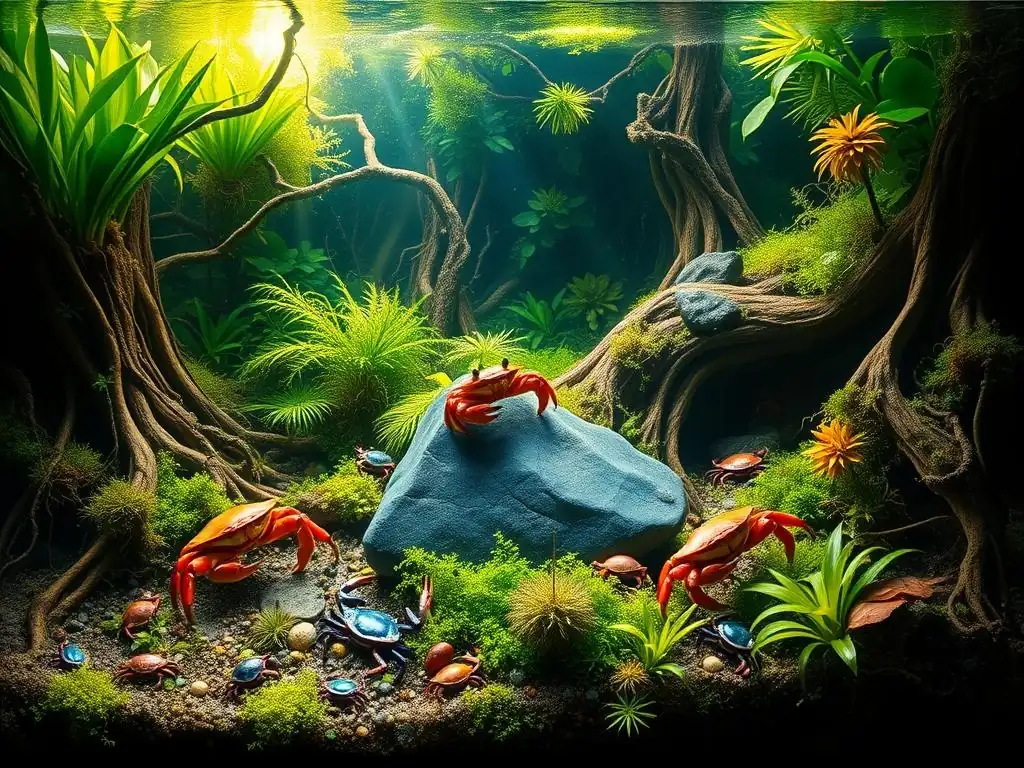
Ever wondered if your meticulously planned freshwater aquascape stands a chance against the surprisingly destructive tendencies of freshwater crabs? Dive in as we unravel the secrets to successful Freshwater Crab Plant Care. Prepare to discover how to create a thriving environment where both your crabs and plants can flourish – or at least, survive! Are you ready to master the art of cohabitation? Let's explore!
- Red Cherry Shrimp and Java Moss: A Symbiotic Aquascape
- Understanding Red Cherry Shrimp in Planted Aquariums
- The Grazing Advantage: How Red Cherry Shrimp Benefit Aquarium Plants
- Choosing the Right Plants for a Shrimp-Friendly Aquarium
- Creating a Shrimp-Safe Aquascape: Design Strategies
- Managing Shrimp Behavior to Maintain a Healthy Ecosystem
- Compatible Tank Mates for Red Cherry Shrimp in Planted Tanks
- Maintaining a Healthy Balance: Water Parameters and Shrimp Health
- Troubleshooting: Dealing with Shrimp-Related Issues
- Alternative Invertebrates for Planted Aquariums
-
Frequently Asked Questions
- How likely are freshwater crabs to uproot my aquarium plants?
- Which types of plants are most likely to survive in a freshwater crab tank?
- What specific crab species are considered the biggest threat to aquarium plants?
- How can I minimize the damage caused by crabs to my planted aquarium?
- What are some alternative methods of aquascaping to avoid plant damage from freshwater crabs?
- Final Reflection: Navigating the Crab-Plant Conundrum
- Unleash Your Aquascaping Genius!
Red Cherry Shrimp and Java Moss: A Symbiotic Aquascape
Understanding Red Cherry Shrimp in Planted Aquariums
The Appeal of Red Cherry Shrimp in Aquascapes
Red Cherry Shrimp (Neocaridina davidi) have become a cornerstone in the world of planted aquariums, captivating aquarists with their vibrant coloration, small size, and peaceful demeanor. Their striking red hue, which can range from a translucent pink to a deep, opaque red, adds a dynamic splash of color to any green aquascape. Beyond their aesthetic appeal, these dwarf shrimp are highly valued for their role as efficient clean-up crews, diligently grazing on algae and biofilm without disturbing plants or other tank inhabitants. This makes them an ideal choice for aquarists aiming for a low-maintenance yet visually stunning planted tank.
Their popularity is also fueled by their relatively easy care requirements and prolific breeding habits. A single female Red Cherry Shrimp can lay between 20 to 50 eggs every 5-6 weeks under optimal conditions, leading to a thriving colony that continually contributes to the tank's ecosystem.
This rapid reproduction, coupled with their minimal bioload, means that a small initial investment can quickly populate a tank, providing ongoing benefits in terms of algae control and visual interest. Many aquascapers prefer them over larger invertebrates or fish for their gentle nature, ensuring the integrity of delicate plant leaves and intricate aquascape layouts remains undisturbed.
Identifying Healthy Red Cherry Shrimp
Recognizing healthy Red Cherry Shrimp is crucial for maintaining a thriving aquarium ecosystem. A healthy shrimp typically exhibits vibrant, consistent coloration appropriate for its grade, actively grazes on surfaces, and moves with purpose. Their antennae should be intact and constantly moving, exploring their surroundings, and their pleopods (swimmerets) under the tail should be fanning gently, especially in females carrying eggs. Look for a clear exoskeleton; any cloudy patches or white rings near the head might indicate molting issues, which can be a sign of stress or improper water parameters.
Furthermore, healthy shrimp will readily consume food and interact with their environment. They should not be lethargic, hiding excessively, or displaying unusual swimming patterns like twitching or spiraling. Their diet should be varied, including algae, biofilm, and supplemental foods such as blanched vegetables or specialized shrimp pellets. An active, well-colored, and consistently grazing shrimp population is a strong indicator of a stable and suitable aquatic environment, signaling that water parameters are within acceptable ranges and that the shrimp are not experiencing undue stress.
The Grazing Advantage: How Red Cherry Shrimp Benefit Aquarium Plants
Why Red Cherry Shrimp Graze on Algae and Biofilm
Red Cherry Shrimp are primarily detritivores and herbivores, with their diet largely consisting of algae, biofilm, and decaying organic matter. Biofilm, a complex community of microorganisms encased in an extracellular polymeric substance, naturally forms on all surfaces within an aquarium, including plant leaves, driftwood, and substrate. This biofilm provides a rich source of nutrients for the shrimp, containing bacteria, fungi, and microscopic invertebrates. Algae, another ubiquitous presence, grows on surfaces exposed to light and nutrients, offering a readily available food source that shrimp continuously graze upon.
Their mouthparts are specifically adapted for scraping these microscopic layers off surfaces. Unlike many fish that might nip at or consume plant leaves, Red Cherry Shrimp possess a gentle feeding mechanism that targets only the surface growth. This makes them highly effective at cleaning plant leaves without causing damage to the plant tissue itself. Their constant, meticulous grazing helps to keep plant surfaces clear, ensuring plants can efficiently photosynthesize and absorb nutrients without being smothered by algal growth or excessive biofilm accumulation.
The Impact of Shrimp Grazing on Plant Health and Cleanliness
The continuous grazing activity of Red Cherry Shrimp significantly contributes to the overall health and cleanliness of aquarium plants. By consuming nuisance algae like green spot algae, hair algae, and brown diatoms, they prevent these growths from monopolizing light and nutrient absorption surfaces on plant leaves.
For instance, a colony of 20-30 Red Cherry Shrimp in a 10-gallon planted tank can noticeably reduce the presence of unsightly algae within a few weeks, leading to clearer plant leaves and a more vibrant aquascape. This natural algae control reduces the need for manual cleaning or chemical treatments, which can be stressful for both plants and other inhabitants.
Beyond visible algae, shrimp also consume the microscopic biofilm that can accumulate on plant surfaces. While often unseen, excessive biofilm can hinder a plant's ability to absorb nutrients directly from the water column through its leaves and can even promote the growth of undesirable bacteria. The constant "polishing" action of shrimp ensures that plant leaves remain unobstructed, promoting optimal photosynthesis and nutrient uptake. This results in healthier, more robust plant growth, with plants exhibiting better color and overall vitality due to reduced competition from algae and a cleaner surface for gas exchange.
Assessing the Benefit: Plant Health Improvement from Shrimp Activity
Quantifying the direct benefit of Red Cherry Shrimp on plant health can be observed through several key indicators. One common observation is the significant reduction in visible algae on plant leaves, leading to a vibrant green or red coloration of the plants that might otherwise be dulled by algal films.
For example, in a tank with a moderate algae problem, introducing 10-15 Red Cherry Shrimp can lead to a 50-70% reduction in surface algae on plant leaves within a month, depending on the severity of the initial bloom and other tank parameters. This visual improvement directly correlates with better light penetration and nutrient absorption for the plants.
Furthermore, plants in shrimp-populated tanks often exhibit more vigorous growth and fewer signs of nutrient deficiencies that can be exacerbated by algal competition. For instance, delicate plants like Rotala species or stem plants that are prone to algae accumulation on their lower leaves often show healthier new growth and less leaf decay when shrimp are present. The consistent removal of decaying plant matter and detritus by shrimp also contributes to a cleaner substrate and water column, indirectly benefiting plant root health and overall water quality, which are critical for long-term plant vitality.
Choosing the Right Plants for a Shrimp-Friendly Aquarium
Selecting Java Moss for Shrimp Grazing and Hiding
Java Moss (Taxiphyllum barbieri) stands out as an exceptional choice for any shrimp-friendly aquarium, particularly for Red Cherry Shrimp. Its dense, intricate growth habit provides an expansive surface area for biofilm and microscopic food particles to accumulate, offering a constant and natural food source for shrimp. This makes Java Moss a prime grazing ground, encouraging active foraging behavior among the shrimp. A 4x4 inch patch of Java Moss, for example, can support a small colony of 5-10 shrimp, providing both sustenance and shelter.
Moreover, the thick, tangled structure of Java Moss offers unparalleled hiding spots for shrimp, especially for newly hatched shrimplets and molting adults. During the vulnerable molting process, shrimp shed their old exoskeleton and are soft and defenseless for a short period.
The dense foliage of Java Moss provides crucial cover, significantly increasing the survival rate of both juveniles and molting adults from potential predators or stress. It also serves as an excellent medium for biofilm growth, which is the primary food for shrimplets in their early stages, making it indispensable for successful Red Cherry Shrimp breeding in a planted tank.
Plants with Fine Leaves for Shrimp to Explore
Beyond Java Moss, many other fine-leaved plants are highly beneficial for a shrimp-friendly aquascape, offering additional grazing surfaces and intricate exploration opportunities. Plants such as Hornwort (Ceratophyllum demersum), Guppy Grass (Najas guadalupensis), and various species of Rotala (e.g., Rotala rotundifolia, Rotala 'Green') provide extensive surface area due to their delicate, branching structures. These plants accumulate biofilm and microalgae more readily than broad-leaved plants, making them attractive foraging grounds for Red Cherry Shrimp.
The fine texture of these leaves also allows shrimp to easily maneuver and graze without damaging the plant. For instance, a large cluster of Rotala 'Green' can host several shrimp simultaneously, as they pick off microscopic particles from individual leaves. These plants also contribute to oxygenation and nutrient absorption, creating a healthier environment for the shrimp. Their dense growth can also provide additional cover, mimicking natural habitats where shrimp seek refuge among submerged vegetation.
Floating Plants as a Breeding Ground for Shrimp
Floating plants, such as Frogbit (Limnobium laevigatum), Dwarf Water Lettuce (Pistia stratiotes), and Salvinia minima, offer unique benefits for a shrimp-friendly aquarium, particularly as breeding grounds and for water quality. The roots of these plants extend into the water column, creating a complex network that accumulates a rich layer of biofilm and microscopic organisms. This floating root mass serves as an excellent natural food source for adult shrimp and, more importantly, provides a safe haven for newly hatched shrimplets.
The dense root systems offer unparalleled protection from potential predators or strong currents, increasing the survival rate of the delicate shrimplets. For example, a 10-gallon tank with 25-30% surface coverage by floating plants can see a noticeable increase in shrimplet survival compared to tanks without such cover. Additionally, floating plants are highly effective at absorbing excess nitrates and other waste products from the water, contributing to cleaner, more stable water parameters which are essential for the health and breeding success of Red Cherry Shrimp.
Creating a Shrimp-Safe Aquascape: Design Strategies
Hardscaping Techniques to Provide Shrimp Hiding Places
Effective hardscaping is crucial for creating a safe and stimulating environment for Red Cherry Shrimp. Incorporating elements like driftwood, rocks, and ceramic caves provides essential hiding places and surfaces for biofilm growth. Driftwood, especially types with intricate branches and crevices like Spiderwood or Manzanita, offers numerous nooks and crannies where shrimp can retreat during molting or when stressed. A piece of driftwood measuring approximately 6-8 inches can provide cover for a colony of 15-20 shrimp.
Similarly, smooth, non-porous rocks arranged to form small caves or overhangs offer additional shelters. Lava rock, while porous, can also be beneficial as its rough surface provides increased area for biofilm attachment. When arranging hardscape, ensure there are small gaps and tunnels that shrimp can easily access but larger fish cannot. These strategic placements not only enhance the aesthetic appeal of the aquascape but also contribute significantly to the security and well-being of the shrimp population, promoting their natural behaviors and breeding success.
Using Driftwood and Rocks to Create Shrimp Shelters
Driftwood and rocks are indispensable elements in a shrimp-safe aquascape, serving multiple functions beyond mere aesthetics. Their primary role is to provide secure shelters, which are vital for Red Cherry Shrimp, especially during their vulnerable molting phase. A well-placed piece of driftwood with natural crevices can act as a natural "safe house" where a molting shrimp can hide for several hours to a day until its new exoskeleton hardens. Without such cover, a newly molted shrimp is highly susceptible to predation, even from peaceful tank mates.
Beyond physical protection, the surfaces of driftwood and rocks become colonized by beneficial bacteria and algae, forming nutrient-rich biofilm that shrimp constantly graze upon. For instance, a medium-sized piece of Malaysian driftwood can support a substantial amount of biofilm, providing a continuous food source for dozens of shrimp. The presence of these natural elements also helps to stabilize water parameters, as some types of driftwood can release beneficial tannins that slightly lower pH, mimicking the shrimp's natural soft, acidic water habitats.
Substrate Considerations for Shrimp Health and Plant Growth
The choice of substrate is a critical factor for both Red Cherry Shrimp health and optimal plant growth in a planted aquarium. A dark, fine-grained substrate like ADA Aqua Soil or Eco-Complete is often recommended. Dark substrates help to highlight the vibrant red coloration of the shrimp, making them stand out against the background. More importantly, fine-grained substrates allow for easy foraging by shrimp, as they can sift through the particles to find detritus and biofilm without damaging their delicate legs.
For planted tanks, nutrient-rich substrates are highly beneficial for plant growth, providing essential macro and micronutrients directly to plant roots. These substrates also tend to have a slightly acidic buffering capacity, which can help maintain the stable, slightly acidic to neutral pH (around 6.5-7.5) that Red Cherry Shrimp prefer. While gravel can be used, ensure it's smooth and not too coarse to prevent injury to shrimp. A substrate depth of 2-3 inches is generally sufficient to anchor plants and provide ample space for shrimp foraging.
Managing Shrimp Behavior to Maintain a Healthy Ecosystem
Providing Adequate Food Sources and Supplements
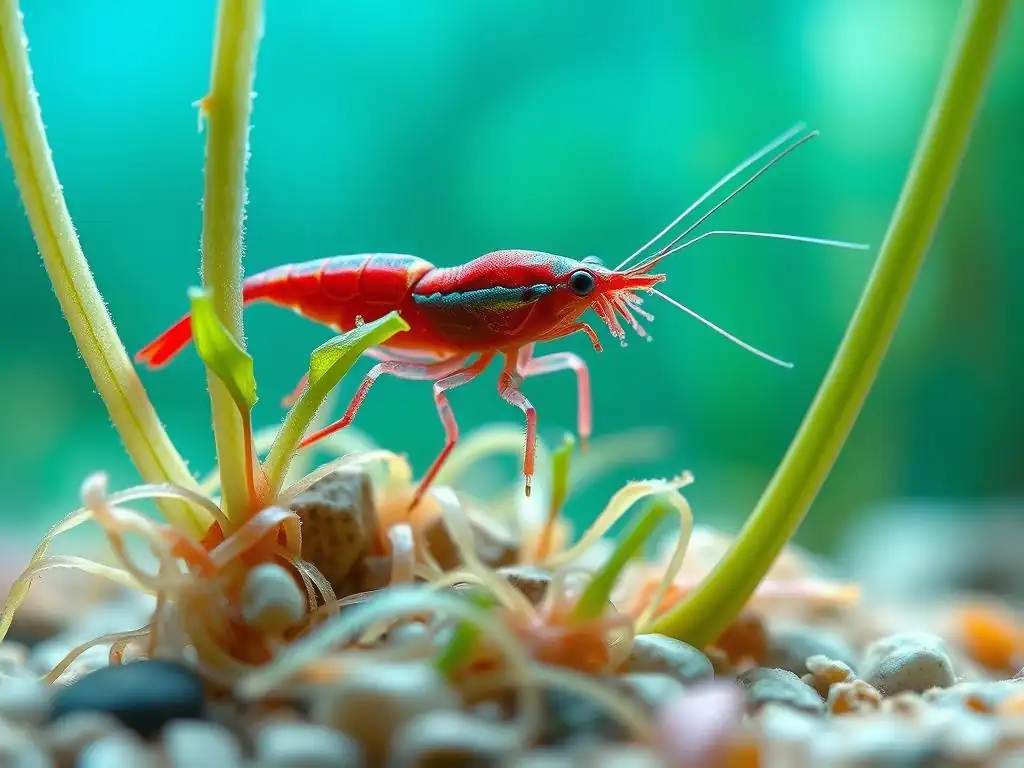
While Red Cherry Shrimp are excellent algae grazers, relying solely on natural algae and biofilm in the tank may not always provide sufficient nutrition, especially for a growing colony. Supplementing their diet is crucial for their health, vibrant coloration, and successful breeding. High-quality shrimp-specific pellets or wafers, rich in spirulina, kelp, and essential minerals like calcium, should be offered a few times a week. Calcium is particularly vital for healthy molting and exoskeleton development.
Additionally, blanched vegetables such as spinach, zucchini slices, or broccoli florets can be offered occasionally. These provide a good source of vitamins and fiber and are eagerly consumed by shrimp. Overfeeding should be avoided, as uneaten food can quickly foul the water. A general guideline is to feed only what the shrimp can consume within 2-3 hours. Observing their feeding behavior will help determine the appropriate amount; a healthy colony will quickly swarm any introduced food, indicating good appetite and overall well-being.
Maintaining Water Parameters for Shrimp and Plant Health
Maintaining stable and appropriate water parameters is paramount for the health of both Red Cherry Shrimp and aquarium plants. Red Cherry Shrimp thrive in soft to moderately hard water with a pH range of 6.5 to 7.5, a general hardness (GH) of 4-8 dGH, and a carbonate hardness (KH) of 3-5 dKH. Temperatures between 68-78°F (20-25.5°C) are ideal. Sudden fluctuations in these parameters are highly stressful for shrimp and can lead to molting issues or death.
For plants, consistent water parameters, particularly stable levels of CO2 and essential nutrients like nitrates, phosphates, and potassium, are critical. While plants generally tolerate a wider range of parameters than shrimp, ensuring the water is free of ammonia and nitrites is beneficial for both. Regular testing with a reliable liquid test kit (e.g., weekly or bi-weekly) is essential to monitor these parameters and make timely adjustments. Using a good filtration system (sponge filters are excellent for shrimp tanks) and performing consistent, small water changes are key to maintaining this delicate balance.
Monitoring Shrimp Population and Adjusting the Aquascape
As Red Cherry Shrimp are prolific breeders, monitoring their population size is an important aspect of managing a healthy ecosystem. In a well-maintained tank, a small initial group of 10-15 shrimp can quickly multiply into a colony of hundreds within 6-12 months. While beneficial for algae control, an excessively large population can lead to resource depletion (food, space) and increased bioload, potentially stressing the entire system.
If the population becomes too dense, it may be necessary to thin it out by selling, trading, or rehoming some shrimp. This helps prevent overcrowding and ensures that remaining shrimp have adequate resources. Conversely, if the population isn't growing as expected, evaluating water parameters, food availability, and potential predators is crucial. Adjusting the aquascape by adding more plants for cover or increasing feeding can encourage breeding. Observing behavior, such as active foraging and frequent molting, provides clues about the health and happiness of the colony.
Compatible Tank Mates for Red Cherry Shrimp in Planted Tanks
Fish That Won't Prey on Shrimp or Damage Plants
Choosing compatible fish for a Red Cherry Shrimp planted tank requires careful consideration to ensure the safety of the shrimp and the integrity of the plants. Small, peaceful, and non-aggressive fish species are ideal. Examples include Ember Tetras (Hyphessobrycon amandae), Chili Rasboras (Boraras brigittae), and Dwarf Rasboras (Boraras maculatus), all of which typically grow to less than an inch. These fish have small mouths, making it difficult for them to prey on adult shrimp, though shrimplets may still be at risk.
Other suitable options include Otocinclus Catfish, which are excellent algae eaters and completely peaceful towards shrimp and plants. Small, peaceful schooling fish like Neon Tetras or Cardinal Tetras can also coexist, but it's important to provide ample hiding spots for shrimp, especially for juveniles. Avoid any fish species known to be nippy, carnivorous, or large enough to consume adult shrimp, as even seemingly peaceful larger fish can view shrimp as a food source.
Snails That Can Coexist with Red Cherry Shrimp
Many snail species are excellent tank mates for Red Cherry Shrimp in planted aquariums, often contributing to algae control and detritus consumption without posing a threat to shrimp or plants. Nerite Snails (e.g., Zebra Nerite, Horned Nerite) are highly valued for their exceptional algae-eating capabilities and their inability to reproduce in freshwater, preventing overpopulation. They are completely peaceful and will not bother shrimp or damage plants.
Other compatible snails include Mystery Snails (Pomacea bridgesii) and Assassin Snails (Clea helena). Mystery Snails are larger and can be quite active, but they are generally safe with shrimp and help clean up uneaten food and detritus. Assassin Snails are carnivorous but specialize in eating other snails, making them useful for controlling pest snail populations; they typically ignore shrimp unless they are already dead or severely weakened. Ramshorn Snails and Bladder Snails, while prolific breeders, are also harmless to shrimp and can serve as a food source for Assassin Snails if their population gets out of hand.
Avoiding Aggressive Tank Mates That Could Stress Shrimp
To ensure the well-being and successful breeding of Red Cherry Shrimp, it is crucial to avoid any aggressive or predatory tank mates. Even seemingly small fish can pose a significant threat to shrimp, especially vulnerable shrimplets or molting adults. Examples of fish to avoid include most cichlids (even dwarf species like German Blue Rams can prey on shrimp), Gouramis (many species are known to nip at shrimp), and larger schooling fish like Rainbowfish or larger Tetras (e.g., Congo Tetras) that might view shrimp as food.
Betta fish, while popular, are also generally incompatible as they are often predatory towards shrimp, especially in smaller tanks. Any fish with a mouth large enough to swallow a shrimplet or adult shrimp should be avoided. Even if a fish doesn't actively hunt shrimp, its mere presence can create a stressful environment, leading to reduced breeding rates and increased hiding behavior among the shrimp. Researching the specific temperament and dietary habits of any potential tank mate is essential before introducing it to a Red Cherry Shrimp tank.
Maintaining a Healthy Balance: Water Parameters and Shrimp Health
Water Quality Requirements for Red Cherry Shrimp and Plants
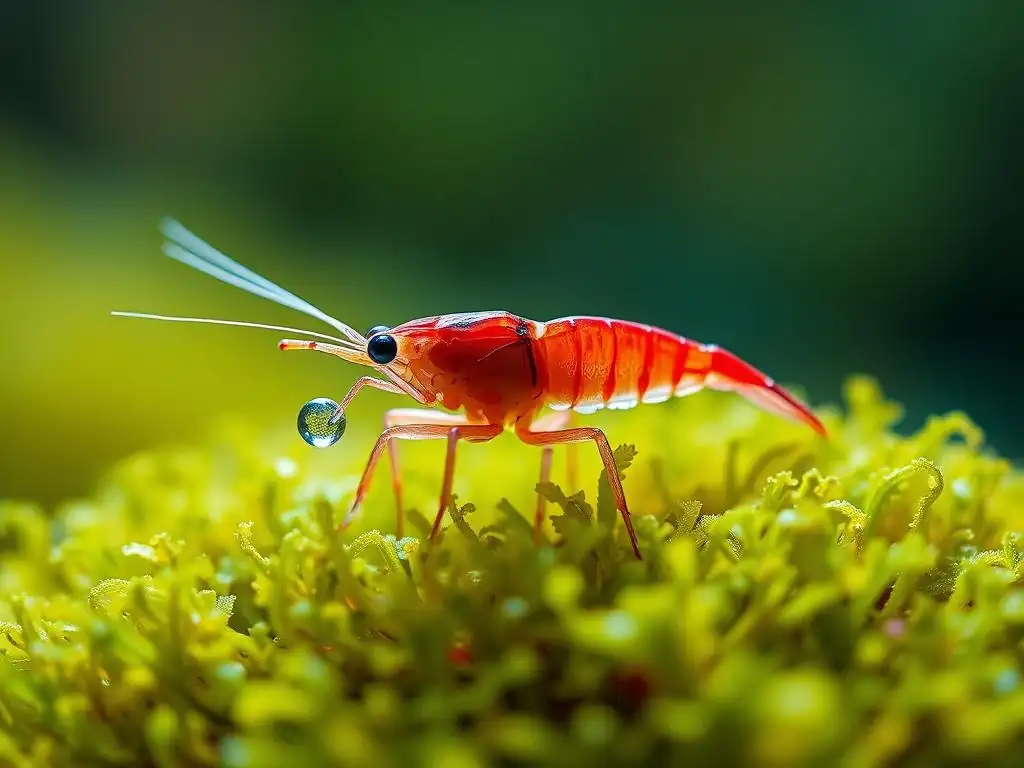
The cornerstone of a thriving Red Cherry Shrimp and plant ecosystem is consistent and optimal water quality. For Red Cherry Shrimp, parameters typically include a pH of 6.5-7.5, GH (General Hardness) of 4-8 dGH, and KH (Carbonate Hardness) of 3-5 dKH. The temperature should ideally be maintained between 68-78°F (20-25.5°C). These specific ranges are vital for successful molting, vibrant coloration, and active breeding. Fluctuations outside these ranges, particularly rapid changes in pH or hardness, can cause significant stress, leading to molting failures and fatalities.
For plants, while they can tolerate a broader range, they generally benefit from stable water parameters, particularly consistent levels of essential nutrients (nitrates, phosphates, potassium) and carbon dioxide. A pH within the shrimp's preferred range is usually suitable for most common aquarium plants. It's crucial to ensure that ammonia and nitrites are undetectable (0 ppm), as even trace amounts are highly toxic to shrimp. Nitrates should be kept below 20 ppm for optimal shrimp health, although many plants can utilize higher levels. Regular testing with reliable liquid test kits is indispensable for monitoring these parameters and making informed adjustments.
Regular Water Changes and Filtration for a Thriving Ecosystem
Regular water changes are a fundamental practice for maintaining pristine water quality and a healthy ecosystem for both Red Cherry Shrimp and plants. Performing weekly or bi-weekly water changes of 10-20% helps to replenish essential minerals, remove accumulated nitrates and other waste products, and maintain stable water parameters. For example, in a 10-gallon tank with a moderate shrimp colony, a 10-20% weekly water change is often sufficient to keep nitrates below 10-15 ppm. Always ensure that the new water is dechlorinated and temperature-matched to prevent shock to the shrimp.
Effective filtration is equally important. Sponge filters are highly recommended for shrimp tanks due to their gentle flow, excellent biological filtration capabilities, and their inability to suck up shrimplets. The sponge material itself also provides an additional surface area for beneficial bacteria and biofilm, which shrimp can graze upon.
Canister filters or hang-on-back filters with a pre-filter sponge can also be used, but care must be taken to ensure the intake is shrimp-safe. A well-maintained filter system contributes significantly to the overall stability and health of the aquatic environment, reducing the burden of waste products on both shrimp and plants.
Addressing Common Health Issues in Red Cherry Shrimp
Despite their hardiness, Red Cherry Shrimp can occasionally face health issues, often stemming from suboptimal water parameters or stress. Molting issues, characterized by a white ring around the shrimp's body or difficulty shedding the old exoskeleton, are common and frequently indicate insufficient calcium or magnesium, or rapid changes in water hardness. Ensuring adequate calcium through diet (shrimp food with calcium) and stable GH levels can mitigate this.
Bacterial or fungal infections, appearing as fuzzy growths or discoloration, can occur in stressed or injured shrimp. Maintaining excellent water quality and a clean environment is the best preventative measure. Sometimes, a shrimp may appear lethargic or develop a pale color, which can be a sign of poor water quality, lack of food, or simply old age. If multiple shrimp are dying, immediate water parameter testing is crucial to identify and correct any critical imbalances like ammonia or nitrite spikes. Quarantining new shrimp for a few weeks before introduction can also prevent the spread of diseases.
Identifying the Cause of Shrimp Deaths or Plant Problems
When encountering shrimp deaths or unexplained plant problems in a planted tank, a systematic troubleshooting approach is essential. For shrimp deaths, the first step is always to test water parameters: ammonia, nitrite, nitrate, pH, GH, and KH. Ammonia and nitrite spikes are highly toxic to shrimp and are often the primary culprits. High nitrates (above 20 ppm) or sudden swings in pH/hardness can also be fatal. Beyond water chemistry, consider temperature fluctuations, presence of incompatible tank mates, or recent introduction of new items (plants, decor) that might have carried pesticides or toxins.
For plant problems, such as yellowing leaves, stunted growth, or melting, evaluate lighting intensity and duration, CO2 levels, and nutrient availability. Yellowing leaves might indicate iron deficiency, while holes could suggest potassium deficiency. Algae growth on plants often points to an imbalance in light, nutrients, or CO2. Overfeeding shrimp can also indirectly contribute to plant issues by increasing organic waste and fueling algae growth. Observing the specific symptoms on both shrimp and plants, alongside water parameters, helps pinpoint the underlying cause.
Implementing Corrective Measures to Protect Your Shrimp and Plants
Once the cause of shrimp deaths or plant problems has been identified, implementing corrective measures promptly is vital. If ammonia or nitrite are detected, immediate large water changes (50% or more) are necessary, followed by daily small water changes until parameters stabilize. Review feeding habits to prevent overfeeding and ensure adequate biological filtration. If water hardness is an issue, consider using RO water mixed with remineralization salts to achieve target GH/KH levels. For molting issues, ensure shrimp are receiving adequate calcium through their diet.
For plant issues, adjust lighting periods (e.g., reduce to 6-8 hours), ensure proper CO2 injection (if applicable), and dose appropriate liquid fertilizers or root tabs to address specific nutrient deficiencies. For algae, besides addressing light/nutrient imbalances, increasing the shrimp colony size or introducing Nerite Snails can provide additional biological control. Always introduce changes gradually to avoid shocking the ecosystem. For instance, if increasing CO2, do so slowly over several days.
Preventing Future Issues in Your Shrimp-Planted Aquarium
Proactive measures are key to preventing future issues in a shrimp-planted aquarium. Establish a consistent maintenance routine that includes weekly 10-20% water changes, regular water parameter testing, and thorough but gentle gravel vacuuming (if using gravel) to remove detritus. Maintain stable water parameters within the ideal ranges for Red Cherry Shrimp and monitor temperature closely. Investing in a reliable heater and thermometer is crucial.
Always quarantine new fish or plants for at least 2-4 weeks before introducing them to the main tank to prevent the introduction of diseases or pests. Ensure all new hardscape or decorations are thoroughly cleaned and inert. Avoid using any chemicals or medications that are not shrimp-safe, as many common aquarium treatments can be toxic to invertebrates. Providing a varied diet, ample hiding spots, and compatible tank mates will also contribute significantly to the long-term health and stability of your shrimp-planted ecosystem.
Alternative Invertebrates for Planted Aquariums
Exploring Snail Species for Algae Control
While Red Cherry Shrimp are excellent algae grazers, several snail species offer equally effective, and sometimes specialized, algae control in planted aquariums. Nerite Snails (e.g., Zebra, Horned, Tiger Nerite) are arguably the most popular choice due to their voracious appetite for various types of algae, including stubborn green spot algae, and their inability to reproduce in freshwater. A single Nerite Snail can effectively clean a 5-10 gallon tank surface area within a few days. They are completely safe for plants and shrimp, making them an ideal addition.
Other beneficial snails include Mystery Snails (Pomacea bridgesii), which are larger and consume detritus and uneaten food, and Assassin Snails (Clea helena), which are carnivorous but specifically target pest snails like Ramshorn or Bladder Snails, leaving shrimp and plants unharmed. Malaysian Trumpet Snails (Melanoides tuberculata) are also useful for aerating the substrate, preventing anaerobic pockets, and consuming detritus, though they can reproduce rapidly. Each snail species offers unique benefits, allowing aquarists to choose based on their specific tank needs and aesthetic preferences.
[Brief Comparison of Red Cherry Shrimp and Nerite Snails in Planted Tanks]
When considering invertebrates for algae control and ecosystem balance in planted tanks, Red Cherry Shrimp and Nerite Snails are two of the most popular and effective choices, each with distinct advantages. Red Cherry Shrimp excel at consuming biofilm and fine algae from plant leaves and intricate surfaces, often reaching spots that snails might miss. They also actively consume decaying plant matter and detritus, contributing to overall tank cleanliness. Their prolific breeding can lead to a self-sustaining clean-up crew that also adds vibrant color and dynamic activity to the aquascape.
Nerite Snails, on the other hand, are renowned for their superior ability to tackle tougher algae, such as stubborn green spot algae on glass and hardscape, and extensive diatom blooms. Their strong radula allows them to scrape surfaces more aggressively than shrimp. Crucially, Nerite Snails do not reproduce in freshwater, preventing overpopulation issues that can arise with shrimp. While shrimp offer a more comprehensive cleaning service across all surfaces and contribute to the food chain, Nerite Snails provide targeted, powerful algae removal, particularly on smooth surfaces, making them excellent complementary additions rather than direct substitutes in a planted aquarium.
Frequently Asked Questions
How likely are freshwater crabs to uproot my aquarium plants?
Freshwater crabs are notorious diggers and foragers, making it highly likely they will disturb or uproot aquarium plants. The extent of the damage depends on the crab species and the plant's root system.
Which types of plants are most likely to survive in a freshwater crab tank?
Plants with strong, well-established root systems, such as Anubias and Java Fern, are more likely to withstand the digging habits of crabs. You can also consider floating plants as they are unaffected by digging.
What specific crab species are considered the biggest threat to aquarium plants?
While all freshwater crabs pose some risk, larger species like the Red Claw Crab and Panther Crab are generally considered the biggest threat due to their size and digging intensity. Their larger claws can cause significant damage.
How can I minimize the damage caused by crabs to my planted aquarium?
You can anchor plants securely to rocks or driftwood. Also, providing plenty of hiding places for the crabs may reduce their need to dig excessively, thus protecting the plants.
What are some alternative methods of aquascaping to avoid plant damage from freshwater crabs?
Consider creating a "crab-safe" aquascape with more rocks and driftwood than live plants. You can also use artificial plants that are immune to damage.
Okay, here's a final reflection designed to close your article "Freshwater Crabs and Plants: Will Your Aquascape Survive These Diggers?" and target the keyword "Freshwater crab plant care," while adhering to the structure you provided:
The delicate balance of a thriving aquascape, as we've explored, is constantly challenged by the unique behaviors of its inhabitants. Understanding the interplay between freshwater crabs and aquatic plants is not just about aesthetics; it's about responsible aquarium keeping and ensuring the well-being of all creatures within our miniature ecosystems. The information presented here serves as a crucial guide for aquarists seeking to create harmonious environments where both crabs and plants can flourish, or at least, coexist peacefully.
This journey into the world of freshwater crab plant care has highlighted the importance of informed decision-making and proactive planning. The success of any aquascape featuring these fascinating crustaceans hinges on recognizing their natural tendencies and adapting our approach accordingly. It's a reminder that we are stewards of these miniature worlds, and our choices have a direct impact on the lives within them. The best aquarium is not just a display of beauty, but a testament to the keeper's understanding and respect for the natural world.
Ultimately, the question of whether your aquascape will survive these diggers isn't a matter of luck, but of knowledge and commitment. Armed with the insights shared in this article, you're now better equipped to navigate the crab-plant conundrum. So, take a moment to reflect on the specific needs of your aquatic companions, consider the strategies we've discussed, and dare to create an aquascape that not only captivates the eye but also provides a thriving and balanced habitat for all its inhabitants. The rewards of a well-planned and carefully maintained crab-plant aquascape are well worth the effort.
Unleash Your Aquascaping Genius!
Thanks for exploring the fascinating world of freshwater crabs and planted aquariums! We hope you've discovered some insights into whether these diggers can coexist with your delicate plants. Now, let's take those insights and put them into action!
- Carefully Consider Crab Compatibility: Thoroughly research a specific crab species before introducing it into your planted tank. Pay close attention to its digging habits and dietary needs.
- Explore crab-resistant plant species:Look into plants with robust root systems or those that can be attached to hardscape elements. This will minimize the impact of crab digging.
- Share your crab-aquascaping experiences! What plants have thrived (or failed!) in your crab tank?