
My Butterflyfish Looks Pale: Color Loss and What It Means

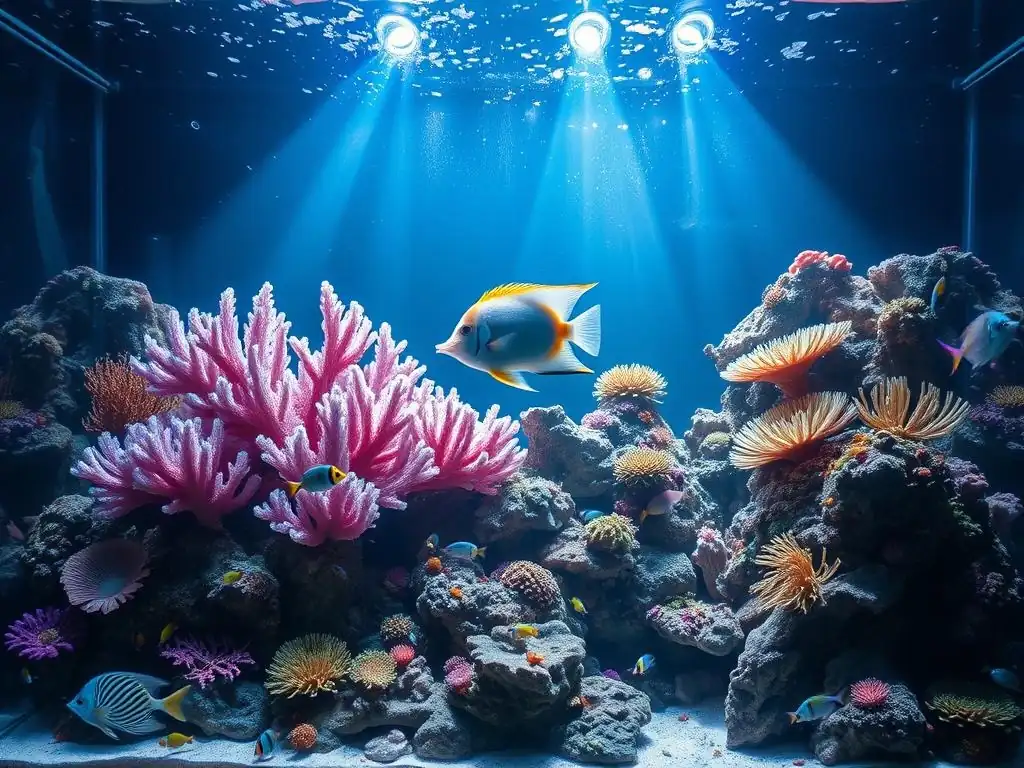
Welcome to Aquarium Mastery!
Ever wondered why your vibrant saltwater butterflyfish is losing its color? Dive into this article to uncover the secrets behind Pale Butterflyfish Color Loss, exploring the causes, potential solutions, and how to restore your fish's stunning beauty. Get ready to unlock the mysteries and ensure a thriving, colorful reef environment!
- Butterflyfish Color Loss: Causes, Diagnosis, and Treatment
- Understanding Color Loss in Butterflyfish
- Common Causes of Pale Appearance in Butterflyfish
- Diagnosing the Cause of Color Loss
- Treating Color Loss
- Preventing Future Color Loss
- Restoring Vibrant Color: A Summary
-
Frequently Asked Questions
- What are the most common causes of color loss in butterflyfish, especially leading to a pale appearance?
- How does water chemistry affect a butterflyfish's coloration and contribute to it looking pale?
- Could the type of food I'm feeding my butterflyfish be the reason it's losing color?
- What specific tank conditions should I monitor to prevent my butterflyfish from losing its vibrant colors?
- If I've already noticed my butterflyfish looking pale, what immediate steps should I take to address the problem?
- Final Reflection: The Fading Beauty of Our Reefs
- Unveil the Vibrant Potential of Your Butterflyfish!
Butterflyfish Color Loss: Causes, Diagnosis, and Treatment
Understanding Color Loss in Butterflyfish
Butterflyfish, renowned for their intricate patterns and vivid hues, are among the most captivating inhabitants of a marine aquarium. Their vibrant coloration, ranging from the striking yellow and black bands of a Raccoon Butterflyfish to the delicate orange and white of a Copperband, is not merely aesthetic; it serves as a crucial indicator of their overall health and well-being. When an aquarist observes a "pale butterflyfish color loss," it is often the first, most noticeable symptom of an underlying issue that requires immediate attention.
This fading or dulling of natural pigmentation signifies that the fish is under stress, experiencing nutritional deficiencies, or battling an illness. Unlike temporary blanching due to fright or sleep, persistent "pale butterflyfish color loss" suggests a chronic problem that, if left unaddressed, can lead to more severe health complications and even mortality. Understanding the various factors that contribute to this phenomenon is paramount for any dedicated aquarist aiming to maintain these delicate beauties in their full splendor.
Common Causes of Pale Appearance in Butterflyfish
Poor Water Quality
Suboptimal water parameters are perhaps the most frequent culprits behind "pale butterflyfish color loss." High levels of ammonia (even above 0.05 ppm), nitrite (above 0.1 ppm), or nitrate (exceeding 20 ppm), coupled with incorrect pH (outside the 8.1-8.4 range) or salinity (below 1.023 or above 1.026 specific gravity), place immense physiological stress on butterflyfish. These toxins compromise their respiratory system and immune function, diverting energy away from pigment production and resulting in a visibly faded appearance.
Furthermore, rapid fluctuations in water chemistry, such as a sudden pH drop from 8.2 to 7.8 within a few hours due to inadequate buffering, can be acutely stressful. Such instability directly impacts the fish's ability to regulate its internal environment, leading to lethargy, clamped fins, and a pronounced "pale butterflyfish color loss" as their body struggles to cope with the adverse conditions. Maintaining stable, pristine water is foundational to preventing this common symptom.
Stress
Stress, in its myriad forms, is a significant contributor to "pale butterflyfish color loss." Aggressive tank mates, overcrowding, insufficient hiding spots, constant harassment, or even loud noises outside the tank can induce chronic stress. When a butterflyfish is constantly on edge, its body releases stress hormones that suppress the immune system and inhibit normal metabolic processes, including the production of chromatophores responsible for color.
Consider a timid Longnose Butterflyfish housed with a boisterous triggerfish; the constant threat can lead to perpetual anxiety, manifesting as a persistent "pale butterflyfish color loss." Similarly, a tank with inadequate live rock structures (e.g., less than 1 pound per gallon in a reef setup) may not provide enough secure territories or escape routes, leaving the fish exposed and stressed. This continuous state of alarm drains the fish's energy reserves, making its colors appear dull and washed out.
Dietary Deficiencies
A monotonous or nutritionally incomplete diet can directly cause "pale butterflyfish color loss." Butterflyfish require a varied diet rich in essential vitamins, minerals, and carotenoids – natural pigments found in foods like krill, spirulina, and various marine algae. Without these crucial nutrients, the fish's body lacks the building blocks necessary to produce and maintain its vibrant coloration.
For instance, a diet consisting solely of dry flake food, even if it's labeled as "marine formula," may not provide sufficient astaxanthin or beta-carotene, leading to a noticeable fading of reds, oranges, and yellows. Over time, this deficiency not only affects coloration but also compromises overall health, growth, and immune function. Ensuring a diverse feeding regimen that includes high-quality frozen foods, enriched brine shrimp, and specialized marine pellets is vital for preventing this type of "pale butterflyfish color loss."
Parasitic Infections
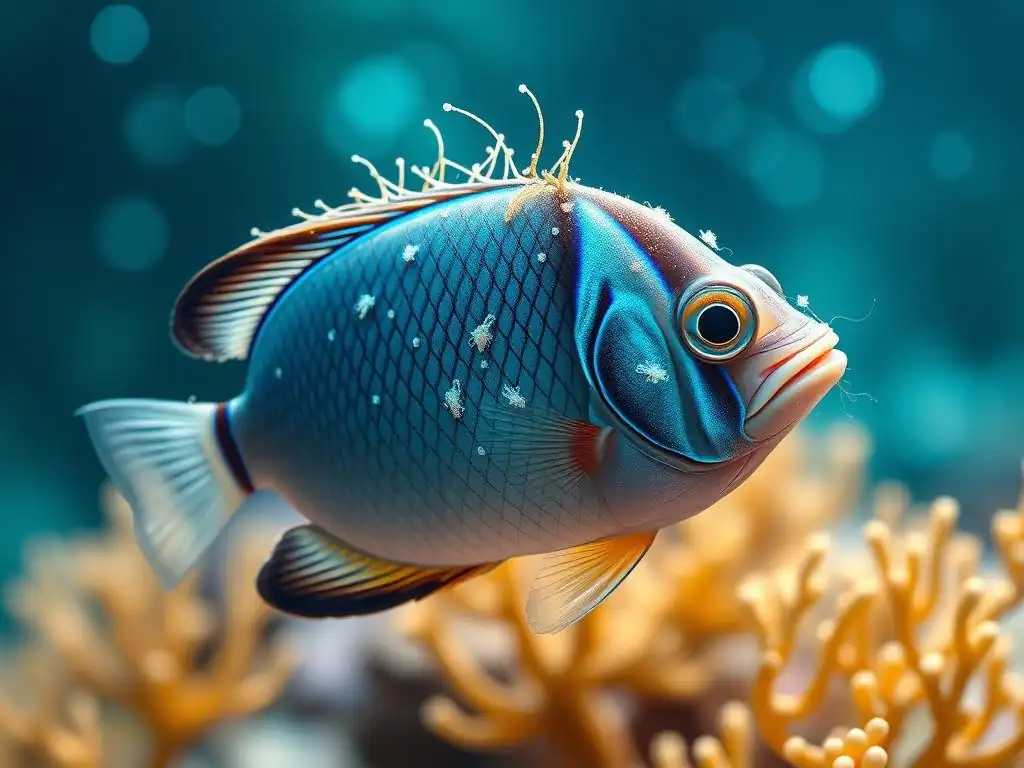
External and internal parasitic infections can severely impact a butterflyfish's health, often leading to a "pale butterflyfish color loss." Parasites like Cryptocaryon irritans (Marine Ich) or Amyloodinium ocellatum (Marine Velvet) attach to the fish's skin and gills, feeding on its tissues and blood. This constant irritation and nutrient depletion weaken the fish, causing it to become listless, exhibit labored breathing, and lose its natural vibrancy.
Visible signs such as white spots (Ich, typically 0.5-1mm in diameter) or a dusty, velvety coating (Velvet) often accompany the faded appearance. Internal parasites, though not always visible externally, can also lead to nutrient malabsorption, weight loss, and "pale butterflyfish color loss" as the fish struggles to absorb the necessary nutrients from its food. Timely diagnosis and treatment are crucial to prevent these infections from becoming fatal.
Bacterial Infections
Systemic bacterial infections, often secondary to stress or poor water quality, can cause a butterflyfish to appear pale and lethargic. These infections can manifest as fin rot, cloudy eyes, ulcers, or internal organ damage (septicemia). The body's immune response to a bacterial invasion consumes significant energy, diverting resources away from normal metabolic functions, including maintaining healthy coloration.
A fish suffering from a bacterial infection might also exhibit rapid breathing, clamped fins, or a loss of appetite, compounding the "pale butterflyfish color loss." For example, a common bacterial culprit, Vibrio spp., can cause widespread tissue damage and internal bleeding, leading to a generalized dullness or even dark blotches on the fish's body. Addressing the underlying causes of stress or poor water quality is essential for successful treatment and preventing recurrence.
Inadequate Lighting
While not as common a primary cause as water quality or diet, inappropriate or insufficient lighting can contribute to "pale butterflyfish color loss" over time. Fish rely on a proper light spectrum and intensity to regulate their circadian rhythms, promote natural behaviors, and even influence the expression of their pigments. A tank with consistently dim, yellow-spectrum lighting might not allow the full brilliance of a butterflyfish's blues, purples, and vibrant yellows to be properly displayed or even fully developed.
Furthermore, a lack of a consistent light cycle (e.g., erratic on/off times or prolonged periods of darkness) can disrupt the fish's natural rhythm, leading to chronic stress. This subtle stress, combined with the absence of light in the appropriate spectrum to truly "illuminate" their colors, can make a butterflyfish appear duller than its potential, contributing to a perceived "pale butterflyfish color loss" even if other parameters are seemingly optimal.
Diagnosing the Cause of Color Loss
Observing Behavior and Symptoms
When a "pale butterflyfish color loss" is observed, the first step in diagnosis is meticulous behavioral observation. Note any changes in swimming patterns (e.g., erratic darting, listlessness, rubbing against decor), breathing rate (rapid gill movements, exceeding 60 breaths per minute, often indicates respiratory distress), and appetite. A healthy butterflyfish should be active, alert, and eager to feed.
Additionally, scrutinize the fish's body for other physical symptoms. Look for visible spots (white, black, or grey), abnormal growths, frayed fins, cloudy eyes, or any signs of external lesions. Is the paleness constant, or does it only appear at certain times, like during feeding when it might be outcompeted, or when a particular tank mate approaches? Detailed observations over 24-48 hours can provide crucial clues to narrow down the potential causes of the faded coloration.
Testing Water Parameters
Simultaneously with behavioral observation, comprehensive water testing is indispensable. Use reliable, high-quality test kits to measure salinity (aim for 1.023-1.026), pH (8.1-8.4), ammonia (0 ppm), nitrite (0 ppm), and nitrate (ideally below 10 ppm, certainly below 20 ppm). Also, consider testing for alkalinity (8-12 dKH) and calcium (400-450 ppm) for overall system stability, especially in reef setups.
Consistent and accurate water parameter readings will immediately highlight issues related to poor water quality, which are a primary cause of "pale butterflyfish color loss." For example, if ammonia levels are elevated, it's a clear indicator of overfeeding, insufficient biological filtration, or overstocking. Regular testing, even when fish appear healthy, serves as a proactive measure, but it becomes critical when symptoms like paleness emerge.
Identifying Potential Diseases
Once water parameters are ruled out as the sole cause, or if they are contributing factors, the next step is to identify potential diseases. Cross-reference the observed physical symptoms (e.g., white spots, velvet-like dust, fin erosion, bloat) with reliable marine fish disease guides and resources, such as those found on AquariumMastery.com. For instance, if a Copperband Butterflyfish is pale and covered in tiny white dots, Ich is a strong possibility.
It is important to remember that many diseases share similar symptoms, and a definitive diagnosis can be challenging. If unsure, documenting symptoms with clear descriptions can be helpful when seeking advice from experienced aquarists or a veterinary professional specializing in aquatic health. Early and accurate identification of the specific pathogen or condition is critical for selecting the correct treatment protocol and effectively reversing the "pale butterflyfish color loss."
Treating Color Loss
Improving Water Quality
Regular Water Changes
Regular partial water changes are the cornerstone of maintaining pristine water quality and reversing "pale butterflyfish color loss" caused by accumulated toxins. For a typical marine aquarium, performing a 10-20% water change weekly or bi-weekly is highly recommended. This dilutes nitrates, phosphates, and other pollutants while replenishing essential trace elements that are consumed by the aquarium inhabitants.
When performing a water change, ensure the new saltwater is properly mixed, temperature-matched to the aquarium (within 1-2°F), and has the correct specific gravity. Using a high-quality salt mix and RO/DI water is crucial. For instance, in a 75-gallon tank, a 15% weekly water change would involve removing and replacing 11.25 gallons of water, significantly improving water parameters over time.
Optimal Water Chemistry
Beyond just diluting toxins, maintaining stable water chemistry parameters is vital for the long-term health and vibrant coloration of butterflyfish. Consistent pH (8.1-8.4), alkalinity (8-12 dKH), and calcium (400-450 ppm) levels prevent stress and support the fish's physiological functions. Sudden drops in pH by even 0.2 units can be highly detrimental.
If parameters consistently drift, consider using buffer solutions, kalkwasser dosing, or a calcium reactor to stabilize them. Regular monitoring of these parameters (e.g., weekly) helps identify trends and allows for proactive adjustments. Optimal water chemistry reduces the overall stress load on the fish, allowing them to allocate more energy to maintaining their natural, brilliant colors, thus reversing "pale butterflyfish color loss."
Effective Filtration
A robust and well-maintained filtration system is essential for preventing "pale butterflyfish color loss" by continuously removing waste products. This includes mechanical filtration (filter socks, sponges) to remove particulate matter, biological filtration (live rock, bio-media) to convert ammonia and nitrite, and chemical filtration (activated carbon, GFO) to absorb dissolved organic compounds and phosphates.
For saltwater aquariums, a protein skimmer is particularly effective, removing up to 30% or more of dissolved organic waste before it breaks down into nitrates. Regularly cleaning or replacing filter media (e.g., rinsing mechanical media weekly, replacing carbon monthly) is crucial to prevent them from becoming sources of pollution themselves. An efficient filtration system directly contributes to the stable, clean water required for healthy, colorful butterflyfish.
Reducing Stress
Adequate Hiding Places
Providing ample hiding places is crucial for reducing stress in butterflyfish, which are often timid by nature. Live rock structures, caves, and overhangs offer secure retreats where the fish can feel safe from perceived threats or aggressive tank mates. This sense of security significantly reduces chronic stress, allowing the fish to thrive and display its natural, vibrant colors.
Strategic placement of decor can also break up lines of sight, creating distinct territories and minimizing conflict among tank inhabitants. For a 100-gallon marine tank, aiming for at least 100 pounds of well-structured live rock can provide numerous nooks and crannies. When a butterflyfish feels secure in its environment, the likelihood of "pale butterflyfish color loss" due to stress is greatly diminished.
Compatible Tank Mates
Careful selection of tank mates is paramount for preventing stress-induced "pale butterflyfish color loss." Avoid housing butterflyfish with overly aggressive species like certain triggerfish, large angelfish, or boisterous damselfish that might constantly harass them. Also, research their compatibility with other butterflyfish species if considering more than one.
Opt for peaceful, similarly sized fish that occupy different swimming levels and do not compete directly for food or territory. Examples of generally compatible tank mates include certain gobies, peaceful wrasses, and small, non-aggressive tangs. Overstocking, such as keeping more than one butterflyfish per 50 gallons unless they are a bonded pair of a compatible species, can lead to undue stress and contribute to a faded appearance.
Minimizing Disturbances
Minimizing external disturbances helps create a stable and predictable environment, reducing stress on butterflyfish and preventing "pale butterflyfish color loss." Avoid sudden movements around the tank, tapping on the glass, or sudden changes in lighting. Consistent daily routines, such as feeding at the same time each day, can also help fish feel more secure.
If the tank is in a high-traffic area, consider a backdrop or strategic placement of furniture to provide a sense of enclosure. Noise from nearby televisions or loud conversations can also startle sensitive species. A calm, consistent environment allows butterflyfish to exhibit natural behaviors and maintain their full, vibrant coloration without the physiological burden of constant anxiety.
Addressing Dietary Deficiencies
Varied and Nutritious Diet
A diverse and nutrient-rich diet is fundamental for restoring and maintaining the vibrant colors of butterflyfish, directly combating "pale butterflyfish color loss" caused by nutritional deficiencies. Offer a variety of high-quality marine flakes, pellets, and frozen foods. Include items rich in carotenoids like spirulina-enriched brine shrimp, mysis shrimp, and finely chopped krill.
Feeding small amounts two to three times a day ensures that all fish get enough to eat and minimizes uneaten food decaying in the tank. This varied approach ensures the fish receives a full spectrum of essential vitamins, minerals, and pigments necessary for healthy skin, immune function, and brilliant coloration. A lack of this dietary diversity will invariably lead to a dull appearance over time.
Vitamin and Mineral Supplementation
For butterflyfish exhibiting "pale butterflyfish color loss" due to suspected dietary deficiencies, or those recovering from illness, direct vitamin and mineral supplementation can be highly beneficial. Products like Selcon or Vita-Chem can be soaked into frozen or dry foods before feeding, ensuring the fish ingests concentrated nutrients. A common dosage might be 1-2 drops per feeding for a small amount of food.
Additionally, some trace element supplements can be added directly to the aquarium water, though this requires careful dosing and regular testing to avoid overdosing. These supplements help replenish vital elements depleted in a closed system. Consistent supplementation, especially for picky eaters or those with a history of paleness, can significantly improve overall health and restore natural coloration.
Proper Feeding Practices
Beyond what is fed, how it is fed also impacts a butterflyfish's nutritional intake and can influence "pale butterflyfish color loss." Feeding small portions multiple times a day is generally better than one large meal, as it allows all fish to get their share and reduces waste. Observe your butterflyfish during feeding to ensure it is actively eating and not being outcompeted by more aggressive tank mates.
If a butterflyfish is timid, target feeding with a pipette or turkey baster can ensure it receives adequate nutrition. Some species, like Copperband Butterflyfish, are known for their specialized diets (e.g., consuming aiptasia anemones and small invertebrates). Researching the specific dietary needs of your butterflyfish species and catering to them will directly contribute to their health and ability to maintain vivid colors.
Treating Infections
Identifying and Treating Parasitic Infections
Effective treatment for "pale butterflyfish color loss" caused by parasitic infections requires accurate identification of the parasite. For common external parasites like Marine Ich, treatments typically involve transferring the infected fish to a quarantine tank for a copper-based medication regimen (e.g., copper sulfate at 0.25-0.35 ppm for 14-21 days) or hyposalinity (gradually reducing salinity to 1.009-1.010).
For Velvet, a similar quarantine tank approach with copper or formalin-based medications is often necessary. It's crucial to treat the entire display tank as well, if it's not reef-safe, or leave it fallow for 6-8 weeks to break the parasite's life cycle. Always follow medication instructions precisely, as overdosing can be fatal, and ensure the treatment addresses the specific parasite causing the "pale butterflyfish color loss."
Addressing Bacterial Infections
Bacterial infections contributing to "pale butterflyfish color loss" often necessitate treatment with broad-spectrum antibiotics. These medications, such as Maracyn 2 or Furan-2, are typically administered in a dedicated quarantine or hospital tank to avoid harming beneficial bacteria in the main display system. It's vital to complete the full course of medication, even if symptoms improve quickly, to prevent recurrence.
Crucially, bacterial infections frequently arise from underlying stressors like poor water quality, inadequate nutrition, or physical injury. Therefore, simply treating the infection without addressing these root causes will likely lead to a relapse of the infection and continued "pale butterflyfish color loss." Improving the overall environment and husbandry practices is paramount for a lasting recovery.
Optimizing Lighting
Appropriate Spectrum and Intensity
Optimizing aquarium lighting can help restore and enhance the natural coloration of butterflyfish, especially if "pale butterflyfish color loss" is linked to inadequate illumination. Butterflyfish thrive under full-spectrum lighting that closely mimics natural sunlight, typically with a color temperature ranging from 10,000K to 20,000K for marine tanks. This spectrum not only supports any corals or invertebrates but also allows the fish's natural pigments to be fully expressed and appreciated.
Modern LED or T5 lighting systems often offer adjustable spectrums and intensity, allowing aquarists to fine-tune the lighting to bring out the best in their fish's colors. While not a direct cure for severe underlying health issues, proper lighting contributes to the overall well-being of the fish, reducing subtle stress and allowing their vibrant hues to truly shine.
Consistent Light Cycle
A consistent and appropriate light cycle is crucial for maintaining the natural circadian rhythms of butterflyfish, which in turn supports their overall health and vibrant coloration. Aim for a regular photoperiod, typically 10-12 hours of light followed by 12-14 hours of darkness. Avoid erratic on/off times or prolonged periods of either light or darkness, as these can induce stress and contribute to "pale butterflyfish color loss."
Using an automatic timer for your aquarium lights is highly recommended to ensure a precise and consistent daily cycle. This stability helps reduce stress, promotes natural behaviors like feeding and resting, and allows the fish's physiological processes, including pigment production, to function optimally. A well-regulated light cycle is a simple yet effective component of comprehensive fish care.
Preventing Future Color Loss
Proactive Water Quality Management
The most effective strategy for preventing future "pale butterflyfish color loss" is proactive and consistent water quality management. This involves daily visual checks of the tank, weekly testing of key parameters (ammonia, nitrite, nitrate, pH, salinity), and regular partial water changes (e.g., 10-20% weekly). Ensuring robust mechanical, biological, and chemical filtration, coupled with proper protein skimming for saltwater setups, maintains a stable, pristine environment that minimizes stress and toxin buildup.
Minimizing Stressors
Preventing stress is critical for maintaining vibrant butterflyfish colors. This includes carefully researching and selecting compatible tank mates to avoid aggression and competition. Providing ample hiding places and intricate live rock structures allows the fish to feel secure. Additionally, maintaining a consistent daily routine, avoiding sudden movements or loud noises near the tank, and ensuring appropriate stocking levels all contribute to a low-stress environment where "pale butterflyfish color loss" is less likely to occur.
Balanced Nutrition
A varied and nutrient-rich diet is a powerful preventative measure against "pale butterflyfish color loss" linked to nutritional deficiencies. Offer a diverse range of high-quality marine flakes, pellets, and frozen foods enriched with essential vitamins and carotenoids. Supplementation with products like Selcon can further ensure adequate nutrient intake. Feeding small, frequent meals helps ensure all fish receive proper nutrition, supporting their immune system and natural coloration.
Regular Observation and Early Intervention
Daily, diligent observation of your butterflyfish is perhaps the most important preventative measure. By spending a few minutes each day watching their behavior, appetite, and appearance, you can catch subtle signs of "pale butterflyfish color loss" or other health issues in their earliest stages. Early detection allows for prompt intervention, addressing the problem before it escalates into a severe condition, thus increasing the likelihood of a quick and full recovery of their vibrant colors.
Restoring Vibrant Color: A Summary
The appearance of "pale butterflyfish color loss" is a clear signal that your delicate marine beauty is experiencing an underlying health or environmental issue. It is rarely a standalone problem but rather a symptom of stress, poor water quality, nutritional deficiencies, or the onset of disease. Restoring their vibrant hues requires a comprehensive and systematic approach, beginning with meticulous observation and accurate diagnosis.
By diligently improving water quality through regular changes and effective filtration, reducing environmental stressors, providing a rich and varied diet, and promptly treating any identified infections, you can guide your butterflyfish back to optimal health. The journey to restoring their brilliant colors is a testament to dedicated aquarium husbandry, ultimately ensuring these captivating creatures thrive in your care.
Frequently Asked Questions
What are the most common causes of color loss in butterflyfish, especially leading to a pale appearance?
The most frequent causes are poor water quality, stress from tank mates, and nutritional deficiencies. Addressing these is crucial for restoring their vibrant colors.
How does water chemistry affect a butterflyfish's coloration and contribute to it looking pale?
Improper water parameters, such as high nitrates or low pH, can severely stress butterflyfish. This stress inhibits their ability to produce pigments, leading to color fading and a pale appearance.
Could the type of food I'm feeding my butterflyfish be the reason it's losing color?
Yes, absolutely. A diet lacking essential nutrients, particularly carotenoids and vitamins, can directly impact their coloration. Vary their diet with high-quality foods.
What specific tank conditions should I monitor to prevent my butterflyfish from losing its vibrant colors?
Regularly monitor and maintain stable water parameters (temperature, salinity, pH, ammonia, nitrite, nitrate). Ensure proper lighting and adequate hiding places to reduce stress.
If I've already noticed my butterflyfish looking pale, what immediate steps should I take to address the problem?
Perform a partial water change to improve water quality immediately. Then, review your feeding regime and observe interactions with other fish to identify potential stressors.
Final Reflection: The Fading Beauty of Our Reefs
The journey through understanding pale butterflyfish color loss reveals a stark reality: the vibrant hues we admire are intrinsically linked to the health of our coral reefs. What was once a seemingly isolated issue affecting individual fish becomes a powerful indicator of broader environmental distress, demanding our immediate attention and action. The fading beauty of these creatures serves as a poignant reminder of the fragility of the ecosystems they inhabit.
This exploration has deeply underscored the interconnectedness of life within our oceans. Witnessing the impact of environmental stressors on something as seemingly small as a butterflyfish's color is a humbling experience, forcing us to confront the consequences of our actions. We are tied to the ocean. And when we go back to the sea, whether it is to sail or to watch it, we are going back from whence we came.
- John F. Kennedy. This quote resonates profoundly, reminding us that the ocean's health is inextricably linked to our own well-being.
So, let us not simply observe the fading colors of the butterflyfish, but rather, let it ignite within us a renewed commitment to protect our oceans. Consider the choices you make daily, from reducing your carbon footprint to supporting sustainable seafood practices. Your actions, however small they may seem, can contribute to a brighter, more colorful future for our reefs and the magnificent creatures that call them home. Let the pale butterflyfish serve as a constant reminder of the urgent need for change, inspiring us to become stewards of our planet's precious marine ecosystems.
Unveil the Vibrant Potential of Your Butterflyfish!
Thank you for diving deep into the world of butterflyfish coloration with us. We hope this article has equipped you with valuable insights into understanding and addressing color loss in your vibrant aquatic companion. Now, let's turn that knowledge into action to ensure your butterflyfish thrives!
- Immediately assess your aquarium's water parameters, specifically pH, salinity, and temperature, and make necessary corrections.
- Share this article with fellow aquarium enthusiasts to spread awareness about maintaining healthy butterflyfish coloration.
- Consider documenting your butterflyfish's color changes with photos over time – you might uncover valuable insights for the entire community!
What specific changes will you implement in your aquarium setup this week to bring back the brilliant colors of your butterflyfish?