
Bacterial Infections in SPS Corals: Prevention, Identification, and Treatment Options

Welcome to Aquarium Mastery!
Ever wondered how to keep your vibrant SPS corals safe from unseen threats? Dive into our comprehensive guide on SPS coral bacterial infections. Uncover the secrets to prevention, learn to identify early warning signs, and explore effective treatment options to keep your reef thriving. Ready to unlock the mysteries of coral health? Let's begin!
- SPS Coral Diseases: Prevention, Identification, and Treatment
- Understanding SPS Coral Health and Diseases
- Preventing SPS Coral Diseases: Proactive Strategies
- Identifying SPS Coral Diseases: Visual Cues and Symptoms
- Treatment Options for SPS Coral Diseases
- Long-Term Care and Recovery for Affected SPS Corals
- Advanced Topics in SPS Coral Health and Disease
-
Frequently Asked Questions
- What are the most common signs of bacterial infections in SPS corals?
- How can I prevent bacterial infections from occurring in my SPS coral aquarium?
- What are some effective treatment options for SPS corals affected by bacterial infections?
- What role does water chemistry play in the susceptibility of SPS corals to bacterial infections?
- Where can I find more information about identifying specific bacterial infections affecting SPS corals?
- Final Reflection: Safeguarding the Reef's Future
- Ignite Your Reef Tank's Health: Safeguard Your SPS Corals!
SPS Coral Diseases: Prevention, Identification, and Treatment
Understanding SPS Coral Health and Diseases
The Importance of Maintaining a Stable SPS Coral Environment
Maintaining a highly stable environment is paramount for the health and longevity of Small Polyp Stony (SPS) corals, such as Acropora, Montipora, and Seriatopora. These delicate organisms are particularly sensitive to fluctuations in water parameters, light, and flow, which can induce significant stress. When stressed, an SPS coral's natural immune response is weakened, making it highly susceptible to opportunistic pathogens, including various SPS coral bacterial infections. A consistent environment minimizes the physiological burden on the coral, allowing it to allocate more energy towards growth, calcification, and defense mechanisms.
For instance, even minor temperature swings exceeding 1-2°F (0.5-1°C) or rapid changes in alkalinity (dKH) by more than 0.5 can trigger stress responses in SPS corals. This stress can manifest as reduced polyp extension, dulling of coloration, or even tissue recession, which are often precursors to more severe issues. A robust and stable system, characterized by consistent water chemistry, temperature, and lighting cycles, directly correlates with the coral's ability to ward off diseases and recover from minor adversities, thereby significantly reducing the risk of SPS coral bacterial infections.
Common SPS Coral Diseases
SPS corals are susceptible to a range of diseases, many of which involve or are exacerbated by bacterial pathogens. Among the most frequently encountered are Rapid Tissue Necrosis (RTN), Slow Tissue Necrosis (STN), and Brown Jelly Disease. RTN is characterized by the sudden, rapid sloughing of coral tissue, often exposing the bare skeleton within hours or a day. It is highly aggressive and often attributed to virulent bacterial infections, sometimes triggered by acute stress events.
STN, in contrast, involves a more gradual recession of coral tissue, typically over days or weeks, often starting from the base of the coral and progressing upwards. While less dramatic than RTN, STN can be equally destructive to an entire colony and is frequently associated with chronic stress, poor water quality, or secondary SPS coral bacterial infections that take hold in weakened tissue. Brown Jelly Disease, another highly contagious and aggressive ailment, appears as a viscous, brown, gelatinous mass consuming coral tissue, driven by ciliate protozoans that often carry opportunistic bacteria.
Types of Pathogens Affecting SPS Corals
The primary culprits behind many SPS coral bacterial infections are often opportunistic bacteria, particularly species from the Vibrio genus, Pseudomonas, and other common marine bacteria. These pathogens are typically ubiquitous in aquarium water but become problematic when coral health is compromised. They exploit open wounds, stressed tissues, or areas of necrosis, rapidly proliferating and causing extensive tissue damage. For example, Vibrio coralliilyticus has been implicated in coral bleaching and tissue loss events in both wild reefs and aquariums, demonstrating its pathogenic potential.
Beyond bacteria, other pathogens like ciliate protozoans (e.g., those causing Brown Jelly Disease) can also severely impact SPS corals. While not bacteria themselves, these protozoans often carry or facilitate the growth of secondary bacterial infections, making the disease more complex and challenging to treat. Therefore, understanding the interplay between various stressors and the opportunistic nature of these pathogens is crucial for preventing and managing SPS coral bacterial infections effectively.
Preventing SPS Coral Diseases: Proactive Strategies
Maintaining Optimal Water Quality for SPS Corals
Key Water Parameters for Preventing SPS Diseases
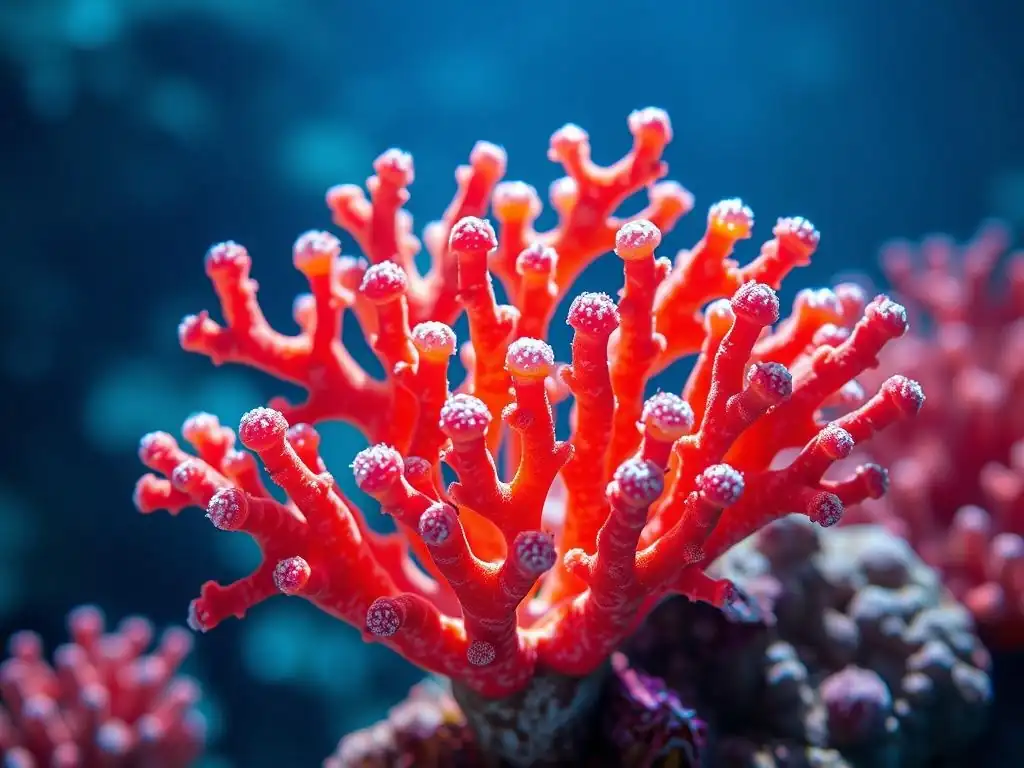
Maintaining precise and stable water parameters is the cornerstone of SPS coral health and the primary defense against SPS coral bacterial infections. For optimal growth and immunity, alkalinity (dKH) should be kept within a narrow range, ideally 7.5 to 8.5 dKH, as fluctuations can directly impede calcification and cause stress. Calcium levels are critical for skeletal growth, with a target range of 400-450 ppm, while magnesium, essential for calcium uptake and stability, should be maintained between 1250-1350 ppm.
Beyond the major elements, trace elements like iodine, strontium, and potassium, though consumed in smaller quantities, are vital for various biological processes and overall coral vitality. Equally important are low levels of nitrates, ideally below 5 ppm, and phosphates, below 0.03 ppm. Elevated nutrient levels can encourage the proliferation of nuisance algae and undesirable bacterial strains, increasing the likelihood of SPS coral bacterial infections. Consistent monitoring with reliable test kits and appropriate dosing or nutrient export methods are essential to maintain these parameters.
The Role of Regular Water Changes and Filtration
Regular water changes are fundamental to replenishing essential trace elements that are consumed by corals and other inhabitants, while simultaneously diluting accumulated pollutants and dissolved organic compounds. For SPS-dominated systems, weekly water changes of 10-20% are often recommended, using high-quality saltwater mixed from reverse osmosis/deionized (RO/DI) water and a reputable marine salt mix. This practice helps maintain stable chemistry and reduces the overall bacterial load in the system, lessening the burden on corals.
Complementing water changes, robust filtration is indispensable. A high-performing protein skimmer is crucial for removing organic waste before it breaks down into nitrates and phosphates, thereby directly reducing the food source for opportunistic bacteria that contribute to SPS coral bacterial infections. The use of activated carbon, exchanged every 2-4 weeks, helps remove dissolved organics and yellowing agents, improving water clarity and reducing chemical irritants. Phosphate removers (e.g., granular ferric oxide or GFO) can be employed to keep phosphate levels in check, further inhibiting the growth of undesirable microorganisms.
Ensuring Proper Flow and Circulation
Adequate and turbulent water flow is critical for SPS corals, serving multiple vital functions that directly impact their health and resistance to disease. High flow rates, often recommended to be 20-40 times the tank's volume per hour, ensure that corals receive a constant supply of nutrients and oxygen. This vigorous circulation also prevents the accumulation of detritus and waste products on the coral's tissue, which can otherwise create anaerobic conditions or localized areas of high organic concentration, favoring the growth of pathogenic bacteria and increasing the risk of SPS coral bacterial infections.
Furthermore, strong, varied flow helps to dislodge and remove mucus and other metabolic byproducts from the coral surface, which can otherwise become a breeding ground for bacteria. Dead spots or areas of stagnant water around SPS colonies are notorious for fostering conditions that lead to tissue necrosis. Strategic placement of powerheads and careful aquascaping to avoid flow obstructions are essential to create the necessary turbulent and chaotic flow patterns that mimic their natural reef environment, thereby promoting robust health and resilience against SPS coral bacterial infections.
Quarantine New SPS Corals and Invertebrates
Quarantining all new SPS corals and invertebrates before introducing them to the main display tank is arguably one of the most critical preventative measures against the introduction and spread of diseases and pests. A dedicated quarantine tank (QT), typically a simple setup with minimal rockwork, a heater, and a small powerhead, allows for observation and treatment without risking the established ecosystem. A typical quarantine period for corals can range from 4 to 6 weeks, during which the new inhabitants are closely monitored for signs of disease, pests like Acropora Eating Flatworms (AEFW), or Red Bugs.
During the quarantine period, new corals should undergo preventative dips using iodine-based solutions or other coral-specific treatments designed to dislodge pests and reduce bacterial loads. For instance, a 10-15 minute dip in an iodine-based solution, followed by a freshwater rinse, can significantly reduce the risk of introducing external pathogens. This isolation period ensures that any potential SPS coral bacterial infections or parasitic infestations are identified and treated in a controlled environment, preventing them from spreading rapidly through a vulnerable display tank.
Minimizing Stressors That Weaken SPS Coral Immunity
Temperature Stability and SPS Coral Health
Temperature is a critical environmental factor for SPS corals, and maintaining its stability is paramount for their health and disease resistance. SPS corals thrive within a narrow temperature range, typically between 76-79°F (24-26°C). Even minor fluctuations, such as a swing of 2°F or more within a 24-hour period, can induce significant thermal stress. This stress compromises the coral's immune system and its symbiotic relationship with zooxanthellae, making it highly susceptible to opportunistic pathogens and SPS coral bacterial infections.
To ensure temperature stability, robust heating and cooling systems are often necessary. High-quality heaters with precise thermostats are essential for maintaining the lower end of the range, while chillers or efficient cooling fans may be required to prevent overheating, especially in tanks with powerful lighting or in warmer climates. Consistent temperature not only supports optimal metabolic function but also reduces the physiological burden on the coral, allowing it to allocate more energy towards growth and defense against disease.
Light Acclimation and Preventing Photo-Stress
Light is the energy source for SPS corals, but too much or too little, or sudden changes in intensity, can cause severe stress known as photo-stress. When introducing new corals to a tank or upgrading lighting systems, gradual light acclimation is crucial. Corals that are suddenly exposed to much higher light levels than they are accustomed to can suffer from photo-inhibition, where their zooxanthellae become damaged and less efficient, leading to bleaching and a weakened state. This weakened state makes them highly vulnerable to SPS coral bacterial infections.
Acclimation can be achieved by placing new corals in lower light areas of the tank initially, raising the light fixture, reducing light intensity settings (if controllable LEDs), or using shading screens. The light intensity should be gradually increased over several weeks, allowing the coral's zooxanthellae to adapt to the new conditions. Preventing photo-stress ensures that the coral's energy reserves are dedicated to calcification and immune function rather than recovery from light shock, thereby bolstering its natural defenses.
Identifying SPS Coral Diseases: Visual Cues and Symptoms
Recognizing Tissue Loss in SPS Corals
Tissue loss is one of the most alarming and common symptoms observed in SPS corals, often indicating the presence of a disease, particularly SPS coral bacterial infections. This can manifest in several ways: tissue receding from the base of the coral upwards (bottom-up necrosis), tissue sloughing off from the tips downwards (tip recession), or irregular patches of bare skeleton appearing anywhere on the colony. The exposed skeleton typically appears stark white, in contrast to the healthy, often colorful tissue surrounding it.
Early detection of tissue loss is critical for intervention. It's important to differentiate between true tissue loss and natural shading or areas of growth where the coral may be encrusting. True tissue loss will show a clear margin between healthy tissue and bare skeleton, often with a visible "band" or line indicating the progression. Observing this symptom, especially if it progresses rapidly, immediately signals a problem that needs attention, as it is a hallmark sign of many aggressive SPS coral bacterial infections.
Identifying Rapid Tissue Necrosis (RTN) vs. Slow Tissue Necrosis (STN)
Distinguishing between Rapid Tissue Necrosis (RTN) and Slow Tissue Necrosis (STN) is crucial for understanding the severity and potential underlying causes of SPS coral bacterial infections. RTN is characterized by an extremely rapid and aggressive sloughing of coral tissue, often occurring overnight or within 24-48 hours, leaving behind a stark white skeleton. This rapid progression indicates a highly virulent pathogen, frequently a specific bacterial strain, or a severe environmental shock. For example, a healthy Acropora colony can be completely stripped of tissue in less than a day if afflicted by RTN.
STN, conversely, is a more gradual process where coral tissue recedes slowly, often over several days to weeks, typically starting from the base or shaded areas. The exposed skeleton may appear duller or covered in a thin film of algae as the tissue slowly pulls back. While less dramatic, STN is equally destructive over time and can also be caused by opportunistic SPS coral bacterial infections taking hold in chronically stressed corals, or by prolonged exposure to suboptimal water parameters. Recognizing these distinct patterns helps in determining the urgency and type of intervention needed.
Observing Color Changes and Tissue Recession
Subtle color changes in SPS corals can be early indicators of stress or impending disease, including SPS coral bacterial infections. Corals may appear to "brown out" (darken), indicating an increase in zooxanthellae density, often due to lower light or higher nutrient levels. Conversely, they might "pale out" or bleach (whiten), signifying a loss of zooxanthellae, typically caused by excessive light, high temperatures, or other severe stressors. Both extremes indicate the coral is not thriving optimally and its immune system may be compromised.
Tissue recession, distinct from necrosis, refers to the coral tissue pulling back slightly from the edge of the skeleton, often appearing as a thin, translucent margin. This can be a sign of chronic stress, nutrient deficiency, or the initial stages of a bacterial issue. While not as immediately alarming as RTN, persistent tissue recession across a colony warrants investigation into water parameters, flow, and potential low-level SPS coral bacterial infections. Daily observation of these subtle changes allows for early intervention before a full-blown disease outbreak occurs.
Recognizing Unusual Growths or Lesions on SPS Corals
The appearance of unusual growths or lesions on SPS corals is a clear sign of distress and often indicates a specific disease or SPS coral bacterial infection. One prominent example is Brown Jelly Disease, which manifests as a slimy, brownish, gelatinous mass covering and consuming coral tissue. This "jelly" can range from a few millimeters to several centimeters in diameter and is highly contagious, rapidly spreading to adjacent corals. Its presence necessitates immediate isolation and aggressive treatment.
Other lesions might include white spots, fuzzy patches, or discolored areas that don't fit the typical patterns of RTN or STN. For instance, some fungal or bacterial infections can present as localized white patches that slowly expand. While less common than tissue necrosis, any novel growth or lesion should be viewed with suspicion. Careful visual inspection, perhaps with a magnifying glass, can help identify these anomalies early, allowing for targeted treatment and potentially preventing the spread of SPS coral bacterial infections throughout the aquarium.
Treatment Options for SPS Coral Diseases
Coral Dips: A Common Treatment Method
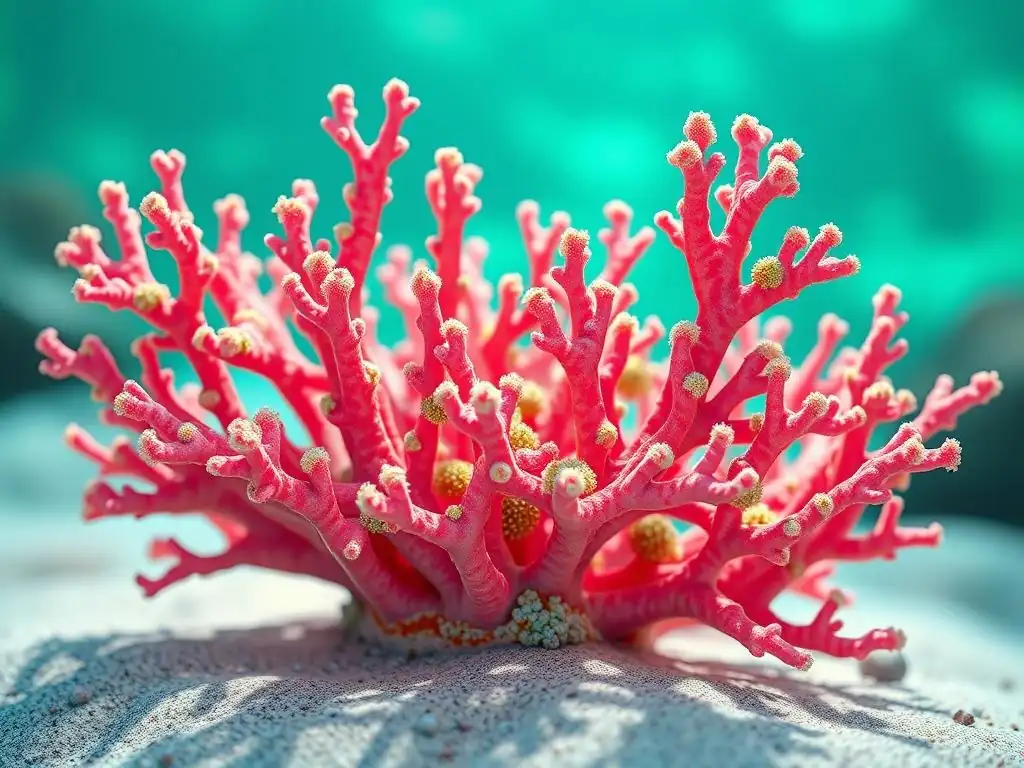
Coral dips are a frontline treatment method for new corals and those showing early signs of stress or disease, including potential SPS coral bacterial infections. These dips involve briefly immersing the coral in a solution designed to kill or dislodge pests and pathogens. They are particularly effective for external parasites or bacterial issues on the coral's surface. It is crucial to perform dips in a separate container using tank water and to discard the dip solution afterwards, never introducing it back into the main display.
Iodine-Based Dips for SPS Corals
Iodine-based dips are widely used due to their broad-spectrum antiseptic properties, making them effective against a range of external parasites, protozoa, and opportunistic SPS coral bacterial infections. Products like Lugol's solution or commercial coral dips containing povidone-iodine are commonly employed. A typical dosage might involve adding 10-20 drops of a concentrated iodine solution per gallon of tank water, then immersing the affected coral for 5-15 minutes, observing the coral closely for signs of distress.
During the dip, gently swishing the coral or using a small turkey baster to direct flow over its surface can help dislodge pests and necrotic tissue. After the dip, it's advisable to rinse the coral briefly in clean tank water before returning it to the display. While effective for surface issues, iodine dips may not penetrate deep into the coral tissue to address systemic SPS coral bacterial infections, but they can significantly reduce the external pathogen load and support healing.
Acropora Eating Flatworm (AEFW) Dips
While not directly targeting SPS coral bacterial infections, Acropora Eating Flatworms (AEFW) are highly destructive pests that severely weaken Acropora corals, making them extremely vulnerable to secondary bacterial infections. Specific commercial dips, such as Revive or CoralRx, are formulated to target these flatworms. The dipping protocol for AEFW is often more rigorous, typically involving multiple dips over a period of several weeks (e.g., three dips spaced 5-7 days apart) to break their life cycle.
A typical AEFW dip involves placing the coral in the dip solution for 10-15 minutes, often accompanied by strong agitation or blasting with a turkey baster to dislodge the flatworms and their eggs. Observing the flatworms falling off the coral into the dip solution confirms their presence. Although these dips primarily target pests, by eliminating a major stressor, they indirectly help the coral regain strength and resilience against opportunistic SPS coral bacterial infections that might otherwise take hold.
Coral Surgery: Removing Affected Tissue
In cases of localized tissue necrosis or disease, particularly with SPS coral bacterial infections that are rapidly spreading, coral "surgery" or fragging to remove the affected portion can be a highly effective, albeit drastic, treatment. This method aims to excise the diseased tissue, preventing its spread to the rest of the colony or to other corals in the tank. It is often employed for RTN or STN that has not yet consumed the entire colony.
Tools and Techniques for Coral Fragging and Tissue Removal
To perform coral surgery, aquarists typically use specialized tools such as bone cutters, scalpels, or a Dremel tool with a cutting wheel. The key technique involves making a clean cut well into the healthy tissue, often 1-2 centimeters beyond the visible margin of the infection. This ensures that all diseased tissue, including any microscopic bacterial colonies, is removed. For example, if RTN is progressing up an Acropora branch, the cut should be made significantly above the necrotic line.
It is crucial to work quickly and precisely to minimize stress to the coral. After the cut, the fragged healthy portion can be dipped in an antiseptic solution (like an iodine dip) to further disinfect the cut surface and prevent new SPS coral bacterial infections from taking hold. The diseased portion should be immediately removed from the tank and discarded to prevent further contamination.
Post-Surgery Care for SPS Corals
Following coral surgery, the fragged healthy portion of the SPS coral requires careful post-treatment care to ensure its recovery and prevent further issues. The frag should be returned to a stable environment with optimal water parameters, consistent flow, and appropriate lighting. It's often beneficial to place the newly fragged coral in a slightly lower flow or light area initially, gradually moving it back to its preferred location as it shows signs of healing.
Monitoring the frag for any signs of continued tissue recession or new SPS coral bacterial infections at the cut site is essential. Some aquarists may opt for a mild, preventative iodine dip on the frag after cutting to sterilize the wound. Providing a stable, nutrient-rich environment, potentially with amino acid supplements, can aid in tissue regeneration and overall recovery, allowing the coral to seal its wound and begin new growth.
Addressing Specific Diseases
Treatment for Brown Jelly Disease
Brown Jelly Disease is one of the most aggressive and rapidly spreading ailments affecting SPS corals, often involving ciliate protozoans that carry opportunistic SPS coral bacterial infections. Due to its rapid progression – a colony can be completely consumed within 24-48 hours – immediate and decisive action is critical. The first step is always to isolate the affected coral to prevent the "jelly" from spreading to other corals in the display tank.
Once isolated, physical removal of the brown jelly mass is crucial. This can be done by gently siphoning it off with an airline tube or turkey baster. Following removal, the affected area of the coral must be treated.
Aggressive dips using iodine-based solutions (e.g., Lugol's solution at 20-30 drops per gallon for 10-15 minutes) or specific coral antibiotics (if available and safe for coral use, such as Furan-2 or Ciprofloxacin in a separate dip) are often employed. In severe cases, fragging off the affected portion, cutting well into healthy tissue, is necessary to save the remaining colony, followed by an antiseptic dip to disinfect the cut edges and prevent further SPS coral bacterial infections.
Long-Term Care and Recovery for Affected SPS Corals
Monitoring Water Parameters Post-Treatment
After treating an SPS coral for a bacterial infection or other ailment, rigorous and consistent monitoring of water parameters becomes even more critical for long-term recovery. Daily or bi-daily testing of key parameters such as alkalinity (dKH), calcium (ppm), magnesium (ppm), temperature, salinity, nitrates, and phosphates is highly recommended. The goal is to ensure these parameters remain exceptionally stable and within optimal ranges (e.g., alkalinity 8.0-8.5 dKH, calcium 420-450 ppm, nitrates < 2 ppm).
Any deviation, even minor, can re-stress the recovering coral and potentially trigger a relapse of SPS coral bacterial infections. Consistent stability allows the coral to divert its energy from stress response to tissue repair and growth. Record-keeping of these parameters helps identify trends and allows for immediate micro-adjustments, ensuring the environment is perfectly conducive to healing and preventing future disease outbreaks.
Providing Adequate Nutrition and Supplements
While SPS corals primarily rely on photosynthesis from their symbiotic zooxanthellae, providing supplemental nutrition can significantly aid in their recovery from SPS coral bacterial infections and overall health. Broadcast feeding with high-quality coral foods, such as phytoplankton, zooplankton, or amino acid solutions, can provide essential nutrients and energy that may be lacking, especially when corals are recovering and their zooxanthellae are stressed.
Amino acid supplements, for example, have been shown to enhance coral coloration, tissue growth, and resilience. Dosing products like "Acropower" or similar amino acid blends can help replenish depleted reserves and support the regeneration of damaged tissue. Care must be taken not to overfeed, as this can lead to elevated nutrient levels and potentially trigger new SPS coral bacterial infections. A balanced approach, providing small, regular doses of appropriate nutrition, can greatly accelerate the healing process.
Optimizing Lighting and Flow for Recovery
During the recovery phase from SPS coral bacterial infections, careful optimization of lighting and flow can significantly impact the coral's ability to heal and regain strength. Initially, it may be beneficial to slightly reduce light intensity or place the recovering coral in a slightly shaded area. This minimizes photo-stress, allowing the coral to conserve energy that would otherwise be spent on photo-protection, and instead direct it towards tissue repair. Gradual re-acclimation to full light should occur over several weeks.
Similarly, while strong, turbulent flow is generally beneficial for SPS, too much direct, blasting flow on a recovering, weakened coral can be detrimental. Ensure the flow is strong enough to prevent detritus buildup but not so intense that it causes physical stress to the compromised tissue. Adjusting powerhead positions to provide indirect, chaotic flow can be ideal. Optimal and stable flow aids in nutrient delivery and waste removal, creating an environment conducive to recovery and preventing further SPS coral bacterial infections.
Preventing Disease Recurrence: Ongoing Observation
The most effective long-term strategy for preventing the recurrence of SPS coral bacterial infections is diligent, ongoing observation combined with consistent proactive care. Daily visual inspection of all SPS corals in the aquarium is paramount. Aquarists should look for any subtle changes in polyp extension, color intensity, tissue integrity, or the appearance of any unusual spots or recession lines. Even a slight dulling of color or reduced polyp extension can be an early warning sign.
Promptly addressing any detected issues, whether it's adjusting water parameters, increasing flow, or considering a preventative dip, can often nip potential problems in the bud before they escalate into full-blown disease. Maintaining a pristine, stable environment, adhering to strict quarantine protocols for new additions, and avoiding sudden changes in the system are the best defenses. Continuous vigilance and a proactive approach are key to ensuring the long-term health and vibrancy of an SPS-dominated reef.
Advanced Topics in SPS Coral Health and Disease
Understanding the Coral Microbiome
The coral microbiome refers to the complex community of microorganisms, primarily bacteria, fungi, and archaea, that live in symbiotic association with corals, both on their surface and within their tissues. This microbiome plays a crucial role in coral health, influencing nutrient cycling, disease resistance, and overall resilience. A healthy, diverse, and balanced coral microbiome acts as a protective barrier, competing with and inhibiting the growth of pathogenic bacteria, thereby preventing SPS coral bacterial infections.
Research indicates that environmental stressors, such as elevated temperatures, nutrient pollution, or changes in salinity, can disrupt this delicate balance, leading to a state known as dysbiosis. During dysbiosis, beneficial microbial populations may decline, allowing opportunistic pathogens to proliferate and cause disease. Understanding the specific composition and function of the coral microbiome is an emerging field, offering new insights into how to bolster coral immunity and develop novel strategies for preventing and treating SPS coral bacterial infections.
Research on Coral Disease Resistance
Ongoing scientific research is delving into the fascinating field of coral disease resistance, exploring why some coral colonies or species appear more resilient to diseases, including SPS coral bacterial infections, than others. Studies are investigating the genetic basis of resistance, identifying specific genes or genetic markers that confer enhanced immunity or tolerance to pathogens and environmental stressors. For instance, some research focuses on the coral's innate immune system, looking at the production of antimicrobial peptides or other defense compounds.
Furthermore, scientists are studying the role of the coral holobiont – the coral animal, its symbiotic algae (zooxanthellae), and its associated microbiome – in disease resistance. Understanding how these components interact and contribute to the coral's overall health and ability to fight off infections is crucial. This research holds significant promise for future aquaculture practices, potentially allowing for the selective breeding of more disease-resistant coral strains that can thrive even under challenging conditions, thereby mitigating the impact of SPS coral bacterial infections in both aquariums and wild reefs.
The Future of SPS Coral Conservation and Disease Management
The future of SPS coral conservation and disease management is increasingly reliant on a multi-faceted approach that integrates advanced scientific understanding with responsible husbandry practices. As global climate change and local anthropogenic pressures continue to threaten wild coral reefs, the knowledge gained from managing SPS coral bacterial infections and other diseases in controlled aquarium environments becomes ever more valuable. Innovations in aquaculture, such as selective breeding for stress and disease resistance, are becoming critical tools for preserving genetic diversity.
Furthermore, advancements in diagnostic tools, including molecular techniques for rapid pathogen identification, will enable more targeted and effective treatments. The development of probiotics specifically designed to enhance the coral microbiome and bolster immunity is also a promising area of research. Ultimately, the collective efforts of aquarists, researchers, and conservationists, sharing knowledge and applying best practices, will be instrumental in safeguarding these iconic and ecologically vital organisms against the ongoing threat of SPS coral bacterial infections and other diseases.
Frequently Asked Questions
What are the most common signs of bacterial infections in SPS corals?
The most common signs include tissue necrosis (tissue loss), rapid tissue recession, and changes in coral coloration. Observing these early can lead to more effective treatment.
How can I prevent bacterial infections from occurring in my SPS coral aquarium?
Prevention focuses on maintaining pristine water quality and stable aquarium parameters. Regular water changes and avoiding sudden shifts in salinity and temperature are crucial.
What are some effective treatment options for SPS corals affected by bacterial infections?
Treatment options range from antibiotic dips to localized surgical removal of infected tissue. The best approach depends on the severity and type of infection.
What role does water chemistry play in the susceptibility of SPS corals to bacterial infections?
Poor water chemistry, especially elevated nutrient levels like nitrates and phosphates, can weaken corals. This makes them more vulnerable to bacterial infections and other diseases.
Where can I find more information about identifying specific bacterial infections affecting SPS corals?
AquariumMastery.com offers detailed species profiles and troubleshooting guides that can help identify specific infections. These resources also provide tailored treatment recommendations.
Final Reflection: Safeguarding the Reef's Future
The intricate and delicate balance of coral reef ecosystems is constantly under threat, and as we've explored in this article, bacterial infections pose a significant and increasingly prevalent danger to SPS corals. Understanding the nuances of prevention, identification, and treatment is no longer a niche interest for aquarists and marine biologists; it's a critical necessity for preserving the biodiversity and ecological integrity of our oceans. The health of these tiny organisms directly impacts the health of our planet.
This exploration into SPS coral bacterial infections has underscored the profound interconnectedness of life within our oceans. Witnessing the resilience of these corals, even in the face of such adversity, inspires a deep sense of responsibility to protect them. It reminds us that even seemingly small actions, like responsible aquarium practices or advocating for cleaner oceans, can have a monumental impact. In the end, we will conserve only what we love; we will love only what we understand; and we will understand only what we are taught.
- Baba Dioum. This quote encapsulates the essence of our efforts: education and understanding are the cornerstones of effective conservation.
As you reflect on the information presented, consider your own role in safeguarding these vital ecosystems. What steps can you take, however small, to contribute to the prevention and mitigation of SPS coral bacterial infections? Let this knowledge empower you to become an advocate for coral reef health, ensuring that future generations can marvel at the vibrant beauty and ecological importance of these underwater paradises.
Ignite Your Reef Tank's Health: Safeguard Your SPS Corals!
Thank you for diving deep into the world of SPS coral health! We hope this article has empowered you with the knowledge to protect your reef from bacterial infections. Now, let's turn that knowledge into action and ensure your SPS corals thrive.
Here's how you can get started:
- Immediately assess your SPS corals for signs of bacterial infection and quarantine any affected colonies to prevent spread.
- Explore advanced preventative measures like maintaining pristine water quality and carefully introducing new corals.
- Share this article with fellow reef keepers on your favorite forum or social media group to help them protect their SPS too!
What specific preventative measure will you implement first to bolster your reef's defenses against bacterial threats?