
Zoanthid Color Enhancement: Secrets Beyond Lighting

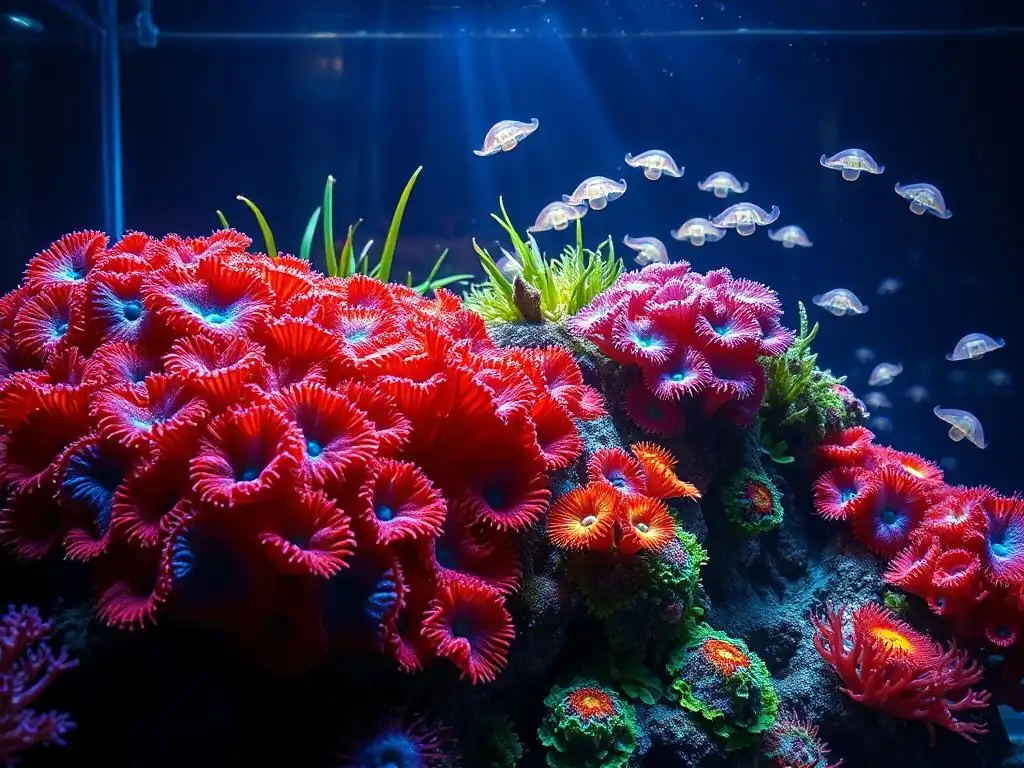
Welcome to Aquarium Mastery!
Ever wondered how to unlock the true vibrant potential of your Zoanthids, going beyond just the right lighting? Dive in and discover our secrets to boosting their color intensity! This article reveals practical tips and tricks you won't find anywhere else, helping you transform your coral reef tank into a breathtaking masterpiece. Are you ready to witness the Zoanthid color intensity tips that will make your corals the envy of every aquarist? Let's get started!
- Understanding Zoanthid Coloration: A Foundation for Enhancement
- Optimizing Environmental Factors for Zoanthid Color Intensity
- Beyond Lighting: Unconventional Approaches to Zoanthid Color Improvement
- Maintaining Long-Term Zoanthid Color Vibrancy
- Troubleshooting Common Zoanthid Color Problems
- Advanced Techniques for Enhancing Zoanthid Color
- Zoanthid Color Palettes: Showcasing the Possibilities
- Conclusion: The Art and Science of Zoanthid Color Enhancement
-
Frequently Asked Questions
- How important is water quality for Zoanthid color intensity?
- Besides lighting, what other environmental factors impact Zoanthid coloration?
- What specific trace elements are beneficial for enhancing Zoanthid colors?
- How does flow rate influence Zoanthid color and health?
- Are there any specific foods that can help improve Zoanthid color intensity?
- Final Reflection: Unlocking Zoanthid Radiance
- Ignite Your Zoanthids' True Colors!
Understanding Zoanthid Coloration: A Foundation for Enhancement
The Science Behind Zoanthid Pigmentation: Chromoproteins and Beyond
Zoanthid coloration is a complex interplay of various pigments, primarily derived from two sources: the symbiotic dinoflagellates (zooxanthellae) residing within their tissues and the host coral's own proteins. The zooxanthellae contain chlorophyll and other accessory pigments like peridinin, which are responsible for the brown and green hues often observed in corals. These pigments are crucial for photosynthesis, providing the zoanthid with a significant portion of its energy requirements. The density and health of these zooxanthellae can directly influence the base coloration, with higher densities often leading to browner appearances.
Beyond the zooxanthellae, the most striking colors in zoanthids, such as vibrant reds, oranges, purples, and blues, are attributed to the zoanthid's host pigments. These include fluorescent proteins (FPs) and non-fluorescent chromoproteins (CPs). Fluorescent proteins absorb light at one wavelength and re-emit it at a longer wavelength, creating the mesmerizing glow seen under actinic lighting.
Chromoproteins, on the other hand, absorb specific wavelengths of light and reflect others, giving the coral its visible color without re-emission. The specific genes expressed by a zoanthid determine the types and quantities of these proteins, making genetic predisposition a fundamental aspect of its potential color intensity.
Factors Influencing Zoanthid Color: A Holistic View
Zoanthid color intensity is not solely dependent on genetics; it is a dynamic expression influenced by a multitude of environmental factors. While lighting is often considered the primary driver, water parameters, nutrient availability, flow, and even trace element concentrations play crucial roles. The balance between these factors dictates whether a zoanthid will express its full genetic potential for vibrancy or appear dull and faded. Achieving optimal "Zoanthid color intensity tips" often involves a holistic approach, addressing each of these interconnected elements.
For instance, water chemistry stability directly impacts the metabolic processes within the zoanthid and its zooxanthellae, affecting pigment production and overall health. Nutrient levels, specifically nitrates and phosphates, can significantly alter zooxanthellae density; higher levels can lead to a "browning out" effect as zooxanthellae proliferate, masking the host's vibrant pigments. Conversely, overly sterile conditions can stress the zooxanthellae, leading to paleness. Understanding this intricate balance is key to unlocking the most vivid zoanthid colors in a reef aquarium.
Optimizing Environmental Factors for Zoanthid Color Intensity
Mastering Water Chemistry for Vibrant Zoanthids
Maintaining stable and appropriate water chemistry is paramount for achieving and sustaining vibrant zoanthid coloration. Fluctuations in key parameters can stress corals, leading to faded colors or even tissue recession. Regular testing and consistent dosing are essential components of any successful Zoanthid color intensity tips regimen.
The Role of Alkalinity, Calcium, and Magnesium in Zoanthid Color
While zoanthids are soft corals and do not build large stony skeletons like SPS or LPS corals, they still require stable levels of alkalinity, calcium, and magnesium for cellular processes and minor calcification of their basal plate. Alkalinity, ideally maintained between 7-10 dKH (German degrees of hardness), ensures pH stability and provides carbonates necessary for metabolic functions. Calcium, typically kept around 400-450 ppm, is involved in various enzymatic reactions and cellular signaling within the zoanthid.
Magnesium, usually at 1300-1400 ppm, helps maintain the correct balance between calcium and alkalinity, preventing precipitation and ensuring their bioavailability. While not directly responsible for pigment synthesis, stable levels of these parameters contribute to overall coral health, which in turn allows the zoanthid to express its best color. For example, a zoanthid struggling with unstable alkalinity might appear dull or struggle to open fully, thus diminishing its visual appeal.
Nitrate and Phosphate Levels: Finding the Sweet Spot for Color Enhancement
Nitrates and phosphates are often referred to as "nutrients" in the reef aquarium, and their levels profoundly impact zoanthid color. High levels, generally above 10 ppm for nitrates and 0.05 ppm for phosphates, can lead to zooxanthellae proliferation, causing the zoanthid to "brown out" as the increased density of brown zooxanthellae pigments masks the vibrant host chromoproteins and fluorescent proteins. This is a common issue for aquarists seeking maximum Zoanthid color intensity tips. Conversely, overly low or "zero" nutrient levels can stress zoanthids, leading to paleness, slow growth, and potentially tissue loss as the zooxanthellae struggle to photosynthesize effectively.
The "sweet spot" for optimal zoanthid color intensity typically lies in a balanced ultra-low nutrient system (ULNS). This means maintaining nitrates in the range of 1-5 ppm and phosphates between 0.01-0.03 ppm. These levels are low enough to prevent browning while still providing sufficient nutrients for zooxanthellae health and zoanthid metabolism. Achieving this balance often involves a combination of effective filtration (e.g., protein skimming, refugiums), regular water changes, and careful feeding practices.
Strategic Feeding for Enhanced Zoanthid Pigmentation
While zoanthids primarily rely on photosynthesis for energy, supplemental feeding can significantly boost their health, growth, and crucially, their color intensity. Zoanthids are heterotrophic, meaning they can capture and consume particulate matter from the water column. Providing them with a diverse diet ensures they receive essential amino acids, fatty acids, and other compounds necessary for pigment production.
Target Feeding Zoanthids: Techniques and Best Practices
Target feeding zoanthids can be highly effective for enhancing their vibrancy. This involves directly delivering food particles to individual polyps using a pipette or turkey baster, ideally when the polyps are open and extended, typically a few hours after the main tank lights have dimmed or turned off. This technique minimizes waste and ensures that the zoanthids are directly consuming the nutrients.
It's recommended to turn off powerheads temporarily during feeding to allow the food to settle on the polyps. Feeding frequency can vary, but 2-3 times per week is a common practice for noticeable improvements in Zoanthid color intensity tips.
When target feeding, observe how the zoanthids react. If they retract immediately, the food particle might be too large or the flow too strong. Overfeeding can lead to nutrient spikes and detritus buildup, which are detrimental to water quality and can cause color loss. A small, measured amount that is quickly consumed by the polyps is ideal.
Selecting the Right Food: Amino Acids, Phytoplankton, and Zooplankton
The type of food offered plays a critical role in enhancing zoanthid pigmentation. A varied diet that includes both phytoplankton and zooplankton, along with dedicated amino acid supplements, is often most beneficial. Phytoplankton, such as Nannochloropsis or Tetraselmis, are consumed by zooxanthellae and other filter feeders in the tank, indirectly benefiting the zoanthid by supporting its symbionts. Zooplankton, like rotifers, copepods, or finely crushed marine pellets, are directly captured by the zoanthid polyps. These provide essential proteins and fatty acids that contribute to overall health and the synthesis of vibrant chromoproteins and fluorescent proteins.
Amino acid supplements, often available as concentrated liquid solutions, are particularly valuable for Zoanthid color intensity tips. These provide the building blocks for proteins, including the host-derived pigments. Dosing amino acids directly into the water column or as part of a target feed can significantly improve the depth and saturation of zoanthid colors. Look for products containing a broad spectrum of essential and non-essential amino acids.
Beyond Lighting: Unconventional Approaches to Zoanthid Color Improvement
While lighting is undeniably important for zoanthid health and color, focusing solely on it overlooks other powerful avenues for enhancement. Exploring less conventional but highly effective strategies can provide significant Zoanthid color intensity tips.
The Impact of Trace Elements on Zoanthid Color
Trace elements are present in seawater in minute quantities but are vital for various biological processes in corals, including pigment synthesis and overall metabolic function. While often overlooked, their specific roles in enhancing zoanthid coloration are gaining more recognition.
Iodine, Strontium, and Other Key Trace Elements for Coloration
Iodine, though required in very small amounts, is frequently linked to enhanced brown and yellow pigments in corals, including zoanthids. It also plays a role in zooxanthellae health and overall coral resilience. Many aquarists report improved vibrancy and reduced susceptibility to certain ailments when maintaining stable, low levels of iodine, typically around 0.06 ppm.
Strontium is primarily associated with calcification in stony corals, but its presence can also indirectly support the health of soft corals by facilitating various enzymatic reactions. While not a direct pigment enhancer for zoanthids, adequate strontium levels (around 8 ppm) contribute to their overall vitality, which then supports better color expression.
Other trace elements such as iron, manganese, and potassium also contribute to zoanthid health and coloration. Iron is crucial for zooxanthellae photosynthesis and chlorophyll production. Manganese is involved in enzymatic systems, and potassium plays a role in cellular transport and overall metabolic efficiency. Dosing trace elements should be done cautiously, preferably based on ICP-OES (Inductively Coupled Plasma Optical Emission Spectrometry) test results, which provide precise measurements of your tank's water chemistry. Overdosing can be detrimental and lead to toxicity, potentially causing color loss or worse.
Dosing Strategies for Optimal Trace Element Uptake
Optimal trace element uptake for zoanthid color enhancement requires a systematic approach. The most reliable method is to perform regular ICP-OES water tests, typically every 2-3 months. These tests identify deficiencies or excesses of specific elements in your aquarium water, allowing for precise, targeted dosing. Many reputable companies offer these services, providing a detailed report and recommended dosing amounts. Without ICP testing, broad-spectrum trace element supplements designed for reef aquariums can be used, but always start with a lower dose than recommended and observe your corals for any adverse reactions.
Another strategy involves using high-quality salt mixes that contain a balanced profile of trace elements, combined with consistent, frequent water changes. For instance, performing a 10-15% water change weekly or bi-weekly with a premium salt mix can replenish trace elements naturally. For advanced hobbyists targeting specific Zoanthid color intensity tips, a dosing pump system can be employed to deliver precise, small amounts of individual trace elements throughout the day, mimicking their natural availability in the ocean and minimizing large fluctuations.
Flow and Placement: Maximizing Color Potential in Zoanthids
Beyond the chemical aspects, the physical environment within the aquarium, particularly water flow and the zoanthid's placement, significantly influences its color. These factors impact nutrient delivery, waste removal, and light exposure, all of which are critical for vibrant hues.
Understanding Flow Dynamics: How Water Movement Affects Color
Water flow plays a crucial role in zoanthid health and color by facilitating nutrient and gas exchange. Moderate, turbulent flow is generally ideal for zoanthids. This type of flow ensures that fresh, oxygenated water constantly bathes the polyps, delivering dissolved nutrients and carrying away metabolic waste products. Insufficient flow can lead to "dead spots" where detritus accumulates around the zoanthid colony, potentially irritating the polyps, promoting algae growth, and diminishing their color. Stagnant water can also lead to an accumulation of waste products that stress the coral.
Conversely, excessive or direct laminar flow can cause zoanthids to retract or struggle to open fully, which reduces their ability to capture food and absorb light, leading to stress and faded colors. The ideal flow allows the polyps to gently sway without being constantly battered. Observing your zoanthids' behavior is the best indicator of appropriate flow; happy zoanthids will be fully extended with a gentle sway. This balance is a key Zoanthid color intensity tip often overlooked.
Optimizing Zoanthid Placement for Enhanced Color Display
Strategic placement within the aquarium is vital for maximizing zoanthid color potential. Zoanthids generally thrive in moderate light, though specific morphs may prefer slightly higher or lower intensities. Placing them where they receive adequate, but not overwhelming, light ensures their zooxanthellae can photosynthesize efficiently without causing bleaching. Observing the zoanthids' response over a few days can help determine if the light is too intense (they may close up or bleach) or too low (they may stretch or appear dull).
Furthermore, consider the physical space around the zoanthid colony. Ensure they have enough room to fully extend without being shaded by other corals or rockwork. Good water flow around the entire colony is also essential, so avoid placing them in areas where flow is consistently blocked. Placing them on the sand bed or on lower rockwork shelves is often a good starting point, allowing for easy adjustment as you observe their color and growth response. Proper placement contributes significantly to achieving the best Zoanthid color intensity tips.
Maintaining Long-Term Zoanthid Color Vibrancy
Achieving vibrant zoanthid colors is one challenge; sustaining them long-term is another. Consistent care and proactive measures are essential to prevent color degradation and ensure your zoanthids remain stunning for years.
Regular Water Changes: A Cornerstone of Zoanthid Health and Color
Regular partial water changes are arguably the single most important and cost-effective method for maintaining overall aquarium health and, by extension, zoanthid color vibrancy. A 10-20% weekly or bi-weekly water change with high-quality, pre-mixed saltwater effectively replenishes depleted trace elements, removes accumulated nitrates and phosphates, and dilutes dissolved organic compounds (DOCs) that can contribute to yellowing water and reduced light penetration.
This consistent replenishment of clean, balanced water directly supports the metabolic needs of zoanthids and their symbiotic algae, preventing the buildup of inhibitory substances that can dull colors. For example, fresh seawater contains essential ions and minor elements in ratios that marine organisms have evolved to thrive in, which can be difficult to replicate perfectly through dosing alone. Frequent water changes are a fundamental Zoanthid color intensity tip that provides a stable foundation for all other enhancement efforts.
Preventing and Addressing Algae Issues That Diminish Color
Algae, while a natural part of a reef ecosystem, can severely diminish zoanthid color intensity and health if left unchecked. Nuisance algae like diatoms, dinoflagellates, cyanobacteria (red slime algae), and hair algae can grow directly on zoanthid polyps, irritating them, blocking light, and potentially leading to tissue necrosis. Even algae on the surrounding rockwork can leach undesirable compounds into the water or compete for nutrients, indirectly impacting zoanthid vibrancy.
Prevention is key: maintain ultra-low nutrient levels (nitrates < 5 ppm, phosphates < 0.03 ppm), ensure adequate flow to prevent detritus accumulation, and use a robust clean-up crew (e.g., snails, hermit crabs) to manage minor outbreaks. If algae does become an issue, manual removal (siphoning, brushing), increased water changes, and addressing the root cause of nutrient accumulation are necessary. For example, if hair algae is prevalent, reducing feeding or improving filtration might be required. A clean, algae-free environment allows the zoanthids' true colors to shine through, making this a crucial aspect of Zoanthid color intensity tips.
Monitoring and Adjusting: Fine-Tuning Your Approach to Zoanthid Color Enhancement
Maintaining long-term zoanthid color vibrancy is an ongoing process of observation, testing, and adjustment. No two aquariums are exactly alike, and what works perfectly for one system might need tweaking in another. Consistent monitoring of water parameters (alkalinity, calcium, magnesium, nitrates, phosphates, salinity, temperature, pH) is non-negotiable. Use reliable test kits or consider professional ICP-OES testing periodically.
Equally important is direct observation of your zoanthids. Are their polyps fully extended? Are their colors as bright as they could be? Are they growing and multiplying? Changes in their appearance can signal an underlying issue before it becomes severe. For instance, a sudden browning might indicate rising nutrient levels, while paleness could suggest insufficient light or nutrient starvation. Be prepared to make small, incremental adjustments to your lighting schedule, feeding regimen, or water change frequency based on these observations. This adaptive approach is central to mastering Zoanthid color intensity tips.
Troubleshooting Common Zoanthid Color Problems
Even with diligent care, zoanthids can sometimes lose their vibrant colors. Identifying the root cause and implementing targeted solutions is crucial for their recovery and to restore their aesthetic appeal.
Identifying Causes of Zoanthid Color Loss: A Diagnostic Guide
Zoanthid color loss can manifest in several ways, including browning, fading, or a general dullness. Browning is often the most common and typically indicates an excess of nutrients, leading to a proliferation of zooxanthellae that mask the host's vibrant pigments. High nitrates (e.g., >10 ppm) and phosphates (e.g., >0.05 ppm) are primary culprits. Fading or paleness, on the other hand, can suggest too little light, nutrient starvation (ultra-low nutrients without supplemental feeding), or overall stress from unstable water parameters (e.g., fluctuating alkalinity).
Other potential causes include poor water flow leading to detritus buildup, the presence of irritating pests like Zoanthid Eating Nudibranchs or Sundial Snails, or even chemical warfare from nearby aggressive corals. A sudden change in lighting, such as introducing a much stronger fixture without acclimation, can also lead to stress and color loss. Systematically checking each of these factors is the first step in effective troubleshooting for Zoanthid color intensity tips.
Addressing Fading Colors: Strategies for Recovery
If your zoanthids are fading or appearing pale, the first step is to check your lighting. Is it sufficient for zoanthids (typically moderate PAR, around 75-150 PAR)? If the light is too low, gradually increase its intensity or duration. Next, consider nutrient levels. While high nutrients cause browning, excessively low nutrients can starve zooxanthellae, leading to paleness. If nitrates are undetectable and phosphates are near zero, consider increasing target feeding or introducing amino acid supplements.
Ensure water parameters like alkalinity, calcium, and magnesium are stable and within optimal ranges. Fluctuations can stress corals. Also, inspect for pests that might be irritating the zoanthids and causing them to close up or retract, thus reducing light exposure and feeding opportunities. A temporary dip in a coral dip solution (e.g., based on iodine or hydrogen peroxide, following manufacturer instructions) might be considered if pests are suspected. Patience is key; recovery can take several weeks.
Dealing with Brown Zoanthids: Reclaiming Vibrant Hues
Dealing with brown zoanthids, a common issue for those seeking maximum Zoanthid color intensity tips, primarily involves reducing nutrient levels. Start by performing a large water change (e.g., 25-30%) to immediately reduce nitrates and phosphates. Then, implement strategies for long-term nutrient control:
- Reduce feeding: Feed less frequently or smaller portions, especially for fish and other invertebrates.
- Improve filtration: Ensure your protein skimmer is operating efficiently. Consider adding or increasing the use of granular ferric oxide (GFO) or other phosphate-removing media.
- Enhance biological filtration: A well-maintained refugium with macroalgae like Chaetomorpha can effectively export nutrients.
- Increase flow: Ensure adequate, turbulent flow around the zoanthids to prevent detritus from settling.
- Lighting adjustment: While browning is often nutrient-related, sometimes a very low light environment can lead to zooxanthellae proliferation in an attempt to compensate for insufficient light. Gradually increasing light intensity might help, but prioritize nutrient control first.
Once nutrient levels are consistently low, the zooxanthellae population will naturally thin out, allowing the host's vibrant chromoproteins and fluorescent proteins to become more visible. This process can take several weeks to months, requiring consistent effort.
Advanced Techniques for Enhancing Zoanthid Color
For aquarists seeking to push the boundaries of Zoanthid color intensity tips, several advanced techniques can be employed, often focusing on manipulating the coral's internal chemistry or its light exposure.
Utilizing ZeoVit and Amino Acids to Boost Color Production
The ZeoVit system, a popular method for creating ultra-low nutrient systems (ULNS), can significantly enhance zoanthid coloration. By drastically reducing nitrates and phosphates, ZeoVit stresses the zooxanthellae, causing them to thin out. This "lightening" of the symbiotic algae allows the host's intrinsic fluorescent and chromoproteins to become much more prominent, resulting in incredibly vibrant and often pastel colors. The system relies on specific media (zeolites), bacterial additives, and a carbon source to achieve its nutrient-poor environment.
Alongside ULNS methods, targeted amino acid supplementation is crucial. In nutrient-poor systems, corals might not get all the necessary building blocks for their proteins, including those responsible for color. Dosing a high-quality, broad-spectrum amino acid blend directly to the water column or through target feeding provides these essential components, allowing the zoanthids to synthesize their vibrant pigments more efficiently. This combination of nutrient reduction and targeted feeding is a powerful Zoanthid color intensity tip for advanced aquarists.
Exploring LED Spectrum Manipulation for Color Enhancement
While general lighting parameters are important, advanced LED fixtures offer precise control over the light spectrum, allowing for specific manipulation to enhance zoanthid colors. Fluorescent proteins in zoanthids are highly responsive to certain wavelengths. For instance, increasing the intensity of blue (450-470 nm) and violet (400-420 nm) wavelengths can make fluorescent pigments "pop," creating a more vivid display. Many high-end LED units offer channels dedicated to these specific wavelengths, allowing users to fine-tune their light output.
Experimentation with different spectrums and intensities, particularly the blue-heavy settings, can bring out hidden depths in zoanthid coloration. However, caution is advised: too much intensity, especially in the UV/violet spectrum, can stress corals if not properly acclimated. Gradual adjustments and careful observation are essential. Some aquarists find that a brief period of intense blue/violet light during the "sunrise/sunset" phases of the lighting cycle can really make colors stand out without over-stressing the corals during the main photoperiod.
Quarantine and Dipping: Preventing Disease and Enhancing Color
Though primarily a preventative measure, proper quarantine and dipping protocols indirectly contribute to long-term zoanthid color intensity. Introducing new zoanthids directly into a display tank without quarantine risks introducing pests or diseases that can devastate a colony and cause significant color loss. Common zoanthid pests include Zoanthid Eating Nudibranchs, Sundial Snails, and various parasitic flatworms. These pests feed on the zoanthids, causing retraction, tissue damage, and ultimately, dullness or death.
Quarantining new arrivals in a separate tank for several weeks allows for observation and treatment. During this period, dipping the zoanthids in commercially available coral dip solutions (e.g., based on iodine or hydrogen peroxide) can effectively remove external pests and parasites. Even established colonies can benefit from occasional dips if signs of irritation or pest activity are observed. A healthy, pest-free zoanthid colony is far more likely to display its full color potential, making this a critical, albeit indirect, Zoanthid color intensity tip.
Zoanthid Color Palettes: Showcasing the Possibilities
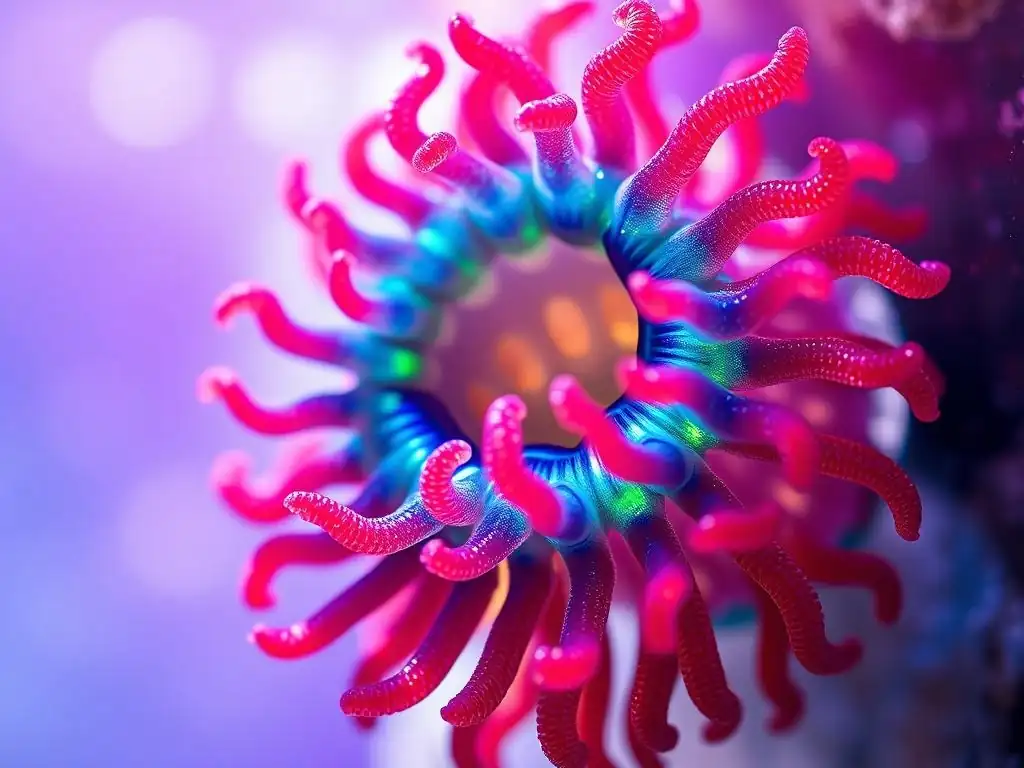
The world of zoanthids offers an astonishing array of colors and patterns, making them highly sought after by reef enthusiasts. Understanding the potential for Zoanthid color intensity tips can inspire and guide aquarists in their pursuit of vibrant colonies.
Examples of Highly Colored Zoanthid Morphs: Rasta, Utter Chaos, and Purple People Eaters
The diversity of zoanthid morphs showcasing incredible color intensity is vast. Some of the most iconic examples include:
- Rasta Zoanthids: Famous for their vibrant green skirts, bright orange mouths, and red centers, often with streaks of yellow. Their multi-colored appearance makes them highly prized and a benchmark for Zoanthid color intensity tips.
- Utter Chaos Zoanthids: Characterized by their brilliant orange base, contrasting with bright green skirts and sometimes a yellow or red mouth. They live up to their name with an explosion of color.
- Purple People Eaters (PPE): Known for their deep purple bodies, often with a striking neon green or yellow skirt and a contrasting mouth. Their rich, saturated purple hue is particularly captivating under actinic lighting.
- Fruit Loops Zoanthids: Displaying a mix of neon green, orange, and pink, often with unique patterning.
- God of War Zoanthids: Featuring a dark red or maroon body with bright green or yellow mouths and skirts, creating a dramatic contrast.
These examples highlight the genetic potential for extreme coloration in zoanthids, which can be fully realized through optimal husbandry.
Achieving Specific Color Combinations in Your Zoanthid Colony
Achieving specific color combinations within your zoanthid colony involves thoughtful selection and strategic placement. When acquiring new zoanthids, consider how their colors will complement or contrast with existing colonies. For instance, pairing a vibrant red morph like "Red Hornets" with a striking blue morph like "Blueberry Fields" can create a visually stunning contrast. Similarly, grouping morphs with similar color palettes, such as various shades of green and yellow, can create a harmonious, expansive "garden" effect.
Beyond selection, proper placement within the tank can enhance the visual impact of these color combinations. Consider the viewing angles and how different lighting conditions might highlight specific hues. Some aquarists create "zoanthid gardens" on dedicated rock structures, allowing them to spread and blend, forming a living tapestry of color. By understanding the genetic potential of different morphs and providing optimal care, aquarists can cultivate breathtaking displays of Zoanthid color intensity tips.
Conclusion: The Art and Science of Zoanthid Color Enhancement
The pursuit of vibrant zoanthid colors is a captivating journey that blends scientific understanding with artistic vision. As we've explored, achieving peak Zoanthid color intensity tips extends far beyond merely choosing the right lighting. It encompasses a holistic approach, meticulously balancing water chemistry, providing targeted nutrition, understanding the subtle impacts of trace elements, and optimizing physical environmental factors like flow and placement.
From the intricate dance of chromoproteins and fluorescent proteins within the coral's tissues to the delicate equilibrium of nitrates and phosphates in the water column, every detail contributes to the final display of color. Regular water changes, diligent pest prevention, and continuous monitoring are not just maintenance tasks but crucial elements in sustaining long-term vibrancy.
Advanced techniques, such as implementing ultra-low nutrient systems and fine-tuning LED spectrums, offer pathways to unlock even more spectacular hues. Ultimately, the art and science of Zoanthid color enhancement require patience, keen observation, and an unwavering commitment to providing the ideal conditions for these remarkable soft corals to truly shine.
Frequently Asked Questions
How important is water quality for Zoanthid color intensity?
Water quality is absolutely crucial! Poor water parameters, especially elevated nitrates and phosphates, can significantly dull Zoanthid colors and even lead to health issues. Regular water changes and proper filtration are essential.
Besides lighting, what other environmental factors impact Zoanthid coloration?
Beyond lighting, factors like alkalinity, calcium, and magnesium levels play a vital role in Zoanthid health and coloration. Maintaining stable and appropriate levels of these parameters is key. Inconsistent levels can stress the corals.
What specific trace elements are beneficial for enhancing Zoanthid colors?
Certain trace elements, such as iodine and strontium, are often cited as beneficial for Zoanthid coloration. However, overdosing can be harmful, so careful monitoring and dosing according to your tank's needs are recommended.
How does flow rate influence Zoanthid color and health?
Proper flow is important for delivering nutrients and removing waste from Zoanthids. Adequate flow can help to enhance coloration by ensuring the corals receive the necessary elements and prevent detritus buildup.
Are there any specific foods that can help improve Zoanthid color intensity?
While Zoanthids primarily rely on photosynthesis, supplementing with small amounts of coral food can provide essential nutrients. Target feeding can help boost coloration and overall health, especially in tanks with low nutrient levels.
Final Reflection: Unlocking Zoanthid Radiance
The journey to understanding Zoanthid color intensity extends far beyond simply adjusting lighting. As we've explored, a symphony of factors, from nutrient balance and water parameters to targeted feeding and even symbiotic relationships, plays a crucial role in unlocking the vibrant potential within these captivating corals. This holistic approach is not just about achieving aesthetic perfection; it's about fostering a thriving ecosystem within our aquariums.
This intricate dance between science and art has profoundly influenced the way we perceive and interact with our reef tanks. The pursuit of enhanced Zoanthid coloration has pushed us to become more attentive, more knowledgeable, and ultimately, more responsible reef keepers. It reminds us that we are not merely observers, but active participants in a delicate and interconnected world. In the end, we will conserve only what we love; we will love only what we understand; and we will understand only what we are taught.
- Baba Dioum. This quote resonates deeply, highlighting the importance of continued learning and sharing of knowledge within the reefing community.
Now, armed with these insights, I invite you to reflect on your own reefing practices. Consider how you can apply these Zoanthid color intensity tips to not only enhance the beauty of your Zoanthids, but also to create a more balanced and sustainable environment for all your aquatic inhabitants. Embrace the challenge, experiment with these techniques, and share your discoveries with the community. Together, we can unlock the full spectrum of beauty that our reefs have to offer, ensuring their vibrancy for generations to come.
Ignite Your Zoanthids' True Colors!
Thank you for diving into the vibrant world of zoanthid color enhancement. Now that you've unlocked the secrets beyond lighting, it's time to bring those breathtaking hues to life in your own reef tank. Let's transform your zoanthids from pretty to absolutely stunning!
Here's how you can take action today:
- Experiment with targeted amino acid dosing: Carefully monitor your zoanthids' reaction to specific amino acid supplements to unlock hidden color potential. Remember, start slow and observe closely!
- Share your zoanthid color journey on social media using #AquariumMasteryZoas. Inspire others and learn from fellow reefers.
- Document your progress with weekly photos. Comparing before-and-after shots will reveal the most effective techniques for your specific zoanthid morphs.
What's one small adjustment you can make this week to unlock even more vibrant colors in your zoanthids?