
Plating Montipora: Aquascaping Masterpieces with Stunning Tiered Formations

Welcome to Aquarium Mastery!
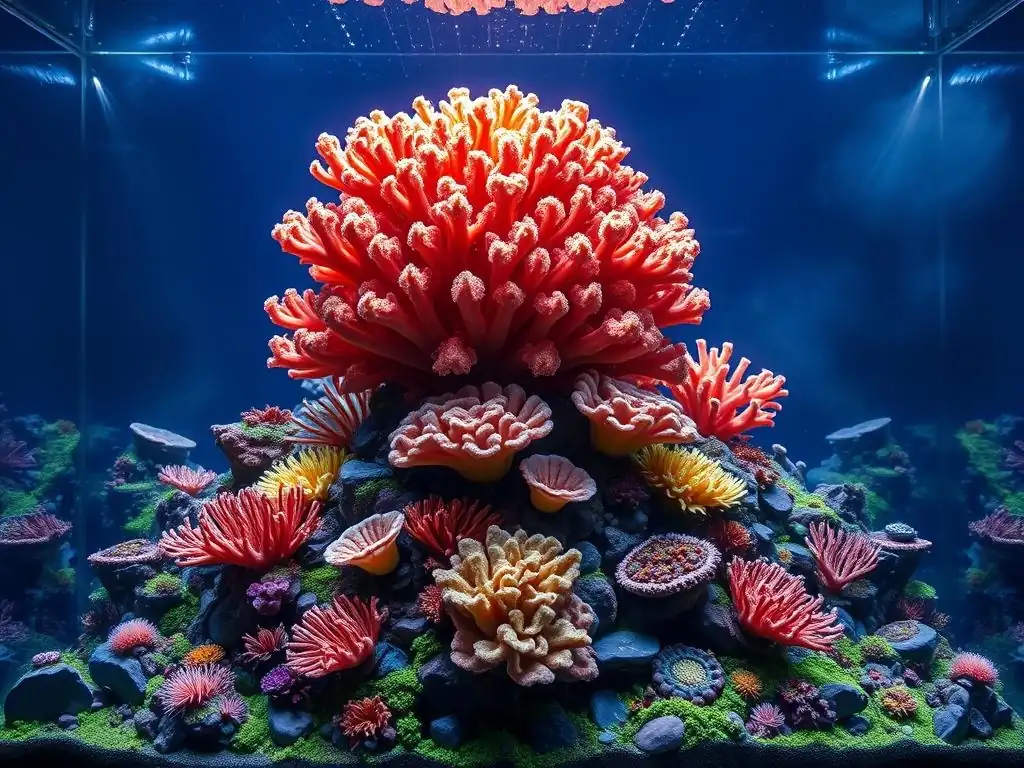
Ever dreamt of transforming your reef tank into a breathtaking underwater landscape? Plating Montipora corals offer a spectacular way to achieve just that. Dive into our detailed guide on Montipora plating coral care and discover the secrets to cultivating these stunning, tiered formations in your own aquarium. Ready to unlock the potential of these captivating SPS corals? Let's begin!
- Understanding Montipora Plating Coral: An Introduction
- Essential Montipora Plating Coral Care: Creating the Ideal Environment
- Aquascaping with Montipora Plating Coral: Creating Stunning Tiered Formations
- Montipora Plating Coral Propagation and Fragging
- Common Issues and Troubleshooting for Montipora Plating Coral Care
- Advanced Montipora Plating Coral Care Techniques
- Showcasing Successful Montipora Plating Coral Aquascapes
- Conclusion: Mastering Montipora Plating Coral Care for a Thriving Reef
-
Frequently Asked Questions
- What exactly is a Montipora plating coral, and why is it popular in reef aquariums?
- What are the ideal water parameters for keeping a Montipora plating coral healthy in an aquarium?
- What type of lighting is best suited for Montipora plating corals, and how should I acclimate them to new lighting conditions?
- What should I feed my Montipora plating coral, and how often is necessary for good health?
- What are some common problems that can affect Montipora plating corals, and how can I prevent or treat them?
- Final Reflection: Cultivating Underwater Gardens
- Unveil Your Reef's Hidden Potential!
Understanding Montipora Plating Coral: An Introduction
What is Montipora Plating Coral? Identifying Key Characteristics
Montipora plating coral, often referred to as Montipora cap or plate Montipora, belongs to the Small Polyp Stony (SPS) coral family and is highly prized in reef aquariums for its distinctive growth habit. Unlike branching SPS corals such as Acropora, plating Montipora species grow outwards in flat, shelf-like structures, creating layered formations that resemble intricate underwater gardens. This unique morphology, combined with its relatively fast growth rate under optimal conditions, makes it a popular choice for aquarists aiming to create dramatic visual depth in their tanks.
These corals are characterized by their smooth or finely textured surfaces and minute polyps that are often retracted during the day, giving the colony a solid appearance. The vibrant colors of Montipora plating coral are primarily due to the symbiotic zooxanthellae algae living within their tissues, which perform photosynthesis. As the colony expands, new layers often form over older ones, or edges will curl, contributing to the "tiered" or "capping" effect that defines their aesthetic appeal.
Why Choose Plating Montipora for Your Reef Tank? Aesthetics and Benefits
Choosing Montipora plating coral for a reef tank offers significant aesthetic advantages, primarily due to its ability to form stunning, multi-layered structures. These tiered formations can transform a simple rockscape into a dynamic, three-dimensional masterpiece, providing shade and shelter for fish and other invertebrates while adding incredible visual interest. The wide array of colors available, from fiery oranges and deep reds to electric greens and purples, allows aquarists to create vibrant focal points or complementary backdrops within their aquascape.
Beyond their beauty, plating Montipora species offer several practical benefits for the dedicated aquarist. They are generally considered more forgiving than some other SPS corals, such as Acropora, regarding minor fluctuations in water parameters, making them an excellent stepping stone for those venturing into advanced SPS Montipora plating coral care. Their relatively rapid growth rate means that a small frag can quickly mature into a substantial colony, providing a satisfying sense of progress and allowing for propagation.
Montipora Plating Coral Varieties: Colors and Growth Forms
The diversity of Montipora plating coral varieties is one of their most appealing attributes, offering a spectrum of colors and subtle variations in growth forms. Popular examples include the "Sunset Montipora," renowned for its striking combination of bright orange and green hues, and the "Superman Montipora," which boasts a vibrant red base with contrasting blue polyps. Other common colors include various shades of green, purple, and brown, often with contrasting polyp colors that add to their allure.
While the primary growth form is plating, some Montipora species can exhibit variations, such as an encrusting base before extending into plates, or even develop slight branching tendencies alongside their flat growth. For instance, Montipora digitata is primarily branching but can show plating characteristics, whereas Montipora capricornis is the quintessential plating form. Understanding these subtle differences helps in planning placement and anticipating the ultimate size and shape of the colony, which is crucial for effective Montipora plating coral care and aquascape design.
Essential Montipora Plating Coral Care: Creating the Ideal Environment
Water Parameters for Optimal Montipora Plating Coral Growth
Maintaining Stable Alkalinity, Calcium, and Magnesium Levels
For optimal growth and health of Montipora plating coral, maintaining stable water parameters is paramount. These corals are calcifying organisms, meaning they extract calcium and carbonate ions from the water to build their robust aragonite skeletons. Recommended target ranges include an alkalinity of 7-9 dKH, calcium between 400-450 ppm, and magnesium levels of 1300-1400 ppm. Consistency is more critical than hitting exact numbers; even slight, sudden fluctuations can stress the coral and impede growth.
To maintain these levels, especially in tanks with significant SPS coral biomass, regular supplementation is essential. Many aquarists utilize two-part dosing solutions, which provide balanced amounts of calcium and alkalinity. For larger systems or those with very high coral demand, a calcium reactor, which dissolves calcium carbonate media using CO2, offers a highly stable and efficient method of replenishment. Automated dosing pumps are often employed to ensure precise and consistent delivery, minimizing manual intervention and maintaining the ideal environment for Montipora plating coral care.
Temperature and Salinity Considerations for Montipora Health
Temperature and salinity are fundamental parameters that significantly impact the metabolic processes and overall health of Montipora plating coral. An optimal temperature range for these corals is generally between 76-80°F (24.4-26.7°C). Maintaining a stable temperature within this range is crucial, as rapid or prolonged deviations can cause severe stress, leading to bleaching or tissue necrosis. Using a reliable heater and chiller (if needed) along with a precise thermometer ensures temperature stability.
Salinity should be kept stable at a specific gravity of 1.025-1.026 (equivalent to 35 ppt). Daily evaporation causes salinity to rise, so using an auto top-off (ATO) system with freshwater is highly recommended to prevent fluctuations. Regular checks with a calibrated refractometer are essential to ensure accuracy. Consistent salinity, alongside stable temperature, forms the bedrock of successful Montipora plating coral care, allowing the coral to thrive without osmotic stress.
Lighting Requirements for Vibrant Montipora Plating Coral Coloration
Choosing the Right Lighting Spectrum and Intensity
Montipora plating corals are highly photosynthetic and require strong, appropriate lighting to display their vibrant colors and grow efficiently. The ideal PAR (Photosynthetically Active Radiation) range for these corals typically falls between 200-450 PAR at the coral's surface, depending on the specific Montipora species and its acclimation. Lighting types such as T5 fluorescent, LED, or metal halide fixtures can all be successful, but LEDs offer the most control over intensity and spectrum.
A blue-rich spectrum (around 450-470nm) is particularly crucial for enhancing the coloration of Montipora and supporting the health of their symbiotic zooxanthellae. While blue light is vital, a full spectrum with some white light is also beneficial for overall coral health and visual appeal. The duration of the photoperiod should typically be 10-12 hours daily, with a gradual ramp-up and ramp-down phase to simulate natural dawn and dusk cycles, reducing stress on the coral.
Acclimation to High-Intensity Lighting
When introducing new Montipora plating corals to a tank, or upgrading existing lighting, slow and gradual acclimation to high-intensity lighting is critical to prevent bleaching. Corals that are suddenly exposed to much stronger light than they are accustomed to can expel their zooxanthellae, leading to a loss of color and potentially death. One effective method is to place the new coral lower in the tank where PAR levels are reduced, then slowly move it upwards over several weeks.
Alternatively, if using controllable LED lighting, the intensity can be gradually increased by 5-10% weekly until the desired PAR level is reached. Observing the coral's response is key; signs of stress such as paling, tissue recession, or a dull appearance indicate that the light might be too intense, requiring a reduction in intensity or a temporary relocation to a shadier spot. This careful acclimation process is a vital component of successful Montipora plating coral care.
Water Flow and Placement for Plating Montipora
Ensuring Adequate Circulation for Nutrient Delivery
Water flow is a critical environmental factor for Montipora plating coral, influencing nutrient delivery, waste removal, and overall health. These corals require moderate to strong, turbulent water flow to thrive. Turbulent flow ensures that water currents reach all parts of the colony, delivering essential nutrients like calcium and alkalinity to the polyps and efficiently carrying away metabolic waste products. A general guideline is to aim for a total tank turnover of 20-30 times the tank volume per hour, distributed by multiple powerheads.
Inadequate flow can lead to "dead spots" where detritus accumulates on the coral's surface, potentially causing tissue necrosis or promoting undesirable algae growth. Conversely, overly laminar or direct flow can damage delicate coral tissue, leading to tissue loss. The goal is to create chaotic, unpredictable flow patterns that mimic natural reef environments, ensuring consistent water movement around and through the colony without directly blasting it.
Preventing Dead Spots and Promoting Healthy Growth
Strategic placement of powerheads and the Montipora colony itself is essential for preventing dead spots and promoting healthy, symmetrical growth. Dead spots, areas of stagnant water, are detrimental as they allow detritus and organic waste to settle on the coral, fostering bacterial infections and algae overgrowth. By positioning multiple powerheads or wavemakers, aquarists can create complex flow patterns that eliminate these stagnant areas, ensuring that all parts of the plating Montipora receive adequate circulation.
When placing Montipora plating coral, consider its future growth. Allow ample space around the colony for its plates to expand without being impinged upon by rockwork or other corals, which could restrict flow. Position the coral where it receives turbulent, indirect flow rather than a direct blast, which can stress the polyps. Proper flow not only keeps the coral clean but also encourages robust skeletal development and vibrant coloration, underscoring its importance in Montipora plating coral care.
Aquascaping with Montipora Plating Coral: Creating Stunning Tiered Formations
Planning Your Aquascape: Integrating Montipora Plating Coral
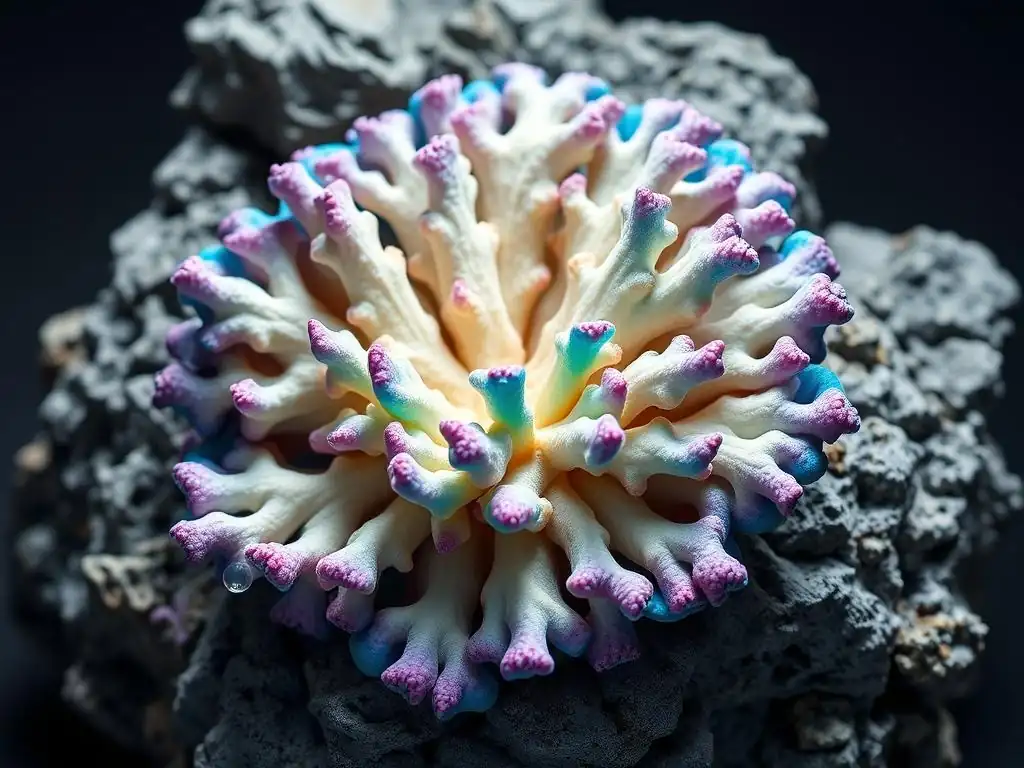
Integrating Montipora plating coral into an aquascape requires careful planning to maximize its aesthetic impact and ensure its long-term health. Due to their expansive, flat growth, these corals can quickly dominate a section of the tank, so it's essential to consider their ultimate size and shape. Plan for ample open space around the intended placement to allow the plates to grow outwards without shading or being shaded by other corals. Think about how the tiered formations will complement the overall rockwork and flow patterns.
Consider the light and flow requirements of the Montipora, placing it in an area that receives adequate intensity and turbulent flow. Strategic placement can create natural overhangs, providing shaded areas for light-sensitive corals or fish, or forming visually striking "shelves" within the aquascape. By visualizing the mature colony's form, aquarists can design a dynamic and visually appealing reef environment that effectively showcases the beauty of plating Montipora.
Attaching Montipora Plating Coral to Rockwork
Using Reef-Safe Epoxy or Cyanoacrylate Glue
Successfully attaching Montipora plating coral to rockwork is a crucial step in establishing it within the aquascape. For smaller frags, reef-safe cyanoacrylate gel glue is often sufficient. Apply a generous bead of glue to the base of the frag, then firmly press it onto a clean, dry spot on the rockwork for 30-60 seconds. This allows the glue to cure properly, forming a strong bond.
For larger colonies or to create a more robust attachment point, a combination of cyanoacrylate glue and reef-safe epoxy is highly effective. Mix the epoxy according to the manufacturer's instructions, form it into a small mound, then press the coral frag into the epoxy. Apply a dab of cyanoacrylate glue between the frag and the epoxy for an instant bond, then mold the epoxy around the base for added stability. Ensure the attachment point is dry before application for optimal adhesion.
Creating Stable Mounting Points
Creating stable mounting points is essential to ensure that Montipora plating coral remains securely in place, preventing dislodgement from strong water flow, curious fish, or accidental bumps. Choose a section of rockwork that is relatively flat or has a natural crevice where the coral's base can sit snugly. Roughening the surface of the rock with a small tool can improve adhesion for glue and epoxy.
When attaching, consider the angle at which the coral will grow. For plating Montipora, orienting the frag so that its growth will extend outwards and upwards, rather than downwards into a shaded area, will promote healthier and more aesthetically pleasing tiered formations. A secure and thoughtfully chosen mounting point provides the foundation for robust growth and contributes significantly to the long-term success of Montipora plating coral care.
Encouraging Tiered Growth in Montipora Plating Coral
Strategic Placement and Pruning Techniques
To encourage the characteristic tiered growth of Montipora plating coral, strategic placement within the aquascape is key. Position the coral in an open area with unimpeded access to light and flow, allowing its plates to expand outwards freely without encountering obstacles. Placing it higher in the aquascape often promotes broader, more symmetrical plate formation due to better light exposure.
Pruning, or fragging, lower or overgrown sections of a Montipora colony can also stimulate new growth and encourage a more desirable tiered structure. By selectively removing parts that are too dense or growing in an undesirable direction, aquarists can redirect the coral's energy towards forming new, distinct layers. This proactive management of growth is an advanced aspect of Montipora plating coral care that allows for artistic control over the aquascape.
Promoting Natural Branching and Plate Formation
While Montipora plating coral is known for its flat, cap-like growth, optimal conditions can promote more robust and intricate plate formations. Consistent, turbulent water flow across the entire colony ensures that all polyps receive adequate nutrients and that waste is removed, leading to uniform growth and a healthy, sprawling plate. Maintaining stable water parameters, particularly alkalinity and calcium, directly supports the rapid calcification needed for extensive plate development.
Minor damage or strategic fragging can sometimes stimulate the coral to form new growth points or even secondary plates from the edges of existing ones, contributing to a denser, more complex tiered structure. Observing how the coral responds to its environment and making subtle adjustments to flow or light can further encourage the natural development of these stunning formations, showcasing the true potential of dedicated Montipora plating coral care.
Montipora Plating Coral Propagation and Fragging
Fragging Montipora Plating Coral: A Step-by-Step Guide
Selecting Healthy Sections for Fragging
When preparing to frag Montipora plating coral, selecting healthy, vibrant sections is paramount to ensure successful propagation. Choose areas of the colony that show robust growth, good coloration, and no signs of stress, disease, or pest infestation. Avoid areas with tissue recession, algae growth, or any discolored spots. The ideal frag should have a clear margin of healthy tissue and a small piece of the underlying skeleton to provide a stable base for attachment.
Consider the future growth of both the parent colony and the frag. Select a section that can be removed without significantly damaging the main colony's aesthetic or health. Often, edges or areas of rapid growth are suitable for fragging, as they tend to regenerate quickly. Aim for frags that are roughly 1-2 inches in diameter, as these typically have a good chance of survival and growth.
Cutting and Preparing Montipora Frags
Once healthy sections are identified, the next step involves carefully cutting and preparing the Montipora frags. Use clean, sharp bone cutters or a Dremel tool with a diamond cutting wheel for precise cuts. Make quick, decisive cuts to minimize stress to the coral. For plating Montipora, aim to cut a small, flat piece that includes a portion of the original colony's base.
After cutting, gently rinse the frag in a small container of tank water to remove any loose coral tissue or debris that may have been generated during the cutting process. Some aquarists choose to let the frag "bleed" (release mucus) for a few minutes in a separate container before attachment, believing it helps the coral recover from the stress of fragging. This careful preparation ensures the frag is clean and ready for its new home.
Attaching Frags to Plugs or Rock Rubble
With the Montipora frag prepared, the final step is to attach it securely to a frag plug or a small piece of live rock rubble. Standard ceramic frag plugs are widely available and provide a convenient, stable base. Apply a generous amount of reef-safe cyanoacrylate gel glue to the top surface of the frag plug or the chosen rock rubble.
Carefully press the Montipora frag onto the glued surface, holding it firmly in place for 30-60 seconds to allow the glue to cure. For a stronger bond, especially with larger frags, a small amount of reef-safe epoxy can be molded around the base of the frag and the plug/rubble, with a dab of super glue on top for instant adhesion. Once attached, the frag is ready to be placed in a grow-out tank or a suitable spot in the main display, completing the Montipora plating coral care propagation process.
Grow-Out Tank Considerations for Montipora Frags
Maintaining Optimal Water Parameters and Flow
For Montipora frags to thrive and grow into healthy colonies, maintaining optimal water parameters and appropriate flow in a grow-out tank is just as crucial as in a main display. Small grow-out tanks can experience more rapid fluctuations in parameters due to their smaller water volume, so frequent monitoring of alkalinity (7-9 dKH), calcium (400-450 ppm), and magnesium (1300-1400 ppm) is essential. Consistent dosing or water changes are often required to keep these levels stable.
Regarding flow, Montipora frags still require moderate, turbulent water movement to facilitate nutrient delivery and waste removal, but excessive flow can dislodge newly attached frags or cause tissue damage. Position powerheads to create gentle, indirect currents around the frags, ensuring there are no dead spots where detritus can accumulate. This careful balance of flow is vital for successful Montipora plating coral care during the frag grow-out phase.
Providing Adequate Lighting for Frag Growth
Adequate lighting is a primary driver of growth and coloration for Montipora frags. Position frags in an area of the grow-out tank where they receive appropriate PAR (Photosynthetically Active Radiation) levels, typically between 150-300 PAR. While the parent colony might thrive under higher PAR, new frags may benefit from slightly lower intensity initially, allowing them to acclimate without stress.
A consistent photoperiod, typically 10-12 hours, with a blue-rich spectrum, will encourage healthy zooxanthellae activity and robust growth. Monitor the frags closely for signs of stress, such as paling or browning, which could indicate too much or too little light, respectively. Adjusting the height of the light fixture or the placement of the frags within the tank can fine-tune light exposure, ensuring the best possible conditions for frag development and continued Montipora plating coral care.
Common Issues and Troubleshooting for Montipora Plating Coral Care
Identifying and Treating Montipora Eating Nudibranchs
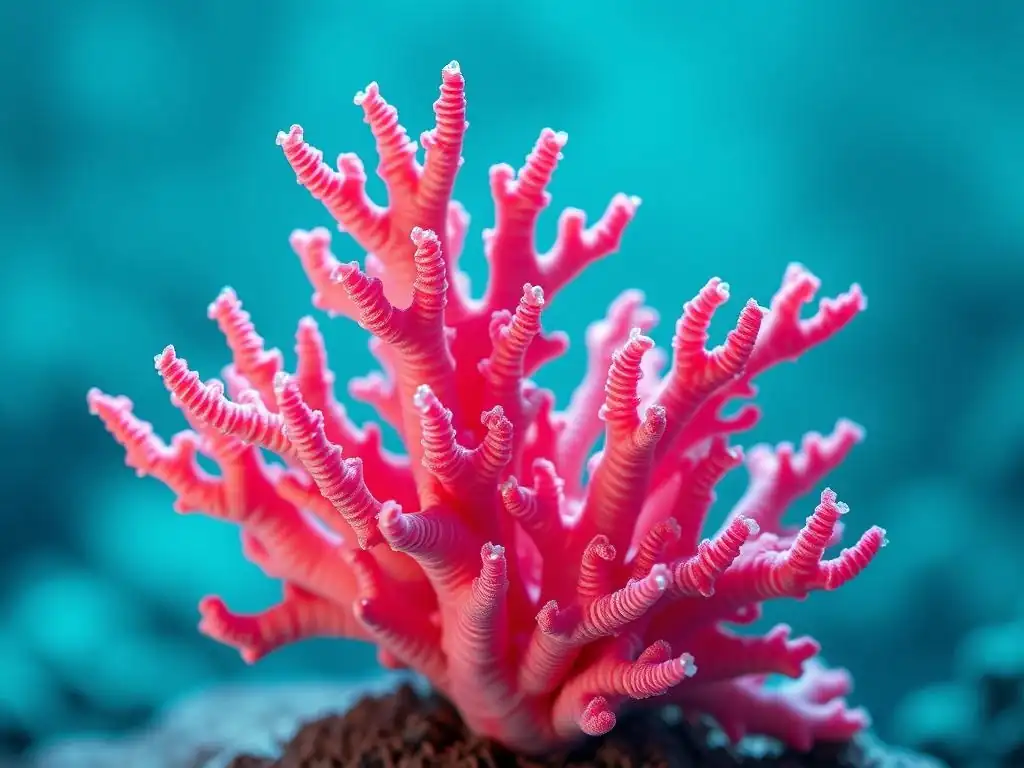
Montipora eating nudibranchs ( Phestilla melanobrachia) are a significant threat to Montipora plating coral, often going unnoticed due to their excellent camouflage, which allows them to blend seamlessly with the coral's color. Key signs of their presence include unexplained tissue recession, particularly from the edges of the plate, visible bite marks on the coral skeleton, or the appearance of distinct white, spiral-shaped egg masses, usually found on the underside or shaded areas of the coral. These pests can decimate a colony quickly if left unchecked.
Treatment typically involves a multi-pronged approach. Manual removal is the first step: carefully inspect the coral, especially at night when nudibranchs are more active, and remove any visible pests with tweezers. Dipping the coral in a commercial coral dip solution (e.g., Bayer Advanced, Coral Rx) according to manufacturer instructions can kill nudibranchs and their eggs.
Multiple dips over several weeks are often necessary to break their life cycle, as eggs are resistant to most dips. For severe infestations, some aquarists opt for a quarantine tank to treat the coral more aggressively and prevent re-infestation of the main display, making it a critical aspect of Montipora plating coral care.
Addressing Algae Growth on Montipora Plating Coral
Preventing Algae Blooms Through Nutrient Control
Algae growth on Montipora plating coral is a common issue that can smother and damage the coral tissue, particularly if nutrients are elevated. High levels of nitrates (above 10 ppm) and phosphates (above 0.05 ppm) are primary drivers for nuisance algae blooms. Preventing these blooms hinges on rigorous nutrient control strategies. Regular water changes, typically 10-20% weekly, help dilute accumulated nutrients.
Implementing robust nutrient export methods is also crucial. A powerful protein skimmer, a refugium with macroalgae (like Chaetomorpha), and the use of GFO (Granular Ferric Oxide) or other phosphate-removing media can effectively keep nutrient levels in check. Avoiding overfeeding fish, ensuring proper filtration, and regularly siphoning out detritus from the substrate are also vital practices that contribute to a clean environment and minimize algae growth, which is a key part of diligent Montipora plating coral care.
Safe Methods for Algae Removal
If algae begins to appear on Montipora plating coral, safe and gentle removal methods are necessary to avoid damaging the delicate coral tissue. For small, isolated patches of soft algae, a very soft-bristled toothbrush can be gently brushed over the affected area to dislodge the algae without harming the coral. This method should be used cautiously and only for light infestations.
Introducing an appropriate clean-up crew can also help manage algae. Herbivorous snails like Trochus, Turbo, or Nassarius snails, and certain fish such as Tangs or Rabbitfish (if tank size permits), can graze on algae. However, ensure that these inhabitants are reef-safe and will not nip at the coral itself. Addressing the underlying nutrient imbalance remains the most effective long-term solution for preventing persistent algae issues, reinforcing the importance of comprehensive Montipora plating coral care.
Recognizing and Treating Montipora Bleaching
Understanding the Causes of Coral Bleaching
Coral bleaching in Montipora plating coral is a severe stress response where the coral expels its symbiotic zooxanthellae, leading to a loss of color and, if prolonged, coral death. The most common cause is sudden or prolonged temperature fluctuations, with temperatures consistently above 82°F (28°C) or below 74°F (23°C) being particularly detrimental. Other significant stressors include sudden changes in salinity, excessive light intensity (light shock), poor water quality (high nitrates/phosphates, presence of toxins), or disease.
Other less common causes include prolonged exposure to air during maintenance, chemical contaminants introduced into the water, or extreme pH fluctuations outside the optimal range of 8.0-8.4. Identifying the specific stressor is crucial for effective intervention. A bleached Montipora will appear pale white or translucent, as the coral tissue becomes transparent without the pigment of its zooxanthellae.
Implementing Strategies to Prevent and Reverse Bleaching
Preventing Montipora bleaching relies heavily on maintaining a stable and pristine reef environment. This includes keeping water parameters (temperature, salinity, alkalinity, calcium, magnesium) consistently within optimal ranges through regular testing and automated dosing. When introducing new corals or upgrading lighting, slow and gradual acclimation is vital to prevent light shock. Ensuring strong, turbulent water flow helps dissipate heat and provide essential nutrients, reducing localized stress.
If bleaching occurs, immediate action is necessary to reverse the process. Identify and rectify the underlying cause: if it's temperature, adjust heating/cooling; if it's light, reduce intensity or move the coral to a shadier spot. Improve water quality through water changes and nutrient export. Providing amino acid supplements can sometimes aid recovery, as the coral may be struggling to absorb nutrients without its zooxanthellae. With prompt intervention and consistent Montipora plating coral care, some bleached corals can recover, slowly regaining their color as zooxanthellae repopulate their tissues.
Advanced Montipora Plating Coral Care Techniques
Nutrient Management for Enhanced Color and Growth
Balancing Nitrate and Phosphate Levels
For Montipora plating coral, achieving vibrant coloration and robust growth often requires a delicate balance in nutrient management. While SPS corals thrive in ultra-low nutrient systems (ULNS), absolute zero nitrates and phosphates can sometimes lead to coral starvation, especially for more demanding species. An ideal range for nitrates is typically 0.2-5 ppm and for phosphates 0.01-0.03 ppm. Maintaining these ultra-low, yet detectable, levels encourages the coral to produce more colorful pigments and optimize zooxanthellae density.
To achieve this balance, advanced aquarists often employ various techniques. Carbon dosing (using sources like vinegar or biopellets) promotes bacterial growth that consumes nitrates and phosphates. Cultivating macroalgae in a refugium actively exports nutrients as the algae grow. Consistent large-volume water changes also contribute significantly to nutrient dilution. Fine-tuning these methods ensures that the coral receives just enough nutrients for health without fostering nuisance algae, a sophisticated aspect of Montipora plating coral care.
The Role of Amino Acids and Trace Elements
In ultra-low nutrient systems, Montipora plating corals may benefit from supplemental feeding of amino acids and trace elements. Amino acids are the building blocks of proteins and can be directly absorbed by corals, enhancing their coloration and promoting tissue growth, especially when zooxanthellae may be less abundant in ULNS. Dosing small, regular amounts of high-quality amino acid solutions can significantly improve the vibrancy and overall health of Montipora colonies.
Trace elements such as iodine, strontium, potassium, and boron are essential for various biological processes in corals, including skeletal formation and pigment production. These elements are consumed by growing corals and depleted from the water column over time. While regular water changes replenish some, targeted dosing of specific trace elements, based on ICP-OES water analysis, can ensure optimal levels for enhanced growth and coloration, representing an advanced tier of Montipora plating coral care.
Monitoring and Adjusting Water Chemistry for Optimal Results
Regular Water Testing and Parameter Adjustments
Consistent and accurate water testing is the cornerstone of advanced Montipora plating coral care. Regular (e.g., weekly) testing of key parameters such as alkalinity, calcium, magnesium, nitrates, and phosphates provides crucial insights into the tank's chemical stability and the coral's consumption rates. Utilizing reliable test kits or, for higher precision, sending water samples to an ICP-OES lab for comprehensive analysis allows aquarists to identify deficiencies or excesses before they become problematic.
Based on these test results, precise adjustments to dosing regimens or husbandry practices can be made. For instance, if alkalinity is consistently dropping, the dosing rate of alkalinity solutions or the output of a calcium reactor can be increased. The goal is to make small, consistent adjustments rather than large, infrequent ones, as stability is paramount for SPS coral health. This proactive monitoring and adjustment strategy is vital for maintaining optimal conditions.
Maintaining a Stable Reef Environment
Maintaining a stable reef environment is arguably the most critical aspect of advanced Montipora plating coral care. SPS corals, including Montipora, are highly sensitive to sudden fluctuations in water chemistry, temperature, or lighting. Consistency minimizes stress, allowing the coral to allocate its energy towards growth and coloration rather than recovery from environmental shocks.
Automation plays a significant role in achieving this stability. Automated top-off systems ensure consistent salinity by replacing evaporated water. Dosing pumps deliver precise amounts of calcium, alkalinity, and magnesium supplements throughout the day, preventing daily swings. Consistent photoperiods, stable temperatures maintained by reliable heaters and chillers, and predictable water changes all contribute to a highly stable ecosystem where Montipora plating coral can truly flourish and display its full potential.
Showcasing Successful Montipora Plating Coral Aquascapes
Examples of Stunning Reef Tanks Featuring Montipora Plating Coral
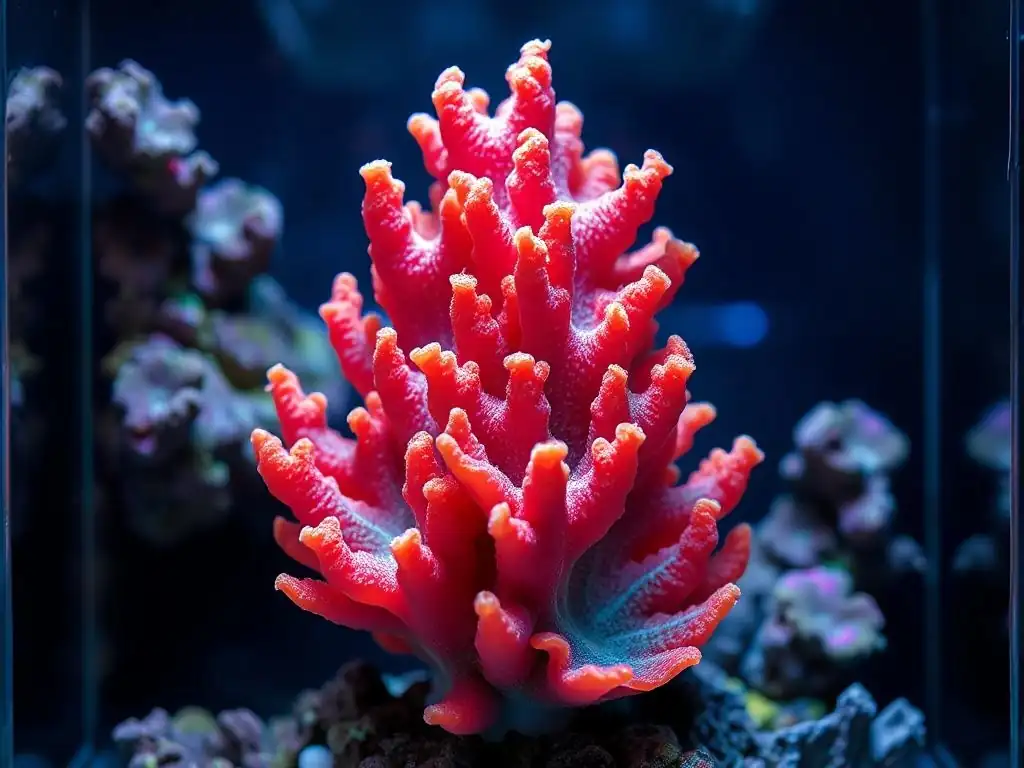
Successful reef tanks featuring Montipora plating coral often highlight its architectural beauty, transforming rock structures into living, tiered landscapes. Imagine a 120-gallon display where a massive, vibrant orange Montipora cap dominates the upper-middle section, its plates extending outwards like steps, casting a gentle shadow over a colony of electric green Euphyllia below. This creates a captivating multi-level effect, with small anthias darting in and out of the Montipora's overhangs.
Another inspiring example might be a 90-gallon shallow reef, where several distinct Montipora plating varieties – a deep red Montipora undata next to a bright green Montipora digitata (which can plate extensively when mature) – are strategically placed to form a continuous, undulating canopy across the upper aquascape. This showcases the diversity of Montipora colors and forms, creating a visually rich environment that demonstrates the immense potential of dedicated Montipora plating coral care to shape an entire reef system.
Tips and Tricks from Experienced Reef Keepers
Experienced reef keepers often emphasize that patience and keen observation are the most valuable tools in Montipora plating coral care. They consistently advise against chasing parameters with drastic adjustments, instead advocating for slow, incremental changes based on consistent testing. "Nothing good happens fast in a reef tank" is a common mantra, highlighting the importance of stability over rapid intervention.
Many seasoned aquarists also stress the importance of understanding individual coral needs within the broader tank environment. While Montipora requires strong light and flow, subtle adjustments in placement can significantly impact its growth and color. Proactive nutrient export, a robust cleanup crew, and meticulous attention to detail in daily husbandry are frequently cited as the secrets to long-term success, allowing Montipora colonies to truly flourish and become showpieces.
Achieving Long-Term Success with Montipora Plating Coral
Achieving long-term success with Montipora plating coral is a deeply rewarding endeavor that hinges on consistent, diligent Montipora plating coral care. It requires a commitment to maintaining stable water parameters, providing optimal lighting and flow, and proactively addressing any issues like pests or algae. The journey involves continuous learning, adapting to the coral's needs as it grows, and fine-tuning the reef environment.
The reward for this dedication is witnessing a small frag transform into a majestic, sprawling colony that dominates the aquascape with its unique tiered formations and vibrant colors. These mature Montipora colonies become living testaments to the aquarist's skill and patience, contributing significantly to the beauty and ecological balance of the home reef aquarium.
Conclusion: Mastering Montipora Plating Coral Care for a Thriving Reef
The Rewards of Dedicated Montipora Plating Coral Care
Dedicated Montipora plating coral care offers some of the most visually stunning rewards in the reef keeping hobby. The unique ability of these corals to form intricate, tiered formations transforms a simple rock structure into a dynamic, living aquascape masterpiece. Witnessing a small frag grow into a sprawling, multi-layered colony, bursting with vibrant oranges, greens, reds, and purples, is a profound testament to the aquarist's skill and patience.
Beyond the sheer aesthetic appeal, successfully cultivating Montipora provides a deep sense of accomplishment. It signifies mastery over complex water chemistry, lighting, and flow dynamics, and showcases a thriving, stable ecosystem. These healthy, robust colonies contribute significantly to the overall health and biodiversity of the reef tank, providing shelter and contributing to the natural beauty that only a well-maintained SPS dominant system can offer.
Further Resources for Reef Keeping Enthusiasts
For those eager to further their knowledge and refine their Montipora plating coral care techniques, Aquarium Mastery offers a wealth of additional resources. Explore detailed articles on advanced water chemistry management, including specific guides on alkalinity, calcium, and magnesium dosing, as well as nutrient control strategies tailored for SPS corals. Delve into comprehensive profiles of other coral species, understanding their unique requirements and how they can coexist harmoniously with Montipora.
Engaging with the broader reef keeping community through online forums and local reef clubs can also provide invaluable insights, tips, and shared experiences. These platforms offer opportunities to learn from seasoned aquarists, troubleshoot common issues, and discover innovative approaches to maintaining a thriving reef. Continuous learning and community engagement are key to unlocking the full potential of your Montipora plating corals and achieving long-term success in the captivating world of reef aquariums.
Frequently Asked Questions
What exactly is a Montipora plating coral, and why is it popular in reef aquariums?
A Montipora plating coral is a type of small polyp stony (SPS) coral that grows in a layered, plating formation. They're popular because of their unique shape and vibrant colors, adding visual interest to reef tanks.
What are the ideal water parameters for keeping a Montipora plating coral healthy in an aquarium?
Maintaining stable and appropriate water parameters is crucial. Aim for a temperature of 72-78°F, a salinity of 1.024-1.026 SG, and stable alkalinity levels.
What type of lighting is best suited for Montipora plating corals, and how should I acclimate them to new lighting conditions?
Montipora plating corals generally thrive under moderate to high intensity lighting, such as LEDs or metal halides. Acclimate them slowly by starting them in a lower light area and gradually moving them higher.
What should I feed my Montipora plating coral, and how often is necessary for good health?
While they get most of their nutrients from photosynthesis, supplementing with coral foods is beneficial. Target feeding a few times a week with small particle foods can help them thrive.
What are some common problems that can affect Montipora plating corals, and how can I prevent or treat them?
Common problems include coral bleaching due to poor water quality or lighting, and predation by pests. Maintaining stable parameters and regular observation are key for prevention.
Final Reflection: Cultivating Underwater Gardens
The art of Montipora plating coral care extends far beyond mere maintenance; it's a journey into creating living art, transforming barren aquascapes into vibrant, tiered masterpieces. The techniques and insights explored in this article highlight the dedication and precision required to nurture these delicate organisms, ultimately contributing to the health and beauty of our home reefs and the broader understanding of coral husbandry.
This journey into Montipora plating has not only deepened our appreciation for the intricate beauty of these corals but also underscored the crucial role responsible aquarists play in preserving these fragile ecosystems. The ability to cultivate and propagate these corals offers a glimmer of hope in a world facing unprecedented environmental challenges. In the end, we will conserve only what we love; we will love only what we understand; and we will understand only what we are taught.
- Baba Dioum. This quote reminds us that education and hands-on experience, like the techniques shared here, are vital for fostering a deep connection with the marine world and inspiring conservation efforts.
As you embark on your own Montipora plating adventures, remember that patience, observation, and a commitment to learning are your greatest allies. Let the knowledge gained here inspire you to not only create stunning aquascapes but also to become a steward of the reef, contributing to the long-term health and resilience of these vital ecosystems. Embrace the challenge, celebrate the successes, and let the beauty of your Montipora plating creations serve as a constant reminder of the wonders we must strive to protect.
Thanks for diving into the art of Montipora plating! We hope you've gained valuable insights into creating breathtaking tiered formations in your own aquarium. Now it's time to put that knowledge into action and elevate your aquascaping skills.
Here are some actionable steps to get you started:
- Start Small, Dream Big: Begin with a single Montipora frag and strategically plate it onto a well-placed rock structure. Observe its growth and adjust your aquascaping approach as needed. This allows you to learn and adapt without overwhelming your tank.
- Share Your Progress: Take photos or videos of your Montipora plating projects and share them on your favorite aquarium forums or social media channels using #AquariumMastery. Inspire others with your creativity and learn from fellow reefers.
- Experiment with Placement: Try mounting a Montipora cap in a unique location—perhaps on the back wall of your aquarium, or even upside down! Observe how these unconventional placements affect its growth and coloration.
What innovative aquascaping technique will you explore to create a truly one-of-a-kind Montipora masterpiece?