
Vacation Care for Your Freshwater Shrimp Tank: A PreTrip Checklist

Welcome to Aquarium Mastery!
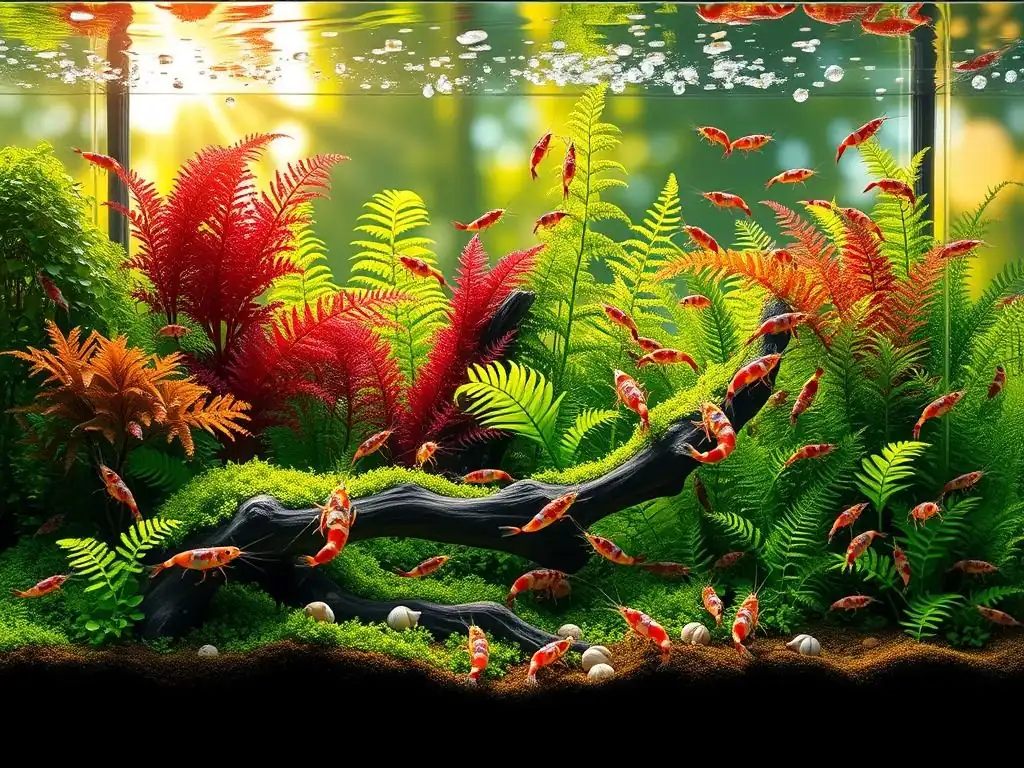
Planning a getaway but worried about your delicate freshwater shrimp? You're not alone! Ensuring your little crustaceans thrive while you're away requires careful preparation. Dive into our comprehensive guide, "Vacation Care for Your Freshwater Shrimp Tank: A Pre-Trip Checklist," and discover essential steps to keep your shrimp happy and healthy during your absence. What simple tweaks can make all the difference? Let's find out!
- Vacation Care for Your Neocaridina Shrimp Tank: A Pre-Trip Checklist
- Ensuring Your Neocaridina Shrimp Thrive While You're Away
-
Neocaridina Shrimp Tank Vacation Prep: A Comprehensive Checklist
- Pre-Vacation Shrimp Tank Health Assessment
- Setting Up Automated Shrimp Tank Feeding
- Managing Water Quality During Your Absence
- Controlling Lighting and Temperature in Your Shrimp Tank
- Preventing Algae Blooms During Your Vacation
- Secure Your Shrimp Tank Equipment
- Shrimp-Safe Vacation Feeding Alternatives
- Emergency Contact Information and Instructions
- Post-Vacation Shrimp Tank Inspection and Maintenance
-
Frequently Asked Questions
- How long can my freshwater shrimp survive without me feeding them while I'm on vacation?
- What are the most important aspects of preparing my freshwater shrimp tank for a vacation?
- Should I be concerned about the water temperature in my shrimp tank while I'm away?
- What should I do about lighting while I'm on vacation?
- How can I prevent algae blooms while I'm away on vacation?
- Final Reflection: Ensuring Aquatic Harmony
- Embark on Your Worry-Free Getaway!
Vacation Care for Your Neocaridina Shrimp Tank: A Pre-Trip Checklist
Ensuring Your Neocaridina Shrimp Thrive While You're Away
Preparing your Neocaridina shrimp tank for your absence is a critical step in ensuring their well-being and the stability of their delicate ecosystem. A comprehensive freshwater shrimp tank vacation checklist is essential to minimize risks and allow you to enjoy your trip with peace of mind. This guide will walk you through vital preparations, from health assessments to emergency contacts, ensuring your aquatic friends remain healthy and your tank pristine.
Neocaridina Shrimp Tank Vacation Prep: A Comprehensive Checklist
Pre-Vacation Shrimp Tank Health Assessment
Checking Water Parameters Before Leaving
Before embarking on your vacation, a thorough assessment of your shrimp tank's water parameters is paramount. Stable parameters are the bedrock of a healthy Neocaridina colony, minimizing stress that could lead to illness while you're away. For Neocaridina shrimp, ideal ranges typically include a pH of 6.5-8.0, KH (carbonate hardness) between 0-10 dKH, GH (general hardness) between 4-14 dGH, and a Total Dissolved Solids (TDS) reading of 100-300 ppm.
Crucially, ammonia and nitrite levels must be at 0 ppm, and nitrates ideally below 20 ppm. Test these parameters 2-3 days before your departure using reliable liquid test kits, which offer greater accuracy than test strips.
Ensuring these parameters are within optimal ranges provides a stable environment for your shrimp, reducing their susceptibility to stress and disease. If any parameters are off, make small, gradual adjustments. For instance, if nitrates are slightly elevated, a small 10-15% water change can help. Addressing these issues proactively as part of your freshwater shrimp tank vacation checklist gives your shrimp the best chance of thriving in your absence.
Identifying and Treating Common Shrimp Illnesses Before Your Trip
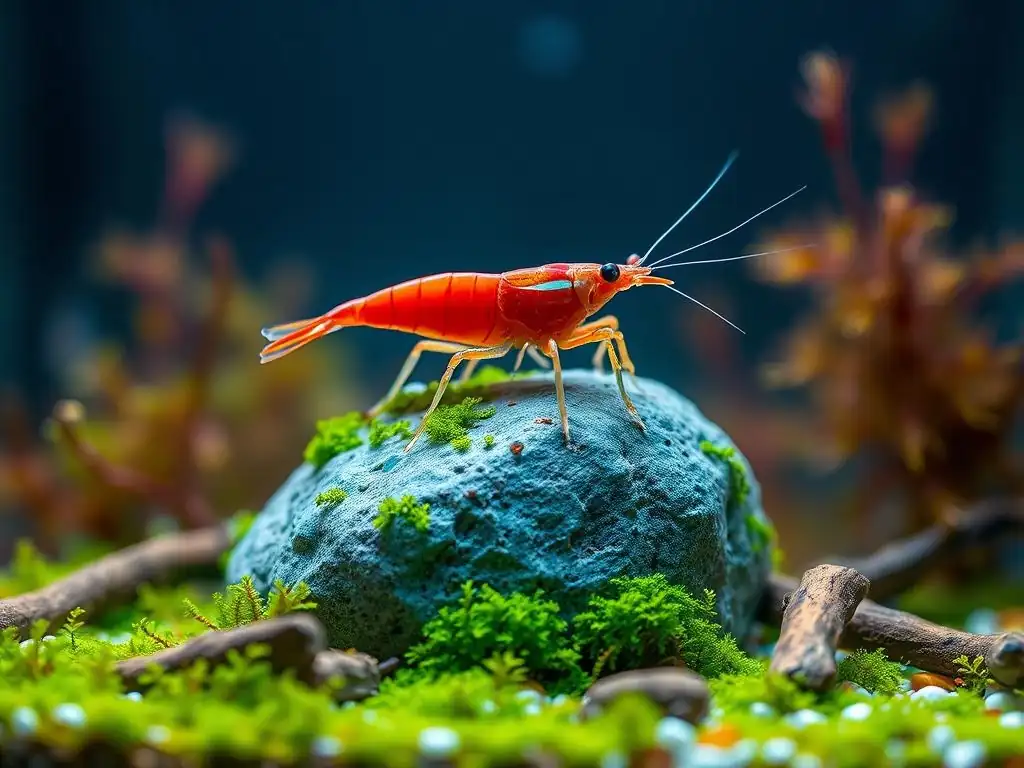
Any signs of illness in your Neocaridina shrimp must be identified and addressed immediately, well before your departure. Common issues include bacterial infections (often indicated by a milky or opaque appearance), fungal infections (cotton-like growths), or parasitic problems like Vorticella (small, fuzzy white spots, usually on the rostrum). Leaving an ailing shrimp unattended for days or weeks can lead to rapid deterioration of its condition and potentially spread disease throughout the colony.
If you observe any symptoms, such as lethargy, erratic swimming, loss of color, or unusual growths, consider postponing your trip if the condition is severe. For mild cases, a targeted water change and close observation might suffice. However, if a shrimp exhibits advanced signs of illness, it may be necessary to quarantine it or, in dire circumstances, humanely euthanize it to prevent the spread of disease. This pre-trip health check is a non-negotiable component of your shrimp tank vacation care.
Setting Up Automated Shrimp Tank Feeding
Choosing the Right Automatic Feeder for Shrimp
An automatic feeder can be a lifesaver for your Neocaridina shrimp while you're on vacation, but selecting the right one is crucial. Shrimp require very small, precise amounts of food, making feeders designed for large flakes or pellets often unsuitable. Look for models with adjustable portion sizes and multiple feeding times per day, ideally those that dispense granular or crushed food. Some feeders use a screw mechanism or a vibrator to ensure very small, consistent portions, which is ideal for tiny shrimp.
Avoid feeders that expose the food to humidity, as this can cause clumping and blockages, leading to inconsistent feeding or no feeding at all. A feeder with a capacity for at least 7-14 days of food is practical for most vacation lengths. For instance, a feeder that can dispense a precise 0.1-gram portion is far more suitable than one designed for larger fish.
Calibrating Your Automatic Feeder for Optimal Shrimp Nutrition
Once you've chosen a feeder, proper calibration is essential. You must test the feeder for several days, ideally 3-5 days, before your departure to ensure it dispenses the correct amount of food. Overfeeding is the most common and dangerous mistake, quickly leading to ammonia spikes, cloudy water, and potentially fatal conditions for your shrimp. Start with the smallest possible portion setting and observe how quickly your shrimp consume it.
The goal is to provide only what the shrimp can consume within 1-2 hours. For a typical colony of 20-30 Neocaridina shrimp in a 10-gallon tank, the amount of food needed daily is surprisingly small—often no more than a few crushed flakes or a tiny pinch of specialized shrimp granules. Adjust the feeder's settings until you achieve this minimal yet sufficient delivery. This careful calibration is a vital part of your freshwater shrimp tank vacation checklist.
Managing Water Quality During Your Absence
Performing a Pre-Vacation Water Change for Shrimp
A significant water change is a cornerstone of your pre-vacation shrimp tank preparation. Performing a 25-30% water change 1-2 days before you leave helps to reduce existing nitrate levels, replenish essential minerals, and provide a fresh, clean environment for your shrimp. This proactive measure minimizes the accumulation of waste products that could otherwise build up during your absence, especially if the automatic feeder accidentally dispenses a little too much food.
Always ensure the new water is dechlorinated and temperature-matched to the tank water to prevent shock to your sensitive Neocaridina shrimp. When adding the new water, do so slowly, perhaps via a drip acclimation method, to minimize stress. This pre-emptive water change sets a clean foundation for your shrimp tank vacation care.
Utilizing Water Conditioners for Shrimp Tank Stability
While a water change is critical, some aquarists opt to bolster water stability by using certain water conditioners. While not a substitute for proper maintenance, a small dose of a high-quality water conditioner that neutralizes chlorine/chloramine and detoxifies heavy metals can provide an extra layer of protection. Some conditioners also contain ingredients that can temporarily bind ammonia or nitrite in emergency situations, though reliance on these for prolonged periods is not recommended.
Additionally, considering a beneficial bacteria supplement a few days before your trip can help strengthen your biological filter. This is particularly useful if your tank is heavily stocked or if you anticipate any potential fluctuations in waste levels. A robust bacterial colony can better handle any slight increases in bioload, contributing significantly to the overall stability of your shrimp tank while you're away.
Controlling Lighting and Temperature in Your Shrimp Tank
Setting a Timer for Consistent Lighting
Consistent lighting is crucial for the well-being of your Neocaridina shrimp and the overall health of your aquarium plants. Erratic light cycles can stress shrimp and contribute to algae growth. Installing a reliable timer for your aquarium light ensures that the light turns on and off at the same time every day, mimicking a natural cycle. For a shrimp-only tank, 6-8 hours of light per day is generally sufficient, especially if algae control is a concern.
Reducing the typical light period by an hour or two (e.g., from 10 hours to 7-8 hours) can also help prevent excessive algae growth during your absence without negatively impacting most aquarium plants or shrimp. This simple adjustment on your freshwater shrimp tank vacation checklist can make a significant difference in maintaining a balanced ecosystem.
Maintaining Optimal Temperature for Shrimp Health
Maintaining a stable temperature is vital for the health and activity of Neocaridina shrimp, which thrive in temperatures between 68-78°F (20-25.5°C). Fluctuations outside this range can severely stress shrimp, weaken their immune systems, and make them susceptible to diseases. Before you leave, verify that your heater is functioning correctly and set to the desired temperature.
If your home experiences significant temperature swings due to external weather or air conditioning, ensure your heater is adequately sized for your tank volume (e.g., a 50-watt heater for a 10-gallon tank). Place a reliable thermometer in the tank to confirm the heater's accuracy. Consistent temperature stability is a key factor in successful shrimp tank vacation care.
Preventing Algae Blooms During Your Vacation
Reducing Light Exposure to Control Algae Growth
Algae blooms are a common nuisance in unattended aquariums, fueled by excess light and nutrients. As part of your freshwater shrimp tank vacation checklist, reducing the light exposure is one of the most effective preventative measures. Shorten your lighting schedule to 6-7 hours per day, or even less if your tank receives significant ambient light from windows. If your tank is near a window, consider closing blinds or curtains to block out natural sunlight, which can be highly conducive to algae growth.
Coupling reduced light with strict control over feeding (as outlined in the automatic feeder section) significantly limits the resources available for algae proliferation. These two strategies combined create a less hospitable environment for algae while you're away.
Adding Algae-Eating Snails as a Prevention Measure
Introducing a few algae-eating snails can provide an extra layer of defense against algae blooms. Species like Nerite snails or Ramshorn snails are excellent scavengers that will graze on algae without overpopulating or competing with your shrimp for food. Add them to your tank a week or two before your trip to allow them to acclimate and begin their work.
For example, 1-2 Nerite snails in a 10-gallon tank can significantly contribute to keeping glass and decor surfaces clean during a 1-2 week vacation. Ensure these snails are healthy and established in your tank before you leave, as they will be your silent partners in maintaining cleanliness.
Secure Your Shrimp Tank Equipment
Inspecting Filters and Heaters for Proper Function
Before you leave, a thorough inspection of all your aquarium equipment is crucial. Ensure your filter is running smoothly, providing adequate water flow, and free from any blockages. A clogged or malfunctioning filter can quickly lead to dangerous ammonia spikes, which are lethal to shrimp. If your filter media is due for a cleaning or replacement, do it a week or two before your trip to allow the beneficial bacteria to re-establish.
Confirm your heater is working correctly by checking its indicator light and verifying the water temperature with a separate thermometer. All electrical cords should be securely plugged in and positioned to avoid any contact with water. This diligent check of your equipment is a fundamental part of your freshwater shrimp tank vacation checklist.
Ensuring Proper Aeration for Shrimp Respiration
Adequate oxygen levels are paramount for the health of your Neocaridina shrimp, especially if the water temperature is on the higher side. Verify that your filter's output is creating sufficient surface agitation to promote gas exchange, or that your air stone and air pump are functioning properly. A lack of oxygen can quickly stress or suffocate shrimp.
If you rely on an air pump, ensure it is robust and functioning without issues. Consider having a backup air pump if you live in an area prone to power outages, or at the very least, ensure your primary one is well-maintained. Proper aeration is a simple yet critical component of ensuring your shrimp's well-being during your absence.
Shrimp-Safe Vacation Feeding Alternatives
Using Shrimp Food Blocks or Vacation Feeders
For trips up to 7-10 days, specialized slow-release shrimp food blocks or vacation feeders can be considered as an alternative or supplement to automatic feeders. These blocks are designed to dissolve slowly, releasing small amounts of food over time. When choosing, select blocks specifically formulated for invertebrates or bottom feeders to ensure they are shrimp-safe and won't rapidly foul the water.
It's advisable to test these blocks for a day or two before your trip to ensure your shrimp readily consume them and that they don't leave excessive residue. While convenient, some aquarists prefer automatic feeders due to the higher risk of water quality issues with vacation blocks if not consumed properly.
Supplementing with Natural Food Sources
For shorter trips, particularly those lasting 3-5 days, an established shrimp tank with ample biofilm and live plants can often sustain your Neocaridina shrimp without any additional feeding. Shrimp are excellent grazers and will forage on the biofilm, algae, and decaying plant matter naturally present in a mature aquarium.
If your tank is heavily planted and has a well-established ecosystem, relying solely on these natural food sources eliminates the risk of overfeeding and subsequent water quality degradation. This hands-off approach is often the safest for brief absences, making it a viable option for your shrimp tank vacation care.
Emergency Contact Information and Instructions
Providing a Checklist for a Shrimp Tank Caretaker
If you enlist a caretaker for your shrimp tank, clarity is key. Provide a simple, concise checklist of essential tasks. This might include: "Check water level daily and top off with dechlorinated water if low," "Confirm automatic feeder is working," "Report any dead shrimp immediately." Avoid overly complex instructions that could lead to mistakes.
Include clear photos of the automatic feeder, showing the correct food amount, and point out essential equipment. Ensure they know where the dechlorinator is located and how to use it for topping off. A well-structured checklist is an indispensable part of your freshwater shrimp tank vacation checklist.
Detailing Emergency Procedures for Common Issues
Prepare specific instructions for common emergencies. For instance, "If the power goes out, check if the filter restarts when power returns. If not, call [trusted friend/aquarist]." Provide contact numbers for yourself, a local fish store that offers advice, and an emergency contact who understands basic aquarium care.
Assemble a small emergency kit with essential items like a net, a small amount of dechlorinator, and basic instructions for adding water or performing a small water change. Equipping your caretaker with clear steps for common issues can prevent minor problems from escalating into major crises.
Post-Vacation Shrimp Tank Inspection and Maintenance
Monitoring Shrimp Behavior and Health Upon Return
Immediately upon your return, take time to observe your Neocaridina shrimp carefully. Look for any signs of stress, such as lethargy, unusual swimming patterns, faded coloration, or failed molts. Count your shrimp to assess if there have been any losses during your absence.
Check for any visible signs of illness, parasites, or unusual growths. Healthy shrimp will be active, grazing on surfaces, and exhibiting their vibrant coloration. Any deviation from normal behavior warrants closer inspection.
Testing Water Parameters After Your Trip
As soon as you've observed your shrimp, perform a full suite of water tests: ammonia, nitrite, nitrate, pH, GH, KH, and TDS. This will provide a clear picture of your tank's stability during your vacation. Elevated ammonia or nitrite indicates a problem with the biological filter, while high nitrates suggest an accumulation of waste.
Address any elevated parameters promptly with small, targeted water changes. For example, if nitrates are significantly higher than usual (e.g., above 40 ppm), perform a 10-15% water change and retest in 24 hours. Gradual correction is always best to avoid stressing your shrimp further.
Gradually Reintroducing Regular Feeding Schedules
Do not immediately resume your full, regular feeding schedule upon your return. Your shrimp may have been on a reduced diet or relied on natural biofilm. Immediately overfeeding can shock their digestive systems and, more importantly, overload your biological filter, leading to ammonia spikes.
Start with very small portions for the first 1-2 days, perhaps half of your usual amount. Gradually increase the feeding amount back to your normal routine over the next 3-5 days. This allows the biological filter to readjust to the increased bioload and prevents water quality issues, ensuring a smooth transition back to regular shrimp tank care. This careful reintroduction completes your comprehensive freshwater shrimp tank vacation checklist.
Frequently Asked Questions
How long can my freshwater shrimp survive without me feeding them while I'm on vacation?
Shrimp can generally survive for up to a week without supplemental feeding, as they will graze on algae and biofilm in the tank. Longer absences require a feeding plan.
What are the most important aspects of preparing my freshwater shrimp tank for a vacation?
The most crucial aspects are ensuring stable water parameters before you leave, performing a thorough water change, and considering an automatic feeder for longer trips.
Should I be concerned about the water temperature in my shrimp tank while I'm away?
Yes, temperature fluctuations can be harmful. Consider a reliable heater (for cooler climates) or cooling fan (for warmer climates) to maintain a stable temperature.
What should I do about lighting while I'm on vacation?
A timer for your lights is essential. Maintain a regular light cycle to prevent algae blooms and stress on your shrimp.
How can I prevent algae blooms while I'm away on vacation?
Avoid overfeeding before you leave, ensure proper water circulation, and consider reducing the light duration using your timer.
Final Reflection: Ensuring Aquatic Harmony
The meticulous planning outlined in this article underscores the crucial responsibility we undertake when caring for living creatures, even those as seemingly self-sufficient as freshwater shrimp. The well-being of our aquatic companions hinges on our foresight and preparation, especially when we are absent. This checklist isn't just about ticking boxes; it's about ensuring a stable and thriving ecosystem in our absence, a testament to our commitment as responsible aquarists.
This journey into vacation care for freshwater shrimp tanks has highlighted the delicate balance within these miniature worlds. It reminds us that even small actions, or inactions, can have profound consequences for the life within. The dedication required to maintain a healthy shrimp tank mirrors the broader commitment we should have to all living things. The greatness of a nation and its moral progress can be judged by the way its animals are treated.
- Mahatma Gandhi. This quote, while often applied to larger animals, resonates deeply with the care we extend to even the smallest inhabitants of our aquariums.
Now, as you prepare for your next adventure, take a moment to reflect on the lessons learned here. Consider how you can apply this same level of thoughtful planning and proactive care to other aspects of your life, ensuring the well-being of those around you, both seen and unseen. Your dedication to creating a thriving environment for your shrimp is a reflection of your capacity for empathy and responsibility. Embrace that capacity, and let it guide you in creating a more harmonious world, one thoughtful action at a time.
Embark on Your Worry-Free Getaway!
Thanks for diving into the world of freshwater shrimp care! We hope this checklist has empowered you to confidently prepare your shrimp tank for your vacation. Now, let’s ensure a smooth journey for both you and your aquatic friends.
Here are a few things you can do now:
- Book a reliable aquarium sitter: Confirm that someone you trust is ready to follow your pre-trip checklist diligently.
- Share this checklist with fellow shrimp enthusiasts so that they, too, can travel worry-free.
- Consider joining our forum on AquariumMastery.com to share your vacation care experiences and ask any remaining questions!
What innovative gadget or DIY solution do you use to automate or simplify tank care while you’re away?