
Black Rose & Chocolate Neocaridina: Dark Elegance for Your Shrimp Tank

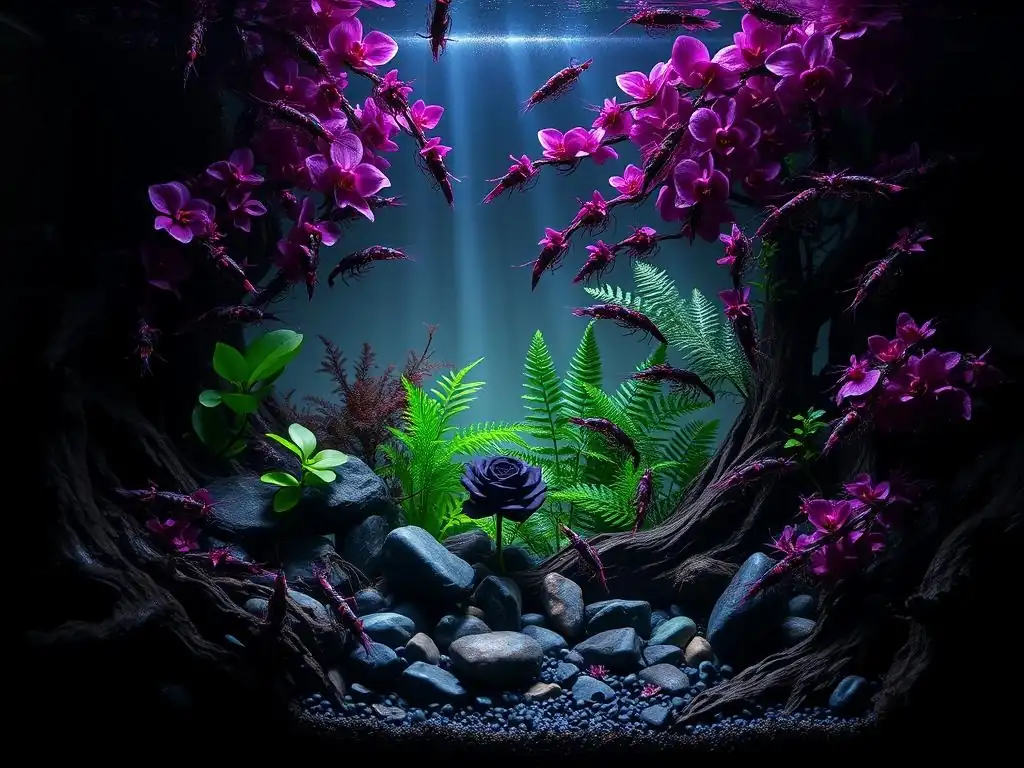
Welcome to Aquarium Mastery!
Intrigued by the allure of a darkly elegant shrimp tank? You've come to the right place! Dive in to uncover the secrets of successful Black shrimp tank care, and discover how to create a thriving environment for these captivating Neocaridina. Read on to unlock the keys to their vibrant health and stunning coloration... are you ready to transform your aquarium?
- Understanding Black Shrimp Varieties: Black Rose vs. Chocolate Neocaridina
- Setting Up the Ideal Black Shrimp Tank Environment
- Black Shrimp Tank Care: Maintenance and Water Quality
- Feeding Black Rose and Chocolate Neocaridina Shrimp
- Breeding Black Neocaridina: Maximizing Dark Coloration
- Common Issues and Troubleshooting for Black Shrimp Keepers
- Choosing Tank Mates for Black Rose and Chocolate Shrimp
- Enhancing the Color of Your Black Shrimp
-
Frequently Asked Questions
- How difficult is it to care for Black Rose or Chocolate Neocaridina shrimp compared to other shrimp species?
- What are the ideal water parameters for a Black Rose or Chocolate Neocaridina shrimp tank?
- What type of substrate and plants are best suited for a Black Rose or Chocolate Neocaridina shrimp tank?
- How often should I perform water changes in a Black Rose or Chocolate Neocaridina shrimp tank?
- What should I feed my Black Rose or Chocolate Neocaridina shrimp, and how often?
- Final Reflection: Embracing the Dark Side of Aquascaping
- Embrace the Mystery: Start Your Black Rose Shrimp Colony!
Understanding Black Shrimp Varieties: Black Rose vs. Chocolate Neocaridina
Distinguishing Black Rose Shrimp from Chocolate Shrimp
Black Rose Neocaridina shrimp are selectively bred to achieve a deep, opaque, and uniform black coloration, often appearing velvety or matte. Their lineage typically stems from high-grade red or brown shrimp that have been intensely line-bred over many generations to eliminate any translucency or lighter patches. The goal for Black Rose is a near-absolute absence of any other hue, making them a striking contrast against lighter tank elements.
In contrast, Chocolate Neocaridina shrimp exhibit a rich, dark brown hue that can range from a deep cocoa to an almost blackish-brown. While some darker Chocolate shrimp might be mistaken for Black Rose, a closer inspection often reveals the underlying brown pigment, especially under specific lighting conditions. They typically lack the intense, light-absorbing opacity sought in the highest grades of Black Rose shrimp, offering a distinct, earthy elegance rather than pure midnight black.
Genetic Origins and Color Variations in Black Neocaridina Shrimp
The genetic origins of both Black Rose and Chocolate Neocaridina shrimp lie in the careful, selective breeding of Neocaridina davidi species. Breeders often start with brown or even dark red cherry shrimp, consistently selecting the darkest individuals over multiple generations to intensify the black or brown pigmentation. This process of culling lighter or less desirable phenotypes ensures that only the darkest genes are passed on, gradually refining the color expression.
Within the "black" spectrum, variations are common. A Black Rose colony might still produce individuals with slight brown undertones, or lighter "chocolate" shrimp, particularly if the line is not perfectly stable or if environmental factors diminish color expression. Similarly, Chocolate shrimp can range from a medium brown to a very dark chocolate, sometimes appearing nearly black in dim lighting. These variations highlight the ongoing effort in selective breeding to achieve consistent, high-quality dark Neocaridina shrimp.
Setting Up the Ideal Black Shrimp Tank Environment
Essential Water Parameters for Black Shrimp Tank Success
Maintaining precise and stable water parameters is paramount for successful black shrimp tank care. Neocaridina shrimp, including Black Rose and Chocolate varieties, thrive in temperatures between 68-78°F (20-25.5°C). The pH should ideally be kept between 6.5 and 7.8, with a general hardness (GH) of 6-10 dGH and carbonate hardness (KH) of 2-8 dKH. Total Dissolved Solids (TDS) typically range from 150-300 ppm. Consistent parameters prevent stress and molting issues, which are common causes of shrimp mortality.
Crucially, ammonia and nitrite levels must always be zero, and nitrates should be kept below 20 ppm. Regular testing with a reliable liquid test kit is non-negotiable for effective black shrimp tank care. Sudden fluctuations in any of these parameters can be detrimental, leading to health problems, faded coloration, or even death. For example, a sudden drop in GH can cause molting difficulties, while high nitrates can lead to lethargy and reduced breeding.
Substrate and Decoration Choices for Dark Shrimp Color Enhancement
The choice of substrate plays a significant role in enhancing the dark coloration of Black Rose and Chocolate Neocaridina shrimp. A dark substrate, such as black inert sand, fine black gravel, or specialized active shrimp soils (e.g., ADA Aqua Soil Amazonia, Fluval Stratum) designed for buffering pH, encourages the shrimp to display their deepest colors as a form of camouflage. When placed on a light-colored substrate, black shrimp tend to lighten their coloration, sometimes appearing more translucent or faded to blend in with their surroundings.
Complementing the dark substrate with appropriate decorations further enhances the aesthetic and provides essential hiding spots. Dark driftwood, such as Mopani or Manzanita, and dark rocks like lava rock or Seiryu stone, create a visually appealing contrast that makes the black shrimp stand out. These decorations also offer ample surface area for biofilm growth, a crucial food source for shrimp, and provide security during molting periods or for newly hatched fry.
Plant Selection for a Black Shrimp Friendly Ecosystem
Choosing the right plants is integral to creating a thriving black shrimp friendly ecosystem. Low-light, easy-care plants are ideal as they don't require intense lighting that might stress the shrimp or encourage excessive algae growth. Excellent choices include various mosses (Java Moss, Christmas Moss, Fissidens Fontanus), Anubias species (e.g., Anubias Nana Petite), Bucephalandra, and Java Fern. These plants provide extensive surface area for beneficial bacteria and biofilm, which shrimp constantly graze upon.
Beyond providing food and shelter, plants contribute significantly to water quality, which is essential for black shrimp tank care. They absorb nitrates, produce oxygen, and help stabilize the aquarium environment. Densely planted tanks, especially with mosses, offer excellent hiding spots for shrimp fry, increasing their survival rate. The lush green foliage also provides a beautiful, natural backdrop that makes the dark elegance of Black Rose and Chocolate Neocaridina shrimp truly pop.
Black Shrimp Tank Care: Maintenance and Water Quality
Regular Water Changes for Optimal Black Shrimp Health
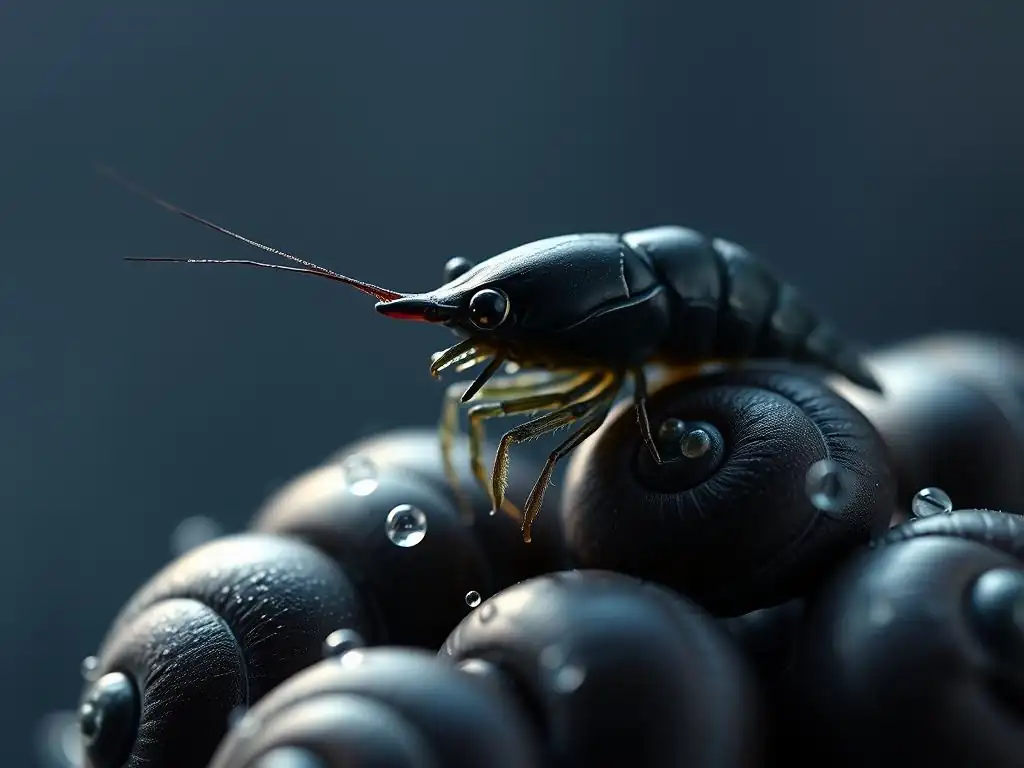
Regular water changes are a cornerstone of optimal black shrimp tank care and overall health. For Neocaridina shrimp, small, consistent water changes are preferable to large, infrequent ones, as they minimize drastic parameter shifts that can stress the shrimp. A recommended routine is to perform a 10-20% water change weekly or bi-weekly, depending on the tank's stocking density and the efficiency of its filtration. Always use dechlorinated water that has been matched as closely as possible to the tank's existing temperature and parameters (pH, GH, KH) to prevent shock.
When conducting water changes, it's crucial to siphon slowly and carefully, avoiding disturbance to the substrate or any shrimp. This gentle approach helps prevent accidental harm to the delicate shrimp and preserves the beneficial bacterial colonies within the substrate. Consistent water changes prevent the buildup of harmful nitrates and replenish essential minerals that shrimp utilize for molting and overall vitality, contributing directly to the longevity and vibrancy of your black Neocaridina shrimp.
Monitoring and Adjusting Water Chemistry for Black Shrimp
Diligent monitoring of water chemistry is vital for maintaining a healthy environment for your Black Rose and Chocolate Neocaridina shrimp. Regular testing, ideally once or twice a week, for ammonia, nitrite, nitrate, pH, GH, and KH, allows you to track trends and detect issues before they become critical. Fluctuations in parameters are often more detrimental than stable, slightly off parameters, as shrimp are highly sensitive to sudden environmental shifts. Keeping a detailed log of your readings can help identify patterns and inform necessary adjustments.
Should adjustments be needed, approach them gradually and carefully. For instance, if your general hardness (GH) is consistently low, a high-quality mineral supplement specifically designed for Neocaridina shrimp (e.g., SaltyShrimp GH/KH+) can be added during water changes. If pH is too high, the introduction of driftwood or specialized buffering substrates can help lower it naturally over time. Avoid using harsh chemicals or making large, sudden adjustments, as these can induce stress, leading to molting issues or even fatalities in your black shrimp.
Preventing Common Diseases in Black Shrimp Tanks
Preventing common diseases is a key aspect of proactive black shrimp tank care. The most effective strategy is to maintain stable, optimal water parameters, as stress from poor water quality is a primary trigger for illness. Providing a balanced, high-quality diet and avoiding overstocking your aquarium also significantly reduce the likelihood of disease outbreaks. When introducing new shrimp or other aquatic life, always quarantine them in a separate tank for at least 2-4 weeks to prevent the introduction of pathogens into your main black shrimp tank.
Despite best efforts, some common issues can arise. Bacterial infections might manifest as cloudy bodies, lethargy, or loss of appetite, while fungal infections can appear as cotton-like growths. Parasitic worms, though less common, can also afflict shrimp. Early detection through daily observation is crucial. While treating shrimp with medications can be challenging due to their sensitivity, focusing on improving water quality and stability is often the first and most effective line of defense against most ailments in black Neocaridina shrimp.
Feeding Black Rose and Chocolate Neocaridina Shrimp
Best Food Options for Black Shrimp Color Development
A diverse and high-quality diet is paramount for enhancing the color development of Black Rose and Chocolate Neocaridina shrimp. High-quality shrimp-specific pellets, such as those from reputable brands like GlasGarten Shrimp Dinner or Shrimp King Complete, should form the staple of their diet. Look for foods that incorporate natural color enhancers like spirulina, chlorella, and astaxanthin, which are carotenoids known to deepen pigmentation in shrimp. These ingredients are crucial for promoting the vibrant, opaque black coloration desired in high-grade shrimp.
Supplementing their diet with natural foods further promotes robust health and color. Blanched vegetables like zucchini, spinach, or kale provide essential vitamins and minerals. Algae wafers, rich in plant-based nutrients, are also excellent. Occasional protein sources, such as a tiny amount of bee pollen or specialized protein-rich shrimp foods, can support growth and breeding without overfeeding. This varied approach ensures your black shrimp receive all necessary nutrients to express their full genetic potential for intense black coloration.
Supplementing Diet for Breeding and Growth
To support successful breeding and robust growth in your Black Rose and Chocolate Neocaridina shrimp, their diet needs to be adequately supplemented, particularly with protein and calcium. Protein is vital for tissue development and overall growth, especially for young shrimp and breeding females. Specialized breeding foods are often formulated with higher protein content to meet these increased demands, encouraging healthy egg production and development.
Calcium is another critical nutrient, absolutely essential for molting and the formation of a strong, healthy exoskeleton. While proper GH levels in the water provide a baseline, supplementary calcium can be beneficial. Some high-quality shrimp foods are fortified with calcium. Additionally, some aquarists opt to add a small piece of cuttlebone or calcium carbonate to the filter or tank, though careful monitoring of water parameters is necessary to prevent unwanted spikes. Ensuring sufficient calcium helps prevent common molting issues, which are a frequent cause of mortality in growing and breeding black shrimp.
Avoiding Overfeeding in Your Black Shrimp Tank
Overfeeding is one of the most common and detrimental mistakes in black shrimp tank care. Excess food quickly decomposes, leading to a rapid decline in water quality, characterized by spikes in ammonia and nitrite, and an accumulation of nitrates. This poor water quality directly contributes to algae blooms, bacterial infections, and overall stress on the shrimp, potentially leading to illness or death. It also encourages the proliferation of undesirable pests like planaria.
To prevent overfeeding, offer only what your black shrimp can consume within 2-3 hours. Any uneaten food should be promptly removed from the tank to maintain pristine water conditions. The feeding frequency can vary; for a mature tank with an established biofilm layer, feeding 2-3 times a week might be sufficient. In contrast, newly set up tanks or those with a very high stocking density might require daily, albeit very small, feedings. Observing your shrimp's consumption habits is the best guide to establishing an appropriate feeding schedule.
Breeding Black Neocaridina: Maximizing Dark Coloration
Encouraging Breeding in Your Black Shrimp Tank
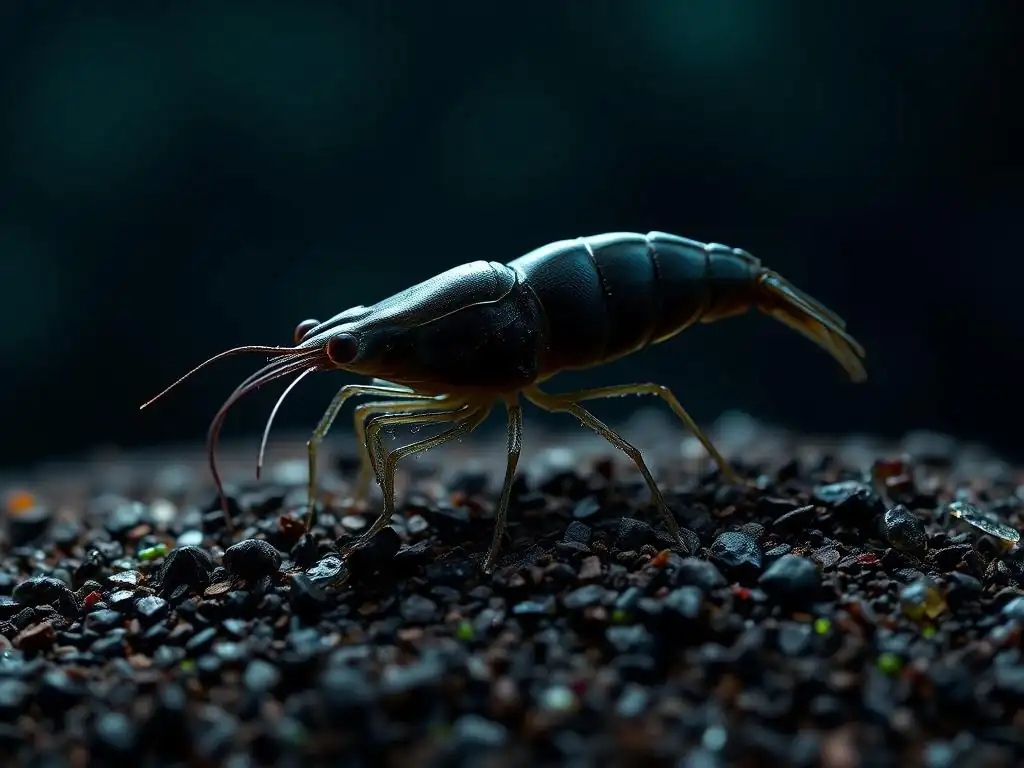
Encouraging breeding in your Black Rose and Chocolate Neocaridina shrimp tank primarily hinges on providing a stable, optimal environment. Consistent water parameters within their preferred ranges (e.g., pH 6.5-7.8, GH 6-10 dGH, KH 2-8 dKH, temperature 68-78°F) are the most significant triggers. A mature tank with abundant biofilm and numerous hiding spots, particularly dense mosses like Java Moss or Christmas Moss, provides the security and food sources necessary for successful reproduction. Some aquarists find that a slight, consistent drop in temperature (e.g., to 70-72°F or 21-22°C) can occasionally stimulate breeding activity.
Once conditions are stable, you'll observe signs of breeding. Females will develop a visible "saddle" behind their head, indicating the presence of unfertilized eggs. After a successful molt, the female releases pheromones into the water, attracting males for mating. Following fertilization, the female carries the eggs under her tail, becoming "berried." These eggs typically hatch after approximately 3-4 weeks, depending on the water temperature, marking the arrival of tiny black shrimp fry.
Identifying and Caring for Black Shrimp Fry
Black shrimp fry are miniature versions of their adult counterparts, although they are often translucent or very light in color upon hatching, gradually darkening over their first few weeks. They are incredibly small, often just a millimeter or two in length, and can be easily overlooked in a well-planted tank. Unlike some other aquatic species, Neocaridina fry do not go through a larval stage; they hatch as fully formed, albeit tiny, shrimp.
Caring for black shrimp fry largely involves maintaining the same pristine water parameters as for the adults. No special food is typically required if the tank is mature and has a healthy amount of biofilm, which the fry will graze on constantly. However, in newer tanks or to boost fry survival rates, specialized powdered fry foods (e.g., Shirakura Chi Ebi, GlasGarten Bacter AE) can be added. These fine powders provide a readily available food source for the tiny shrimp, ensuring they have sufficient nutrients for rapid growth and healthy development.
Selective Breeding for Deeper Black Pigmentation
To maximize and maintain the deep black pigmentation in your Black Rose and Chocolate Neocaridina shrimp, selective breeding is essential. This process involves consistently identifying and selecting the darkest, most opaque individuals from each generation to be the parents for the next. Any offspring that exhibit lighter colors, undesirable patterns, or translucency should be separated or "culled" from the breeding pool to prevent those traits from being passed on.
Line breeding, where specific dark males and females are paired, is often employed for this purpose. It requires patience and meticulous observation, as it can take several generations—sometimes 6 to 10 or even more—to achieve a truly stable line with consistently deep black, opaque shrimp. By continually refining your breeding stock based on color intensity, you can progressively enhance the genetic predisposition for darker pigmentation, ensuring the elegance of your black Neocaridina shrimp.
Common Issues and Troubleshooting for Black Shrimp Keepers
Addressing Algae Blooms in Black Shrimp Tanks
Algae blooms are a common issue in any aquarium, including black shrimp tanks, and usually indicate an imbalance in the tank's ecosystem. The primary causes are typically excess nutrients (such as nitrates and phosphates) and/or too much light. To address an algae bloom, first reduce the amount of food fed to your shrimp, as uneaten food contributes to nutrient buildup. Increase the frequency of small water changes to export excess nutrients, and consider reducing your aquarium's lighting duration to 6-8 hours per day.
For persistent algae, introducing compatible algae-eating invertebrates can be highly effective. Nerite snails are excellent, voracious algae eaters that will not harm your black shrimp or their fry. Ramshorn snails are also good contributors. Manual removal of visible algae, such as scraping it off glass or decor, provides immediate relief. Addressing the root cause—nutrient control and light management—is crucial for long-term prevention and maintaining optimal black shrimp tank care.
Dealing with Molting Problems in Neocaridina Shrimp
Molting problems are a frequent cause of mortality in Neocaridina shrimp, often indicated by shrimp dying during or immediately after molting, or displaying a visible "ring of death" (a white ring around the body where the old shell fails to separate). The primary culprits are typically unstable water parameters, especially insufficient or fluctuating General Hardness (GH), or a lack of adequate calcium for shell formation. Stress from poor water quality or aggressive tank mates can also contribute.
To mitigate molting issues, ensure your GH levels are consistently within the optimal range of 6-10 dGH. If your tap water is too soft, use a GH/KH remineralizer specifically designed for Neocaridina shrimp during water changes. Avoid rapid changes in water parameters, which can shock the shrimp and interfere with the molting process. A stable environment, proper nutrition (including calcium), and minimal stress are key to successful molts and healthy black shrimp.
Identifying and Treating Diseases in Black Shrimp
Identifying diseases in black shrimp requires careful observation, as their small size and dark coloration can make symptoms subtle. Look for signs such as lethargy, unusual spots or discoloration on the body, fuzzy or cotton-like growths, erratic swimming, or a general lack of activity. Early detection is vital for any chance of successful intervention and maintaining effective black shrimp tank care.
Treating diseases in shrimp can be challenging due to their sensitivity to many medications. If a sick shrimp is identified, it's often best to isolate it in a separate quarantine tank to prevent the spread of disease.
For bacterial or fungal infections, focus on improving water quality and stability, as a healthy environment often allows shrimp to recover naturally. Some common external issues like Vorticella (a protozoan that looks like white fuzzy growths) might be treatable with very dilute salt dips, but extreme caution and thorough research are advised before using any chemical treatments, as they can be fatal to shrimp.
Choosing Tank Mates for Black Rose and Chocolate Shrimp
Compatible Fish Species for a Black Shrimp Community Tank
When selecting fish tank mates for your Black Rose and Chocolate Neocaridina shrimp, the primary consideration must be their peaceful nature and small size to prevent predation. Ideal choices include very small, non-aggressive species with mouths too tiny to consume even the smallest shrimplets. Excellent examples are Otocinclus catfish, Dwarf Rasboras (such as Chili Rasboras, Phoenix Rasboras), Ember Tetras, and male Endler's Livebearers (avoid females to prevent overpopulation). These fish generally coexist peacefully with shrimp, especially in a heavily planted tank that provides ample hiding spots.
However, it's important to acknowledge that even the most "peaceful" fish might occasionally snack on a newly hatched shrimplet if given the opportunity. Therefore, for maximum breeding success and fry survival, a shrimp-only tank is always the most secure option. If you opt for a community tank, ensure dense planting and plenty of crevices for the black shrimp to retreat into, minimizing stress and potential predation.
Invertebrate Tank Mates for Black Neocaridina Shrimp
Other peaceful invertebrate species generally make excellent tank mates for Black Neocaridina shrimp, as they share similar environmental requirements and do not typically pose a threat. Nerite snails are highly recommended as they are superb algae eaters, come in various attractive patterns, and will not reproduce excessively in freshwater. Ramshorn snails and Mystery snails are also suitable choices, contributing to tank cleanliness without harming the shrimp.
When considering other shrimp species, be mindful of cross-breeding. Different color varieties of Neocaridina davidi (like Black Rose and Chocolate) will readily interbreed, potentially resulting in wild-type (brown/clear) offspring and a loss of the desired dark coloration over generations. Caridina species (e.g., Crystal Red Shrimp, Bee Shrimp) generally will not crossbreed with Neocaridina shrimp, making them compatible in terms of genetics, though their water parameter requirements can sometimes differ significantly from Neocaridina.
Avoiding Aggressive Tank Mates That Stress Black Shrimp
To ensure the well-being and thriving of your Black Rose and Chocolate Neocaridina shrimp, it is absolutely crucial to avoid any fish species known to be aggressive, territorial, or predatory. This includes most cichlids, larger tetras (such as Serpae Tetras or Black Skirt Tetras), Gouramis, Bettas (even if sometimes claimed to be compatible, they are opportunistic predators), most barbs, and any fish with a mouth large enough to swallow an adult shrimp.
Constant stress from the presence of aggressive tank mates can have severe negative impacts on your black shrimp. This stress can lead to a range of problems including molting difficulties, reduced breeding activity, faded coloration, and a weakened immune system, making them more susceptible to diseases. Prioritizing the peaceful coexistence within the aquarium is a fundamental aspect of successful black shrimp tank care, ensuring your shrimp are healthy, vibrant, and actively breeding.
Enhancing the Color of Your Black Shrimp
The Role of Diet in Black Shrimp Color Intensity
Diet plays a pivotal role in maximizing the color intensity of your Black Rose and Chocolate Neocaridina shrimp. Foods rich in natural color enhancers, particularly carotenoids like astaxanthin, can significantly deepen their black pigmentation. Ingredients such as spirulina, chlorella, krill, and other algae-based components found in high-quality shrimp-specific foods are excellent sources of these pigments. A consistent intake of these nutrients allows the shrimp to deposit more dark pigment into their shells.
Providing a varied diet that includes specialized shrimp pellets, blanched vegetables (like spinach or zucchini), and natural biofilm ensures that your black shrimp receive a full spectrum of nutrients. Avoid relying solely on generic fish flakes, which often lack the specific nutritional profile required for optimal shrimp health and coloration. Regular and balanced feeding directly translates to more vibrant, opaque black shrimp, making diet a primary tool in black shrimp tank care for color enhancement.
Impact of Substrate and Lighting on Black Shrimp Coloration
As previously highlighted, the choice of substrate has a direct and significant impact on the perceived coloration of your black shrimp. Black Rose and Chocolate Neocaridina shrimp instinctively try to camouflage themselves with their surroundings. When housed on a dark substrate, such as black inert sand or specialized black shrimp soil, they will express their deepest, most intense black coloration. Conversely, a light-colored substrate will cause them to lighten their pigmentation, often appearing more translucent or faded as they attempt to blend in.
While less direct than substrate, lighting also plays a role. Very bright, intense lighting can sometimes make shrimp appear washed out or encourage them to hide more, reducing their visibility and overall vibrancy. Moderate lighting that supports healthy plant growth without promoting excessive algae is generally ideal. The right lighting can highlight the rich black hues without overwhelming the shrimp, contributing to the overall aesthetic appeal of your black shrimp tank.
The Influence of Humic Substances on Shrimp Coloration
Humic substances, derived from natural botanicals like Indian Almond Leaves, Alder Cones, or specialized liquid additives, are increasingly recognized for their beneficial effects on shrimp, including their potential influence on coloration. When these botanicals are added to the aquarium, they slowly release tannins, humins, and fulvic acids into the water, creating "blackwater" conditions that mimic many natural aquatic habitats.
Beyond providing a slightly acidic, stable environment and possessing antibacterial/antifungal properties, many aquarists anecdotally report that humic substances enhance the vibrancy and depth of shrimp colors, including black. The tannins can create a subtle amber tint in the water, which may make the black shrimp appear even more striking by contrast, while also reducing stress. Incorporating these natural elements can be a valuable addition to a comprehensive black shrimp tank care regimen aimed at maximizing their dark elegance.
Frequently Asked Questions
How difficult is it to care for Black Rose or Chocolate Neocaridina shrimp compared to other shrimp species?
Black Rose and Chocolate Neocaridina are generally considered beginner-friendly shrimp. They share similar care requirements to other Neocaridina varieties like Red Cherry Shrimp, making them relatively easy to keep.
What are the ideal water parameters for a Black Rose or Chocolate Neocaridina shrimp tank?
The ideal water parameters include a temperature of 68-78°F, a pH of 6.5-8.0, and a GH (General Hardness) of 4-8 dGH. Maintaining stable water chemistry is crucial for their health.
What type of substrate and plants are best suited for a Black Rose or Chocolate Neocaridina shrimp tank?
A nutrient-rich substrate designed for aquatic plants is recommended. Java moss, Anubias, and other low-maintenance plants provide shelter and grazing areas for the shrimp.
How often should I perform water changes in a Black Rose or Chocolate Neocaridina shrimp tank?
Regular water changes are important, typically 10-20% weekly or bi-weekly. Be sure to use dechlorinated water to avoid harming the shrimp.
What should I feed my Black Rose or Chocolate Neocaridina shrimp, and how often?
They are omnivores and will eat algae, biofilm, and detritus. Supplement their diet with high-quality shrimp pellets or flakes a few times a week. Avoid overfeeding to prevent water quality issues.
Okay, here's a final reflection designed to close your article, "Black Rose & Chocolate Neocaridina: Dark Elegance for Your Shrimp Tank," while also subtly reinforcing the keyword "Black shrimp tank care":
Final Reflection: Embracing the Dark Side of Aquascaping
The allure of the dark, as we've explored in the context of Black Rose and Chocolate Neocaridina shrimp, isn't just about aesthetics; it's about creating a thriving ecosystem within the confines of a black shrimp tank. The unique challenges and rewards of maintaining such an environment highlight the dedication and artistry involved in responsible aquarium keeping, proving that even the most seemingly simple setups require careful consideration and informed practices.
This journey into the world of dark-hued shrimp has, hopefully, illuminated the path to successful Black shrimp tank care. It's more than just adding dark substrate and plants; it's about understanding the specific needs of these captivating creatures and creating a balanced environment where they can flourish. The best aquarium is not just a display case for beautiful fish, but a miniature ecosystem that reflects the natural world.
This quote perfectly encapsulates the essence of responsible aquascaping, reminding us that our role is to nurture life, not just showcase it.
Now, as you embark on your own adventure in Black shrimp tank care, remember the lessons we've discussed. Let the elegance of the Black Rose and Chocolate Neocaridina inspire you to create a thriving and beautiful underwater world. Don't be afraid to experiment, to learn from your mistakes, and to share your experiences with the community. The beauty of aquascaping lies not just in the final product, but in the journey of creation and the joy of witnessing life thrive under your care.
Embrace the Mystery: Start Your Black Rose Shrimp Colony!
Thanks for diving into the captivating world of Black Rose and Chocolate Neocaridina! We hope you've found inspiration to bring these dark gems into your aquarium. Now, let's turn that inspiration into action!
Here are some ways to continue your journey:
- Boldly take the plunge and purchase your first group of Black Rose shrimp! Visit your local fish store or a reputable online breeder.
- Share your newfound knowledge! Create a stunning photo or video of your own aquarium plans and tag #AquariumMastery to inspire others.
- Challenge yourself! Research rare and unusual shrimp varieties to add even more intrigue to your tank.
What unique aquascaping idea will you use to highlight the beauty of your dark shrimp?