
Beyond the Rectangle: Exploring Unique Aquarium Shapes & Their Practical Impact

Welcome to Aquarium Mastery!
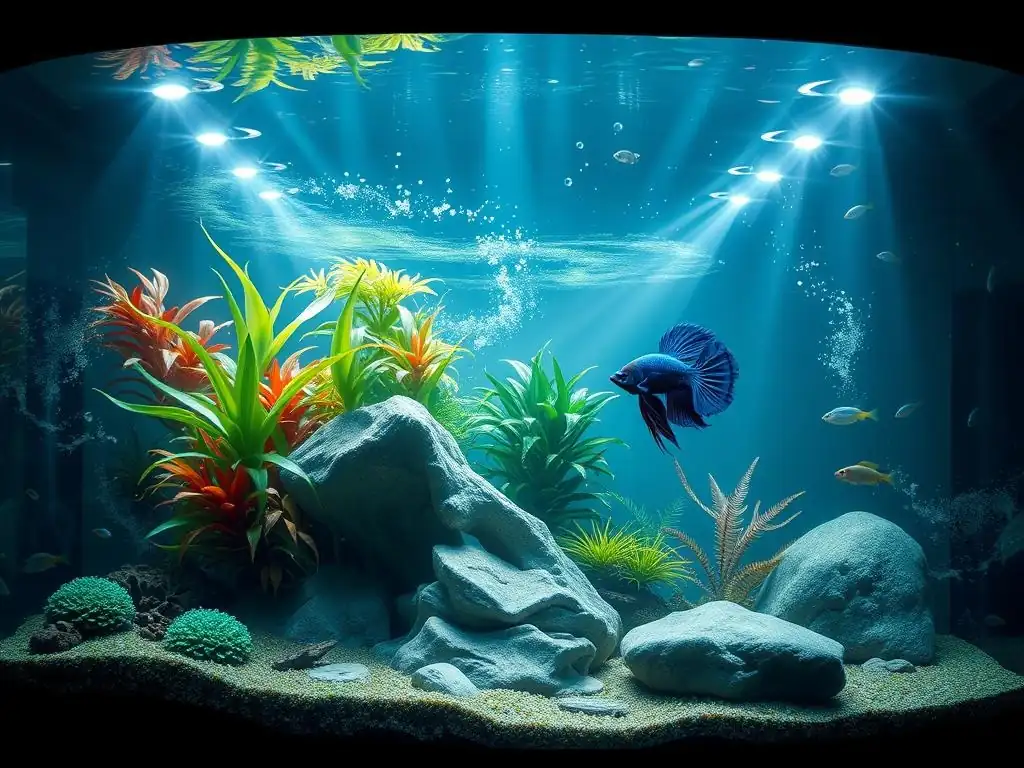
Ever dreamt of an aquarium that's more than just a box of water? Dive into the captivating world of nonrectangular aquarium design and discover how to break free from traditional shapes! Thinking outside the rectangular tank? We'll guide you through the practical considerations and stunning possibilities, turning your aquatic vision into a breathtaking reality. Curious how a curved front or a cylindrical masterpiece impacts your fish and plants? Let's explore!
-
Nonrectangular Aquarium Design Tips: A Comprehensive Guide
- Planning Your Layout: Visualizing the Final Result
- Choosing the Right Fish and Plants: Considering Space Requirements
- Maintaining Water Parameters: Monitoring and Adjusting for Stability
- Selecting Equipment: Ensuring Compatibility with Your Chosen Shape
- Considerations for Bowfront Aquariums: Depth Perception and Plant Placement
- Considerations for Corner Aquariums: Utilizing the Apex and Angled Views
- Considerations for Cylindrical Aquariums: Central Aquascaping and Current Management
- Considerations for Hexagonal Aquariums: Utilizing Vertical Space
-
Frequently Asked Questions
- What are some advantages of using a nonrectangular aquarium design?
- What are some key considerations when choosing a nonrectangular aquarium shape?
- How does a nonrectangular shape impact the lighting requirements of an aquarium?
- Are there specific fish species that thrive better in nonrectangular aquariums?
- What are some common challenges associated with maintaining a nonrectangular aquarium?
- Final Reflection: Embracing Aquatic Innovation
- Dive Deeper: Shape Your Aquarium Adventure!
Nonrectangular Aquarium Design Tips: A Comprehensive Guide
Planning Your Layout: Visualizing the Final Result
Embarking on a nonrectangular aquarium project demands meticulous pre-planning. Unlike standard rectangular tanks, the unique contours of bow fronts, cylinders, or custom shapes significantly impact viewing angles, light distribution, and water flow dynamics. It's crucial to consider how the tank will integrate into your existing space, not just as a standalone feature but as a living piece of art.
For instance, a 60-gallon bow front tank, with its curved glass, can create fascinating distortions, making fish appear larger or smaller depending on the viewing angle. This optical effect necessitates careful placement of hardscape and plants to ensure they contribute positively to the visual experience from all intended vantage points.
To avoid costly revisions, visualize the final result before committing. Simple techniques like using cardboard cutouts or newspaper to represent the tank's footprint can help assess its fit within a room and identify potential obstructions. For custom-built L-shaped tanks designed to wrap around a corner, ensuring a consistent minimum depth—perhaps 18 inches—across all sections is vital to accommodate filtration components and provide adequate turning space for larger fish species. This foresight is a cornerstone of successful nonrectangular aquarium design tips, preventing issues that might compromise both aesthetics and functionality.
Choosing the Right Fish and Plants: Considering Space Requirements
The usable swimming space in nonrectangular aquariums can differ significantly from traditional tanks, despite similar volumes. A 75-gallon hexagonal tank, for example, typically offers less linear swimming room than a standard 75-gallon rectangular tank (which might be 48 inches long). This makes hexagonal tanks less suitable for active, fast-swimming species like many Rainbowfish or certain Barbs, which thrive with long stretches of open water. Instead, focus on fish that appreciate vertical space or prefer to explore intricate aquascapes, such as Angelfish or various Dwarf Cichlids.
Plant selection also requires adapting to unique dimensions. In tall, narrow tanks like many cylindrical designs, prioritizing vertically growing stem plants such as Rotala or Ludwigia, and epiphytes like Anubias or Java Fern attached to central hardscape elements, is often more effective. Broad-leafed plants might quickly overshadow the limited horizontal footprint. For instance, a 90-gallon column tank (e.g., 24"x24"x36" high) benefits from slender, upward-reaching plants that accentuate its height, rather than bushy foreground varieties that consume valuable horizontal space.
Maintaining Water Parameters: Monitoring and Adjusting for Stability
Non-standard tank shapes can present unique challenges in maintaining stable water parameters. Tanks with a smaller surface area relative to their volume, such as tall cylindrical or hexagonal designs, may experience reduced gas exchange. This can lead to lower dissolved oxygen levels or slower dissipation of carbon dioxide, potentially stressing aquatic inhabitants.
For a 50-gallon column tank, ensuring sufficient surface agitation through filter output or supplemental aeration (e.g., an air stone) becomes more critical than for a 50-gallon breeder tank (36x18x19 inches), which boasts a significantly larger surface area for gas exchange. Regular testing of pH, ammonia, nitrite, and nitrate is paramount.
Due to their unique geometries, nonrectangular tanks can also be prone to "dead spots" where water circulation is poor, leading to the accumulation of detritus. For a large, custom L-shaped tank, multiple powerheads or strategically positioned filter outputs might be necessary to ensure comprehensive flow throughout its entire footprint. Aim for a total flow rate of 5 to 10 times the tank's volume per hour, distributed effectively to prevent sediment buildup, which can fuel undesirable algae growth or contribute to anaerobic conditions. These nonrectangular aquarium design tips emphasize proactive water quality management.
Selecting Equipment: Ensuring Compatibility with Your Chosen Shape
Fitting standard aquarium equipment into nonrectangular tanks often requires creative solutions. Large, rectangular submersible heaters or hang-on-back (HOB) filters might look awkward or operate less efficiently in a bow front or corner tank. For a 45-gallon pentagon tank, a compact canister filter or an internal filter might be both more aesthetically pleasing and functionally effective, as they can be discreetly placed within the tank or cabinet without protruding excessively from the narrower rear panels.
Many nonrectangular tanks, especially larger custom builds, greatly benefit from the use of sumps located beneath the display tank. A sump system for a 120-gallon cylindrical reef tank, for example, allows for the placement of bulky equipment like protein skimmers, reactors, and heaters out of sight, preserving the tank's clean, unobstructed 360-degree view. For lighting, instead of standard linear LED fixtures, consider pendant lights or multiple smaller LED pucks. These options provide greater flexibility in achieving even illumination across curved or multi-faceted surfaces, ensuring all areas of your unique tank receive adequate light.
Considerations for Bowfront Aquariums: Depth Perception and Plant Placement
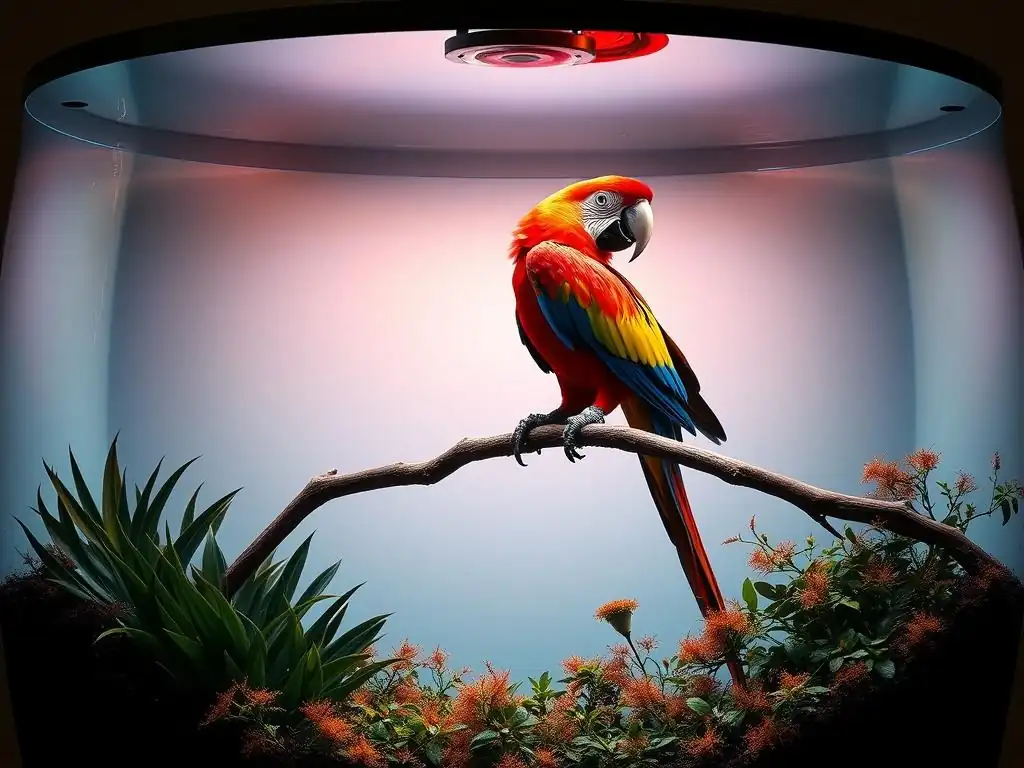
The curved front glass of a bow front aquarium creates a unique optical illusion, making the tank appear deeper than its actual dimensions, particularly when viewed from the center. A 46-gallon bow front, typically 36 inches wide, 15 inches deep at the sides, and 18 inches deep at its deepest point in the center, leverages this curvature to enhance the sense of spaciousness. This enhanced depth perception is a significant advantage of this nonrectangular aquarium design.
When aquascaping a bow front, capitalize on this illusion by placing taller, more dominant hardscape elements, such as large driftwood or rock structures, towards the center-back where the depth is most pronounced. Foreground plants should be kept relatively low to maintain and accentuate the perceived depth. A common and effective approach involves using a dense carpet of Hemianthus callitrichoides (Dwarf Baby Tears) in the foreground, transitioning to mid-ground plants like Cryptocoryne wendtii, and reserving tall, slender plants such as Vallisneria gigantea for the very back corners.
Considerations for Corner Aquariums: Utilizing the Apex and Angled Views
Corner aquariums are specifically designed to fit snugly into a room's corner, effectively utilizing often-unused floor space. A 54-gallon corner tank, for instance, typically measures around 38 inches along each wall, tapering to a front panel. This unique shape offers multiple viewing angles, creating dynamic perspectives within a room. However, the sharp angles can present challenges for uniform water flow and intricate aquascaping, requiring careful planning among nonrectangular aquarium design tips.
The apex, or the deepest corner of the tank, is an ideal location for placing taller hardscape elements or for discreetly positioning filter intakes and outputs. Consider a striking piece of driftwood or a significant rock formation rising from this back corner to create a focal point.
For filtration, a powerful canister filter with its intake and output strategically placed in the deep corner can generate a circular flow pattern that helps mitigate dead spots. Plants like Anubias barteri, which can be attached to rocks or driftwood, are excellent choices for corner tanks as they thrive in lower flow areas and add natural beauty without requiring extensive substrate space.
Considerations for Cylindrical Aquariums: Central Aquascaping and Current Management
Cylindrical aquariums, such as a 20-gallon cylindrical desktop model, offer a mesmerizing 360-degree view, which means there is no "back" to hide equipment or less visually appealing areas. This mandates a central aquascape designed to be equally appealing from all perspectives. Every element, from substrate to decor, must be considered for its contribution to a cohesive, all-around display.
Achieving even water flow and preventing dead spots in a circular tank can be tricky. A central powerhead or a strategically placed internal filter can create a gentle, rotating current that ensures circulation throughout the tank. For instance, a small 30-gallon cylindrical tank might benefit from a compact submersible filter positioned in the middle, oriented to produce a subtle, circular flow.
Avoid overly strong, direct currents that could stress fish or uproot delicate plants. Focus on creating a "central island" aquascape, perhaps with Java Moss or Bucephalandra attached to an attractive piece of driftwood or rock, allowing observers to walk around and appreciate its intricate details.
Considerations for Hexagonal Aquariums: Utilizing Vertical Space
Hexagonal aquariums, frequently taller than they are wide (e.g., a 60-gallon hex tank might be 24 inches wide but 28 inches tall), offer a distinctive architectural appeal. Their inherent verticality makes them particularly well-suited for species that appreciate vertical swimming space, such as Angelfish or Gouramis. This vertical emphasis is a key aspect of nonrectangular aquarium design tips for hex tanks.
To maximize the visual impact and provide suitable habitats, utilize the vertical space by incorporating tall, slender plants like Vallisneria spiralis or Amazon Sword plants. Stacked rock formations or tall, branching driftwood pieces can also create dramatic vertical interest and provide ample hiding places. Lighting for hexagonal tanks often needs to penetrate deeper into the water column, so higher PAR (Photosynthetically Active Radiation) output lights are generally beneficial. For a 40-gallon hexagonal tank, a single powerful LED pendant light positioned centrally can provide ample illumination for plants throughout the entire water column, ensuring vibrant growth and a well-lit display.
Frequently Asked Questions
What are some advantages of using a nonrectangular aquarium design?
Nonrectangular aquariums can offer aesthetic appeal and maximize space utilization in certain areas. They can also provide unique viewing angles of your aquatic life.
What are some key considerations when choosing a nonrectangular aquarium shape?
Consider the structural integrity of the tank, the ease of cleaning, and how the shape will affect water circulation and filtration. Also, think about how the shape will affect the placement of decor and livestock.
How does a nonrectangular shape impact the lighting requirements of an aquarium?
Different shapes can create shadows and uneven light distribution, requiring careful consideration of light placement and intensity to ensure sufficient light for plants and livestock.
Are there specific fish species that thrive better in nonrectangular aquariums?
Generally, fish adapt well to various shapes, but consider their swimming patterns and territorial needs. Ensure the shape provides adequate swimming space and minimizes stress.
What are some common challenges associated with maintaining a nonrectangular aquarium?
Challenges can include difficult-to-reach areas for cleaning, ensuring proper water circulation in corners, and finding decor and equipment designed for unconventional shapes.
Final Reflection: Embracing Aquatic Innovation
The journey through the world of nonrectangular aquariums reveals more than just aesthetically pleasing designs; it highlights a fundamental shift in how we perceive and interact with aquatic life. This exploration of unconventional forms underscores a growing desire to move beyond traditional limitations and create truly immersive and enriching environments for both ourselves and our aquatic companions. The practical impact of these designs extends from space optimization to enhanced viewing experiences, proving that innovation in aquarium design is not merely about aesthetics, but about a deeper understanding of aquatic ecosystems.
The influence of nonrectangular aquariums extends beyond the hobbyist community, subtly reshaping our understanding of how design can foster a stronger connection with nature. Witnessing the seamless integration of aquatic life into living spaces encourages a more mindful approach to our surroundings and a greater appreciation for the delicate balance of aquatic ecosystems. The best design is invisible,
as the saying goes, and in the case of these innovative aquariums, the design fades into the background, allowing the beauty of the aquatic world to truly shine. This shift in perspective is crucial in fostering a sense of responsibility towards conservation and sustainable practices.
As you consider the possibilities presented by nonrectangular aquarium designs, I invite you to reflect on how you can apply this spirit of innovation to other aspects of your life. Embrace the unconventional, challenge the status quo, and dare to imagine new ways of connecting with the world around you. Let the creativity and ingenuity displayed in these aquatic habitats inspire you to cultivate beauty, harmony, and a deeper understanding of the interconnectedness of all living things, both within and beyond the glass.
Dive Deeper: Shape Your Aquarium Adventure!
Thank you for exploring the fascinating world of uniquely shaped aquariums with us! We hope you've gained valuable insights into how these designs can enhance both aesthetics and functionality. Now, let's turn that knowledge into action!
Here are a few ways you can take your aquarium journey to the next level:
- Redesign Your Existing Tank: Experiment with aquascaping to mimic the effects of a non-traditional tank within your current setup. Consider adding elements that create depth and visual interest, similar to what a curved or triangular aquarium offers.
- Start a Design Journal: Document your ideas for a dream aquarium, no matter how unconventional. Sketch out shapes, list compatible species, and research the challenges and benefits of each design.
- Share Your Vision: Visit local aquarium shops and discuss your unique aquarium ideas with experts. You might be surprised by the innovative solutions they can offer!
What's one small change you can make this week to bring a touch of unique aquarium design to your current setup?