
What is a Biotope Aquarium? Recreating Nature's Authentic Masterpieces at Home

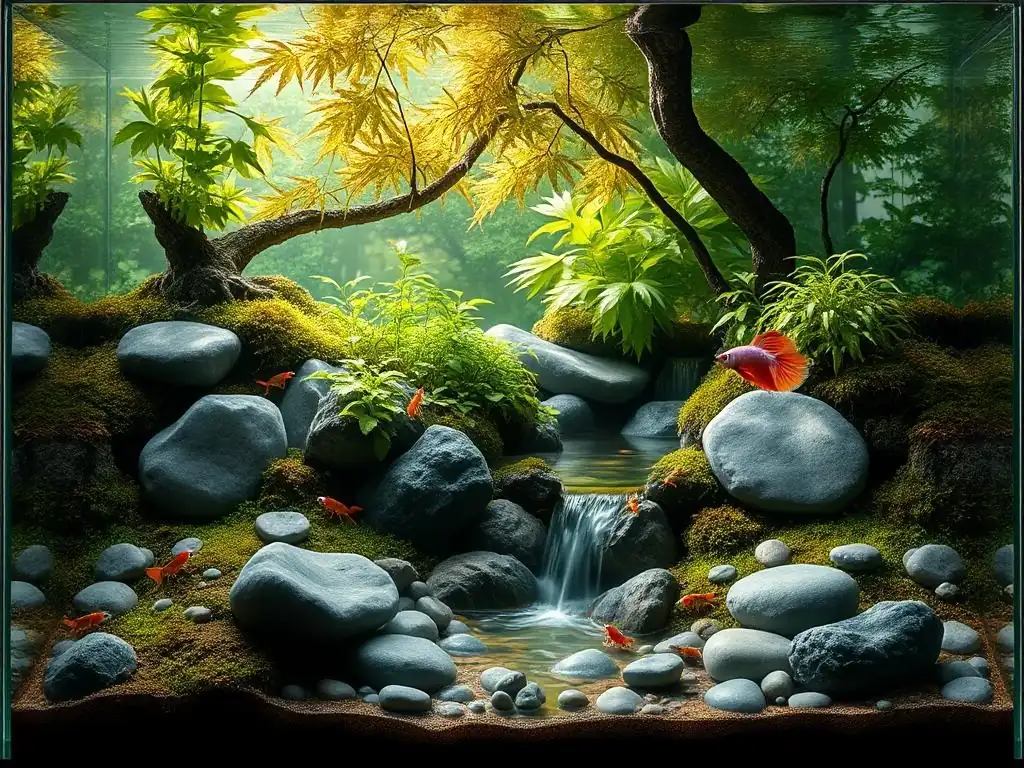
Welcome to Aquarium Mastery!
Dive into the fascinating world of aquatic ecosystems! Ever wondered how to capture the true essence of nature within the glass walls of your aquarium? Our latest article unveils the secrets behind the Biotope aquarium setup guide, showing you how to recreate stunning, authentic underwater landscapes. Discover the art of mirroring nature's masterpieces and unlock a deeper connection with your aquatic world. Ready to build your own slice of paradise? Let's begin!
- Understanding Biotope Aquariums: A Comprehensive Biotope Aquarium Setup Guide
- Planning Your Biotope Aquarium: Essential Steps for Success
- Recreating the Natural Environment: Substrate, Hardscape, and Water Chemistry
- Fish and Plant Selection for Your Biotope: Achieving Authenticity
- Setting Up Your Biotope Aquarium: A Step-by-Step Guide
- Biotope Aquarium Maintenance: Ensuring Long-Term Success
- Biotope Aquarium Ideas: Examples of Popular Biotope Setups
- Troubleshooting Common Biotope Aquarium Problems
- Advanced Biotope Aquarium Techniques: Going Beyond the Basics
-
Frequently Asked Questions
- What exactly is a biotope aquarium?
- How does a biotope aquarium differ from a regular aquarium?
- What are some key considerations when planning a biotope aquarium setup?
- What are some challenges in maintaining a biotope aquarium?
- Where can I find reliable information to help me with my biotope aquarium setup?
- Final Reflection: Embracing Nature's Blueprint
- Dive Deeper: Craft Your Own Underwater Ecosystem!
Understanding Biotope Aquariums: A Comprehensive Biotope Aquarium Setup Guide
What Defines a True Biotope Aquarium?
A true biotope aquarium is more than just a beautiful fish tank; it is a meticulously recreated aquatic environment that mirrors a specific geographical location and its unique ecosystem. This involves replicating the precise water parameters, substrate, hardscape elements, and selecting only the fish and plant species that naturally coexist in that exact habitat. The goal is to achieve ecological authenticity, allowing the inhabitants to thrive in conditions identical to their native waters, often leading to more natural behaviors, breeding, and overall well-being.
Unlike a generic "natural" tank that might combine various elements for aesthetic appeal, a biotope aquarium demands rigorous research and adherence to scientific accuracy. For instance, instead of broadly aiming for an "Amazonian" setup, a true biotope might focus on a specific stretch of the Rio Negro near Manaus, Brazil, during a particular season. Every component, from the type of driftwood to the exact pH and hardness of the water, is chosen to reflect that precise location, making the biotope aquarium setup guide a journey into deep ecological understanding.
Biotope Aquarium vs. Community Tank: Key Differences
The distinctions between a biotope aquarium and a community tank are fundamental, primarily revolving around the principle of authenticity versus compatibility. A community tank prioritizes housing multiple species that can coexist peacefully, often from different geographical regions, with a focus on visual appeal and general water parameters that suit a broad range of fish. For example, a community tank might combine African Cichlids with South American Tetras, which would never meet in nature.
Conversely, a biotope aquarium adheres strictly to geographical and ecological accuracy. Every fish, plant, and decorative element must originate from the chosen specific natural habitat. This means that stocking options are limited to species that naturally co-exist, and water parameters are precisely matched to the natural environment, not just a comfortable range. This rigorous approach makes a biotope aquarium setup guide a specialized pursuit, demanding much more focused research compared to the flexibility offered by a community tank.
Why Choose a Biotope Aquarium? Benefits and Challenges
Opting for a biotope aquarium offers a unique blend of educational, aesthetic, and ethical benefits. From an educational standpoint, it provides an unparalleled opportunity to learn about specific aquatic ecosystems, their inhabitants, and the delicate balance of nature. Fish often exhibit more natural behaviors, including breeding, schooling, and foraging, when housed in an environment that precisely mimics their native habitat. Furthermore, a well-executed biotope can be a stunning display, showcasing the raw beauty of a specific natural masterpiece. It can also contribute to conservation awareness by highlighting the importance of preserving these unique environments.
However, the journey of creating a biotope aquarium is not without its challenges. The most significant hurdle is the extensive research required to accurately identify and source appropriate species and materials. Finding specific fish or plant species native to a very precise biotope can be difficult, and maintaining exact water parameters (such as a pH of 4.5 for some blackwater biotopes) demands consistent monitoring and specialized equipment. Despite these complexities, the reward of a truly authentic and thriving miniature ecosystem makes following a comprehensive biotope aquarium setup guide a deeply satisfying endeavor for dedicated aquarists.
Planning Your Biotope Aquarium: Essential Steps for Success
Researching Your Chosen Biotope: The Rio Negro
Thorough research forms the bedrock of any successful biotope aquarium. It's not enough to simply choose a region; one must delve into the specific characteristics of a particular micro-habitat. A classic example often explored in a biotope aquarium setup guide is the Rio Negro, a major tributary of the Amazon River in South America. Research for this biotope would reveal its distinctive blackwater characteristics, resulting from the decomposition of organic matter like leaves and wood.
Key parameters for a Rio Negro biotope typically include very soft, acidic water with a pH often ranging from 4.5 to 6.5, and extremely low general hardness (GH) and carbonate hardness (KH), frequently below 1 dGH. The water is heavily stained with tannins, giving it a tea-like appearance. Common fish species include the iconic Cardinal Tetra ( Paracheirodon axelrodi), various Pencilfish ( Nannostomus spp.
), and numerous species of dwarf cichlids such as Apistogramma. Aquatic plant life is generally sparse due to the low light penetration and acidic conditions, often limited to floating plants like Amazon Frogbit ( Limnobium laevigatum) or marginal plants along the banks. Understanding these precise details is paramount before embarking on the setup.
Selecting the Right Aquarium Size and Equipment for Your Biotope
The choice of aquarium size is dictated primarily by the specific fish species you intend to house and their adult size, activity levels, and schooling needs. For instance, a small group of Cardinal Tetras might thrive in a 15-gallon (approximately 57-liter) tank, but if you plan to keep Discus ( Symphysodon spp.) or larger schooling fish, a tank of 75 gallons (284 liters) or more would be essential.
It's crucial to consider the tank's footprint (length and width) rather than just its height, especially for bottom-dwelling species or those that require ample swimming space. A tank measuring 48x18x18 inches (122x46x46 cm) provides an excellent balance of dimensions for many medium-sized biotope setups.
Beyond the tank itself, selecting appropriate equipment is critical for maintaining the specific parameters of your chosen biotope. This includes filtration systems, lighting, and heating, all of which must align with the natural conditions of the habitat. For example, a high-flow riverine biotope would require stronger filtration and water circulation than a stagnant blackwater pool. Every piece of equipment chosen should contribute to the authenticity and stability of the recreated environment, making this step a core component of any comprehensive biotope aquarium setup guide.
Essential Equipment for Biotope Aquariums: Filters, Lighting, and Heating
For a successful biotope aquarium, the right equipment ensures the stability and health of the ecosystem. Filtration is paramount; canister filters, like those from Fluval or Eheim, are often favored due to their versatility in holding various media (such as peat for blackwater biotopes) and their ability to provide controlled flow. For very delicate species or fry, a gentle sponge filter might be more suitable. The filtration capacity should always exceed the minimum recommended for the tank size to ensure pristine water quality.
Lighting must be chosen to mimic the natural light conditions of the biotope. For a blackwater Rio Negro setup, which typically has low light penetration, a simple LED fixture providing 10-20 PAR (Photosynthetically Active Radiation) at the substrate level is sufficient, and even desirable to prevent algae. In contrast, a biotope with more robust aquatic plants might require higher PAR values, potentially exceeding 50 PAR, to support healthy plant growth.
Heating is also crucial for tropical biotopes; a reliable submersible heater (e.g., Eheim Jager) with adequate wattage (approximately 5 watts per gallon or 1.3 watts per liter) is necessary to maintain a stable temperature, often in the range of 75-82°F (24-28°C) for many Amazonian habitats. Accurate thermometers and test kits for pH, GH, KH, ammonia, nitrite, and nitrate are also indispensable tools in any meticulous biotope aquarium setup guide.
Recreating the Natural Environment: Substrate, Hardscape, and Water Chemistry
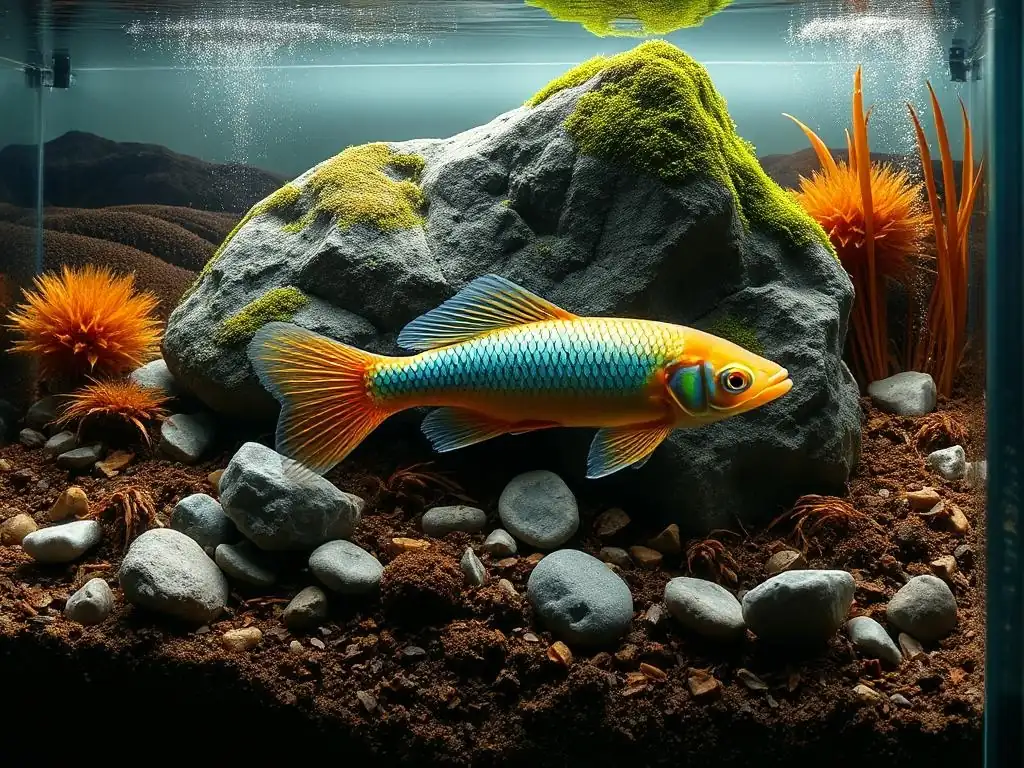
Choosing the Correct Substrate for Your Biotope: Fine Quartz Sand
The substrate is a foundational element in a biotope aquarium, not just for aesthetics but also for mimicking the natural environment and supporting specific fish behaviors. For a Rio Negro biotope, the ideal substrate is fine, inert quartz sand or silica sand. This type of sand replicates the soft, often light-colored riverbeds of the region and is safe for bottom-dwelling fish that sift through the substrate, such as various catfishes or dwarf cichlids. It is crucial to select an inert substrate to avoid altering the specific water parameters, especially the low pH and hardness required for blackwater environments.
The depth of the substrate should typically be around 1-2 inches (2.5-5 cm) across most of the tank, with slight variations to create natural contours and depth perception. While deeper pockets can be created for specific plant rooting or for fish that enjoy burrowing, excessive depth can lead to anaerobic spots if not properly maintained. For other biotopes, such as Lake Tanganyika, crushed coral or aragonite sand would be used to maintain high pH and hardness, demonstrating that the substrate choice is a direct reflection of the chosen habitat, a key detail in any precise biotope aquarium setup guide.
Selecting Authentic Hardscape Elements: Driftwood, Seed Pods, and Twigs
Hardscape elements are the structural backbone of a biotope aquarium, providing shelter, territories, and an authentic visual representation of the natural environment. For a Rio Negro biotope, the extensive use of driftwood is paramount. Types like Malaysian driftwood, Manzanita, or Spiderwood are excellent choices, as they release tannins that tint the water amber, mimicking the characteristic blackwater. These pieces should be arranged to replicate fallen branches, intricate root systems, or submerged logs found in the river.
Beyond driftwood, dried leaves such as Indian Almond leaves ( Terminalia catappa), Guava leaves, and various seed pods (e.g., Alder cones, Sterculia pods, Cacao pods) are indispensable. These not only contribute to the authentic visual appearance but also slowly release tannins and humic acids, further lowering the pH and softening the water, while providing natural hiding spots and a food source for some microfauna. The placement of these elements should appear random yet natural, creating a complex and inviting habitat for the fish, a critical step in any detailed biotope aquarium setup guide.
Mimicking Natural Water Parameters: pH, KH, and GH
Achieving and maintaining the precise water parameters of your chosen biotope is one of the most challenging yet rewarding aspects of a biotope aquarium setup guide. For a Rio Negro biotope, this means replicating extremely soft, acidic water. Typically, the pH should be maintained between 4.5 and 6.5, with very low general hardness (GH) and carbonate hardness (KH), often approaching 0-1 dKH/dGH. These conditions are drastically different from typical tap water in many regions.
To achieve these parameters, aquarists often use Reverse Osmosis (RO) or Deionized (DI) water, which is essentially pure water stripped of minerals. This pure water is then carefully remineralized to the desired GH levels using specific aquarium salts, avoiding those that add carbonate hardness. The low pH and blackwater coloration are naturally achieved through the decomposition of tannins released by driftwood, Indian Almond leaves, and peat filtration. Consistent monitoring with reliable liquid test kits for pH, KH, and GH is absolutely essential to ensure stability, as sudden fluctuations can be highly detrimental to sensitive biotope inhabitants.
Fish and Plant Selection for Your Biotope: Achieving Authenticity
Selecting Fish Species Native to Your Chosen Biotope: Cardinal Tetra and Pencilfish
The selection of fish species is perhaps the most defining characteristic of a biotope aquarium, demanding strict adherence to the geographical origin of the chosen habitat. For a Rio Negro biotope, all fish must naturally occur within that specific river system. Two exemplary species often found in this biotope are the Cardinal Tetra ( Paracheirodon axelrodi) and various Pencilfish ( Nannostomus spp.).
The Cardinal Tetra, famous for its vibrant red and blue stripe, is native to the soft, acidic blackwaters of the Rio Negro and its tributaries. These schooling fish thrive in groups of 10 or more, exhibiting their most natural behaviors when provided with ample space and appropriate water chemistry.
Pencilfish, such as the Diptail Pencilfish ( Nannostomus eques), are another excellent choice for a Rio Negro biotope. These slender fish typically inhabit the upper water column, often found among floating vegetation or submerged branches, where their unique swimming posture allows them to blend in. Like Cardinal Tetras, they require soft, acidic conditions to truly flourish.
Other suitable inhabitants for a Rio Negro biotope might include various Apistogramma dwarf cichlids, Otocinclus catfish, and even Discus ( Symphysodon spp.) in larger setups, all of which are indigenous to the region and contribute to the authentic ecosystem described in a thorough biotope aquarium setup guide.
Choosing Aquatic Plants Found in Your Biotope: Cabomba and Amazon Frogbit
Plant selection for a biotope aquarium is equally critical for authenticity, requiring that all chosen species naturally occur in the specific geographical region being replicated. For a Rio Negro biotope, true aquatic plants are relatively sparse due to the low light penetration caused by the tannin-stained water and the extreme acidic conditions. However, some species can be found.
While Cabomba species are widespread in various parts of the Amazon basin, Cabomba aquatica is a more appropriate choice for general Amazonian blackwater conditions than C. furcata, which often prefers richer, slightly more neutral waters. These delicate, feathery plants can add a touch of green where light permits.
A much more common and appropriate plant for the Rio Negro biotope is the Amazon Frogbit ( Limnobium laevigatum). This floating plant is frequently found in slow-moving or stagnant areas of blackwater rivers and provides natural shade and cover for fish, mimicking the dense canopy overhead. Beyond these, the primary "flora" in a true Rio Negro biotope often consists of submerged leaf litter and roots, rather than a wide array of rooted aquatic plants typically seen in a planted tank. Adhering to these strict botanical guidelines is a key element of any genuine biotope aquarium setup guide.
Avoiding Invasive Species and Maintaining Biotope Integrity
A core tenet of biotope aquariums is the absolute avoidance of non-native or "invasive" species, regardless of their aesthetic appeal or compatibility with water parameters. Introducing any fish, plant, or invertebrate that does not naturally occur in the chosen specific habitat compromises the integrity and authenticity of the biotope. For example, adding common aquarium plants like Java Fern ( Microsorum pteropus), which is native to Southeast Asia, to a South American Rio Negro biotope, even if it could survive the conditions, fundamentally breaks the biotope principle.
Maintaining biotope integrity also extends to preventing the accidental introduction of pests or diseases. All new inhabitants, whether fish or plants, should undergo a strict quarantine period in a separate tank for 4-6 weeks to ensure they are healthy and free of unwanted organisms before being introduced to the main biotope. This diligent approach safeguards the health of the existing ecosystem and upholds the authenticity that defines a true biotope, a principle emphasized throughout any comprehensive biotope aquarium setup guide.
Setting Up Your Biotope Aquarium: A Step-by-Step Guide
Preparing Your Aquarium: Cleaning and Placement
The initial steps in setting up your biotope aquarium are crucial for its long-term success and involve meticulous preparation of the tank itself. First, thoroughly clean the aquarium with plain water and a clean, dedicated cloth. Absolutely avoid using any soaps, detergents, or chemical cleaners, as even trace residues can be highly toxic to fish and plants and disrupt the delicate water chemistry. After cleaning, rinse the tank multiple times to ensure all dust and debris are removed.
Next, select the ideal placement for your aquarium. Choose a sturdy, level stand that can safely support the immense weight of the filled tank (water weighs approximately 8.3 pounds per gallon or 1 kilogram per liter). Position the tank away from direct sunlight, which can lead to excessive algae growth and unstable water temperatures. Ensure there is sufficient space around the tank for easy access during maintenance, which will be a regular part of your biotope aquarium setup guide routine.
Installing Substrate and Hardscape: Creating a Natural Layout
Once the aquarium is clean and in place, the next step is to install the substrate and arrange the hardscape elements, carefully recreating the natural layout of your chosen biotope. For a Rio Negro biotope, begin by thoroughly rinsing your fine quartz sand until the water runs clear, removing any dust or fine particles. Then, carefully add a layer of 1-2 inches (2.5-5 cm) of this sand to the bottom of the tank, creating a slight slope from back to front or side to side to enhance the illusion of depth.
Next, strategically place your driftwood pieces. Start with larger, dominant pieces, ensuring they are stable and securely positioned. Then, arrange smaller pieces of wood, dried leaves (like Indian Almond leaves), and seed pods around them. Focus on creating natural-looking clusters, hiding spots, and sheltered areas that mimic submerged roots or fallen branches. The goal is to achieve an organic, unforced appearance that provides both aesthetic appeal and functional habitat for your fish, a key aspect of any effective biotope aquarium setup guide.
Filling the Aquarium: Water Preparation and Cycling
After the substrate and hardscape are meticulously arranged, it's time to introduce water, a critical phase that begins the vital cycling process. For a biotope requiring specific parameters like the soft, acidic blackwater of the Rio Negro, use Reverse Osmosis (RO) or Deionized (DI) water as your base. Remineralize this pure water with appropriate salts to achieve the desired General Hardness (GH) and Carbonate Hardness (KH) levels (e.g., GH 1, KH 0 for Rio Negro). Tannins from driftwood and leaves will naturally lower the pH to the target range of 4.5-6.5.
To fill the aquarium without disturbing your carefully crafted layout, place a clean plate or a plastic bag on the substrate and pour the prepared water onto it, allowing it to diffuse gently into the tank. Once filled, the crucial nitrogen cycle begins. This process, typically taking 4-6 weeks, involves establishing beneficial bacteria that convert toxic ammonia and nitrite into less harmful nitrate.
Monitor ammonia, nitrite, and nitrate levels daily using a liquid test kit, and add a small source of ammonia (e.g., a pinch of fish food or pure ammonia) to kickstart the cycle. Patience during this phase is paramount for a successful biotope aquarium setup guide.
Introducing Plants and Fish: Acclimation Techniques
Once the nitrogen cycle is fully established (ammonia and nitrite levels consistently read zero, and nitrates are present), you can begin introducing your chosen plants and, subsequently, your fish. Start with plants: carefully anchor rooted plants into the substrate or tie epiphytic plants to hardscape elements, ensuring they are securely placed without disturbing the layout. For floating plants, simply place them on the water surface.
When it's time to introduce fish, proper acclimation is vital to minimize stress and prevent shock. For sensitive biotope species like Cardinal Tetras, the drip acclimation method is highly recommended. This involves slowly dripping water from your established biotope aquarium into the bag containing the new fish over a period of 1-2 hours until the volume of water in the bag has tripled.
Before beginning the drip, float the sealed bag in the aquarium for 15-20 minutes to equalize the water temperature. Never introduce the bag water directly into your biotope tank, as it may contain harmful pathogens or undesirable water parameters. This careful acclimation is a cornerstone of any effective biotope aquarium setup guide.
Biotope Aquarium Maintenance: Ensuring Long-Term Success
Regular Water Changes: Maintaining Water Quality
Regular water changes are arguably the most critical aspect of long-term biotope aquarium maintenance, essential for diluting accumulated nitrates and replenishing vital trace elements. For a well-established biotope, a weekly water change of 25-30% of the tank's volume is a common and effective guideline, though the exact frequency and volume may vary based on stocking density and filtration efficiency. It is imperative that the new water is prepared to match the specific parameters of your biotope (e.g., pH, GH, KH) before it is added to the tank.
For a blackwater Rio Negro biotope, this means using pre-prepared RO/DI water, remineralized to target GH, and naturally conditioned with tannins to achieve the correct pH and coloration. During the water change, use a gravel vacuum to siphon out debris and uneaten food from the substrate, paying close attention to areas where waste might accumulate. This consistent routine is fundamental to maintaining the pristine conditions required for a thriving biotope, a crucial step in any biotope aquarium setup guide.
Cleaning and Pruning: Keeping Your Biotope Pristine
Maintaining the aesthetic and ecological balance of your biotope aquarium requires regular cleaning and pruning, tailored to the specific elements of your chosen habitat. Algae growth on the aquarium glass should be removed weekly or as needed using an algae scraper or magnetic cleaner to ensure clear viewing and prevent light blockage. For the substrate, gentle spot cleaning with a siphon during water changes helps remove detritus without disturbing the delicate balance of the biotope.
Plant pruning, if applicable to your biotope, should be done to prevent overgrowth that could shade out other areas or disrupt the natural flow. For a leaf litter-heavy biotope like the Rio Negro, it's important to periodically replenish the dried leaves (e.g., Indian Almond leaves) every 2-4 weeks as they decompose, ensuring a continuous supply of tannins and a natural substrate for microfauna.
Filter maintenance should be performed every 4-6 weeks, rinsing filter media in old tank water to preserve beneficial bacteria. Crucially, avoid cleaning the filter and performing a large water change on the same day to prevent a significant shock to the tank's bacterial colonies.
Monitoring Water Parameters: pH, Ammonia, Nitrite, and Nitrate
Consistent and accurate monitoring of water parameters is absolutely essential for the long-term stability and health of any biotope aquarium. For sensitive environments like the Rio Negro biotope, maintaining a stable pH is paramount, typically within the range of 5.5-6.5. Regular testing, at least once a week, with a reliable liquid test kit is necessary to ensure the pH remains consistent and does not experience sudden fluctuations, which can severely stress fish.
Ammonia and nitrite levels should always read 0 ppm in a fully cycled and healthy biotope. Any detectable levels indicate a problem with the nitrogen cycle, requiring immediate attention such as small, frequent water changes or addressing overfeeding. Nitrate levels, the end product of the nitrogen cycle, should be kept below 20 ppm through regular water changes.
It is highly recommended to keep a detailed log of all water parameter readings. This record allows you to track trends, identify potential issues before they become critical, and make informed adjustments, serving as a continuous feedback loop for your biotope aquarium setup guide.
Feeding Your Fish: Providing a Natural Diet
Providing a diet that closely mimics the natural foraging habits and food sources of your biotope fish is crucial for their health, coloration, and natural behavior. Researching the specific dietary needs of each species within your chosen biotope is a key step. For many fish from the Rio Negro, their natural diet consists of small insects, larvae, zooplankton, and detritus found among the leaf litter.
Therefore, offer a varied diet that includes high-quality flake or small pellet foods designed for tropical fish, supplemented with frozen or live foods such as bloodworms, daphnia, or brine shrimp. These supplements provide essential nutrients and encourage natural hunting behaviors. It is generally better to feed small amounts multiple times a day rather than one large feeding. This mimics natural foraging, reduces the amount of uneaten food decaying in the tank, and minimizes waste, contributing to overall water quality and the success of your biotope aquarium setup guide.
Biotope Aquarium Ideas: Examples of Popular Biotope Setups
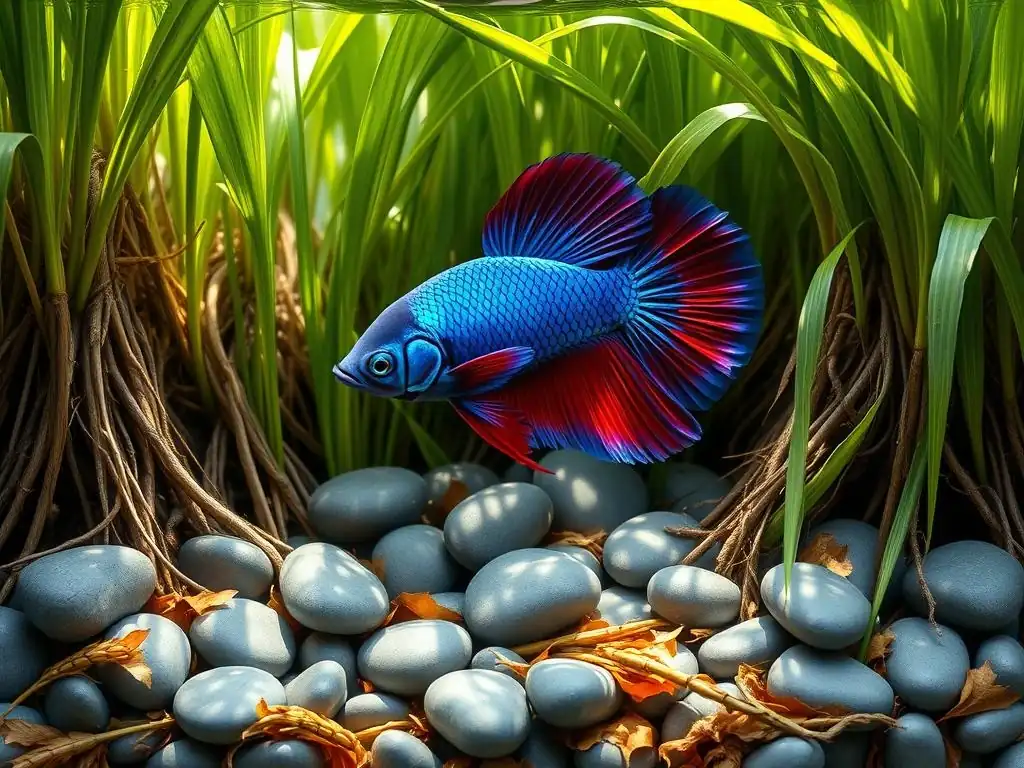
The Rio Negro Biotope: A Classic Choice
The Rio Negro biotope stands as one of the most iconic and frequently replicated examples in the world of biotope aquariums, often serving as a prime case study in any detailed biotope aquarium setup guide. Characterized by its distinctive blackwater, the Rio Negro is incredibly soft and acidic, with a pH typically ranging from 4.5 to 6.5 and negligible general and carbonate hardness (GH/KH often below 1). The water is heavily stained with tannins, giving it a deep amber or tea-like appearance.
Hardscape in a Rio Negro setup consists predominantly of extensive driftwood, mimicking submerged roots and fallen branches, complemented by a thick layer of dried leaves (such as Indian Almond leaves and Guava leaves) and various seed pods that contribute to the tannin release and provide natural hiding spots. Fish species include the vibrant Cardinal Tetras ( Paracheirodon axelrodi), various Pencilfish ( Nannostomus spp. ), numerous Apistogramma dwarf cichlids, and in larger setups, Discus ( Symphysodon spp.).
True aquatic plants are sparse, with floating plants like Amazon Frogbit being among the few suitable options. The appeal lies in its striking aesthetics, the fascinating natural behaviors of its inhabitants, and its profound educational value.
The Lake Tanganyika Biotope: Alkaline Waters and Shell Dwellers
In stark contrast to the acidic blackwaters of the Amazon, the Lake Tanganyika biotope offers a fascinating glimpse into an entirely different aquatic ecosystem, showcasing the diversity of a comprehensive biotope aquarium setup guide. Lake Tanganyika, one of the African Rift Valley lakes, is renowned for its incredibly hard and alkaline water, with a stable pH typically ranging from 8.0 to 9.0, and high general and carbonate hardness (GH 10-15, KH 16-20). The water is exceptionally clear, allowing light to penetrate deeply.
The hardscape in a Lake Tanganyika biotope is dominated by large piles of rocks, such as Texas Holey Rock or lava rock, creating numerous caves, crevices, and territories for the cichlids that inhabit these rocky shores. For shell-dwelling cichlids, empty snail shells (like escargot shells) are meticulously arranged on a fine sand substrate. Fish species are almost exclusively endemic cichlids, exhibiting unique social structures and breeding behaviors.
Examples include the charming shell-dwellers ( Neolamprologus multifasciatus), the algae-grazing rock-dwellers ( Tropheus moorii), and the open-water schooling Cyprichromis leptosoma. Aquatic plants are very sparse, often limited to hardy species like Vallisneria or Anubias in specific, sheltered areas.
The Mekong River Biotope: Fast-Flowing Waters and Unique Fish
The Mekong River biotope presents a dynamic and diverse challenge for aquarists, reflecting the varied conditions found along its extensive course in Southeast Asia. While specific parameters can vary, a typical Mekong River biotope often replicates fast-flowing sections, characterized by clear to slightly turbid water with moderate to hard parameters (pH 6.5-7.5, GH 5-10). The substrate often consists of smooth river stones and fine sand, interspersed with large pieces of submerged driftwood and root systems.
Fish species native to the Mekong basin are incredibly diverse and include many fascinating bottom-dwellers and schooling fish. Popular choices for a Mekong biotope include various species of loaches (e.g., Kuhli Loaches, various Botia species like Clown Loaches), numerous Rasboras, and even some species of Gouramis and Siamese Algae Eaters. Plants, if included, must be robust and able to withstand current, such as Anubias, Bolbitis, or certain Cryptocoryne species, depending on the specific region being replicated.
Recreating the strong water flow is often achieved with powerheads or appropriate filter outlets. This biotope offers a unique opportunity to observe fish adapted to active, flowing environments, making it an engaging subject for an advanced biotope aquarium setup guide.
Troubleshooting Common Biotope Aquarium Problems
Algae Blooms: Causes and Solutions
Algae blooms are a common frustration in many aquariums, including biotopes, and typically signal an imbalance in the system. The primary causes include an excess of nutrients in the water, often due to overfeeding or infrequent water changes, and too much light, whether from an excessively long photoperiod (e.g., more than 8-10 hours) or overly intense lighting for the biotope's needs. Low CO2 levels in planted biotopes can also contribute, as plants struggle to outcompete algae for nutrients.
Solutions require addressing the root cause. To control nutrients, reduce feeding amounts and increase the frequency or volume of water changes (e.g., 30% twice a week instead of 25% once a week). For light management, reduce the daily photoperiod to 6-8 hours and, if possible, lower the light intensity.
Manual removal of algae from glass and hardscape is always a necessary first step. In some biotopes, introducing specific, biotope-appropriate algae eaters like Otocinclus catfish for an Amazonian setup can help, but they are a supplement, not a primary solution. Identifying and correcting the underlying imbalance is key to a successful biotope aquarium setup guide.
Fish Diseases: Prevention and Treatment
Fish diseases can devastate a biotope aquarium, making prevention a paramount concern. The most effective preventative measure is a strict quarantine protocol for all new fish. Housing new additions in a separate, dedicated quarantine tank for 4-6 weeks allows you to observe them for signs of illness and treat them before introducing them to your main biotope, thus preventing the spread of pathogens. Maintaining stable water parameters (temperature, pH, hardness) and providing a high-quality, varied diet are also crucial for bolstering fish immune systems. Avoiding overcrowding ensures adequate space and reduces stress.
Should disease strike, prompt identification and appropriate treatment are essential. If possible, move affected fish to a hospital tank to avoid medicating the entire biotope, which can harm beneficial bacteria or sensitive invertebrates and plants. Accurately diagnose the disease (e.g., Ich, fin rot, bacterial infection) and use medications specifically formulated for aquarium fish, following manufacturer instructions precisely. Performing frequent, small water changes in the hospital tank can also aid recovery by reducing stress and improving water quality. This proactive approach to health is vital for any comprehensive biotope aquarium setup guide.
Water Chemistry Imbalances: Identification and Correction
Water chemistry imbalances are a significant challenge in biotope aquariums, as precise parameters are critical for the health of native species. Regular testing with reliable liquid test kits is the primary method for identification. For example, in an African Rift Lake biotope requiring high pH and hardness, a consistently low pH or KH indicates insufficient buffering capacity. Conversely, in a blackwater Rio Negro biotope, a rising pH or hardness suggests that the buffering from tannins is insufficient or that external factors are introducing minerals. High nitrate levels often point to insufficient water changes, overfeeding, or overstocking.
Correcting these imbalances requires targeted actions. For low pH/KH in a high-pH biotope, cautious addition of buffering agents like crushed coral in the filter or specific aquarium buffers (e.g., sodium bicarbonate) can help. For high nitrates, increase the frequency and volume of water changes, reduce feeding, and ensure efficient filtration. If pH is swinging wildly, it's often due to critically low KH; increasing KH gradually can stabilize it. Understanding the specific chemical needs of your biotope and acting swiftly to correct deviations is a hallmark of a successful biotope aquarium setup guide.
Advanced Biotope Aquarium Techniques: Going Beyond the Basics
Creating a Dynamic Ecosystem: Introducing Microfauna
Beyond the visible fish and plants, an advanced biotope aquarium can be enhanced by introducing microfauna, creating a more dynamic and truly self-sustaining ecosystem. These tiny organisms, often unseen, play crucial roles in the natural food web and nutrient cycling, contributing to the biotope's authenticity and stability. Examples include various species of copepods and daphnia, which serve as an excellent live food source for many smaller fish species and also help consume detritus and suspended organic matter.
Detritus worms, such as Tubifex or white worms, can be introduced to the substrate, where they actively break down organic matter and provide a natural, continuous food source for bottom-dwelling fish. Small, biotope-appropriate snails (e.g., Malaysian Trumpet Snails for some tropical riverbeds) can also help aerate the substrate and consume decaying plant matter. Carefully sourcing and introducing these micro-organisms adds another layer of complexity and naturalism to the biotope, fostering a more complete miniature ecosystem that thrives as described in an advanced biotope aquarium setup guide.
Simulating Seasonal Changes: Temperature and Lighting Adjustments
For the truly dedicated biotope enthusiast, simulating natural seasonal changes can encourage more natural behaviors, trigger breeding, and create a more dynamic environment. This involves subtle, gradual adjustments to temperature and lighting parameters to mimic the annual cycles of the chosen biotope. For instance, a "dry season" simulation might involve gradually lowering the water temperature by 2-3°F (1-2°C) over several weeks, then slowly raising it back. This temperature fluctuation can sometimes trigger breeding responses in certain fish species that naturally spawn during specific seasonal shifts.
Similarly, lighting adjustments can replicate seasonal photoperiod changes, with longer days during "wet seasons" and shorter days during "dry seasons." Advanced LED lighting systems can even simulate cloud cover, lightning flashes, or lunar cycles, adding another layer of realism. Such precise environmental control requires deep research into the specific biotope's annual climate patterns and careful, gradual implementation to avoid stressing the inhabitants. This level of detail elevates a standard biotope aquarium setup guide to an art form.
Documenting Your Biotope: Sharing Your Knowledge and Experiences
Documenting your biotope aquarium journey is an invaluable practice that offers multiple benefits, both for your personal growth as an aquarist and for the wider community. Keeping a detailed logbook where you record water parameters, feeding schedules, maintenance tasks, and observations of fish behavior deepens your understanding of the specific ecosystem you've created. This record can be instrumental in troubleshooting problems, identifying long-term trends, and refining your maintenance routines.
Beyond personal notes, sharing your biotope journey through photography, videography, or written articles on online forums or personal blogs contributes significantly to the aquarist community. By showcasing your authentic setup, discussing your research, and detailing your challenges and successes, you provide valuable insights and inspiration to others. This shared knowledge not only helps new enthusiasts navigate their own biotope aquarium setup guide but also promotes a deeper appreciation for aquatic ecosystems and the art of recreating nature's masterpieces at home.
Frequently Asked Questions
What exactly is a biotope aquarium?
A biotope aquarium aims to replicate the natural environment of a specific geographic location. This includes matching the water parameters, substrate, flora, and fauna found in that particular ecosystem, creating an authentic and natural display.
How does a biotope aquarium differ from a regular aquarium?
Unlike a regular aquarium which might mix fish from different regions, a biotope aquarium focuses on mimicking a single, specific natural habitat. The goal is ecological accuracy, not just aesthetics.
What are some key considerations when planning a biotope aquarium setup?
Research is crucial! Identify a specific biotope and thoroughly research its natural conditions. This includes water chemistry, temperature, substrate, plants, and compatible fish species.
What are some challenges in maintaining a biotope aquarium?
Maintaining the specific water parameters required for the chosen biotope can be challenging. Sourcing authentic plants and fish can also be difficult and expensive.
Where can I find reliable information to help me with my biotope aquarium setup?
AquariumMastery.com is a great place to start! Look for articles on specific biotopes, species profiles, and water chemistry guides. Remember to cross-reference information from multiple reliable sources.
Final Reflection: Embracing Nature's Blueprint
The journey into biotope aquariums, as explored in this guide, reveals more than just the technical aspects of recreating specific ecosystems; it highlights the profound connection we can forge with the natural world within the confines of our homes. This act of mindful replication transcends mere aesthetics, becoming a powerful statement about conservation and appreciation for biodiversity in an increasingly disconnected world. By understanding and mirroring the delicate balance of a natural biotope, we gain a deeper respect for the intricate web of life that sustains our planet.
The influence of biotope aquariums extends beyond the individual hobbyist, fostering a growing awareness of ecological principles and inspiring a more sustainable approach to aquarium keeping. This pursuit has personally deepened my appreciation for the subtle nuances of aquatic environments and the importance of preserving these fragile ecosystems. In every walk with nature one receives far more than he seeks.
- John Muir. This quote perfectly encapsulates the rewarding experience of creating and observing a biotope aquarium, where the constant interaction with a miniature ecosystem offers endless learning and inspiration.
As you embark on your own biotope aquarium journey, remember that you are not simply building a tank, but curating a living portrait of a unique environment. Let the principles of naturalism guide your choices, and allow the beauty and complexity of the biotope to inspire a greater commitment to environmental stewardship. Consider how your actions, both within and beyond the aquarium, can contribute to the preservation of the natural world. The power to make a difference, one carefully crafted ecosystem at a time, lies within your hands.
Dive Deeper: Craft Your Own Underwater Ecosystem!
Thank you for exploring the fascinating world of biotope aquariums! We hope you've gained valuable insights into recreating authentic slices of nature within your own home. Ready to take the plunge and bring your dream biotope to life?
Here are a few ways to get started:
- Choose Your Biotope: Immerse yourself in research! Select a specific habitat that resonates with you, be it the Amazon rainforest or a Southeast Asian stream. Deepen your knowledge about the plants, fish, and invertebrates that thrive there.
- Share your passion: Engage with fellow aquarists! Join an online community or local aquarium club and share your journey of building a biotope aquarium.
- Document your progress: Start an aquarium journal and note down key data about your aquarium, the products used, the evolution of the fish and plants and the water parameters.
What authentic ecosystem are you most inspired to recreate, and what's the first species you'd include in your underwater masterpiece?