
Optimal Water Parameters for Cardinalfish: The Key to a Healthy, Vibrant Display

Welcome to Aquarium Mastery!
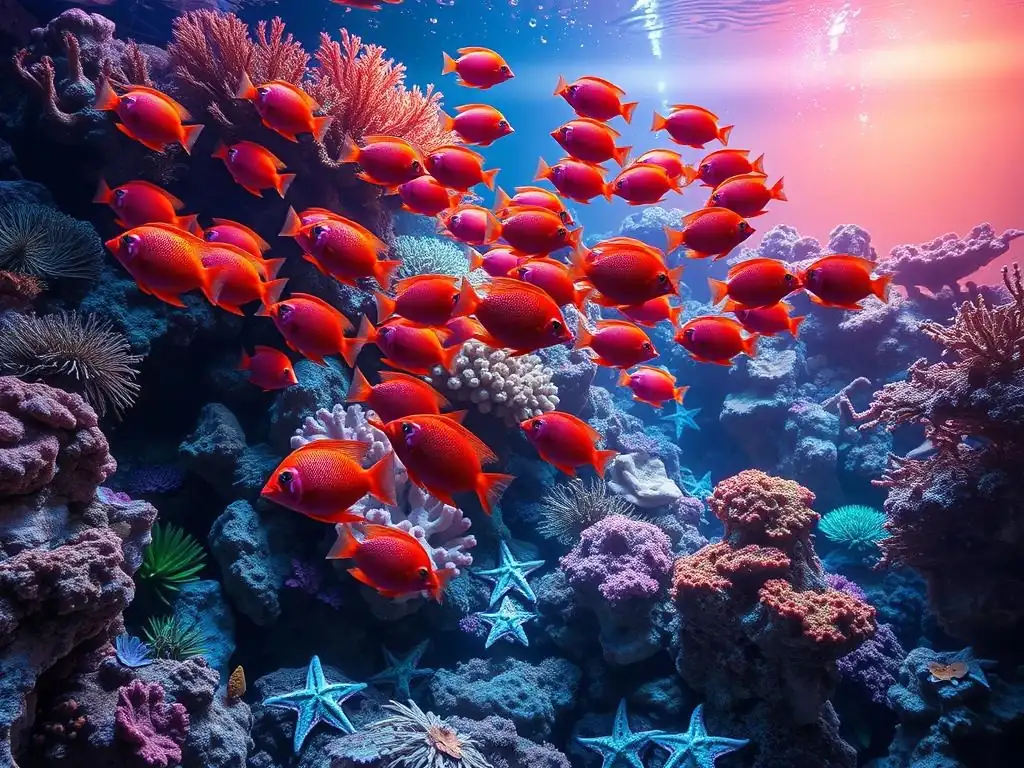
Ever wondered how to unlock the secret to a truly thriving Cardinalfish display? Dive in and discover our comprehensive Cardinalfish water parameter guide, meticulously crafted to help you create the perfect aquatic environment. Get ready to transform your saltwater tank into a vibrant haven where these stunning fish not only survive, but flourish! Let's explore the optimal conditions together...
- Understanding Cardinalfish and Their Sensitivity to Water Quality
-
Cardinalfish Water Parameter Guide: A Detailed Breakdown
- Ideal Temperature Range for Cardinalfish in Reef Tanks
- Salinity Levels: Maintaining Stability for Cardinalfish Well-being
- pH Levels: The Importance of a Balanced pH for Cardinalfish
- Ammonia and Nitrite Levels: Zero Tolerance for Cardinalfish Health
- Nitrate Levels: Managing Nitrates for a Thriving Cardinalfish Habitat
- Alkalinity and Calcium: Essential Parameters for Cardinalfish in Reef Environments
-
Achieving and Maintaining Optimal Cardinalfish Water Parameters
- Regular Water Testing: A Crucial Step for Monitoring Water Quality
- Water Changes: The Key to Diluting Nitrates and Replenishing Trace Elements
- Choosing the Right Salt Mix for Cardinalfish Tanks
- The Role of Protein Skimmers in Maintaining Water Clarity
- Filtration Methods for Cardinalfish Aquariums: Mechanical, Chemical, and Biological
- Common Water Parameter Problems and Solutions for Cardinalfish
- The Impact of Poor Water Quality on Cardinalfish Health
- Optimizing Water Parameters for Cardinalfish Breeding
- Advanced Techniques for Maintaining Pristine Water Quality
- Conclusion: The Importance of Diligence in Cardinalfish Water Management
-
Frequently Asked Questions
- What are the ideal water temperature ranges for Cardinalfish in a saltwater aquarium?
- What is the recommended salinity level for Cardinalfish, and how should I monitor it?
- What is the importance of pH and alkalinity for Cardinalfish, and what values should I aim for?
- How often should I perform water changes to maintain optimal water quality for Cardinalfish?
- What are the recommended levels for ammonia, nitrite, and nitrate in a Cardinalfish aquarium, and how can I control them?
- Final Reflection: The Enduring Symphony of Cardinalfish Health
- Ignite Your Cardinalfish Aquarium!
Understanding Cardinalfish and Their Sensitivity to Water Quality
Why Water Parameters Matter for Cardinalfish Health and Coloration
Cardinalfish, celebrated for their striking patterns and schooling behavior, are a popular choice for saltwater aquariums. However, their beauty and longevity are intrinsically linked to the stability and quality of their aquatic environment. Optimal water parameters are not merely a suggestion but a critical requirement for these delicate fish, directly influencing their stress levels, immune response, and the vibrancy of their coloration. When water conditions deviate from their ideal range, cardinalfish experience physiological stress, which can suppress their immune system, making them highly susceptible to diseases and leading to faded colors, clamped fins, and lethargy.
For instance, prolonged exposure to even slightly elevated ammonia or nitrite levels, such as 0.1 ppm of ammonia, can cause severe gill damage and internal organ failure over time, drastically shortening their lifespan. Similarly, fluctuating pH or temperature can disrupt their metabolic processes, leading to chronic stress and a diminished capacity to thrive. A well-maintained cardinalfish water parameter guide is essential for preventing these issues, ensuring that these captivating fish maintain their brilliant hues and active schooling patterns, reflecting their excellent health and adaptation to their aquarium habitat.
Cardinalfish Species and Variations in Water Parameter Tolerance [Banggai Cardinalfish, Pajama Cardinalfish, Longspine Cardinalfish]
While most cardinalfish species share a general preference for stable reef tank conditions, subtle differences in their natural habitats can influence their tolerance to minor parameter variations. The Banggai Cardinalfish (Pterapogon kauderni), for example, originates from specific, sheltered areas around the Banggai Islands and is known for being particularly sensitive to water quality fluctuations. They thrive in pristine conditions with minimal changes, making them an excellent indicator of a well-maintained cardinalfish water parameter guide. Their susceptibility to stress from poor conditions means even slight deviations in salinity or temperature can quickly manifest as signs of distress.
In contrast, the Pajama Cardinalfish (Sphaeramia nematoptera) and the Longspine Cardinalfish (Apogon leptacanthus) are generally considered more robust, tolerating a slightly broader range of conditions, though still requiring a high standard of care. The Pajama Cardinalfish, often found in seagrass beds and rubble zones, is somewhat more adaptable to varying light and flow, but still relies on consistent salinity (1.023-1.026 SG) and temperature (75-82°F) to prevent stress.
The Longspine Cardinalfish, known for its deepwater schooling, also benefits immensely from stable parameters, with a particular emphasis on low nitrate levels to prevent chronic health issues. Regardless of the species, maintaining a consistent and high-quality cardinalfish water parameter guide is paramount for their long-term health and display.
Cardinalfish Water Parameter Guide: A Detailed Breakdown
Ideal Temperature Range for Cardinalfish in Reef Tanks
Temperature is a cornerstone of any cardinalfish water parameter guide, directly influencing the metabolic rate, oxygen solubility, and overall comfort of these fish. For cardinalfish in a reef tank environment, an ideal temperature range falls between 75°F and 82°F (approximately 24°C to 28°C). Maintaining stability within this range is far more critical than hitting a precise number, as rapid or significant temperature fluctuations can cause immense stress. For instance, a sudden drop or increase of more than 2°F (1°C) within a few hours can compromise their immune system and lead to shock.
At the warmer end of the spectrum, temperatures consistently above 82°F can reduce dissolved oxygen levels, leading to respiratory distress, while prolonged exposure to temperatures below 75°F can slow their metabolism, making them sluggish and more susceptible to disease. Regular monitoring with an accurate thermometer and the use of reliable heaters and chillers (if necessary) are essential tools for upholding this vital aspect of the cardinalfish water parameter guide, ensuring a healthy and vibrant display.
Salinity Levels: Maintaining Stability for Cardinalfish Well-being
Salinity, or the concentration of dissolved salts in the water, is another non-negotiable aspect of a comprehensive cardinalfish water parameter guide. Cardinalfish thrive in stable marine conditions, with an ideal specific gravity (SG) range of 1.023 to 1.026, or a salinity of 32 to 35 parts per thousand (ppt). Consistency is key, as cardinalfish are highly sensitive to sudden changes in osmotic pressure. A rapid drop or increase in salinity, even by a few points, can cause severe osmotic shock, leading to organ damage, lethargy, and ultimately, death.
Evaporation naturally increases salinity over time, so regular top-offs with purified reverse osmosis/deionized (RO/DI) water are crucial to maintain stable levels. Using a high-quality refractometer calibrated regularly ensures accurate readings. For example, allowing salinity to creep up to 1.028 SG or drop to 1.020 SG can visibly stress cardinalfish, leading to clamped fins and labored breathing. Adhering strictly to this aspect of the cardinalfish water parameter guide is vital for their long-term health and adaptation to the aquarium environment.
pH Levels: The Importance of a Balanced pH for Cardinalfish
The pH level, a measure of the water's acidity or alkalinity, plays a crucial role in the biochemical processes of cardinalfish and is a fundamental component of any robust cardinalfish water parameter guide. An ideal pH range for cardinalfish in a reef aquarium is between 8.1 and 8.4.
Maintaining stability within this narrow range is paramount, as significant pH fluctuations can be highly detrimental. For instance, a pH swing of more than 0.2 units within a 24-hour period can cause severe stress, leading to a condition known as acidosis (too low pH) or alkalosis (too high pH), both of which impair enzyme function and oxygen uptake.
While a slight dip in pH overnight (e.g., from 8.3 to 8.1) is common due to carbon dioxide accumulation from respiration, it should recover during the day. Consistent low pH, often below 7.9, can lead to chronic stress, reduced appetite, and susceptibility to disease. Regular testing with a reliable pH test kit or probe is essential to monitor this parameter. Ensuring adequate alkalinity (dKH) also helps buffer the pH, preventing drastic swings and maintaining the stability crucial for a healthy cardinalfish water parameter guide.
Ammonia and Nitrite Levels: Zero Tolerance for Cardinalfish Health
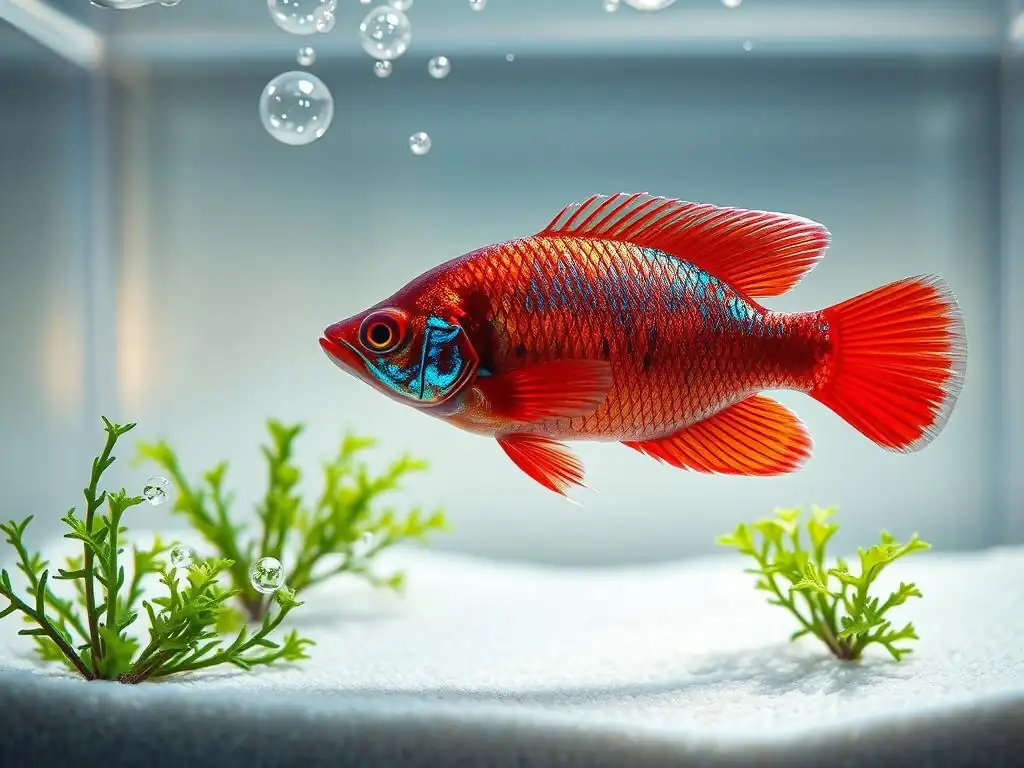
When it comes to a cardinalfish water parameter guide, there is absolutely zero tolerance for ammonia (NH3/NH4+) and nitrite (NO2-) in the aquarium. These compounds are highly toxic to marine fish, including cardinalfish, and even trace amounts can lead to severe health issues and mortality. Ammonia is produced from fish waste and decaying organic matter, while nitrite is the intermediate product of the nitrogen cycle, converted from ammonia by beneficial bacteria.
A healthy, fully cycled aquarium should show 0 ppm for both ammonia and nitrite. Exposure to ammonia, even at levels as low as 0.1 ppm, can cause irreversible gill damage, internal organ failure, and a compromised immune system, leading to lethargy, loss of appetite, and eventually death. Nitrite, while slightly less toxic than ammonia, still impairs the blood's ability to carry oxygen, leading to "brown blood disease" and suffocation.
Regular testing for these parameters, especially in new or recently disturbed tanks, is critical. Any detectable levels necessitate immediate action, such as large water changes and addressing the source of the toxicity, making their absence a cornerstone of any effective cardinalfish water parameter guide.
Nitrate Levels: Managing Nitrates for a Thriving Cardinalfish Habitat
Nitrates (NO3-) represent the final product of the nitrogen cycle and, while significantly less toxic than ammonia or nitrite, are still a critical parameter in a comprehensive cardinalfish water parameter guide. For a thriving cardinalfish habitat, nitrate levels should ideally be kept below 10-20 ppm. While some fish-only tanks might tolerate levels up to 40 ppm, lower is always better for the long-term health and vibrancy of cardinalfish, especially in a reef environment where corals are present.
Elevated nitrate levels, consistently above 20 ppm, can cause chronic stress, suppress the immune system, lead to fin erosion, and contribute to nuisance algae growth. Cardinalfish exposed to high nitrates may exhibit faded colors, reduced activity, and a general decline in health. Regular partial water changes are the most effective method for diluting nitrates and removing other accumulated pollutants. Incorporating methods like refugiums with macroalgae, protein skimmers, and appropriate stocking levels also contribute significantly to keeping nitrates in check, ensuring this vital component of the cardinalfish water parameter guide is maintained.
Alkalinity and Calcium: Essential Parameters for Cardinalfish in Reef Environments
Although cardinalfish themselves do not directly utilize alkalinity and calcium for skeletal growth in the same manner as corals, these parameters are nonetheless essential for maintaining a stable reef environment that benefits all inhabitants, including cardinalfish. Alkalinity, typically measured in dKH (German carbonate hardness), should be maintained between 8 and 12 dKH. Its primary role is to buffer the pH, preventing drastic and stressful swings that can impact cardinalfish health. Consistent alkalinity ensures that the pH remains within the ideal range of 8.1-8.4, which is crucial for the fish's physiological functions and overall well-being.
Calcium levels, ideally between 400-450 ppm, are also important for the overall health of a reef system, particularly if corals are present. While direct impact on cardinalfish is less pronounced than on corals, stable calcium levels contribute to the general health and stability of the water chemistry. Fluctuations in alkalinity and calcium can indicate broader issues with the tank's buffering capacity or overall nutrient balance, indirectly affecting the cardinalfish. Regular testing and, if necessary, supplementation are key to ensuring these parameters contribute to a stable and healthy cardinalfish water parameter guide.
Achieving and Maintaining Optimal Cardinalfish Water Parameters
Regular Water Testing: A Crucial Step for Monitoring Water Quality
Regular water testing is the cornerstone of maintaining optimal cardinalfish water parameters and is an indispensable practice for any dedicated aquarist. Consistent monitoring allows you to track trends, identify potential issues before they escalate, and react promptly to deviations from the ideal range. For a new aquarium, daily testing of ammonia, nitrite, and pH is recommended until the nitrogen cycle is fully established and these toxins read zero. Once the tank is mature and stable, a weekly or bi-weekly testing regimen for key parameters like salinity, pH, alkalinity, calcium, and nitrates is generally sufficient.
Utilizing high-quality, reliable test kits or digital probes is crucial for accuracy. For instance, using a refractometer for salinity, a calibrated pH probe, and accurate drop tests for alkalinity, calcium, and nitrates provides a comprehensive snapshot of your water chemistry. Keeping a log of your test results can help you identify patterns, such as a gradual increase in nitrates or a consistent drop in alkalinity, allowing you to adjust your maintenance routine proactively. This diligent approach to monitoring is central to any effective cardinalfish water parameter guide.
Water Changes: The Key to Diluting Nitrates and Replenishing Trace Elements
Water changes are arguably the most effective and fundamental method for maintaining pristine cardinalfish water parameters and overall aquarium health. Performing regular partial water changes, typically 10-20% of the tank volume weekly or bi-weekly, accomplishes several critical tasks simultaneously. Firstly, they efficiently dilute and remove accumulated nitrates, phosphates, and other undesirable dissolved organic compounds that can build up over time from fish waste and decaying food. For example, a 20% weekly water change can significantly reduce the rate at which nitrates accumulate, helping to keep them below the critical 20 ppm threshold.
Secondly, water changes replenish essential trace elements that are consumed by fish, invertebrates, and biological processes within the aquarium. Elements like iodine, strontium, and various vitamins are vital for the long-term health and vibrant coloration of cardinalfish, and while some are added via food, a quality salt mix in fresh saltwater ensures a balanced replenishment. Using properly mixed and temperature-matched saltwater, prepared with a high-quality salt mix and RO/DI water, minimizes stress on the cardinalfish during the process, making water changes a non-negotiable part of a robust cardinalfish water parameter guide.
Choosing the Right Salt Mix for Cardinalfish Tanks
The quality of the salt mix used for preparing saltwater is a fundamental, yet often underestimated, aspect of a comprehensive cardinalfish water parameter guide. Not all synthetic salt mixes are created equal, and choosing the right one can significantly impact the stability and health of your cardinalfish aquarium. A high-quality salt mix should dissolve clearly and quickly, without leaving excessive residue, and consistently provide accurate and balanced levels of all essential macro and trace elements. This includes calcium, alkalinity, magnesium, and a full spectrum of trace elements vital for marine life.
Avoid cheaper salt mixes that may contain impurities, inconsistent element concentrations, or insufficient buffering capacity, as these can lead to unstable pH and alkalinity, directly impacting cardinalfish health. Reputable brands often provide detailed analyses of their salt composition, allowing you to ensure it aligns with the ideal cardinalfish water parameter guide targets. Using purified RO/DI water with your chosen salt mix is also critical, as tap water can introduce undesirable contaminants like chlorine, chloramines, phosphates, and nitrates, which would undermine all efforts to maintain pristine water quality.
The Role of Protein Skimmers in Maintaining Water Clarity
A protein skimmer is an invaluable piece of equipment for maintaining optimal cardinalfish water parameters, particularly in heavily stocked or larger reef aquariums. Its primary function is to remove dissolved organic compounds (DOCs) from the water column before they have a chance to break down into harmful nitrates and phosphates.
This process involves injecting fine air bubbles into a chamber, where proteins and other organic waste adhere to the surface of the bubbles and are then collected in a removable cup. A well-tuned protein skimmer can effectively remove a significant portion, sometimes up to 30-50%, of these precursors to pollution daily.
By continuously removing organic waste, a protein skimmer not only helps to keep nitrate levels low but also significantly improves water clarity, reduces the biological load on the filtration system, and increases dissolved oxygen levels. Higher oxygen levels are crucial for the respiration of cardinalfish and the efficient functioning of beneficial bacteria. For example, a skimmer producing a consistent dark, smelly skimmate indicates effective removal of waste, contributing directly to a stable and healthy cardinalfish water parameter guide.
Filtration Methods for Cardinalfish Aquariums: Mechanical, Chemical, and Biological
A multi-faceted approach to filtration is essential for maintaining the pristine cardinalfish water parameters required for their long-term health. This typically involves a combination of mechanical, chemical, and biological filtration methods. Mechanical filtration, such as filter socks, sponges, or filter floss, physically removes particulate matter like uneaten food and fish waste from the water column. These media should be cleaned or replaced frequently (e.g., daily or every few days for filter socks) to prevent trapped debris from decaying and contributing to nutrient buildup.
Chemical filtration utilizes specialized media to remove dissolved impurities. Activated carbon is excellent for absorbing dissolved organic compounds, yellowing agents, and some toxins, improving water clarity and reducing odors. Granular Ferric Oxide (GFO) is commonly used to remove phosphates, which contribute to nuisance algae and can inhibit calcification in corals.
These media should be replaced regularly, typically every 2-4 weeks for carbon and as needed for GFO, to maintain their efficacy. Biological filtration, primarily provided by live rock and live sand in a reef tank, offers vast surface area for beneficial nitrifying and denitrifying bacteria. These bacteria are responsible for converting toxic ammonia and nitrite into less harmful nitrate, forming the backbone of the nitrogen cycle and ensuring a stable cardinalfish water parameter guide.
Common Water Parameter Problems and Solutions for Cardinalfish
Addressing High Ammonia and Nitrite Spikes
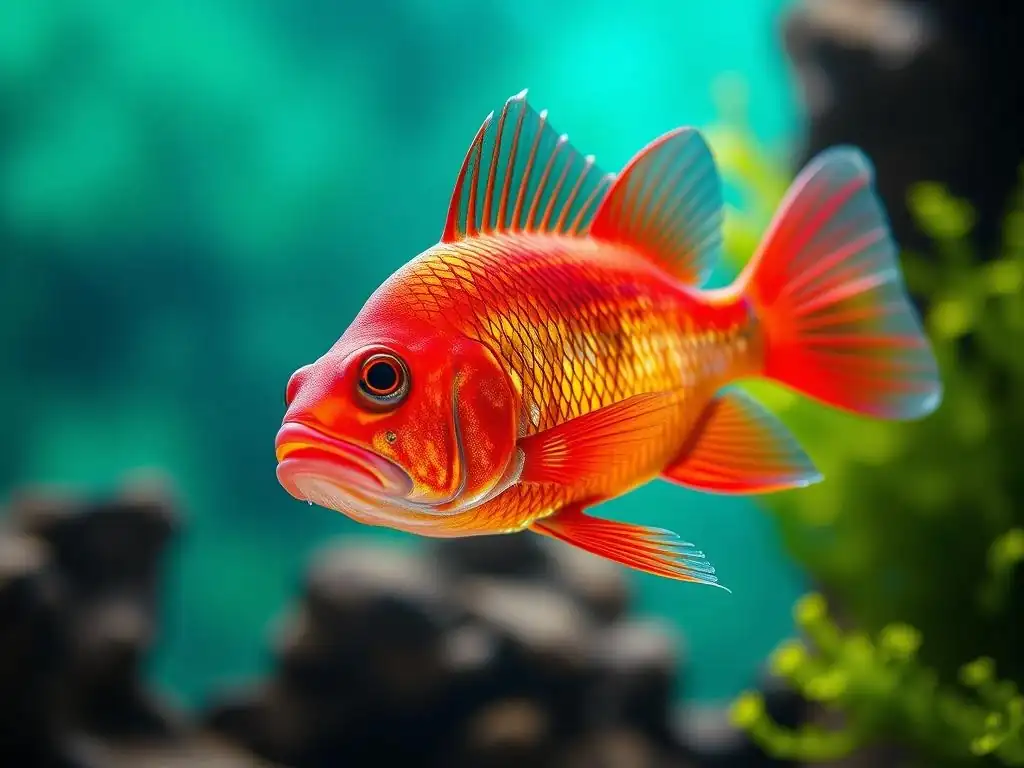
High ammonia and nitrite spikes are critical emergencies in any aquarium, particularly for sensitive cardinalfish, and require immediate action to prevent severe stress, illness, or death. These spikes most commonly occur in newly set up tanks undergoing the nitrogen cycle (new tank syndrome), after a power outage that kills beneficial bacteria, or due to overfeeding or a deceased inhabitant. The first and most crucial step is to perform a large water change, ideally 25-50% of the tank volume, using properly mixed and temperature-matched saltwater. This immediately dilutes the toxins, providing temporary relief for the cardinalfish.
Following the water change, identify and rectify the cause of the spike. If it's a new tank, reduce feeding to a minimum. If a fish has died, remove it immediately.
Consider using an ammonia-detoxifying product, which can temporarily neutralize ammonia's toxicity without removing it, allowing your biological filter time to catch up. Increasing aeration (e.g., with an air stone) also helps, as oxygen is vital for both the fish and the beneficial bacteria. Daily testing and subsequent smaller water changes (e.g., 10-20%) may be necessary until ammonia and nitrite consistently read 0 ppm, ensuring the cardinalfish water parameter guide is back on track.
Troubleshooting pH Fluctuations in Cardinalfish Tanks
pH fluctuations can be a significant source of stress for cardinalfish, impacting their physiological processes and overall health. If you observe inconsistent pH readings in your cardinalfish tank, the first parameter to check is alkalinity (dKH). Low alkalinity is the most common cause of unstable pH, as alkalinity acts as a buffer, resisting changes in pH. If alkalinity is below the ideal range of 8-12 dKH, consider dosing a reef buffer or kalkwasser (calcium hydroxide) solution to slowly raise and stabilize it. For example, a sudden drop from 8.3 to 7.9 pH overnight often indicates insufficient buffering capacity.
Another common cause of pH swings is high CO2 levels, especially in enclosed rooms with poor ventilation or if a CO2 scrubber is not used on a protein skimmer's air intake. Increasing surface agitation through powerheads or an air stone can help off-gas excess CO2 and raise pH. Additionally, ensure there isn't excessive decaying organic matter (like uneaten food or detritus) in the tank or sump, as their decomposition can produce acids that lower pH. Regular water changes also help to replenish buffers and maintain pH stability, adhering to the cardinalfish water parameter guide.
Dealing with Elevated Nitrate Levels: Practical Solutions
Elevated nitrate levels, while less acutely toxic than ammonia or nitrite, pose a chronic threat to cardinalfish health, leading to stress, suppressed immunity, and faded coloration. If your nitrate test consistently reads above 20 ppm, several practical solutions can be implemented to bring them down and maintain a healthy cardinalfish water parameter guide. The most direct method is to increase the frequency and volume of water changes; instead of 10% bi-weekly, consider 20% weekly or even 10% twice a week until levels drop.
Beyond water changes, reducing the sources of nitrates is crucial. This includes reducing feeding amounts to prevent uneaten food from decaying, and ensuring that mechanical filtration (like filter socks) is cleaned or replaced daily to physically remove waste before it breaks down into nitrates. Implementing or improving chemical filtration with nitrate-reducing media (e.g., biopellets, specific nitrate resins) can also be effective. For a more natural approach, adding a refugium with fast-growing macroalgae like Chaetomorpha can export nitrates as the algae grows and is harvested. Addressing these factors collectively will significantly improve your cardinalfish water parameter guide.
Preventing and Treating Water Quality Issues in Cardinalfish Aquariums
Proactive prevention is always superior to reactive treatment when it comes to maintaining optimal cardinalfish water parameters. The best defense against water quality issues is a consistent and diligent maintenance routine. This includes performing regular water tests (as discussed), adhering to a schedule of 10-20% weekly or bi-weekly water changes, and diligently cleaning or replacing mechanical filter media (like filter socks) every few days.
Avoid overstocking your aquarium, as too many fish produce more waste than the biological filter can efficiently process, leading to nutrient buildup. Similarly, avoid overfeeding; feed small amounts multiple times a day that your cardinalfish can consume within a few minutes.
In terms of treatment, if a water quality issue does arise (e.g., a sudden spike in ammonia), immediate corrective action is paramount. This typically involves large water changes, identifying and removing the source of the problem (e.g., a dead fish, excessive feeding), and potentially using detoxifying agents as a temporary measure. For persistent issues like high nitrates, a systematic review of feeding, filtration, and water change frequency is necessary.
Having a prepared batch of saltwater on hand for emergencies can be a lifesaver. By consistently following a robust cardinalfish water parameter guide, you significantly reduce the likelihood of encountering severe water quality problems.
The Impact of Poor Water Quality on Cardinalfish Health
Identifying Signs of Stress in Cardinalfish Due to Poor Water Conditions
Cardinalfish, like most marine fish, are highly sensitive to deviations from their ideal water parameters, and poor water quality will quickly manifest in noticeable signs of stress. Recognizing these indicators early is crucial for intervention and preventing further health decline. One of the most common signs is faded coloration; healthy cardinalfish display vibrant, intense hues, whereas stressed individuals often appear dull or washed out. Clamped fins, where the fins are held tightly against the body rather than spread naturally, are another clear indicator of discomfort or illness caused by suboptimal cardinalfish water parameters.
Other observable signs include lethargy or unusual hiding behavior, where the fish may remain motionless at the bottom or corners of the tank, or constantly seek refuge. Rapid or labored breathing (gilling) indicates a struggle to absorb oxygen, often due to elevated ammonia/nitrite or low dissolved oxygen. Loss of appetite, erratic swimming, or rubbing against tank decor (flashing) are also strong indicators of irritation or illness stemming from poor water conditions. Any of these signs should prompt immediate testing of all major cardinalfish water parameters.
Suboptimal cardinalfish water parameters are a leading cause of stress, which in turn severely compromises their immune system, making them highly susceptible to various diseases. Among the most common are external parasites like Marine Ich (Cryptocaryon irritans) and Marine Velvet (Amyloodinium ocellatum). Ich typically presents as small white spots resembling salt grains on the body and fins, often triggered by sudden changes in temperature or salinity.
Marine Velvet is more aggressive, appearing as a dusty, yellowish film, and can lead to rapid breathing and high mortality if not treated swiftly. Both thrive when fish are stressed by poor water quality.
Bacterial infections, such as fin rot, body slime, or internal bacterial issues, are also frequently opportunistic, striking when the cardinalfish's immune system is weakened. Fin rot, for instance, presents as frayed or disintegrating fins, often a secondary infection in tanks with high nitrates or inconsistent pH. These diseases are far less likely to occur in an aquarium where a diligent cardinalfish water parameter guide is consistently followed. Addressing the underlying water quality issue is often the first step in successful treatment, alongside appropriate medications.
Preventing Cardinalfish Illnesses Through Proper Water Management
Preventing cardinalfish illnesses is fundamentally about maintaining consistently optimal cardinalfish water parameters and a stable, low-stress environment. The adage "an ounce of prevention is worth a pound of cure" is particularly true in marine aquariums. By diligently adhering to the recommended cardinalfish water parameter guide—keeping ammonia and nitrite at zero, nitrates below 20 ppm, and stable temperature, salinity, and pH—you significantly bolster your cardinalfish's natural defenses. Stable conditions reduce chronic stress, which is the primary factor in immune suppression.
Beyond chemical parameters, proper husbandry plays a vital role. Avoid sudden, drastic changes in lighting, water flow, or tank mates that can induce stress. Provide a varied and nutritious diet to ensure they receive all necessary vitamins and minerals, further strengthening their immune system. Implementing a quarantine protocol for all new fish before introducing them to the main display tank is also crucial. This prevents the introduction of pathogens that even healthy fish can carry. By focusing on proactive water management and overall environmental stability, you create a robust ecosystem where cardinalfish can thrive and resist disease naturally.
Optimizing Water Parameters for Cardinalfish Breeding
Specific Water Requirements for Cardinalfish Spawning
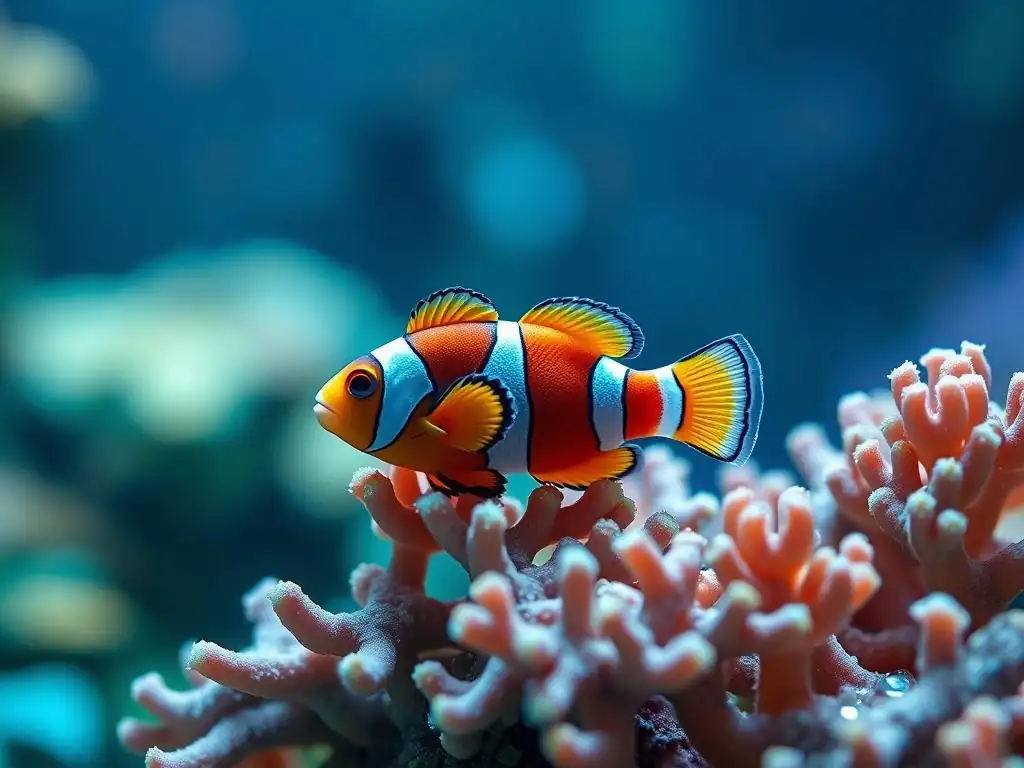
Optimizing water parameters for cardinalfish spawning requires an even higher degree of precision and stability than general husbandry. While the core cardinalfish water parameter guide values remain similar (zero ammonia/nitrite, low nitrates, stable temperature/salinity/pH), slight adjustments and heightened consistency can encourage breeding behavior. Many species, including the popular Banggai Cardinalfish, are mouthbrooders, and pristine water quality signals to them that the environment is safe and conducive for reproduction and the survival of their offspring.
A slightly elevated temperature, often in the upper range of their comfort zone (e.g., 78-80°F or 25.5-26.5°C), can sometimes stimulate spawning. More importantly, maintaining absolutely stable parameters, with virtually no fluctuations in pH, salinity, or temperature, is paramount. This consistency reduces stress on the breeding pair, allowing them to focus their energy on courtship and egg care.
Furthermore, ensuring ample calcium and alkalinity, while primarily for corals, contributes to overall system stability and can indirectly benefit the breeding environment by maintaining robust buffering capacity. Regular, high-quality, varied feeding, often with live foods, also plays a crucial role in conditioning the fish for spawning.
Maintaining Stable Water Conditions During Breeding
Maintaining stable water conditions during the cardinalfish breeding process is even more critical than during normal maintenance, as both the parent fish and the future fry are highly sensitive to environmental shifts. Once a pair begins spawning, any significant fluctuation in cardinalfish water parameters can lead to stress, egg abandonment, or reduced fry viability. Therefore, it's advisable to continue with your regular, small, frequent water changes (e.g., 5-10% twice weekly instead of 20% bi-weekly) to keep nitrates extremely low and replenish trace elements without causing large swings in salinity or temperature.
Automated top-off systems are invaluable during this period to ensure consistent salinity. Careful monitoring of pH and alkalinity is also essential, as these can be impacted by heavy feeding during conditioning. Overfeeding, while necessary for conditioning, can lead to nutrient spikes, so meticulous siphoning of uneaten food and detritus is vital. The goal is to create an environment so consistently perfect that the cardinalfish feel secure enough to complete their delicate breeding cycle, from egg laying to the release of fry, making meticulous adherence to the cardinalfish water parameter guide paramount.
Raising Cardinalfish Fry: Water Quality Considerations
Raising cardinalfish fry presents an even greater challenge in terms of water quality, as the delicate fry are exponentially more sensitive to environmental parameters than adults. For successful rearing, water quality must be immaculate: ammonia and nitrite must remain at absolute zero, and nitrate levels should be virtually undetectable, ideally below 5 ppm. Even minute amounts of these toxins can be lethal to developing fry, whose osmoregulation systems are still immature.
This often necessitates extremely frequent, small micro-water changes—sometimes as often as daily or every other day—using precisely matched and temperature-controlled saltwater. The volume of these changes might be small, perhaps 1-2% of the total volume, to minimize disturbance while effectively diluting waste. Overfeeding, a common issue when feeding tiny fry, must be carefully managed to prevent water fouling.
High-quality mechanical filtration, frequently cleaned, is also crucial. The specific gravity and pH must be held constant, as even slight shifts can cause severe stress and mortality. Adhering to an ultra-strict cardinalfish water parameter guide specifically for fry is non-negotiable for successful propagation.
Advanced Techniques for Maintaining Pristine Water Quality
Using Refugiums to Reduce Nitrates
For those committed to maintaining the most pristine cardinalfish water parameters, incorporating a refugium is an advanced and highly effective technique for natural nitrate reduction. A refugium is typically a separate compartment within the sump, or sometimes a dedicated external tank, designed to house beneficial organisms and macroalgae in a low-flow environment, isolated from the main display's fish and invertebrates. The most common use of a refugium is to cultivate fast-growing macroalgae, such as Chaetomorpha or Caulerpa.
These macroalgae act as natural nutrient exporters. As they grow, they absorb nitrates and phosphates directly from the water column, effectively competing with undesirable nuisance algae in the main display. When the macroalgae is periodically harvested (e.g., every 1-2 weeks), the absorbed nutrients are physically removed from the system, significantly reducing the overall nitrate load. A refugium also provides a safe haven for beneficial microfauna like copepods and amphipods, which can serve as a natural food source for cardinalfish and other inhabitants, further contributing to a balanced and stable cardinalfish water parameter guide.
The Benefits of Deep Sand Beds for Water Quality
Deep Sand Beds (DSBs) are an advanced biological filtration method that can significantly contribute to maintaining pristine cardinalfish water parameters, particularly in terms of nitrate reduction. A DSB typically consists of 4 to 6 inches (or more) of fine aragonite sand, often in a sump or a dedicated section of the display tank. The key benefit lies in the creation of anoxic (low oxygen) zones within the deeper layers of the sand. In these oxygen-deprived areas, a specific type of anaerobic bacteria can thrive.
These bacteria perform denitrification, a process where they convert nitrates (NO3-) into harmless nitrogen gas (N2), which then off-gasses from the aquarium. This natural process effectively removes nitrates from the system without relying solely on water changes. While DSBs require careful initial setup to prevent the formation of hydrogen sulfide (a toxic gas), a properly established and mature DSB can be a powerful tool for maintaining ultra-low nitrate levels, contributing significantly to a comprehensive cardinalfish water parameter guide and a healthier overall environment.
Employing Water Conditioners and Additives
While diligent husbandry and robust filtration are the cornerstones of maintaining optimal cardinalfish water parameters, certain water conditioners and additives can play a supplementary role in enhancing water quality and stability. However, it's crucial to understand that these products are not substitutes for fundamental maintenance practices like regular water changes and proper filtration. For example, alkalinity buffers and calcium supplements are commonly used in reef tanks to maintain stable dKH and calcium levels, which are vital for pH stability and coral health, indirectly benefiting cardinalfish.
Trace element supplements, which replenish elements consumed by marine life and removed by protein skimming, can also be beneficial, though many are replenished sufficiently by regular water changes with a high-quality salt mix. Some products claim to detoxify heavy metals or reduce fish stress, but their efficacy varies. It's essential to use any additives judiciously, following manufacturer instructions, and only after verifying the need through accurate water testing. Over-reliance or improper dosing can do more harm than good. The best cardinalfish water parameter guide emphasizes foundational care first, with additives as a targeted support mechanism.
Conclusion: The Importance of Diligence in Cardinalfish Water Management
Key Takeaways for Maintaining a Healthy Cardinalfish Aquarium
Maintaining a healthy and vibrant cardinalfish aquarium hinges entirely on diligent water management and a deep understanding of their specific needs. The core takeaway is the absolute necessity of stable and pristine cardinalfish water parameters. This means consistently keeping ammonia and nitrite at undetectable levels (0 ppm), managing nitrates below 20 ppm (ideally lower), and maintaining stable temperature (75-82°F), salinity (1.023-1.026 SG), and pH (8.1-8.4). Fluctuations in any of these parameters are a primary source of stress, leading to suppressed immunity and susceptibility to disease.
Regular water testing is not merely a recommendation but a crucial habit, allowing for proactive adjustments rather than reactive crisis management. Paired with consistent partial water changes, appropriate filtration (mechanical, chemical, and biological), and a high-quality salt mix, these practices form the bedrock of a successful cardinalfish water parameter guide. By prioritizing these elements, aquarists can create an environment where cardinalfish not only survive but truly thrive, displaying their natural beauty and active behaviors for years to come.
Resources for Further Learning About Cardinalfish Care
For those passionate about mastering the art of cardinalfish care and ensuring the optimal health and vibrancy of their aquatic inhabitants, continuous learning is key. Aquarium Mastery offers a wealth of detailed resources that delve deeper into various aspects of marine aquarium keeping. Explore our comprehensive guides on saltwater fish profiles, specific species care sheets, and troubleshooting common tank issues to further enhance your understanding.
Our content is organized by aquarium type, species profiles, maintenance schedules, and troubleshooting guides, offering a complete resource for aquarists. By leveraging these resources, you can expand your knowledge beyond this cardinalfish water parameter guide, refining your skills and enriching your experience as a dedicated aquarist.
Frequently Asked Questions
What are the ideal water temperature ranges for Cardinalfish in a saltwater aquarium?
Cardinalfish thrive in a temperature range of 72-78°F (22-26°C). Maintaining a stable temperature within this range is crucial for their health and overall well-being.
What is the recommended salinity level for Cardinalfish, and how should I monitor it?
The recommended salinity for Cardinalfish is typically between 1.023 and 1.025 specific gravity. Use a reliable refractometer to monitor salinity regularly and make adjustments as needed.
What is the importance of pH and alkalinity for Cardinalfish, and what values should I aim for?
Maintaining stable pH and alkalinity levels is vital. Aim for a pH between 8.1 and 8.4 and alkalinity between 8 and 12 dKH. Consistent water changes help maintain these levels.
How often should I perform water changes to maintain optimal water quality for Cardinalfish?
Regular water changes are essential. A 10-20% water change every 1-2 weeks is generally recommended to remove nitrates and replenish essential trace elements.
What are the recommended levels for ammonia, nitrite, and nitrate in a Cardinalfish aquarium, and how can I control them?
Ammonia and nitrite should always be at 0 ppm. Keep nitrate levels below 20 ppm through regular water changes and a well-established biological filter.
Final Reflection: The Enduring Symphony of Cardinalfish Health
The intricacies of maintaining optimal water parameters, as we've explored, are not merely a technical exercise, but a crucial investment in the long-term health and vibrancy of our Cardinalfish. Understanding and diligently applying the principles outlined in this guide ensures that these captivating creatures thrive, transforming our aquariums into miniature ecosystems teeming with life and color. The commitment to precise water chemistry is, ultimately, a commitment to responsible fishkeeping and the preservation of aquatic beauty.
This dedication to detail extends beyond the confines of our tanks, resonating with a broader appreciation for the delicate balance of nature. My own journey into the world of Cardinalfish has instilled in me a profound respect for the interconnectedness of all living things, highlighting the responsibility we bear as custodians of these fragile ecosystems. In nature, nothing exists alone.
- Rachel Carson. This quote perfectly encapsulates the essence of responsible aquarium keeping: understanding that every element, from pH to salinity, plays a vital role in the overall well-being of our aquatic inhabitants.
Now, armed with this knowledge, I invite you to reflect on your own role in the aquatic world. Consider how you can apply these principles not only to your Cardinalfish tank, but also to your broader understanding of environmental stewardship. Let us strive to create not just beautiful displays, but also thriving havens that reflect our commitment to the health and well-being of all creatures, great and small. Embrace the challenge, and witness the extraordinary rewards that come from nurturing life in its most vibrant form.
Ignite Your Cardinalfish Aquarium!
Thank you for diving into the world of Cardinalfish! We hope this article provided valuable insights into creating the perfect environment for these captivating creatures. Now, let's put that knowledge into action and truly elevate your aquarium.
Here are a few things you can do to further enhance your Cardinalfish experience:
- Test your water parameters today! This is the single most important step in ensuring the health and happiness of your Cardinalfish. Don't delay!
- Document your aquarium's parameters and behavior of your cardinalfish daily for the next week. Note any changes you observe in relation to water quality.
- Share a picture of your Cardinalfish tank on social media with the hashtag #AquariumMastery and tell us your favorite thing about these amazing fish.
What unique observation have you made about your Cardinalfish that other aquarists might find surprising or helpful?