
Harlequin Rasbora Secrets: Crafting the Perfect Home for These Stunning Cyprinids

Welcome to Aquarium Mastery!
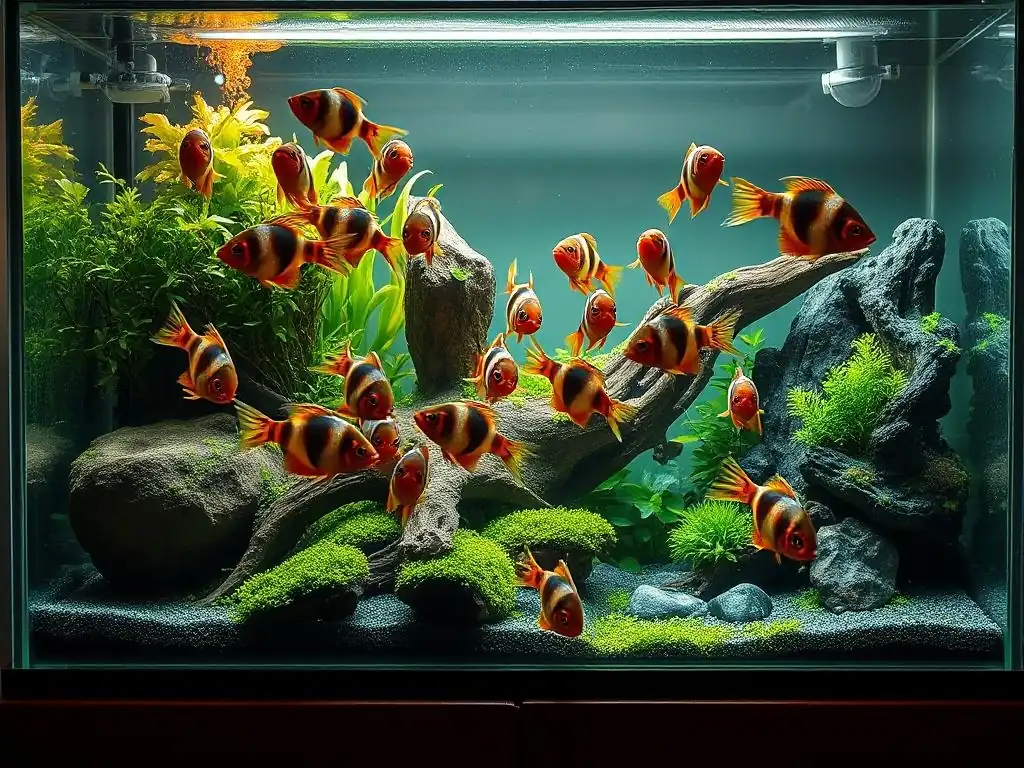
Dive into the vibrant world of Harlequin Rasboras. Ever wondered how to unlock their full potential and create a thriving ecosystem where these dazzling cyprinids truly flourish? In this article, we'll reveal the secrets to a perfect Harlequin Rasbora tank setup, covering everything from ideal water parameters to selecting the best tank mates. Get ready to transform your aquarium and witness the breathtaking beauty of these fascinating fish! Intrigued? Let's explore!
Harlequin Rasbora Tank Setup: Creating an Ideal Environment
Tank Size for Harlequin Rasboras: How Many Rasboras Can You Keep?
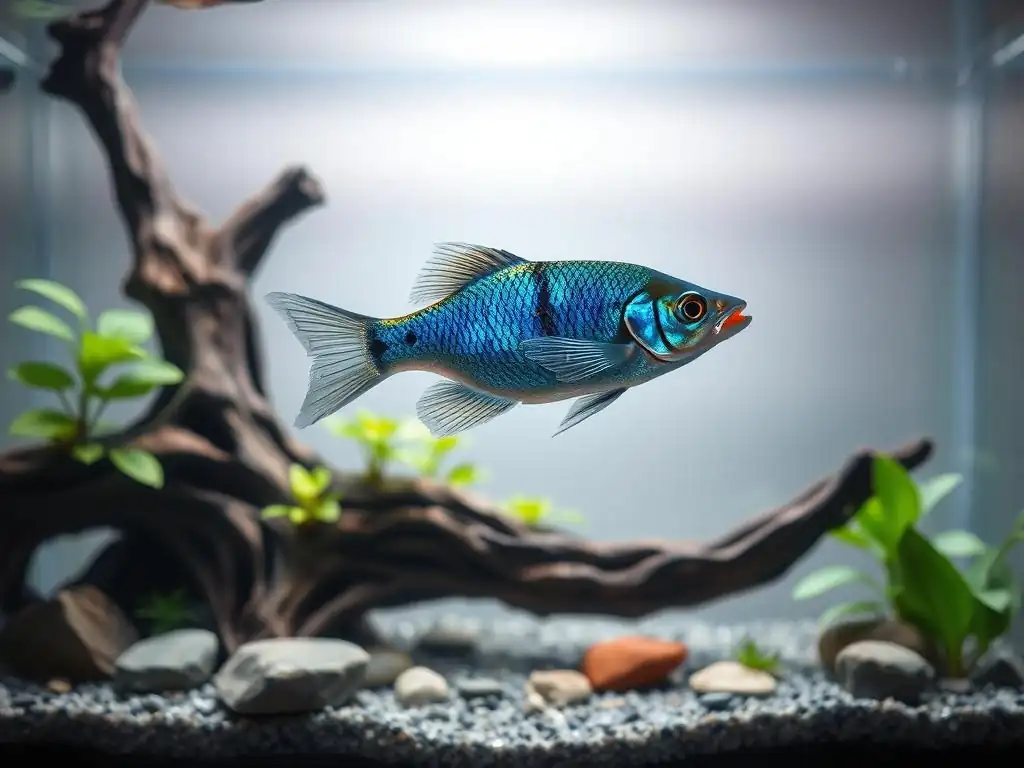
When planning a Harlequin rasbora tank setup, the first consideration is tank size, which directly impacts the well-being and natural schooling behavior of these fish. While a 10-gallon aquarium might seem sufficient for a small group of 6-8 Harlequin rasboras due to their modest adult size of about 1.5-2 inches (3.8-5 cm), a larger tank is highly recommended.
A 20-gallon long (approximately 24" x 12" x 16") provides significantly more horizontal swimming space, which is crucial for active schooling fish and allows for greater water volume stability. This increased space helps to dilute waste products more effectively and provides a more consistent environment.
For optimal health and to observe their fascinating schooling dynamics, Harlequin rasboras thrive in groups of 8-12 individuals or more. A larger school not only reduces individual stress but also makes the fish more confident and vibrant. To comfortably house a school of 10-12 Harlequin rasboras, a 20-gallon long or a 30-gallon breeder tank is ideal.
For those planning a mixed-species community tank, a 40-gallon breeder or larger is even better, offering ample room for a substantial school of rasboras alongside other compatible, peaceful fish. Prioritizing adequate space in your Harlequin rasbora tank setup ensures a thriving and visually appealing aquarium.
Essential Harlequin Rasbora Tank Equipment: Filters, Heaters, and Lighting
A robust Harlequin rasbora tank setup requires several pieces of essential equipment to maintain stable and healthy conditions. Filtration is paramount; these fish thrive in clean, well-oxygenated water. A hang-on-back (HOB) filter is a popular choice for tanks up to 40 gallons, providing excellent mechanical, chemical, and biological filtration.
For a 20-gallon tank, select an HOB filter rated for at least 80-120 gallons per hour (GPH) to ensure adequate water turnover without creating excessive current. Alternatively, a small canister filter offers superior filtration capacity and media options, often preferred for heavily planted setups. Sponge filters can also be utilized, particularly in breeding tanks or as supplemental filtration, but may not be sufficient as the sole filter for a display tank.
As tropical fish, Harlequin rasboras require a stable water temperature within their preferred range of 73-82°F (23-28°C). A submersible heater with an adjustable thermostat is indispensable for any Harlequin rasbora tank setup. For a 20-gallon tank, a 50-watt heater is generally sufficient, while a 100-watt heater might be needed for a 30-40 gallon tank to maintain consistent warmth.
Lighting requirements depend heavily on whether the tank is planted. For a non-planted tank, a basic LED light that provides adequate viewing is fine. However, for a planted Harlequin rasbora tank setup, a full-spectrum LED light with programmable intensity and a timer set for 8-10 hours daily will support healthy plant growth and enhance the fish's colors.
Choosing the Right Substrate for a Harlequin Rasbora Tank
The choice of substrate plays a significant role in both the aesthetics and functionality of a Harlequin rasbora tank setup. Fine gravel or aquarium sand are both excellent options. Darker substrates, such as black sand or dark brown gravel, are often preferred as they help to highlight the vibrant copper-orange coloration and distinctive black triangle of the Harlequin rasbora, making them stand out beautifully. Furthermore, a fine-grained substrate is gentle on the fish's delicate barbels if they occasionally forage along the bottom, and it prevents larger food particles from falling into crevices and decaying, which can compromise water quality.
For a planted Harlequin rasbora tank setup, the substrate choice becomes even more critical. While inert sand or gravel can be used, combining them with a nutrient-rich aquascaping soil beneath a cap of sand or fine gravel will significantly benefit live plants.
For instance, a 1-2 inch layer of specialized plant substrate provides essential nutrients for rooted plants like Cryptocoryne or Echinodorus, while a top layer of inert substrate keeps the nutrient-rich layer from clouding the water. Always ensure that any chosen substrate is thoroughly rinsed multiple times before being added to the aquarium to prevent cloudiness and potential water parameter fluctuations.
Decorating a Harlequin Rasbora Tank: Plants, Driftwood, and Hiding Places
Decorating a Harlequin rasbora tank setup is crucial for their well-being, as these fish originate from densely vegetated, often slow-moving waters. Incorporating a variety of live plants is highly beneficial, as they provide natural hiding spots, reduce stress, and offer surfaces for beneficial biofilm growth.
Ideal plant choices include hardy species like Java Fern ( Microsorum pteropus), Anubias species ( Anubias barteri), various Cryptocoryne species (e.g., Cryptocoryne wendtii), and stem plants such as Rotala rotundifolia or Ludwigia repens. Aim for a mix of broad-leaf plants where they can rest, and areas of dense stem plants for schooling and exploring, mimicking their natural habitat.
Beyond live plants, adding driftwood and smooth, aquarium-safe rocks can greatly enhance the natural feel of your Harlequin rasbora tank setup. Driftwood not only provides aesthetic appeal but can also release beneficial tannins into the water, slightly lowering the pH and creating a "blackwater" effect that closely resembles their native environments in Southeast Asia. These tannins can also have mild anti-bacterial properties.
Ensure any driftwood is properly pre-soaked to prevent excessive tannins and buoyancy issues. Strategic placement of these decorations creates visual barriers and additional hiding spots, making the Harlequin rasboras feel more secure and encouraging them to display their full range of natural behaviors and vibrant coloration.
Frequently Asked Questions
How many Harlequin Rasboras should I keep in a tank?
Harlequin Rasboras are schooling fish and thrive in groups. It's best to keep at least eight or more to ensure they feel safe and display natural behaviors. A larger school also reduces stress and aggression.
What size tank is appropriate for a school of Harlequin Rasboras?
A 10-gallon tank is generally considered the minimum for a small school, but a 20-gallon long tank is much better. This provides ample swimming space and helps maintain stable water parameters.
What type of plants are best for a Harlequin Rasbora tank setup?
Harlequin Rasboras appreciate a well-planted aquarium that mimics their natural habitat. Consider fine-leaved plants like Java Moss, Anubias, or Cryptocoryne, as they provide hiding places and a sense of security.
What are the ideal water parameters for Harlequin Rasboras?
These fish prefer slightly acidic to neutral water with a pH of 6.0-7.0. Maintain a temperature between 72-78°F (22-26°C) and ensure good water quality through regular water changes.
What should I feed my Harlequin Rasboras?
Harlequin Rasboras are omnivores and readily accept a variety of foods. Offer them a balanced diet of high-quality flake food, supplemented with small live or frozen foods like daphnia or brine shrimp.
Final Reflection: Cultivating Aquatic Harmony
The journey of creating the perfect Harlequin rasbora tank setup extends far beyond simply filling an aquarium with water and plants. It's about understanding the delicate balance of an ecosystem and replicating the natural environment that allows these stunning cyprinids to truly thrive. Today, as we face increasing awareness of the importance of biodiversity and responsible pet ownership, this commitment to creating optimal conditions for our aquatic companions is more crucial than ever.
This exploration into the nuances of Harlequin rasbora care has profoundly influenced my perspective on the interconnectedness of life, even within the confines of a glass tank. It's a constant reminder that even seemingly small actions, like choosing the right substrate or maintaining optimal water parameters, can have a significant impact on the well-being of another living creature. The greatness of a nation and its moral progress can be judged by the way its animals are treated.
- Mahatma Gandhi. This quote resonates deeply when considering the responsibility we undertake when bringing any animal, including the Harlequin rasbora, into our care.
Now, I invite you to reflect on your own relationship with the natural world. Consider how you can apply the principles of thoughtful planning and attentive care, learned through the lens of the Harlequin rasbora tank setup, to other aspects of your life. Let the dedication you invest in creating a thriving aquatic environment inspire you to cultivate harmony and well-being in all your endeavors, fostering a deeper appreciation for the beauty and fragility of life around us.
Dive Deeper: Cultivate Your Harlequin Haven!
Thank you for exploring the vibrant world of Harlequin Rasboras with us. We hope this article has illuminated the path to creating a thriving environment for these dazzling fish. Now, let's translate knowledge into action!
- Take the plunge and start planning your Harlequin Rasbora tank today! Consider the tips on plants, tank mates, and water parameters to ensure a happy and healthy shoal.
- Share your favorite Harlequin Rasbora photo or a video of your tank on social media and tag Aquarium Mastery using #HarlequinRasboraHaven. Let's spread the beauty!
- Experiment with different slow-sinking food options to discover your rasboras' favorite treat. Report your findings in the comments below!
What specific plant are you most excited to incorporate into your Harlequin Rasbora tank, and why?