
Snail Reproduction in the Reef Tank: Blessing or Curse?

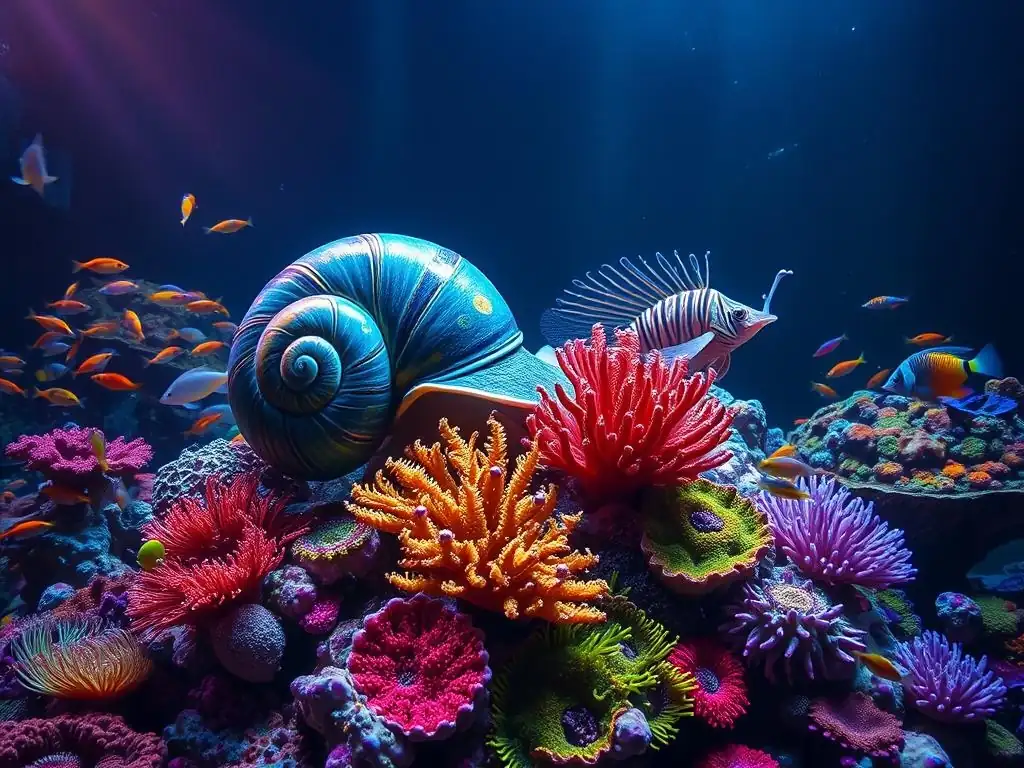
Welcome to Aquarium Mastery, where your underwater aspirations take flight!
Ever wondered if those tiny snails in your reef tank are more than just algae eaters? Dive deep into the fascinating world of reef tank snail breeding and discover whether their prolific reproduction is a blessing that boosts your ecosystem, or a curse that threatens its delicate balance. Read on to unlock the secrets and learn how to manage these miniature marvels!
- Reef Tank Snail Reproduction: Blessing or Curse?
- Understanding Reef Tank Snail Breeding Dynamics
- Is Reef Tank Snail Breeding a Problem? Potential Drawbacks
- Reef Tank Snail Breeding: The Benefits
- Identifying Snail Eggs and Juvenile Snails in Your Reef
- Controlling Snail Population Growth in the Reef Tank
- Managing Reef Tank Snail Breeding: A Balanced Approach
- Troubleshooting Common Snail Breeding Issues in Reef Tanks
- Choosing the Right Snails for Your Reef Tank: Preventing Breeding Issues
- Reef Tank Snail Breeding: A Summary of Pros and Cons
-
Frequently Asked Questions
- How quickly do snails typically reproduce in a reef tank environment?
- What are the potential benefits of snails breeding in a reef tank?
- Are there any downsides to having too many snails in a reef tank?
- How can I control the snail population in my reef tank if they breed too much?
- What are the best snail species for beginner reef tank keepers who want to try breeding?
- Final Reflection: Navigating the Reef's Delicate Balance
- Dive Deeper: Transform Your Reef Tank Now!
Reef Tank Snail Reproduction: Blessing or Curse?
Understanding Reef Tank Snail Breeding Dynamics
The Role of Snails in a Reef Ecosystem
Snails are indispensable members of the clean-up crew in any healthy reef aquarium, mirroring their vital roles in natural marine ecosystems. They primarily function as detritivores and herbivores, diligently grazing on nuisance algae, consuming decaying organic matter, and sifting through the substrate. Their continuous activity helps prevent the accumulation of waste products and maintains the aesthetic appeal of the tank by keeping surfaces clear of unsightly films and algae blooms.
Beyond their visible cleaning efforts, snails contribute significantly to the nutrient cycling within a reef tank. By consuming excess nutrients bound in algae and detritus, they help to export these compounds from the water column, effectively reducing nitrate and phosphate levels. This proactive nutrient management by a well-balanced snail population can mitigate the risk of undesirable algae outbreaks, fostering a more stable and pristine environment for corals and fish.
Common Reef Snail Species and Their Reproductive Habits
Several snail species commonly inhabit reef tanks, each with distinct reproductive strategies that influence their reef tank snail breeding potential. Understanding these habits is crucial for managing their populations effectively. For instance, Nassarius snails (e.g., Nassarius vibex) are popular detritivores that often lay clear, jelly-like egg masses on glass or powerheads, releasing free-swimming veliger larvae into the water column, which can settle and grow into new snails if conditions are favorable.
Similarly, Cerith snails ( Cerithium spp.) are prolific breeders, known for their distinctive spiral or ribbon-like egg strings, usually deposited on tank glass or smooth rock surfaces. Their larvae are also planktonic, and given ample food and stable parameters, reef tank snail breeding can lead to rapid population explosions.
In contrast, species like Trochus ( Trochus histrio) and Astrea ( Astrea tecta) snails are broadcast spawners, releasing eggs and sperm directly into the water, with larvae that are typically difficult to raise to maturity in closed aquarium systems, making their successful breeding less common in home tanks. Nerite snails ( Nerita spp.) lay hard, white, sesame-seed-sized egg cases, but their larvae require brackish water to develop, meaning that while eggs are often seen, successful reef tank snail breeding to adulthood is exceedingly rare in saltwater aquariums.
Is Reef Tank Snail Breeding a Problem? Potential Drawbacks
Overpopulation of Snails: Causes and Consequences
Excessive reef tank snail breeding often stems from an abundance of food sources, primarily nuisance algae and uneaten fish food, coupled with a lack of natural predators. When conditions are ideal for reproduction, a few initial snails can quickly multiply into hundreds, leading to an overpopulation crisis. For example, a single Cerith snail can lay hundreds of eggs in a clutch, and if survival rates are high, a 50-gallon reef tank could become visibly overrun with hundreds of juvenile snails within a matter of months.
The consequences of such an explosion are manifold. Aesthetically, the tank can appear cluttered, with snails covering every surface. More critically, a massive snail population consumes significant amounts of oxygen, especially at night, potentially stressing other inhabitants.
Furthermore, when large numbers of snails inevitably die off due to old age or competition, their decaying bodies can rapidly release ammonia and nitrates, causing dangerous spikes in water parameters. A sudden die-off of just 100 small snails in a 50-gallon system, for instance, can elevate ammonia levels from undetectable to 0.5 ppm or higher within a few hours, posing a severe threat to fish and corals.
Impact of Snail Overpopulation on Water Parameters
An unchecked reef tank snail breeding boom directly impacts the delicate water chemistry of a reef aquarium. As snail populations expand, so does their collective metabolic waste output, contributing a substantial organic load to the system. Their feces, along with the decaying bodies of deceased snails, decompose and release nitrates and phosphates into the water column.
This continuous input of nutrients can overwhelm the tank's filtration capacity, leading to persistently elevated nitrate and phosphate levels. For example, if a tank's nitrate levels typically hover around 2-5 ppm, a significant snail overpopulation could push them to 20 ppm or higher, directly fueling the growth of undesirable algae like hair algae or dinoflagellates. Such nutrient imbalances can also stress corals, potentially leading to reduced growth, poor coloration, or even tissue necrosis, thus undermining the stability and health of the entire reef ecosystem.
Competition for Resources: Snails vs. Other Reef Inhabitants
When reef tank snail breeding leads to overpopulation, the increased demand for resources can create competition with other beneficial reef inhabitants. Snails primarily graze on algae and consume detritus, putting them in direct competition with other members of the clean-up crew such as hermit crabs, various other snail species, and even some herbivorous fish like tangs. If snails consume all available food too quickly, these other valuable grazers may starve or become less effective.
Beyond food, snails can also compete for physical space on live rock and tank surfaces. A dense carpet of snails can smother slow-growing corals or block light from reaching them, causing stress and potential recession. While generally beneficial, an uncontrolled reef tank snail breeding population can shift the ecological balance, potentially leading to a less diverse and less resilient clean-up crew, as other species struggle to find adequate sustenance or suitable habitat within the crowded environment.
Reef Tank Snail Breeding: The Benefits
Natural Algae Control: The Snail's Contribution
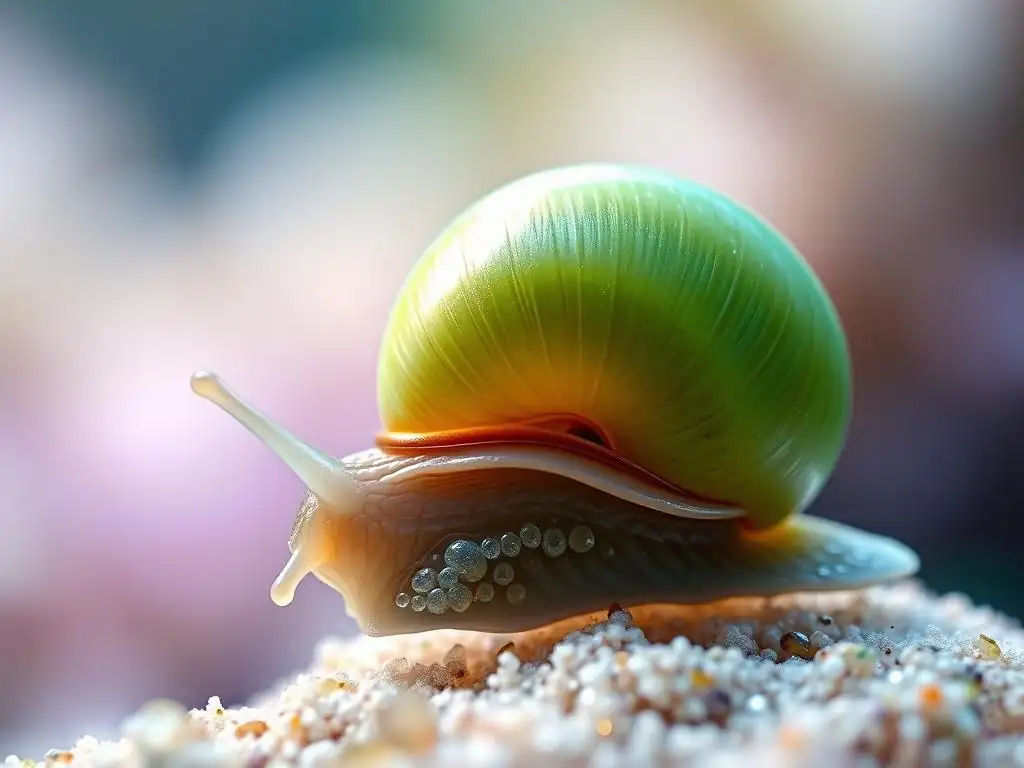
One of the primary and most appreciated benefits of snails in a reef tank is their role as natural algae controllers. Different snail species specialize in consuming various types of nuisance algae, making them an indispensable part of a balanced clean-up crew. For example, Cerith snails are excellent at grazing film algae and diatoms from glass and rockwork, while Trochus snails are highly effective against tougher hair algae.
A healthy and sustainable reef tank snail breeding population ensures a continuous supply of these natural grazers, reducing the need for manual scrubbing or chemical interventions. This constant grazing pressure helps to prevent widespread algae blooms, maintaining the aesthetic clarity of the tank and ensuring light penetration for corals. A general guideline for a healthy population is typically 1-2 small snails per gallon, which can significantly reduce the incidence of nuisance algae blooms, making them a cornerstone of proactive tank maintenance.
Detritus Removal: Keeping the Reef Clean
Beyond algae, many snail species are crucial detritivores, playing a vital role in the removal of decaying organic matter from the reef tank. They tirelessly consume uneaten fish food, fish waste, and other decomposing debris that settles on the substrate and within the rockwork. This scavenging activity prevents the accumulation of waste, which if left unchecked, can break down into harmful ammonia and nitrates.
Nassarius snails, in particular, are renowned for their ability to burrow through the sand bed, aerating the substrate and consuming buried detritus. This behavior helps prevent the formation of anaerobic pockets, which can release toxic hydrogen sulfide. The consistent detritus removal facilitated by a thriving, but controlled, reef tank snail breeding population is fundamental to maintaining excellent water quality and a clean, healthy substrate, directly contributing to the overall stability of the reef ecosystem.
A Sign of a Healthy Reef Tank Environment
Successful reef tank snail breeding within an aquarium is often a strong indicator of a thriving and stable reef environment. The conditions necessary for snails to reproduce—consistent water parameters, sufficient food sources (algae and detritus), and the absence of harmful toxins or excessive predation—are precisely those that support a robust and balanced ecosystem. When snails are reproducing, it suggests that the biological filtration is well-established and capable of handling the tank's organic load.
Moreover, a reproducing snail population signifies a healthy base of the food chain, indicating that there is enough microalgae and detritus to sustain not only the adult snails but also their offspring. This natural cycle demonstrates the resilience and maturity of the reef tank, where the biological processes are working in harmony. Therefore, observing reef tank snail breeding can be a reassuring sign that your aquarium is a well-balanced and self-sustaining miniature ocean.
Identifying Snail Eggs and Juvenile Snails in Your Reef
Recognizing Snail Egg Masses: A Visual Guide
Identifying snail egg masses is the first step in monitoring reef tank snail breeding activity. Different species lay distinct types of eggs. For instance, Nassarius snails typically lay small, clear, gelatinous blobs, often found attached to the aquarium glass, powerheads, or smooth rock surfaces, sometimes appearing in clusters. These blobs are usually translucent, allowing the tiny developing embryos inside to be faintly visible.
Cerith snails, on the other hand, produce more elaborate egg masses, which are frequently described as spiral or ribbon-like strings of tiny white or off-white dots. These distinctive ribbons are commonly seen adhered to the glass or flat rock surfaces. Nerite snail eggs, if present, are hard, white, sesame-seed sized capsules that are incredibly tenacious and difficult to scrape off, often appearing on glass, live rock, or even on the shells of other snails. Learning to differentiate these forms helps aquarists understand which species are reproducing and manage their populations accordingly.
Spotting Baby Snails: Early Detection is Key
Spotting juvenile snails can be challenging due to their minuscule size, but early detection is crucial for managing reef tank snail breeding before populations become overwhelming. Newly hatched snails are often no larger than a pinhead and may appear translucent or pale, gradually developing the coloration and shell structure of their adult counterparts as they grow. They are most commonly found grazing on the aquarium glass, especially in less disturbed areas, or hidden within the crevices of live rock.
To effectively spot these tiny offspring, regular, close inspection of the tank surfaces, particularly the glass and areas with fine film algae, is recommended. A magnifying glass can be a valuable tool for identifying these minute invertebrates. Early detection allows aquarists to intervene with population control measures, such as manual removal or nutrient reduction, before the reef tank snail breeding leads to an unmanageable boom.
Controlling Snail Population Growth in the Reef Tank
Manual Removal: A Hands-On Approach
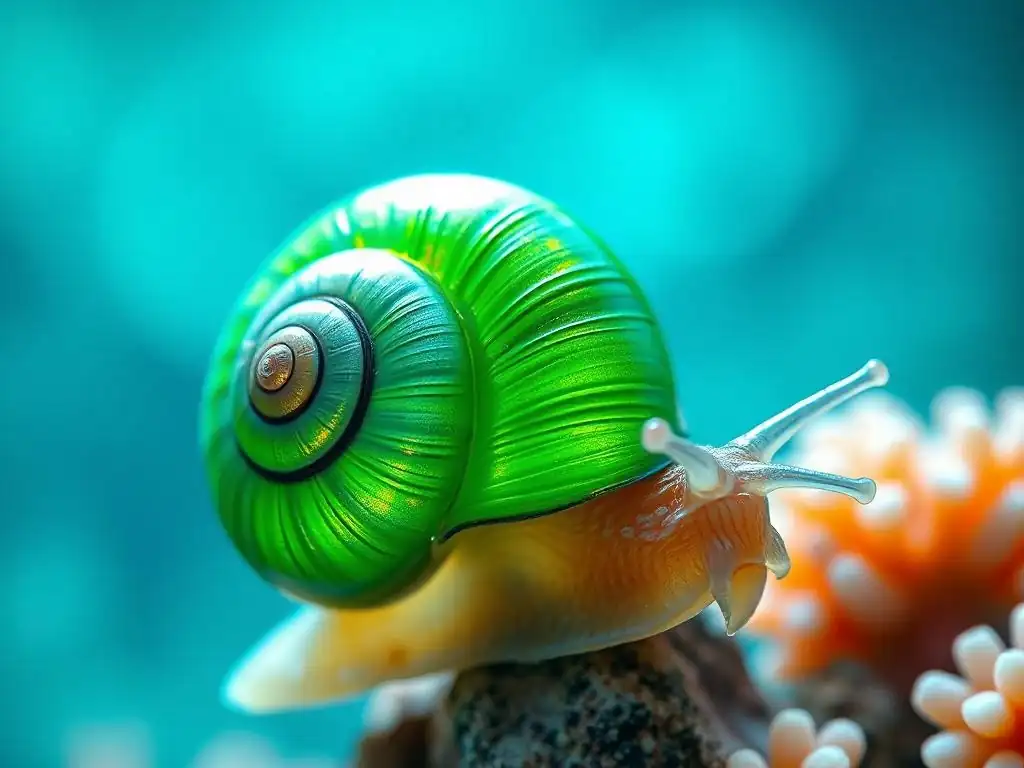
Manual removal is one of the most direct and effective methods for controlling reef tank snail breeding populations, especially during the early stages of an overpopulation. This hands-on approach involves physically removing snails from the aquarium. For snails that cling to the glass or easily accessible rockwork, they can be simply picked off by hand or gently scraped with an algae magnet. For those in harder-to-reach areas, long-handled tweezers or a siphon can be used.
Another effective manual technique involves setting up a simple snail trap. Placing a blanched piece of lettuce, zucchini, or a small amount of fish food in the tank overnight can attract a significant number of snails, which can then be easily removed in the morning. While labor-intensive for severe outbreaks—requiring the removal of possibly hundreds of snails daily from a medium-sized tank—manual removal is a non-chemical solution that allows aquarists precise control over the number of snails removed.
Introducing Natural Predators: Wrasse, Hermit Crabs
Introducing natural predators can be an effective biological control method for managing reef tank snail breeding populations, though it requires careful consideration of tank compatibility. Certain fish species are known for their appetite for small invertebrates, including snails. For instance, various wrasse species, such as the Six-Line Wrasse ( Pseudocheilinus hexataenia) or Melanurus Wrasse ( Halichoeres melanurus), are excellent choices for their ability to actively hunt and consume juvenile and even some adult snails. A single Six-Line Wrasse in a 50-gallon tank can significantly reduce reef tank snail breeding populations within weeks.
Similarly, some species of hermit crabs, particularly the Dwarf Blue Leg Hermit Crab ( Clibanarius tricolor), may consume very small snails or compete directly for food sources, indirectly helping to curb snail numbers. However, it's crucial to research the specific dietary habits and temperament of any potential predator to ensure they are reef-safe and won't harm desirable tank inhabitants like corals or other valuable clean-up crew members. The introduction of predators should be a last resort or carefully planned strategy, as their removal can be challenging if they become too efficient or problematic.
Optimizing Water Chemistry to Limit Breeding
Optimizing water chemistry plays a critical, albeit indirect, role in limiting excessive reef tank snail breeding. While snails thrive in stable reef environments, their reproduction rates are often directly correlated with the availability of food, which is influenced by nutrient levels. Maintaining consistently low levels of nitrates and phosphates is paramount, as these nutrients fuel the growth of algae, the primary food source for many common reef snails.
Regular water changes (e.g., 10-15% bi-weekly for a typical reef tank), efficient protein skimming, and the use of phosphate-removing media like Granular Ferric Oxide (GFO) are effective strategies to keep nutrient levels in check. For example, consistently keeping nitrates below 5 ppm and phosphates below 0.03 ppm can naturally curb the food supply for snails, thus discouraging prolific reef tank snail breeding. By reducing the overall nutrient load, aquarists can create an environment that supports a healthy snail population without encouraging uncontrolled proliferation.
Reducing Algae Growth: Nutrient Control and Lighting Adjustments
Reducing algae growth is a direct approach to controlling reef tank snail breeding, as algae is the primary food source for many prolific snail species. Implementing robust nutrient control strategies is essential. This includes avoiding overfeeding fish and corals, ensuring all food is consumed quickly, and employing effective nutrient export mechanisms such as a well-maintained protein skimmer, a refugium with macroalgae, or carbon dosing systems.
Furthermore, optimizing lighting can significantly impact algae growth. Excessive photoperiods (e.g., more than 10 hours daily) or inappropriate light spectrums can encourage nuisance algae. Adjusting the daily photoperiod to 8-10 hours, ensuring proper light intensity, and replacing old bulbs that may shift their spectrum can starve out algae. For instance, reducing the photoperiod or intensity for a few weeks can visibly diminish algae, thereby reducing the available food and naturally limiting reef tank snail breeding without resorting to chemical treatments.
Managing Reef Tank Snail Breeding: A Balanced Approach
Maintaining a Sustainable Snail Population
The goal in managing reef tank snail breeding is not complete eradication, but rather the maintenance of a sustainable and beneficial snail population. Snails are vital members of the clean-up crew, and their contributions to algae control and detritus removal are invaluable. A balanced approach involves allowing a healthy number of snails to thrive, providing continuous cleaning services, without letting their numbers explode to problematic levels.
A general guideline for a sustainable population in a well-established reef tank is typically 1-2 small to medium-sized snails per gallon. This ratio ensures sufficient grazing pressure on algae and efficient detritus removal without causing issues of overpopulation or resource competition. Regularly assessing the tank's needs and observing snail numbers will help aquarists determine if their reef tank snail breeding is contributing positively or becoming a potential burden.
Monitoring Water Parameters and Algae Levels
Consistent monitoring of water parameters and algae levels is paramount for effective management of reef tank snail breeding. Regular testing of key parameters such as nitrate, phosphate, alkalinity, calcium, and magnesium provides crucial insights into the overall health and stability of the reef environment. Elevated nitrates and phosphates, for example, are direct indicators of excessive nutrient load, which can fuel algae growth and subsequently trigger a snail population boom.
Beyond chemical tests, daily visual observation of algae growth on the aquarium glass, live rock, and substrate offers immediate feedback. A sudden increase in film algae or the appearance of hair algae can signal an underlying nutrient issue that will likely promote reef tank snail breeding. By proactively addressing these indicators through water changes, nutrient export methods, or feeding adjustments, aquarists can prevent conditions favorable for uncontrolled snail proliferation and maintain a balanced ecosystem.
Preventing Overpopulation: Proactive Strategies
Preventing snail overpopulation through proactive strategies is far more effective than reacting to an established boom in reef tank snail breeding. A cornerstone of prevention is responsible feeding; ensuring that fish and corals receive only the amount of food they can consume within a few minutes dramatically reduces the organic waste that fuels algae growth and, consequently, snail reproduction. Regular maintenance, including consistent water changes and thorough gravel vacuuming (if applicable to your substrate), also helps remove excess nutrients and detritus.
Furthermore, carefully selecting the initial clean-up crew to include species with lower reef tank snail breeding potential in captivity, such as Nerite or Trochus snails, can mitigate future issues. Regularly inspecting new live rock or coral for hitchhiker snails or egg masses before introduction is another critical proactive step. By adopting these consistent practices, aquarists can create an environment that discourages exponential snail growth while still benefiting from their cleaning services.
Troubleshooting Common Snail Breeding Issues in Reef Tanks
Sudden Snail Population Boom: Investigating the Cause
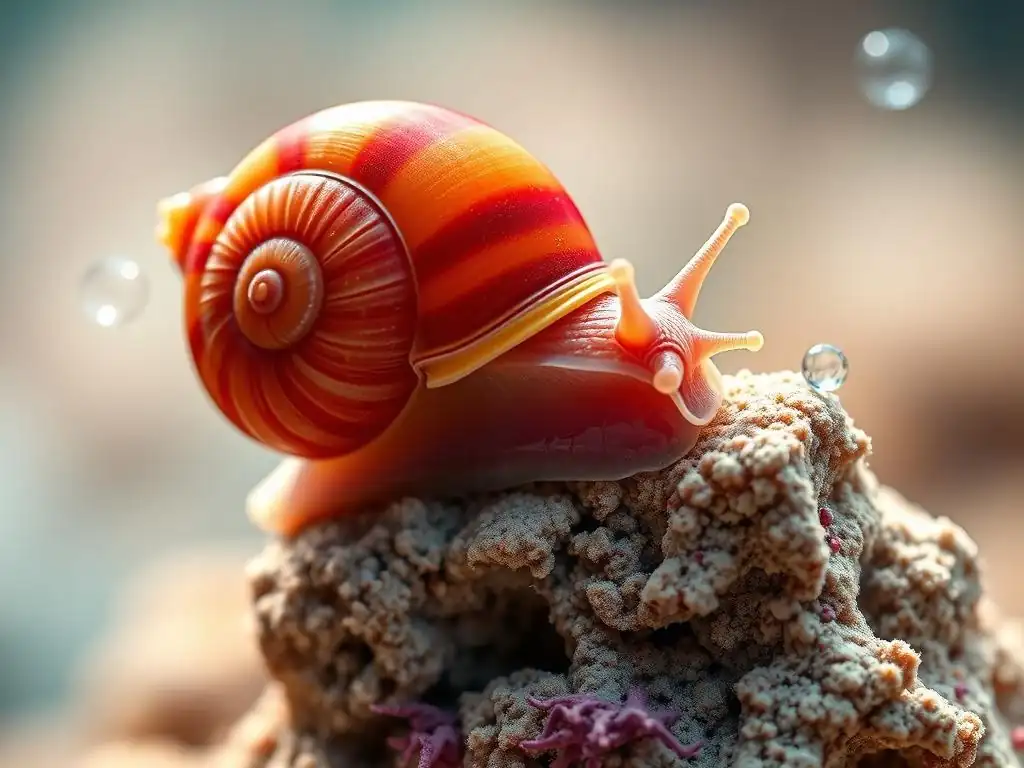
A sudden and unexplained snail population boom in a reef tank is a clear indicator that underlying environmental conditions have become excessively favorable for reef tank snail breeding. The first step in troubleshooting is to thoroughly investigate the potential causes. Common culprits include consistent overfeeding, which provides an abundant food source for snails, or a breakdown in the tank's filtration system (e.g., a clogged filter sock, an inefficient protein skimmer, or a compromised biological filter) leading to elevated nutrient levels.
Another less obvious cause can be the introduction of new live rock or corals that carried hitchhiker snails or their egg masses, inadvertently adding prolific breeders to the system. Even a change in lighting, such as a bulb nearing the end of its life cycle and shifting its spectrum, can sometimes trigger an algae bloom that feeds a snail explosion. Begin by testing all water parameters, reviewing feeding habits, inspecting filtration equipment, and considering recent additions to pinpoint the exact cause.
Unexplained Snail Die-Off: Identifying Potential Problems
While reef tank snail breeding can be a concern, an unexplained snail die-off is equally, if not more, alarming, as it often signals a serious problem within the reef tank. Potential causes include sudden and drastic swings in water parameters such as salinity, temperature, or pH, which can be lethal to invertebrates. Exposure to toxins is another common reason; this could be from accidental introduction of household chemicals, residual medications from previous treatments, or even heavy metals leaching from equipment.
Lack of food due to overpopulation and subsequent starvation, or the presence of a disease or parasite targeting snails, are also possibilities. Upon noticing a die-off, immediate action is crucial: perform a large water change (e.g., 50% for a 50-gallon tank to dilute potential toxins), add fresh activated carbon to the filtration to remove impurities, and meticulously test all water parameters. Promptly remove any dead snails to prevent further ammonia spikes from their decomposition, which could cascade into a full tank crash.
Dealing with Specific Snail Species Overbreeding: Cerith Snails
Cerith snails ( Cerithium spp.) are among the most common and prolific breeders in reef tanks, making them a frequent focus when dealing with specific snail species overbreeding. Their ability to lay numerous, visible egg masses and their relatively fast reproductive cycle means that reef tank snail breeding by Ceriths can quickly lead to overwhelming numbers if conditions are favorable. While excellent detritivores and algae eaters, their sheer numbers can become problematic.
Targeted strategies for managing Cerith overbreeding include diligent manual removal of both adult snails and their distinctive spiral egg masses whenever spotted. Introducing a small, reef-safe wrasse, such as a Six-Line Wrasse, can significantly reduce their numbers by preying on juvenile snails. Ensuring that there are no excessive food sources, particularly detritus and film algae, that specifically benefit Cerith snails will also naturally curb their breeding rates. Regular substrate agitation can also disrupt their egg-laying sites and reduce survival rates of newly hatched snails.
Choosing the Right Snails for Your Reef Tank: Preventing Breeding Issues
Selecting Snail Species with Limited Breeding Potential
To proactively prevent issues associated with excessive reef tank snail breeding, aquarists can strategically select snail species known for their limited reproductive potential in typical aquarium environments. Nerite snails ( Nerita spp.) are an excellent choice in this regard; while they will lay their distinctive white, sesame-seed-like egg cases on tank surfaces, their larvae require brackish water to develop into mature snails, meaning successful reproduction in a saltwater reef tank is virtually impossible.
Similarly, Trochus ( Trochus histrio) and Astrea ( Astrea tecta) snails, while effective grazers, are broadcast spawners. Their eggs and sperm are released into the water column, and the resulting planktonic larvae are notoriously difficult to raise in captivity due to specific feeding and environmental requirements. By prioritizing these species over more prolific breeders like Cerith or Nassarius snails, aquarists can significantly reduce the likelihood of an uncontrolled reef tank snail breeding boom, maintaining a manageable and effective clean-up crew.
Considering the Size and Capacity of Your Reef Tank
The size and biological capacity of your reef tank are crucial factors to consider when selecting snails and anticipating reef tank snail breeding issues. Smaller nano-tanks (e.g., 20 gallons or less) are inherently more susceptible to rapid overpopulation problems because their limited volume offers less buffering capacity against nutrient spikes and physical space constraints become apparent much faster. In such tanks, even a moderate snail breeding event can quickly lead to an aesthetic and biological nuisance.
Conversely, larger reef tanks (e.g., 100 gallons or more) can generally handle a higher density of snails and are more resilient to minor population fluctuations. When stocking, aim for a conservative number of snails, perhaps 1-2 small snails per 5 gallons in a nano tank, and adjust based on observed algae levels. Understanding that a reef tank snail breeding boom in a 20-gallon tank will be far more impactful than in a 100-gallon system dictates a more cautious approach to initial stocking and ongoing monitoring in smaller setups.
Researching Snail Compatibility with Other Reef Inhabitants
Thorough research into snail compatibility with other reef inhabitants is essential, not just to prevent predation on the snails themselves, but also to ensure they don't inadvertently cause issues for corals or other invertebrates. While most clean-up crew snails are considered reef-safe, some species might irritate corals if they frequently crawl over them, or they might compete with other grazers for food. It's also vital to differentiate beneficial grazers from parasitic snails, such as Pyramid Snails ( Pyramidella spp. ), which prey on tridacna clams, and should be avoided at all costs.
Conversely, understanding which tank inhabitants might prey on your desired snails is equally important. Certain fish, like puffers or triggerfish, will readily consume snails, rendering your clean-up crew ineffective. Even some larger hermit crabs can become opportunistic predators of snails. Prior to adding any snail, investigate its specific dietary needs, typical behavior, and known interactions with your existing fish, corals, and other invertebrates. This diligence helps ensure that your chosen snails will thrive, contribute positively, and not exacerbate reef tank snail breeding issues or create new problems within your carefully curated reef ecosystem.
Reef Tank Snail Breeding: A Summary of Pros and Cons
The Final Verdict: To Encourage or Control?
The final verdict on reef tank snail breeding is unequivocally that it is a blessing when controlled, but can quickly become a curse if left unchecked. The ability of snails to reproduce in a home aquarium is a strong indicator of a healthy, stable, and nutrient-rich environment, signaling that the biological processes are functioning effectively. These naturally reproducing populations can provide a continuous supply of highly efficient algae grazers and detritivores, contributing significantly to water quality and overall tank cleanliness without constant human intervention or additional purchases.
However, the rapid reproductive rates of certain species, coupled with abundant food sources, can quickly lead to overpopulation. This can result in aesthetic problems, increased organic waste from snail die-offs, oxygen depletion, and competition for resources with other beneficial inhabitants. Therefore, while reef tank snail breeding itself is a positive sign, active monitoring and management are essential to maintain a sustainable balance, ensuring that the benefits of natural reproduction outweigh the potential drawbacks of uncontrolled proliferation.
Tips for a Healthy and Balanced Reef Ecosystem with Snails
Achieving a healthy and balanced reef ecosystem that effectively utilizes snails without succumbing to overpopulation requires consistent attention to several key practices. Firstly, always prioritize responsible feeding; only provide the amount of food that your fish and corals can consume quickly, minimizing excess organic waste that fuels algae growth and subsequent snail booms. Secondly, maintain diligent water parameter monitoring, particularly for nitrates and phosphates, as these directly correlate with the food available for reef tank snail breeding.
Thirdly, implement a robust maintenance schedule that includes regular water changes, efficient protein skimming, and, if necessary, the use of nutrient-exporting media. Fourthly, observe your snail populations regularly for any signs of rapid increases, allowing for early intervention through manual removal or adjustments to nutrient control. Finally, consider stocking a diverse clean-up crew, including snails with lower reef tank snail breeding potential, to ensure comprehensive algae and detritus control without relying solely on highly prolific species.
Frequently Asked Questions
How quickly do snails typically reproduce in a reef tank environment?
Snails in reef tanks can reproduce at varying rates depending on the species and tank conditions. Some species breed rapidly, while others reproduce slowly or not at all in captivity. Optimal water parameters and abundant food sources can accelerate breeding.
What are the potential benefits of snails breeding in a reef tank?
Snail reproduction can be a natural food source for certain fish and invertebrates. It can also contribute to a healthy and balanced ecosystem within the reef tank. They can also aid in removing algae and detritus from the tank.
Are there any downsides to having too many snails in a reef tank?
An overpopulation of snails can lead to competition for resources, potentially harming other inhabitants. Excess snails can also contribute to increased waste production, negatively impacting water quality. And, in some cases, they may even harm corals.
How can I control the snail population in my reef tank if they breed too much?
Manual removal is the most common method, physically removing excess snails. Introducing natural predators like certain fish or invertebrates can also help control populations. Another is to reduce excess nutrients in the tank.
What are the best snail species for beginner reef tank keepers who want to try breeding?
Cerith snails are often recommended for beginners due to their relatively easy breeding requirements. Nassarius snails are also a good choice, being detritus eaters that help keep the tank clean. Ensure you research compatibility with other tank inhabitants before introducing any species.
The intricacies of reef tank ecosystems, as we've explored, are constantly in flux, and the seemingly simple act of reef tank snail breeding highlights this dynamic perfectly. What begins as a hopeful sign of a thriving environment can quickly become a challenge, demanding careful observation and proactive management. Understanding the potential blessings and curses of this natural process is crucial for any reef tank enthusiast striving for a balanced and healthy aquatic world.
The proliferation of snails, while initially beneficial for algae control and detritus removal, underscores the delicate balance within our miniature reefs. This experience has deeply reinforced the importance of responsible reef keeping, reminding us that even the smallest creatures can have a significant impact on the overall health of the system. The health of the ecosystem is only as strong as its weakest link.
This quote resonates deeply when considering the potential consequences of unchecked snail populations, urging us to approach reef keeping with a holistic and mindful perspective.
As you continue your journey in the captivating world of reef keeping, remember the lessons learned about reef tank snail breeding. Consider the potential impact of every addition, every adjustment, and every natural process within your tank. Strive to understand the intricate web of life you've created and embrace the responsibility that comes with maintaining such a delicate ecosystem. Let your actions be guided by knowledge, patience, and a deep respect for the wonders of the reef.
Dive Deeper: Transform Your Reef Tank Now!
Thank you for exploring the fascinating world of snail reproduction! We hope you've gained valuable insights into managing these tiny creatures in your reef tank. Ready to take control and cultivate a thriving aquatic ecosystem?
Here’s how:
- Take immediate action by manually removing snails from your reef tank!
- Explore introducing a natural predator, like a Harlequin Shrimp (if appropriate for your tank size and existing inhabitants), to naturally control the snail population.
- Share this article with fellow reef-keeping enthusiasts and spark a discussion about effective snail management strategies.
What unique methods have you employed to maintain the balance of life in your reef tank? Let us know in the comments!