
Flame Scallops: Stunning but ShortLived? The Real Story

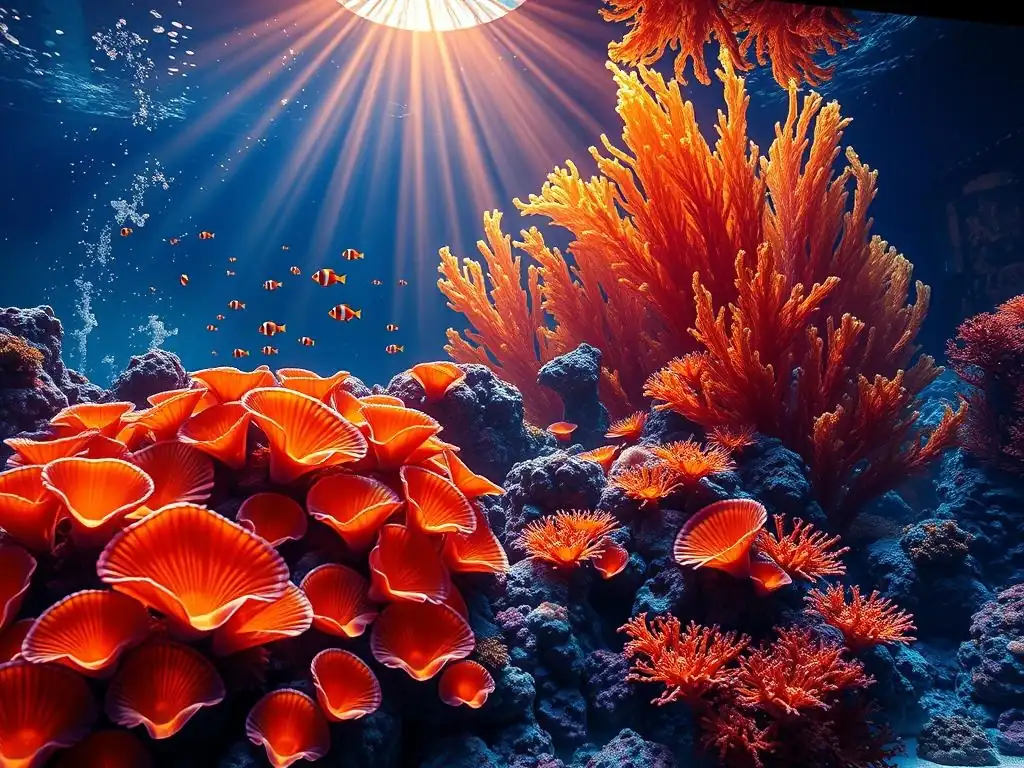
Welcome to Aquarium Mastery!
Intrigued by the vibrant beauty of the Flame Scallop? So are we! But before you add this stunning creature to your reef tank, dive into our in-depth Flame Scallop Care Guide below. Discover the secrets to keeping these delicate invertebrates thriving, and learn if you're truly ready for the challenge. Are you prepared to unlock the key to their survival? Let's find out!
- Introduction to Flame Scallops: A Reef Aquarium Jewel?
- Understanding Flame Scallop Biology & Natural Habitat
- The Challenges of Flame Scallop Care in a Reef Tank
- Essential Water Parameters for Flame Scallops
- Feeding Flame Scallops in Captivity: A Delicate Balance
- Tank Mates and Compatibility: Who Plays Well with Flame Scallops?
- Identifying and Treating Flame Scallop Diseases
- Flame Scallop Acclimation: A Step-by-Step Guide
- The Ethical Considerations of Keeping Flame Scallops
- Are Flame Scallops Right for Your Reef Tank? A Realistic Assessment
- Conclusion: Appreciating the Beauty, Acknowledging the Responsibility
-
Frequently Asked Questions
- What are Flame Scallops and why are they considered challenging to keep in aquariums?
- What are the ideal water parameters for Flame Scallops in a saltwater aquarium?
- What do Flame Scallops eat, and how often should they be fed in captivity?
- What are some common signs that a Flame Scallop is unhealthy or stressed in an aquarium environment?
- What are some potential tank mates that are incompatible with Flame Scallops?
- Final Reflection: Embracing Ephemeral Beauty
- Ignite Your Reef Tank: Can YOU Handle the Flame?
Introduction to Flame Scallops: A Reef Aquarium Jewel?
The Allure of the Flame Scallop: Unveiling Lima scabra
The Flame Scallop, scientifically known as Lima scabra, is an invertebrate that undeniably captures the gaze of any aquarist with its vibrant display. Hailing from the diverse tropical waters, particularly the Caribbean Sea and Indo-Pacific regions, this bivalve mollusk stands out due to its striking appearance. Its most captivating feature is the mantle, often a brilliant red or orange, adorned with reflective, iridescent blue "eyespots" (ocelli) that line its edges.
These eyespots, though simple, are sensitive to light and movement, adding to the scallop's mystique. Typically, a mature Flame Scallop can reach a shell size of approximately 2 to 3 inches (5 to 7.5 cm) in diameter, with its fiery red tentacles extending beyond the shell, creating a mesmerizing, pulsating effect within the aquarium.
Beyond its static beauty, the Lima scabra exhibits an intriguing behavior: it can move surprisingly quickly through the water using a form of jet propulsion. By rapidly opening and closing its valves, it expels water, allowing it to "swim" short distances, often to escape perceived threats. This dynamic movement, combined with its vivid coloration and the delicate dance of its tentacles, positions the Flame Scallop as a living piece of art for many reef aquariums, making it a highly sought-after, albeit challenging, addition.
Why Flame Scallops Captivate Aquarists: Beauty and Challenges
Flame Scallops captivate aquarists not just for their undeniable aesthetic appeal but also for the unique biological niche they fill within a reef ecosystem. Their filter-feeding nature means they contribute to water clarity by consuming suspended particles, a seemingly beneficial trait for any tank. However, it is precisely this specialized feeding mechanism that introduces the primary challenge in long-term Flame Scallop care. Unlike many other invertebrates or fish that actively hunt or graze, flame scallops rely entirely on the constant availability of microscopic food particles in the water column.
The perceived difficulty in maintaining these stunning creatures often leads to the question of their longevity in captivity. Many aquarists report a significantly shorter lifespan for Flame Scallops in home aquariums compared to their wild counterparts, sometimes lasting only a few months. This widespread experience highlights the critical need for a comprehensive Flame Scallop Care Guide that addresses their specific and often demanding requirements. Understanding these challenges upfront is crucial for anyone considering adding this magnificent, yet sensitive, bivalve to their reef tank.
Understanding Flame Scallop Biology & Natural Habitat
Flame Scallop Anatomy: The Key to Their Unique Appearance
The distinctive appearance of the Flame Scallop is largely due to its unique anatomical features. The two main valves of its shell, typically off-white to yellowish, serve as protective housing. However, it's the vibrant soft tissues that truly stand out. The mantle, a fleshy fold of tissue that lines the inside of the shell, is often a striking red or orange and is capable of reflecting light, creating a shimmering effect. Along the edge of this mantle are numerous small, simple eyespots, or ocelli, which are light-sensitive and contribute to the scallop's awareness of its surroundings.
Perhaps the most iconic feature is the array of long, slender, often red or orange tentacles that extend from the mantle's edge. These tentacles, which are not used for feeding but rather for sensory perception and defense, constantly undulate, giving the scallop its characteristic "flame-like" appearance. Internally, the scallop possesses a powerful adductor muscle for quickly closing its shell, and a byssal gland, which produces strong, silky threads (byssal threads) used to anchor itself to hard substrates, though they can detach if threatened.
Natural Habitat: Where Do Flame Scallops Live in the Wild?
In their natural environment, Flame Scallops are widely distributed across the warm, tropical waters of the Indo-Pacific and Caribbean regions, including areas like the Florida Keys, the Bahamas, and throughout the Great Barrier Reef. They typically inhabit shallow to moderately deep reef environments, often found at depths ranging from 10 to 100 feet (3 to 30 meters). Unlike some other bivalves that burrow, Lima scabra prefers to wedge itself into crevices, beneath rocks, or among coral rubble, using its byssal threads to secure itself firmly.
This preference for sheltered, cryptic locations is crucial for their survival, providing protection from predators and strong currents. The water in these natural habitats is consistently clean, well-oxygenated, and rich in suspended planktonic food particles due to constant water movement and diverse marine life. Understanding these pristine, food-rich conditions is fundamental for replicating a suitable environment in a home aquarium as part of a successful Flame Scallop care guide.
Diet and Feeding Habits of Wild Flame Scallops
Flame Scallops are obligate filter feeders, meaning their survival depends entirely on filtering microscopic food particles directly from the water column. In their natural habitat, they constantly draw in water through their siphons, trapping tiny organisms and detritus on specialized gill structures. Their primary diet consists of a diverse array of phytoplankton (microscopic algae) and zooplankton (tiny animals), along with other suspended organic matter.
The abundance and constant replenishment of these food sources in the wild are key to the scallops' thriving. Ocean currents continuously deliver fresh supplies of plankton, ensuring a steady intake of nutrition throughout the day. This continuous feeding requirement poses a significant challenge in captivity, as home aquariums rarely have the sheer volume and diversity of planktonic food found in the wild ocean, making specialized feeding a cornerstone of any effective Flame Scallop care guide.
The Challenges of Flame Scallop Care in a Reef Tank
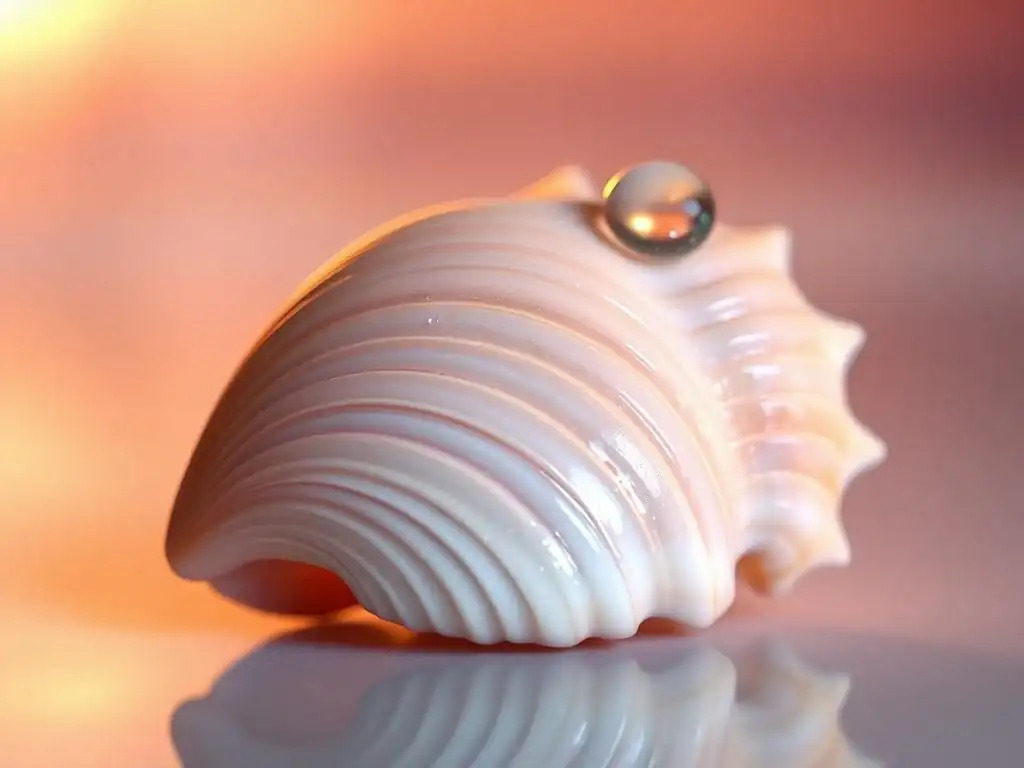
Why Flame Scallops are Difficult to Keep: A High-Maintenance Invertebrate
Flame Scallops are widely considered one of the most challenging invertebrates to keep successfully in a home reef aquarium, earning them a reputation as a high-maintenance species. The primary reason for this difficulty stems from their specialized feeding requirements. As obligate filter feeders, they require a constant and consistent supply of appropriately sized phytoplankton and zooplankton, which is incredibly difficult to replicate in a closed system. Many hobbyists underestimate the sheer volume of microscopic food needed to sustain these animals, leading to slow starvation over weeks or months, often without obvious initial symptoms.
Beyond feeding, Flame Scallops are extremely sensitive to water quality fluctuations and handling stress. Poor water parameters, even slight ammonia or nitrite spikes, can quickly lead to their demise. They also do not tolerate being moved frequently or handled roughly, as this can cause them to detach from their byssal threads and become highly stressed, often leading to a decline in health. This sensitivity, combined with their specific dietary needs, means that a comprehensive Flame Scallop Care Guide must emphasize stability, pristine water, and a robust feeding regimen.
Flame Scallop Lifespan in Captivity vs. the Wild: Addressing the Longevity Issue
The disparity in lifespan between wild and captive Flame Scallops is a significant concern for aquarists and a core aspect of the "short-lived" perception. In their natural environment, Lima scabra can live for several years, potentially up to 5-7 years, given optimal conditions and a constant food supply. However, in home aquariums, the typical lifespan often ranges from a few months to a year, with many individuals failing to thrive beyond six months. This stark difference is almost entirely attributable to the inability to meet their continuous nutritional demands and maintain the consistently pristine water quality they require.
The common belief that Flame Scallops simply "die off" quickly is not due to inherent fragility but rather a direct consequence of inadequate Flame Scallop care. Without a steady stream of the correct types and sizes of planktonic food, scallops slowly starve, their energy reserves deplete, and their immune systems weaken, making them susceptible to other stressors. Addressing this longevity issue requires a dedicated approach to feeding and water parameter stability, moving beyond the casual introduction of this species into a standard reef tank.
Essential Water Parameters for Flame Scallops
Maintaining Optimal Water Quality: Ammonia, Nitrite, and Nitrate Levels
Maintaining impeccable water quality is paramount for the health and survival of Flame Scallops. Like all sensitive marine invertebrates, they are highly intolerant of nitrogenous waste products. Ammonia (NH3/NH4+) and nitrite (NO2-) levels must consistently remain at an undetectable 0 parts per million (ppm). Even trace amounts can cause severe stress, damage their delicate gill structures, and lead to rapid decline. A mature, well-cycled aquarium with robust biological filtration is absolutely essential.
While nitrates (NO3-) are less acutely toxic, Flame Scallops thrive in ultra-low nutrient environments. Nitrate levels should ideally be kept below 10-20 ppm, with many successful aquarists aiming for even lower, below 5 ppm. High nitrate levels can indicate an accumulation of organic waste, which can foul the water and stress filter feeders. Regular partial water changes (e.g., 10-20% weekly or bi-weekly) are critical for diluting nitrates and replenishing essential trace elements, forming a key pillar of any effective Flame Scallop care guide.
Salinity, pH, and Temperature: Critical Factors for Flame Scallop Health
Beyond nitrogenous waste, the fundamental parameters of salinity, pH, and temperature must be stable and within specific ranges for Flame Scallops to thrive. Salinity should be maintained between 1.023 and 1.026 specific gravity (SG), or 32-35 ppt. Sudden fluctuations can cause osmotic shock, severely stressing the scallop. A reliable refractometer or salinity probe is recommended for accurate and consistent monitoring.
The pH level of the aquarium water should be stable between 8.1 and 8.4. Significant deviations from this range can impact the scallop's ability to form and maintain its shell, as well as disrupt essential biological processes. Temperature stability is equally vital; the ideal range for Lima scabra is typically 72-78°F (22-25.5°C). Extreme temperature swings or prolonged exposure to temperatures outside this range can weaken the scallop and make it more susceptible to illness. Consistent monitoring and automatic heating/cooling systems are highly beneficial for successful Flame Scallop care.
The Importance of Calcium, Alkalinity, and Magnesium in Reef Aquariums
For any bivalve with a shell, maintaining appropriate levels of calcium, alkalinity (carbonate hardness), and magnesium is crucial for healthy growth and shell integrity. Calcium levels should ideally be maintained between 400 and 450 ppm. Calcium is the primary building block for the scallop's aragonite shell.
Alkalinity, typically measured in dKH (degrees of carbonate hardness), should be kept between 7 and 11 dKH. Alkalinity acts as a buffer, stabilizing pH, and is essential for calcium precipitation into the shell structure. Magnesium, often overlooked, plays a critical role in allowing corals and shelled invertebrates to properly utilize calcium and alkalinity, preventing their precipitation out of solution. Magnesium levels should be maintained between 1250 and 1350 ppm. Regular testing and supplementation, if necessary, are vital components of a comprehensive Flame Scallop care guide, ensuring the foundational elements for healthy shell development are always present.
Feeding Flame Scallops in Captivity: A Delicate Balance
Providing Adequate Food: Micro-Plankton and Phytoplankton Options
The cornerstone of successful Flame Scallop care in captivity is providing a consistent and abundant supply of appropriate microscopic food. As obligate filter feeders, their diet primarily consists of live phytoplankton and appropriately sized zooplankton. Commercial liquid invertebrate foods designed for filter feeders are also essential. It is crucial to select products that contain a diverse range of phytoplankton species (e.g., Nannochloropsis, Tetraselmis, Chlorella, Isochrysis) and have a particle size small enough for the scallop to ingest, typically ranging from 5 to 20 microns.
Relying solely on the "natural" plankton present in a well-established reef tank is almost always insufficient to sustain a Flame Scallop long-term. Even tanks with heavy coral feeding regimens may not provide the continuous, targeted nutrition these bivalves require. Therefore, a dedicated feeding strategy involving daily, or even multiple daily, additions of liquid food is imperative.
Targeted Feeding Techniques: Ensuring Flame Scallops Get Enough Nutrition
Due to their sessile or semi-sessile nature, Flame Scallops cannot actively seek out food; they rely on food being delivered directly to them by water currents. In a home aquarium, this often necessitates targeted feeding techniques to ensure the scallop receives adequate nutrition. Using a pipette, turkey baster, or a dosing pump, small amounts of liquid food should be slowly dispensed directly into the water flow near the scallop, allowing the current to carry the particles towards its mantle opening.
This method minimizes food waste and ensures that the scallop is directly exposed to the nutrient-rich water. Feeding should ideally occur multiple times throughout the day, mimicking the constant availability of food in their natural environment. For instance, some aquarists report success with 2-3 small feedings daily rather than one large one. Consistency in this targeted feeding regimen is a critical, often overlooked, aspect of any effective Flame Scallop care guide.
Avoiding Overfeeding: The Dangers of Poor Water Quality
While providing ample food is essential for Flame Scallops, it's equally important to avoid overfeeding, as this can quickly lead to a decline in water quality. Excess uneaten liquid food will break down, contributing to elevated nitrate and phosphate levels, and potentially fueling undesirable algal blooms. These nutrient spikes can stress sensitive invertebrates like Flame Scallops and compromise the overall health of the reef tank.
A delicate balance must be struck: enough food to sustain the scallop without fouling the water. This requires careful observation of the scallop's health and regular testing of water parameters. If nutrient levels begin to rise significantly despite consistent water changes, the feeding amount or frequency may need to be adjusted. Using a high-quality protein skimmer and maintaining effective mechanical filtration (e.g., filter socks changed frequently) can help mitigate the impact of increased feeding on water quality, reinforcing the comprehensive approach required for successful Flame Scallop care.
Tank Mates and Compatibility: Who Plays Well with Flame Scallops?
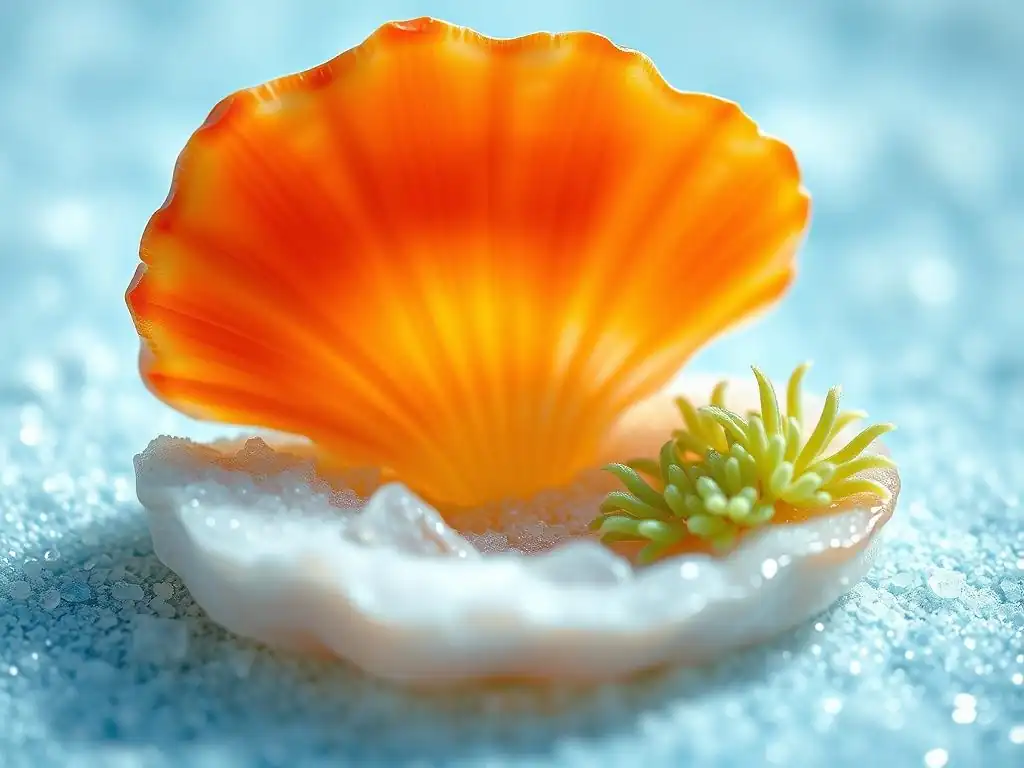
Selecting Appropriate Tank Mates: Avoiding Predators and Competitors
Choosing suitable tank mates is a critical aspect of a successful Flame Scallop care guide. Flame Scallops are defenseless filter feeders, making them vulnerable to predation and harassment. The ideal tank mates are peaceful, small-to-medium sized fish that are not known to nip at sessile invertebrates. Examples of generally safe fish include:
- Small Gobies: Such as Yellow Watchman Gobies ( Cryptocentrus cinctus) or Clown Gobies ( Gobiodon spp.)
- Blennies: Like the Tailspot Blenny ( Ecsenius stigmatura)
- Peaceful Damselfish: Though some can be territorial, species like the Blue Green Chromis ( Chromis viridis) are often safe in groups.
- Clownfish: Most species of Amphiprion and Premnas are typically reef-safe.
It is also generally safe to house Flame Scallops with most clean-up crew invertebrates such as various snails (e.g., Nassarius, Trochus, Turbo snails) and hermit crabs, provided the crabs are not large or known to be aggressive towards other invertebrates. The key is to select species that will not view the scallop's colorful mantle as a food source or compete directly for the limited planktonic food.
Incompatible Species: Fish and Invertebrates to Avoid
Many popular reef fish and invertebrates pose a significant threat to Flame Scallops and should be strictly avoided. Any species known for nipping at corals or sessile invertebrates, or those with a diet that includes bivalves, are absolute no-gos. A partial list of incompatible species includes:
- Pufferfish: All species are notorious for crushing shells and consuming mollusks.
- Triggerfish: Aggressive predators with powerful jaws, they will quickly decimate a scallop.
- Large Angelfish: Many species, especially those from the genera Pomacanthus and Holacanthus, are known to nip at the mantles of bivalves and corals.
- Large Wrasses: While some smaller wrasses are reef-safe, larger species can be problematic.
- Filefish: Some species, particularly the Aiptasia-eating Filefish ( Acreichthys tomentosus), may nip at scallops.
- Aggressive Shrimp: Some larger shrimp species, such as aggressive pistol shrimp, might disturb or injure a scallop if they burrow too close.
- Large Crabs: Predatory crabs (e.g., various Mithrax or Emerald Crabs, if not well-fed) can become opportunistic predators.
Even seemingly "reef-safe" fish can sometimes develop a taste for the scallop's vibrant mantle, especially if underfed. Constant vigilance and careful observation of new tank mates are crucial.
Assessing the Risk of Nipping or Harassment
Even with careful selection, there's always a residual risk of a tank mate bothering a Flame Scallop. It's essential to observe new additions closely for any signs of aggression or curiosity directed towards the scallop. Signs of stress in a Flame Scallop due to harassment include:
- Remaining tightly closed: A healthy scallop should be open, with its mantle and tentacles extended.
- Frequent "swimming" or relocation: This indicates the scallop is constantly trying to escape perceived threats.
- Receding mantle tissue: The vibrant mantle may appear shrunken or pulled back into the shell.
- Damage to tentacles or mantle: Visible nips or tears.
If any of these signs are observed, the offending tank mate should be removed immediately to prevent further stress or injury to the scallop. Providing plenty of secure hiding spots for the scallop within rockwork can also offer some protection, allowing it to retreat if feeling threatened. This proactive approach to compatibility is a vital component of a successful Flame Scallop care guide.
Identifying and Treating Flame Scallop Diseases
Recognizing Signs of Illness: Behavior, Appearance, and Movement
Identifying illness in Flame Scallops can be challenging, as they often show subtle signs before rapid decline. Early recognition is key for any chance of intervention. A healthy Flame Scallop will typically be open, with its vibrant red mantle and tentacles fully extended and gently undulating, actively filtering. It will also be securely attached to its chosen substrate via byssal threads, though it can detach and move if stressed.
Signs of illness or distress include:
- Prolonged closure: The scallop remains tightly shut for extended periods, not opening even when food is introduced.
- Receding mantle: The vibrant mantle tissue appears shrunken, shriveled, or pulled back deeply into the shell.
- Loss of color: The vibrant red or orange may appear faded or dull.
- Detachment and lack of re-attachment: The scallop frequently detaches from its substrate and fails to re-anchor itself, often lying on the substrate.
- Lack of response: No reaction to light changes or gentle water movement.
- White patches or lesions: These can indicate bacterial infections or parasitic infestations.
- Unusual movement: Erratic or weak "swimming" if it attempts to move.
Any of these symptoms warrant immediate investigation into water parameters, feeding regimen, and potential tank mate aggression.
Common Diseases Affecting Flame Scallops: Bacterial Infections, Parasitic Infestations
Specific diseases in Flame Scallops are not as well-documented or easily diagnosable for the average hobbyist as they are for fish. However, most health issues in scallops are secondary to environmental stress, particularly poor water quality or insufficient feeding, which weaken their immune system. Once weakened, they become highly susceptible to opportunistic infections.
- Bacterial Infections: These are common and often manifest as white, fuzzy patches or lesions on the mantle or foot. They can be caused by various common aquarium bacteria that proliferate in tanks with high organic loads.
- Parasitic Infestations: While less common, certain trematodes or copepods can infest bivalves. These are usually microscopic and difficult to detect without specialized equipment.
- Starvation: This is the most prevalent "condition" and often mistaken for a disease. It's a slow decline due to insufficient food, leading to a weakened state where bacterial infections can take hold. The scallop will slowly shrink and eventually die.
Due to their sensitivity, treating diseases in Flame Scallops within the main display tank is often impractical and risky to other inhabitants. Prevention through excellent water quality and consistent feeding is by far the best strategy.
Quarantine Procedures and Treatment Options: A Proactive Approach
A proactive approach to Flame Scallop care includes implementing quarantine procedures for any new additions. A dedicated quarantine tank (QT) allows for observation and potential treatment without exposing the main display tank to potential pathogens. For Flame Scallops, a QT should have:
- Stable, pristine water parameters mirroring the display tank.
- A mature biological filter.
- No substrate, making cleaning easier.
- Plenty of rock rubble or crevices for the scallop to attach to.
Upon arrival, a slow drip acclimation is crucial. While in QT, monitor for any signs of illness. If bacterial infections are suspected (e.g., white patches), short-duration dips in diluted iodine solutions (e.g., Lugol's solution, following manufacturer's instructions for invertebrate dips) can sometimes be attempted, but these are highly stressful and often a last resort.
Antibiotics are generally not recommended for home hobbyists due to difficulty in dosing and potential harm to beneficial bacteria. The most effective "treatment" for a struggling Flame Scallop is often to re-evaluate and optimize its feeding regimen and water quality, as starvation is the most common underlying issue.
Flame Scallop Acclimation: A Step-by-Step Guide
Proper Acclimation Techniques: Minimizing Stress and Maximizing Survival
Proper acclimation is a critical step that significantly impacts the survival rate of newly acquired Flame Scallops. These invertebrates are incredibly sensitive to changes in water parameters such as salinity, pH, and temperature. Rapid shifts can cause severe osmotic shock, leading to irreversible damage or immediate death. Therefore, a slow, gentle acclimation process is absolutely essential to minimize stress and allow the scallop's internal systems to gradually adjust to the new water chemistry of your aquarium. This careful introduction is a non-negotiable part of any reliable Flame Scallop care guide.
Never "float and plop" a Flame Scallop directly into your tank. The difference in water parameters between the shipping bag and your aquarium can be substantial, even if your parameters are otherwise ideal. Investing the time in a meticulous acclimation process will pay dividends in the long-term health and vitality of your new Flame Scallop, setting it up for the best possible start in its new home.
Drip Acclimation: A Recommended Method for Sensitive Invertebrates
Drip acclimation is the highly recommended method for sensitive invertebrates like Flame Scallops. This technique slowly introduces your tank's water into the bag or container holding the scallop, gradually equalizing the parameters.
Here's a step-by-step guide:
- Prepare a clean container: Place the scallop and its shipping water into a separate, clean container (e.g., a small bucket or plastic bin) large enough for the scallop to be fully submerged. Do not expose the scallop to air.
- Set up the drip line: Use airline tubing to create a siphon from your display tank into the container. Tie a knot in the tubing or use an airline control valve to regulate the drip rate to a slow, steady drip, approximately 1-2 drops per second.
- Monitor the volume: Allow the water to slowly drip into the container. The goal is to gradually increase the volume of water in the container by about two to three times the original volume over a period of 60-90 minutes. For example, if you start with 1 cup of water, aim to add 2-3 more cups.
- Remove excess water: As the water level rises, periodically remove small amounts of the original shipping water to prevent the container from overflowing, ensuring the scallop remains fully submerged throughout the process. Discard this water; do not add it to your display tank.
- Final transfer: Once the acclimation is complete, gently net the scallop (avoiding touching its delicate mantle) and place it directly into your desired location in the aquarium, preferably a crevice or stable spot where it can attach. Discard all the acclimation water.
Monitoring Flame Scallop Behavior After Introduction
After carefully introducing your Flame Scallop to the aquarium, continuous monitoring of its behavior is crucial for the first few hours and days. A healthy, well-acclimated scallop should begin to open its valves within a short period (usually within 30 minutes to a few hours) and extend its vibrant mantle and tentacles. It should also attempt to attach itself to the rockwork or substrate using its byssal threads within 24-48 hours.
Look for signs of stress, such as the scallop remaining tightly closed for extended periods, frequently detaching and moving erratically, or showing signs of mantle recession. If the scallop remains closed for more than a few hours after introduction, or if it appears to be struggling to attach, re-evaluate your water parameters and ensure there are no aggressive tank mates bothering it. Providing a stable, low-flow area with plenty of secure attachment points will encourage it to settle in. Early observation and intervention are key to successful Flame Scallop Care Guide implementation.
The Ethical Considerations of Keeping Flame Scallops
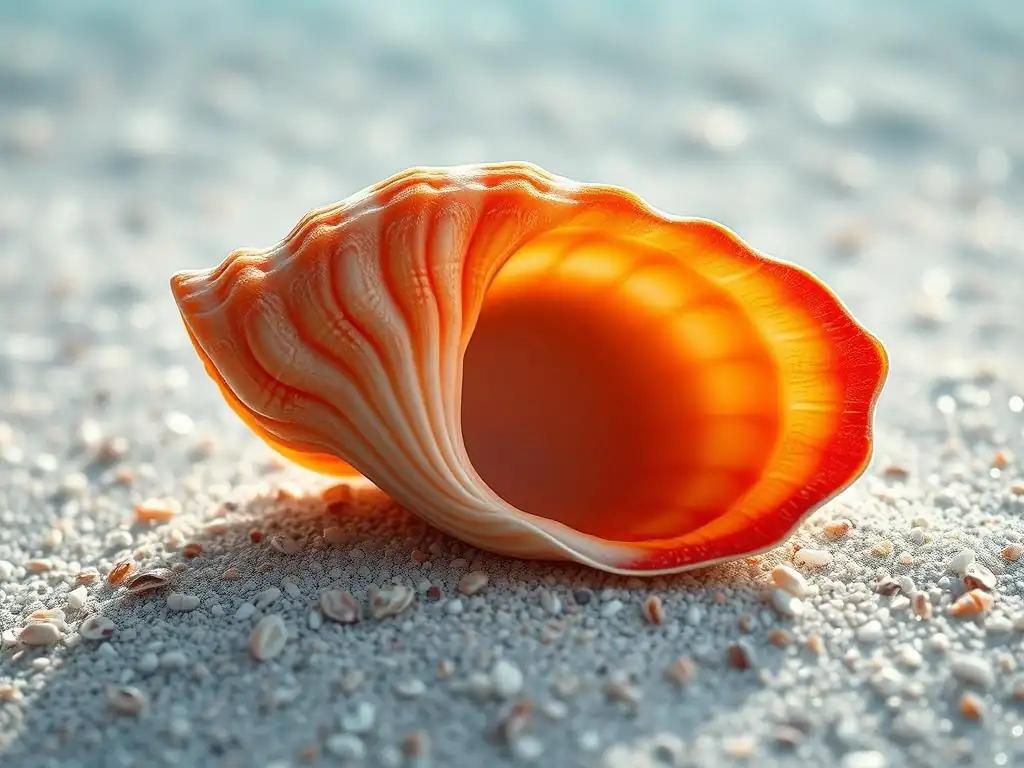
Is Keeping Flame Scallops Responsible? A Debate on Sustainability
The question of whether it is truly responsible to keep Flame Scallops in a home aquarium is a significant ethical debate within the marine hobby. Despite their undeniable beauty, their notoriously high mortality rate in captivity raises serious concerns. Many aquarists, even experienced ones, struggle to keep them alive for more than a few months. This short lifespan often means a continuous demand for newly wild-collected specimens, putting pressure on natural populations.
The primary reason for their poor survival is the inherent difficulty in replicating their natural, plankton-rich environment and constant food supply. If an aquarist cannot commit to a rigorous, daily feeding regimen of appropriate microscopic foods and maintain absolutely pristine water parameters, then acquiring a Flame Scallop is likely to result in its premature death. This leads many to conclude that, for the average hobbyist, keeping Flame Scallops is not a responsible practice, given the high likelihood of failure and the ethical implications of supporting a trade with such poor survival rates.
The Importance of Responsible Sourcing: Supporting Ethical Suppliers
For those who choose to undertake the challenge of Flame Scallop care, responsible sourcing becomes paramount. Supporting ethical suppliers who prioritize sustainable collection practices and minimize stress during transit is crucial, though challenging to verify for all wild-caught invertebrates. Ideally, one would seek out aquaculture-raised specimens. However, aquaculture of Lima scabra for the aquarium trade is not widely established or readily available, meaning most Flame Scallops sold are wild-caught.
When purchasing, inquire about the supplier's practices. Look for healthy specimens that are already open and active in the store's holding tank, not closed or showing signs of stress. While it is difficult to guarantee the sustainability of every wild-caught animal, choosing reputable local fish stores or online vendors with a strong track record of animal welfare and transparent sourcing can help ensure that if you do acquire a Flame Scallop, it comes from the most responsible channel possible.
Alternatives to Flame Scallops: Exploring Other Reef-Safe Invertebrates
Given the significant challenges and ethical considerations associated with Flame Scallop care, many aquarists opt for more robust and equally captivating alternatives. There are numerous other reef-safe invertebrates that offer similar beauty or beneficial functions without the same demanding requirements for continuous feeding and pristine conditions.
Consider these alternatives:
- Feather Dusters (Tube Worms): Species like Sabellastarte magnifica or Bispira brunnea offer similar filter-feeding behavior with beautiful, feathery crowns. While still filter feeders, they are often less demanding than scallops in terms of the density of planktonic food required.
- Flame Conchs (Strombus pugilis): These gastropods have a vibrant orange foot and are excellent sand-bed stirrers and detritivores, adding color and utility. They are much easier to care for than scallops.
- Maxi-Mini Carpet Anemones (Stichodactyla tapetum): While not filter feeders, these small, colorful anemones offer vibrant hues and host clownfish, providing dynamic beauty with less specialized care than scallops.
- Small Clams (e.g., Crocea Clams, Tridacna crocea): These photosynthetic clams derive much of their energy from light, making them significantly easier to feed than Flame Scallops, though they still require stable parameters and calcium/alkalinity. They offer stunning coloration and add a similar bivalve aesthetic.
Exploring these alternatives allows aquarists to enjoy the beauty and diversity of reef invertebrates responsibly, often with a much higher chance of long-term success and without contributing to the high mortality rates associated with Flame Scallops.
Are Flame Scallops Right for Your Reef Tank? A Realistic Assessment
Evaluating Your Experience Level: Are You Ready for the Challenge?
Before adding a Flame Scallop to your reef aquarium, an honest evaluation of your experience level and commitment is crucial. Flame Scallops are unequivocally not suitable for beginner aquarists. Their specific and continuous needs demand a deep understanding of marine aquarium husbandry, including advanced knowledge of water chemistry, nutrient cycling, and invertebrate physiology. Even intermediate aquarists may find their requirements daunting.
Successful Flame Scallop care typically requires experience with sensitive invertebrates, a proven track record of maintaining stable water parameters over long periods, and a willingness to implement a dedicated, often labor-intensive, feeding regimen. If you are new to the hobby or have struggled with maintaining sensitive corals or fish in the past, it is highly advisable to gain more experience before attempting to keep a Flame Scallop.
Assessing Your Tank's Stability: Can You Meet Their Needs?
Beyond personal experience, the maturity and stability of your aquarium system are paramount. A newly set up tank (less than 6-12 months old) is generally too unstable for Flame Scallops. They require a well-established biological filter, consistent water parameters, and minimal fluctuations in temperature, salinity, and pH. A tank that experiences frequent swings in any of these critical metrics will quickly lead to the scallop's demise.
Key indicators of a suitable tank for Flame Scallops include:
- Mature biological filtration: Ammonia and nitrite consistently at 0 ppm.
- Stable nutrient levels: Nitrates consistently below 10-20 ppm, phosphates ideally near 0.03 ppm.
- Consistent parameters: Salinity, pH, and temperature remain within optimal ranges with minimal daily or weekly fluctuations.
- Regular maintenance schedule: A commitment to frequent water changes, filter cleaning, and parameter testing.
- Adequate flow: Moderate, indirect flow to bring food particles to the scallop without blasting it.
Without these foundational elements firmly in place, the chances of long-term success with Flame Scallops are significantly diminished, regardless of feeding efforts.
The Long-Term Commitment: Flame Scallop Care is Not for Beginners
The decision to acquire a Flame Scallop must come with a clear understanding of the significant long-term commitment required. This is not an invertebrate that can be added and largely forgotten; it demands continuous, diligent attention. Daily targeted feeding of specialized foods is often necessary, requiring a consistent supply of live or high-quality liquid phytoplankton. This can be more time-consuming and costly than feeding many fish or corals.
Furthermore, the ongoing vigilance over water quality, including regular testing and proactive maintenance, is non-negotiable. Flame Scallops are often considered a "sacrifice animal" in the hobby due to their high mortality rate, but this outcome is preventable with proper, dedicated Flame Scallop care. If you are not prepared for this level of ongoing commitment and specialized attention, it is more responsible to appreciate these stunning creatures from afar or consider less demanding alternatives.
Conclusion: Appreciating the Beauty, Acknowledging the Responsibility
Frequently Asked Questions
What are Flame Scallops and why are they considered challenging to keep in aquariums?
Flame Scallops (Lima scabra) are beautiful bivalves known for their bright red mantles and active swimming. They are challenging because they require very specific water parameters and feeding regimes that are difficult to replicate in a home aquarium.
What are the ideal water parameters for Flame Scallops in a saltwater aquarium?
They need pristine water quality with stable salinity (1.023-1.025), temperature (72-78°F), and very low nitrate and phosphate levels. Strong, stable calcium and alkalinity levels are also crucial for shell development and health.
What do Flame Scallops eat, and how often should they be fed in captivity?
Flame Scallops are filter feeders, primarily consuming phytoplankton and very fine particulate matter. They require multiple feedings per day with a high-quality phytoplankton supplement to maintain their health and vibrant coloration.
What are some common signs that a Flame Scallop is unhealthy or stressed in an aquarium environment?
Signs of stress include loss of color, retracted mantle, inactivity, and a failure to filter feed. Shell closure for extended periods can also indicate poor water quality or insufficient food.
What are some potential tank mates that are incompatible with Flame Scallops?
Avoid keeping Flame Scallops with aggressive fish or invertebrates that may nip at their mantles or disturb them. Also, avoid species that compete for the same food sources, such as other filter feeders with high demand.
Okay, here's a final reflection designed to close your "Flame Scallops: Stunning but ShortLived? The Real Story" article, optimized for emotional connection and reflection, and aiming to rank for "Flame Scallop Care Guide."
Final Reflection: Embracing Ephemeral Beauty
The journey into the world of flame scallops, as we've explored, reveals a captivating beauty intertwined with inherent fragility. Understanding the delicate balance required for their survival in captivity is not merely about aquarium keeping; it's a microcosm of our responsibility towards the larger, more vulnerable ecosystems of our planet. Ignoring this delicate balance leads to a loss not just for the individual aquarist, but for the broader appreciation of marine biodiversity.
This exploration has undoubtedly highlighted the challenges of keeping flame scallops, but it also underscores the profound connection we can forge with the natural world, even within the confines of our homes. The dedication required to provide a thriving environment for these creatures reflects a deeper commitment to conservation and ethical stewardship. We are tied to the ocean. And when we go back to the sea, whether it is to sail or to watch - we are going back from whence we came.
- John F. Kennedy. This quote reminds us that our connection to the ocean, and its inhabitants, is fundamental to our own well-being.
Now, armed with this knowledge, consider the impact you can have. Whether you choose to admire flame scallops from afar, advocate for responsible reef keeping practices, or dedicate yourself to providing the perfect environment for these stunning creatures, your actions matter. Let this guide be more than just instructions; let it be a catalyst for a deeper understanding and appreciation of the delicate beauty that surrounds us, and a commitment to preserving it for generations to come.
Ignite Your Reef Tank: Can YOU Handle the Flame?
Thank you for exploring the fiery allure of the Flame Scallop! We hope this article illuminated the complexities and responsibilities involved in keeping these stunning creatures. Now, are you ready to take the next step?
- First and foremost:Carefully reconsider whether your reef tank genuinely meets the demanding requirements of a Flame Scallop. Be honest with yourself about your tank's maturity and your ability to provide constant, pristine conditions.
- Delve deeper! Research alternative, equally captivating invertebrates that might be more suitable for your current setup. Consider colorful shrimp, intriguing snails, or even hardy soft corals that offer similar visual appeal.
- Share this article with fellow reefkeepers and spark a discussion about the ethical considerations of keeping Flame Scallops.
What unexpected challenge do you foresee in keeping a Flame Scallop, and how might you proactively address it before acquiring one?