
Top Commercial Foods for African Cichlids: Mbuna & Peacock Edition

Welcome to Aquarium Mastery!
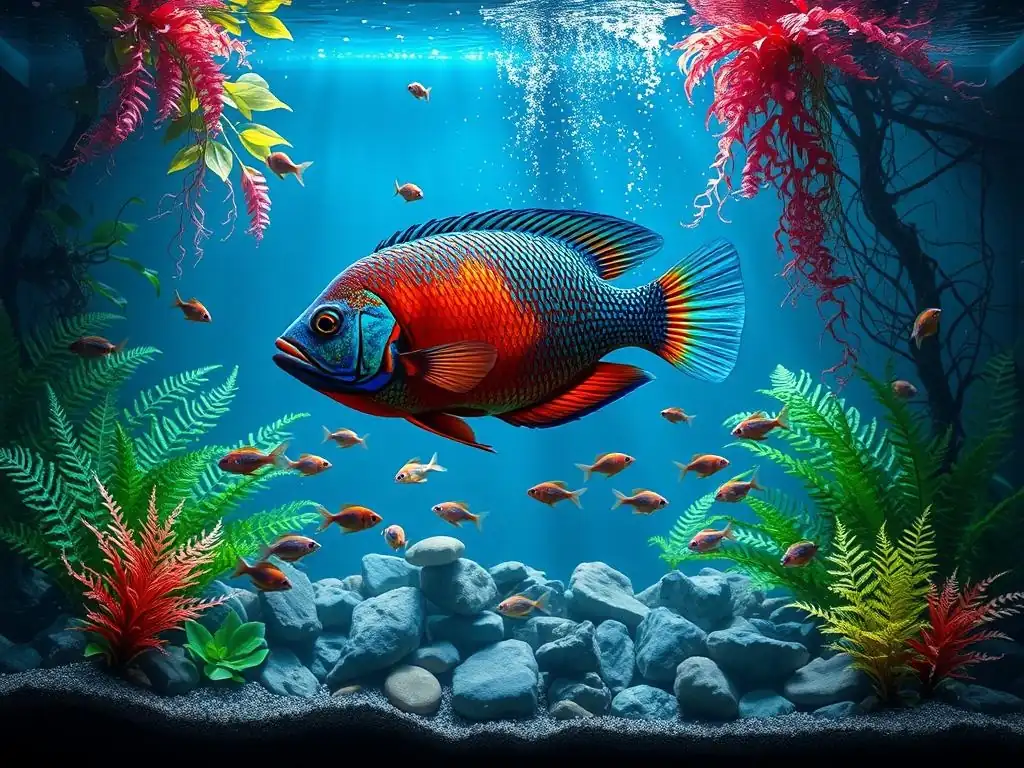
Ever wondered what the secret to vibrant colors and healthy, thriving Mbuna cichlids is? We're diving deep into the world of African cichlid nutrition, specifically focusing on the best commercial foods for your Mbuna and Peacock varieties. Discover the top choices that will keep your aquatic friends happy and your tank flourishing. Ready to unlock the full potential of your cichlids? Let's explore the best Mbuna cichlid fish food options together!
- Top Commercial Foods for African Cichlids: Mbuna & Peacock Edition | AquariumMastery.com
- Understanding the Dietary Needs of Mbuna and Peacock Cichlids
- Top 5 Commercial Foods for Mbuna Cichlids (Herbivores)
-
Top 5 Commercial Foods for Peacock Cichlids (Carnivores/Omnivores)
- 1. Fluval Bug Bites Cichlid Color Enhancing Formula - Boosting Peacock Colors
- 2. TetraCichlid Goldfish Gold Growth Pellets - Growth and Vitality for Peacocks
- 3. Hikari Bio-Pure Freeze Dried Blood Worms - A Peacock Cichlid Treat
- 4. San Francisco Bay Brand Frozen Mysis Shrimp - Natural Diet for Peacock Cichlids
- 5. New Life Spectrum Cichlid Formula - A Balanced Diet for Peacock Cichlids
- Feeding Tips for Mbuna and Peacock Cichlids
- Understanding Cichlid Fish Food Ingredients: What to Look For
- Choosing the Right Cichlid Food: A Buyer's Guide
- Conclusion: Providing the Best Nutrition for Your African Cichlids
-
Frequently Asked Questions
- What are the key nutritional needs of Mbuna cichlids?
- Why is it important to choose specialized food for Mbuna cichlids?
- What are some recommended ingredients to look for in Mbuna cichlid fish food?
- How often should I feed my Mbuna cichlids?
- What are the signs of overfeeding or poor diet in Mbuna cichlids?
- Final Reflection: Nourishing the Vibrant Reef
- Ignite Your Cichlids' Colors!
Top Commercial Foods for African Cichlids: Mbuna & Peacock Edition | AquariumMastery.com
Understanding the Dietary Needs of Mbuna and Peacock Cichlids
Differences in Diet Between Mbuna and Peacock Cichlids
African cichlids from the Rift Lakes, specifically Mbuna and Peacock cichlids, exhibit distinct dietary preferences rooted in their natural habitats. Mbuna cichlids, primarily herbivores, are native to Lake Malawi and predominantly graze on aufwuchs – a complex layer of algae, diatoms, and small invertebrates found clinging to rocks. Their digestive systems are adapted for a diet high in plant matter and fiber, with relatively low protein. Providing a high-quality Mbuna cichlid fish food that mirrors this natural diet is crucial for their long-term health, preventing common digestive ailments like Malawi Bloat.
In contrast, Peacock cichlids (genus Aulonocara), also from Lake Malawi, are largely carnivorous or omnivorous, preferring to sift through sandy substrates to find small invertebrates, crustaceans, and insect larvae. Their diet in the wild consists of higher protein content compared to Mbuna. Therefore, a suitable diet for Peacock cichlids should emphasize quality animal proteins, essential fatty acids, and natural color enhancers, ensuring their vibrant hues and robust health are maintained. Understanding these fundamental differences is the first step in selecting the best commercial cichlid food.
The Importance of Quality Cichlid Food for Optimal Health
The quality of food directly impacts the health, vitality, and lifespan of African cichlids. A diet that is not species-appropriate or lacks essential nutrients can lead to a myriad of problems, including stunted growth, dull coloration, weakened immune systems, and increased susceptibility to diseases. For Mbuna cichlids, an improper diet high in protein or fat is a primary cause of Malawi Bloat, a severe and often fatal digestive disorder. High-quality Mbuna cichlid fish food, rich in spirulina and other plant matter, is preventative.
Conversely, a well-balanced, high-quality diet tailored to the specific needs of Mbuna or Peacock cichlids promotes vibrant coloration, robust growth, strong immune responses, and optimal breeding conditions. Premium commercial foods are formulated with highly digestible ingredients, reducing waste and contributing to better water quality in the aquarium. Investing in superior cichlid food is not merely about feeding; it is about providing the foundational support for a thriving, healthy cichlid community.
Top 5 Commercial Foods for Mbuna Cichlids (Herbivores)
1. NorthFin Veggie Formula - A Mbuna Staple
Why NorthFin Veggie Formula is Essential for Mbuna Health
NorthFin Veggie Formula is widely regarded as a cornerstone Mbuna cichlid fish food due to its emphasis on high-quality, easily digestible plant-based ingredients. Its formulation closely mimics the natural aufwuchs diet of Mbuna cichlids, which is critical for their digestive health. Unlike many commercial foods, NorthFin avoids cheap fillers, corn, or soy, focusing instead on whole, natural ingredients. This meticulous approach significantly reduces the risk of digestive issues such as Malawi Bloat, a common and often fatal ailment in Mbuna cichlids fed improper diets.
Beyond digestive health, regular feeding with NorthFin Veggie Formula contributes to vibrant coloration and overall vitality in Mbuna. The natural pigments present in ingredients like kelp and spirulina enhance the fish's natural hues. Furthermore, its high digestibility means less waste product, which in turn leads to cleaner water and a more stable aquarium environment, reducing the burden on filtration systems and maintaining optimal water parameters for these sensitive fish.
NorthFin Veggie Formula: Ingredients & Analysis
The primary ingredients in NorthFin Veggie Formula typically include premium sources like whole kelp, spirulina, and garlic. Kelp provides essential vitamins, minerals, and fiber, crucial for the herbivorous diet of Mbuna. Spirulina, a blue-green algae, is a powerhouse of plant-based protein (often around 30-35% of the total protein content), natural pigments (carotenoids), and antioxidants, which boost immune function and intensify colors. Garlic is often included for its palatability and purported immune-boosting properties.
The crude protein content for this Mbuna cichlid fish food usually ranges from 33-36%, with crude fat typically between 5-8%. The fiber content is appropriately high, often around 5-7%, supporting healthy digestion. Crucially, NorthFin products are known for their low ash content, generally under 8%, indicating minimal indigestible fillers. This precise nutritional profile makes it an excellent daily staple for all types of Mbuna cichlids, promoting robust health without compromising their specialized dietary needs.
2. Hikari Algae Wafers - Bottom Feeder Delight for Mbuna
Algae Wafers: Supplementing the Mbuna Diet
Hikari Algae Wafers serve as an excellent supplementary food source for Mbuna cichlids, particularly those that prefer grazing from the tank bottom or on surfaces. These wafers are designed to sink rapidly and maintain their shape for extended periods, allowing Mbuna to graze naturally without the food dissolving quickly and clouding the water. They are particularly beneficial in community tanks where faster-feeding surface dwellers might outcompete shyer or bottom-dwelling Mbuna for flakes or pellets.
Incorporating algae wafers into the diet provides variety and ensures that all Mbuna, regardless of their feeding preferences or position in the tank's hierarchy, receive adequate nutrition. This form of Mbuna cichlid fish food encourages natural foraging behaviors, which can also help reduce aggression by keeping the fish occupied. While not a complete staple on their own, they are a valuable addition to a primary pellet or flake diet, mimicking the constant grazing Mbuna undertake in their natural habitat.
Hikari Algae Wafers: Composition and Benefits
Hikari Algae Wafers are formulated with a high percentage of vegetable matter, primarily spirulina and chlorella algae, making them highly suitable for herbivorous Mbuna. Typical nutritional analysis shows a crude protein content of around 33-36%, with crude fat ranging from 4-7%. The fiber content is also significant, usually between 3-5%, aiding in the digestive process. These wafers are rich in essential vitamins and minerals, supporting overall health and vitality.
The inclusion of multiple types of algae provides a broad spectrum of plant-based nutrients and natural color enhancers. The highly digestible nature of these ingredients minimizes waste, contributing to improved water quality. Furthermore, the wafers' firm texture allows for prolonged grazing, which is beneficial for Mbuna's digestive systems, designed for continuous intake of fibrous material. This makes Hikari Algae Wafers a highly beneficial addition to any Mbuna cichlid fish food regimen.
3. New Life Spectrum AlgaeMAX - Balanced Nutrition for Mbuna
Vegetable Pellets: A Complete Mbuna Food Source
New Life Spectrum (NLS) AlgaeMAX is renowned for its comprehensive and balanced nutritional profile, making it an excellent primary Mbuna cichlid fish food. NLS emphasizes whole, high-quality ingredients and avoids fillers, which is paramount for the delicate digestive systems of Mbuna cichlids. The pellets are designed to be highly palatable and digestible, ensuring maximum nutrient absorption and minimal waste. This complete formulation means it can serve as the sole diet for your Mbuna, providing all necessary vitamins, minerals, and macronutrients.
The unique "Nutri-Gel" binding system used by NLS helps to lock in nutrients and prevents the rapid leaching of vitamins into the water, ensuring that the fish receive the full benefit of the food. This focus on bio-available nutrition not only supports robust growth and vibrant coloration but also significantly boosts the fish's immune system, making them more resilient to disease. AlgaeMAX is a testament to the fact that a high-quality, species-appropriate diet is the foundation of long-term cichlid health.
New Life Spectrum AlgaeMAX: Nutritional Breakdown
New Life Spectrum AlgaeMAX boasts an impressive ingredient list tailored for herbivorous cichlids. Key components typically include a high concentration of spirulina, kelp, and chlorella, providing a rich source of plant-based protein and essential pigments. While primarily plant-based, it also includes small amounts of high-quality marine proteins like whole Antarctic Krill and whole Herring, which are essential for binding and providing a balanced amino acid profile without overwhelming the Mbuna's digestive system.
The crude protein content generally falls between 30-35%, with crude fat at approximately 5-10%. The fiber content is typically around 5-8%, supporting healthy gut function. NLS also incorporates a variety of vitamins, including Vitamin A, D, and E, along with a broad spectrum of trace minerals. The absence of soy, corn, and artificial colors or preservatives further solidifies its reputation as a premium and highly beneficial Mbuna cichlid fish food, promoting optimal health and natural vibrancy.
4. Omega One Veggie Rounds - Enhancing Mbuna Color
Green Granules: Promoting Vibrant Colors in Mbuna
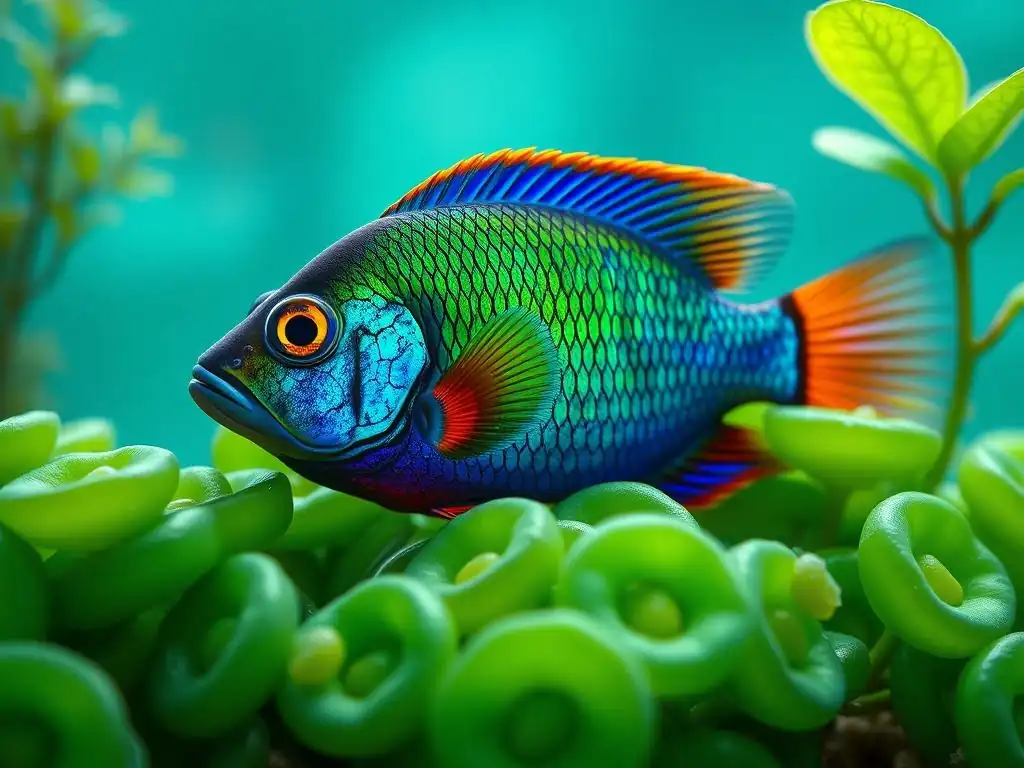
Omega One Veggie Rounds are an excellent choice for enhancing the natural coloration of Mbuna cichlids, primarily due to their rich content of fresh ocean kelp and spirulina. These natural ingredients are packed with carotenoids and other pigments that, when consumed, are absorbed by the fish and deposited in their skin cells, intensifying yellow, orange, blue, and green hues. Unlike foods that rely on artificial color enhancers, Omega One achieves vibrant results through natural, healthful means. This Mbuna cichlid fish food offers a natural path to stunning visuals.
Furthermore, Omega One prides itself on using whole, fresh, cold-water ingredients, which are naturally rich in Omega-3 and Omega-6 fatty acids. While Mbuna require a lower fat diet than carnivorous cichlids, the healthy fats present in these rounds are crucial for energy, cell membrane integrity, and overall vitality without being excessive. This combination of natural pigments and beneficial fatty acids contributes to both the aesthetic appeal and the underlying health of your Mbuna.
Omega One Veggie Rounds: Key Ingredients
The primary ingredients in Omega One Veggie Rounds are kelp, spirulina, and often whole salmon or herring meal. While the inclusion of fish meal might seem contradictory for herbivores, it is present in small, balanced quantities primarily for binding purposes and to provide a complete amino acid profile, ensuring the food remains digestible for Mbuna. The crude protein content typically ranges from 33-38%, with crude fat slightly higher than some other veggie formulas, often around 10-12%, derived from high-quality fish oils.
The high fiber content, usually between 2-4%, supports digestive regularity. Omega One avoids corn, wheat, and soy, focusing on highly digestible and nutrient-dense components. The natural pigments from kelp and spirulina are particularly effective at bringing out the brilliant blues, yellows, and oranges commonly seen in many Mbuna species, making these rounds not just a healthy meal but also a color-boosting Mbuna cichlid fish food.
5. Blanched Vegetables (Supplement) - Natural Mbuna Food Options
Blanched Vegetables: Safe and Healthy Additions to the Mbuna Diet
Supplementing the commercial Mbuna cichlid fish food with blanched vegetables offers a natural, healthy, and enriching addition to their diet. Vegetables such as zucchini, cucumber, spinach, and shelled peas provide essential fiber, vitamins (like Vitamin A and C), and minerals that might be less concentrated in processed foods. These fresh additions closely mimic the fibrous plant matter Mbuna would consume in their natural habitat, aiding digestion and promoting overall gut health.
Beyond nutritional benefits, offering blanched vegetables provides behavioral enrichment. Mbuna are natural grazers, and allowing them to pick at soft vegetable pieces attached to a clip or weighted down can reduce boredom and aggression, especially in crowded tanks. This natural foraging behavior is mentally stimulating and contributes to a more natural and thriving environment for your African cichlids.
Preparing Blanched Vegetables for Your Mbuna Cichlids
Preparing blanched vegetables for your Mbuna cichlids is a simple process. First, thoroughly wash the chosen vegetables to remove any pesticides or contaminants. For harder vegetables like zucchini or cucumber, slice them into thin rounds or small, manageable pieces. Leafy greens like spinach can be blanched whole. Boil a pot of water, then immerse the vegetables for approximately 1-2 minutes, or until they are slightly softened but not mushy. This blanching process breaks down cell walls, making the vegetables easier for the fish to digest.
After blanching, immediately transfer the vegetables to an ice bath or run them under cold water to stop the cooking process and help them cool. Once cooled, they can be offered to your Mbuna. For sinking, you can use a vegetable clip to attach them to the side of the tank or weigh them down with a clean rock. It is crucial to remove any uneaten portions after a few hours (typically 4-6 hours) to prevent them from decaying and fouling the aquarium water, which could lead to harmful ammonia or nitrite spikes.
Top 5 Commercial Foods for Peacock Cichlids (Carnivores/Omnivores)
1. Fluval Bug Bites Cichlid Color Enhancing Formula - Boosting Peacock Colors
Color Enhancer Pellets: Specifically for Peacock Cichlids
Fluval Bug Bites Cichlid Color Enhancing Formula is an innovative food specifically designed to meet the dietary needs of carnivorous and omnivorous cichlids, including Peacock cichlids. Its standout feature is the high inclusion of insect meal, particularly Black Soldier Fly Larvae (BSFL), which closely mirrors the natural diet of many wild cichlids. This insect-based formula provides a highly digestible and bio-available protein source, crucial for the robust growth and vibrant coloration that Peacock cichlids are known for.
The formula is carefully balanced to deliver essential amino acids and fatty acids, which are vital for overall health and energy. The natural pigments derived from its ingredients, such as salmon and krill, work effectively to enhance the reds, oranges, and blues in Peacock cichlids, bringing out their full chromatic potential. This food not only supports their nutritional needs but also ensures their aesthetic appeal, making it a top choice for dedicated Peacock keepers.
Fluval Bug Bites Cichlid Color Enhancing Formula: What Makes Them Effective?
The effectiveness of Fluval Bug Bites lies in its high-quality, sustainable insect protein source. Black Soldier Fly Larvae meal is often the number one ingredient, providing a protein content typically ranging from 40-45% and a fat content of 10-12%. This high protein and moderate fat profile is ideal for the active, predatory nature of Peacock cichlids. The inclusion of salmon and krill meals further enriches the formula with natural astaxanthin and other carotenoids, which are powerful color enhancers.
Beyond the macronutrients, the formula is fortified with essential vitamins and minerals, promoting strong immune systems and overall vitality. The highly digestible nature of insect protein also means less undigested waste, contributing to cleaner aquarium water and reduced maintenance. The small, sinking pellets are perfectly sized for Peacock cichlids, ensuring easy consumption and minimizing food waste.
2. TetraCichlid Goldfish Gold Growth Pellets - Growth and Vitality for Peacocks
Cichlid Gold Pellets: Supporting Healthy Growth in Peacocks
TetraCichlid Goldfish Gold Growth Pellets are a widely recognized and reliable staple food for many types of cichlids, including Peacock cichlids. While the name includes "Goldfish Gold," this particular formulation is designed to support the growth and vitality of medium to large cichlids, offering a balanced and complete diet. These pellets are formulated to be highly palatable, ensuring eager consumption, and are easily digestible, which helps in nutrient absorption and reduces the amount of waste produced in the aquarium.
The precise blend of proteins, fats, and carbohydrates in these pellets provides the necessary energy for active Peacock cichlids and supports the development of strong muscles and skeletal structure. Consistent feeding with a quality staple like TetraCichlid Gold promotes robust health and helps your Peacocks reach their full growth potential, contributing to a thriving and impressive display in your aquarium.
TetraCichlid Goldfish Gold Growth Pellets: Ingredients and Nutritional Value
TetraCichlid Goldfish Gold Growth Pellets typically feature fish meal as a primary ingredient, along with wheat germ meal, dried yeast, and various plant proteins. The crude protein content is generally high, ranging from 40-46%, which is suitable for the carnivorous needs of Peacock cichlids. The crude fat content usually falls between 8-10%, providing a good energy source without being excessively high.
The formula is often enriched with Tetra's patented ProCare blend, which includes biotin, Omega-3 fatty acids, and essential vitamins suchers as Vitamin A, C, D3, and E. This blend is designed to boost the fish's immune system, enhance disease resistance, and promote healthy skin and fins. The pellets are also formulated to reduce waste and maintain water clarity, making them a practical and beneficial daily food for Peacock cichlids.
3. Hikari Bio-Pure Freeze Dried Blood Worms - A Peacock Cichlid Treat
Bloodworms: An Occasional Protein Boost for Peacocks
Hikari Bio-Pure Freeze Dried Blood Worms are an excellent choice for an occasional high-protein treat or to stimulate breeding in Peacock cichlids. While not a complete daily diet, these bloodworms offer a concentrated source of protein and iron, mimicking a natural prey item that many carnivorous cichlids would encounter in the wild. Their high palatability makes them particularly useful for enticing finicky eaters or encouraging shy fish to feed.
Used sparingly, bloodworms can provide a valuable nutritional boost, contributing to enhanced coloration and overall vigor. They are also a good way to introduce variety into your Peacock cichlids' diet, which can help prevent boredom and ensure a broader spectrum of nutrient intake. Their natural composition makes them a highly attractive and beneficial supplement.
Feeding Bloodworms Safely to Your Peacock Cichlids
When feeding Hikari Bio-Pure Freeze Dried Blood Worms, it is important to do so in moderation due to their high protein and fat content. Overfeeding can lead to digestive upset, internal fat buildup, or contribute to poor water quality. A good practice is to rehydrate the bloodworms slightly in a small cup of tank water for a few minutes before adding them to the aquarium. This prevents them from floating on the surface and makes them easier for the cichlids to consume.
Offer bloodworms once or twice a week as a supplement, rather than a daily staple. Feed only what your Peacock cichlids can consume within a couple of minutes to avoid uneaten food decaying in the tank. Hikari's Bio-Pure process ensures that the bloodworms are free from parasites and harmful bacteria, making them a safe and nutritious treat when used appropriately within a balanced diet.
4. San Francisco Bay Brand Frozen Mysis Shrimp - Natural Diet for Peacock Cichlids
Mysis Shrimp: Mimicking the Natural Diet of Peacock Cichlids
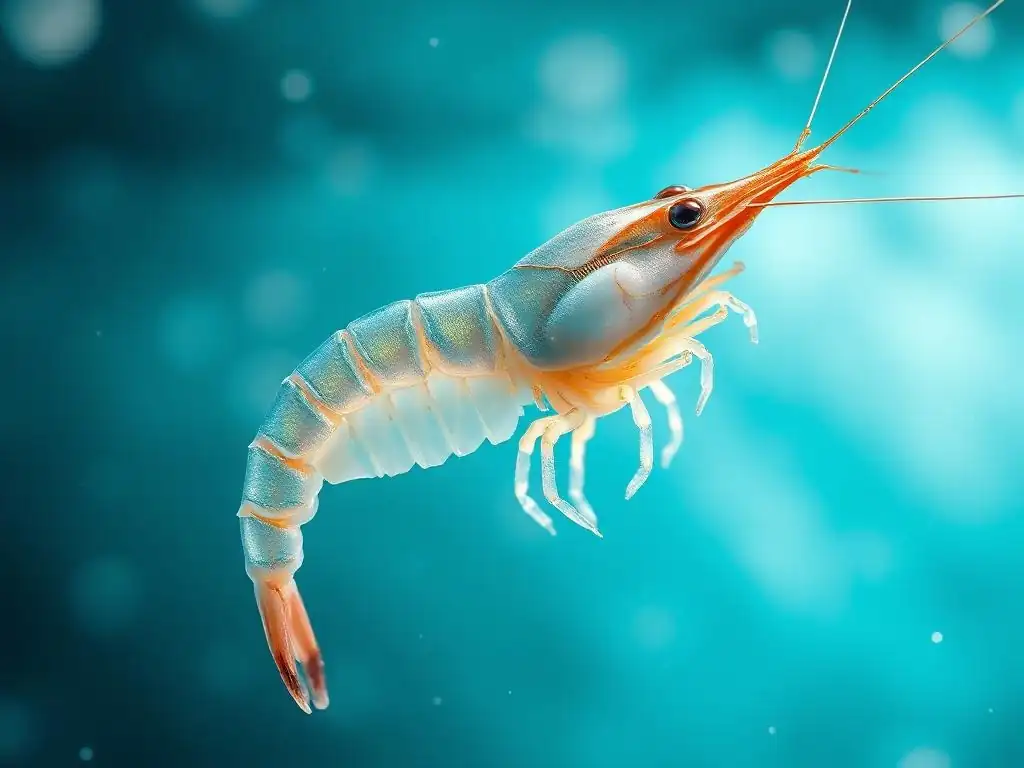
San Francisco Bay Brand Frozen Mysis Shrimp are an exceptional natural food source for Peacock cichlids, closely mimicking the small crustaceans and invertebrates they would naturally prey upon in their wild habitat. Mysis shrimp are highly nutritious, boasting a rich profile of proteins, essential fatty acids (including Omega-3 and Omega-6), and natural pigments. Their natural composition makes them incredibly palatable and beneficial for promoting vibrant coloration, robust growth, and overall vitality in Peacock cichlids.
Feeding Mysis shrimp provides a form of enrichment, encouraging natural hunting and foraging behaviors. The whole, intact shrimp offer a satisfying meal that contributes significantly to the health and well-being of your Peacock cichlids, making them appear more vibrant and active within the aquarium. This frozen food option is a cornerstone for a truly naturalistic diet.
San Francisco Bay Brand Frozen Mysis Shrimp: Nutritional Benefits
San Francisco Bay Brand Frozen Mysis Shrimp are flash-frozen to lock in their natural nutritional value. On a dry weight basis, they typically contain a very high crude protein content, often ranging from 50-60%, and a healthy crude fat content of 10-15%. This rich macronutrient profile is ideal for the carnivorous needs of Peacock cichlids, supporting muscle development and energy levels.
Beyond protein and fat, Mysis shrimp are naturally rich in astaxanthin, a powerful carotenoid that significantly enhances the red, orange, and blue pigments in fish, making your Peacock cichlids' colors pop. They are also a good source of chitin, which aids in digestion. Being free from parasites and bacteria through the freezing process, they offer a safe, clean, and highly beneficial treat or supplementary food that closely aligns with the natural dietary needs of these beautiful cichlids.
5. New Life Spectrum Cichlid Formula - A Balanced Diet for Peacock Cichlids
Carnivore Pellets: Complete Nutrition for Carnivorous Cichlids
New Life Spectrum (NLS) Cichlid Formula is designed as a complete and balanced daily diet for carnivorous and omnivorous cichlids, including Peacock cichlids. True to the NLS philosophy, this formula prioritizes whole, high-quality marine proteins and avoids cheap fillers like soy and corn. It aims to provide a comprehensive nutritional profile that supports all aspects of cichlid health, from growth and immunity to vibrant coloration and longevity.
The pellets are formulated to be highly digestible, ensuring that your Peacock cichlids absorb the maximum amount of nutrients, which in turn leads to less waste and better water quality. This makes NLS Cichlid Formula an excellent choice for a staple diet, simplifying feeding routines while ensuring your fish receive consistent, high-quality nutrition tailored to their specific needs as carnivores.
New Life Spectrum Cichlid Formula: Key Components
The New Life Spectrum Cichlid Formula typically features a robust blend of premium marine proteins. Key ingredients often include whole Antarctic Krill, whole Herring, and high-quality algaes like spirulina. The crude protein content generally ranges from 35-40%, with crude fat typically between 8-10%. This balance is ideal for the energy and growth requirements of Peacock cichlids.
The formula is enriched with a comprehensive array of vitamins and minerals, including a high concentration of Vitamin A, D, and E, along with natural color enhancers like astaxanthin. The emphasis on whole ingredients means that the nutrients are more bio-available to the fish. The absence of artificial colors, flavors, or preservatives further underscores its commitment to natural and healthy nutrition, making it a reliable and effective choice for the daily feeding of Peacock cichlids.
Feeding Tips for Mbuna and Peacock Cichlids
Proper Feeding Frequency for African Cichlids
Establishing a proper feeding frequency is crucial for the health and longevity of both Mbuna and Peacock cichlids. For adult cichlids, feeding small amounts 2-3 times a day is generally recommended. The key is to provide only what they can consume within 1-2 minutes. This approach mimics their natural feeding patterns, particularly for Mbuna who graze frequently throughout the day, and helps prevent overfeeding, which is a common cause of health issues and poor water quality.
For juvenile cichlids, more frequent feedings, perhaps 3-4 times a day, are beneficial to support their rapid growth and development. Consistent, small meals ensure a steady supply of nutrients without overwhelming their digestive systems or the aquarium's bio-filter. Observing your fish during feeding will help you fine-tune the exact quantity, ensuring all fish get enough without leaving excess food to decay.
Avoiding Overfeeding: Maintaining Water Quality
Overfeeding is one of the most detrimental practices in aquarium keeping, leading to a cascade of negative consequences for both the fish and the aquatic environment. Uneaten food quickly decomposes, releasing ammonia and nitrites, which are highly toxic to fish, even at low concentrations. This leads to cloudy water, foul odors, and can cause significant stress, gill damage, and ultimately, fish fatalities.
Beyond water quality, overfeeding also directly impacts the fish's health. Excess food can lead to internal fat buildup, organ damage, and reduced lifespan. For Mbuna cichlids, overfeeding, especially with protein-rich foods, is a primary trigger for Malawi Bloat. By adhering to the "small amounts, consumed quickly" rule, aquarists can prevent these issues, maintain stable water parameters, and ensure a healthier, cleaner environment for their African cichlids.
Observing Your Cichlids' Feeding Habits
Observing your cichlids' feeding habits closely provides invaluable insights into their overall health and the effectiveness of your feeding regimen. Pay attention to how eagerly they approach the food, how quickly it is consumed, and whether all fish are getting an adequate share. Healthy cichlids are typically active and enthusiastic eaters. If some fish are consistently missing meals, appear lethargic during feeding, or show disinterest, it could be an early indicator of stress, illness, or an issue with aggression within the tank.
Monitoring feeding behavior also helps you adjust quantities precisely. If food remains after 2 minutes, you are likely overfeeding. If all food is gone instantly and fish are still actively searching, a slight increase might be warranted. Consistent observation allows for proactive adjustments to diet and environment, ensuring that your African cichlids remain vibrant, healthy, and responsive to their care.
Understanding Cichlid Fish Food Ingredients: What to Look For
Key Ingredients for Mbuna Cichlid Food
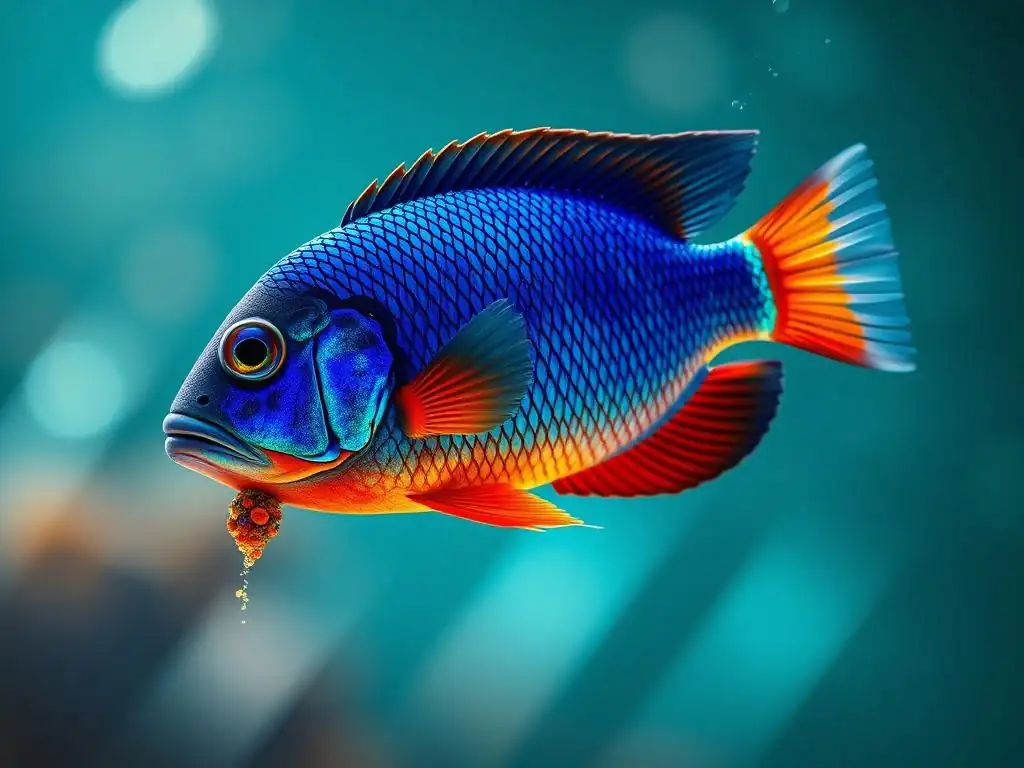
When selecting Mbuna cichlid fish food, the primary focus should be on plant-based ingredients. Look for foods where spirulina, kelp, chlorella, spinach, and other vegetable matter are listed as the first few ingredients. These ingredients provide the high fiber content that is crucial for the Mbuna's long, specialized digestive tract, mimicking their natural aufwuchs diet. A crude protein content typically ranging from 30-35% and low crude fat (around 5-8%) are ideal.
It is equally important to scrutinize the source of protein. While a small amount of high-quality marine protein (like whole fish meal) might be present for binding or amino acid balance, large quantities of animal by-products or terrestrial animal proteins (e.g., beef heart, chicken meal) should be avoided. These can be difficult for Mbuna to digest and are a common cause of Malawi Bloat. Prioritizing pure, vegetable-heavy formulations is the cornerstone of a healthy Mbuna diet.
Key Ingredients for Peacock Cichlid Food
For Peacock cichlids, whose diet is more carnivorous or omnivorous, the focus shifts to high-quality animal proteins. Look for cichlid foods where specific fish meals (e.g., whole salmon meal, herring meal), krill, Mysis shrimp, or insect meals (like Black Soldier Fly Larvae meal) are listed prominently among the first ingredients. These provide the essential amino acids and fatty acids necessary for their growth, energy, and vibrant coloration.
A crude protein content typically ranging from 35-45% and a moderate crude fat content of 8-12% are generally appropriate. Additionally, the presence of natural color enhancers like astaxanthin (often found in krill or salmon) is highly beneficial for bringing out the stunning hues of Peacock cichlids. A well-rounded formula will also include essential vitamins and minerals to support overall health and immunity.
Avoiding Harmful Ingredients in Cichlid Food
Understanding what to avoid in cichlid food is as important as knowing what to look for. Common fillers such as corn meal, soy meal (especially in large quantities), and wheat flour, when listed as primary ingredients, offer little nutritional value and can be difficult for cichlids to digest, leading to increased waste and potential digestive issues. For Mbuna cichlids, high levels of terrestrial animal protein are particularly problematic and should be avoided.
Furthermore, artificial colors, flavors, and preservatives, while potentially making the food more appealing to the human eye or extending shelf life, offer no nutritional benefit to the fish and can sometimes even be detrimental. Opt for foods that rely on natural ingredients for palatability and preservation. Choosing brands that clearly list their ingredients and prioritize whole, natural components ensures you are providing the safest and most beneficial diet for your African cichlids.
Choosing the Right Cichlid Food: A Buyer's Guide
Considering the Size and Age of Your Cichlids
The size and age of your cichlids are crucial factors when selecting the appropriate food. Pellet size, for instance, should always match the mouth size of your fish. Small juveniles require finely crushed flakes or very small pellets (e.g., 0.5mm-1.0mm) to ensure they can consume the food easily without choking. As they grow, you can transition to larger pellets (e.g., 1.5mm-3.0mm or larger for adults). Providing appropriately sized food minimizes stress during feeding and ensures efficient consumption.
Nutritional needs also vary with age. Juvenile cichlids typically require a higher protein content to support their rapid growth and development. As they mature into adults, their protein requirements may slightly decrease, and the focus shifts more towards a balanced maintenance diet that supports overall health and reproduction. Tailoring the food to the specific life stage of your cichlids ensures they receive optimal nutrition at every point in their development.
Reading Cichlid Food Labels: A Comprehensive Guide
Learning to effectively read cichlid food labels is a vital skill for any serious aquarist. Start by examining the ingredient list: ingredients are listed in descending order by weight, so the first few ingredients represent the bulk of the food. Prioritize labels that list specific, whole protein sources (e.g., "whole salmon meal" rather than generic "fish meal") and natural plant materials. For Mbuna cichlid fish food, ensure plant-based ingredients dominate the list.
Next, review the guaranteed analysis, which provides crude percentages for protein, fat, fiber, and moisture. For Mbuna, aim for lower protein (30-35%) and fat (5-8%) with higher fiber. For Peacocks, look for higher protein (35-45%) and moderate fat (8-12%). Also, check the ash content; a lower percentage (under 8-10%) indicates fewer indigestible fillers. Finally, look for the inclusion of essential vitamins, minerals, and natural color enhancers, while avoiding artificial additives.
Finding the Best Cichlid Fish Food for Your Aquarium
Finding the best cichlid fish food for your aquarium involves a combination of research, observation, and sometimes, experimentation. The most critical step is to understand the specific dietary needs of your cichlid species – are they primarily herbivorous (like Mbuna) or carnivorous/omnivorous (like Peacocks)? This fundamental distinction will guide your initial selection. For Mbuna, a high-quality Mbuna cichlid fish food rich in spirulina and kelp is paramount.
Once you've narrowed down options based on species-specific needs and reputable brands, consider purchasing smaller quantities of a few different high-quality foods. Observe how eagerly your fish consume each, how well they thrive (vibrant colors, active behavior), and the impact on water quality. The "best" food is ultimately the one that your specific cichlids readily eat, digest well, and that contributes positively to their health and the overall cleanliness of your aquarium, ensuring a thriving African cichlid display.
Conclusion: Providing the Best Nutrition for Your African Cichlids
Providing the best nutrition for your African cichlids is arguably the most critical aspect of their care, profoundly influencing their health, vibrancy, and longevity. As explored, the dietary needs of Mbuna and Peacock cichlids differ significantly, with Mbuna requiring a predominantly herbivorous diet rich in plant matter, and Peacocks thriving on high-quality animal proteins. Selecting a species-appropriate, high-quality commercial food, complemented by occasional natural supplements, is paramount to their well-being.
By understanding ingredient labels, observing feeding behaviors, and adhering to proper feeding practices such as avoiding overfeeding, aquarists can prevent common ailments like Malawi Bloat and ensure optimal water quality. Investing time in choosing the right Mbuna cichlid fish food or Peacock cichlid diet is not just about feeding; it's about fostering a thriving, colorful, and disease-resistant community of African cichlids, allowing them to truly flourish in your home aquarium.
Frequently Asked Questions
What are the key nutritional needs of Mbuna cichlids?
Mbuna are primarily herbivorous, requiring a diet rich in plant matter and fiber. They need foods low in protein to avoid digestive issues.
Why is it important to choose specialized food for Mbuna cichlids?
Generic fish food may contain too much protein or lack the necessary fiber for healthy digestion. Specialized Mbuna food helps prevent bloat and other health problems.
What are some recommended ingredients to look for in Mbuna cichlid fish food?
Look for ingredients like spirulina, algae, and vegetable matter. Avoid foods with high levels of animal protein, such as fish meal.
How often should I feed my Mbuna cichlids?
Feed small amounts 2-3 times per day. Overfeeding can lead to water quality issues and digestive problems in Mbuna.
What are the signs of overfeeding or poor diet in Mbuna cichlids?
Signs include a bloated abdomen, lethargy, and a lack of appetite. Adjust the amount and type of food to ensure a balanced diet.
Final Reflection: Nourishing the Vibrant Reef
The journey through the world of Mbuna and Peacock cichlid nutrition, as explored in this article, highlights the crucial role proper diet plays in maintaining the health and vibrancy of these aquatic gems. Understanding the nuances of their dietary needs is not just about keeping them alive; it's about unlocking their full potential, showcasing their dazzling colors, and fostering a thriving aquatic ecosystem within our homes.
This exploration has underscored the profound impact that informed choices have on the well-being of these fascinating creatures. Witnessing the vibrant colors and energetic behaviors of well-fed Mbuna and Peacocks is a testament to the power of proper nutrition. You are what you eat
– a simple adage that resonates deeply when considering the dietary needs of these delicate fish. The choices we make in selecting their food directly influence their health, longevity, and the overall beauty they bring to our aquariums.
As we conclude, let us remember that caring for Mbuna and Peacock cichlids is more than just a hobby; it's a responsibility. Consider the knowledge gained here and apply it diligently in your own aquarium. Choose wisely, observe carefully, and strive to provide the best possible diet for your aquatic companions. By doing so, you not only ensure their well-being but also contribute to the preservation and appreciation of these magnificent creatures for generations to come.
Ignite Your Cichlids' Colors!
Thank you for diving into the world of African Cichlids and discovering the best foods to keep your Mbuna and Peacocks thriving. Now it's time to put that knowledge into action and watch your fish flourish!
Here’s what you can do right now:
- Immediately upgrade your cichlids' diet to one of the recommended high-quality foods mentioned in this article. Notice how their colors brighten and their energy levels soar!
- Share this article with fellow cichlid keepers to spread the word about optimal nutrition.
- Experiment with a new feeding schedule, and keep an eye on how your fish respond.
What small adjustment will you make this week to ensure your cichlids get the very best nutrition?