
Aquarium Plant Fertilizers Explained: NPK, Micros, and Beyond

Welcome to Aquarium Mastery!
Ever wondered how to unlock the lush, vibrant potential of your planted aquarium? Dive in! This guide explores the world of best aquarium fertilizer types, demystifying NPK, micronutrients, and everything in between. Ready to cultivate a thriving underwater garden? Let's get started!
- Aquarium Plant Fertilizers: A Guide to Healthy Growth
- Understanding Aquarium Plant Fertilizers
- Decoding Fertilizer Types: Macronutrients and Micronutrients
- Liquid vs. Dry Fertilizers
- Fertilizer Types for Different Plant Needs
- Fertilizer Dosing
- Avoiding Common Mistakes
- Troubleshooting Plant Problems
- Conclusion: Fertilization for a Thriving Aquarium.
- Frequently Asked Questions
- Final Reflection: Cultivating Aquatic Harmony
- Unleash Your Aquarium's Green Potential!
Aquarium Plant Fertilizers: A Guide to Healthy Growth
Understanding Aquarium Plant Fertilizers
Promoting Plant Health and Color
Aquatic plants, much like their terrestrial counterparts, require a precise cocktail of nutrients to thrive, photosynthesize efficiently, and display their full, vibrant coloration. Without adequate fertilization, plants can exhibit stunted growth, pale leaves, and a general lack of vigor, failing to achieve the lush appearance desired by aquarists. These essential nutrients are absorbed primarily through the water column and, for some species, through their root systems embedded in the substrate.
For instance, red-pigmented plants such as Alternanthera reineckii or Ludwigia repens heavily rely on sufficient iron to produce their anthocyanin pigments. A lack of iron will cause these plants to lose their striking red hues and revert to a dull green or even yellow. Similarly, robust growth in stem plants like Rotala rotundifolia depends on a steady supply of macronutrients. Investing in the best aquarium fertilizer types ensures that plants receive these vital elements, leading to healthier, more resilient specimens that actively contribute to the aquarium's aesthetic and ecological balance.
Preventing Nutrient Deficiencies
Nutrient deficiencies are common challenges in planted aquariums and can manifest through distinct visual symptoms on the plants. While fish waste and decaying organic matter provide some nutrients, these are rarely sufficient to support a densely planted tank, especially one with high light and CO2 injection. Tap water, too, often lacks the necessary concentrations of vital trace elements, making external supplementation crucial.
Recognizing specific deficiency symptoms is key to effective fertilization. For example, a nitrogen deficiency typically appears as a general yellowing (chlorosis) of older leaves, accompanied by stunted overall growth. Potassium deficiency often results in pinholes or yellowing along the margins of older leaves, sometimes leading to tissue necrosis. Iron deficiency, on the other hand, usually affects new growth, causing the newest leaves to turn pale or yellow while the veins remain green, a condition known as interveinal chlorosis. Understanding these signs helps aquarists select the best aquarium fertilizer types to target specific issues.
Fertilizers in a Balanced Ecosystem
Fertilizers play a pivotal role in establishing and maintaining a balanced, thriving aquarium ecosystem. Healthy, fast-growing plants actively absorb excess nitrates and phosphates from the water column, which are byproducts of fish waste and decaying food. This natural nutrient uptake significantly improves water quality, reducing the burden on the filtration system and creating a more stable, less stressful environment for fish and invertebrates.
Furthermore, a dense canopy of healthy plants shades the substrate and competes with algae for available nutrients, effectively suppressing unsightly algae blooms. When plants are robust and growing well due to proper fertilization, they outcompete nuisance algae, ensuring that the tank remains clear and visually appealing. Therefore, the strategic use of the best aquarium fertilizer types is not just about plant aesthetics; it's a fundamental component of holistic aquarium management that benefits all inhabitants.
Decoding Fertilizer Types: Macronutrients and Micronutrients
Macronutrients: Nitrogen, Phosphorus, and Potassium
Macronutrients are essential elements that plants require in relatively large quantities for their fundamental metabolic processes and structural integrity. These are often referred to by their chemical symbols: Nitrogen (N), Phosphorus (P), and Potassium (K), forming the well-known "NPK" ratio found on many terrestrial fertilizers. In a planted aquarium, while some N and P are naturally produced from fish waste and food decomposition, these amounts are often insufficient for vigorous plant growth, especially in high-tech setups.
Supplementing macronutrients is crucial for preventing widespread deficiencies and promoting lush, healthy foliage. For instance, a tank with a heavy plant load, such as a Dutch-style aquascape featuring species like Myriophyllum mattogrossense or Rotala macrandra, will rapidly deplete these nutrients. Understanding the specific roles of each macronutrient helps aquarists select the best aquarium fertilizer types to meet their plants' precise needs, ensuring robust growth and vibrant coloration.
Nitrogen: Leaf Growth
Nitrogen is a cornerstone nutrient for all plant life, directly involved in the synthesis of chlorophyll, amino acids, proteins, and nucleic acids (DNA and RNA). It is the primary building block for lush, green leaf development and overall vegetative growth. Aquatic plants can absorb nitrogen in various forms, including nitrate (NO3-), ammonium (NH4+), and sometimes urea, though nitrate is generally the safest and most common form utilized in aquarium fertilizers to prevent ammonia spikes.
A deficiency in nitrogen typically manifests as a general yellowing or paling of older leaves, often accompanied by severely stunted growth across the entire plant. Conversely, excessive nitrogen, particularly if other nutrients are not balanced, can contribute to outbreaks of green spot algae or green water. Maintaining an optimal nitrate level, often between 5-20 ppm in a planted tank, is a common target for aquarists using the best aquarium fertilizer types.
Phosphorus: Root Development
Phosphorus plays a critical role in energy transfer within the plant, being a key component of ATP (adenosine triphosphate) and ADP (adenosine diphosphate), which are vital for all metabolic processes, including photosynthesis and respiration. It is also essential for the synthesis of DNA and RNA, and crucial for strong root development, as well as flower and seed production, though the latter is less relevant for most aquatic plants in an aquarium setting.
Symptoms of phosphorus deficiency often include stunted growth, particularly of new shoots, and a darkening of the leaves, sometimes appearing purplish or abnormally dark green. Older leaves may also show signs of necrosis or fall off prematurely. While fish food and waste provide some phosphate, densely planted tanks or those with very low fish loads often require supplemental phosphorus to support robust root systems, which is especially important for plants like Echinodorus species (Amazon Swords) or Cryptocorynes.
Potassium: Overall Plant Health
Potassium is a highly mobile nutrient within the plant and is vital for overall plant health, vigor, and resilience. It acts as an activator for over 60 enzymes involved in photosynthesis, protein synthesis, and carbohydrate metabolism. Potassium also plays a crucial role in regulating water uptake and transport (osmosis) and the opening and closing of stomata, which control gas exchange. Its presence enhances disease resistance and helps plants cope with stress.
Deficiency symptoms for potassium are quite common in planted aquariums and typically appear as pinholes in older leaves, followed by yellowing along the margins or tips, and eventually tissue necrosis. Fast-growing stem plants like Hygrophila polysperma or Rotala indica can rapidly deplete potassium from the water column. Providing adequate potassium through the best aquarium fertilizer types ensures strong stems, healthy leaf development, and improved nutrient transport throughout the plant.
Micronutrients: Essential Trace Elements
Micronutrients, also known as trace elements, are elements that plants require in very small quantities, yet they are absolutely essential for various enzymatic functions, chlorophyll production, and overall plant metabolism. While the amounts needed are minute compared to macronutrients, their absence can lead to severe growth abnormalities and deficiency symptoms. Tap water often lacks sufficient levels of these vital elements, necessitating their supplementation in a planted aquarium.
These elements act as cofactors for numerous enzymes, facilitating critical biochemical reactions within the plant. For instance, without adequate micronutrients, processes like photosynthesis and nutrient absorption can be severely impaired, even if macronutrients are abundant. Therefore, a comprehensive fertilization strategy incorporating the best aquarium fertilizer types must include a balanced array of these trace elements to ensure complete plant health.
Iron: Chlorophyll Production
Iron (Fe) is arguably one of the most critical micronutrients for aquatic plants, playing a direct and indispensable role in chlorophyll synthesis, which is the green pigment essential for photosynthesis. It is also involved in various enzyme systems and electron transport processes. For aquarists aiming to cultivate vibrant red plants, sufficient bioavailable iron is paramount, as it directly influences the expression of red and pink pigments.
Iron deficiency is characterized by chlorosis (yellowing) of new leaves, while the veins often remain green, giving a distinct striped appearance. New growth may also be stunted or distorted. Red plants, such as Alternanthera reineckii 'Mini' or Ludwigia super red, will lose their intense coloration and appear dull green or brownish. To ensure optimal absorption, iron is typically added in a chelated form (e.g., Fe-DTPA, Fe-EDTA) in the best aquarium fertilizer types, which prevents it from rapidly oxidizing and becoming unavailable to plants in the water column.
Magnesium: Enzyme Function
Magnesium (Mg) is another vital micronutrient, primarily known for being the central atom in the chlorophyll molecule. Without magnesium, plants cannot produce chlorophyll, directly impacting their ability to photosynthesize. Beyond its role in chlorophyll, magnesium also acts as an activator for a large number of enzymes involved in various metabolic processes, including nutrient uptake, protein synthesis, and energy production.
Symptoms of magnesium deficiency typically manifest as interveinal chlorosis (yellowing between the veins) on older leaves, as magnesium is mobile within the plant and moves to new growth. In some cases, the affected leaves may also develop reddish or purplish tints, or curl upwards along the margins. While some tap water contains magnesium, its levels can vary widely, and supplementation with the best aquarium fertilizer types containing magnesium is often necessary, especially in soft water regions.
Other Micronutrients: Boron, Manganese, Zinc, Copper, Molybdenum
Beyond iron and magnesium, several other micronutrients are essential for complete plant health, albeit in even smaller quantities. Boron (B) is crucial for cell wall formation, sugar transport, and pollen development. Manganese (Mn) is involved in photosynthesis, nitrogen metabolism, and enzyme activation. Zinc (Zn) is important for enzyme activity, growth hormone production, and carbohydrate metabolism. Copper (Cu) plays a role in photosynthesis and enzyme activity, while Molybdenum (Mo) is vital for nitrogen fixation and nitrate reduction.
Deficiencies of these trace elements are less common than those of iron or potassium, but they can still lead to specific symptoms. For example, boron deficiency might cause distorted new growth or stunted root tips. Manganese deficiency can result in interveinal chlorosis on new leaves, similar to iron but often with different patterns. While often present in trace amounts in tap water, comprehensive liquid or dry mixes among the best aquarium fertilizer types typically include these to ensure all bases are covered for optimal plant growth.
Liquid vs. Dry Fertilizers
Liquid Fertilizers: Convenience
Liquid fertilizers are pre-mixed solutions containing various macro and micronutrients, designed for direct dosing into the aquarium water column. They are often sold in concentrated bottles, requiring the user to measure out a specific volume (e.g., milliliters) based on their tank size and plant mass. Their primary appeal lies in their ease of use and convenience, making them a popular choice, especially for beginner aquarists or those with smaller tanks.
The "pour-and-dose" nature of liquid fertilizers eliminates the need for measuring individual dry components and mixing stock solutions, streamlining the fertilization routine. Many popular brands offer all-in-one liquid formulations that provide a balanced spectrum of nutrients, simplifying the entire process. For aquarists seeking a straightforward approach to plant nutrition, liquid fertilizers are often considered among the best aquarium fertilizer types due to their user-friendliness.
Advantages: Precise Dosing
One of the significant advantages of liquid fertilizers is the ability to achieve very precise dosing, particularly when using small volumes. With a syringe or dropper, aquarists can fine-tune the amount of nutrients added to their tank, making it easier to respond to subtle plant needs or to correct minor deficiencies without overshooting. This precision is invaluable for sensitive planted tanks or when attempting to maintain very specific nutrient ratios.
Furthermore, the nutrients in liquid fertilizers are immediately available to the plants as they are already dissolved in the water column. This allows for a quick response from the plants, often showing improvements in health and color within a few days of starting a consistent dosing regimen. This immediate availability and precise control make liquid formulations a preferred option for many, contributing to their reputation as some of the best aquarium fertilizer types for responsive plant care.
Disadvantages: Algae Blooms, Shelf Life
Despite their convenience, liquid fertilizers come with certain drawbacks. Over-dosing is a common mistake that can lead to nutrient imbalances, frequently triggering unsightly algae blooms such as green water, hair algae, or black brush algae (BBA). The concentrated nature means even a slight miscalculation can introduce excessive nutrients, creating an environment favorable for algae proliferation rather than plant growth.
Another consideration is their shelf life. Once opened, some liquid fertilizers, particularly those containing chelated iron or unstable forms of other nutrients, can degrade over time or precipitate out of solution, becoming less effective. While most have a reasonable shelf life when stored correctly, large bottles might expire before being fully used. Additionally, liquid fertilizers are generally more expensive per unit of nutrient compared to dry salts, which can be a significant cost factor for larger aquariums or long-term use, influencing the choice of the best aquarium fertilizer types for budget-conscious hobbyists.
Dry Fertilizers: Cost-Effectiveness
Dry fertilizers consist of individual chemical salts, such as Potassium Nitrate (KNO3), Mono Potassium Phosphate (KH2PO4), or Chelated Iron (Fe-DTPA). These are typically purchased in bulk powder form and require the aquarist to measure and mix them into a stock solution using distilled or reverse osmosis (RO) water before dosing into the aquarium. This method offers significant cost savings and a high degree of customization, making them a preferred choice for experienced aquarists, those with large tanks, or individuals practicing specific dosing methodologies like the Estimative Index (EI).
While requiring an initial investment in a precise digital scale and mixing containers, the long-term cost efficiency of dry fertilizers is undeniable. A kilogram of various dry salts can last for several years in a typical home aquarium, providing substantial savings compared to continually purchasing liquid formulations. For those who prioritize economic value and control over nutrient levels, dry fertilizers are often considered among the best aquarium fertilizer types.
Advantages: Economical, Customizable
The primary advantage of dry fertilizers is their exceptional cost-effectiveness. Per gram of nutrient, dry salts are significantly cheaper than their liquid counterparts. For instance, a small bag of Potassium Nitrate can provide the same amount of potassium as multiple large bottles of liquid potassium supplement, at a fraction of the price. This makes them highly economical for large planted tanks (e.g., 100 gallons or more) or for aquarists committed to long-term hobby participation.
Beyond cost, dry fertilizers offer unparalleled customization. Aquarists can precisely mix their own stock solutions to target specific nutrient levels or address particular deficiencies based on their plants' needs, water parameters, and lighting/CO2 setup. This allows for fine-tuning that is often not possible with pre-mixed liquid solutions, enabling advanced users to create highly specialized nutrient profiles. This level of control makes them arguably the best aquarium fertilizer types for advanced, detail-oriented aquarists.
Disadvantages: Requires Mixing
The main disadvantage of dry fertilizers is the necessity for the aquarist to measure and mix the individual salts into stock solutions. This process requires a digital scale accurate to at least 0.01 grams, measuring cups, and a basic understanding of chemical concentrations. Incorrect measurements or improper mixing can lead to significant nutrient imbalances, potentially causing deficiencies or, more commonly, triggering algae blooms.
Handling raw chemical powders also requires more care and attention than simply pouring a liquid. While generally safe when handled responsibly, direct contact with some salts can be irritating. The initial setup time, including purchasing equipment and preparing solutions, is also higher compared to the immediate usability of liquid fertilizers. For beginners, the complexity of mixing and calculating doses might be daunting, making dry salts less accessible as an initial choice among the best aquarium fertilizer types.
Fertilizer Types for Different Plant Needs
All-in-One Fertilizers: Balanced Nutrients
All-in-one fertilizers are comprehensive liquid solutions designed to provide a balanced array of both macronutrients (Nitrogen, Phosphorus, Potassium) and micronutrients (Iron, Magnesium, Boron, etc.) in a single bottle. These formulations aim to simplify the fertilization process by offering a complete nutrient profile, often requiring only a single product to meet the needs of most planted aquariums. They are particularly popular among beginners and those with low to medium-tech setups.
Products like Seachem Flourish Comprehensive or Easy Green are prime examples of all-in-one fertilizers. They are formulated to prevent common deficiencies and support general plant health without the need for multiple bottles or complex mixing. While they provide a solid foundation, their "one-size-fits-all" approach means they might not perfectly cater to the specific, higher demands of certain plant species or very high-tech aquariums. Nevertheless, for convenience and overall effectiveness, they are often considered among the best aquarium fertilizer types for a hassle-free approach.
Specialized Fertilizers: Addressing Deficiencies
Specialized fertilizers are products formulated to provide a concentrated dose of one or a few specific nutrients, rather than a full spectrum. These are used when an all-in-one fertilizer isn't sufficient to meet the demands of particular plants, or when a specific nutrient deficiency has been identified. They allow aquarists to fine-tune their fertilization regimen, addressing precise needs without over-dosing other nutrients.
These targeted supplements are particularly valuable in high-tech aquariums with intense lighting and CO2 injection, where plants grow rapidly and can quickly deplete specific nutrients. For instance, fast-growing stem plants might consume potassium at a much higher rate than other nutrients, necessitating a dedicated potassium booster. Using specialized fertilizers, in conjunction with or as an alternative to all-in-one solutions, empowers aquarists to precisely manage nutrient levels and cultivate even the most demanding aquatic plants.
Iron Supplements: Red Plants
Iron supplements are specialized fertilizers designed to provide additional bioavailable iron to the aquarium water column. Their primary use is to enhance the vibrant red and pink coloration in specific plant species, such as Rotala rotundifolia 'Colorata', Ludwigia repens 'Rubin', or Alternanthera reineckii. These plants rely heavily on iron to produce their red pigments (anthocyanins), and a deficiency will cause them to revert to a dull green or yellow, even if other nutrients are abundant.
Even with a comprehensive all-in-one fertilizer, the high light and CO2 levels often found in high-tech planted tanks can lead to rapid iron consumption, necessitating a dedicated supplement. Products like Seachem Iron or Tropica Premium Fertiliser (which is rich in iron) contain chelated forms of iron (e.g., Fe-DTPA, Fe-EDTA) that remain stable and available for plant uptake for longer periods in the water. For aquarists aiming for a striking red aquascape, targeted iron supplements are among the best aquarium fertilizer types.
Potassium Boosters: Stem Plants
Potassium boosters are specialized fertilizers formulated to provide a concentrated source of potassium (K). These supplements are commonly used to address potassium deficiencies, which frequently manifest as pinholes, yellowing, or necrosis along the edges of older leaves. Fast-growing stem plants, such as Hygrophila polysperma, Bacopa caroliniana, or various Rotala species, are particularly prone to potassium deficiency due to their rapid growth rate and high demand for this mobile nutrient.
In densely planted tanks, potassium can be rapidly depleted from the water column, even if an all-in-one fertilizer is being used. Adding a dedicated potassium booster (e.g., Seachem Potassium, Brightwell Aquatics Florin-K) ensures that these plants receive sufficient amounts to maintain their vigor, prevent leaf degradation, and support overall healthy growth. For planted tank enthusiasts managing high biomass, potassium boosters are essential and represent some of the best aquarium fertilizer types for targeted macro-nutrient support.
Root Tabs: Root Feeders
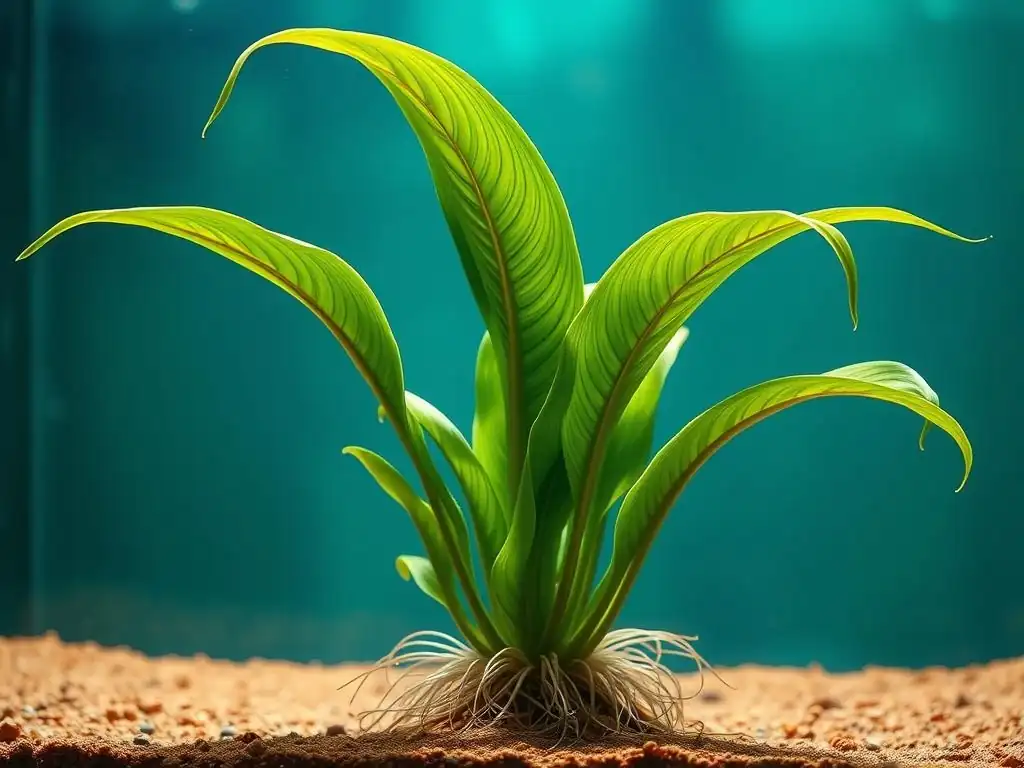
Root tabs are solid fertilizer pellets or capsules that are specifically designed to be inserted into the substrate near the root systems of plants. They provide a slow and localized release of nutrients directly to heavy root feeders, which are plant species that primarily absorb nutrients through their roots rather than the water column. Examples of such plants include most Cryptocoryne species, Echinodorus (Amazon Sword plants), and many types of Vallisneria.
These tabs typically contain a rich blend of macronutrients (especially nitrogen and phosphorus) and micronutrients that are slowly diffused into the substrate over several weeks or months, depending on the formulation. Root tabs complement liquid dosing, ensuring that plants like a large Echinodorus bleheri receive ample nutrition directly where they need it most. For aquarists cultivating these specific plant types, root tabs are undeniably among the best aquarium fertilizer types to ensure robust root development and overall plant health.
Fertilizer Dosing
Accurate Dosing
Accurate dosing is paramount for successful plant fertilization in an aquarium. Administering too much fertilizer can lead to an overabundance of nutrients, which frequently results in frustrating algae blooms, such as green hair algae or black brush algae, as nuisance algae capitalize on the excess. Conversely, under-dosing will lead to nutrient deficiencies, causing plants to exhibit stunted growth, pale coloration, and specific deficiency symptoms, ultimately hindering the overall health and aesthetic of the aquascape.
To ensure precision, aquarists should always use accurate measuring tools like syringes or droppers, especially for highly concentrated liquid fertilizers. Maintaining a consistent dosing schedule, whether daily, every other day, or weekly, is also crucial for stable nutrient levels. It is important to remember that factors such as tank size, plant density, lighting intensity, and whether CO2 is injected all influence nutrient uptake rates, meaning a "one-size-fits-all" dose rarely applies perfectly. Adjustments based on observed plant health are often necessary, even when using the best aquarium fertilizer types.
Estimative Index (EI) Dosing
The Estimative Index (EI) dosing method is a popular, high-nutrient approach primarily used in high-tech planted aquariums with intense lighting and CO2 injection. The core principle of EI is to provide nutrients in non-limiting excess, meaning that plants always have more than enough of every essential nutrient available to them. This method involves dosing large amounts of both macro and micronutrients, typically 2-3 times per week, using dry salts dissolved into stock solutions.
To prevent nutrient buildup and maintain water quality, the EI method mandates large weekly water changes, typically 50% or more. This resets the nutrient levels, preventing any single nutrient from accumulating to toxic levels or causing imbalances that could trigger algae. EI is favored by many experienced aquarists for its ability to promote exceptionally fast and robust plant growth, making it one of the best aquarium fertilizer types approaches for maximizing plant biomass and achieving lush, dense aquascapes.
Low-Tech Dosing
Low-tech dosing refers to fertilization strategies employed in planted aquariums that typically do not utilize supplemental CO2 injection and often have lower light levels. In these setups, plant growth is naturally slower, and nutrient demands are significantly reduced compared to high-tech tanks. Consequently, the dosing regimen for low-tech aquariums is much more conservative, aiming to provide just enough nutrients to support healthy, albeit slower, plant growth while minimizing the risk of algae.
This method usually involves smaller, less frequent doses, often using an all-in-one liquid fertilizer once or twice a week. Water changes in low-tech tanks are typically smaller (e.g., 20-30% weekly) and less critical for nutrient reset, as nutrient consumption by plants is slower. The goal is to avoid over-fertilization, which can quickly lead to algae issues in the absence of rapid plant growth to absorb excess nutrients. For aquarists prioritizing simplicity and lower maintenance, low-tech dosing with the best aquarium fertilizer types designed for this setup is ideal.
Monitoring Nutrient Levels
While not always strictly necessary for every aquarist, monitoring key nutrient levels can be a valuable tool for fine-tuning fertilization and diagnosing potential issues. Aquarium test kits can measure parameters such as Nitrate (NO3), Phosphate (PO4), and sometimes Iron (Fe). These measurements provide objective data that can help confirm suspicions of deficiencies or excesses, allowing for more informed adjustments to the dosing regimen.
However, it's crucial to remember that visual observation of plant health remains the most important indicator. Healthy, vibrant, and actively growing plants are the ultimate sign of proper fertilization. Keeping a detailed log of dosing amounts, water parameters, and plant observations over time can also be incredibly beneficial. This systematic approach allows aquarists to identify trends, pinpoint the best aquarium fertilizer types for their specific setup, and optimize their routine for long-term success.
Avoiding Common Mistakes
Over-Fertilization: Algae Blooms, Toxicity
One of the most frequent and frustrating mistakes in planted aquariums is over-fertilization. When nutrients, particularly nitrogen and phosphorus, are supplied in excessive quantities or in imbalanced ratios, they create an ideal environment for nuisance algae to proliferate. Common signs include sudden outbreaks of green water, hair algae, or stubborn black beard algae (BBA) coating plants and hardscape. This happens because algae are opportunists that thrive on readily available nutrients, often outcompeting stressed or nutrient-limited plants.
In extreme cases, severe over-fertilization, especially with certain micronutrients like copper or zinc, can even be toxic to sensitive fish and invertebrates, leading to stress or fatalities. It is always advisable to start with a lower dose than recommended and gradually increase it while closely observing plant response. A common guideline is to dose 25-50% of the recommended amount initially, and only increase if plants show signs of deficiency. This cautious approach helps prevent the negative consequences of over-dosing, even when using the best aquarium fertilizer types.
Under-Fertilization: Identifying Deficiencies
Under-fertilization is another common pitfall, leading to plants that are weak, pale, and unable to thrive. When plants do not receive adequate nutrients, their growth becomes stunted, their colors dull, and they begin to exhibit specific deficiency symptoms. For example, a lack of nitrogen can cause older leaves to yellow, while insufficient iron leads to pale new growth. These weakened plants are also more susceptible to algae outbreaks, as they cannot effectively compete for available light and nutrients.
Identifying under-fertilization requires careful observation and knowledge of common deficiency signs. Aquarists should regularly inspect their plants for discoloration, holes, stunted growth, or unusual leaf shapes. Cross-referencing these symptoms with online deficiency charts or plant care guides can help pinpoint the exact missing nutrient. Once identified, the solution involves either increasing the overall dose of the chosen fertilizer or adding a specialized supplement to address the specific deficiency, ensuring the plants receive the necessary components from the best aquarium fertilizer types.
Choosing the Right Fertilizer
There is no single "best aquarium fertilizer types" that universally fits every planted aquarium. The optimal choice depends heavily on several factors unique to each setup: the tank's size, the density and types of plants (e.g., heavy root feeders like Cryptocorynes versus water column feeders like stem plants), the intensity of lighting, whether CO2 is injected, and the aquarist's budget and commitment to maintenance. A low-tech tank with minimal plant mass will have vastly different needs than a high-tech, densely planted aquascape.
For beginners or those seeking simplicity, an all-in-one liquid fertilizer might be the most suitable option. For advanced hobbyists or large tanks, dry salts offer cost-effectiveness and unparalleled customization. Similarly, tanks with specific red plant varieties will benefit from targeted iron supplements, while those with many Echinodorus species will thrive with root tabs. Researching the specific needs of the plants in your aquarium and aligning them with the characteristics of various fertilizer types is crucial for making an informed decision and achieving long-term success.
Troubleshooting Plant Problems
Diagnosing Deficiencies
Diagnosing nutrient deficiencies in aquatic plants relies heavily on careful observation of specific visual symptoms. Each essential nutrient, when lacking, tends to produce distinct signs on particular parts of the plant. For instance, a general yellowing or paling of older leaves often points to a nitrogen deficiency, while small holes or yellowing along the margins of older leaves are classic indicators of potassium deficiency. New growth that appears pale or yellow with green veins typically suggests an iron deficiency.
It is crucial to differentiate between nutrient deficiencies and other common plant problems, such as inadequate CO2, insufficient lighting, or pest infestations. Sometimes, multiple deficiencies can occur simultaneously, making diagnosis more complex. Consulting reliable online resources, plant deficiency charts, and experienced aquarists can greatly assist in accurately identifying the underlying issue. Accurate diagnosis is the first step towards selecting the best aquarium fertilizer types to rectify the problem.
Adjusting Fertilization
Once a nutrient deficiency has been accurately diagnosed, the next step is to adjust the fertilization regimen accordingly. This adjustment might involve increasing the overall dose of your current all-in-one fertilizer if multiple nutrients seem low, or, more precisely, adding a specialized supplement targeting the specific missing nutrient. For example, if potassium deficiency is confirmed, a dedicated potassium booster should be introduced.
It is vital to make changes gradually and observe the plants' response over several days or a week before making further adjustments. Plants respond slowly, and immediate drastic changes can lead to new imbalances or algae outbreaks. If over-fertilization is suspected, a large water change (e.g., 50%) should be performed immediately to reduce nutrient levels, followed by a reduction in daily or weekly dosing. Patience and consistent monitoring are key to successful nutrient management and achieving optimal plant health with the best aquarium fertilizer types.
Conclusion: Fertilization for a Thriving Aquarium.
Proper fertilization is an indispensable cornerstone of a successful and aesthetically pleasing planted aquarium. By understanding the specific roles of macronutrients and micronutrients, and knowing how to diagnose and address deficiencies, aquarists can cultivate vibrant, robust plants that not only enhance the beauty of their tank but also contribute significantly to a stable and healthy aquatic environment. The strategic use of the best aquarium fertilizer types ensures that plants receive all the necessary building blocks for vigorous growth, allowing them to outcompete algae and maintain pristine water quality.
While the world of aquarium plant fertilizers can seem complex, with various types like liquid, dry, all-in-one, and specialized supplements, the effort invested in learning and implementing a tailored fertilization strategy richly rewards the aquarist. Achieving a thriving underwater garden, teeming with lush foliage and healthy aquatic life, is an ongoing journey of observation, adjustment, and continuous learning, ultimately culminating in a truly captivating aquascape.
Frequently Asked Questions
What are the main types of aquarium plant fertilizers?
The main types are categorized by their nutrient content: macronutrients (NPK - Nitrogen, Phosphorus, Potassium) and micronutrients (trace elements like iron and magnesium). Some fertilizers are also available as root tabs for substrate feeding.
Why are fertilizers important for aquarium plants?
Aquarium plants, unlike terrestrial plants, often lack access to sufficient nutrients from the substrate alone. Fertilizers supplement these missing elements, promoting healthy growth, vibrant colors, and preventing deficiencies.
What does "NPK" stand for in relation to aquarium fertilizers?
NPK stands for Nitrogen (N), Phosphorus (P), and Potassium (K). These are the essential macronutrients that plants need in relatively large quantities for growth and development.
How do I choose the best aquarium fertilizer for my tank?
Consider your plant species' needs, the lighting intensity, and the fish load. Heavily planted tanks with high light often require more fertilizer than low-tech setups. Understanding your water parameters is also crucial.
Can I over-fertilize my aquarium, and what are the consequences?
Yes, over-fertilization is possible and can lead to algae blooms and harmful water conditions for your fish. Always follow the recommended dosage and monitor your water parameters regularly.
Final Reflection: Cultivating Aquatic Harmony
The journey into understanding aquarium plant fertilizers, as we've explored, is not merely about achieving lush green growth, but about fostering a balanced and thriving ecosystem within the glass walls of our aquariums. The delicate dance between NPK, micronutrients, and the needs of our aquatic flora reflects a broader truth: that even in controlled environments, nature demands respect, understanding, and a holistic approach.
This exploration has highlighted how deeply interconnected our choices are with the health of our underwater worlds. It's a reminder that responsible aquascaping extends beyond aesthetics; it's about nurturing life and creating a sustainable environment for our finned friends. The best fertilizer isn't just about the numbers on the bottle; it's about understanding the unique needs of your plants and the overall health of your aquarium.
This sentiment underscores the importance of informed decision-making and continuous learning in the pursuit of aquatic harmony.
Now, armed with this knowledge of the best aquarium fertilizer types, I invite you to reflect on your own aquascaping practices. Consider how you can apply these principles to create not just visually stunning aquariums, but thriving ecosystems that reflect your commitment to the well-being of all its inhabitants. Embrace the ongoing learning process, experiment responsibly, and let your aquariums become testaments to the beauty and balance that can be achieved when science and passion intertwine.
Unleash Your Aquarium's Green Potential!
Thanks for diving into the world of aquarium plant fertilizers! We hope you've gained a clearer understanding of NPK, micros, and how to nurture lush growth. Now it's time to put that knowledge into action and witness the magic unfold in your own tank!
Here's how you can take the next step:
- Calculate your tank's nutrient needs and formulate a personalized fertilization plan based on the principles you've learned. Don't be afraid to experiment and observe the results!
- Share your newfound fertilizer wisdom! Post photos of your thriving, planted aquarium on social media using #AquariumMastery and inspire others to embrace aquatic gardening.
- Delve deeper! Research lesser-known aquarium plant nutrients, like molybdenum or nickel, and discover how these trace elements can impact your plants' health and coloration.
What specific fertilizer ratio are you most excited to experiment with in your aquarium, and why?