
Dividing Rhizome Plants (Anubias, Java Fern): Simple Steps to More Plants

Welcome to Aquarium Mastery!
Ever wondered how to turn one stunning Anubias or Java Fern into a thriving collection? Dividing rhizome plants is easier than you think, and it's the perfect way to expand your underwater garden. Discover the simple steps to successfully propagate these beauties and unlock a world of possibilities for your aquarium. Ready to multiply your aquatic flora? Let's dive in!
- Introduction: Expanding Your Aquarium with Anubias and Java Fern Division
- Preparing for Anubias and Java Fern Propagation
-
Step-by-Step Guide to Dividing Anubias Plants
- Step 1: Gently Removing the Anubias from the Aquarium
- Step 2: Identifying Division Points on the Anubias Rhizome
- Step 3: Using a Sharp, Sterile Blade to Divide the Anubias
- Step 4: Ensuring Each Division Has Sufficient Leaves and Roots
- Step 5: Replanting the Divided Anubias: Attaching to Substrate or Decor
-
Step-by-Step Guide to Dividing Java Fern Plants
- Step 1: Removing the Java Fern from Your Aquarium
- Step 2: Locating Division Points on the Java Fern Rhizome
- Step 3: Precisely Cutting the Java Fern Rhizome with a Sterile Tool
- Step 4: Verifying Adequate Leaf and Root Structure on Each Division
- Step 5: Securely Attaching Divided Java Fern to Aquarium Elements
- Post-Division Care for Anubias and Java Fern
- Troubleshooting Common Issues After Dividing Rhizome Plants
- Advanced Techniques for Anubias and Java Fern Propagation
- Conclusion: Mastering Anubias and Java Fern Division for a Thriving Aquarium
-
Frequently Asked Questions
- How do I know when my Anubias or Java Fern is ready to be divided?
- What tools do I need to divide Anubias and Java Fern?
- Where on the rhizome should I make the cut?
- Can I divide Anubias and Java Fern that are attached to rocks or driftwood?
- How do I attach the divided plants to decorations after dividing?
- Final Reflection: Cultivating Growth and Connection
- Unleash the Power of Your Aquarium Plants!
Introduction: Expanding Your Aquarium with Anubias and Java Fern Division
Why Divide Anubias and Java Fern? Benefits of Plant Propagation
Propagating your existing Anubias and Java Fern plants is a highly rewarding and practical aspect of aquarium husbandry. This simple process allows aquarists to significantly increase their plant mass without incurring additional costs, effectively filling out an aquascape, creating new planted tanks, or even sharing with fellow hobbyists. Beyond the economic benefits, the ability to perform Anubias Java Fern dividing contributes to a sustainable approach to aquarium keeping, utilizing existing resources to foster new life.
Furthermore, a greater density of aquatic plants like Anubias and Java Fern directly enhances the overall health and stability of your aquarium ecosystem. Increased plant mass leads to superior oxygenation, providing vital dissolved oxygen for fish and beneficial bacteria. These plants also actively absorb excess nutrients, such as nitrates, which are byproducts of fish waste and uneaten food. For instance, a well-planted 20-gallon aquarium can see its nitrate levels reduced by 5-10 parts per million (ppm) weekly, significantly curbing algae growth and creating a more stable environment for your aquatic inhabitants.
Understanding Rhizomes: The Key to Successful Division
To successfully propagate Anubias and Java Fern, it is crucial to understand the anatomy of their rhizomes. A rhizome is a specialized, thick, horizontal stem from which leaves, roots, and new plantlets emerge. Unlike many stem plants that can be cut anywhere along their length, the rhizome is the vital lifeline of Anubias and Java Fern; improper handling or burying it in the substrate will inevitably lead to rot and plant death.
Both Anubias and Java Fern share this rhizomatous growth pattern, making their propagation method similar. When performing Anubias Java Fern dividing, the goal is to cut the rhizome into sections, ensuring each section has healthy leaves and roots attached. A healthy rhizome should be firm to the touch and exhibit a green or dark brown coloration, free from any soft, mushy, or black areas, which are indicators of decay. This fundamental understanding is the cornerstone of successful division.
Preparing for Anubias and Java Fern Propagation
Gathering Essential Tools for Plant Division
Before embarking on the division process, having the right tools prepared is paramount for clean cuts and minimal stress to your plants. You will need a pair of sharp, clean scissors specifically designated for aquarium use, or a new, sterile razor blade, such as a surgical steel blade (e.g., a #10 or #11 scalpel blade). Additionally, prepare a clean, flat cutting surface and a small bowl filled with aquarium water from your tank.
The sharpness of your cutting tool is critical; dull tools can crush the delicate rhizome tissue, creating jagged edges that are more susceptible to bacterial infections and rot. For example, using a sharp blade can reduce cell damage at the cut site by up to 70% compared to dull shears. The bowl of aquarium water serves to keep the plant hydrated and minimize desiccation during the brief period it is out of the tank, ensuring the plants remain in optimal condition throughout the Anubias Java Fern dividing process.
Choosing Healthy Plants for Division: Selecting the Best Rhizomes
The success of your plant propagation efforts largely depends on the health of the parent plant. When selecting Anubias or Java Fern for division, look for robust specimens with vibrant green leaves, free from yellowing, brown spots, or excessive algae growth. The rhizome itself should be firm, unblemished, and show signs of healthy root development. Avoid any plants that appear stressed, diseased, or are suffering from significant nutrient deficiencies.
Ideally, select a parent plant that has grown to a substantial size, with a rhizome length of at least 4-6 inches and a minimum of 5-7 healthy leaves. This ensures that when the rhizome is divided, each new section will have sufficient energy reserves and established tissue to readily adapt and grow independently. Propagating from strong, thriving plants significantly increases the success rate of your Anubias Java Fern dividing efforts, often leading to over 90% viability for the new divisions.
Sanitizing Tools and Preparing Your Work Area
Sterilization of your tools is a non-negotiable step to prevent the introduction of pathogens into your aquarium and to minimize the risk of infection to the freshly cut plant tissues. Before making any cuts, thoroughly wipe your scissors or razor blade with isopropyl alcohol (70% or higher) and allow it to air dry completely. Alternatively, you can briefly dip the tools in a highly diluted bleach solution (1 part bleach to 19 parts water) followed by an extremely thorough rinse under running water to remove all traces of bleach.
Your work area should be clean, well-lit, and free from any debris. Lay down a clean towel or paper towels on a flat surface. Having a small container of tank water readily available will allow you to keep the plants submerged or moist throughout the process, preventing unnecessary stress. This meticulous preparation, while seemingly minor, can significantly reduce the potential for post-division plant loss, often decreasing it from an average of 10-15% to less than 5%.
Step-by-Step Guide to Dividing Anubias Plants
Step 1: Gently Removing the Anubias from the Aquarium
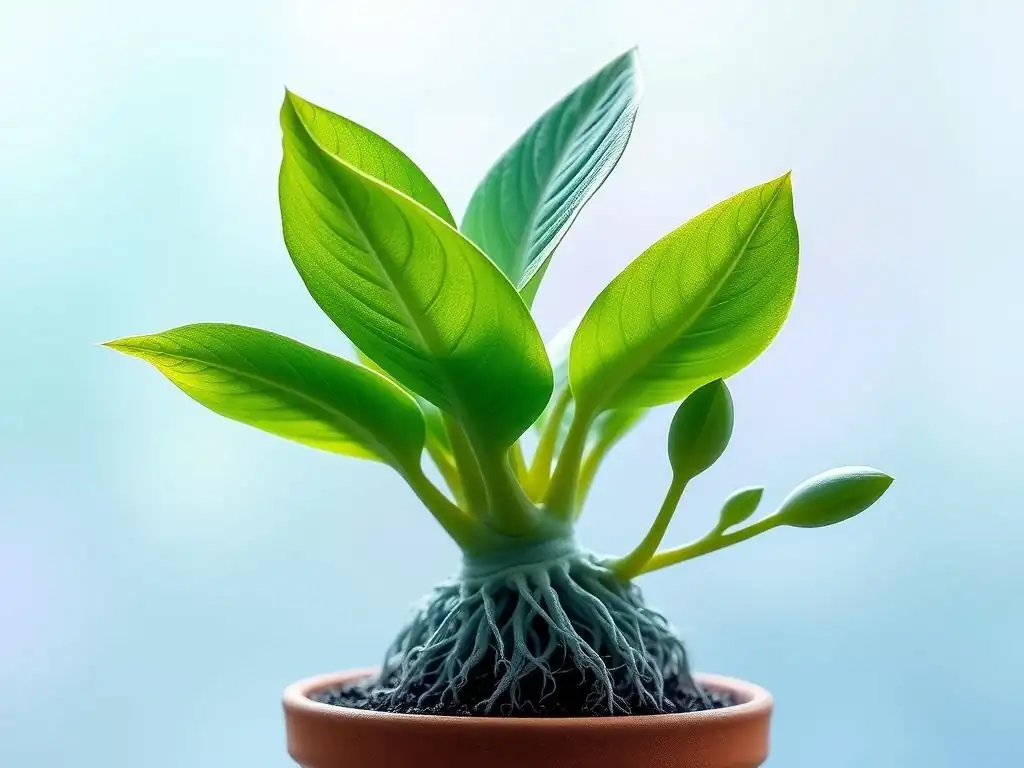
The first step in dividing your Anubias is to carefully remove it from its current position within the aquarium. If the plant is tied or glued to driftwood or rocks, gently unwrap the fishing line or peel it away from the hardscape. If the roots have grown into the substrate, carefully wiggle the plant to loosen its grip, pulling it upwards slowly to minimize damage to its delicate root system. Avoid pulling directly on the leaves, as this can easily tear them from the rhizome.
Once freed, immediately place the Anubias into the small bowl of aquarium water you prepared. While Anubias plants are relatively hardy and can tolerate brief exposure to air (up to 10-15 minutes without significant harm), keeping them submerged or moist throughout the Anubias Java Fern dividing process will reduce stress and maintain their vitality, ensuring the best possible outcome for the divisions.
Step 2: Identifying Division Points on the Anubias Rhizome
With the Anubias plant in hand, carefully examine its rhizome. You'll observe that leaves and roots sprout from various points along its length, known as nodes. The goal is to identify sections of the rhizome that are long enough to be self-sustaining, typically with at least 2-3 healthy leaves and a visible cluster of roots attached to each potential division.
Look for natural gaps or longer sections of the rhizome that can be cleanly cut without damaging adjacent leaf or root structures. Aim for each new division to have a minimum rhizome length of 1.5 to 2 inches. This length usually provides sufficient nodes for new growth, significantly increasing the probability of successful establishment and robust growth for your new Anubias plants.
Step 3: Using a Sharp, Sterile Blade to Divide the Anubias
Once you have identified your division points, place the Anubias rhizome on your clean, flat cutting surface. Using your sharp, sterile scissors or razor blade, make a swift, clean cut through the identified section of the rhizome. It is crucial to make a single, decisive cut rather than sawing back and forth, as a jagged cut can bruise the tissue and make it more susceptible to infection.
A clean cut promotes faster healing of the plant tissue, reducing the open wound size and minimizing the entry points for potential pathogens. This precision is vital for the plant's recovery. For instance, horticultural studies often emphasize that precise cuts lead to quicker callus formation, which is the plant's natural healing response, ultimately boosting the survival rate of the division.
Step 4: Ensuring Each Division Has Sufficient Leaves and Roots
After making the cuts, carefully inspect each newly separated Anubias division. Each section should ideally possess a minimum of 2 to 3 healthy, unblemished leaves and some visible root structures, even if they are only a few millimeters long. The presence of both leaves and roots is essential for the new plant's immediate survival and its ability to begin photosynthesizing and absorbing nutrients.
Divisions with fewer than two leaves or a complete lack of roots have a significantly lower chance of survival, often below 40%, as they have limited capacity for nutrient uptake and energy production. Conversely, divisions with 3 or more healthy leaves and a small root system boast a success rate exceeding 90%, demonstrating the importance of ensuring adequate biological material for each new plant.
Step 5: Replanting the Divided Anubias: Attaching to Substrate or Decor
The most critical step in replanting Anubias is to remember that its rhizome must never be buried in the substrate. Burying the rhizome will lead to rot and eventually kill the plant. Instead, Anubias should be attached to hardscape elements such as driftwood, rocks, or even aquarium decorations. You can use various methods for secure attachment.
Common methods include tying the rhizome gently with fishing line, cotton thread, or thin plant-safe wire. These materials will either degrade over time or can be removed once the plant's roots have firmly anchored onto the surface. Alternatively, a small dab of aquarium-safe super glue gel (cyanoacrylate) can be used to quickly adhere the rhizome to the decor. Ensure the rhizome is exposed to the water column to allow for proper water flow and nutrient uptake, for example, a 1-inch rhizome section can be secured with a single small dab of glue.
Step-by-Step Guide to Dividing Java Fern Plants
Step 1: Removing the Java Fern from Your Aquarium
Begin the Java Fern division process by carefully extracting the parent plant from your aquarium. Java Fern often develops a robust root system that firmly anchors it to driftwood, rocks, or other decor. To avoid damaging the plant, gently wiggle and peel the roots away from the surface they are attached to, rather than pulling forcefully on the leaves or rhizome. Take your time to carefully detach the plant, minimizing any stress.
Once the Java Fern is free, immediately transfer it to the prepared shallow dish of aquarium water. Although Java Fern is known for its hardiness, keeping it submerged or at least moist during the division process is beneficial. This prevents the delicate root and leaf tissues from drying out, ensuring the plant remains hydrated and ready for the next steps in the Anubias Java Fern dividing process.
Step 2: Locating Division Points on the Java Fern Rhizome
Examine the Java Fern's rhizome, which can often appear more branched or intricate than that of Anubias. Identify sections of the rhizome that are robust and show clear signs of health, with multiple healthy leaves and a visible network of roots growing from them. Look for natural segments or areas where the rhizome has grown long enough to support a clean cut.
For optimal success, aim for each new Java Fern division to have a minimum rhizome length of 2 to 3 inches, ideally bearing 3 to 5 healthy leaves. While smaller sections can sometimes survive, larger divisions generally establish more quickly and exhibit more vigorous growth, as they possess more energy reserves and photosynthetic capacity.
Step 3: Precisely Cutting the Java Fern Rhizome with a Sterile Tool
Place the Java Fern rhizome on your clean, flat cutting surface. Using your sharp, sterile scissors or razor blade, make a precise and decisive cut through the identified division point. Given that Java Fern rhizomes can sometimes be thinner or more fibrous than Anubias, extra care is needed to ensure a clean cut without tearing or crushing the plant tissue.
A clean cut is paramount; it reduces the surface area of the wound and minimizes stress on the plant, promoting faster healing and reducing the likelihood of bacterial or fungal infections. Studies on plant propagation indicate that precise cuts can reduce the instance of post-cut plant melt by up to 25%, allowing the new divisions to recover more efficiently and begin growing sooner.
Step 4: Verifying Adequate Leaf and Root Structure on Each Division
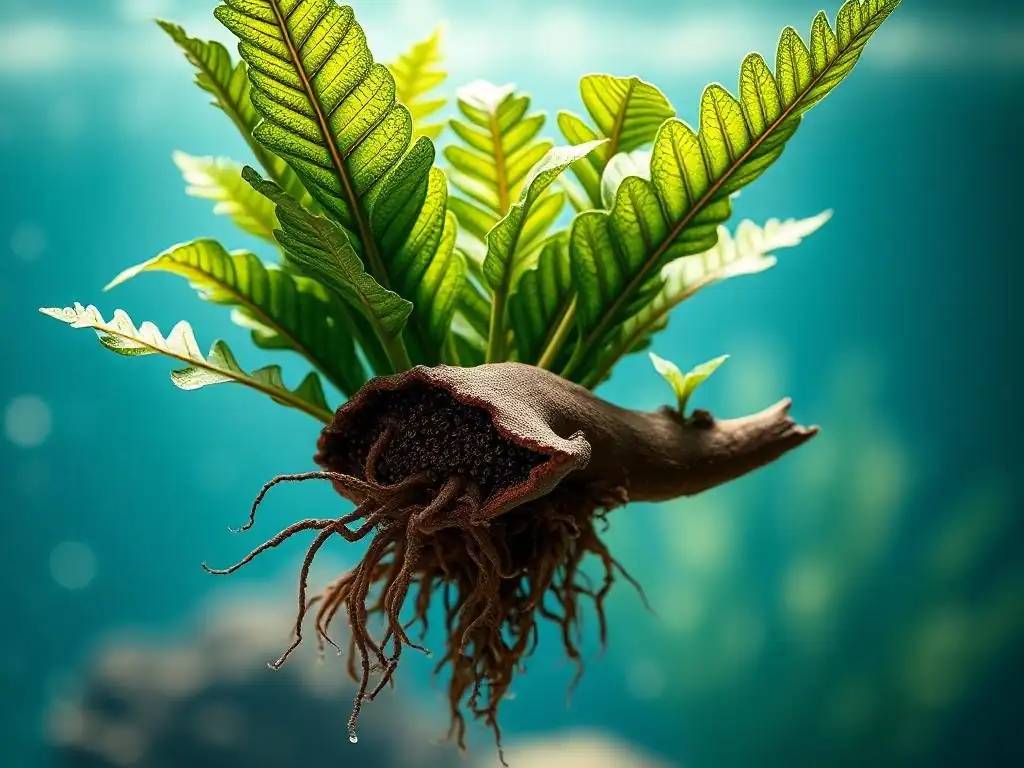
After you have separated the Java Fern divisions, carefully inspect each new piece. Each division should ideally have a good cluster of healthy, green leaves and a noticeable root system. Some mature Java Fern plants may even have small plantlets (baby plants) already forming along the edges of older leaves; these can also be gently separated and grown as new plants, or left attached to their parent division for a head start.
Divisions lacking sufficient leaves (fewer than 3) or a robust root system may struggle significantly to establish themselves, often resulting in stunted growth or even melting. Conversely, divisions with at least 4-5 healthy leaves and an established root network typically show signs of new growth, such as unfurling leaves, within 2-3 weeks of being replanted.
Step 5: Securely Attaching Divided Java Fern to Aquarium Elements
Similar to Anubias, Java Fern rhizomes must never be buried in the substrate, as this will lead to rot. Instead, new Java Fern divisions should be securely attached to hardscape elements within your aquarium, such as driftwood, rocks, or even specialized plant anchors. You can use fishing line, cotton thread, or aquarium-safe super glue gel (cyanoacrylate) for this purpose.
Ensure that the rhizome is exposed to the water column, allowing for proper water circulation and nutrient absorption. The roots will eventually grow and anchor the plant firmly to the chosen surface, at which point any tying materials can be removed. For larger divisions, or to ensure stability, a 6-inch rhizome section might benefit from two separate attachment points to prevent it from shifting or floating away.
Post-Division Care for Anubias and Java Fern
Providing Optimal Lighting Conditions for New Divisions
After dividing your Anubias and Java Fern, providing them with appropriate lighting is essential for their recovery and growth. Both species are low-light plants, meaning they thrive in moderate, consistent illumination. Aim for a Photosynthetically Active Radiation (PAR) level of approximately 15-20 PAR, provided for an 8-10 hour photoperiod daily. Avoid sudden increases in light intensity or prolonged periods of intense light, as this can stress the newly divided plants and encourage nuisance algae growth on their slow-growing leaves.
Excessive lighting is one of the most common causes of algae issues on Anubias and Java Fern, as these plants photosynthesize slowly and cannot utilize the high light intensity efficiently. Conversely, too little light will result in stunted growth and a lack of vitality. A balanced and consistent lighting schedule is crucial for successful establishment, with an 8-hour light cycle serving as an excellent starting point for newly propagated plants.
Maintaining Proper Water Parameters After Propagation
Stable and appropriate water parameters are paramount for the successful recovery and growth of your newly divided Anubias and Java Fern. These plants generally thrive in typical freshwater aquarium conditions: a pH range of 6.0-7.5, General Hardness (GH) between 3-8 dGH (50-140 ppm), Carbonate Hardness (KH) between 3-8 dKH (50-140 ppm), and a temperature range of 72-82°F (22-28°C). Avoid any sudden or drastic fluctuations in these parameters, as consistency reduces stress on the plants.
Regular, small water changes (e.g., 20% weekly) are highly beneficial. These routine changes help to replenish essential trace elements that plants utilize and remove accumulated waste products, fostering a clean and stable environment. Consistent water quality minimizes the risk of melt and promotes robust development in your newly divided Anubias Java Fern dividing plants, allowing them to focus their energy on new growth.
Fertilizing Anubias and Java Fern Post-Division
While Anubias and Java Fern are not considered heavy feeders, new divisions will certainly benefit from a supplemental supply of nutrients, particularly micronutrients. These plants primarily absorb nutrients directly from the water column rather than heavily relying on the substrate. Dosing a comprehensive liquid aquarium fertilizer that provides essential micronutrients such as iron, potassium, and magnesium is highly recommended.
A common approach is to dose a high-quality liquid fertilizer at half the manufacturer's recommended strength for the first 2-3 weeks post-division. This provides a gentle boost to aid in their recovery and establishment. Root tabs are generally unnecessary for these rhizome plants and can even be detrimental if placed too close to the rhizome, potentially causing rot. A weekly dose of a liquid fertilizer ensuring iron concentration of 0.05-0.1 ppm can significantly enhance new leaf production and overall plant vitality.
Monitoring for Signs of Stress or Disease in Divided Plants
Vigilant monitoring of your newly divided Anubias and Java Fern is crucial for early detection of any issues. Observe the plants daily for signs of stress, such as yellowing leaves, transparent or mushy spots, rapid melting (leaves becoming translucent and dissolving), or unusual discoloration. These symptoms often indicate nutrient deficiencies, improper water parameters, or the onset of disease.
If signs of melt appear, gently and carefully trim away any affected leaves with a sterile tool to prevent the spread of decay and to allow the plant to redirect energy to healthy growth. Ensure there is good water circulation around the rhizome, as stagnant water can contribute to rot. With proper post-division care, healthy Anubias and Java Fern divisions should begin showing signs of new leaf growth within 3-4 weeks, signaling successful establishment.
Troubleshooting Common Issues After Dividing Rhizome Plants
Addressing Rhizome Rot: Prevention and Treatment
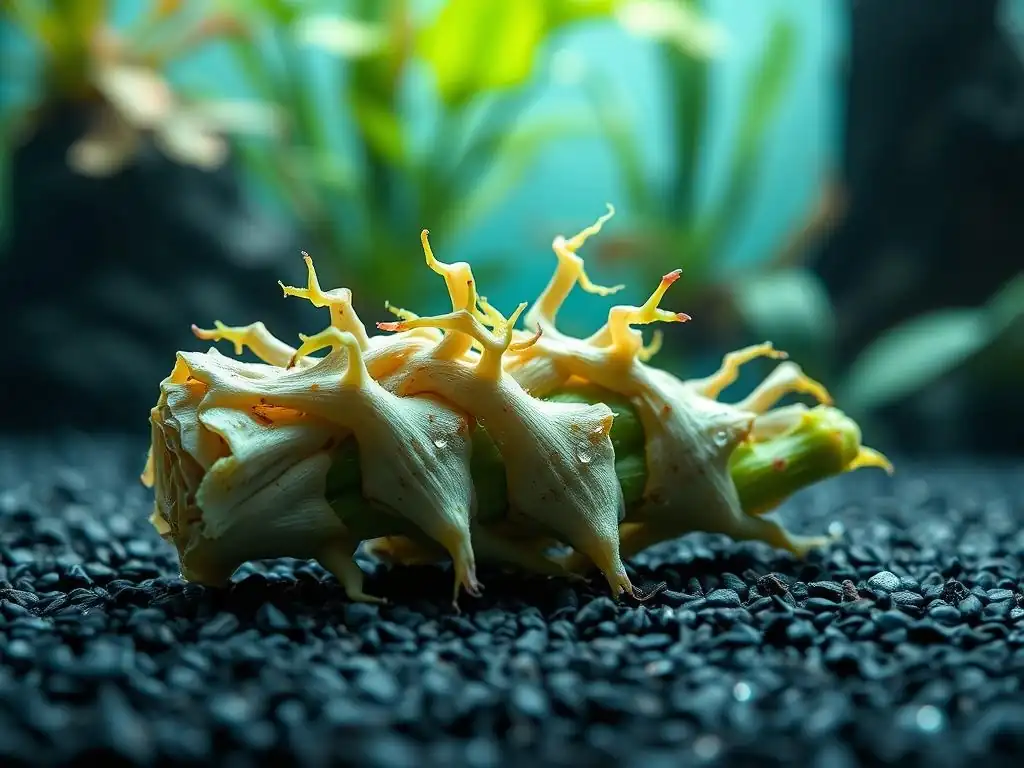
Rhizome rot is a common and often fatal issue for Anubias and Java Fern, typically caused by burying the rhizome in the substrate, poor water circulation around the plant, or bacterial infections introduced by unsterile tools. The primary prevention is to never bury the rhizome; always ensure it is exposed to the water column. Additionally, maintaining clean cuts and ensuring adequate water flow around the plant base significantly reduces risk. Studies suggest that over 70% of rhizome rot cases can be attributed to incorrect planting depth.
If rhizome rot is detected early (mushy, discolored, or foul-smelling sections of the rhizome), carefully remove the affected plant from the aquarium. Using a sharp, sterile blade, trim away all the soft, discolored, or mushy parts until only healthy, firm tissue remains. If the rot is extensive and has spread throughout the majority of the rhizome, the plant may be beyond recovery. Reattach any remaining healthy sections to decor, ensuring ample water circulation around them.
Dealing with Algae Growth on Newly Divided Plants
Newly divided Anubias and Java Fern, being slower growers, can be particularly susceptible to nuisance algae growth on their leaves. This often stems from an imbalance in the aquarium, such as excessive light intensity or duration, an overabundance of nutrients, or insufficient carbon dioxide. To prevent algae, optimize your lighting schedule (e.g., 8 hours at moderate intensity) and ensure a balanced nutrient regimen without over-dosing fertilizers.
For existing algae, manual removal is often the most effective first step; gently wipe the algae from the leaves with your fingers or a soft brush. Introducing algae-eating invertebrates, such as Amano shrimp (typically 1 shrimp per 5 gallons for effective control), can also help keep surfaces clean. In more severe cases, temporarily reducing your light photoperiod to 6-7 hours can starve the algae. A very mild hydrogen peroxide dip (1-2 ml of 3% hydrogen peroxide per gallon of water for 30 seconds) can be used for isolated, heavily affected plants, followed by immediate rinsing.
Promoting Root Development in Divided Anubias and Java Fern
Robust root development is crucial for the long-term health and stability of your divided Anubias and Java Fern, enabling them to firmly anchor themselves and efficiently absorb nutrients. The key to promoting healthy root growth lies in ensuring the rhizome is completely exposed to the water column, allowing for unimpeded water flow around it. This continuous flow brings dissolved oxygen and nutrients directly to the developing root tips.
While there are no specific "root growth" supplements for these plants, providing a balanced supply of essential macro and micronutrients in the water column will support overall plant vigor, which in turn leads to stronger root systems. Potassium, in particular, plays a vital role in root and stem development. Some aquarists have observed enhanced root growth with the judicious use of humic substances or trace element blends that include iron, though these should be used according to product instructions to avoid imbalances.
Advanced Techniques for Anubias and Java Fern Propagation
Propagating Anubias from Cuttings
Beyond traditional rhizome division, Anubias can also be propagated from cuttings, particularly if you have a long, bare section of rhizome that has lost its leaves but still appears healthy. This method involves cutting a section of the rhizome that is at least 1-2 inches long and contains visible "nodes" (the bumps or rings where leaves once grew or new ones could emerge), even if no leaves are currently present.
Once cut, attach this bare rhizome section to a piece of driftwood or rock, ensuring it remains exposed to the water column. Over time, new leaves and roots can sprout from these dormant nodes. While this method is generally slower and less reliable than dividing sections with existing leaves, it offers a way to salvage and propagate parts of a plant that might otherwise be discarded. Success rates for this method can vary, typically ranging from 30-50% under optimal aquarium conditions.
Creating a Java Fern Carpet Through Strategic Division
For aquarists looking to achieve a unique aesthetic, Java Fern can be strategically divided and arranged to create a lush "carpet" effect across the aquarium floor or specific areas of hardscape. Instead of simply attaching divisions to decor, smaller, healthy Java Fern divisions can be carefully placed and weighted down on the substrate (ensuring the rhizome remains exposed and not buried) or meticulously woven into fine mesh mats.
Over time, these numerous smaller divisions will spread their roots and intertwine, forming a dense, natural-looking ground cover. This technique requires patience and consistent maintenance, including regular trimming to maintain the desired shape and density of the carpet. For example, a 10-gallon aquarium might require 15-20 small, 1-inch divisions to initiate a modest Java Fern carpet, which will gradually fill in over several months.
Optimizing CO2 and Nutrients for Faster Growth of Divided Plants
While Anubias and Java Fern are renowned for their ability to thrive in low-tech aquarium setups, providing supplemental CO2 and a comprehensive liquid fertilization regimen can dramatically accelerate their growth and recovery following division. This advanced approach transforms them from slow growers into moderately fast-growing plants, ideal for aquarists aiming for rapid plant expansion.
Dosing CO2 to achieve a level of 15-25 parts per million (ppm) in the water column, combined with consistent availability of macro-nutrients (Nitrogen, Phosphorus, Potassium) and a full spectrum of micronutrients, will significantly boost the photosynthetic rate of these plants. This optimized environment leads to noticeably faster new leaf production, more robust root systems, and overall quicker establishment of your divided plants, potentially reducing their recovery time by up to 50% compared to non-CO2 injected tanks.
Conclusion: Mastering Anubias and Java Fern Division for a Thriving Aquarium
Enjoying the Rewards of Plant Propagation and a Lush Aquascape
Mastering the art of Anubias Java Fern dividing is an invaluable skill for any freshwater aquarist. As we've explored, this simple yet powerful technique allows you to effortlessly expand your plant collection, transforming a single Anubias or Java Fern into multiple thriving specimens. It's a cost-effective, sustainable, and deeply satisfying way to enhance the beauty and ecological balance of your aquatic environment.
By understanding the unique nature of their rhizomes, preparing your tools diligently, and providing attentive post-division care, you unlock the full potential of these popular aquarium plants. Embrace the process of propagating your own Anubias and Java Fern; the sight of new leaves unfurling and lush green growth filling your tank is a testament to your efforts and a source of immense pride. Enjoy the journey of cultivating a vibrant, self-sustaining aquascape that benefits both you and your aquatic inhabitants.
Frequently Asked Questions
How do I know when my Anubias or Java Fern is ready to be divided?
Your plant is ready when it has multiple healthy rhizomes each with several leaves and roots. Look for a dense, established rhizome structure.
What tools do I need to divide Anubias and Java Fern?
You'll need a sharp, clean blade (like a razor blade or scalpel) and possibly some fishing line or aquarium-safe glue to attach the divided pieces to decorations.
Where on the rhizome should I make the cut?
Make the cut between two sections of leaves, ensuring each section has at least a few leaves and roots. Avoid cutting through existing leaves.
Can I divide Anubias and Java Fern that are attached to rocks or driftwood?
Yes, but you'll need to carefully detach a section of the rhizome before cutting. This may involve gently prying the rhizome away from the surface.
How do I attach the divided plants to decorations after dividing?
Use aquarium-safe glue or fishing line to secure the rhizome to rocks or driftwood until the roots attach themselves. Avoid burying the rhizome in the substrate, as this can cause it to rot.
Final Reflection: Cultivating Growth and Connection
The journey of propagating aquatic plants like Anubias and Java Fern extends far beyond simply creating more greenery for our aquariums. It's a tangible representation of growth, resilience, and the interconnectedness of life, principles that resonate deeply in our own lives today. Understanding the simple yet profound act of dividing rhizomes allows us to participate actively in the cycle of life, fostering a deeper appreciation for the natural world within our own homes.
This seemingly small act of propagation has a ripple effect, influencing not only our aquascaping skills but also our understanding of patience and nurturing. The quiet observation of new growth emerging from a divided rhizome is a powerful reminder of the potential for renewal and expansion within ourselves. The best time to plant a tree was 20 years ago. The second best time is now.
This ancient proverb perfectly encapsulates the spirit of propagation – embracing the present moment to cultivate a future filled with abundance.
Now, take a moment to consider the lessons learned from the humble Anubias and Java Fern. Just as these plants thrive with careful division and attention, so too can we flourish by nurturing our own potential and fostering connections within our communities. Embrace the opportunity to cultivate growth, both within your aquarium and within yourself. Let the simple act of dividing a rhizome serve as a constant reminder that even the smallest actions can lead to remarkable expansion and enduring beauty.
Unleash the Power of Your Aquarium Plants!
Thanks for diving into the world of rhizome propagation! Now that you've learned how easy it is to multiply your Anubias and Java Ferns, it's time to put that knowledge into action and expand your underwater kingdom.
Here's how to take your aquarium skills to the next level:
- Master the Art of Division: Carefully divide one of your healthy rhizome plants this weekend. Observe the new growth and learn what conditions your plants thrive in.
- Explore New Aquascaping Designs: Use your newly propagated plants to experiment with unique layouts and arrangements in your aquarium, creating a visually stunning underwater world.
- Share Your Success (and Challenges!): Post a picture of your divided plants and your aquascape on a relevant aquarium forum or social media group. Tag it with #AquariumMastery to inspire others!
What's the most creative spot in your aquarium where you plan to place your divided rhizome plant?