
Weaning Tetra Fry onto Prepared Foods: An Aquarium Mastery Transition Guide

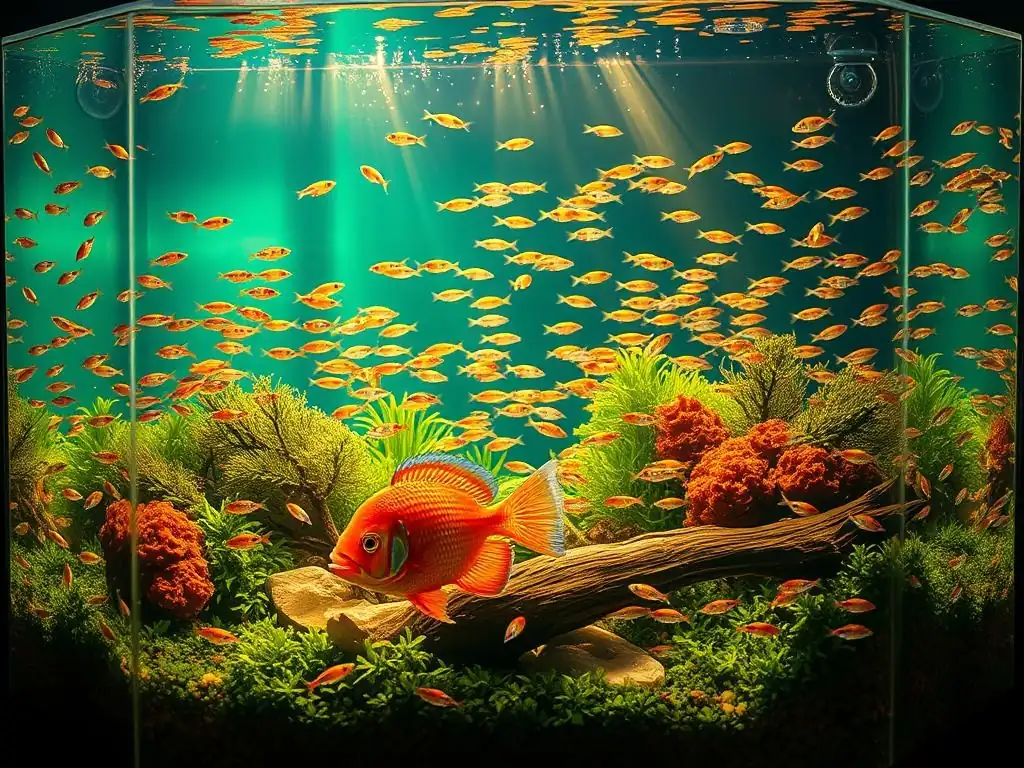
Welcome to Aquarium Mastery!
Ever wondered how to successfully transition your delicate Tetra fry from their initial food source to prepared foods? It's a crucial step, and ensuring a smooth transition is key to their survival and vibrant health. Dive into our comprehensive guide below to unlock the secrets of Tetra fry prepared food transition and set your little ones up for thriving in your freshwater aquarium! Ready to watch them flourish?
- Introduction: The Crucial Tetra Fry Feeding Transition
- Preparing for the Tetra Fry Prepared Food Transition
- Step-by-Step Guide: Weaning Tetra Fry onto Prepared Foods
- Troubleshooting Common Tetra Fry Feeding Issues
- Best Practices for Long-Term Tetra Fry Nutrition
- Advanced Techniques for Tetra Fry Food Transition
- Conclusion: Ensuring Healthy Tetra Fry Growth Through Proper Feeding
-
Frequently Asked Questions
- How do I know when my Tetra fry are ready to transition to prepared food?
- What types of prepared food are best for weaning Tetra fry?
- How often should I feed Tetra fry prepared food during the transition?
- How do I introduce prepared food to Tetra fry who are used to live food?
- What should I do if my Tetra fry are not eating the prepared food?
- Final Reflection: Nurturing New Beginnings
- Nurture Your Tiny Titans: Embark on the Fry-Feeding Adventure!
Introduction: The Crucial Tetra Fry Feeding Transition
The successful rearing of Tetra fry is a delicate process, with nutrition playing the most pivotal role in their survival and healthy development. Initially, newly hatched Tetra fry rely on their yolk sac for sustenance for the first few days. However, once this vital energy reserve is depleted, aquarists face the critical challenge of providing a consistent and appropriate food source. This early feeding phase typically involves microscopic live organisms like infusoria or newly hatched brine shrimp, which perfectly match the fry's tiny mouths and high metabolic rates.
As Tetra fry grow, their nutritional requirements evolve, and the logistical challenges of continuously culturing sufficient quantities of live food can become overwhelming for even experienced aquarists. This necessitates a well-planned and gradual "Tetra fry prepared food transition." Mastering this shift from live, microscopic fare to commercially available prepared foods is not only a matter of convenience but also crucial for ensuring a diverse, balanced diet that supports robust growth and prepares the young fish for a stable life in a community aquarium.
Understanding the Nutritional Needs of Tetra Fry
Newly hatched Tetra fry, often barely 1-3 millimeters in length, possess incredibly high metabolic rates, demanding a constant supply of energy and building blocks for rapid growth. Their initial diet must be exceptionally rich in protein, typically requiring levels upwards of 40-50%, along with essential fatty acids and a comprehensive array of vitamins and minerals. These tiny organisms also have very small mouthparts, meaning any food offered must be microscopic in size to be ingested. Live foods like infusoria or rotifers are ideal because they are perfectly sized and contain the necessary digestible nutrients.
As the fry develop, their need for high-quality protein persists, but their digestive systems mature, allowing them to process slightly more complex food structures. The rapid cell division and tissue formation occurring in these early stages mean that any nutritional deficiency can quickly lead to stunted growth, deformities, or increased susceptibility to disease. Therefore, a successful "Tetra fry prepared food transition" must ensure that the chosen foods not only fit their mouths but also deliver the complete nutritional profile required for their accelerated development.
Why Transitioning to Prepared Foods is Essential for Tetra Fry Growth
Transitioning Tetra fry to prepared foods is a fundamental step for several practical and nutritional reasons. Firstly, relying solely on live food cultures, such as brine shrimp or microworms, can be incredibly time-consuming and challenging to maintain in the quantities needed for a growing brood. Fluctuations in live culture viability can lead to inconsistent feeding, directly impacting fry health. Prepared foods, on the other hand, offer a consistent, readily available, and often more stable nutritional source, simplifying the daily feeding regimen for the aquarist.
Secondly, while live foods are excellent initial options, a diverse diet is crucial for long-term health. Prepared foods, especially those specifically formulated for fry, often contain a broader spectrum of ingredients, including various proteins (e.g., fish meal, spirulina), lipids, and fortified vitamins, which can offer a more complete nutritional profile than a single live food source. This comprehensive nutrition supports stronger immune systems and better overall development, preparing the young Tetras for a healthy transition into a larger aquarium environment and ensuring the success of the "Tetra fry prepared food transition."
Preparing for the Tetra Fry Prepared Food Transition
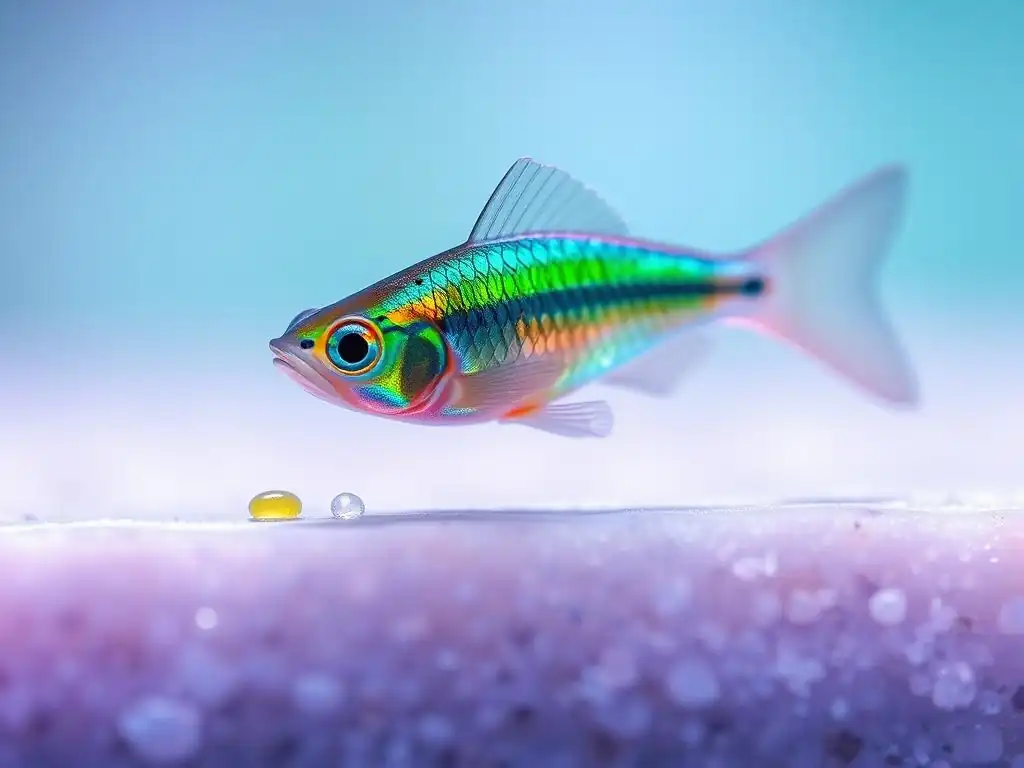
Selecting the Right Prepared Foods for Tetra Fry
Choosing appropriate prepared foods is paramount for a successful "Tetra fry prepared food transition." The primary criteria for selection include particle size, nutritional density, and digestibility. For very young fry, foods must be incredibly fine, often measured in microns, to fit their tiny mouths. As the fry grow, slightly larger particles become acceptable. Look for products specifically labeled as "fry food," "first bites," or "powdered fish food," as these are designed to meet the high protein and fat requirements of developing fish, often containing 45-55% protein.
Examples of suitable prepared foods include finely ground spirulina flakes, specialized commercial fry powders like Sera Micron or Hikari First Bites, or even high-quality adult flakes that have been meticulously crushed into an almost dust-like consistency. It's advisable to have a few different types on hand, as some fry may prefer one over another. The goal is to provide a nutrient-rich, easily consumable food that disperses well in the water column, allowing all fry ample opportunity to feed during the critical "Tetra fry prepared food transition."
Micro Pellets vs. Powdered Foods: Which is Best for Tetra Fry?
The choice between micro pellets and powdered foods for Tetra fry largely depends on their age and size. Powdered foods, which are essentially finely ground flakes or specialized dry mixtures, are ideal for the earliest stages of the "Tetra fry prepared food transition." Their microscopic particle size (often less than 100 microns) ensures that even the smallest fry can ingest them. These foods tend to disperse widely in the water column, making them accessible to fry that may not actively swim to the surface or bottom.
As Tetra fry grow, usually after the first two to three weeks when they reach a size of approximately 5-7 millimeters, very small micro pellets can be introduced. These pellets, often less than 0.5 mm in diameter, sink slowly, providing food throughout the water column. Micro pellets are generally more nutrient-dense per particle than powders and tend to foul the water less quickly if not overfed, as they are more readily consumed. A gradual shift from powders to micro pellets is a natural progression in the "Tetra fry prepared food transition."
Live Food Alternatives During the Tetra Fry Transition Phase
Even during the "Tetra fry prepared food transition," incorporating live food alternatives can significantly boost the fry's health and growth. Live foods are highly palatable and stimulate the fry's natural hunting instincts, encouraging more robust feeding. Newly hatched brine shrimp (Artemia nauplii) are a classic choice, rich in protein and essential fatty acids, and their jerky movements attract the fry's attention. A 24-hour hatch of brine shrimp provides a consistent supply of these nutritious morsels.
Other excellent live food options include microworms and vinegar eels. Microworms are a simple-to-culture nematode, providing a constant source of small, wriggling food that stays suspended in the water longer than brine shrimp. Vinegar eels, even smaller than microworms, are perfect for the tiniest of fry and can be cultured in a simple apple cider vinegar solution. These live alternatives serve as a crucial bridge, ensuring the fry continue to receive high-quality nutrition while they adapt to and accept the prepared foods during the "Tetra fry prepared food transition."
Setting Up a Tetra Fry Feeding Schedule
Establishing a consistent and frequent feeding schedule is perhaps the most critical factor in the success of the "Tetra fry prepared food transition." Tetra fry have extremely high metabolic rates and small stomachs, meaning they need to eat almost constantly to fuel their rapid growth. A typical schedule should involve feeding small amounts 4-6 times per day, or even more frequently for the first week or two post-yolk sac absorption. This ensures a continuous supply of nutrients and prevents periods of starvation that can stunt growth or increase mortality.
When setting up the feeding schedule, consistency is key. Try to feed at roughly the same times each day to establish a routine for the fry. For instance, feedings could be scheduled every 3-4 hours from morning to evening. Each feeding should consist of only a tiny pinch of food that can be consumed within 5-10 minutes. Overfeeding is a common pitfall that can rapidly degrade water quality, so it's always better to underfeed slightly and feed more frequently than to provide too much at once during the "Tetra fry prepared food transition."
Step-by-Step Guide: Weaning Tetra Fry onto Prepared Foods
Day 1-3: Introducing Prepared Foods Alongside Live Food
The initial phase of the "Tetra fry prepared food transition" is about gentle introduction and association. For the first 1-3 days after the fry become free-swimming and have absorbed their yolk sacs, their primary diet should remain live food, such as infusoria or newly hatched brine shrimp, which they readily accept. During this period, immediately after a successful live food feeding, introduce a minuscule amount of finely powdered prepared food. This could be a tiny pinch of fry-specific powder dissolved in a few drops of tank water and gently pipetted into the fry tank.
The goal here is not necessarily for the fry to consume the prepared food immediately, but rather to accustom them to its presence and taste. They may sample it out of curiosity, or ingest it accidentally while sifting for live food. Observe their reaction closely; if they show no interest, reduce the amount. Continue to provide live food generously to ensure they are well-fed and healthy during this crucial introductory phase of the "Tetra fry prepared food transition."
Day 4-7: Gradually Increasing the Ratio of Prepared Food to Live Food
As the "Tetra fry prepared food transition" progresses into days 4-7, the focus shifts to gradually increasing the proportion of prepared food while slowly reducing the live food. At this stage, instead of feeding live food at every interval, you might substitute one or two daily feedings with only prepared food. For example, if you're feeding 5 times a day, two of those feedings could be solely powdered fry food, while the remaining three still include live brine shrimp or microworms.
When offering prepared food, ensure it is still extremely fine. You might notice the fry beginning to actively peck at the powder. Continue to monitor water quality diligently, performing small daily water changes (e.g., 10-15%) to counteract any potential fouling from uneaten prepared food. The reduction in live food should be subtle enough that the fry remain well-fed and do not show signs of hunger or stress, ensuring a smooth "Tetra fry prepared food transition."
Day 8-14: Monitoring Tetra Fry Acceptance of Prepared Foods
By day 8-14 of the "Tetra fry prepared food transition," the prepared food should constitute a significant portion of their diet, ideally making up at least 50-75% of their daily intake. At this point, the fry should be actively seeking out and consuming the powdered food with enthusiasm. Observe their bellies after feeding; they should appear slightly rounded, indicating successful consumption. If they are still looking thin or showing reluctance, it may be necessary to revert slightly to more live food and try a different brand or type of prepared food.
This period is also an opportune time to consider a very slight increase in the particle size of the prepared food, if the fry have shown considerable growth (e.g., reaching 5mm or more). Some aquarists might introduce extremely fine micro pellets at this stage, alongside the powders. Continue to maintain a rigorous water change schedule, as the increased food intake and the shift to prepared foods can put a strain on water parameters.
Adjusting Feeding Amounts Based on Tetra Fry Growth
As Tetra fry grow, their caloric and nutritional needs increase substantially. It's crucial to adjust feeding amounts accordingly, rather than sticking to a fixed quantity. Observe the fry's activity level and the fullness of their bellies; healthy, well-fed fry will be active and have slightly rounded abdomens after feeding, but not bloated. If you notice food remaining on the bottom of the tank after 5-10 minutes, you are likely overfeeding, and the amount should be reduced for the next feeding.
Conversely, if the fry appear constantly hungry, thin, or are aggressively competing for food, the amount or frequency of feeding may need to be increased. Rapid growth, which is desirable, directly correlates with higher food consumption. For instance, fry can double their size in a few weeks with optimal feeding, demanding more sustenance. This continuous observation and adjustment are key to ensuring optimal growth during the "Tetra fry prepared food transition" and beyond.
Troubleshooting Common Tetra Fry Feeding Issues
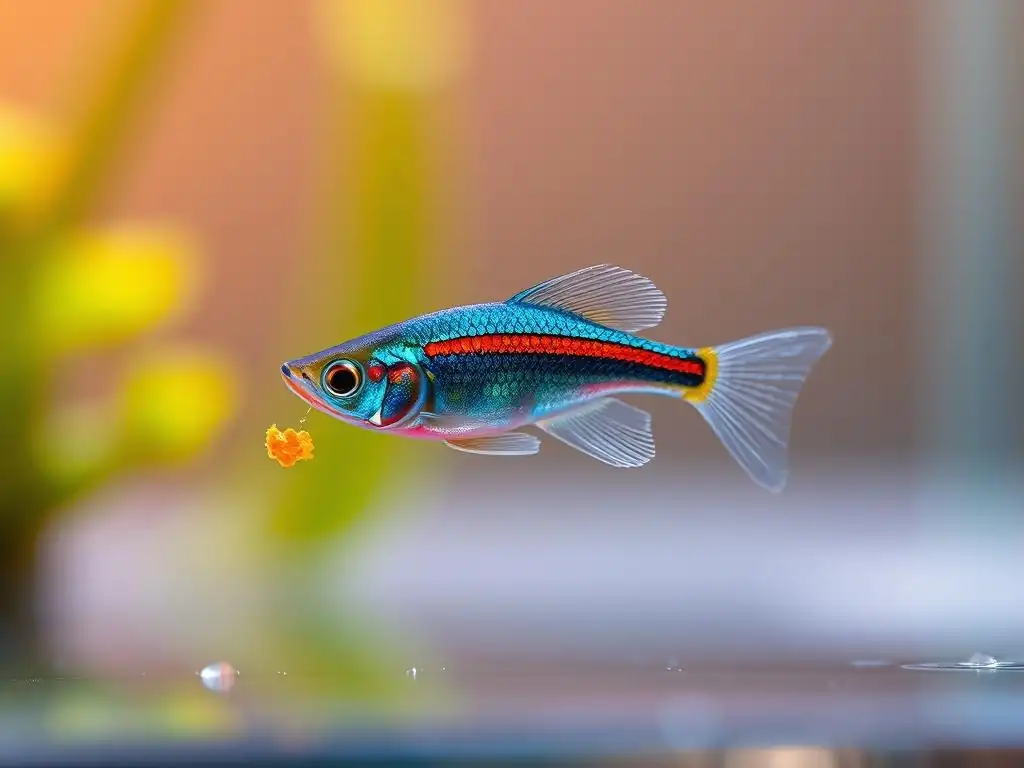
Tetra Fry Refusal of Prepared Foods: Causes and Solutions
Tetra fry refusal of prepared foods during the "Tetra fry prepared food transition" can be a frustrating but common issue. One primary cause is incorrect particle size; if the food is too large, the fry simply cannot ingest it. Ensure the food is powdered to a dust-like consistency for very young fry. Another reason might be palatability; some brands or types of food may not appeal to them. Try offering a different high-quality fry food from a reputable manufacturer.
Poor water quality can also suppress appetite. High ammonia or nitrite levels, or even extreme pH fluctuations, will stress fry and make them unwilling to eat. Perform a small water change and test parameters. Lastly, if the fry are still very young and accustomed to live food, they might simply be holding out for their preferred meal. In this case, slightly reduce the live food frequency or amount, and persist with offering the prepared food, ensuring it's available for a longer period.
Preventing Overfeeding and Water Quality Issues During the Transition
Overfeeding is the single most common cause of water quality issues and fry mortality during the "Tetra fry prepared food transition." Excess food quickly decomposes, leading to dangerous spikes in ammonia and nitrite, which are highly toxic to delicate fry. To prevent this, always feed very small amounts that can be consumed within 5-10 minutes. It's far better to feed multiple tiny meals throughout the day than one or two large ones.
Beyond controlled feeding, diligent water maintenance is critical. Perform daily partial water changes, typically 10-20% of the tank volume, using temperature-matched, dechlorinated water. A gentle sponge filter or air stone can provide aeration and some biological filtration without creating strong currents that stress the fry. Regularly siphon any uneaten food or debris from the tank bottom using a small airline tube, ensuring a clean environment conducive to healthy growth.
Recognizing Signs of Malnutrition in Tetra Fry
Recognizing signs of malnutrition is vital for prompt intervention during the "Tetra fry prepared food transition." The most obvious symptom is stunted growth; if some fry are significantly smaller than their siblings, despite being from the same batch, it often indicates insufficient nutrition. Emaciation, characterized by a pinched or sunken belly, is another clear sign that they are not getting enough food or are unable to digest it properly.
Other indicators include lethargy, where fry are less active and swim weakly, or dull, faded coloration compared to healthy, vibrant fry. An increased mortality rate without obvious signs of disease can also point to nutritional deficiencies. If these signs are observed, reassess the feeding strategy immediately: increase feeding frequency, try a different, more palatable fry food, or temporarily increase the proportion of live foods to boost their nutritional intake.
Best Practices for Long-Term Tetra Fry Nutrition
Maintaining Water Quality During Tetra Fry Development
Maintaining pristine water quality is paramount for the healthy development of Tetra fry, especially during and after the "Tetra fry prepared food transition." Fry are exceptionally sensitive to pollutants due to their small size and undeveloped immune systems. High metabolic rates mean they produce waste quickly, and uneaten food can rapidly foul the water. Daily partial water changes, typically 10-20% of the tank volume, are essential. Always use dechlorinated water that is temperature-matched to prevent shock, and pour it gently to avoid disturbing the fry.
A gentle filtration system, such as a small air-driven sponge filter, is highly recommended. This provides biological filtration to process ammonia and nitrite without creating strong currents that can exhaust or injure the tiny fish. Regular siphoning of the tank bottom to remove any uneaten food or waste also contributes significantly to maintaining a clean and stable environment, fostering robust growth and minimizing stress for the developing Tetras.
Supplementing Prepared Foods with Live Cultures
Even after a successful "Tetra fry prepared food transition," supplementing their diet with live cultures offers significant benefits for long-term Tetra fry nutrition. Live foods provide a natural, highly palatable, and nutrient-dense boost that encourages foraging behavior and can enhance growth rates. For example, occasional feedings of newly hatched brine shrimp (Artemia nauplii) or microworms, even a few times a week, can provide a rich source of protein and essential fatty acids that might be less abundant in some prepared foods.
The inclusion of live foods mimics their natural diet more closely, contributing to their overall vitality and well-being. Furthermore, the act of hunting live prey can stimulate their development and reduce stress. While prepared foods form the backbone of their diet post-transition, these live supplements act as valuable treats or nutritional boosts, ensuring the Tetra fry receive the most comprehensive and stimulating diet possible as they mature.
Observing Tetra Fry Behavior for Optimal Feeding Strategies
Close observation of Tetra fry behavior is perhaps the most valuable tool for optimizing their feeding strategies and ensuring a successful "Tetra fry prepared food transition." Healthy, well-fed fry will be active, swimming energetically throughout the tank, and eagerly darting towards food when it's introduced. After feeding, their bellies should appear slightly rounded, indicating they have consumed enough. If they are sluggish, hiding, or have pinched bellies, it’s a clear sign that something in their feeding regimen needs adjustment.
Pay attention to how quickly they consume the food; if it lingers for more than 5-10 minutes, you are likely overfeeding. Conversely, if they clear it almost instantly and continue to search for more, they might need a slightly larger portion or more frequent meals. Consistent daily observation allows aquarists to fine-tune the type, amount, and frequency of food, adapting to the fry's changing needs as they grow and mature, ensuring optimal health during and after the "Tetra fry prepared food transition."
Advanced Techniques for Tetra Fry Food Transition
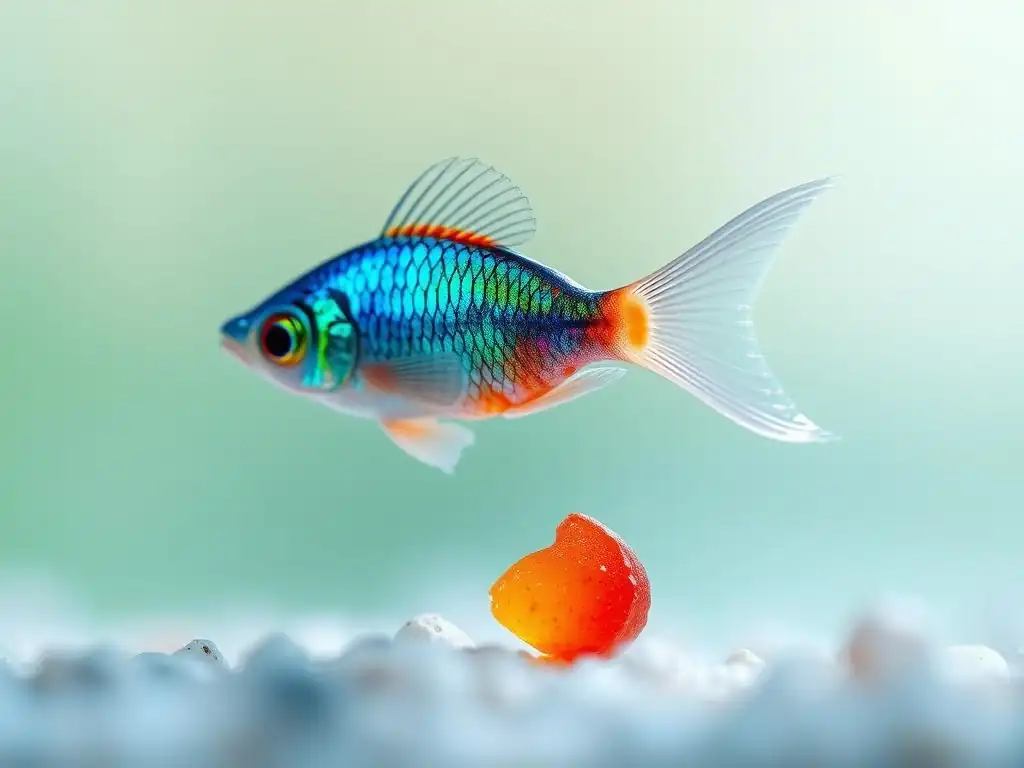
Using Liquid Fry Food as a Bridge
Liquid fry food can serve as an excellent bridge in the very early stages of the "Tetra fry prepared food transition," particularly for extremely small or delicate Tetra fry that struggle with even the finest powders. These products are typically highly concentrated suspensions of microscopic nutrients, often containing ingredients like egg yolk, spirulina, or specialized yeasts, formulated to be easily digestible and readily available in the water column. They effectively mimic the size and dispersion of infusoria.
To use liquid fry food, simply add a few drops directly into the fry tank, ensuring even distribution. It's crucial to use it sparingly, as its high concentration can quickly foul the water if overused. Liquid fry food can be introduced a day or two after yolk sac absorption, either as the sole food source for the first few days or alongside infusoria, before gradually transitioning to powdered dry foods. This method provides a smooth stepping stone, making the "Tetra fry prepared food transition" more manageable for the tiniest fry.
Culturing Your Own Microfoods for Tetra Fry
Culturing your own microfoods offers an unparalleled advantage in providing highly nutritious, readily available, and cost-effective food sources for Tetra fry, especially during the challenging initial "Tetra fry prepared food transition." Common microfoods include infusoria, microworms, and vinegar eels. Infusoria, microscopic protozoa, are perfect for newly hatched fry and can be cultured in a jar of aged tank water with a bit of decaying vegetable matter or a few drops of milk.
Microworms are a type of nematode that are easy to culture on a substrate of oatmeal or cornmeal, providing a continuous supply of small, wriggling worms that stay suspended in the water column longer than brine shrimp. Vinegar eels, even smaller than microworms, thrive in a simple apple cider vinegar solution and are ideal for the smallest of fry. Having these cultures on hand ensures a constant supply of highly palatable, live nutrition, which significantly eases the "Tetra fry prepared food transition" and boosts overall fry vitality.
Creating a Tetra Fry Feeding Station
A Tetra fry feeding station is an advanced technique designed to concentrate food in a specific area, ensuring all fry have access and minimizing waste, which is particularly beneficial during the "Tetra fry prepared food transition." This can be as simple as a small, clear glass dish placed on the bottom of the fry tank, or a specially designed acrylic feeding ring that floats on the surface. When food is introduced into this station, it remains contained, preventing it from dispersing too widely or being lost in filtration.
The benefits are manifold: it allows for easier observation of feeding behavior, ensuring that all fry are actively consuming food. It also reduces the amount of uneaten food scattered throughout the tank, thereby helping to maintain better water quality and reducing the frequency of extensive siphoning. By conditioning the fry to gather at this specific point, it streamlines the feeding process and maximizes nutrient intake, contributing to a more efficient and successful "Tetra fry prepared food transition."
Conclusion: Ensuring Healthy Tetra Fry Growth Through Proper Feeding
Maintaining a Balanced Diet for Thriving Tetra Fry
The journey of raising Tetra fry from tiny, vulnerable hatchlings to robust juveniles is a testament to meticulous care, with a balanced diet being the cornerstone of their success. The crucial "Tetra fry prepared food transition" is not merely about convenience but about ensuring a comprehensive nutritional intake that supports their explosive growth and developing immune systems. By providing a diverse array of high-quality prepared foods, supplemented occasionally with live cultures, aquarists can mimic the varied diet they would naturally seek, promoting optimal health and vibrant coloration.
A thoughtful and gradual transition, coupled with consistent observation and adaptation, is key. This careful approach to feeding minimizes stress, prevents nutritional deficiencies, and sets the foundation for a lifetime of health. Ultimately, a well-fed Tetra fry is a thriving Tetra fry, poised to become a beautiful and active addition to any freshwater aquarium, a direct result of mastering the complexities of their early nutritional needs, particularly the "Tetra fry prepared food transition."
Continuing Education: Further Resources for Tetra Fry Care
While mastering the "Tetra fry prepared food transition" is a significant achievement, successful Tetra fry care encompasses much more than just diet. Continuous education and ongoing attention to all aspects of their environment are vital for their long-term health and survival. Aspects such as maintaining stable water parameters, providing appropriate tank conditions, and understanding common diseases are equally important.
Aquarists are encouraged to explore further resources on topics like optimal water chemistry for fry (e.g., specific pH and hardness ranges), the benefits of gentle aeration and filtration systems, and strategies for disease prevention in young fish. Delving deeper into these areas will equip aquarists with the comprehensive knowledge needed to ensure their Tetra fry not only survive but truly flourish, growing into healthy, vibrant adult fish.
Frequently Asked Questions
How do I know when my Tetra fry are ready to transition to prepared food?
Tetra fry are usually ready to transition when they are large enough to consume smaller particles. This typically occurs around 7-10 days after hatching, depending on the species and water temperature. Look for them actively searching for food.
What types of prepared food are best for weaning Tetra fry?
The best prepared foods are specifically formulated for fry and are extremely small in size. Options include powdered fry food, liquid fry food, and infusoria cultures. Avoid adult fish food as it is too large.
How often should I feed Tetra fry prepared food during the transition?
Feed Tetra fry small amounts of prepared food 2-3 times per day. Observe them closely to ensure they are actively consuming the food and adjust the feeding schedule accordingly. Avoid overfeeding to maintain water quality.
How do I introduce prepared food to Tetra fry who are used to live food?
Gradually introduce prepared food by mixing it with their current live food. Slowly decrease the amount of live food over a week or two while increasing the amount of prepared food. This reduces stress on the fry.
What should I do if my Tetra fry are not eating the prepared food?
If the fry are not eating, ensure the food particles are small enough. You can also try a different type of prepared food or soak the food in garlic juice to make it more appealing. Monitor water parameters closely.
Final Reflection: Nurturing New Beginnings
The journey of raising Tetra fry, as we've explored, is a delicate dance between instinct and intervention, culminating in the crucial transition to prepared foods. This shift isn't merely about convenience; it's about ensuring the long-term health and vitality of these miniature aquatic lives, a responsibility that mirrors our broader stewardship of the natural world. The success of this transition hinges on understanding their needs and adapting our approach, a lesson that resonates far beyond the confines of an aquarium.
This seemingly small act of nurturing fry profoundly impacts our understanding of the interconnectedness of life. Witnessing these tiny creatures thrive under our care fosters a deeper appreciation for the delicate balance of ecosystems and the importance of responsible pet ownership. The care of one creature may be a small thing, but the care of many shows a true heart.
This quote, though perhaps not directly about fish, encapsulates the spirit of dedication and responsibility that this process cultivates, reminding us that even the smallest acts of care can have significant ripple effects.
Now, as you embark on your own journey of raising Tetra fry, remember the lessons learned here. Observe, adapt, and never underestimate the power of patience. Let the successful transition of your fry to prepared foods be a testament to your dedication and a reminder that even the smallest creatures deserve our utmost care and attention. Embrace the challenge, celebrate the successes, and continue to learn and grow alongside your aquatic companions.
Nurture Your Tiny Titans: Embark on the Fry-Feeding Adventure!
Thank you for exploring the crucial transition of feeding prepared foods to your Tetra fry. You’ve gained valuable insights into ensuring their healthy growth and development. Now, let’s put that knowledge into action and watch them thrive!
Here are a few simple steps you can take right now:
- Begin introducing finely crushed high-quality flake food, gradually reducing the amount of live food. This is your primary focus for a successful transition!
- Explore your local fish store or online retailers for specialized fry food. Experiment with different brands to see which one your Tetras prefer.
- Share your experiences and any tips you've discovered in the comments below to help fellow Tetra enthusiasts!
What innovative feeding techniques are you most excited to try with your fry?