
Aqua Soil vs. Inert Gravel: Which Substrate Fuels Faster Plant Growth?

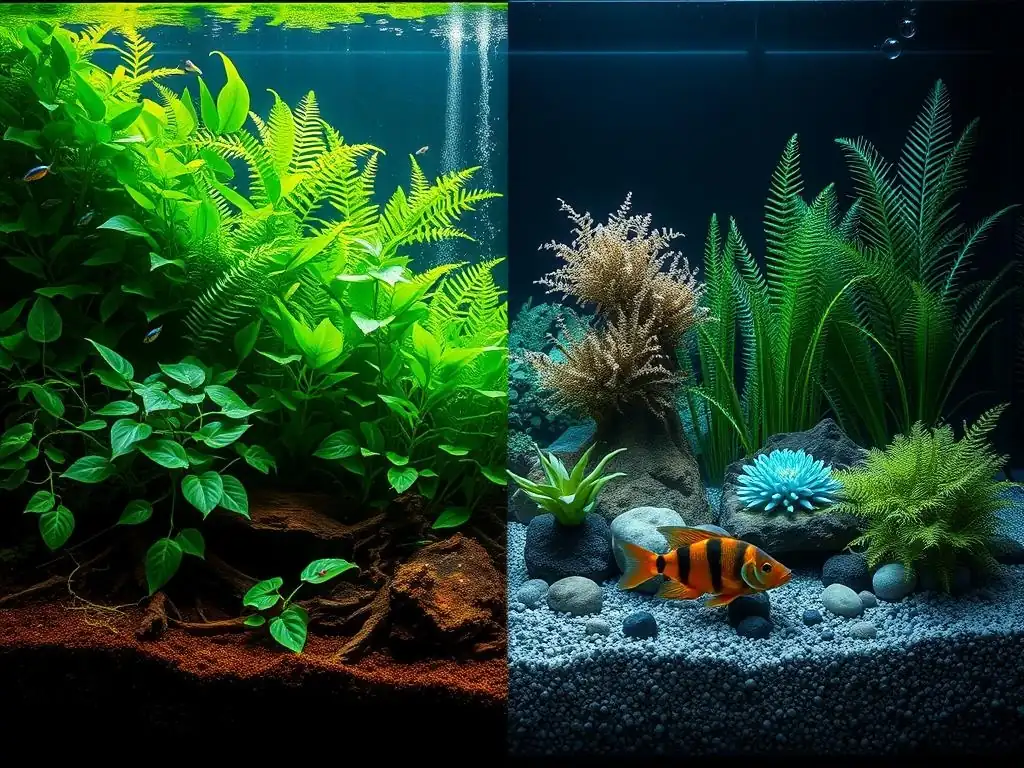
Welcome to Aquarium Mastery!
Ready to unlock the secrets to explosive plant growth in your aquarium? Choosing the right foundation is key. Dive in and discover which reigns supreme: Aqua Soil or inert gravel, as we explore the fastest growing aquarium substrate options and reveal the surprising winner that will transform your underwater world. Curious to know which one will give your aquatic plants the ultimate boost? Let's find out!
- Introduction: Unlocking Rapid Plant Growth in Your Freshwater Aquarium
- Aqua Soil: The Nutrient-Rich Powerhouse for Planted Tanks
- Inert Gravel: A Stable Foundation for Your Aquarium
- Aqua Soil vs. Inert Gravel: A Head-to-Head Comparison for Fastest Plant Growth
- Optimizing Plant Growth in Inert Gravel: Fertilization Strategies
- Choosing the Right Substrate: Factors to Consider for Your Planted Tank
- Case Studies: Real-World Examples of Plant Growth in Aqua Soil and Inert Gravel
- Conclusion: Selecting the Optimal Substrate for Rapid Plant Growth in Your Aquarium
-
Frequently Asked Questions
- What makes a substrate the "fastest growing" for aquarium plants?
- How does Aqua Soil differ from inert gravel in terms of plant nutrient availability?
- Can inert gravel ever support fast plant growth, and if so, how?
- Is Aqua Soil suitable for all types of aquarium plants?
- What are some potential downsides to using Aqua Soil for fast plant growth?
- Final Reflection: Cultivating Growth, Rooted in Choice
- Unleash Your Aquarium's Potential!
Introduction: Unlocking Rapid Plant Growth in Your Freshwater Aquarium
The Importance of Substrate for Thriving Aquatic Plants
The substrate in a freshwater aquarium is far more than just a decorative base; it serves as the foundation for a healthy and thriving planted tank ecosystem. It provides essential physical support for plant roots, allowing them to anchor firmly and preventing them from floating. Beyond mere stability, the substrate plays a critical role in nutrient absorption, gas exchange, and even influences water chemistry, directly impacting the overall vigor and growth rate of aquatic flora.
A well-chosen substrate significantly contributes to the biological filtration of the tank, providing a vast surface area for beneficial bacteria to colonize. These bacteria are crucial for the nitrogen cycle, converting harmful ammonia and nitrites into less toxic nitrates, which plants can then absorb as a nutrient source. Therefore, the substrate's composition and properties are paramount in determining how quickly and robustly your aquatic plants will grow, making the selection a key decision for any aquarist aiming for a lush, vibrant aquascape.
Understanding Aqua Soil and Inert Gravel: Two Popular Choices
When it comes to selecting a substrate for a planted freshwater aquarium, two popular and fundamentally different options frequently emerge: Aqua Soil and inert gravel. Aqua Soil, often marketed as a specialized plant substrate, is designed to be rich in nutrients and possess specific chemical properties that foster plant growth. It represents a more modern, high-performance approach to planted tank substrates.
Conversely, inert gravel is a traditional and widely accessible option that offers physical support but lacks inherent nutritional value. The choice between these two distinct types of substrate directly influences the potential for achieving the "fastest growing aquarium substrate" environment. This article will delve into the characteristics, benefits, and limitations of each, providing a comprehensive comparison to help you make an informed decision for your planted tank.
Aqua Soil: The Nutrient-Rich Powerhouse for Planted Tanks
What is Aqua Soil? Composition and Benefits
Aqua Soil is a specialized aquarium substrate typically composed of baked, porous clay granules, often derived from volcanic ash or mineral-rich soils. Popular brands like ADA Aqua Soil, Fluval Stratum, and CaribSea FloraMax exemplify this category. Unlike traditional gravel, Aqua Soil is engineered to be nutrient-rich, containing a blend of macro and micronutrients such as nitrogen, phosphorus, potassium, iron, and trace elements, all essential for robust plant development.
The granular structure of Aqua Soil provides numerous benefits beyond its nutrient content. Its porous nature offers an ideal environment for beneficial bacteria to flourish, enhancing biological filtration. Furthermore, the dark coloration commonly associated with Aqua Soil can visually enhance the vibrant greens and reds of aquatic plants, creating a more striking aesthetic. Its unique composition also contributes to its buffering capacity, a key advantage for many aquatic plant species.
How Aqua Soil Promotes Accelerated Plant Growth
Initial Nutrient Release: A Jumpstart for New Plants
One of the most significant advantages of Aqua Soil for achieving the "fastest growing aquarium substrate" is its initial burst of nutrient release. Upon submersion, Aqua Soil readily leaches essential macro and micronutrients directly into the water column and substrate, providing an immediate and potent food source for newly planted flora. For instance, plants like Rotala Rotundifolia or Ludwigia repens often exhibit visible new leaf growth within 3-5 days of planting in Aqua Soil, compared to a slower establishment phase of 7-10 days or more in inert gravel without supplementation.
This rapid availability of nutrients, particularly nitrates and phosphates, is crucial for helping plants establish strong root systems quickly and begin active photosynthesis. This "jumpstart" phase typically lasts for the first 3 to 6 months, during which the Aqua Soil supplies a significant portion of the plants' nutritional needs, reducing the immediate reliance on external fertilization and promoting an accelerated initial growth spurt.
Buffering Capacity: Maintaining Optimal Water Parameters for Plant Health
Aqua Soil possesses a unique buffering capacity that actively influences water chemistry, often lowering and stabilizing pH and KH (carbonate hardness) levels. Many formulations are designed to bring the pH down to a slightly acidic range, typically between 6.0 and 6.8, which is ideal for the efficient uptake of nutrients and CO2 by a wide array of popular aquatic plants, including delicate carpeting species. This consistent, stable environment reduces stress on plants, allowing them to allocate more energy to growth.
For example, in tap water with a typical KH of 8-10 dKH and a pH of 7.5-8.0, Aqua Soil can consistently maintain the pH at a more favorable 6.5-6.8, creating optimal conditions for nutrient assimilation. This buffering action is particularly beneficial for sensitive plants like Bucephalandra or Cryptocoryne species, which thrive in stable, slightly acidic soft water, leading to healthier and more consistent growth rates compared to fluctuating or higher pH environments.
Root Development and Anchorage: Securing Healthy Growth
The physical structure of Aqua Soil is highly conducive to robust root development and secure anchorage. Its soft, porous, and granular texture allows plant roots to easily penetrate and spread throughout the substrate, forming an extensive network that can efficiently absorb nutrients from the soil itself. This ease of penetration minimizes root damage during planting and allows for rapid establishment.
Compared to the harder, more compact nature of traditional gravel, Aqua Soil's texture promotes healthier and more widespread root systems. For instance, heavy root feeders such as Echinodorus species (Amazon Swords) or various Cryptocoryne varieties can establish a dense root ball covering several square inches within weeks in Aqua Soil. This strong foundational root system is directly correlated with overall plant health, resilience, and the ability to achieve the "fastest growing aquarium substrate" potential.
Best Plant Species for Aqua Soil: Maximizing Growth Potential
Aqua Soil excels at supporting demanding plant species that require abundant nutrients and stable water parameters for rapid growth. For aquarists aiming for the "fastest growing aquarium substrate" results, carpeting plants like Hemianthus callitrichoides 'Cuba' (HC Cuba) and Glossostigma elatinoides thrive, often forming dense carpets in 4-6 weeks with optimal lighting and CO2. Their fine root systems easily penetrate the soft granules, accessing immediate nutrients.
Stem plants also flourish in Aqua Soil, exhibiting impressive growth rates. Rotala species (e.g., R. macrandra, R. green, R. H'ra) and Ludwigia species (e.g., Ludwigia repens, Ludwigia Super Red) show vibrant coloration and can grow several inches per week, requiring frequent trimming. Similarly, Staurogyne repens and Alternanthera reineckii benefit greatly from the rich substrate, developing strong root systems and achieving their full growth potential, making Aqua Soil the preferred choice for lush, high-tech planted aquariums.
Inert Gravel: A Stable Foundation for Your Aquarium
What is Inert Gravel? Composition and Suitability
Inert gravel refers to aquarium substrate that does not significantly alter water chemistry or release nutrients into the water column. It is typically composed of materials like quartz, basalt, or other non-calcareous stones, ensuring it remains stable and does not leach minerals that could impact pH or hardness in a freshwater setup. Common examples include natural river gravel, polished stones, or colored aquarium gravel.
This type of substrate is widely used in general community aquariums where plants are not the primary focus, or in low-tech planted tanks where the aquarist prefers to manage nutrients exclusively through the water column. Its suitability lies in its affordability, ease of cleaning, and the fact that it does not complicate water parameters, making it a straightforward choice for many beginners or those prioritizing fish health over intense plant growth.
The Role of Inert Gravel in Planted Aquariums
Providing Physical Support: Root Anchorage and Stability
The primary function of inert gravel in a planted aquarium is to provide physical support and anchorage for plant roots. Its granular nature allows plants to be firmly planted, preventing them from floating to the surface. The weight and texture of the gravel ensure that even taller or more buoyant stem plants remain upright and stable within the substrate.
The ideal size for inert gravel in a planted tank typically ranges from 2-4mm, as this provides sufficient weight for anchorage while still allowing plant roots some ability to penetrate and spread. Larger gravel sizes (e.g., greater than 5mm) can make it difficult for fine-rooted plants to establish, potentially leading to instability. While inert gravel offers crucial physical stability, it does not inherently contribute to the "fastest growing aquarium substrate" due to its lack of nutrient content.
Water Circulation and Gas Exchange: Beneficial for Plant Roots
The spaces between particles of inert gravel facilitate water circulation throughout the substrate layer. This constant movement of water ensures that oxygen is delivered to plant roots, which is vital for their respiration and overall health. Good water circulation also aids in the removal of waste products and helps prevent the formation of anaerobic pockets, which can lead to harmful gas buildup and root rot.
Furthermore, this circulation allows for gas exchange, enabling some uptake of dissolved CO2 from the water column by the roots. While beneficial, this passive gas exchange and oxygen delivery do not inherently promote "fastest growing aquarium substrate" conditions, as the primary limiting factor in inert gravel setups remains nutrient availability rather than oxygen or CO2 transport within the substrate itself.
Limitations of Inert Gravel: Nutrient Deficiency and Plant Growth
The most significant limitation of inert gravel for planted aquariums is its complete lack of inherent nutrients. Unlike Aqua Soil, inert gravel provides virtually no macro or micronutrients for plants to absorb through their roots. This means that plants relying solely on inert gravel for nutrition will inevitably suffer from deficiencies, leading to stunted growth, yellowing leaves, or even plant melt.
For instance, a heavy root feeder like Cryptocoryne wendtii might take 3-4 months to produce a few new leaves in an inert gravel setup without any external nutrient supplementation, whereas in a nutrient-rich Aqua Soil, it could produce a new leaf every 1-2 weeks. To overcome this fundamental deficiency and achieve any semblance of the "fastest growing aquarium substrate" with inert gravel, aquarists must consistently provide nutrients through the water column via liquid fertilizers or directly to the roots using root tabs.
Best Plant Species for Inert Gravel: Hardy and Adaptable Choices
While not ideal for high-demanding plants without supplementation, inert gravel is perfectly suitable for a range of hardy and adaptable plant species that either absorb nutrients primarily from the water column or are epiphytic (growing on surfaces). Anubias species (e.g., Anubias barteri nana, Anubias coffeefolia) and Java Fern ( Microsorum pteropus) are excellent choices as their rhizomes should not be buried in any substrate, making them less reliant on substrate nutrients.
Other robust options include Java Moss ( Taxiphyllum barbieri), Marimo Moss Balls ( Cladophora aegagropila), and various Bucephalandra species, which also thrive when attached to hardscape. For rooted plants, Vallisneria spiralis and Sagittaria subulata can grow in inert gravel, especially with the addition of root tabs, as they are relatively less demanding than many carpeting or colorful stem plants. These species demonstrate consistent, albeit generally slower, growth in inert gravel setups.
Aqua Soil vs. Inert Gravel: A Head-to-Head Comparison for Fastest Plant Growth
Nutrient Availability: The Key Differentiator
The fundamental difference between Aqua Soil and inert gravel, and the primary factor in achieving the "fastest growing aquarium substrate" conditions, lies in their nutrient availability. Aqua Soil is pre-loaded with a comprehensive array of macro and micronutrients, providing a direct and immediate food source for plant roots from the moment it's submerged. This inherent richness allows plants to establish quickly and grow vigorously without immediate external intervention.
In contrast, inert gravel is devoid of nutrients. It serves purely as a physical anchor. For plants to thrive in inert gravel, all necessary nutrients must be consistently supplied through the water column via liquid fertilizers or directly to the roots using root tabs. This reliance on external dosing means that while inert gravel can support growth, it inherently lacks the initial and sustained nutrient reservoir that makes Aqua Soil a superior choice for rapid, low-fuss plant development.
Water Chemistry Impact: pH Levels and Buffering
The impact on water chemistry is another critical differentiator. Aqua Soil formulations are typically designed to lower and buffer the pH and KH (carbonate hardness) of the aquarium water, creating a stable, slightly acidic and soft water environment (often pH 6.0-6.8). This specific range is highly beneficial for the efficient uptake of CO2 and nutrients by a vast majority of popular aquatic plants, reducing stress and promoting consistent growth.
Inert gravel, assuming it is truly inert (e.g., quartz, basalt, not calcium-based), has minimal to no impact on water chemistry. The pH and KH of the aquarium will largely reflect the parameters of the source tap water. If the tap water is hard and alkaline, plants that prefer softer, acidic conditions may struggle to thrive, leading to slower growth or nutrient deficiencies, unless significant efforts are made to modify the water parameters externally.
Root Development: Which Substrate Encourages Stronger Root Systems?
Aqua Soil's soft, granular, and porous texture is exceptionally conducive to robust root development. Plant roots can easily penetrate and spread widely throughout the substrate, forming dense, healthy root systems that efficiently absorb nutrients from the soil. This ease of penetration minimizes root damage during planting and promotes rapid establishment, which is crucial for overall plant vitality and achieving the "fastest growing aquarium substrate" potential.
Inert gravel, while providing adequate physical anchorage, is generally harder and less permeable than Aqua Soil. While roots can still grow within it, the denser nature of gravel can sometimes impede the widespread and deep penetration that certain heavy root feeders prefer. Fine-rooted plants might struggle to establish as quickly or as extensively in gravel compared to the softer Aqua Soil, potentially leading to less robust individual plant growth.
Long-Term Stability: Maintenance and Replacement Considerations
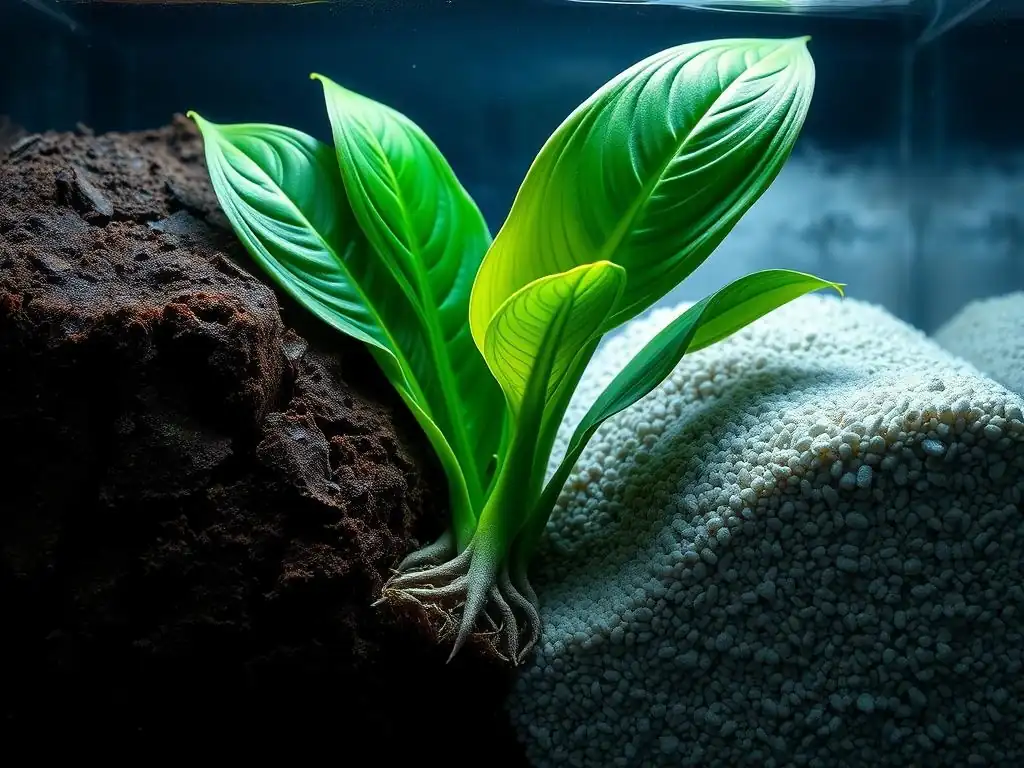
Over time, Aqua Soil will gradually deplete its inherent nutrient content, typically within 1 to 2 years, depending on the plant density and water change schedule. As it breaks down, it can also become finer and potentially compact, which might necessitate eventual replacement or heavy supplementation with root tabs to maintain optimal growth. This breakdown can also lead to increased cloudiness if disturbed.
Inert gravel, by its very nature, is permanent and does not break down or deplete. It requires less long-term maintenance in terms of substrate replacement, offering excellent stability over many years. However, it does require regular vacuuming to prevent the accumulation of detritus, which can lead to anaerobic spots if neglected. While more stable physically, its long-term viability for "fastest growing aquarium substrate" still hinges on consistent external nutrient dosing.
Cost Analysis: Initial Investment vs. Long-Term Expenses
The initial investment for Aqua Soil is significantly higher than for inert gravel. For a standard 20-gallon planted tank, approximately 15-20 lbs of Aqua Soil might cost between $40 and $70, depending on the brand and type. This upfront expense can be a deterrent for budget-conscious aquarists.
In contrast, inert gravel is considerably more affordable, often costing $15-$25 for the same quantity. However, when considering the "fastest growing aquarium substrate" goal, the long-term cost for an inert gravel setup includes ongoing expenses for liquid fertilizers and root tabs, which are essential for providing nutrients. These recurring costs can accumulate over time, potentially narrowing the overall cost difference, especially if a high-tech setup with CO2 injection is also pursued.
Optimizing Plant Growth in Inert Gravel: Fertilization Strategies
Liquid Fertilizers: Delivering Essential Nutrients to Plant Roots
Since inert gravel provides no inherent nutrients, liquid fertilizers are a cornerstone strategy for supporting plant growth in such setups. These fertilizers are dosed directly into the water column, allowing plants to absorb essential macro and micronutrients primarily through their leaves, and to a lesser extent, through their roots from the water. Products like Seachem Flourish, API Leaf Zone, or comprehensive all-in-one liquid fertilizers provide a balanced blend of nitrogen, phosphorus, potassium, iron, and trace elements.
Consistent dosing, often weekly or bi-weekly depending on the product and plant density, is crucial for maintaining a steady supply of nutrients. For example, a 20-gallon tank with moderate plant load might require 5ml of an all-in-one liquid fertilizer twice a week to support healthy growth. While liquid fertilizers can help achieve good plant health, they alone may not deliver the "fastest growing aquarium substrate" results seen in nutrient-rich soils, especially for heavy root feeders.
Root Tabs: Providing Targeted Nutrition for Specific Plants
Root tabs are an effective and targeted method for providing essential nutrients directly to the substrate in an inert gravel tank, mimicking some of the benefits of Aqua Soil for heavy root feeders. These small, concentrated pellets, such as Seachem Flourish Tabs or API Root Tabs, are inserted directly into the gravel near the base of specific plants. They slowly release a steady supply of nutrients, including iron, potassium, and nitrogen, directly into the root zone.
Plants that particularly benefit from root tabs include Cryptocoryne species, Echinodorus (Amazon Swords), and Vallisneria. For instance, placing one root tab near the base of a large Amazon Sword plant every 3-4 months can significantly boost its growth and prevent nutrient deficiencies like yellowing leaves. This targeted delivery ensures that plants with extensive root systems receive ample nutrition, contributing significantly to their growth rate in an otherwise nutrient-poor substrate.
CO2 Injection: Enhancing Photosynthesis and Growth Rate
Carbon dioxide (CO2) is a fundamental building block for photosynthesis, and its availability is often the most limiting factor for plant growth in an aquarium. While not directly related to the substrate type, CO2 injection significantly enhances the growth rate of aquatic plants in any substrate, including inert gravel. By providing a consistent and ample supply of CO2, plants can photosynthesize more efficiently, leading to dramatically accelerated growth.
For example, a fast-growing stem plant like Rotala Wallichii can increase its growth rate by 50-100% with optimized CO2 injection compared to a non-CO2 setup, even when planted in inert gravel with proper fertilization. While CO2 injection is a significant investment, it is arguably the most impactful single factor for achieving truly rapid plant growth, transforming an inert gravel setup from a slow-growing environment into one that can support lush, vibrant growth when combined with a robust fertilization regime.
Choosing the Right Substrate: Factors to Consider for Your Planted Tank
Plant Species Selection: Matching Substrate to Plant Needs
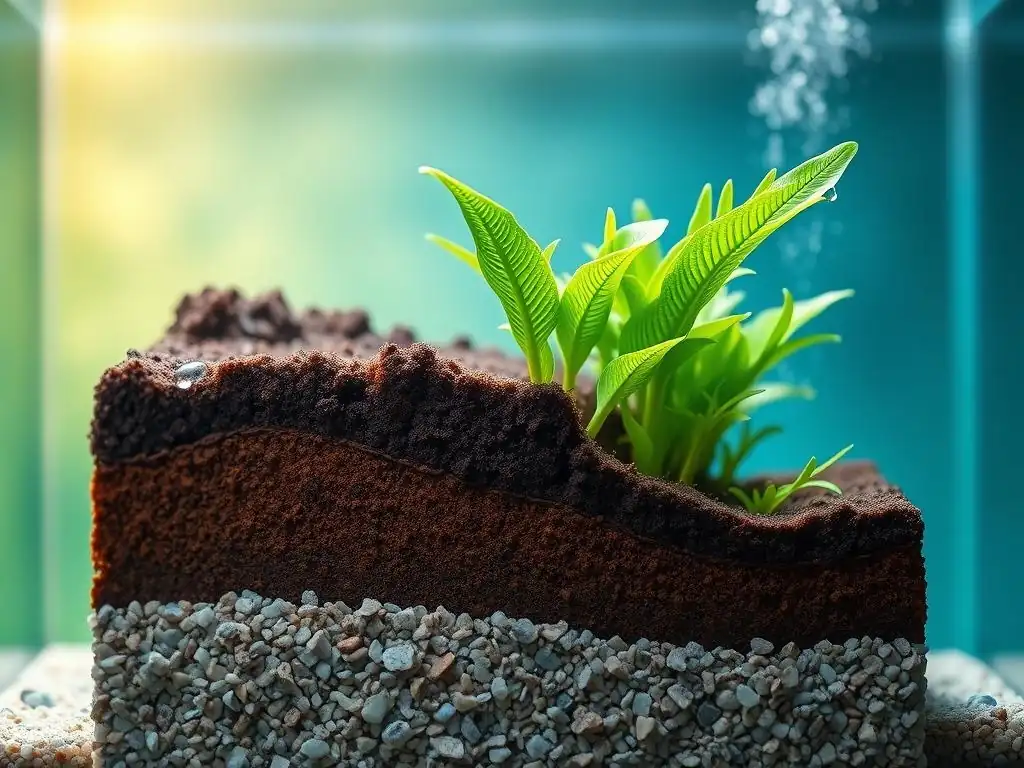
The choice between Aqua Soil and inert gravel should primarily be guided by the specific plant species you intend to keep. If your goal is to cultivate a dense carpet of demanding plants like Hemianthus callitrichoides 'Cuba', or to grow vibrant, fast-growing stem plants such as Rotala macrandra and Alternanthera reineckii, Aqua Soil is generally the superior choice due to its inherent nutrient content and buffering capabilities, directly supporting the "fastest growing aquarium substrate" potential.
Conversely, if your plant selection leans towards hardy, less demanding species like Anubias, Java Fern, or Java Moss, which derive most of their nutrients from the water column or are epiphytic, then inert gravel is perfectly adequate. Even robust root feeders like Vallisneria or Cryptocorynes can thrive in inert gravel, provided you are diligent with root tab supplementation. Matching the substrate to plant needs ensures optimal health and growth without unnecessary complexity.
Budget Constraints: Balancing Cost and Performance
Budget plays a significant role in substrate selection. Aqua Soil represents a higher initial investment compared to inert gravel. For instance, outfitting a 20-gallon tank with Aqua Soil might cost $40-$70, whereas inert gravel could be acquired for $15-$25. This upfront cost difference can be substantial, especially for larger tanks.
However, it's crucial to consider the long-term expenses. While inert gravel is cheaper initially, achieving robust plant growth (approaching "fastest growing aquarium substrate" levels) necessitates ongoing purchases of liquid fertilizers and root tabs, and potentially a CO2 injection system. These recurring costs can accumulate over months and years, potentially making the long-term expense of a high-performance inert gravel setup comparable to, or even exceeding, the initial investment in Aqua Soil.
Maintenance Requirements: Time Commitment and Effort
The maintenance requirements differ between the two substrate types. Aqua Soil can be more demanding during the initial setup phase. It may release ammonia during the cycling process, requiring more frequent water changes, and its lighter, finer particles can cloud the water if disturbed. Over time, as it breaks down, it might require more delicate cleaning or eventual replacement.
Inert gravel is generally simpler to maintain. It doesn't release nutrients or break down, offering long-term stability. Cleaning involves routine gravel vacuuming to remove detritus, which is straightforward. However, maintaining optimal plant growth in inert gravel requires a consistent and diligent fertilization schedule (liquid fertilizers and root tabs), which adds a regular task to your maintenance routine. The choice depends on whether you prefer upfront effort for long-term ease or consistent ongoing dosing.
Overall Tank Goals: Achieving a Specific Aesthetic or Ecosystem
Your overall vision for the aquarium significantly influences the best substrate choice. If your goal is to create a complex, high-tech aquascape featuring intricate carpeting plants, vibrant red stem plants, or a dense jungle aesthetic, Aqua Soil is often the preferred substrate. Its inherent nutrient richness and buffering capacity directly support the rapid, lush growth required for these demanding setups, facilitating the "fastest growing aquarium substrate" environment.
Conversely, if you aim for a simpler, low-tech tank with hardy plants, or a community tank where fish are the primary focus and plants serve as background greenery, inert gravel is a perfectly suitable and more economical option. Additionally, if you plan to keep bottom-dwelling fish that are vigorous diggers (e.g., certain cichlids or loaches), the heavier, more stable inert gravel might be preferred over the lighter, more easily disturbed Aqua Soil to maintain substrate integrity.
Case Studies: Real-World Examples of Plant Growth in Aqua Soil and Inert Gravel
A prime example of Aqua Soil's capability to foster the "fastest growing aquarium substrate" conditions can be seen in a 30-gallon high-tech planted tank utilizing ADA Aqua Soil, combined with high-intensity LED lighting and a pressurized CO2 injection system. Within just 8 weeks of setup, a foreground of Hemianthus callitrichoides 'Cuba' (HC Cuba) formed a dense, vibrant carpet covering over 80% of the substrate surface.
Simultaneously, fast-growing stem plants like Rotala macrandra and Ludwigia Super Red grew from 4-inch cuttings to reach the water surface (an 18-inch height) in approximately 3 weeks, necessitating weekly trimming of 4-6 inches to maintain the aquascape. This rapid, consistent growth demonstrates the unparalleled potential of Aqua Soil in a high-tech environment.
In contrast, consider a 20-gallon low-tech aquarium utilizing inert quartz gravel, supplemented with a comprehensive liquid fertilizer dosed twice weekly and root tabs added every 3 months. Vallisneria spiralis, a relatively hardy root feeder, established slowly over 2-3 months after planting, then began sending out runners every 2-3 weeks, gradually covering about 25% of the back wall over a 6-month period.
Anubias barteri nana, attached to driftwood, showed consistent but moderate growth, producing 1-2 new leaves per month. While healthy and thriving, the overall growth rate was significantly slower than the Aqua Soil example, illustrating that while inert gravel can support plant life, it does not naturally facilitate the same explosive "fastest growing aquarium substrate" results without substantial external intervention.
Conclusion: Selecting the Optimal Substrate for Rapid Plant Growth in Your Aquarium
Aqua Soil: The Winner for Fastest Growth with Proper Maintenance
For aquarists prioritizing the "fastest growing aquarium substrate" and aiming for a lush, high-density planted tank with demanding species, Aqua Soil stands out as the superior choice. Its inherent richness in macro and micronutrients provides an immediate and sustained food source for plant roots, promoting rapid establishment and vigorous growth from day one. Furthermore, its buffering capacity helps maintain stable, slightly acidic water conditions, which are ideal for optimal nutrient and CO2 uptake by most aquatic plants.
While Aqua Soil represents a higher initial investment and may require specific management during the initial cycling phase, its ability to foster explosive growth, especially when paired with adequate lighting and CO2 injection, makes it the go-to substrate for achieving professional-level aquascapes and maximizing plant growth potential. Its benefits are most pronounced for carpeting plants and nutrient-hungry stem plants that thrive on readily available root-zone nutrition.
Inert Gravel: A Viable Option with Strategic Fertilization
Despite its lack of inherent nutrients, inert gravel remains a perfectly viable and popular option for planted aquariums, particularly for those on a tighter budget or preferring a simpler setup. While it does not naturally facilitate the "fastest growing aquarium substrate" conditions, it can still support healthy and attractive plant growth through strategic fertilization. Consistent dosing of liquid fertilizers for water column feeders and regular application of root tabs for heavy root feeders are essential to overcome its nutritional deficiencies.
Moreover, combining inert gravel with CO2 injection can significantly boost plant growth, making it possible to cultivate a wide range of species successfully. Inert gravel's long-term stability and ease of cleaning also make it an attractive choice for aquarists who prefer less substrate-specific maintenance over time. It is an excellent foundation for hardy plants and provides flexibility for precise nutrient control through external dosing.
Final Thoughts: Creating a Thriving Planted Aquarium Ecosystem.
Ultimately, the selection of the optimal substrate for your planted aquarium depends on a careful consideration of your specific goals, budget, and the types of plants you wish to cultivate. Both Aqua Soil and inert gravel have their distinct advantages and ideal applications. Aqua Soil offers a direct path to the "fastest growing aquarium substrate" with its nutrient-rich composition and buffering capabilities, making it ideal for high-tech, demanding setups.
Inert gravel, while nutrient-poor, provides a stable, cost-effective foundation that can support thriving plant life with diligent fertilization and potentially CO2 supplementation. Success in creating a lush and vibrant planted aquarium ecosystem stems from understanding the unique properties of your chosen substrate and integrating it effectively with other critical factors such as lighting, CO2, and a comprehensive nutrient regimen. By balancing these elements, any aquarist can cultivate a harmonious and beautiful underwater garden.
Frequently Asked Questions
What makes a substrate the "fastest growing" for aquarium plants?
A substrate that promotes the fastest plant growth usually provides a good balance of nutrients, proper root anchoring, and optimal water flow around the roots.
How does Aqua Soil differ from inert gravel in terms of plant nutrient availability?
Aqua Soil typically contains pre-loaded nutrients, such as ammonia and nitrates, that plants can readily absorb. Inert gravel, on the other hand, provides little to no nutrients and requires supplementation with fertilizers.
Can inert gravel ever support fast plant growth, and if so, how?
Yes, inert gravel can support fast plant growth if combined with root tabs or a liquid fertilizer regimen. These provide the necessary nutrients that the gravel lacks.
Is Aqua Soil suitable for all types of aquarium plants?
While Aqua Soil is generally excellent, some plants may prefer a less nutrient-rich environment. It's important to research the specific needs of your plants before choosing a substrate. Certain root feeders thrive!
What are some potential downsides to using Aqua Soil for fast plant growth?
Aqua Soil can release ammonia initially, requiring careful cycling of the aquarium. It also tends to break down over time, needing eventual replacement.
Final Reflection: Cultivating Growth, Rooted in Choice
The exploration of aqua soil versus inert gravel, as we've seen, isn't just about comparing substrates; it's about understanding the fundamental relationship between environment and growth within our aquatic ecosystems. The data reveals clear advantages for aqua soil in fostering faster plant growth, highlighting the profound impact substrate composition has on the vitality of our underwater gardens. This understanding is crucial now, as aquascaping gains popularity and hobbyists seek to create thriving, sustainable aquatic environments.
This journey into the depths of aquarium substrates has underscored the power of informed choices in shaping our aquatic landscapes. The ability to cultivate vibrant, rapidly growing plants is not merely an aesthetic pursuit, but a testament to our understanding of ecological balance and responsible stewardship. It reminds us that even seemingly inert materials can profoundly influence the delicate dance of life within our tanks. The best time to plant a tree was 20 years ago. The second best time is now.
This ancient proverb resonates deeply, urging us to embrace the present moment and cultivate growth, both in our aquariums and in our understanding of the natural world.
Now, consider the lessons learned. How can you apply this knowledge to your own aquascaping endeavors? Whether you're a seasoned aquarist or just beginning your journey, remember that informed choices, rooted in understanding, are the key to unlocking the full potential of your aquatic plants. Embrace the power of aqua soil, or thoughtfully amend your inert gravel, and watch as your underwater world flourishes, a testament to your dedication and the enduring power of informed cultivation.
Unleash Your Aquarium's Potential!
Thanks for diving into the world of aquarium substrates with us! We hope you've gained a clearer understanding of how aqua soil and inert gravel impact plant growth. Now, let's put that knowledge into action!
Here's what you can do next:
- Experiment with a side-by-side comparison: Set up two small tanks, one with aqua soil and the other with inert gravel, and observe the growth of the same plant species in each. Track your findings and share them with the aquarium community!
- Explore supplementing inert gravel: If aqua soil isn't your thing, consider using root tabs or liquid fertilizers to boost plant growth in your inert gravel substrate. Research different products and find the right combination for your plants.
- Share your personal substrate story: What substrate are you currently using, and what have been your experiences with it? Share your insights and tips in the comments below – your expertise could help another aquarist succeed!
What unexpected plant growth challenges have you encountered with your current substrate, and what creative solutions did you discover?