
Macronutrients vs. Micronutrients: The Building Blocks of Plant Health


Welcome to Aquarium Mastery!
Ever wondered how to achieve that lush, vibrant underwater garden you see in stunning aquascapes? Unlocking the secrets of aquarium plant nutrient balance is the key! Dive in and discover the crucial difference between macronutrients and micronutrients, and learn how to provide your aquatic plants with the perfect recipe for thriving growth. Ready to cultivate your own aquatic paradise? Let's get started!
- Macronutrients vs. Micronutrients: The Building Blocks of Plant Health in Freshwater Aquariums
- Understanding Aquarium Plant Nutrient Balance: Macronutrients and Micronutrients
-
Macronutrients for Thriving Aquarium Plants: The Big Three and More
- Nitrogen (N): Fueling Leaf Growth in Aquatic Plants
- Phosphorus (P): Essential for Root Development and Energy Transfer
- Potassium (K): Crucial for Overall Plant Health and Disease Resistance
- Calcium (Ca): Strengthening Cell Walls in Freshwater Plants
- Magnesium (Mg): Vital for Chlorophyll Production and Photosynthesis
- Sulfur (S): Supporting Protein Synthesis and Enzyme Function
-
Micronutrients for Robust Aquatic Plants: Trace Elements and Their Roles
- Iron (Fe): The Key to Vibrant Greenery in Your Aquarium
- Manganese (Mn): Supporting Photosynthesis and Enzyme Activation
- Boron (B): Important for Cell Wall Development and Flowering
- Zinc (Zn): Essential for Enzyme Function and Growth Regulation
- Copper (Cu): Necessary for Enzyme Activity and Chlorophyll Production
- Molybdenum (Mo): Vital for Nitrogen Metabolism in Aquatic Plants
- Chlorine (Cl): Involved in Osmosis and Photosynthesis
- Identifying Nutrient Deficiencies in Aquarium Plants
- Optimizing Aquarium Plant Nutrition: Fertilization Strategies
- Avoiding Nutrient Imbalances: Preventing Algae Blooms and Plant Toxicity
- Troubleshooting Common Nutrient-Related Plant Problems in Aquariums
- Achieving Optimal Aquarium Plant Nutrient Balance for a Healthy Ecosystem
-
Frequently Asked Questions
- What are macronutrients and why are they important for aquarium plants?
- How do micronutrients differ from macronutrients in their role for aquarium plants?
- What are some common signs that my aquarium plants are experiencing a macronutrient deficiency?
- How can I achieve a balanced aquarium plant nutrient balance and ensure healthy plant growth?
- Final Reflection: Cultivating Harmony in Aquatic Ecosystems
- Ignite Your Green Thumb: Cultivate Plant Perfection!
Macronutrients vs. Micronutrients: The Building Blocks of Plant Health in Freshwater Aquariums
Understanding Aquarium Plant Nutrient Balance: Macronutrients and Micronutrients
The Importance of Balanced Plant Nutrition in Aquariums
Achieving a precise aquarium plant nutrient balance is paramount for cultivating a thriving planted tank. Just like terrestrial plants, aquatic plants require a consistent supply of essential nutrients to grow, photosynthesize, and resist disease. Without adequate nutrition, plants will exhibit stunted growth, discoloration, and eventually decay, leading to an unsightly tank and potential issues like algae proliferation. For instance, a deficiency in key nutrients can cause plants to leach organic compounds, which in turn fuels the growth of opportunistic algae, turning a lush green tank into a brown or green mess.
Furthermore, maintaining an optimal aquarium plant nutrient balance is not just about aesthetics; it's fundamental to the overall health of the aquatic ecosystem. Healthy, vigorously growing plants absorb excess nitrates and phosphates, acting as natural filters that improve water quality for fish and invertebrates. They also outcompete algae for available nutrients, effectively suppressing unwanted outbreaks. For example, a tank with robust plant growth often shows nitrate levels consistently below 10 ppm, while a tank with struggling plants might see nitrates climb above 40 ppm, indicating poor nutrient cycling and an imbalance.
Why Aquarium Plants Need Macronutrients and Micronutrients
Aquatic plants, much like their terrestrial counterparts, categorize their nutritional needs into two primary groups: macronutrients and micronutrients. Macronutrients are elements required in relatively large quantities for fundamental plant processes and structural components, often measured in parts per million (ppm) in the water column or substrate. These include the "big three" – Nitrogen, Phosphorus, and Potassium – along with Calcium, Magnesium, and Sulfur.
Micronutrients, also known as trace elements, are essential for plant health but are needed in much smaller, almost infinitesimal amounts, typically measured in parts per billion (ppb). Despite their minute requirements, these elements are critical cofactors for enzymes, catalysts for metabolic reactions, and integral parts of complex molecules. Iron, Manganese, Boron, Zinc, Copper, Molybdenum, and Chlorine fall into this category. Both groups are indispensable; a deficiency in even one micronutrient can severely impair growth and photosynthetic efficiency, regardless of the abundance of macronutrients, underscoring the delicate nature of aquarium plant nutrient balance.
Macronutrients for Thriving Aquarium Plants: The Big Three and More
Nitrogen (N): Fueling Leaf Growth in Aquatic Plants
Nitrogen is a cornerstone macronutrient, absolutely vital for the lush, green growth characteristic of healthy aquatic plants. It is a primary component of chlorophyll, the pigment responsible for photosynthesis, and is also integral to amino acids, proteins, and nucleic acids (DNA and RNA). Plants absorb nitrogen primarily in the form of nitrate (NO3-), which is the end product of the nitrogen cycle in an aquarium. Adequate nitrogen promotes vigorous stem and leaf development, contributing significantly to a dense, verdant aquascape.
When nitrogen is deficient, older leaves typically exhibit a uniform yellowing (chlorosis) because the plant mobilizes nitrogen from older tissues to support new growth. This can be particularly noticeable in fast-growing stem plants like Rotala or Ludwigia, where the lower leaves turn pale and may eventually melt away.
Conversely, while less common in planted tanks with healthy plant mass, excessive nitrogen, especially if other nutrients are lacking, can sometimes contribute to algae issues, although it's often an imbalance with other nutrients like phosphorus or CO2 that's the primary driver. For optimal aquarium plant nutrient balance, maintaining nitrate levels between 5-20 ppm is generally recommended for most planted tanks.
Phosphorus (P): Essential for Root Development and Energy Transfer
Phosphorus is another critical macronutrient, playing a pivotal role in energy transfer within the plant. It is a key component of Adenosine Triphosphate (ATP) and Adenosine Diphosphate (ADP), the primary energy currency of cells, making it indispensable for metabolic processes, cell division, and nutrient transport. Furthermore, phosphorus is crucial for strong root development, which is particularly important for root-feeding plants like Amazon Swords (Echinodorus species) and Cryptocorynes, allowing them to anchor effectively and absorb nutrients from the substrate.
A deficiency in phosphorus often manifests as stunted growth and a general darkening of the leaves, sometimes accompanied by a purplish tint, though this latter symptom is less common in aquatic plants. Plants may also exhibit poor root systems and a reluctance to spread or propagate.
One common indicator of low phosphate levels is the proliferation of green spot algae, which often appears as small, hard green dots on tank glass and slow-growing plant leaves. To maintain a healthy aquarium plant nutrient balance and support robust growth while curbing green spot algae, target phosphate levels of 0.5-2 ppm are typically advised.
Potassium (K): Crucial for Overall Plant Health and Disease Resistance
Potassium is a highly mobile macronutrient that is essential for a wide array of plant physiological processes, including enzyme activation, protein synthesis, and the regulation of water balance (osmosis). It plays a significant role in the transport of sugars and starches throughout the plant, influencing overall vigor and nutrient distribution. Furthermore, potassium contributes to the plant's structural integrity and enhances its resistance to diseases and environmental stress, making it a key factor in long-term plant health.
Deficiency symptoms for potassium are often distinctive: older leaves may develop pinholes, yellowing edges, or even necrotic (dead) spots. In severe cases, the entire leaf can become chlorotic and eventually disintegrate. For instance, plants like Anubias and Bucephalandra, while slow-growing, can show potassium deficiency through yellowing margins or small holes.
Since fish waste and fish food are typically low in potassium, it is often one of the first macronutrients to become depleted in a heavily planted aquarium, necessitating regular supplementation to maintain aquarium plant nutrient balance. Maintaining potassium levels between 10-20 ppm is a common target for thriving planted tanks.
Calcium (Ca): Strengthening Cell Walls in Freshwater Plants
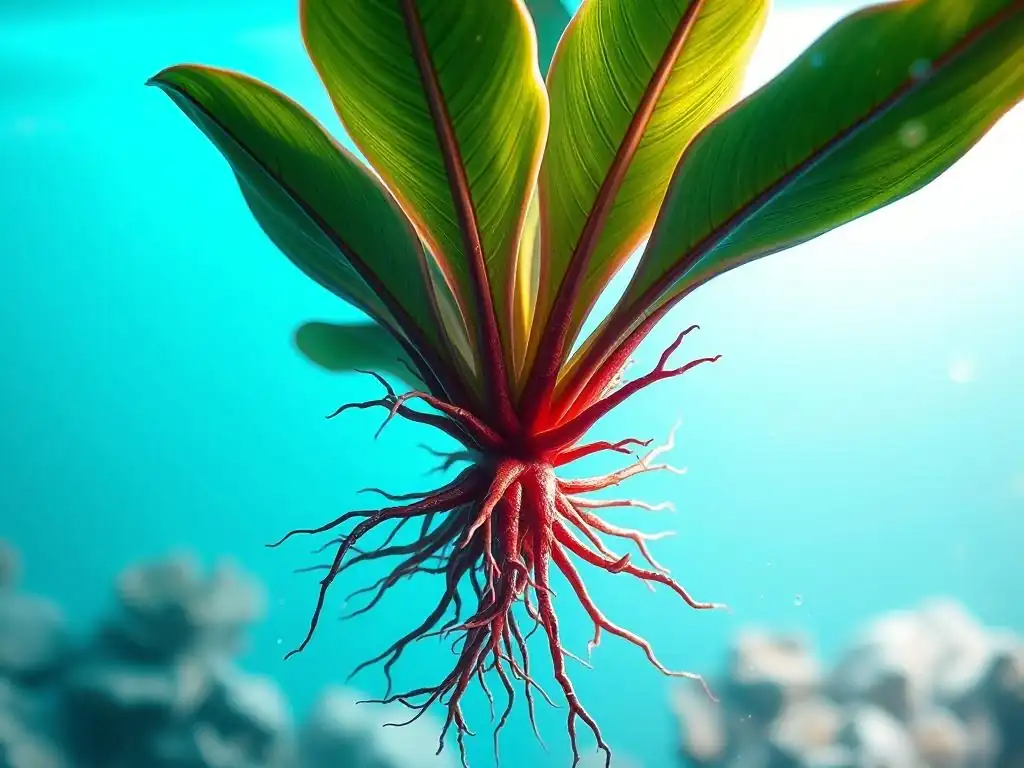
Calcium is a vital macronutrient that serves primarily as a structural component, strengthening cell walls and membranes, which is crucial for cell division and overall plant rigidity. It also plays a role in enzyme activation, signal transduction, and regulating the transport of other nutrients within the plant. Unlike mobile nutrients such as nitrogen and potassium, calcium is relatively immobile within the plant, meaning that deficiency symptoms tend to appear on new growth.
When calcium is deficient, new leaves can appear distorted, stunted, or crinkled, and growing points (meristems) may die back. For example, the new shoots of stem plants might emerge twisted or with necrotic tips. While calcium is often present in tap water, especially in hard water areas, it's essential to ensure sufficient levels, particularly in soft water or when using reverse osmosis (RO) water. Maintaining a calcium concentration between 10-30 ppm in the water column contributes significantly to proper aquarium plant nutrient balance and robust cellular structure.
Magnesium (Mg): Vital for Chlorophyll Production and Photosynthesis
Magnesium is a critical macronutrient, indispensable for photosynthesis as it forms the central atom of the chlorophyll molecule. Without adequate magnesium, plants cannot produce chlorophyll efficiently, directly impacting their ability to convert light energy into chemical energy. Beyond chlorophyll, magnesium also acts as an activator for numerous enzymes involved in energy transfer, protein synthesis, and nutrient uptake, making it a fundamental building block for overall plant metabolism.
A common sign of magnesium deficiency is interveinal chlorosis, where the veins of older leaves remain green, but the tissue between them turns yellow. This symptom typically appears on older leaves first as the plant mobilizes magnesium to support newer growth. For instance, plants like Ludwigia repens can show striking red leaves with distinctly green veins if magnesium is insufficient.
Maintaining a healthy ratio of calcium to magnesium, often around 3:1 to 4:1, is also important, as an imbalance can hinder the uptake of either nutrient, impacting the overall aquarium plant nutrient balance. Target magnesium levels are often in the range of 3-10 ppm.
Sulfur (S): Supporting Protein Synthesis and Enzyme Function
Sulfur is an essential macronutrient, although it is often required in smaller quantities compared to Nitrogen, Phosphorus, and Potassium. It is a crucial component of several amino acids (such as cysteine and methionine), which are the building blocks of proteins. Consequently, sulfur plays a vital role in protein synthesis and the formation of various enzymes and vitamins within the plant. It also contributes to chlorophyll formation, though its role is less direct than that of magnesium or iron.
Deficiency symptoms for sulfur often resemble those of nitrogen deficiency, with a general yellowing or chlorosis of the leaves. However, unlike nitrogen deficiency which typically affects older leaves, sulfur deficiency often appears on new leaves first because sulfur is less mobile within the plant. Stunted growth and a pale appearance can also be indicators. In most aquariums, sulfur is sufficiently supplied through tap water, fish food, and decaying organic matter, making severe sulfur deficiencies relatively uncommon in a well-maintained planted tank with a good aquarium plant nutrient balance.
Micronutrients for Robust Aquatic Plants: Trace Elements and Their Roles
Iron (Fe): The Key to Vibrant Greenery in Your Aquarium
Iron is arguably the most critical micronutrient for freshwater aquatic plants, despite being required in very small quantities. Its primary role is in the synthesis of chlorophyll, which gives plants their vibrant green color and enables photosynthesis. Iron is also essential for various enzyme systems involved in respiration and electron transport. Because iron is easily oxidized and becomes unavailable in the water column, it is often supplied in a chelated form in liquid fertilizers to ensure it remains soluble and accessible to plants.
A tell-tale sign of iron deficiency is severe interveinal chlorosis on new growth, where the youngest leaves turn pale yellow or even white while their veins remain green. In severe cases, the tips of these leaves may die back. For example, red plants like Rotala 'Colorata' or Alternanthera reineckii will fail to develop their characteristic vibrant red hues and instead appear sickly green or pale if iron is insufficient. Maintaining a consistent supply of chelated iron, typically aiming for 0.05-0.1 ppm, is crucial for preserving aquarium plant nutrient balance and achieving lush, colorful plant growth.
Manganese (Mn): Supporting Photosynthesis and Enzyme Activation
Manganese is an important micronutrient that plays a significant role in the process of photosynthesis, specifically in the water-splitting complex (Photosystem II) that generates oxygen. It also acts as an activator for numerous enzymes involved in respiration, nitrogen metabolism, and the formation of chlorophyll. Adequate manganese levels contribute to the overall efficiency of energy production and nutrient utilization within the plant.
Deficiency symptoms for manganese often mirror those of iron, presenting as interveinal chlorosis on new or younger leaves. However, with manganese deficiency, the yellowing might be accompanied by small necrotic spots or a mottled appearance. For instance, the leaves of Cryptocoryne species might show a faded or patchy coloration if manganese is lacking. While typically present in tap water, its availability can be affected by high pH levels, which can reduce its solubility. Ensuring a comprehensive trace element mix, which includes manganese, helps maintain the delicate aquarium plant nutrient balance.
Boron (B): Important for Cell Wall Development and Flowering
Boron is a unique micronutrient with a critical role in cell wall development, particularly in strengthening the cell structure and maintaining membrane integrity. It is also essential for cell division, the transport of sugars (carbohydrates) throughout the plant, and the proper development of new growth points. Although flowering is less common for submerged aquatic plants, boron is also vital for pollen germination and seed development in flowering plants.
Deficiency in boron can lead to significant issues with new growth. Symptoms often include deformed or thickened new leaves, stunted shoot tips, and a general cessation of growth at the meristematic regions. For example, the growing tips of stem plants might appear "bunched" or distorted. While boron is needed in very minute quantities, its absence can severely impair plant development, highlighting that even trace elements are indispensable for maintaining a complete aquarium plant nutrient balance.
Zinc (Zn): Essential for Enzyme Function and Growth Regulation
Zinc is a vital micronutrient that functions as a co-factor for a wide array of enzymes involved in various metabolic processes, including carbohydrate metabolism, protein synthesis, and the regulation of plant growth hormones (auxins). It also plays a role in chlorophyll formation and overall photosynthetic efficiency. Its involvement in hormone production means it has a direct impact on cell elongation and overall plant architecture.
Deficiency symptoms for zinc can include reduced leaf size, a rosetted growth habit (where leaves are crowded together due to shortened internodes), and sometimes interveinal chlorosis on new leaves. In some cases, leaves may also appear mottled or develop necrotic spots. While zinc is usually supplied adequately through comprehensive trace element fertilizers, its absence can lead to noticeable deformities in plant structure, emphasizing its role in supporting the intricate biochemical pathways that contribute to overall aquarium plant nutrient balance.
Copper (Cu): Necessary for Enzyme Activity and Chlorophyll Production
Copper is an essential micronutrient that is crucial for the activity of several enzymes involved in photosynthesis, respiration, and lignin synthesis (which provides structural support). It plays a role in the electron transport chain during photosynthesis and is also necessary for chlorophyll production. However, it's important to note that while essential, copper can be highly toxic to invertebrates like shrimp and snails at even slightly elevated concentrations, requiring careful dosing in planted tanks with sensitive inhabitants.
Deficiency symptoms for copper are relatively rare in aquariums but can include stunted growth, dark green leaves, and sometimes necrotic spots or a bluish-green tint to the foliage. Because of its potential toxicity to invertebrates, copper is typically included in very low concentrations in commercial trace element mixes. Aquarists should always be mindful of the copper content in fertilizers and ensure precise dosing to maintain the delicate aquarium plant nutrient balance without harming sensitive tank inhabitants.
Molybdenum (Mo): Vital for Nitrogen Metabolism in Aquatic Plants
Molybdenum is a crucial micronutrient, particularly for plants that utilize nitrate as their primary nitrogen source. Its most significant role is as a component of the enzyme nitrate reductase, which is responsible for converting nitrate (NO3-) into nitrite (NO2-) and then ammonium (NH4+), a form that plants can readily incorporate into amino acids and proteins. It is also involved in nitrogen fixation for certain plants that can utilize atmospheric nitrogen.
Deficiency in molybdenum can lead to symptoms that resemble nitrogen deficiency, such as general chlorosis or yellowing of the leaves, particularly on older foliage. Leaves may also appear stunted or develop a "whiptail" appearance, where the leaf blades are narrow and distorted. While needed in extremely minute quantities, its absence can severely impair a plant's ability to process nitrogen, thus disrupting the overall aquarium plant nutrient balance and leading to poor growth even if nitrate is abundant in the water column.
Chlorine (Cl): Involved in Osmosis and Photosynthesis
Chlorine, typically absorbed as chloride ions (Cl-), is an essential micronutrient for aquatic plants, though it is rarely deficient in aquarium settings due to its ubiquitous presence in tap water and other sources. Its primary roles include involvement in osmotic regulation, helping to maintain cell turgor and water balance within the plant. It also plays a specific role in the oxygen-evolving complex during photosynthesis (Photosystem II), contributing to the release of oxygen from water molecules.
Deficiency symptoms for chlorine are exceedingly rare in aquariums and typically only occur under highly controlled, purified water conditions. If a deficiency were to occur, symptoms might include wilting, chlorosis, or a bronzing discoloration of the leaves, potentially accompanied by stunted root growth. Given its common presence, most aquarists do not need to actively supplement chlorine to maintain aquarium plant nutrient balance, as it is usually supplied naturally through water changes.
Identifying Nutrient Deficiencies in Aquarium Plants
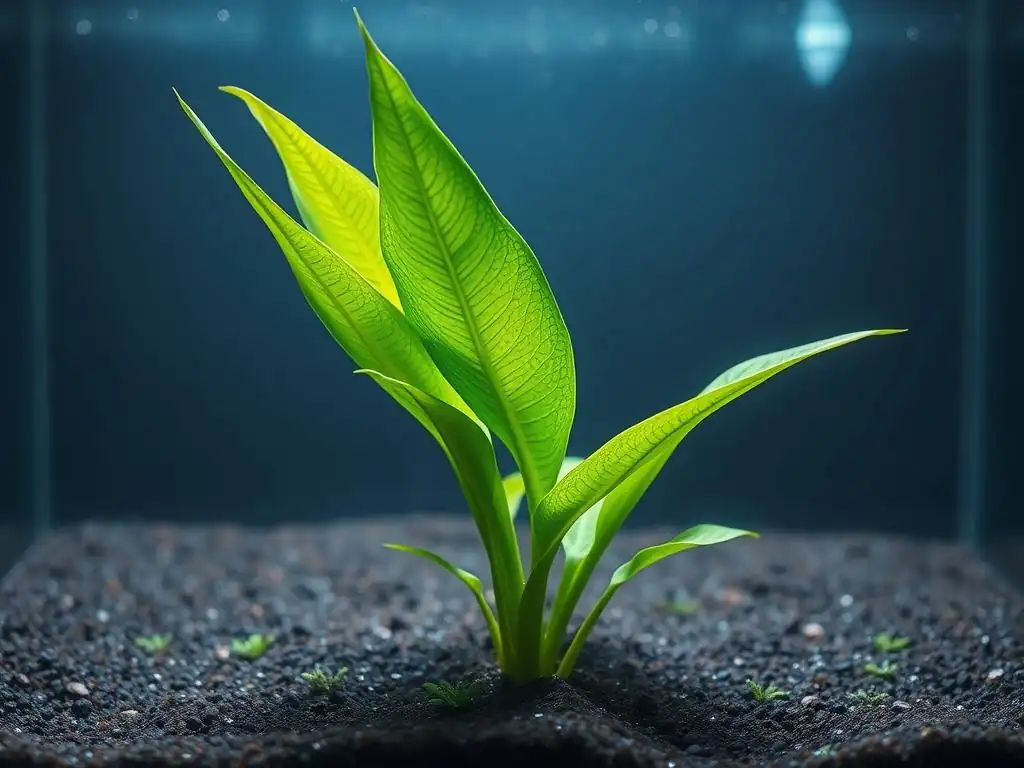
Visual Clues: Recognizing Nutrient Deficiency Symptoms
Recognizing nutrient deficiency symptoms early is key to maintaining a healthy aquarium plant nutrient balance. Plants often provide distinct visual cues that can help pinpoint which specific nutrient might be lacking. However, it's important to note that some symptoms can overlap, and several deficiencies can co-exist, making accurate diagnosis a process of careful observation and elimination. Always observe how symptoms progress and which parts of the plant (older vs. newer leaves) are affected first.
Macronutrient Deficiency Symptoms in Aquatic Plants
- Nitrogen (N): General yellowing (chlorosis) of older leaves, stunted growth. Older leaves may melt or appear translucent.
- Phosphorus (P): Dark green or purplish leaves, severely stunted growth, poor root development. Green spot algae often proliferates on surfaces.
- Potassium (K): Pinholes in older leaves, yellowing or necrosis of leaf margins, overall weakness, leaves may become brittle or melt.
- Calcium (Ca): Distorted, stunted, or twisted new growth. Growing tips may die back. Young leaves may appear crinkled.
- Magnesium (Mg): Interveinal chlorosis (yellowing between veins) on older leaves, while veins remain green.
- Sulfur (S): General yellowing of new leaves, stunted growth, similar to nitrogen but affecting younger foliage first.
Micronutrient Deficiency Symptoms in Aquatic Plants
- Iron (Fe): Severe interveinal chlorosis on new growth, with young leaves turning pale yellow or white while veins remain green. Red plants lose their color.
- Manganese (Mn): Interveinal chlorosis on new leaves, sometimes with small necrotic spots or mottling.
- Boron (B): Deformed or thickened new growth, stunted shoot tips, "rosetted" appearance.
- Zinc (Zn): Reduced leaf size, rosetted growth, interveinal chlorosis on new leaves, sometimes mottled appearance.
- Copper (Cu): Stunted growth, dark green leaves, necrotic spots. (Rare in aquariums).
- Molybdenum (Mo): General chlorosis, similar to nitrogen deficiency, particularly on older leaves. (Rare).
- Chlorine (Cl): Wilting, chlorosis, or bronze discoloration. (Extremely rare in aquariums).
Testing Your Aquarium Water: Measuring Nutrient Levels
While visual cues are helpful, precise water testing is indispensable for accurately diagnosing nutrient imbalances and maintaining an optimal aquarium plant nutrient balance. Reliable liquid test kits are available for key macronutrients like nitrates (NO3), phosphates (PO4), and sometimes potassium (K), as well as for iron (Fe). Regular testing allows aquarists to quantify nutrient levels and identify deficiencies or excesses before severe visual symptoms appear or algae becomes problematic.
For instance, if your plants show signs of nitrogen deficiency, a nitrate test can confirm if levels are indeed low (e.g., below 5 ppm). Similarly, if green spot algae is rampant, a phosphate test might reveal levels below the recommended 0.5 ppm, or conversely, excessively high levels if other factors like CO2 are limited.
Aiming for target ranges such as 5-20 ppm for nitrates, 0.5-2 ppm for phosphates, 10-20 ppm for potassium, and 0.05-0.1 ppm for chelated iron provides a solid framework for managing your tank's nutrient profile. Consistent testing, perhaps weekly or bi-weekly, helps in fine-tuning your fertilization regimen and proactively addressing any deviations from the desired aquarium plant nutrient balance.
Optimizing Aquarium Plant Nutrition: Fertilization Strategies
Choosing the Right Aquarium Plant Fertilizer: Liquid vs. Substrate
Optimizing aquarium plant nutrient balance involves selecting the appropriate fertilization method for your specific plants and tank setup. The two primary approaches are liquid fertilizers, dosed directly into the water column, and substrate fertilizers, which are incorporated into the substrate. Liquid fertilizers are ideal for plants that primarily absorb nutrients through their leaves, such as stem plants (e.g., Rotala, Ludwigia), mosses, and epiphytes (e.g., Anubias, Java Fern). They provide readily available nutrients that are quickly absorbed by the entire plant.
Conversely, substrate fertilizers, often in the form of nutrient-rich substrates or root tabs, are best suited for heavy root feeders like Amazon Swords, Cryptocorynes, and Dwarf Sagittaria. These plants develop extensive root systems that draw nutrients directly from the substrate, mimicking their natural environment.
Combining both liquid and substrate fertilization is often the most effective strategy for a mixed planted tank, ensuring that both water column and root-feeding plants receive their necessary nutrients for a holistic aquarium plant nutrient balance. For instance, a tank with a nutrient-poor sand substrate would greatly benefit from root tabs for its Cryptocorynes, while stem plants would still require liquid dosing for their foliar uptake.
Understanding NPK Ratios: Tailoring Fertilization to Plant Needs
Understanding NPK ratios is fundamental to tailoring fertilization to your aquarium plants' specific needs and maintaining a precise aquarium plant nutrient balance. NPK refers to Nitrogen (N), Phosphorus (P), and Potassium (K), the three primary macronutrients. Fertilizer labels typically list these as percentages or ratios (e.g., 5-1-5 or 2-1-3). A "balanced" fertilizer might have equal or similar proportions, like a 1-1-1 ratio, while others are formulated to be nitrogen-heavy (e.g., 5-1-1) or potassium-heavy (e.g., 0-0-3).
The ideal NPK ratio depends on your plants' growth stage and species. For instance, a newly planted tank or one focused on rapid vegetative growth might benefit from a slightly higher nitrogen content. A tank with dense, established plants might require more potassium to support overall health and disease resistance. Some aquarists prefer to dose individual macro elements (e.g., potassium sulfate, monopotassium phosphate, potassium nitrate) to precisely control the NPK ratio and fine-tune their aquarium plant nutrient balance based on observed plant health and water test results, allowing for highly specific adjustments to prevent deficiencies or excesses.
Dosing Schedules: Maintaining a Consistent Nutrient Supply
Maintaining a consistent nutrient supply through a well-planned dosing schedule is crucial for achieving stable aquarium plant nutrient balance and promoting continuous, healthy growth. Sporadic or inconsistent dosing can lead to fluctuating nutrient levels, which stresses plants and often triggers algae outbreaks. Plants thrive on stability, and providing a steady, predictable supply of both macronutrients and micronutrients allows them to grow without interruption.
Many advanced planted tank methods, such as the Estimative Index (EI) or Perpetual Preservation System (PPS-Pro), emphasize regular, often daily or every-other-day, dosing of liquid fertilizers. For example, the EI method suggests adding a generous amount of all macro and micro nutrients several times a week, ensuring that plants never experience a deficiency, and then performing a large weekly water change (e.g., 50%) to reset the water column and prevent excessive build-up.
PPS-Pro, on the other hand, advocates for smaller, daily doses designed to meet daily plant uptake, minimizing waste and maintaining more stable levels. Regardless of the method, the key is consistency, ensuring plants always have access to the nutrients they need to maintain optimal aquarium plant nutrient balance.
The Walstad Method and Nutrient Cycling in Planted Tanks
The Walstad Method, pioneered by Diana Walstad, offers an alternative approach to achieving aquarium plant nutrient balance by heavily relying on natural nutrient cycling within the aquarium ecosystem. This method utilizes a soil-based substrate capped with an inert layer (like sand or gravel), mimicking natural pond environments. The soil provides a rich, slow-release source of macronutrients and micronutrients, particularly for root-feeding plants, reducing or eliminating the need for external liquid fertilization.
In a Walstad-style tank, the focus is on creating a self-sustaining system where fish waste, decaying plant matter, and the rich soil substrate continuously release nutrients. Robust plant growth then absorbs these nutrients, acting as a powerful natural filter. While supplementary CO2 injection is typically not used, the method relies on surface agitation for gas exchange. This approach minimizes human intervention and external dosing, instead leveraging the natural processes of decomposition and nutrient uptake to maintain a stable aquarium plant nutrient balance, making it an attractive option for those seeking a low-maintenance, ecologically balanced aquarium.
Avoiding Nutrient Imbalances: Preventing Algae Blooms and Plant Toxicity
The Role of CO2 in Nutrient Uptake
Carbon dioxide (CO2) is often considered the most critical "macronutrient" for aquatic plants, particularly in high-light, densely planted aquariums. While not a mineral nutrient, its availability profoundly impacts the plant's ability to efficiently utilize other essential nutrients and grow vigorously. CO2 is the primary carbon source for photosynthesis, and when CO2 levels are insufficient, plants cannot photosynthesize effectively, even if all other mineral nutrients are abundant. This leads to stunted growth, poor nutrient uptake, and a weakened state that makes plants susceptible to algae.
For instance, if you have high light and plenty of liquid fertilizers but insufficient CO2 (e.g., below 20-30 ppm in a high-tech tank), plants will struggle to absorb the available nutrients. This leads to an excess of nutrients in the water column that the plants cannot process, creating prime conditions for algae outbreaks, such as Black Brush Algae (BBA) or Hair Algae. Therefore, ensuring stable and adequate CO2 levels is paramount for achieving a functional aquarium plant nutrient balance and preventing algae, as it empowers plants to effectively utilize the other nutrients provided.
Managing Light Intensity and Duration
Light is the energy source that drives photosynthesis, and its intensity and duration directly influence a plant's demand for nutrients and CO2. An imbalance between light, CO2, and nutrient availability is a primary cause of algae outbreaks and poor plant health. Too much light without sufficient CO2 and nutrients will push plants beyond their capacity to photosynthesize, leading to nutrient deficiencies and, consequently, algae. The excess light energy is then readily exploited by opportunistic algae.
Conversely, too little light can lead to slow growth, pale plants, and an accumulation of nutrients that plants can't utilize, although this is less common for severe algae issues. For optimal aquarium plant nutrient balance, it's crucial to match your lighting to your plant species and CO2/fertilization regimen.
A photoperiod of 6-10 hours per day is generally recommended for most planted tanks. For example, a high-tech tank with intense lighting (e.g., 50+ PAR at the substrate) absolutely requires pressurized CO2 injection and comprehensive fertilization to prevent algae and maintain robust plant growth, whereas a low-tech tank with moderate lighting (e.g., 15-30 PAR) can thrive with less CO2 and simpler fertilization.
Water Changes: Replenishing Nutrients and Removing Excess
Regular water changes are a fundamental maintenance practice in any aquarium, but their role in maintaining aquarium plant nutrient balance is particularly significant. Water changes serve a dual purpose: they replenish essential trace elements that plants consume and remove accumulated excess nutrients, organic waste, and potential toxins that can build up over time. While liquid fertilizers supply macronutrients and some micros, certain trace elements can become depleted, and others might accumulate to undesirable levels.
For instance, weekly water changes of 20-30% are common practice in low-tech tanks to slowly replenish depleted micronutrients and dilute nitrates. In high-tech, heavily fertilized tanks using methods like the Estimative Index, larger weekly water changes (e.g., 50%) are performed specifically to "reset" the water column, preventing the excessive build-up of certain nutrients that could lead to toxicity or promote algae. This regular dilution helps to stabilize the nutrient environment, ensuring that plants always have access to fresh, balanced nutrients and preventing the buildup of any single element that could throw off the delicate aquarium plant nutrient balance.
Addressing Yellowing Leaves (Chlorosis)
Yellowing leaves, or chlorosis, are one of the most common visual signs of nutrient deficiency in aquarium plants, indicating a disruption in aquarium plant nutrient balance. However, the specific pattern of yellowing and which leaves are affected can help pinpoint the underlying cause. If older leaves are uniformly yellowing, it often points to a nitrogen deficiency, as the plant mobilizes nitrogen from older tissues to support new growth. If older leaves show interveinal yellowing (yellow between green veins), a magnesium deficiency is likely.
On the other hand, if new growth exhibits severe interveinal chlorosis, with young leaves appearing pale yellow or even white while their veins remain green, an iron deficiency is the most probable culprit. Additionally, insufficient CO2 can also lead to general chlorosis, as plants cannot properly photosynthesize and utilize available nutrients. To address yellowing leaves, first confirm adequate CO2, then test water parameters for nitrates, magnesium, and iron, adjusting your fertilization regimen accordingly to restore proper aquarium plant nutrient balance.
Dealing with Stunted Growth
Stunted growth in aquarium plants is a clear indicator that something is fundamentally wrong with the aquarium plant nutrient balance or environmental conditions. It suggests that plants are not receiving the necessary resources to grow at their optimal rate. The most common causes of stunted growth include insufficient CO2, which limits the plant's ability to photosynthesize, even if all mineral nutrients are present. A lack of any major macronutrient (Nitrogen, Phosphorus, Potassium) or even a critical micronutrient (like Iron or Boron) can also severely restrict growth.
For example, a phosphorus deficiency can lead to overall stunted growth and dark green, unhealthy-looking plants, while a boron deficiency might cause new shoots to appear deformed and stop elongating. To troubleshoot stunted growth, begin by verifying stable and adequate CO2 levels (e.g., 20-30 ppm for a high-tech tank). Next, review your fertilization schedule and water test results for all macro and micro nutrients, ensuring they fall within recommended ranges. Addressing any identified deficiencies or imbalances in lighting or CO2 will typically allow plants to resume healthy, vigorous growth, restoring the desired aquarium plant nutrient balance.
Preventing Algae Outbreaks Caused by Nutrient Imbalance
Algae outbreaks are often a direct symptom of an unstable or imbalanced aquarium plant nutrient balance, rather than simply an excess of nutrients. While high nitrates or phosphates can contribute, it's frequently the fluctuation or imbalance relative to other critical factors like CO2 and light that triggers algae. For instance, Black Brush Algae (BBA) is notoriously linked to unstable or insufficient CO2 levels, even if other nutrients are abundant. Green Spot Algae often indicates low phosphate levels relative to light, prompting aquarists to increase phosphate dosing.
To prevent algae outbreaks, focus on achieving stability and balance across all critical parameters. This includes providing consistent CO2 (if applicable), stable lighting duration and intensity, and a regular, consistent dosing regimen for both macro and micronutrients. Regularly testing your water for key nutrients (nitrates, phosphates, potassium, iron) and adjusting your fertilization based on plant uptake and observed growth patterns is crucial. By ensuring plants are thriving and efficiently utilizing all available resources, you effectively outcompete algae for nutrients, maintaining a clean tank and a robust aquarium plant nutrient balance.
Achieving Optimal Aquarium Plant Nutrient Balance for a Healthy Ecosystem
Monitoring and Adjusting Nutrient Levels Regularly
Achieving and maintaining optimal aquarium plant nutrient balance is not a one-time setup but an ongoing process that requires consistent monitoring and adaptive adjustments. Plant growth rates, biomass, and nutrient consumption change over time, necessitating a dynamic approach to fertilization. Regular water testing for key parameters such as nitrates, phosphates, potassium, and iron provides quantifiable data that allows you to identify trends and potential deficiencies or excesses before they manifest as severe plant problems or algae outbreaks.
For example, if your nitrate levels consistently drop below 5 ppm despite regular dosing, it indicates that your plants are consuming more nitrogen, and you may need to increase your nitrate supplementation. Conversely, if phosphate levels remain stubbornly high, you might consider reducing phosphorus dosing or increasing plant mass to utilize it.
Observing your plants' growth and color, coupled with weekly or bi-weekly water tests, empowers you to fine-tune your dosing regimen. This proactive approach ensures that your plants always have access to the right amount of each nutrient, leading to sustained healthy growth and a stable aquarium plant nutrient balance.
The Importance of a Healthy Substrate
The substrate in a planted aquarium plays a foundational role in achieving and sustaining aquarium plant nutrient balance, especially for root-feeding plant species. A nutrient-rich substrate, whether it's a specialized aquatic plant substrate, a layer of enriched soil capped with inert gravel, or the strategic placement of root tabs, acts as a long-term reservoir for essential macronutrients and micronutrients. These nutrients are slowly released into the root zone, providing a stable and consistent supply directly where root-feeding plants can best absorb them.
For plants like Cryptocorynes, Echinodorus (Swords), and various Aponogeton species, a healthy, nutrient-rich substrate is far more critical than water column fertilization for their long-term health and vigor. It allows these plants to develop strong, extensive root systems, which in turn enhances their ability to absorb nutrients and contributes to the overall stability of the tank's nutrient profile. Even for plants that primarily absorb from the water column, a well-established substrate can contribute to nutrient buffering and microbial activity, further supporting the intricate aquarium plant nutrient balance within the ecosystem.
Choosing the Right Plants for Your Aquarium's Nutrient Profile
A crucial, yet often overlooked, aspect of establishing a successful aquarium plant nutrient balance is selecting plant species that align with your commitment to fertilization and CO2 supplementation. Not all aquatic plants have the same nutritional demands. High-light, fast-growing stem plants (e.g., Rotala macrandra, Ludwigia species) are nutrient hogs, requiring consistent, often daily, dosing of all macro and micronutrients, along with pressurized CO2, to thrive and prevent algae. Attempting to grow these in a low-tech setup will inevitably lead to stunted growth and nutrient deficiencies.
Conversely, low-light, slow-growing plants (e.g., Anubias, Java Fern, Cryptocorynes) are far less demanding. They can often thrive with minimal liquid fertilization, relying more on nutrients from fish waste, fish food, and root tabs. By choosing plants that match your desired level of maintenance and your ability to provide consistent CO2 and comprehensive fertilization, you significantly increase your chances of achieving a stable and aesthetically pleasing aquarium plant nutrient balance. Starting with easier, less demanding plants is often recommended for beginners to build experience before tackling more challenging, nutrient-hungry species.
Frequently Asked Questions
What are macronutrients and why are they important for aquarium plants?
Macronutrients are essential elements required in larger quantities for healthy plant growth. They are vital for photosynthesis, cell structure, and overall plant vitality in your aquarium.
How do micronutrients differ from macronutrients in their role for aquarium plants?
Micronutrients are needed in smaller quantities than macronutrients, but are still crucial for plant health. They function as enzyme activators and are involved in various metabolic processes.
What are some common signs that my aquarium plants are experiencing a macronutrient deficiency?
Signs of macronutrient deficiency can include yellowing leaves, stunted growth, and holes in leaves. Identifying these symptoms early is key to correcting the nutrient imbalance.
Micronutrient deficiencies can manifest as interveinal chlorosis (yellowing between veins), distorted growth, or new leaves appearing pale. Careful observation is necessary for diagnosis.
How can I achieve a balanced aquarium plant nutrient balance and ensure healthy plant growth?
Regular water testing is crucial to monitor nutrient levels. Supplementing with appropriate fertilizers and performing regular water changes will help maintain a balanced environment.
Final Reflection: Cultivating Harmony in Aquatic Ecosystems
The delicate balance between macronutrients and micronutrients, as explored in this article, isn't just a scientific concept; it's a vital principle for fostering thriving aquatic ecosystems. The pursuit of aquarium plant nutrient balance is more relevant than ever, as hobbyists and professionals alike strive to create sustainable and aesthetically pleasing underwater worlds. Understanding these fundamental building blocks empowers us to move beyond simply keeping plants alive, and towards cultivating genuine health and vibrant growth.
This journey into the world of plant nutrition has profoundly shaped my understanding of the interconnectedness within an aquarium. It's a constant reminder that even seemingly small adjustments can have significant ripple effects, impacting everything from algae growth to the overall health of the fish. As the renowned aquascaper Takashi Amano once said: To understand nature, you must first understand the smallest things.
This quote encapsulates the essence of this article, highlighting the importance of meticulous attention to detail in achieving a harmonious aquatic environment.
Now, armed with this knowledge, I encourage you to reflect on your own approach to aquarium keeping. Are you truly providing your plants with the balanced nutrition they need to flourish? Consider the long-term health of your aquatic ecosystem and embrace a more holistic approach to nutrient management. By focusing on creating a balanced environment, you're not just growing plants; you're cultivating a thriving underwater world that will bring you joy and wonder for years to come.
Ignite Your Green Thumb: Cultivate Plant Perfection!
Thank you for diving into the world of plant nutrition! We hope you've gained a clearer understanding of the vital roles macronutrients and micronutrients play in a thriving planted aquarium. Now, let's put that knowledge into action!
Here are a few things you can do right now:
- Implement a tailored fertilization strategy: Based on your specific plants and aquarium setup, craft a fertilization routine that addresses both macronutrient and micronutrient needs.
- Explore advanced techniques like leaf analysis to fine-tune nutrient levels and identify hidden deficiencies.
- Share your newly acquired knowledge! Start a thread in the Aquarium Mastery forums or tag us in a post on social media, discussing your experiences with plant fertilization.
What small, actionable step will you take this week to elevate your plant game and create a more vibrant aquatic ecosystem?