
Troubleshooting: Why Isn't My Aquarium Carpet Spreading?

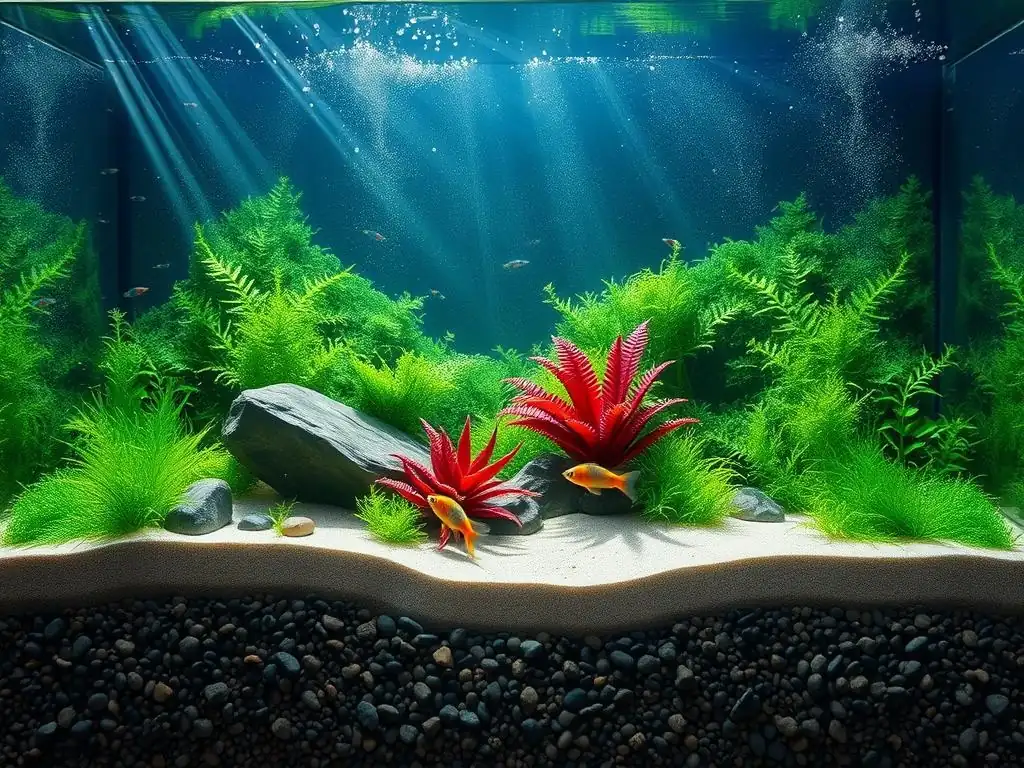
Welcome to Aquarium Mastery, your ultimate resource for all things aquatic!
Ever wondered why your meticulously planned aquarium carpet isn't quite taking off like you envisioned? You're not alone! Dive into this article to uncover the secrets behind a thriving carpet and learn how to troubleshoot common issues that might be holding it back. Let's transform your tank floor into a lush, vibrant underwater paradise!
- Introduction: Understanding Carpet Plants and Their Growth in Aquariums
-
Common Reasons Your Aquarium Carpet Is Not Spreading
- 1. Insufficient Lighting: The Most Common Culprit for Poor Carpet Growth
- 2. Inadequate CO2 Levels: Fueling Photosynthesis for Lush Growth
- 3. Nutrient Deficiencies: Providing Essential Building Blocks
- 4. Substrate Issues: The Foundation for Root Development
- 5. Poor Water Parameters: Maintaining a Healthy Aquatic Environment
- 6. Algae Overgrowth: Competing for Resources and Blocking Light
- 7. Fish and Invertebrate Interference: Preventing Damage and Uprooting
- 8. Incorrect Planting Techniques: Ensuring Proper Root Establishment
- Troubleshooting Specific Carpet Plant Species
- Encouraging Spreading: Advanced Techniques for a Thriving Carpet
- Conclusion: Achieving a Lush and Vibrant Aquarium Carpet
- Frequently Asked Questions
- Final Reflection: The Patience of Green
- Ignite Your Aquarium Carpet: Take Action Now!
Introduction: Understanding Carpet Plants and Their Growth in Aquariums
What are Aquarium Carpet Plants and Why Choose Them?
Aquarium carpet plants are a diverse group of low-growing aquatic flora specifically chosen for their ability to spread horizontally across the substrate, forming a dense, lush "lawn" effect in the foreground of an aquarium. Popular examples include Dwarf Hairgrass (Eleocharis parvula), Monte Carlo (Micranthemum 'Monte Carlo'), and Glossostigma elatinoides.
Aquarists often choose these plants to create a natural, aesthetically pleasing landscape, mimicking a terrestrial meadow or a vibrant underwater floor. Beyond their visual appeal, these plants contribute to the ecosystem by oxygenating the water through photosynthesis, providing hiding spots for fry and small invertebrates, and helping to stabilize the substrate, preventing it from shifting.
The allure of a vibrant, spreading aquarium carpet is undeniable, transforming a simple tank into a captivating underwater garden. However, achieving this dense coverage can be a significant challenge for many aquarists. When your aquarium carpet is not spreading as expected, it often indicates an imbalance in one or more critical environmental factors. Understanding these requirements and troubleshooting common issues is key to turning a sparse foreground into a thriving green expanse.
Ideal Conditions for Healthy Carpet Plant Growth: A Summary
Successful growth and spreading of aquarium carpet plants hinge on a delicate balance of several key environmental factors. These plants, particularly the more demanding species, require high-intensity lighting to fuel robust photosynthesis, a consistent and ample supply of carbon dioxide (CO2) for cellular growth, and a nutrient-rich substrate to support strong root development.
Furthermore, a comprehensive dosing regimen of essential macro and micro nutrients is crucial to prevent deficiencies. Finally, stable and appropriate water parameters, free from harmful toxins and excessive algae, provide the optimal environment for these delicate plants to flourish and spread horizontally, creating that coveted dense carpet.
Common Reasons Your Aquarium Carpet Is Not Spreading
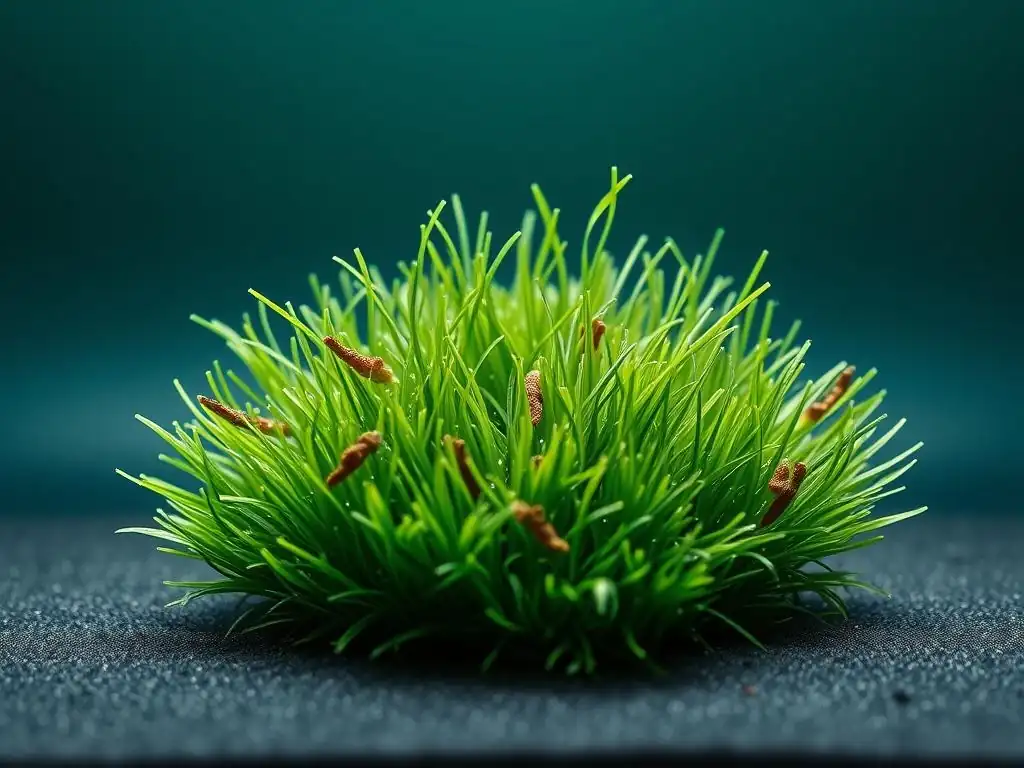
1. Insufficient Lighting: The Most Common Culprit for Poor Carpet Growth
How Much Light Do Carpet Plants Need?
Carpet plants are, almost without exception, "high-light" plants. This means they require a significant amount of Photosynthetically Active Radiation (PAR) to thrive and spread laterally. While Watts per Gallon (WPG) was a common metric, PAR is a more accurate measure, indicating the amount of light available for photosynthesis.
For demanding carpet species like Glossostigma elatinoides or Dwarf Hairgrass, PAR values typically need to be in the range of 50-80 PAR at the substrate level. In contrast, a low-light tank might only provide 15-25 PAR, which is insufficient for carpeting. Most high-quality LED fixtures designed for planted tanks can deliver these PAR levels, whereas standard aquarium lights often fall short.
Beyond intensity, the duration of light exposure is also critical. A photoperiod of 8-10 hours per day is generally recommended for carpet plants. Exceeding this duration can contribute to algae growth without necessarily benefiting plant growth, while too short a period will limit photosynthesis. For example, a Chihiros WRGB II Pro fixture on a 60cm tank can easily achieve 60+ PAR at the substrate, providing the energy needed for robust spreading, unlike a basic kit light which might only offer 20-30 PAR, leading to your aquarium carpet not spreading.
Identifying Lighting Deficiencies in Your Aquarium
When your aquarium carpet is not spreading, lighting is often the first factor to investigate. Key symptoms of insufficient light in carpet plants include stunted growth, plants growing tall and leggy instead of maintaining their low, spreading habit, and a general lack of vibrant coloration, often appearing pale or yellowish. For instance, Dwarf Hairgrass might stretch upwards by several inches, resembling a miniature forest rather than a dense lawn, indicating it's "reaching" for more light. Similarly, Monte Carlo might develop elongated stems with sparse leaves, failing to form its characteristic tight mat.
Another tell-tale sign is the melting of lower leaves, as the plant sacrifices older growth due to insufficient energy to maintain it. If you've recently upgraded your lighting and your plants are still struggling, ensure the light is positioned correctly and that the tank surface isn't obstructed by a thick layer of floating plants or excessive surface agitation that diffuses light. Many aquarists find that simply upgrading from a basic LED hood to a full-spectrum, high-output planted tank light can drastically resolve issues with their aquarium carpet not spreading.
Solutions: Upgrading Your Aquarium Lighting for Optimal Plant Growth
The most direct solution for lighting deficiencies is to upgrade to a high-quality LED fixture specifically designed for planted aquariums. Look for lights that advertise high PAR output and a full spectrum, often including specific red and blue wavelengths crucial for photosynthesis. Brands like ADA Aquasky, Twinstar E-Series, or Chihiros WRGB II are popular choices known for their ability to support demanding carpet plants. When selecting, consider the dimensions of your tank to ensure even light distribution.
Once you have adequate lighting, fine-tuning becomes important. Utilize a timer to maintain a consistent 8-10 hour photoperiod. If your light is dimmable, start with a moderate intensity (e.g., 60-70% power) and gradually increase it over several weeks as your plants adapt and CO2 levels are stable, helping to prevent an initial algae bloom.
Regularly clean the light fixture and the aquarium glass to ensure maximum light penetration. For example, a tank that was struggling with Monte Carlo growth at 30 PAR might see significant spreading within 4-6 weeks after upgrading to a fixture providing 60 PAR at the substrate, demonstrating the direct impact of proper illumination on your aquarium carpet spreading.
2. Inadequate CO2 Levels: Fueling Photosynthesis for Lush Growth
The Role of CO2 in Aquarium Plant Growth
Carbon dioxide (CO2) is a fundamental building block for photosynthesis, the process by which plants convert light energy into chemical energy for growth. In an aquatic environment, CO2 is often the most limiting factor for robust plant growth, particularly for fast-growing and demanding carpet species. Plants absorb CO2 from the water to produce sugars and other organic compounds essential for cell division and expansion. Without sufficient CO2, even with intense lighting, plants cannot efficiently utilize the light energy, leading to stunted growth, slow spreading, and potentially melting.
When CO2 levels are low, your aquarium carpet not spreading is a direct consequence of the plants being unable to photosynthesize effectively. This is often observed as slow, almost imperceptible growth, or plants simply "stalling" in their development. A well-supplied CO2 system ensures that plants have ample carbon available, allowing them to grow quickly and spread horizontally, forming a dense carpet much faster than in a non-CO2 injected tank.
Testing and Monitoring CO2 Levels
Accurate and consistent monitoring of CO2 levels is crucial for the success of a planted aquarium with carpet plants. The most common and reliable method for monitoring is using a CO2 drop checker. This device contains a solution that changes color based on the CO2 concentration in the water.
A lime green color typically indicates an optimal CO2 level of approximately 25-30 parts per million (ppm), which is ideal for most planted tanks. A blue color suggests insufficient CO2 (below 20 ppm), while a yellow color indicates dangerously high levels (above 35 ppm), which can be harmful to fish and invertebrates.
It's important to place the drop checker where it gets good water flow, typically on the opposite side of the tank from the CO2 diffuser. Observe its color change over a few hours after CO2 injection begins. Consistency is key; maintaining a stable CO2 level throughout the entire photoperiod is more beneficial than fluctuating levels. Many aquarists aim for the drop checker to turn green within 1-2 hours of the CO2 turning on and remain green until the CO2 turns off, ensuring your aquarium carpet has consistent access to this vital nutrient.
CO2 Injection Systems: Are They Necessary for Your Carpet Plants?
For most demanding carpet plants like Glossostigma, Dwarf Hairgrass, or Monte Carlo, a pressurized CO2 injection system is not just beneficial, but often essential for achieving a dense, spreading carpet. While some less demanding plants might survive with liquid carbon supplements or DIY CO2 setups, these methods typically cannot provide the stable, high concentrations of CO2 required for optimal carpet growth. Pressurized systems offer precise control over the CO2 output, allowing aquarists to maintain consistent levels of 25-30 ppm, which significantly boosts photosynthesis and growth rates.
A typical pressurized CO2 system includes a CO2 cylinder, a regulator with a solenoid valve (to turn CO2 on/off with a timer), a bubble counter (to monitor diffusion rate), and a diffuser (to dissolve CO2 into fine bubbles). The initial investment can range from $150 to $400, but the results for a lush, vibrant aquarium carpet are generally worth it. Without a reliable CO2 source, your carpet plants may simply stall or melt, leading to the frustrating issue of your aquarium carpet not spreading despite good lighting.
3. Nutrient Deficiencies: Providing Essential Building Blocks
Macro and Micro Nutrients: What Your Carpet Plants Need
Just like terrestrial plants, aquatic plants require a balanced array of macro and micro nutrients for healthy growth. Macronutrients, needed in larger quantities, include Nitrogen (N), Phosphorus (P), and Potassium (K). Nitrogen is vital for leaf and stem growth, Phosphorus for root development and flowering, and Potassium for overall plant vigor and disease resistance. Micronutrients, required in trace amounts, include Iron (Fe), Manganese (Mn), Boron (B), Zinc (Zn), Copper (Cu), and Molybdenum (Mo). Iron, for instance, is crucial for chlorophyll production and preventing yellowing leaves.
A deficiency in any of these essential elements can severely hinder growth and prevent your aquarium carpet from spreading. For instance, a tank with insufficient nitrogen might see plants exhibiting pale, anemic growth, while a lack of potassium can manifest as pinholes or yellowing on older leaves. A complete nutrient profile ensures that your carpet plants have all the necessary building blocks to photosynthesize efficiently and expand their root systems and runners.
Recognizing Nutrient Deficiency Symptoms in Carpet Plants
Identifying specific nutrient deficiencies can be challenging, as symptoms can sometimes overlap or be mistaken for other issues like insufficient light or CO2. However, some common signs are indicative:
- Nitrogen (N) deficiency: General yellowing or pale green coloration of older leaves, stunted growth. The plant may appear starved.
- Phosphorus (P) deficiency: Dark green leaves, stunted growth, sometimes purplish or reddish tints on older leaves. Roots may be underdeveloped.
- Potassium (K) deficiency: Yellowing edges or tips of older leaves, pinholes, and melting tissue. Leaves may appear weak.
- Iron (Fe) deficiency: New growth appears pale, yellow, or even white (chlorosis), especially between the veins, while the veins remain green. This is particularly common in high-light tanks.
- Magnesium (Mg) deficiency: Yellowing between the veins of older leaves, similar to iron but often affecting older growth first.
If your aquarium carpet not spreading, carefully inspect the leaves for these specific symptoms. For example, if your Dwarf Hairgrass is developing yellowish tips and struggling to send out runners, it might indicate a potassium deficiency, even if other parameters are seemingly fine.
Liquid Fertilizers: Choosing the Right Formula for Carpet Plants
Liquid fertilizers are a primary method for providing essential nutrients directly to the water column, where many carpet plants (especially those that absorb nutrients through their leaves) can readily access them. For a thriving carpet, it's often best to use an "all-in-one" liquid fertilizer designed for planted tanks, such as Seachem Flourish, Aquarium Co-Op Easy Green, or Tropica Specialized Nutrition. These products typically contain a balanced blend of macro (N, P, K) and micro (Fe, Mn, etc.) nutrients.
Dosing frequency depends on your tank's plant mass, light intensity, and CO2 injection. Heavily planted, high-tech tanks often benefit from daily dosing of smaller amounts, while less demanding setups might do well with a larger dose 2-3 times a week. Always follow the manufacturer's recommendations as a starting point and adjust based on plant response. For instance, if you observe symptoms of iron deficiency despite regular dosing, you might need to increase your iron supplement. Consistent dosing is paramount; sporadic fertilization can lead to nutrient fluctuations that hinder your aquarium carpet spreading.
Root Tabs: Supplementing Nutrients in the Substrate
While liquid fertilizers address water column nutrients, many carpet plants, particularly heavy root feeders like Dwarf Hairgrass and Cryptocoryne species (though not strictly carpet plants, they illustrate the point), benefit immensely from nutrients placed directly in the substrate. Root tabs are slow-release capsules or tablets that provide a concentrated source of macro and micro nutrients to the plant roots over several months. This is especially crucial if you are using an inert substrate like sand or gravel, which provides no inherent nutrients.
To use root tabs, simply push them into the substrate near the base of your carpet plants. For a spreading carpet, place tabs every 4-6 inches (10-15 cm) in the area you want the plants to colonize. They typically last for 3-6 months before needing replenishment. Brands like Seachem Flourite Tabs, API Root Tabs, or Dennerle NutriBalls are popular choices. Even with nutrient-rich aquasoils, root tabs can provide an additional boost as the soil's initial nutrient reserves deplete, ensuring your aquarium carpet has consistent access to vital elements for robust root development and horizontal growth.
4. Substrate Issues: The Foundation for Root Development
Choosing the Right Substrate for Carpet Plants
The substrate is the foundation for your carpet plants, providing physical anchorage and, ideally, a rich source of nutrients. For optimal growth and spreading, nutrient-rich, active substrates (often called "aquasoils") are highly recommended. Brands like ADA Aqua Soil Amazonia, Fluval Stratum, or Tropica Aquarium Soil are formulated to release essential nutrients directly to the roots, buffer the pH to a slightly acidic range (ideal for many plants), and possess a high Cation Exchange Capacity (CEC), meaning they can absorb and release nutrients as needed.
While sand or fine gravel can be used, they are inert and provide no nutrients. In such cases, heavy supplementation with root tabs is absolutely essential to prevent your aquarium carpet not spreading. A good aquasoil, with its porous structure, also facilitates better gas exchange and root penetration, promoting a healthier root system which is critical for runners and dense growth.
Substrate Depth: Ensuring Adequate Rooting Space
The depth of your substrate plays a crucial role in the successful establishment and spreading of carpet plants. A minimum depth of 2-3 inches (5-7.5 cm) is generally recommended for the foreground where carpet plants will reside. This depth provides ample space for the roots to anchor firmly and for the plants to send out runners horizontally beneath the surface. If the substrate is too shallow, roots may struggle to establish, leading to plants floating up or failing to spread effectively.
For instance, Dwarf Hairgrass sends out extensive runner systems, which require a certain depth to fully develop. If your substrate is only an inch deep, the runners will quickly hit the bottom and cease spreading. A deeper substrate also helps in buffering nutrient levels and maintaining overall stability in the root zone. Ensuring sufficient substrate depth is a foundational step in preventing your aquarium carpet not spreading.
Substrate Compaction: Preventing Root Suffocation
Over time, especially with very fine-grained substrates or if the tank experiences frequent heavy disturbances, the substrate can compact. This compaction reduces the porosity of the substrate, limiting the flow of water, nutrients, and oxygen to the plant roots. Roots can become starved of oxygen, leading to stunted growth, nutrient lockout, and even root rot. Symptoms of compaction often include a general decline in plant health, yellowing, and a noticeable halt in the spreading of your carpet plants.
While you should avoid aggressively disturbing your substrate, gentle agitation of the top layer (e.g., using long tweezers to aerate periodically) can help. However, the best preventative measure is often the initial choice of a good quality, porous aquasoil that resists compaction better than dense sand. If you suspect severe compaction is causing your aquarium carpet not spreading, carefully pushing root tabs into the deeper layers can sometimes help break up localized compaction and deliver nutrients directly to struggling roots.
5. Poor Water Parameters: Maintaining a Healthy Aquatic Environment
pH Levels: Optimizing Water Acidity for Plant Growth
The pH level of your aquarium water significantly impacts nutrient availability and plant health. Most aquatic plants, including the majority of popular carpet species, thrive in slightly acidic to neutral water, typically within a pH range of 6.0 to 7.5. A pH outside this range can make essential nutrients unavailable for plant uptake, even if they are present in the water or substrate. For example, iron becomes less available at higher pH levels (above 7.5), leading to deficiency symptoms.
When injecting CO2, the pH will naturally drop. Maintaining a stable pH is more crucial than hitting an exact number within the optimal range. Wild fluctuations can stress plants and hinder growth. If your pH is consistently too high (e.g., above 8.0), it can be a major factor in your aquarium carpet not spreading effectively, as nutrient absorption is compromised. Using an active substrate like aquasoil can help buffer the pH into the ideal range.
Water Hardness (GH and KH): Understanding Their Impact on Plants
Water hardness, measured as General Hardness (GH) and Carbonate Hardness (KH), also plays a role in plant health. GH refers to the concentration of dissolved minerals, primarily calcium and magnesium. These minerals are essential macronutrients for plants, playing roles in cell wall structure and chlorophyll production. Most aquatic plants prefer a GH range of 3-8 dGH (degrees of General Hardness). Extremely soft water (very low GH) can lead to mineral deficiencies, while excessively hard water can sometimes hinder nutrient uptake.
KH, or Carbonate Hardness, measures the buffering capacity of the water – its ability to resist changes in pH. A stable KH (typically 3-6 dKH) is critical in CO2-injected tanks. It prevents dangerous pH swings that can occur when CO2 is injected, protecting both plants and fish. If KH is too low, pH can crash, stressing plants and making your aquarium carpet not spreading due to instability. Monitoring and adjusting GH and KH (often with remineralizers for RO water) ensures a stable environment for your carpet plants.
Ammonia, Nitrite, and Nitrate Levels: Preventing Toxicity
While often associated with fish health, the nitrogen cycle parameters—Ammonia (NH3/NH4+), Nitrite (NO2-), and Nitrate (NO3-)—are also vital for plant well-being.
- Ammonia and Nitrite: These should always be at 0 ppm in a cycled tank. Even low levels are highly toxic to fish and can severely stunt or melt plants. If your aquarium carpet not spreading and you detect these, it indicates a serious problem with your tank's biological filtration.
- Nitrate: Plants consume nitrate as a primary nitrogen source. In a planted tank, a small amount of nitrate (5-20 ppm) is beneficial and necessary for growth. Too low can lead to nitrogen deficiency (pale leaves, stunted growth), while excessively high levels (above 40-50 ppm) can encourage algae growth, which then competes with your carpet plants.
Regular water changes (20-30% weekly) are essential for maintaining optimal nitrate levels and removing other accumulated toxins. Ensuring a healthy, balanced nitrogen cycle is fundamental to preventing plant stress and encouraging your aquarium carpet spreading.
6. Algae Overgrowth: Competing for Resources and Blocking Light
Types of Algae That Inhibit Carpet Plant Growth
Algae is a common nuisance in aquariums, and its overgrowth can be a significant reason why your aquarium carpet not spreading. Algae directly compete with your desirable plants for light, CO2, and nutrients. Common types that specifically affect carpet plants include:
- Hair Algae: Long, stringy green strands that can entangle and smother delicate carpet plants, blocking light from reaching the leaves.
- Black Beard Algae (BBA): Tough, brush-like black or dark green algae that attach firmly to leaves and hardscape, making them look fuzzy and impeding photosynthesis.
- Green Spot Algae (GSA): Hard, circular green spots that adhere tightly to glass and broad-leaved plants. While less common on fine-leaved carpets, it can signal phosphate deficiency or too much light.
- Diatoms (Brown Algae): A brown, powdery film that covers everything, including new plant growth, blocking light. Often seen in new tanks.
Any significant algal coverage on your carpet plants' leaves will directly prevent them from photosynthesizing efficiently, leading to stunted growth and a failure to spread.
Algae Control Methods
Effective algae control is multifaceted and often involves identifying and correcting the underlying imbalance that caused the bloom.
- Identify the Root Cause: Most algae issues stem from imbalances in light (too much or too long), CO2 (unstable or too low), or nutrients (imbalance or excess). For example, inconsistent CO2 can lead to BBA, while too much light and too few nutrients can cause hair algae.
- Manual Removal: Physically remove as much algae as possible. Siphon out hair algae, gently rub off BBA from leaves (if possible without damaging the plant), and wipe down glass.
- Blackout Periods: For severe algae outbreaks, a 2-3 day blackout (no light, cover tank) can significantly reduce algae without harming established plants.
- Adjust Parameters: Reduce light intensity or duration. Increase CO2 levels to optimal range (25-30 ppm). Ensure consistent nutrient dosing – sometimes a deficiency of a specific nutrient (e.g., nitrates or phosphates) can trigger certain algae types.
- Hydrogen Peroxide Spot Treatment: For stubborn BBA or hair algae, a targeted dose of 3% hydrogen peroxide (H2O2) with a syringe can kill algae on contact. Turn off filters, apply to affected areas, wait 10-15 minutes, then turn filters back on. Use with caution and research safe dosages for your tank volume.
By tackling the algae issue directly and addressing the underlying causes, you create a clearer path for your aquarium carpet to receive light and nutrients, encouraging it to spread.
Algae Eaters: Beneficial Creatures for a Balanced Ecosystem
Introducing certain algae-eating species can be a helpful component of your overall algae control strategy, though they are not a substitute for addressing the root cause.
- Amano Shrimp (Caridina multidentata): Widely regarded as one of the best algae eaters for planted tanks. They are voracious consumers of hair algae, green fuzz algae, and biofilm. A group of 5-10 Amano shrimp can make a significant difference in a 20-gallon tank.
- Otocinclus Catfish (Otocinclus affinis/vittatus): Small, peaceful catfish that are excellent at grazing diatoms (brown algae) and soft green algae from leaves and glass. They typically need to be kept in groups of at least 3-5.
- Nerite Snails: These snails are superb at cleaning glass, rocks, and hard surfaces of green spot algae and diatoms. They do not typically eat live plants. Popular types include Zebra Nerite, Horned Nerite, and Tiger Nerite snails.
- Siamese Algae Eaters (SAE) (Crossocheilus oblongus): True SAEs are one of the few fish that will consume Black Beard Algae (BBA). However, they can grow quite large (up to 6 inches) and may become territorial as adults, so ensure your tank size is appropriate (40 gallons+).
When choosing algae eaters, always ensure they are compatible with your tank's size, water parameters, and other inhabitants, and that they won't disturb your delicate carpet plants. A well-chosen clean-up crew can help keep your aquarium carpet clear of competing algae, allowing it to spread unhindered.
7. Fish and Invertebrate Interference: Preventing Damage and Uprooting
Herbivorous Fish: Protecting Your Carpet Plants from Grazing
Certain fish species have a natural inclination to graze on plants, which can be detrimental to a developing aquarium carpet. Common culprits include:
- Silver Dollars (Metynnis argenteus): These fish are notorious plant eaters and will decimate a planted tank, including carpet plants.
- Many African Cichlids (e.g., Mbuna): While beautiful, many cichlid species are herbivorous and will uproot or consume plants.
- Larger Plecos (e.g., Common Pleco): While some smaller, specialized plecos (like BN Plecos) are safe, larger species can graze on leaves, especially if not adequately fed with blanched vegetables or driftwood.
- Goldfish: These popular fish are known for their love of munching on soft-leaved plants.
Even some generally "safe" community fish might occasionally nip at plants if they are underfed or if the plants are particularly soft and appealing. Before introducing any fish, thoroughly research their dietary habits and compatibility with a heavily planted tank to ensure they won't be the reason your aquarium carpet not spreading.
Snail Infestations: Minimizing Damage to Delicate Plants
While some snails (like Nerites and large Mystery Snails) are generally safe for plants, certain prolific species, often introduced accidentally as hitchhikers, can become problematic in large numbers.
- Pond Snails (Physa spp.) and Bladder Snails (Physella acuta): These small, fast-reproducing snails are usually harmless detritivores, but in massive infestations (often due to overfeeding), they can sometimes graze on delicate new plant growth or already melting leaves.
- Ramshorn Snails (Planorbella spp.): Similar to pond snails, they primarily eat detritus and decaying matter, but very large populations can occasionally cause minor damage to soft plants.
A healthy population of these snails can be beneficial, consuming decaying matter and algae. However, if you notice an explosion in their numbers and simultaneous damage to your carpet, it's likely a sign of overfeeding. Reducing food input is the primary solution. Manual removal, snail traps, or introducing Assassin Snails (Clea helena) can help control populations without resorting to chemicals that might harm your plants or other invertebrates. Ensuring your aquarium carpet isn't being overrun or nibbled is crucial for its success.
Bottom-Dwelling Fish: Preventing Disruption of the Substrate
Some bottom-dwelling fish species are natural diggers or substrate sifting enthusiasts, which can inadvertently uproot newly planted or shallow-rooted carpet plants.
- Larger Corydoras Catfish: While most Corydoras are gentle sifters, very large species or extremely active groups can sometimes disturb very new plantings.
- Kuhli Loaches (Pangio kuhlii): These eel-like fish love to burrow into fine substrates, which can dislodge small plant portions.
- Geophagus Cichlids ("Earth Eaters"): These cichlids are specialized in sifting through vast amounts of substrate to find food, making them highly unsuitable for carpeted tanks as they will constantly disrupt and uproot plants.
When selecting bottom dwellers, consider their natural behaviors. For a tank with a delicate carpet, opt for species known to be less disruptive, or ensure your carpet plants are very well-rooted and established before introducing active sifters. Using a slightly coarser sand can also make it harder for fish to uproot plants compared to very fine sand. Preventing constant uprooting is vital for your aquarium carpet spreading successfully.
8. Incorrect Planting Techniques: Ensuring Proper Root Establishment
Proper Planting Depth and Spacing for Different Carpet Plants
The way you initially plant your carpet species significantly impacts their ability to establish roots and spread.
- Dwarf Hairgrass (Eleocharis parvula): This plant should be planted in very small individual clumps or even single strands, typically 1-2 cm apart. Planting too large a clump can lead to the inner strands dying off due to lack of light and nutrients, hindering overall spreading. Use long, fine-tipped tweezers to push the roots deep into the substrate, then gently pull up slightly to expose the green crown.
- Monte Carlo (Micranthemum 'Monte Carlo'): Plant pea-sized portions of Monte Carlo, again, a few centimeters apart. Ensure the entire base of the portion is buried, but avoid burying the leaves completely, as this can lead to melting.
- Glossostigma elatinoides: Similar to Monte Carlo, plant tiny individual stems or very small portions. Glosso is very sensitive to being buried too deep; the crown must be exposed to light.
Planting too shallow will result in plants floating up, while planting too deep can suffocate the crown or base of the plant, leading to melting and preventing your aquarium carpet from spreading. Proper spacing ensures each plant receives adequate light and nutrients, encouraging lateral growth.
Anchoring Methods: Securing Plants in the Substrate
Securing delicate carpet plants in the substrate is crucial, especially during the initial weeks. Newly planted carpet species have minimal root systems and are easily dislodged by water flow, fish activity, or even during routine maintenance.
- Tweezers are Essential: Long, aquarium-specific tweezers are indispensable for precise planting. They allow you to gently grasp small portions of plants and push them firmly into the substrate without disturbing adjacent areas.
- Push and Pull Technique: For plants like Dwarf Hairgrass, push the roots deep into the substrate, then gently pull the tweezers back up slightly, allowing the substrate to settle around the roots while exposing the green blades.
- Patience: It takes time for plants to root. Avoid excessive water flow directly over newly planted areas for the first week or two. If you have active bottom dwellers, consider adding them a few weeks after planting to give the carpet a chance to establish.
A well-anchored plant is a plant that can focus its energy on rooting and sending out runners, rather than expending energy trying to stay put. If your plants are constantly floating up, your aquarium carpet not spreading is an inevitable outcome.
Avoiding Damage During Planting
Handling delicate aquatic plants requires care. Any significant damage to stems, leaves, or roots during the planting process can set back growth and even lead to melting.
- Gentle Handling: Always handle plants gently. Avoid crushing stems with tweezers or bending them sharply.
- Keep Moist: If planting emersed (e.g., during a dry start method) or if plants are out of water for any period, keep them moist to prevent desiccation. A spray bottle can be useful.
- Sharp Tools: Use sharp scissors to trim roots or separate plant portions to create clean cuts that heal faster. Dull tools can crush plant tissue.
- Pre-Soaking: For tissue culture plants, gently rinse off the gel thoroughly before planting, as the gel can inhibit growth or cause algae.
Damaged plants are more vulnerable to disease, melting, and will naturally struggle to establish and spread. Taking the time to use proper techniques and handle your plants with care during planting will pay dividends in achieving a lush, healthy aquarium carpet.
Troubleshooting Specific Carpet Plant Species
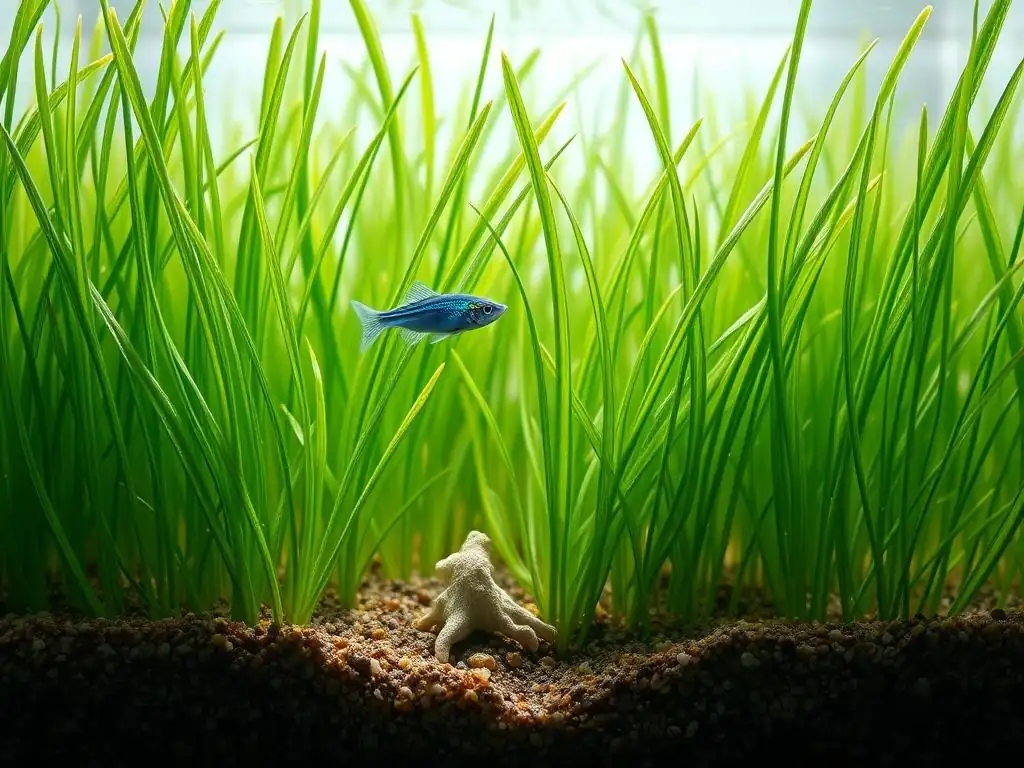
Troubleshooting Problems with Dwarf Hairgrass (Eleocharis parvula)
Dwarf Hairgrass (DHG) is a classic carpet plant, known for its fine, grass-like blades. If your Dwarf Hairgrass is not spreading or appears unhealthy, common issues include:
- Growing Tall and Leggy: This is a definitive sign of insufficient light. DHG stretches upwards to reach more intense light.
- Turning Brown or Melting: Can indicate severe light deficiency, unstable CO2, or nutrient deficiencies (especially iron or potassium). New plants often melt back initially as they transition to submerged growth.
- Not Sending Runners: Primarily caused by inadequate CO2, insufficient light, or nutrient-poor substrate. DHG is a heavy root feeder and relies on a rich substrate to fuel its runner production.
Solutions:
- Increase Light: Aim for high PAR (e.g., 50-70 PAR) at the substrate.
- Ensure CO2: Maintain stable CO2 levels at 25-30 ppm. DHG thrives with consistent CO2 injection.
- Nutrient-Rich Substrate: Use an aquasoil or supplement inert substrates with root tabs every 4-6 inches.
- Trim Regularly: Once established, regularly trimming the tops of the blades (to about 1 inch) encourages lateral growth and a denser carpet. If your aquarium carpet not spreading with DHG, it's often a combination of these factors.
Troubleshooting Problems with Monte Carlo (Micranthemum 'Monte Carlo')
Monte Carlo is another popular carpeting plant, favored for its small, round leaves and relatively fast growth compared to DHG.
- Melting or Stunted Growth: Often due to insufficient or inconsistent CO2, or a lack of potassium. It's also sensitive to high temperatures (prefers below 26°C/79°F). New plants may melt initially during transition.
- Growing Upwards Instead of Spreading: Indicates insufficient light. Monte Carlo will reach for light if it's too dim.
- Yellowing Leaves: Can be a sign of iron deficiency or general nutrient imbalance.
Solutions:
- Stable CO2: Crucial for Monte Carlo. Ensure consistent 25-30 ppm CO2 throughout the photoperiod.
- High Light: Provide strong, even lighting across the foreground.
- Balanced Fertilization: Dose a comprehensive liquid fertilizer, paying attention to potassium and iron. Root tabs are also beneficial.
- Temperature Control: Keep water temperature stable and within its preferred range. If your aquarium carpet not spreading with Monte Carlo, CO2 and light are typically the main culprits.
Troubleshooting Problems with Glossostigma elatinoides
Often called "Glosso," this plant is considered one of the most demanding carpet plants, serving as a benchmark for a truly high-tech planted tank. If your Glossostigma is failing to carpet, it often points to significant deficiencies.
- Melting or Rapid Die-off: Extreme sensitivity to unstable or insufficient CO2, very low nutrients, or too low light. Glosso demands perfect conditions.
- Growing Leggy and Pale: This is an immediate sign of insufficient light. Glosso will stretch significantly if it doesn't receive intense illumination.
- Not Spreading or Slow Growth: A clear indicator that one or more critical parameters (light, CO2, nutrients) are not met at optimal levels.
Solutions:
- Very High Light: Glosso requires some of the highest PAR levels among carpet plants, often 80+ PAR at the substrate.
- High and Consistent CO2: Aim for the upper end of the optimal range (30+ ppm) and ensure it's stable.
- Comprehensive Fertilization: Dose macro (N, P, K) and micro (Fe, etc.) nutrients generously and consistently, both in the water column and with root tabs. Glosso is a heavy feeder.
- Stable Parameters: Avoid any sudden shifts in pH, temperature, or nutrient levels.
If your aquarium carpet not spreading when attempting Glosso, it's a strong signal that your tank setup needs a substantial upgrade in terms of light, CO2, and nutrient management.
Encouraging Spreading: Advanced Techniques for a Thriving Carpet
Dry Start Method: Establishing a Strong Root System Before Flooding
The Dry Start Method (DSM) is an advanced technique widely used to establish a dense, healthy carpet before flooding the aquarium.
- Process: The tank is set up with substrate and hardscape, and plants are planted into a moist (but not submerged) substrate. The tank is then covered with plastic wrap or a lid to maintain extremely high humidity (near 100%), allowing plants to grow in their emersed form. High-intensity lighting is provided for 8-10 hours daily.
- Benefits: In an emersed environment, plants have unlimited access to atmospheric CO2, which is significantly more abundant than dissolved CO2 in water. This allows them to grow much faster and develop incredibly strong, extensive root systems before flooding. A robust root system helps plants anchor firmly and promotes aggressive spreading once submerged. It also greatly reduces initial algae issues, as algae struggle in emersed conditions.
- Typical Duration: DSM typically runs for 4-8 weeks, or until the desired carpet density is achieved. Once the carpet is dense, the tank is slowly flooded.
The DSM is particularly effective for demanding carpet plants like Dwarf Hairgrass, Monte Carlo, and Glossostigma, dramatically increasing the chances of a dense, thriving aquarium carpet and significantly reducing the likelihood of your aquarium carpet not spreading post-flooding.
Trimming Techniques: Promoting Lateral Growth and Density
Regular and proper trimming is counter-intuitive but essential for encouraging lateral growth and achieving a dense, compact carpet.
- Dwarf Hairgrass: Once DHG begins to establish and grow tall (around 2-3 inches), it should be trimmed regularly with sharp, long-handled scissors. Trim the blades down to about 1-1.5 inches (2.5-4 cm) above the substrate. This forces the plant to put energy into sending out new runners horizontally, rather than growing vertically. Trim every 2-4 weeks as needed.
- Monte Carlo and Glossostigma: When these plants start to grow too tall or form thick layers, trim the top 1/3 to 1/2 of the growth. This removes older, less efficient leaves and stimulates the plant to sprout new, denser growth from the base and encourages runners to spread outwards, filling in gaps.
Trimming prevents the lower layers of the carpet from being shaded out by the upper layers, which can lead to melting and thin spots. It also promotes a bushier, more compact growth habit, ensuring your aquarium carpet becomes a dense, lush lawn rather than a sparse, leggy patch.
Regular Maintenance: Ensuring Long-Term Health and Vigor
Achieving a lush aquarium carpet is not a one-time setup; it requires consistent and diligent maintenance to ensure its long-term health and vigor.
- Consistent Water Changes: Performing regular 20-30% weekly water changes is vital. This replenishes essential trace elements that plants consume, removes accumulated organic waste, and helps maintain stable water parameters.
- Substrate Vacuuming: Gently vacuum the surface of the carpet to remove detritus and fish waste that can accumulate and potentially cause algae or nutrient imbalances. Be careful not to disturb the roots or uproot the plants.
- Filter Maintenance: Clean filter media regularly to ensure good water flow and efficient biological filtration. A healthy filter contributes to overall tank stability, which directly benefits plant health.
- Dosing Adjustment: Continuously observe your carpet plants for signs of deficiencies or excesses. Adjust your liquid fertilizer and CO2 dosing as the plant biomass increases. A rapidly growing, dense carpet will consume more nutrients and CO2, requiring higher doses.
- Algae Management: Stay proactive with algae control. Address any emerging algae spots immediately to prevent them from taking over and competing with your carpet.
By adhering to a consistent maintenance schedule, you create a stable and nutrient-rich environment that supports continuous growth and ensures your aquarium carpet remains vibrant and continues to spread.
Conclusion: Achieving a Lush and Vibrant Aquarium Carpet
Key Takeaways for Successful Carpet Plant Growth
Achieving a lush and vibrant aquarium carpet is a rewarding endeavor that transforms any aquascape into a stunning underwater landscape. The journey, however, demands attention to several interconnected factors. The most critical takeaways for successful carpet plant growth are:
- High-Intensity Lighting: Provide ample Photosynthetically Active Radiation (PAR) to fuel robust photosynthesis.
- Consistent CO2 Injection: Ensure stable levels of 25-30 ppm CO2 throughout the photoperiod, as carbon is the primary building block for growth.
- Nutrient-Rich Substrate: Utilize aquasoils or supplement inert substrates heavily with root tabs to provide essential nutrients directly to the roots.
- Balanced Liquid Fertilization: Consistently dose a comprehensive liquid fertilizer to supply macro and micro nutrients in the water column.
- Stable Water Parameters: Maintain optimal pH, GH, KH, and keep ammonia/nitrite at zero, with nitrates in a beneficial range.
- Algae Control: Proactively manage algae to prevent competition for light and nutrients.
- Proper Planting & Maintenance: Use correct planting techniques, consider methods like the Dry Start, and perform regular trimming and tank maintenance.
Addressing these elements holistically is key. If your aquarium carpet not spreading, it's almost certainly due to an imbalance in one or more of these crucial areas.
Maintaining Patience and Observation: The Key to Long-Term Success
Finally, patience and keen observation are perhaps the most undervalued aspects of cultivating a successful aquarium carpet. Carpet plants, especially from scratch, take time to establish and spread. Depending on the species and initial setup, it can take anywhere from 2 to 6 months to achieve a dense, full carpet. For instance, a 20-gallon tank with Dwarf Hairgrass might take 3-4 months to fully carpet under optimal conditions.
Regularly observe your plants for any subtle changes in color, growth rate, or leaf structure, as these are early indicators of potential deficiencies or issues. Keep a log of your water parameters, dosing schedules, and any changes you make to your setup. This meticulous approach helps you identify patterns and pinpoint the exact cause if your aquarium carpet not spreading. Don't be discouraged by initial setbacks; consistency, informed adjustments, and a little patience will ultimately lead to that breathtaking, vibrant green carpet you envision.
Frequently Asked Questions
Why is my aquarium carpet not spreading?
The most common reason is insufficient lighting. Carpet plants often require high-intensity light to thrive and spread effectively. Also consider CO2 supplementation.
What water parameters affect aquarium carpet growth?
Optimal water parameters, such as pH, temperature, and nutrient levels (nitrates, phosphates), are crucial. Also, ensure adequate CO2 levels and iron fertilization for healthy growth.
What substrate is best for aquarium carpet plants?
A nutrient-rich aquarium substrate designed for planted tanks is ideal. This provides essential nutrients for root development and encourages spreading. Consider adding root tabs.
How often should I fertilize my aquarium carpet?
Regular fertilization is important, but avoid over-fertilizing. Follow the instructions on your fertilizer product and monitor nutrient levels to prevent algae blooms.
What type of aquarium plants are best for creating a carpet effect?
Popular choices include Dwarf Hairgrass (Eleocharis parvula), Monte Carlo (Micranthemum 'Monte Carlo'), and Glossostigma elatinoides. Each has different light and CO2 requirements, so research before choosing.
Okay, here's a final reflection designed to fit your article "Troubleshooting: Why Isn't My Aquarium Carpet Spreading?" and its target keyword "Aquarium carpet not spreading," using the structure you provided:
Final Reflection: The Patience of Green
The journey to a lush, vibrant aquarium carpet, as we've explored, is rarely a straight line. Understanding the delicate balance of light, nutrients, and CO2 is paramount, but equally crucial is the acceptance that nature operates on its own timeline. The frustration of "aquarium carpet not spreading" is a common one, but it's also an invitation to deepen our understanding of the intricate ecosystem we're trying to cultivate.
This pursuit of the perfect carpet has taught us more than just the science of aquatic botany; it reflects a broader lesson about patience and perseverance. The slow, steady growth of these plants mirrors the gradual unfolding of many things in life, reminding us that true beauty often requires time and careful nurturing. The best time to plant a tree was 20 years ago. The second best time is now.
This ancient proverb resonates deeply with the aquarist's experience, urging us to start, learn, and adapt, even when progress seems slow.
So, as you gaze upon your aquarium, perhaps still waiting for that carpet to fully bloom, remember the lessons we've uncovered. Don't be discouraged by setbacks; instead, see them as opportunities to refine your approach and deepen your connection with the natural world. Embrace the process, observe closely, and trust that with dedication and understanding, your aquatic vision will eventually flourish.
Ignite Your Aquarium Carpet: Take Action Now!
Thanks for exploring the secrets to a lush aquarium carpet with us! We hope you’ve gained valuable insights to transform your underwater world. Now it's time to bring those insights to life. What are your next steps?
Here are a few ideas:
- Re-evaluate your CO2 levels: This is the single most crucial step! Invest in a reliable drop checker to monitor and adjust your CO2 injection for optimal plant growth.
- Share your planting success (or struggles!) on the Aquarium Mastery forum. Helping others can often unlock new solutions for yourself.
- Experiment with a different substrate in a small section of your tank. Could a nutrient-rich alternative be the key to unlocking vibrant growth?
Ready to finally achieve that stunning carpet you've been dreaming of?