
Monster Filtration for Monster Fish: Keeping Oscar & Severum Tanks Crystal Clear

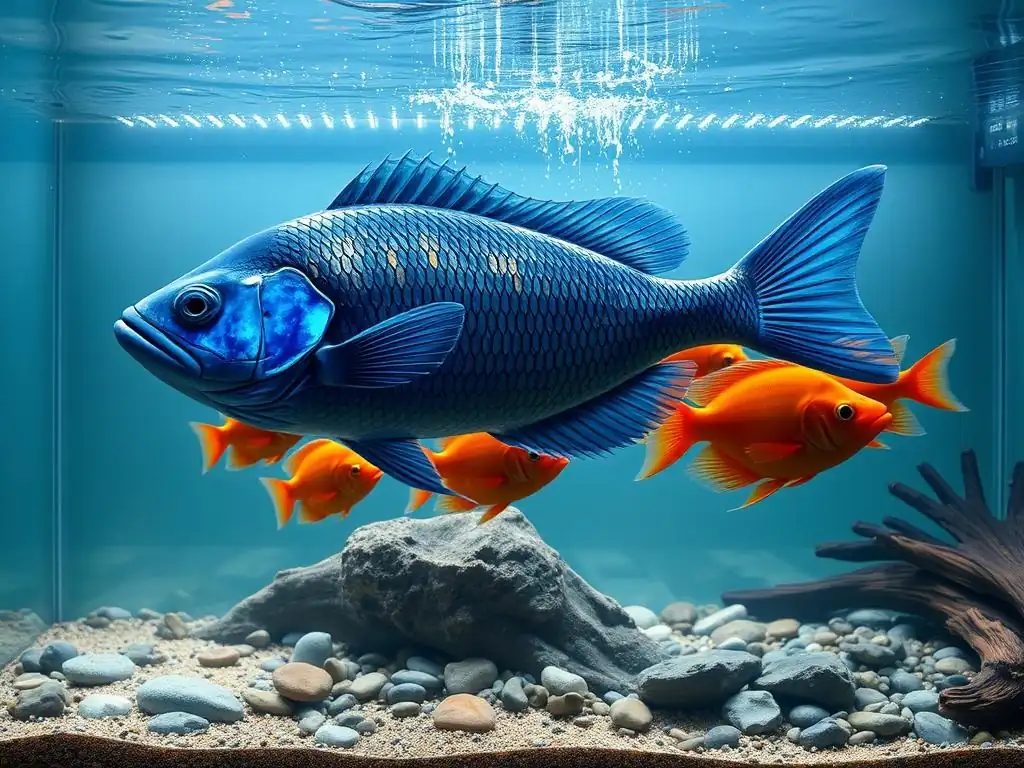
Welcome to Aquarium Mastery, fellow aquarist!
Ever wondered how to keep your Oscar and Severum tank crystal clear despite the messy habits of these amazing fish? You've come to the right place. Dive into our guide on " Oscar severum tank filtration" and unlock the secrets to pristine water and thriving monster fish. Get ready to say goodbye to cloudy water and hello to a vibrant underwater world!
- Understanding the Filtration Needs of Oscar and Severum Cichlids
- Choosing the Right Filter for Your Oscar Severum Tank
- Setting Up Your Oscar Severum Tank Filtration System
- Maintaining Optimal Filtration for Oscars and Severums
- Alternative Filtration Methods for Oscar and Severum Aquariums
- Optimizing Water Quality for Your Oscar and Severum Cichlids
-
Frequently Asked Questions
- How crucial is filtration for an Oscar and Severum aquarium?
- What type of filter is best suited for an Oscar Severum tank?
- How often should I perform water changes in an Oscar Severum tank?
- Besides filtration, what else contributes to clear water in an Oscar Severum tank?
- What signs indicate that my Oscar Severum tank's filtration is inadequate?
- Final Reflection: The Clarity of Connection
- Unlock Crystal-Clear Waters: Transform Your Monster Fish Tank Today!
Understanding the Filtration Needs of Oscar and Severum Cichlids
Why Oscars and Severums Require Robust Filtration Systems
Oscar and Severum cichlids are magnificent, intelligent fish that can bring immense joy to their keepers. However, their impressive size and active nature come with significant responsibilities, particularly concerning water quality. An adult Oscar ( Astronotus ocellatus ) can easily reach lengths of 12 to 14 inches (30-35 cm), while Severums ( Heros severus ) typically grow to 8 to 10 inches (20-25 cm). This substantial biomass means they have a high metabolic rate, consuming a considerable amount of food, which in turn leads to a large volume of waste production.
The sheer quantity of waste generated by these "monster fish" necessitates an exceptionally robust Oscar severum tank filtration system. Without powerful and efficient filtration, the water in their aquarium can rapidly degrade, leading to dangerous spikes in ammonia and nitrite. These compounds are highly toxic to fish and can cause severe health issues or even death. Furthermore, maintaining stable and pristine water parameters is crucial for their long-term well-being; Oscars and Severums can live for 10 to 15 years, and a stable environment is key to them reaching their full lifespan and exhibiting their natural vibrancy.
The Messy Nature of Large Cichlids: Bio-load Explained
The term "bio-load" refers to the total amount of organic waste produced by the inhabitants of an aquarium. For Oscar and Severum cichlids, this bio-load is exceptionally high. A single adult Oscar, for instance, can produce as much waste as a dozen or more smaller community fish like neon tetras. This waste includes solid feces, uneaten food particles, and metabolic byproducts excreted through their gills.
When these organic materials break down in the aquarium, they release ammonia, which is then converted into nitrite, and finally into nitrate through the nitrogen cycle. With the substantial bio-load from large cichlids, this process occurs at an accelerated rate. For example, a 75-gallon tank housing two adult Oscars will experience a rapid accumulation of these nitrogenous compounds. An effective Oscar severum tank filtration system must be capable of processing this heavy load efficiently to prevent the accumulation of toxins, ensuring the water remains healthy and clear for these impressive fish.
Impact of Inadequate Filtration on Oscar and Severum Health
The consequences of inadequate filtration for Oscar and Severum cichlids can be severe and often life-threatening. The most immediate danger comes from ammonia and nitrite poisoning. Symptoms of exposure to these toxins include rapid gill movement, gasping at the surface, lethargy, clamped fins, and reddish gills. Prolonged exposure can lead to irreversible organ damage and ultimately, death. Studies have shown that even low levels of ammonia (e.g., 0.25 ppm) can cause significant stress and gill irritation in cichlids.
Beyond acute toxicity, consistently high nitrate levels, even if less immediately lethal, contribute to chronic stress, weaken the fish's immune system, and make them highly susceptible to various diseases such as fin rot, bacterial infections, and the dreaded "hole-in-the-head" disease (HITH), which is often linked to poor water quality. Furthermore, an environment with insufficient Oscar severum tank filtration will lead to stunted growth, dull coloration, and a general lack of vitality, preventing these magnificent fish from thriving and displaying their natural behaviors.
Choosing the Right Filter for Your Oscar Severum Tank
Overfiltration: Is It Necessary for Oscar and Severum Cichlids?
When it comes to Oscar and Severum cichlids, the concept of "overfiltration" is less about excessive capacity and more about providing appropriate and robust filtration for their specific needs. Given their significant bio-load, simply meeting the minimum recommended filter capacity for a given tank size is often insufficient. Instead, aiming for a filtration system that provides a flow rate of 5 to 10 times the tank's volume per hour is generally considered ideal. For example, a 75-gallon Oscar severum tank would benefit from a filter system delivering between 375 to 750 gallons per hour (GPH) of actual flow.
This seemingly "excessive" capacity serves as a crucial buffer. It allows the filtration system to effectively manage sudden increases in waste (e.g., from an extra feeding or a particularly messy day), provides more surface area for beneficial bacteria, and ensures rapid removal of particulates, leading to more stable water parameters. This stability significantly reduces stress on the fish, promotes clearer water, and allows for slightly less frequent deep cleaning of the filter media, while still maintaining optimal water quality for these demanding species.
Types of Aquarium Filters Suitable for Large Cichlids
Canister Filters: Pros and Cons for Oscar and Severum Tanks
Canister filters are widely regarded as one of the best choices for Oscar severum tank filtration due to their high capacity for filter media and powerful flow rates. These external filters sit below or beside the aquarium, drawing water out, pushing it through multiple stages of filtration media (mechanical, biological, and chemical), and then returning clean water to the tank. Their sealed design makes them quiet and efficient, and they don't take up space inside the aquarium itself, which is a significant advantage for large fish that need ample swimming room.
However, canister filters do have some drawbacks. They typically have a higher initial cost compared to other filter types, and their setup and maintenance can be slightly more complex, involving hoses and proper sealing to prevent leaks. Despite this, the benefits of superior water clarity, high biological filtration capacity (e.g., a Fluval FX6 can handle tanks up to 400 gallons with a flow rate of 925 GPH), and powerful mechanical filtration often outweigh these cons, making them a cornerstone of effective large cichlid husbandry.
Sump Filters: Maximizing Filtration Capacity for Monster Fish
Sump filters represent the pinnacle of filtration capacity and customization for large aquariums, making them an excellent choice for very large Oscar severum tanks, typically 120 gallons and up. A sump is essentially a secondary, smaller aquarium located beneath the main display tank. Water overflows from the main tank into the sump, where it passes through various media chambers before being pumped back up to the display tank. This setup allows for an enormous volume of mechanical, biological, and chemical media, far exceeding what a canister filter can hold.
The advantages of sumps include unparalleled biological filtration due to massive surface area for beneficial bacteria, excellent gas exchange, and the ability to hide heaters, pumps, and other equipment out of sight. They also make it easy to perform maintenance on filter media without disturbing the main tank. The primary disadvantages are their complexity: they require drilling the main tank (or using an external overflow box), intricate plumbing, and a higher initial investment. Evaporation from the open sump can also be significant, requiring regular top-offs.
Hang-On-Back (HOB) Filters: Are They Enough for Oscars and Severums?
Hang-On-Back (HOB) filters are popular for their affordability, ease of setup, and simplicity. They hang on the back rim of the aquarium, drawing water from the tank, passing it through a small filter cartridge or media basket, and returning it as a waterfall-like flow. While HOBs can provide decent filtration for smaller, less demanding fish, they are generally not sufficient as the sole filtration system for adult Oscar and Severum cichlids in appropriately sized tanks.
The main limitations of HOB filters for large cichlids are their restricted media volume and typically lower flow rates compared to canister or sump filters. A single large HOB might be adequate for a 30-gallon grow-out tank for a juvenile Oscar, but it will quickly become overwhelmed by the bio-load of an adult in a 75-gallon or larger tank. While they can be used as supplementary filtration alongside a powerful canister or sump to enhance mechanical filtration or water circulation, relying solely on HOBs for an Oscar severum tank filtration system will almost inevitably lead to water quality issues.
Filter Size and Flow Rate: Calculating Your Oscar Severum Tank's Needs
Determining the appropriate filter size and flow rate for an Oscar severum tank is crucial for maintaining pristine water quality. A commonly accepted guideline for high bio-load tanks is to aim for a filter system that can process the entire tank volume 5 to 10 times per hour. For instance, if you have a 75-gallon aquarium, your filtration system should ideally have a combined actual flow rate of 375 GPH (gallons per hour) to 750 GPH. For a larger 125-gallon tank, this would mean a target of 625 GPH to 1250 GPH.
It's important to note that the advertised GPH on filter packaging is often a "pump rating" and doesn't account for the reduction in flow caused by filter media, head pressure (for sumps), or even dirty media. Therefore, it's wise to select a filter with a pump rating that slightly exceeds your calculated needs to ensure adequate actual flow. Many experienced aquarists opt for multiple filters (e.g., two large canister filters or a powerful canister combined with a large HOB) to achieve the necessary flow and provide redundancy, ensuring robust Oscar severum tank filtration.
Setting Up Your Oscar Severum Tank Filtration System
Essential Filtration Components: Mechanical, Biological, and Chemical
A truly effective Oscar severum tank filtration system relies on the synergistic action of three distinct types of filtration: mechanical, biological, and chemical. Each component plays a vital role in removing different types of pollutants and maintaining overall water quality. Neglecting any one of these aspects can compromise the entire system and lead to health issues for your cichlids.
Mechanical filtration physically removes solid waste particles, keeping the water clear. Biological filtration, the cornerstone of a healthy aquarium, processes toxic nitrogenous compounds. Chemical filtration targets dissolved pollutants, odors, and discolorations. For high bio-load fish like Oscars and Severums, ensuring robust components for all three types of filtration is not merely optional but absolutely essential for their long-term health and vitality.
Mechanical Filtration: Removing Particulate Matter in Oscar Severum Tanks
Mechanical filtration is the first line of defense in an Oscar severum tank filtration system, responsible for physically removing suspended particulate matter from the water column. This includes uneaten food, fish waste, and other debris that can cloud the water and, if left to decompose, contribute to the organic load. Common mechanical filter media include various grades of sponges (coarse, medium, fine), filter floss, and filter socks (especially in sumps).
The importance of efficient mechanical filtration cannot be overstated. By capturing solid waste before it breaks down, it reduces the burden on the biological filter and prevents the accumulation of detritus. Regular cleaning or replacement of mechanical media (e.g., rinsing sponges weekly or bi-weekly in old tank water, replacing filter floss weekly) is crucial. If mechanical media becomes clogged, it can impede water flow through the entire filter, reducing the efficiency of biological and chemical filtration and leading to rapid water quality degradation.
Biological Filtration: Establishing a Healthy Nitrogen Cycle
Biological filtration is the absolute cornerstone of any successful Oscar severum tank filtration system. Its primary purpose is to facilitate the nitrogen cycle, a natural process where beneficial bacteria convert highly toxic ammonia (produced by fish waste and decaying organic matter) into less toxic nitrite, and then into even less harmful nitrate. Without a robust biological filter, ammonia and nitrite levels would quickly skyrocket, poisoning the fish.
This essential filtration relies on specialized media that provides a vast surface area for colonies of nitrifying bacteria (primarily Nitrosomonas and Nitrobacter) to colonize and thrive. Examples of excellent biological media include ceramic rings, bio-balls, sintered glass media (like Seachem Matrix), and lava rock. When setting up a new tank, it is paramount to "cycle" the aquarium, allowing these bacterial colonies to establish themselves before introducing fish. This process can take several weeks but is non-negotiable for the health and safety of your Oscars and Severums.
Chemical Filtration: Controlling Water Parameters in Cichlid Aquariums
Chemical filtration plays a vital supporting role in Oscar severum tank filtration by removing dissolved organic compounds, odors, discolorations, and specific toxins that mechanical and biological filtration might miss. While not as critical as biological filtration, it significantly contributes to crystal clear water and overall water quality. The most common chemical filter media is activated carbon, which adsorbs a wide range of dissolved pollutants and improves water clarity.
Other highly effective chemical media include Purigen, a synthetic adsorbent resin that removes nitrogenous organic waste and polishes water to an exceptional degree, and zeolite, which can temporarily remove ammonia during emergencies or tank cycling. It's important to note that activated carbon becomes saturated over time and must be replaced regularly, typically every 3-4 weeks, as it can start to leach adsorbed pollutants back into the water once exhausted. Purigen, on the other hand, is regenerable, offering a more sustainable long-term solution.
Filter Media Selection: Optimizing Water Quality for Oscars and Severums
Optimizing your filter media selection is key to maximizing the efficiency of your Oscar severum tank filtration system. Each type of media serves a specific function, and choosing the right ones can make a significant difference in water clarity and overall water parameters. For high bio-load cichlids, it's not just about having media, but having the right media in sufficient quantities and arranged correctly within your filter.
A balanced approach involves layering media to ensure effective progression from mechanical to biological to chemical filtration. This prevents clogging of finer media and ensures optimal conditions for beneficial bacteria. Investing in quality media designed for high-performance filtration will pay dividends in the health and vibrancy of your Oscars and Severums.
Choosing the Right Filter Media for Mechanical Filtration
For mechanical filtration in an Oscar severum tank, a multi-layered approach is most effective. Start with coarse sponges, typically around 20-30 PPI (pores per inch), to trap larger debris. Follow this with medium-density sponges (30-45 PPI) to capture finer particles. Finally, a layer of fine filter floss or a very fine sponge (45-60 PPI) can "polish" the water, removing even the smallest suspended particles and achieving exceptional clarity.
In sump systems, filter socks (typically 100-200 micron) are incredibly efficient at capturing fine particulates directly from the overflow. The key with mechanical media is regular maintenance. Sponges should be rinsed weekly or bi-weekly in old tank water to prevent clogging and preserve any beneficial bacteria that may have colonized them. Filter floss, being very dense, traps a lot of waste quickly and often needs to be replaced weekly to maintain flow and effectiveness.
Choosing the Right Filter Media for Biological Filtration
The selection of biological filter media is paramount for establishing a robust nitrogen cycle in an Oscar severum tank. The best biological media are characterized by their extremely high surface area and porous structure, which provide ample space for nitrifying bacteria to colonize. Examples include ceramic rings, bio-balls, and highly porous sintered glass or ceramic media like Seachem Matrix or Eheim Substrat Pro. A single cubic inch of high-quality biological media can provide thousands of square feet of microscopic surface area, far exceeding simple gravel.
When arranging biological media in your filter, it should always be placed after mechanical filtration. This prevents solid waste from clogging the pores of the biological media, ensuring optimal water flow and maximum colonization by beneficial bacteria. While biological media rarely needs to be cleaned, if flow is significantly impeded, it should only be gently rinsed in old tank water from a water change to avoid killing the crucial bacterial colonies.
Choosing the Right Filter Media for Chemical Filtration
For chemical filtration in Oscar severum tanks, activated carbon is a common choice for its ability to remove odors, discolorations, and dissolved organic compounds. However, it saturates quickly and needs to be replaced every 3-4 weeks; otherwise, it can start to leach pollutants back into the water. A more advanced and often preferred option for high-bio load tanks is Purigen. This synthetic adsorbent resin is incredibly efficient at removing nitrogenous organic waste, leading to exceptionally clear water and stable parameters. Unlike carbon, Purigen can be regenerated multiple times, making it a cost-effective long-term solution.
Zeolite is another chemical media that can be useful, particularly for emergency ammonia removal during a tank cycle or an unexpected ammonia spike. However, it's not a long-term solution as it also saturates and needs replacement or regeneration. When using chemical media, ensure it is placed in a mesh bag within the filter to prevent it from scattering and to facilitate easy removal or replacement.
Filter Placement and Setup: Maximizing Efficiency
Proper filter placement and setup are crucial for maximizing the efficiency of your Oscar severum tank filtration system and ensuring optimal water circulation throughout the aquarium. For canister filters, the unit should be placed below the tank, typically in the aquarium stand. Position the intake tube near the bottom of one end of the tank to draw in heavy waste, and the output (spray bar or nozzle) near the top at the opposite end. This creates a strong, consistent flow that circulates water effectively, preventing dead spots where detritus can accumulate.
Sump filters require a more complex setup, involving an overflow system from the main tank to the sump and a return pump to send filtered water back. Ensure all plumbing is secure and leak-free. For Hang-On-Back (HOB) filters, ensure the intake tube reaches close to the bottom of the tank to maximize the capture of waste.
Regardless of the filter type, regularly check hoses, connections, and media baskets for proper seating and to ensure there are no obstructions that could reduce flow. Proper flow distribution, often achieved with spray bars, ensures that all areas of the tank benefit from the filtered water and aids in aeration.
Maintaining Optimal Filtration for Oscars and Severums
Regular Filter Maintenance: Cleaning Schedules and Procedures
Regular filter maintenance is non-negotiable for sustaining the effectiveness of your Oscar severum tank filtration. Neglecting filter cleaning can lead to reduced flow, clogged media, and ultimately, a breakdown in water quality. Mechanical media, such as sponges and filter floss, require the most frequent attention. Sponges should be rinsed in old tank water (never tap water, which can kill beneficial bacteria) weekly or bi-weekly to remove trapped detritus. Filter floss or pads, which typically capture the finest particles, often need to be replaced weekly as they become saturated quickly.
Biological media, conversely, should be disturbed as little as possible. Only clean biological media if flow is significantly impeded, and always do so by gently swishing it in old tank water from a water change, perhaps every 2-3 months. Chemical media like activated carbon needs regular replacement, usually every 3-4 weeks, as it becomes exhausted. If using regenerable media like Purigen, follow the manufacturer's instructions for regeneration when it changes color. Additionally, monthly cleaning of the filter's impeller and housing is vital to prevent blockages from slime or debris, ensuring consistent flow rates and extending the filter's lifespan.
Water Changes: A Vital Component of Oscar and Severum Tank Health
While robust Oscar severum tank filtration is essential, it's crucial to understand that no filter, no matter how powerful, can entirely replace the necessity of regular, substantial water changes. Filters effectively remove ammonia and nitrite by converting them to nitrate, and they capture solid waste. However, nitrates, while less toxic than ammonia or nitrite, still accumulate over time and can become harmful at high concentrations (ideally below 20 ppm, certainly below 40 ppm).
For high bio-load fish like Oscars and Severums, weekly water changes are often a minimum requirement. For a 75-gallon tank housing adult Oscars, a 25-50% weekly water change (19-38 gallons) is commonly recommended to dilute nitrates and replenish essential minerals. These large, consistent water changes are the most effective method for physically removing accumulated nitrates and other dissolved organic compounds, ensuring a healthy and stable environment that promotes the long-term well-being and vibrant coloration of your cichlids.
Monitoring Water Parameters: Testing and Adjusting for Optimal Conditions
Consistent monitoring of water parameters is a critical aspect of maintaining optimal Oscar severum tank filtration and overall aquarium health. Regular testing allows you to assess the effectiveness of your filtration system and identify potential issues before they escalate. The essential parameters to test weekly, especially before a water change, include ammonia, nitrite, nitrate, and pH.
For a healthy, cycled tank, ammonia and nitrite levels should always be 0 ppm. Nitrates should ideally be kept below 20 ppm, with a maximum acceptable level of 40 ppm for these species.
While Oscars and Severums can tolerate a range of pH (Oscars generally prefer 6.5-7.5, Severums 6.0-7.0), stability is far more important than hitting an exact number; a stable pH between 6.8-7.2 is often a good compromise. If tests reveal elevated ammonia or nitrite, or rapidly rising nitrates, it indicates an issue with your Oscar severum tank filtration or maintenance routine, prompting immediate action such as increased water changes or filter inspection.
Troubleshooting Common Filtration Issues in Oscar Severum Tanks
Even with a well-designed Oscar severum tank filtration system, issues can occasionally arise. Knowing how to troubleshoot common problems can save your fish and your sanity. Timely intervention is key to preventing minor issues from becoming major health crises.
Cloudy Water: Causes and Solutions
Cloudy water in an Oscar severum tank can be unsettling and is often an indicator of a filtration problem or an imbalance in the aquarium. One common cause is a bacterial bloom, often seen in new tanks or after a significant disturbance to the biological filter; this usually appears as a milky white cloudiness and typically resolves on its own within a few days if the tank is properly cycled and not overfed. Another frequent cause is insufficient mechanical filtration, leading to an abundance of suspended particulate matter; this often appears as a physical cloudiness.
Solutions depend on the cause. For bacterial blooms, reduce feeding, ensure proper cycling, and perform small, regular water changes. For particulate cloudiness, increase the frequency of mechanical filter cleaning (e.g., rinsing sponges or replacing filter floss more often), or consider adding finer mechanical media. Overfeeding is a common culprit for both types of cloudiness, as excess food decays and contributes to the organic load, so always feed sparingly.
High Nitrate Levels: Prevention and Treatment
High nitrate levels are a chronic issue in many Oscar severum tanks and signal that while the nitrogen cycle is converting ammonia and nitrite, the end product (nitrate) is accumulating too rapidly. The primary causes are typically overfeeding, overcrowding, insufficient biological filtration, and, most commonly, inadequate or infrequent water changes. While fish can tolerate higher nitrate levels than ammonia or nitrite, sustained levels above 40 ppm can lead to chronic stress, weakened immune systems, and susceptibility to diseases.
Prevention is centered around consistent, large water changes (e.g., 50% weekly for an adult Oscar severum tank), proper stocking levels (avoiding overcrowding), and ensuring your biological filtration has ample surface area for bacteria. Treatment for existing high nitrate levels involves immediate, substantial water changes (50-75%) to dilute the concentration. Following this, reassess your feeding habits, check your filter media for cleanliness and effectiveness, and commit to a more rigorous water change schedule. Adding live plants that consume nitrates can also help supplement your Oscar severum tank filtration.
Alternative Filtration Methods for Oscar and Severum Aquariums
Undergravel Filters: A Viable Option for Large Cichlids?
Undergravel filters (UGFs) were once a staple in the aquarium hobby, providing biological filtration by drawing water through the gravel substrate, where beneficial bacteria colonize. While they are simple and inexpensive, they are generally not considered a viable or recommended option for Oscar severum tank filtration, especially for adult specimens.
The primary drawback of UGFs for large cichlids is their propensity to clog quickly with the significant amount of waste these fish produce. Once clogged, they become inefficient and difficult to clean without completely dismantling the substrate, which is highly disruptive. Furthermore, Oscars and Severums are notorious diggers, often uprooting plants and moving substrate, which can expose the filter plates and compromise the UGF's effectiveness. While they provide some biological filtration, superior and more easily maintained options exist for managing the heavy bio-load of monster fish.
Protein Skimmers: Can They Benefit Freshwater Cichlid Tanks?
Protein skimmers are highly effective filtration devices widely used in saltwater aquariums to remove dissolved organic compounds (DOCs) before they break down into nitrates and phosphates. They work by creating fine bubbles to which DOCs adhere, forming a foam that is then collected and removed. While incredibly efficient in marine environments, their utility in freshwater Oscar severum tank filtration is significantly limited.
The effectiveness of protein skimmers is highly dependent on the water's salinity and surface tension, which are different in freshwater. Consequently, freshwater protein skimmers are much less efficient at generating the fine foam necessary to effectively remove DOCs.
While some specialized freshwater skimmers exist and can remove some organic material, their performance often does not justify their cost, size, and potential noise compared to the robust mechanical, biological, and chemical filtration provided by high-capacity canister filters or sumps. For most freshwater cichlid setups, a powerful conventional filtration system combined with regular water changes remains the most effective strategy for managing DOCs.
Using Live Plants to Supplement Filtration in Oscar and Severum Tanks
While Oscars and Severums are known for being destructive to aquarium décor, including plants, using live plants can still be a beneficial supplement to your Oscar severum tank filtration system, primarily by absorbing nitrates and other nutrients from the water. Plants directly utilize nitrates as a food source, effectively competing with algae and helping to keep nitrate levels lower, which is particularly useful in high bio-load tanks.
However, choosing the right plants is critical. Most delicate plants will not survive the digging and uprooting habits of these cichlids. Robust, fast-growing plants that can be anchored to decor or allowed to float are the best choices.
Examples include Anubias species (which can be tied to driftwood or rocks), Java Fern, and large, well-rooted Amazon Swords (if the substrate is deep and stable). Floating plants like Water Lettuce or Hornwort can also be highly effective at nutrient absorption. While plants offer a natural aesthetic and contribute to water quality, they should always be considered a supplement and never a replacement for a powerful mechanical, biological, and chemical filtration system for these large, messy fish.
Optimizing Water Quality for Your Oscar and Severum Cichlids
Achieving Crystal Clear Water: Tips and Tricks
Achieving and maintaining crystal clear water in an Oscar severum tank is a hallmark of excellent husbandry and effective filtration. Beyond just aesthetics, clear water indicates a healthy environment with minimal suspended particulates and dissolved organic compounds. The primary tip for clarity is robust mechanical filtration. Regularly clean or replace your mechanical filter media (sponges, floss, socks) to physically remove all suspended debris before it can cloud the water or break down.
Secondly, utilize chemical filtration, particularly activated carbon or Purigen. Activated carbon excels at removing discolorations and odors, while Purigen polishes the water to an exceptional degree, removing microscopic impurities. Thirdly, avoid overfeeding; excess food decays rapidly, contributing to cloudiness and organic load. Finally, ensure good water circulation throughout the tank using spray bars or multiple filter outputs. This prevents dead spots where waste can settle and decompose, keeping particles suspended for the filter to capture.
Maintaining Stable Water Parameters: pH, Ammonia, Nitrite, and Nitrate
Maintaining stable water parameters is paramount for the long-term health and well-being of Oscar and Severum cichlids. While these fish can tolerate a range of conditions, stability is more critical than hitting exact numbers. Sudden fluctuations in pH, temperature, or nitrogenous compounds can cause severe stress and lead to illness. Ammonia and nitrite levels must consistently remain at 0 ppm; any detectable amount indicates a problem with your Oscar severum tank filtration or an overloaded biological filter, requiring immediate attention.
Nitrate levels should ideally be kept below 20 ppm, with a maximum acceptable level of 40 ppm. Regular, substantial water changes are the primary method for controlling nitrates. For pH, aim for a stable range between 6.5 and 7.5. Test your source water to understand its natural parameters and avoid chasing specific pH numbers with chemicals, as this often leads to dangerous instability. Consistent weekly testing allows you to monitor these parameters and make timely adjustments to your maintenance routine.
The Importance of Water Chemistry for Oscar and Severum Health and Coloration.
The water chemistry within an Oscar severum tank is arguably the single most important factor influencing their health, vibrancy, and longevity. A well-maintained, stable water environment directly translates into reduced stress, a robust immune system, and a significantly lower susceptibility to common aquarium diseases. Fish living in pristine water are less prone to fin rot, bacterial infections, and other ailments often triggered by chronic exposure to pollutants.
Furthermore, optimal water conditions play a crucial role in showcasing the stunning coloration of these cichlids. Oscars, for example, will display their most vivid orange and black patterns, and Severums their rich greens and reds, when their environment is clean and stable. Poor water quality, even if not immediately lethal, will lead to dull, faded colors, lethargy, and stunted growth. A dedicated approach to Oscar severum tank filtration and water chemistry ensures that these magnificent fish not only survive but truly thrive, living out their full lifespan of 10-15 years with brilliant health and striking beauty.
Frequently Asked Questions
How crucial is filtration for an Oscar and Severum aquarium?
Extremely crucial! Oscars and Severums are large, messy fish that produce a lot of waste. Effective filtration is essential for maintaining water quality and preventing toxic build-up.
What type of filter is best suited for an Oscar Severum tank?
Canister filters are generally recommended due to their high flow rates and large capacity for biological filtration. Sumps are also a great choice for even greater filtration capacity.
How often should I perform water changes in an Oscar Severum tank?
Regular water changes are vital. Aim for 25-50% water changes weekly, depending on the bio-load and filter performance.
Besides filtration, what else contributes to clear water in an Oscar Severum tank?
Good aquarium maintenance practices, such as gravel vacuuming and regular cleaning, are important. Also, avoiding overfeeding helps to reduce waste production.
What signs indicate that my Oscar Severum tank's filtration is inadequate?
Signs include cloudy water, high levels of ammonia or nitrites, and lethargic fish. Also, excessive algae growth can be a telltale sign of poor water quality.
Final Reflection: The Clarity of Connection
The journey to a crystal-clear Oscar and Severum tank, as we've explored, is more than just about filtration; it's about understanding the delicate balance of a thriving ecosystem. The principles of effective filtration, from mechanical to biological, resonate far beyond the glass walls of an aquarium, mirroring the need for careful management and proactive maintenance in any complex system.
The impact of understanding and implementing proper filtration extends beyond aesthetics. It's about the well-being of our aquatic companions and the responsibility we bear as their caretakers. The dedication to maintaining a healthy environment reflects a deeper commitment to the interconnectedness of life. The best aquarium is not just a display of fish, but a miniature ecosystem where all the inhabitants thrive.
This sentiment underscores the importance of thoughtful planning and consistent effort in creating a truly sustainable environment.
Now, as you look upon your own Oscar and Severum tank, consider the lessons learned. Let the clarity you achieve within its confines inspire you to seek clarity in other aspects of your life. Reflect on the importance of balance, the power of proactive maintenance, and the profound impact of responsible stewardship. Strive to create environments, both literal and metaphorical, where all can thrive.
Unlock Crystal-Clear Waters: Transform Your Monster Fish Tank Today!
Thank you for diving into the world of monster fish filtration! We hope you’ve discovered practical strategies for maintaining a healthy and vibrant aquarium. Now, it's time to take action and create the pristine environment your aquatic giants deserve.
Here are a few things you can do right now:
- Implement a weekly 25% water change in your Oscar or Severum tank – the key to reducing nitrates and keeping your water sparkling!
- Explore alternative filtration methods like adding floating plants to naturally absorb excess nutrients and create a more dynamic ecosystem.
- Share your own monster fish filtration successes and challenges with fellow hobbyists in our Aquarium Mastery community forum!
What surprising filtration hack have you found most effective for keeping your monster fish tank clean and healthy?