
Foreground Focus: Choosing the Ideal Carpeting Plant for Your Vision

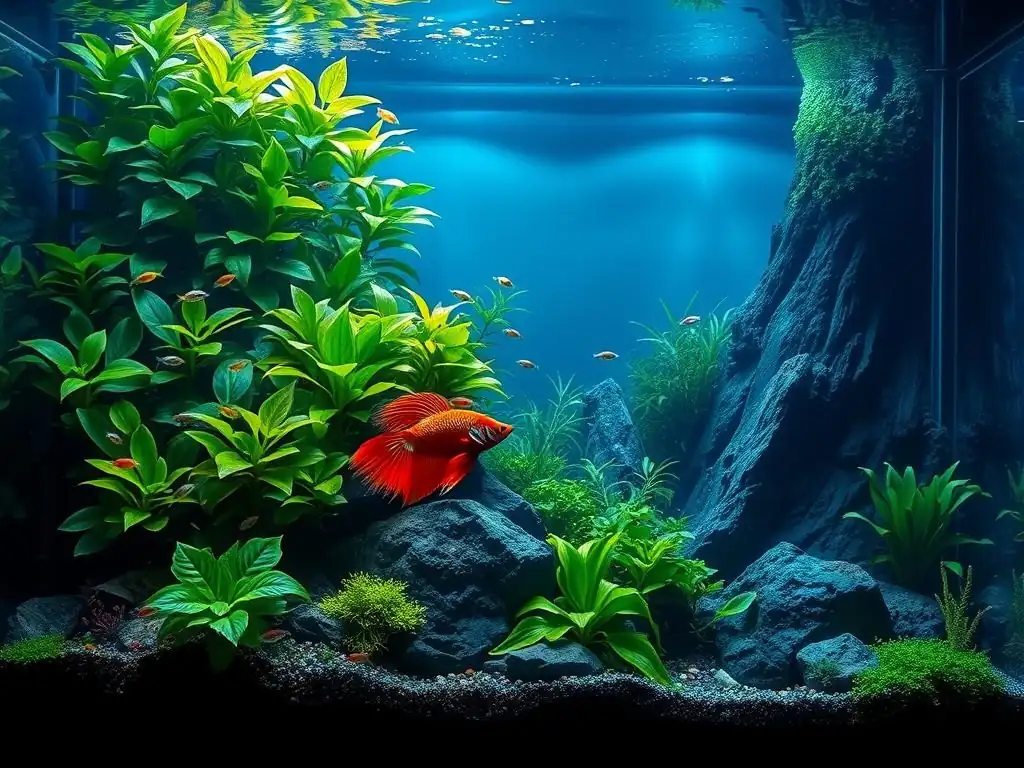
Welcome to Aquarium Mastery! Ever dreamt of a lush, vibrant carpet of green rippling across the bottom of your aquarium? Achieving that stunning visual is within reach, but choosing the right carpeting plant is key. Are you ready to unlock the secrets of carpeting plants aquarium lighting and create a breathtaking underwater landscape? Dive in and discover which species thrives in your tank, and how to ensure they flourish!
The Crucial Role of Carpeting Plants Aquarium Lighting
The success of a lush, vibrant carpet in your freshwater aquarium hinges significantly on the quality and intensity of your carpeting plants aquarium lighting. Light is the primary energy source for photosynthesis, the process by which plants convert light energy into chemical energy for growth. Without adequate and appropriate illumination, even the most robust carpeting species will struggle, exhibiting slow growth, pale coloration, or even melting away. This is particularly true for many popular carpeting plants, which are often high-light demanding species evolved to thrive in environments with unimpeded light penetration.
Therefore, understanding the nuances of carpeting plants aquarium lighting is not just an added benefit but a fundamental requirement for achieving that dense, verdant foreground. Insufficient lighting leads to elongated, leggy growth as plants stretch to reach the light, a phenomenon known as etiolation, which severely compromises the desired compact carpet appearance. Conversely, too much light without proper CO2 and nutrient balance can trigger rampant algae growth, outcompeting and smothering your delicate carpet. Balancing these factors is key to cultivating a healthy and aesthetically pleasing planted foreground.
PAR (Photosynthetically Active Radiation) Explained for Carpet Growth
PAR, or Photosynthetically Active Radiation, quantifies the amount of light within the visible spectrum (400 to 700 nanometers) that plants use for photosynthesis. Unlike lumens or watts, PAR directly measures the light energy available to plants, making it the most accurate metric for assessing carpeting plants aquarium lighting effectiveness.
A PAR meter can provide precise readings at different depths within your aquarium, helping you optimize light placement and intensity for your specific carpeting species. For instance, a low-light carpet like Marsilea hirsuta might thrive with 20-30 PAR at the substrate, while demanding species like Glossostigma elatinoides or Hemianthus callitrichoides 'Cuba' often require 60-100+ PAR to achieve dense growth.
Understanding the PAR requirement of your chosen carpeting plant is crucial for selecting the right lighting fixture and setting its intensity. For most high-tech, dense carpets, a PAR value of 50-70 µmol/m²/s at the substrate level is generally considered a good starting point, with some highly demanding plants benefiting from values up to 100 µmol/m²/s. Lower light plants, like certain cryptocorynes that can form a low carpet, might only need 15-30 µmol/m²/s. Without sufficient PAR, plants will not photosynthesize efficiently, leading to stunted growth and a failure to spread laterally and form a tight carpet.
Lighting Spectrum and Its Impact on Plant Color and Health
Beyond intensity, the spectral composition of your carpeting plants aquarium lighting significantly influences plant health, growth rates, and even the vibrancy of their colors. Chlorophyll, the primary pigment in plants, absorbs light most efficiently in the blue (430-470 nm) and red (620-670 nm) regions of the spectrum. Blue light promotes compact, bushy growth and helps regulate stomatal opening, crucial for CO2 uptake.
Red light, on the other hand, is vital for stem elongation, flowering (though less relevant for vegetative carpeting plants), and overall biomass production. A balanced spectrum, often including some green light (which penetrates water deeper and reflects off leaves, making plants appear more vibrant to the human eye), is ideal for comprehensive plant development.
Many modern LED fixtures designed for planted aquariums offer a full spectrum, incorporating a blend of red, blue, green, and white LEDs to mimic natural sunlight and optimize plant growth. For example, a spectrum rich in blue light can enhance the reddish hues in certain Rotala species used as carpeting accents, while a balanced red-blue ratio ensures robust overall growth.
Some aquarists observe that too much blue light can sometimes lead to excessive algae growth if not properly managed, whereas an overabundance of red light might encourage more vertical growth than desired for a tight carpet. Therefore, selecting a light with an adjustable or well-balanced spectrum allows aquarists to fine-tune the environment for optimal carpeting plant health and aesthetic appeal.
LED Lighting Options for Carpeting Plants: A Detailed Comparison
LED (Light Emitting Diode) lighting has become the dominant choice for carpeting plants aquarium lighting due to its energy efficiency, longevity, and superior control over intensity and spectrum. Entry-level LED fixtures, often priced around $50-$100 for a standard 20-gallon tank, typically provide sufficient light for low to medium-light carpeting plants like Monte Carlo or Marsilea hirsuta, offering PAR values of 30-50 µmol/m²/s at the substrate. These units are usually non-programmable but offer a cost-effective way to get started with planted aquariums. However, they may lack the intensity or spectral range required for demanding high-tech carpets.
For enthusiasts aiming for dense carpets of high-light demanding species such as Glossostigma elatinoides or Hemianthus callitrichoides 'Cuba', investing in high-end, programmable LED fixtures is often necessary. Brands like Chihiros, Twinstar, or ADA offer fixtures in the $150-$400+ range that provide PAR values exceeding 70-100 µmol/m²/s at the substrate.
These advanced units often feature app control, allowing users to customize light intensity, spectral mix (e.g., specific red, green, blue channels), and even simulate sunrise/sunset cycles, which can reduce plant stress and algae growth. While the initial investment is higher, the precise control and powerful output of these LED systems are crucial for achieving the vibrant, compact growth characteristic of a successful high-tech carpeting setup.
- What is a carpeting plant and why are they popular in aquariums?
- What type of aquarium lighting is necessary for carpeting plants to thrive?
- How does water chemistry impact the growth of carpeting plants?
- What are some common challenges when growing carpeting plants and how can they be overcome?
- Besides lighting, what other factors are important for establishing a healthy carpet of plants?
Frequently Asked Questions
What is a carpeting plant and why are they popular in aquariums?
Carpeting plants are low-growing plants that spread horizontally across the aquarium substrate, creating a lush, grassy effect. They are popular because they enhance the aesthetic appeal and provide hiding places for smaller fish and invertebrates.
What type of aquarium lighting is necessary for carpeting plants to thrive?
Carpeting plants typically require moderate to high intensity lighting to perform photosynthesis effectively. The specific lighting requirements will vary depending on the plant species, but generally, LED or T5 HO lighting systems are recommended.
How does water chemistry impact the growth of carpeting plants?
Maintaining stable water parameters is crucial for the health of carpeting plants. Factors like pH, KH (carbonate hardness), and nutrient levels (nitrates, phosphates) need to be within the optimal range for the specific species.
What are some common challenges when growing carpeting plants and how can they be overcome?
Common challenges include algae growth, insufficient CO2 levels, and nutrient deficiencies. These can be addressed by controlling algae through proper lighting and water changes, supplementing with CO2 injection, and dosing with fertilizers.
Besides lighting, what other factors are important for establishing a healthy carpet of plants?
Substrate type and CO2 availability are crucial. Using a nutrient-rich substrate provides essential nutrients, while supplementing with CO2 injection significantly improves plant growth and density.
Okay, here's a final reflection crafted to fit your article "Foreground Focus: Choosing the Ideal Carpeting Plant for Your Vision," targeting the keyword "Carpeting plants aquarium lighting," and adhering to the structure you provided.
Final Reflection: Illuminating the Substrate
The journey of selecting the perfect carpeting plant for your aquarium is more than just aesthetics; it's about creating a thriving ecosystem. Understanding the interplay between carpeting plants and aquarium lighting is crucial for success, and the choices we make today directly impact the long-term health and beauty of our underwater worlds. This knowledge empowers aquascapers to move beyond mere decoration and cultivate truly sustainable and visually stunning environments.
This exploration into the world of carpeting plants and their lighting needs has highlighted the delicate balance required for a flourishing aquarium. The dedication and patience required to nurture these miniature landscapes mirrors the care we should extend to the larger environment. The best time to plant a tree was 20 years ago. The second best time is now.
This ancient proverb resonates deeply, reminding us that the time to cultivate beauty and balance in our aquariums, and indeed in our lives, is always present.
Now, armed with this knowledge, I encourage you to reflect on your own aquascaping vision. Consider the light, the substrate, and the unique needs of your chosen carpeting plants. Let this article be a springboard for your own experimentation and discovery. Embrace the challenge, nurture the growth, and illuminate your substrate with the beauty of a thriving underwater carpet.
Cultivate Your Underwater Paradise: Begin Planting Today!
Thank you for exploring the world of carpeting plants with us! We hope this article has provided you with the insights you need to select the perfect foreground foliage for your aquascape. Now, let's put that knowledge into action and bring your underwater vision to life!
Here are a few ways to get started:
- Begin planning your aquascape now! Choose the carpeting plant that resonates most with your aesthetic vision and tank requirements.
- Explore the lesser-known varieties discussed. Consider a Dwarf Hairgrass or a Monte Carlo to add unexpected textures and colors to your tank.
- Share your planned aquascape design and carpeting plant choice with our community. Let's learn from each other and create stunning underwater masterpieces together!
What unexpected carpeting plant are you most excited to experiment with in your next aquascape?