
The Many Faces of Ancistrus: Exploring Different Bristlenose Color Morphs & Varieties

Welcome to Aquarium Mastery!
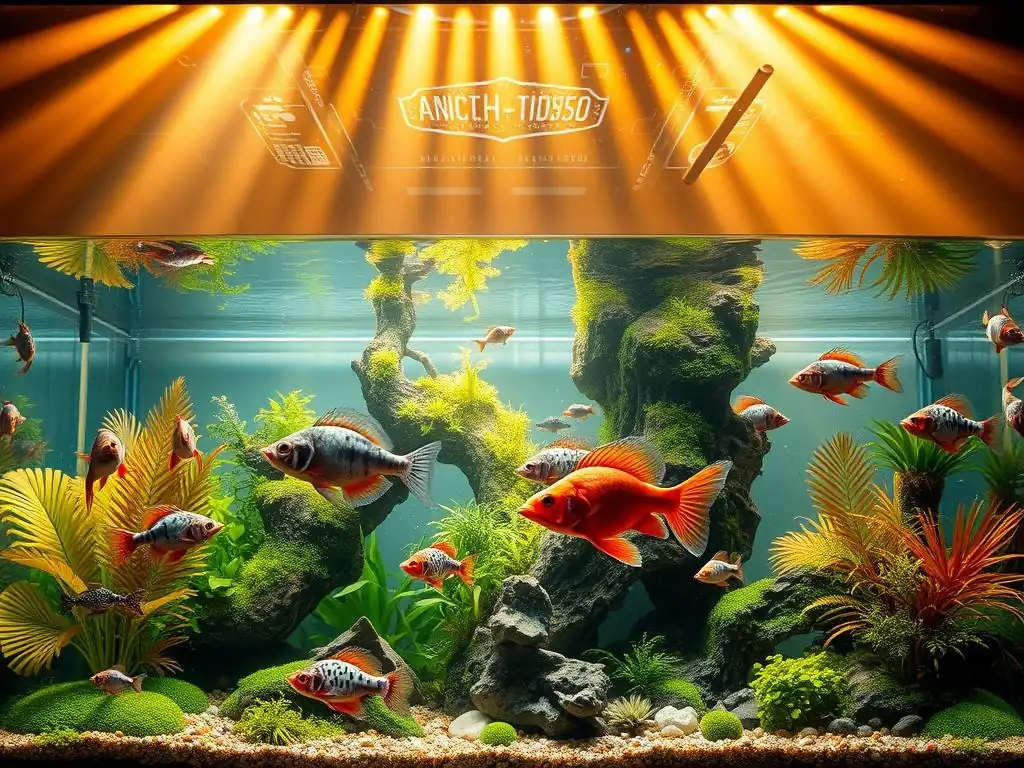
Ever wondered just how diverse the world of Bristlenose catfish can be? Dive into the fascinating realm of Bristlenose catfish color morphs and discover the stunning array of varieties that can bring a splash of unique beauty to your freshwater aquarium. Prepare to be amazed by the vibrant hues and intricate patterns waiting to be uncovered – and learn how to best care for these captivating algae eaters! Curious to see what awaits? Keep reading!
- Understanding Bristlenose Catfish Color Variations
-
Common Bristlenose Catfish Color Morphs: A Visual Guide
- The Classic Brown Bristlenose Catfish ( Ancistrus cirrhosus)
- Albino Bristlenose Catfish: A Pale Beauty
- Calico Bristlenose Catfish: Patches of Color
- Lemon Bristlenose Catfish: A Vibrant Yellow Hue
- Red Bristlenose Catfish: Rare and Sought-After
- Green Dragon Bristlenose Catfish: Marbled Pattern and Iridescent Sheen
- Super Red Bristlenose Catfish: Intense Red-Orange Coloration
- Blue Eye Bristlenose Catfish: Captivating Blue Iris
- Uncommon and Emerging Bristlenose Catfish Varieties
- Factors Influencing Bristlenose Catfish Coloration
- Choosing the Right Bristlenose Catfish Color Morph for Your Aquarium
- Caring for Your Bristlenose Catfish: Ensuring Vibrant Colors
- Breeding Bristlenose Catfish and Color Inheritance
- Conclusion: Appreciating the Diversity of Bristlenose Catfish Color Morphs
-
Frequently Asked Questions
- What are Bristlenose Catfish color morphs?
- How does selective breeding influence Bristlenose Catfish color morphs?
- Are some Bristlenose Catfish color morphs rarer than others?
- Does the color morph of a Bristlenose Catfish affect its care requirements?
- Where can I find more information about specific Bristlenose Catfish color morphs?
- Final Reflection: A Kaleidoscope of Aquatic Beauty
- Unleash Your Inner Aquarist: Choose Your Dream Bristlenose!
Understanding Bristlenose Catfish Color Variations
Introduction to Ancistrus Species and Color Polymorphism
Ancistrus species, commonly known as Bristlenose catfish due to the distinctive fleshy tentacles or "bristles" adorning their snouts, are among the most popular and beneficial inhabitants of freshwater aquariums. Originating primarily from the fast-flowing waters of the Amazon Basin in South America, these peaceful bottom-dwellers are highly prized for their exceptional algae-eating capabilities.
Beyond their utility, Bristlenose catfish exhibit a remarkable degree of color polymorphism, meaning they occur in a wide array of distinct color forms or "morphs," each adding unique aesthetic appeal to an aquatic setup. An adult Bristlenose typically reaches a size of 4 to 6 inches (10-15 cm) and can live for 5 to 10 years with proper care.
This fascinating diversity in Bristlenose catfish color morphs is a result of both natural genetic variation and extensive selective breeding efforts by aquarists worldwide. From the classic mottled brown to striking reds, yellows, and even multi-colored patterns, the visual spectrum of Ancistrus is truly impressive. Understanding these various Bristlenose color morphs not only enriches the hobbyist's knowledge but also helps in making informed choices for their aquarium, considering factors like desired aesthetics and genetic compatibility for breeding projects.
The Genetic Basis of Bristlenose Catfish Color Morphs
The stunning array of Bristlenose catfish color morphs is fundamentally governed by their genetic makeup, specifically the genes responsible for producing and distributing various pigments within their skin cells. The primary pigments involved include melanins (responsible for black and brown colors), carotenoids (producing yellows, oranges, and reds), and purines like guanine (contributing to iridescence and reflective qualities).
Different combinations and expressions of these genes lead to the unique appearances of each morph. For instance, the absence of melanin due to a specific recessive gene results in the striking albino Bristlenose, characterized by a white or pink body and red eyes.
Through generations of selective breeding, aquarists have meticulously isolated and amplified desirable genetic traits to create and stabilize specific Bristlenose catfish color morphs. This process often involves understanding dominant and recessive inheritance patterns, allowing breeders to predict the outcome of crosses between different varieties.
For example, breeding two Super Red Bristlenose catfish will typically yield 100% Super Red offspring, while crossing a classic brown with an albino might produce carriers of the albino gene, which can then be bred to reveal albino Bristlenose in subsequent generations. This intricate dance of genetics is what continually pushes the boundaries of new and exciting Bristlenose varieties.
Common Bristlenose Catfish Color Morphs: A Visual Guide
The Classic Brown Bristlenose Catfish ( Ancistrus cirrhosus)
The Classic Brown Bristlenose Catfish, often identified as Ancistrus cirrhosus or a close relative, is arguably the most common and widely recognized Bristlenose catfish color morph. Its coloration typically ranges from a mottled dark brown to a lighter grayish-brown, often adorned with numerous small, lighter spots that provide excellent camouflage against the substrate and driftwood in an aquarium. This natural coloration is highly effective for blending into their native South American river environments, where they primarily inhabit rocky and woody areas.
These robust and adaptable Bristlenose catfish are fundamental to the hobby, often being the first choice for aquarists seeking an efficient algae eater. Their hardy nature and relatively small adult size, generally reaching about 4 to 5 inches (10-13 cm), make them suitable for a wide range of community aquariums, including tanks as small as 20 gallons. The Classic Brown Bristlenose serves as the genetic foundation from which many of the more exotic Bristlenose catfish color morphs have been selectively bred, making it an essential reference point in understanding the diversity of the species.
Albino Bristlenose Catfish: A Pale Beauty
The Albino Bristlenose Catfish is one of the most popular and visually distinct Bristlenose catfish color morphs, characterized by its striking lack of pigmentation. This genetic trait results in a creamy white or light pink body, often with faint yellowish or orange hues, and most notably, bright red or pink eyes. The absence of melanin, the pigment responsible for dark coloration, is a recessive genetic trait, meaning that both parent fish must carry the albino gene for their offspring to express this beautiful pale coloration.
Despite their delicate appearance, Albino Bristlenose catfish are just as hardy and efficient at algae control as their darker counterparts. Their unique coloration makes them stand out vividly against dark substrates and lush green plants, creating a captivating contrast in the aquarium. While generally robust, some aquarists suggest that their red eyes might make them slightly more sensitive to very bright lighting, though this is often mitigated by providing ample hiding spots like caves and driftwood, which they naturally seek out.
Calico Bristlenose Catfish: Patches of Color
The Calico Bristlenose Catfish is a visually stunning Bristlenose catfish color morph, celebrated for its unique and irregular patchwork of colors across its body. This morph typically displays a captivating mosaic of dark brown or black, orange, white, and sometimes even yellow or reddish-brown patches, creating a distinct marbled or spotted appearance. No two Calico Bristlenose are exactly alike, as the distribution and size of these color patches vary significantly from one individual to another, making each fish a truly unique living artwork.
This intricate coloration is a result of complex genetic interactions, often involving multiple genes that control pigment distribution and expression. Calico Bristlenose catfish have been developed through selective breeding programs aimed at enhancing these multi-colored patterns. They are highly sought after by collectors and enthusiasts who appreciate their aesthetic appeal and the individuality they bring to an aquarium. Like other Bristlenose varieties, they are excellent algae eaters and thrive in well-maintained freshwater tanks, adding both function and vibrant visual interest.
Lemon Bristlenose Catfish: A Vibrant Yellow Hue
The Lemon Bristlenose Catfish is a striking Bristlenose catfish color morph characterized by its brilliant yellow or golden coloration, which can range from a soft, pastel yellow to a more intense, almost neon hue. This vibrant color is often uniform across the body, though some individuals may exhibit very faint, lighter mottling or subtle patterns when young. The bright yellow provides a cheerful and eye-catching contrast against the green foliage and dark substrates commonly found in planted aquariums.
This specific Bristlenose catfish color morph is believed to be a xanthic variant, meaning it exhibits an increased expression of yellow pigments (xanthophylls) and a reduced expression of darker pigments. Breeders have carefully selected for this trait over generations to establish the consistent and intense yellow coloration. Lemon Bristlenose catfish are generally as hardy and easy to care for as other Bristlenose varieties, making them an excellent choice for aquarists looking to introduce a splash of bright color without compromising on the beneficial algae-eating habits of these popular catfish.
Red Bristlenose Catfish: Rare and Sought-After
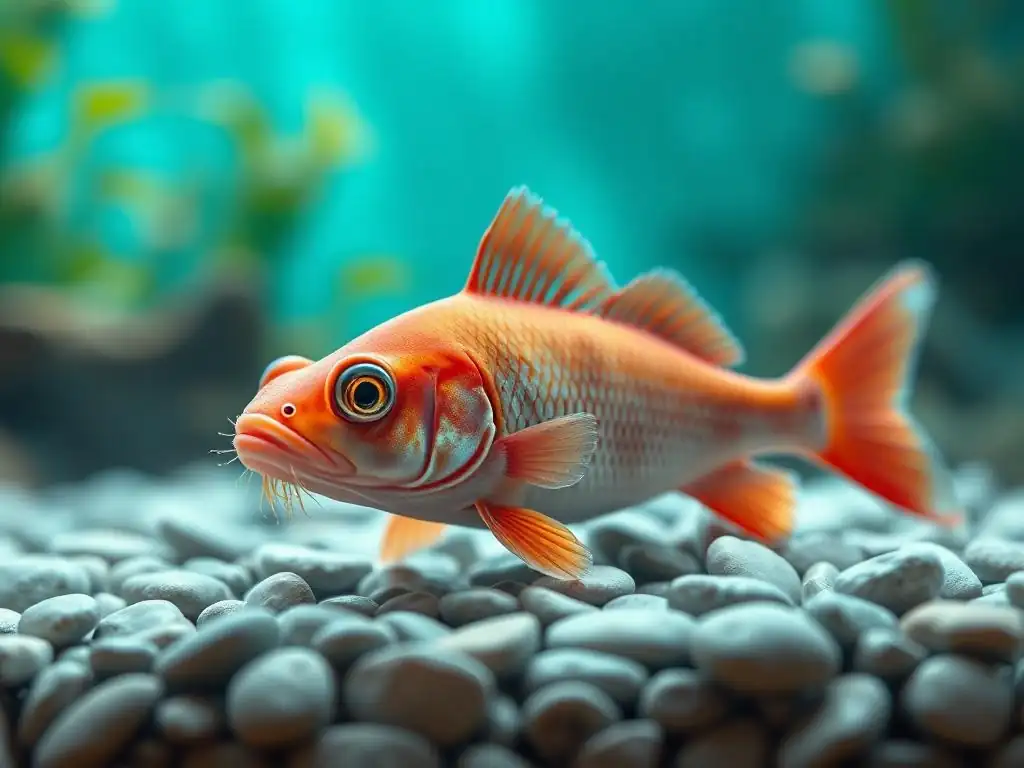
The Red Bristlenose Catfish is a highly coveted Bristlenose catfish color morph, distinguished by its rich, reddish-orange to brick-red body coloration. This morph's hue is deeper and often more uniformly distributed than the "Lemon" variety, presenting a warm and earthy tone that can be quite captivating. While sometimes confused with the "Super Red" morph, the Red Bristlenose typically exhibits a slightly less intense and sometimes more muted red, though its beauty is undeniable and it remains a popular choice among enthusiasts.
The development of the Red Bristlenose catfish has been a product of careful selective breeding, focusing on enhancing the expression of red and orange carotenoid pigments. True Red Bristlenose are often rarer and can command a higher price than more common morphs due to the dedicated breeding efforts required to maintain their lineage and color intensity. They share the same peaceful temperament and excellent algae-eating abilities as other Ancistrus varieties, making them a functional and aesthetically pleasing addition to a well-maintained freshwater aquarium.
Green Dragon Bristlenose Catfish: Marbled Pattern and Iridescent Sheen
The Green Dragon Bristlenose Catfish is an exquisite Bristlenose catfish color morph renowned for its complex and highly attractive marbled pattern, combined with an iridescent sheen that gives it a truly unique appearance. The base coloration typically ranges from olive green to dark brown, overlaid with intricate lighter green, gold, or even subtle blueish markings that resemble a dragon's scales or a camouflage pattern. This marbled effect often becomes more pronounced as the fish matures, revealing new depths of color.
What sets the Green Dragon Bristlenose apart is its captivating iridescence, which shimmers under appropriate lighting, adding a dynamic quality to its appearance. This morph is a testament to the artistry of selective breeding, with breeders focusing on enhancing both the marbled pattern and the reflective qualities of the fish's skin. Green Dragon Bristlenose catfish are highly prized by collectors and offer a sophisticated aesthetic to any aquarium, while still providing the essential algae control expected from Ancistrus species.
Super Red Bristlenose Catfish: Intense Red-Orange Coloration
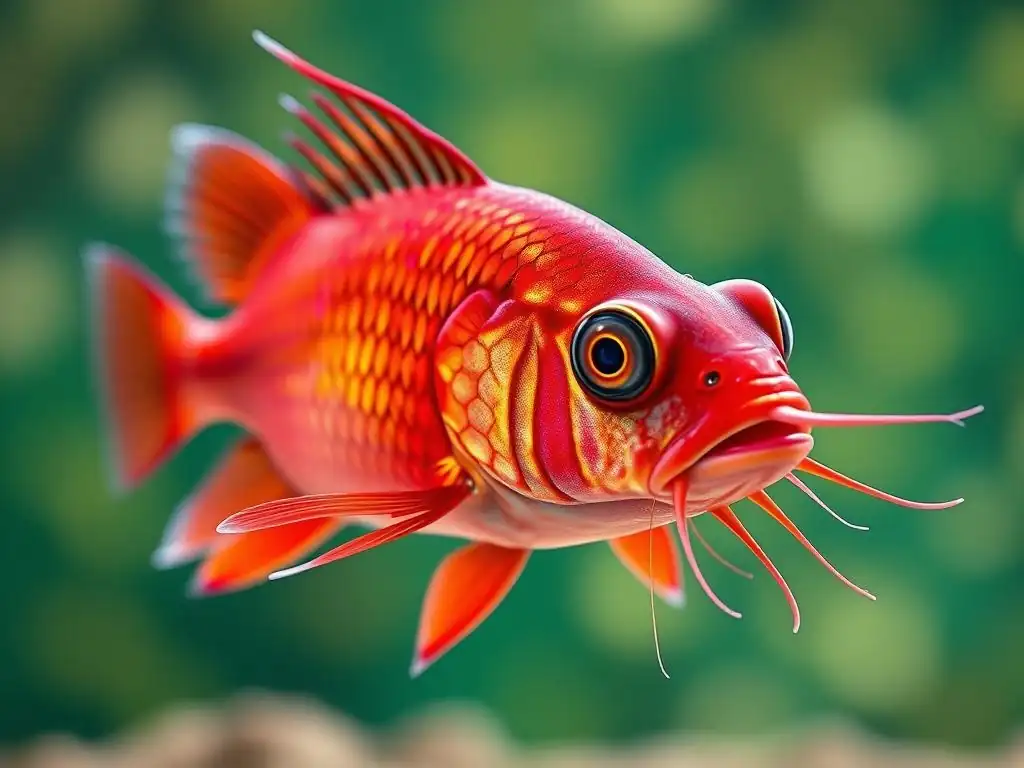
The Super Red Bristlenose Catfish is perhaps one of the most visually striking and popular Bristlenose catfish color morphs available to aquarists today. As its name suggests, this variety boasts an exceptionally intense and uniform red-orange or burnt orange coloration that covers its entire body, from head to tail. Unlike the "Red Bristlenose," which can sometimes have a slightly duller or more varied red, the Super Red is bred for maximum saturation and consistency of its vibrant hue, making it truly stand out in any aquatic environment.
This brilliant coloration is the result of extensive selective breeding aimed at maximizing the expression of red and orange carotenoid pigments. Super Red Bristlenose catfish are highly sought after for their ability to add a dramatic splash of color to a planted tank or a community aquarium. Despite their vivid appearance, they maintain the same peaceful temperament and diligent algae-eating habits as other Bristlenose varieties, making them a fantastic choice for both novice and experienced aquarists looking for a truly eye-catching bottom-dweller.
Blue Eye Bristlenose Catfish: Captivating Blue Iris
The Blue Eye Bristlenose Catfish is a particularly enchanting Bristlenose catfish color morph, distinguished by its unique and captivating blue irises, which provide a striking contrast to its body color. While the body itself can vary, often appearing as an albino (white/pink) or a light-colored morph, it is the distinct blue coloration of the eyes that gives this variety its name and allure. This specific eye color is a rare genetic mutation that affects the pigmentation within the iris, creating a truly mesmerizing effect.
The presence of blue eyes can vary in intensity, from a subtle sky-blue to a more vibrant, electric blue, depending on the individual fish and lighting conditions. These Bristlenose catfish are less common than standard albinos and are highly prized by collectors for their unusual and beautiful feature. Despite their unique ocular trait, Blue Eye Bristlenose catfish share the same care requirements and beneficial algae-eating behaviors as other Ancistrus varieties, making them a fascinating and functional addition to a specialized aquarium setup.
Uncommon and Emerging Bristlenose Catfish Varieties
Longfin Bristlenose Catfish: Flowing Fins Across Colors
The Longfin Bristlenose Catfish is not a distinct color morph in itself, but rather a fin variation that can occur across almost any of the Bristlenose catfish color morphs. This captivating trait is characterized by significantly elongated and flowing dorsal, caudal (tail), and pectoral fins, which can sometimes be two or three times the length of a standard shortfin variety. The graceful, undulating movement of these extended fins as the fish swims adds a remarkable elegance to their appearance, transforming even a common brown Bristlenose into a visually stunning specimen.
This longfin trait is the result of a genetic mutation that has been selectively bred and stabilized by aquarists. Consequently, you can find Longfin Albino, Longfin Super Red, Longfin Calico, and even Longfin Green Dragon Bristlenose catfish, combining the beauty of flowing fins with vibrant body coloration. While generally hardy, the extended fins of Longfin Bristlenose catfish can be slightly more prone to nipping by aggressive tank mates or damage from sharp tank decor, so careful consideration of tank mates and environment is advised to ensure their fins remain pristine.
Shortfin Bristlenose Catfish: Compact Fins Across Colors
The Shortfin Bristlenose Catfish represents the standard fin length found in wild-type Ancistrus species and is the most common fin variation among Bristlenose catfish color morphs. Unlike their longfin counterparts, shortfin varieties possess compact, streamlined dorsal, caudal, and pectoral fins that are proportionate to their body size. This natural fin structure is robust and efficient, allowing for agile movement through their aquatic environment and making them exceptionally durable and less prone to fin damage.
Shortfin Bristlenose catfish are available in virtually every known color morph, including Classic Brown, Albino, Super Red, Lemon, and Calico. They are often more readily available and typically less expensive than their longfin counterparts, making them an excellent entry point for new aquarists interested in exploring the diversity of Bristlenose catfish color morphs. Their compact size and hardy nature make them ideal for a wide range of tank sizes, with a minimum of 20 gallons generally recommended for a single adult, ensuring they have ample space for foraging and exploration.
Galaxy Bristlenose Catfish: Speckled Pattern Resembling Stars
The Galaxy Bristlenose Catfish is an uncommon and highly sought-after Bristlenose catfish color morph, distinguished by its unique and mesmerizing speckled pattern. This morph typically features a dark, often black or very deep brown, base body color that is liberally adorned with numerous small, bright white or yellowish spots. The arrangement of these spots across the body gives the appearance of a starry night sky, hence its evocative name. This striking pattern makes the Galaxy Bristlenose a true standout in any collection.
While sometimes confused with certain L-number Plecos that share a spotted pattern, the Galaxy Bristlenose is a distinct Ancistrus variety developed through specialized selective breeding programs. The intensity and distribution of the spots can vary between individuals, with some exhibiting denser, more uniform speckling than others. Due to their unique aesthetic and often limited availability, Galaxy Bristlenose catfish can be more expensive than common morphs. They share the same peaceful temperament and algae-eating prowess, making them a valuable and beautiful addition for discerning aquarists.
Factors Influencing Bristlenose Catfish Coloration
Diet and its Impact on Bristlenose Catfish Color
The diet of a Bristlenose catfish plays a significant role in the vibrancy and intensity of its coloration, particularly for morphs that express red, orange, or yellow hues. Pigments like carotenoids, which are responsible for these warm colors, cannot be synthesized by the fish themselves and must be obtained through their food. A diet rich in natural carotenoids, found in ingredients such as spirulina, astaxanthin, and certain plant materials, can dramatically enhance the intensity of these Bristlenose catfish color morphs.
To ensure optimal coloration, it is crucial to provide a varied and high-quality diet for your Bristlenose catfish. This should include sinking algae wafers or pellets as a staple, supplemented with blanched fresh vegetables like zucchini, cucumber slices, spinach, and green beans several times a week. Occasional offerings of protein-rich foods like bloodworms or brine shrimp can also contribute to overall health, though these should be given sparingly as Bristlenose are primarily herbivorous. A well-fed fish is not only healthier but also exhibits the most brilliant and true expressions of its genetic Bristlenose catfish color morph.
Water Parameters and Color Expression in Ancistrus
Stable and pristine water parameters are paramount for the overall health of Bristlenose catfish and directly influence the vividness of their color expression. When Ancistrus are stressed by poor water quality, high levels of ammonia, nitrites, or nitrates, their immune systems are compromised, leading to dull, faded colors and increased susceptibility to disease. Ideal water parameters for Bristlenose catfish generally include a pH range of 6.5-7.5, a general hardness (GH) of 3-10 dGH, a carbonate hardness (KH) of 3-8 dKH, and a temperature range of 72-80°F (22-27°C).
Regular water changes, typically 25-30% weekly, are essential for maintaining low nitrate levels and replenishing vital minerals. A robust filtration system, including mechanical, biological, and chemical filtration, will further ensure water clarity and stability, reducing stressors that can diminish a fish's coloration. When Bristlenose catfish are housed in an environment that mimics their natural, clean, and well-oxygenated habitats, they are more likely to display their full genetic potential in terms of vibrant Bristlenose catfish color morphs.
Lighting Conditions and Bristlenose Pigmentation
While diet and water quality are primary drivers of Bristlenose catfish coloration, lighting conditions also play a role, particularly in how these Bristlenose catfish color morphs are perceived and how certain pigments are expressed. Bristlenose catfish are naturally crepuscular or nocturnal, meaning they are most active during dawn, dusk, and nighttime. Excessive or overly bright lighting can stress these fish, causing them to hide more frequently and potentially dulling their colors as a form of stress response or camouflage.
Providing appropriate lighting means finding a balance that supports plant growth (if applicable) without over-stressing the fish. Moderate lighting, perhaps with dimmer periods, or the strategic placement of dense plants and numerous hiding spots like caves and driftwood, can create a comfortable environment. Some studies suggest that specific spectrums of light, particularly those rich in blue or red wavelengths, can enhance the perception of certain Bristlenose catfish color morphs. Ultimately, a comfortable and stress-free environment, partly achieved through appropriate lighting, encourages the fish to display their most vibrant and natural coloration.
Choosing the Right Bristlenose Catfish Color Morph for Your Aquarium
Considerations for Compatibility with Other Fish
When selecting a Bristlenose catfish color morph for your aquarium, compatibility with existing or planned tank mates is a crucial consideration, particularly for longfin varieties. Generally, Bristlenose catfish are renowned for their peaceful temperament, making them excellent additions to most community aquariums. They are typically non-aggressive towards other fish species, preferring to spend their time foraging for algae and detritus on the substrate and decor.
However, caution should be exercised regarding highly aggressive or fin-nipping species, especially if you opt for a Longfin Bristlenose catfish color morph. While shortfin varieties are quite robust, the flowing fins of longfin Bristlenose can be tempting targets for notorious fin-nippers like certain barbs or cichlids. Additionally, male Bristlenose can exhibit territorial behavior towards other male Bristlenose, particularly in smaller tanks (under 30 gallons or without sufficient hiding spots), leading to minor squabbles. For optimal harmony, choose tank mates that are similarly peaceful, such as tetras, rasboras, gouramis, and smaller, non-aggressive cichlids.
Matching Bristlenose Colors to Your Aquarium Decor
The aesthetic appeal of your aquarium can be significantly enhanced by thoughtfully matching your chosen Bristlenose catfish color morph to your tank's decor and overall theme. The diverse palette of Bristlenose varieties offers unique opportunities to create captivating visual contrasts or harmonious blends within your aquatic landscape. For instance, a dark substrate and a lush green planted background can make lighter Bristlenose catfish color morphs, such as Albino or Lemon Bristlenose, truly pop, creating a striking focal point.
Conversely, if your tank features lighter sands or brighter rockwork, a darker Bristlenose catfish color morph like the Classic Brown or a Green Dragon Bristlenose can provide excellent contrast and visual depth. For a vibrant and dynamic display, a Super Red or Calico Bristlenose can inject a burst of intense color that complements various layouts. Consider the interplay between your fish's coloration, the substrate, plants, driftwood, and rocks to design an aquarium that is not only functional but also a visually stunning showcase for your Bristlenose catfish color morphs.
Caring for Your Bristlenose Catfish: Ensuring Vibrant Colors
Optimal Tank Conditions for Bristlenose Health and Color
Maintaining optimal tank conditions is fundamental to the health and vibrant coloration of your Bristlenose catfish. These hardy bottom-dwellers thrive in well-oxygenated tanks with stable water parameters. A minimum tank size of 20 gallons is recommended for a single adult Bristlenose, as they can grow up to 6 inches and require ample space for foraging and waste production. The aquarium must be equipped with efficient filtration, including biological and mechanical components, to keep ammonia, nitrite, and nitrate levels at near zero.
Providing plenty of hiding spots is also crucial for reducing stress, which can directly impact a fish's color vibrancy. Offer a variety of caves, driftwood, and dense plant cover where your Bristlenose can retreat during the day or when feeling threatened. Driftwood is particularly important as it provides lignins, a dietary fiber essential for their digestion. Consistent water changes (25-30% weekly) and monitoring of temperature (72-80°F / 22-27°C) and pH (6.5-7.5) will ensure a pristine environment, allowing your Bristlenose catfish color morphs to display their most brilliant hues.
Feeding Your Bristlenose Catfish for Enhanced Coloration
A diverse and nutrient-rich diet is a key factor in enhancing and maintaining the vibrant coloration of your Bristlenose catfish. While they are renowned algae eaters, relying solely on tank algae is often insufficient for their nutritional needs and color development, especially in established aquariums with minimal algae growth. Their primary diet should consist of high-quality sinking algae wafers or specialized pleco pellets, which are formulated to provide essential vitamins and minerals.
Supplementing their diet with blanched fresh vegetables is highly recommended. Offerings such as zucchini slices, cucumber, spinach, and green beans should be provided several times a week. These vegetables not only provide necessary roughage but also contribute carotenoids and other pigments that intensify red, orange, and yellow Bristlenose catfish color morphs. Occasional treats of protein-rich foods like bloodworms or brine shrimp can be offered, but sparingly, as their digestive system is primarily geared towards plant matter. A balanced diet ensures not only their overall health but also the full expression of their genetic coloration.
Breeding Bristlenose Catfish and Color Inheritance
Understanding Genotypes and Phenotypes in Bristlenose Offspring
When breeding Bristlenose catfish, understanding the concepts of genotype and phenotype is crucial for predicting and influencing the Bristlenose catfish color morphs of their offspring. A fish's genotype refers to its specific genetic makeup – the set of genes it carries, including both dominant and recessive alleles. The phenotype, in contrast, is the observable physical characteristic, such as the actual color morph (e.g., Albino, Super Red, Classic Brown) that is expressed. For instance, an Albino Bristlenose has a specific genotype that results in the albino phenotype (white body, red eyes) due to the absence of melanin production.
Many Bristlenose catfish color morphs follow Mendelian inheritance patterns, particularly recessive traits like albinism. If you breed two Albino Bristlenose, all their offspring will be Albino, as both parents contribute the recessive gene. However, if you breed a Classic Brown Bristlenose that carries the albino gene (a "carrier") with an Albino Bristlenose, approximately 50% of the offspring will be Albino, and 50% will be Classic Brown carriers. Understanding these genetic principles allows breeders to selectively pair fish to achieve desired Bristlenose catfish color morphs in subsequent generations, making breeding a fascinating dive into aquatic genetics.
Selective Breeding for Specific Bristlenose Color Traits
Selective breeding is the deliberate process by which aquarists choose parent Bristlenose catfish with specific desirable traits, such as intense coloration or unique patterns, to produce offspring that inherit and ideally enhance those characteristics. This practice has been instrumental in the development and stabilization of the wide array of Bristlenose catfish color morphs available today, from the vibrant Super Red to the intricate Calico and Green Dragon varieties. Breeders meticulously select individuals that exhibit the most pronounced or desired color, then breed them together, generation after generation.
This process often involves careful record-keeping of lineages and observed phenotypes to track the inheritance of color traits. For example, to intensify the red in a "Super Red" Bristlenose catfish line, breeders will consistently select the reddest individuals from each spawn for future breeding. Similarly, to develop a new Bristlenose catfish color morph, breeders might cross different existing morphs, observe the resulting phenotypes in the offspring, and then selectively breed those that display novel or interesting color combinations. This dedicated effort ensures the continued evolution and diversity of Bristlenose catfish color morphs within the hobby.
Conclusion: Appreciating the Diversity of Bristlenose Catfish Color Morphs
The world of Bristlenose catfish offers an astonishing spectrum of color morphs and varieties, each bringing its unique charm and aesthetic to the freshwater aquarium. From the foundational Classic Brown to the luminous Albino, the vibrant Super Red, the intricate Green Dragon, and the captivating Blue Eye, these Ancistrus species showcase the incredible diversity achievable through both natural variation and dedicated selective breeding. Each Bristlenose catfish color morph not only adds a distinct visual element but also continues to provide the essential service of algae control, making them invaluable members of the aquatic community.
Appreciating the many faces of Bristlenose catfish goes beyond their visual appeal; it involves understanding the genetic underpinnings of their coloration and the environmental factors that help them express their most brilliant hues. By providing optimal tank conditions, a balanced diet, and suitable tank mates, aquarists can ensure their Bristlenose catfish thrive, displaying their full, vibrant potential. Whether you are a seasoned breeder or a casual hobbyist, exploring the vast array of Bristlenose catfish color morphs enriches the aquarium experience, demonstrating the endless beauty and fascination found within the aquatic world.
Frequently Asked Questions
What are Bristlenose Catfish color morphs?
Bristlenose catfish color morphs refer to variations in color and pattern within the Ancistrus species. These variations can occur naturally or be selectively bred, resulting in diverse appearances like albino, lemon, and calico.
How does selective breeding influence Bristlenose Catfish color morphs?
Selective breeding allows aquarists to amplify certain color traits. This targeted approach leads to the development of more distinct and vibrant color morphs that might be rare in the wild. This allows for a greater range of visually appealing fish.
Are some Bristlenose Catfish color morphs rarer than others?
Yes, certain color morphs, particularly those with unusual patterns or combinations of colors, are often rarer. This rarity can make them more sought after by collectors and hobbyists, therefore increasing their value.
Does the color morph of a Bristlenose Catfish affect its care requirements?
Generally, no. The care requirements for Bristlenose catfish are primarily based on the species, not the color morph. Providing proper water parameters, diet, and tank size is essential regardless of color.
Where can I find more information about specific Bristlenose Catfish color morphs?
AquariumMastery.com offers detailed profiles and guides on various Bristlenose catfish color morphs. You can find information on their specific characteristics, care needs, and availability.
Final Reflection: A Kaleidoscope of Aquatic Beauty
The exploration of Bristlenose catfish color morphs reveals not just the fascinating diversity within a single species, but also the dedication and passion of aquarists who cultivate and appreciate these living jewels. The sheer variety, from the classic browns to the vibrant oranges and albinos, underscores the power of selective breeding and the hidden potential within the natural world, a potential that continues to surprise and delight us today.
This journey through the spectrum of Ancistrus has undoubtedly enriched our understanding of these remarkable creatures and their place in the aquarium hobby. It highlights the importance of responsible breeding practices and the ethical considerations that come with manipulating genetics for aesthetic purposes. The beauty of nature lies not just in its perfection, but in its endless capacity for variation.
This quote resonates deeply when considering the ever-evolving landscape of Bristlenose catfish color morphs, a testament to the dynamic interplay between nature and human intervention.
Now, as you gaze upon your own aquarium, consider the legacy you are building. Are you contributing to the responsible propagation of these beautiful creatures? Are you educating others about the importance of ethical breeding and the preservation of genetic diversity? Let the knowledge gained from exploring the many faces of Ancistrus inspire you to become a more informed and conscientious aquarist, ensuring that future generations can marvel at the kaleidoscope of aquatic beauty that Bristlenose catfish offer.
Unleash Your Inner Aquarist: Choose Your Dream Bristlenose!
Thanks for diving into the fascinating world of Ancistrus! We hope you've discovered the perfect bristlenose catfish morph to brighten your aquarium. Ready to take the plunge and add one of these unique algae eaters to your tank?
Here are a few things you can do next:
- Visit your local fish store and carefully select a healthy Ancistrus morph that captivates you! Observe their behavior and ensure they are active and eating well.
- Share your newfound knowledge! Tell a fellow aquarist about the diverse colors and varieties of bristlenose plecos they may not know exist.
- Consider documenting your bristlenose's growth and color changes over time and contributing to the aquarium community's knowledge!
Which Ancistrus morph most inspires you, and what unique personality traits do you hope to observe in your new algae-eating friend?