
Cardinalfish Schooling Behavior: How Many Should You Keep for a Happy Group?

Welcome to Aquarium Mastery!
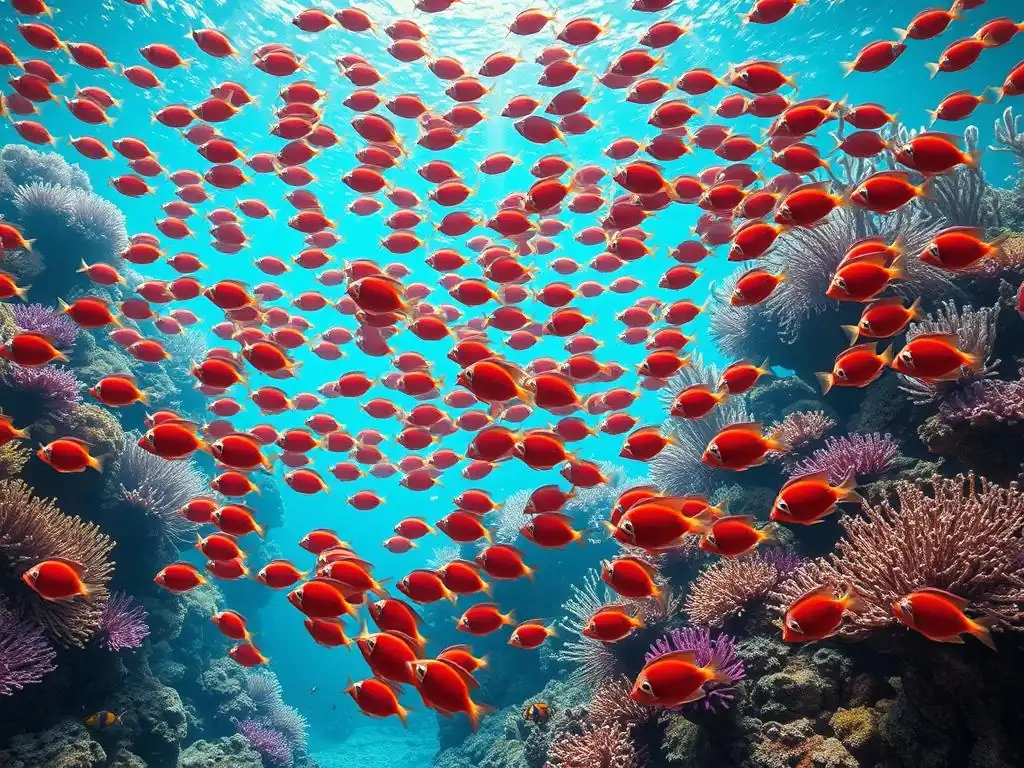
Ever wondered about the secret to a thriving, vibrant saltwater aquarium? The answer might be simpler than you think, especially when it comes to schooling fish! Dive in and discover the fascinating world of Cardinalfish schooling group size and unlock the key to creating a harmonious underwater haven. Are you keeping enough Cardinalfish for them to truly thrive? Let's find out together...
- Understanding Cardinalfish Schooling Dynamics in Reef Aquariums
- Determining the Ideal Cardinalfish Schooling Group Size for Your Tank
- Choosing the Right Cardinalfish Species for Schooling
- Setting Up Your Aquarium for a Thriving Cardinalfish School
- Introducing Cardinalfish to Your Aquarium: Minimizing Stress and Promoting Schooling
- Maintaining a Healthy Cardinalfish School: Ongoing Care and Observation
- Troubleshooting Cardinalfish Schooling Problems: Aggression, Isolation, and More
- The Benefits of a Well-Established Cardinalfish School in Your Reef Tank
-
Frequently Asked Questions
- How many Cardinalfish are needed to form a proper school?
- What happens if I only keep a few Cardinalfish together?
- Does the size of my aquarium affect the ideal Cardinalfish schooling group size?
- Are there any fish that should not be kept with Cardinalfish?
- What are the benefits of having a Cardinalfish school in my aquarium?
- Final Reflection: Harmony in Numbers
- Ignite Your Aquarium: Cultivate a Thriving Cardinalfish School!
Understanding Cardinalfish Schooling Dynamics in Reef Aquariums
Why Cardinalfish Schooling Matters: Benefits for Fish Health and Aquarium Aesthetics
Cardinalfish, particularly species like the Pajama Cardinalfish ( Sphaeramia nematoptera) and Banggai Cardinalfish ( Pterapogon kauderni), are renowned for their natural schooling behavior. This instinctual grouping provides significant benefits for their overall health and well-being within a captive reef environment. In a well-formed school, individual fish experience reduced stress levels, as the presence of conspecifics creates a sense of security, mimicking their natural defense mechanisms against predators in the wild. This communal living can lead to improved immune responses and a longer lifespan, as chronic stress is a major contributor to disease susceptibility in aquarium fish.
Beyond the health benefits, a thriving cardinalfish school profoundly enhances the aesthetic appeal of a reef aquarium. The synchronized movements of a group of fish, especially when they navigate through coral structures or open water, create a dynamic and visually captivating display. For instance, a group of seven to ten Pajama Cardinalfish, with their distinctive patterns, can transform a static tank into a vibrant, living ecosystem. This visual spectacle not only delights the aquarist but also contributes to a more naturalistic representation of a coral reef environment, making the tank feel more alive and harmonious.
Cardinalfish Natural Habitat and Schooling Behavior in the Wild
In their natural Indo-Pacific habitats, cardinalfish exhibit diverse schooling behaviors influenced by species and specific environmental conditions. For example, the Banggai Cardinalfish ( Pterapogon kauderni) is endemic to the Banggai Archipelago of Indonesia, where it forms tight, cohesive schools of dozens to hundreds of individuals, often found congregating around sea anemones, branching corals, or sea urchins for protection.
These schools provide safety in numbers, allowing individual fish to spend less time vigilant for predators and more time foraging. Their nocturnal nature means that while they school during the day for protection, they might disperse more widely at night to feed.
Other species, like the Pajama Cardinalfish ( Sphaeramia nematoptera), are more widespread and typically form smaller, looser aggregations among branching corals or rocky crevices during the day. While still benefiting from group dynamics, their schooling is less rigid than that of Banggai Cardinalfish. These natural observations are critical for aquarists aiming to replicate optimal conditions, as understanding the species-specific Cardinalfish schooling group size in the wild helps inform appropriate aquarium stocking levels. For instance, attempting to keep a solitary Banggai Cardinalfish is often detrimental, as it contradicts their strong schooling instinct.
Determining the Ideal Cardinalfish Schooling Group Size for Your Tank
Minimum Cardinalfish School Size: Avoiding Stress and Promoting Natural Behavior
To promote natural behavior and minimize stress, cardinalfish should never be kept alone. The minimum recommended Cardinalfish schooling group size for most species is typically three to five individuals, though this can vary. For instance, Banggai Cardinalfish ( Pterapogon kauderni), known for their strong schooling instinct, ideally require a minimum group of five to seven to truly exhibit natural social interactions and reduce individual stress. Keeping fewer than three Banggai Cardinalfish often leads to one fish becoming dominant and harassing the others, or all individuals becoming withdrawn and shy.
For species like the Pajama Cardinalfish ( Sphaeramia nematoptera), a group of at least five is generally recommended to observe their characteristic loose schooling. While they are less prone to aggression than some other cardinalfish, a small group ensures they feel secure enough to swim openly rather than constantly hiding. A study on fish behavior in captivity found that social fish kept below their minimum schooling threshold exhibited higher cortisol levels and increased susceptibility to common aquarium diseases, highlighting the physiological importance of appropriate group sizes.
Calculating Tank Space for a Cardinalfish School: Considerations for Tank Size
The ideal Cardinalfish schooling group size is directly linked to the available tank volume and dimensions. A general guideline is to allow approximately 5-10 gallons per adult cardinalfish, depending on the species and overall bioload. For a small school of five Pajama Cardinalfish, a minimum tank size of 30 gallons (approximately 113 liters) is often considered sufficient. This allows for adequate swimming space and the establishment of individual territories within the school without excessive crowding.
Larger, more active species or those forming tighter schools, such as the Banggai Cardinalfish, benefit significantly from larger tanks. A school of five to seven Banggai Cardinalfish would ideally thrive in a tank of 50 gallons (about 189 liters) or more. This larger volume helps dilute waste products, maintain stable water parameters, and provides ample room for their characteristic schooling patterns. Overcrowding, even with a suitable Cardinalfish schooling group size, can lead to increased aggression, poor water quality, and heightened stress levels, ultimately compromising the health and longevity of the fish.
Factors Influencing Cardinalfish School Size: Species, Tank Mates, and Aquascape
Several factors beyond just tank volume influence the optimal Cardinalfish schooling group size. The specific cardinalfish species is paramount: Banggai Cardinalfish generally form tighter, larger schools compared to Pajama Cardinalfish, which are content in smaller, looser aggregations. Therefore, a larger minimum group size is often recommended for Banggais to truly observe their natural behavior. For example, while five Pajamas might look good in a 40-gallon tank, five Banggais would be better suited to a 75-gallon tank to allow for more expansive schooling.
Tank mates also play a crucial role. If the aquarium contains aggressive or territorial species, the cardinalfish school might become more stressed and less cohesive, potentially requiring a larger Cardinalfish schooling group size to feel secure, or conversely, a smaller group if the aggression is unavoidable and space is limited.
The aquascape design is equally important; a tank with ample hiding spots, caves, and branching corals allows the school to feel secure and provides visual barriers, reducing potential aggression. A densely aquascaped tank can support a slightly larger school than a sparsely decorated one of the same volume, as it offers more perceived territory and refuge.
Choosing the Right Cardinalfish Species for Schooling
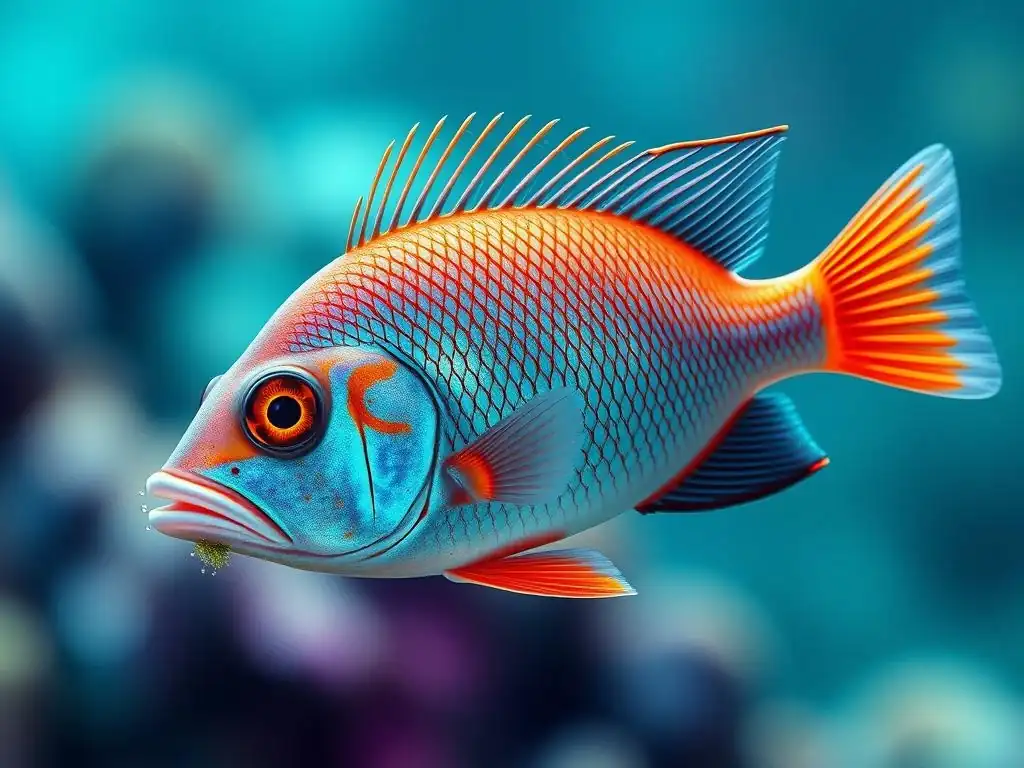
Popular Cardinalfish Species for Reef Tanks: Pajama Cardinalfish, Banggai Cardinalfish, Flame Cardinalfish
Several cardinalfish species are highly popular choices for reef aquariums due to their relatively peaceful nature, striking appearance, and propensity for schooling. The Pajama Cardinalfish ( Sphaeramia nematoptera) is perhaps the most common, recognizable by its distinct black band, red eyes, and spotted tail. They are relatively hardy and typically form loose schools of three to ten individuals, thriving in tanks of 30 gallons or larger. Their calm demeanor makes them excellent candidates for mixed reef tanks.
The Banggai Cardinalfish ( Pterapogon kauderni) is another highly sought-after species, known for its unique striped pattern and long fins. They are more particular about their environment and tank mates but form very tight, cohesive schools, often numbering five to ten or more individuals in larger aquariums ( 50 gallons+).
Finally, the Flame Cardinalfish ( Apogon maculatus) offers a vibrant red coloration and typically forms smaller schools or pairs. While not as prolific schoolers as the Banggai, a group of three to five can add a beautiful splash of color to a 40-gallon tank or larger, making them a good option for aquarists seeking both color and some schooling behavior.
Cardinalfish Compatibility: Ensuring a Peaceful Schooling Environment
Ensuring compatibility among cardinalfish species and with other tank mates is vital for a peaceful and thriving schooling environment. Within a school of the same cardinalfish species, aggression is usually minimal, especially if the Cardinalfish schooling group size is appropriate (e.g., five or more individuals). However, some species, particularly males during breeding periods, can become territorial towards conspecifics if the group is too small or if space is limited. It's crucial to observe their interactions closely after introduction.
When considering tank mates, cardinalfish are generally peaceful and compatible with a wide range of reef-safe fish, including gobies, blennies, chromis, and certain tangs. However, highly aggressive or predatory species, such as lionfish or large groupers, should be avoided as they will view cardinalfish as prey. Similarly, overly boisterous fish might stress the cardinalfish, disrupting their schooling behavior. For instance, a very active Tang might cause a group of Pajama Cardinalfish to constantly hide, preventing them from exhibiting their natural schooling.
Mixing Cardinalfish Species: Considerations and Potential Challenges
Mixing different cardinalfish species in a single school can be challenging and is generally not recommended if the goal is a cohesive, natural schooling display. While some aquarists have success with certain combinations, many cardinalfish species do not naturally school with other species in the wild, and attempting to force them into a mixed school can lead to stress, aggression, or a lack of true schooling behavior. For example, a Banggai Cardinalfish school will rarely integrate with a group of Pajama Cardinalfish; they will typically remain distinct groups or ignore each other.
If mixing is attempted, it's best to choose species with similar temperaments and size, and always introduce them simultaneously or the more peaceful species first. Providing ample space and numerous hiding spots is also critical. However, even with careful planning, there's a high likelihood that the different species will form separate, smaller groups rather than a unified mixed school, which defeats the purpose of observing a true Cardinalfish schooling group size. It's often more rewarding and less stressful for the fish to focus on a single species for schooling.
Setting Up Your Aquarium for a Thriving Cardinalfish School
Aquarium Setup for Cardinalfish: Replicating Their Natural Environment
To encourage a thriving Cardinalfish schooling group size, the aquarium setup should closely replicate their natural reef environment. This includes providing ample live rock structures with caves, crevices, and overhangs where the fish can retreat and feel secure. For species like the Banggai Cardinalfish, areas with branching corals or even artificial sea urchin replicas can be beneficial, as they naturally associate with such structures for protection. A mature tank with established biological filtration is crucial, as cardinalfish, like most marine fish, are sensitive to water quality fluctuations.
Substrate choice can also play a minor role; a sand bed is generally preferred for overall reef health, but cardinalfish primarily inhabit the water column or hide within rockwork. Lighting should be appropriate for the corals if it's a reef tank, but cardinalfish themselves are not overly demanding regarding light intensity, often preferring dimmer areas during the day. Overall, the goal is to create a complex, stable environment that offers both open swimming areas for schooling and safe havens for rest and refuge, allowing the Cardinalfish schooling group size to feel secure and exhibit natural behaviors.
Water Parameters for Cardinalfish: Maintaining Optimal Conditions for Schooling
Maintaining stable and optimal water parameters is paramount for the health and schooling behavior of cardinalfish. Like most marine fish, they require consistent salinity, temperature, pH, and low levels of nitrates and phosphates. The ideal salinity range for cardinalfish is typically between 1.023 and 1.025 specific gravity (or 32-35 ppt). Temperatures should be maintained within a stable range of 75-80°F (24-27°C), with minimal daily fluctuations. Sudden temperature swings can cause significant stress, leading to a breakdown in schooling.
pH levels should be kept stable between 8.1 and 8.4. Ammonia and nitrite must always be undetectable ( 0 ppm), and nitrates should be kept below 10-20 ppm through regular water changes and efficient filtration. Consistent water quality is crucial for maintaining a healthy immune system, which in turn supports robust schooling behavior. Poor water quality can lead to listlessness, erratic swimming, and a disinterest in schooling, even if the Cardinalfish schooling group size is appropriate. Regular testing with reliable kits is essential to monitor these parameters.
Providing Adequate Hiding Places and Swimming Space for Cardinalfish
A well-designed aquascape for cardinalfish expertly balances open swimming areas with abundant hiding places. While cardinalfish are known for schooling in the open water, they also require immediate access to shelter to feel secure, especially when startled or at night. Live rock formations that create caves, overhangs, and intricate pathways are ideal. For a Cardinalfish schooling group size of five to seven, ensure there are at least three to five distinct hiding spots or larger areas of dense rockwork where the entire group can retreat if needed.
The layout should also consider providing clear swimming lanes for the school to move freely. A tank that is too densely packed with rockwork can restrict their movement and prevent them from exhibiting natural schooling patterns. Conversely, a tank with too little rockwork leaves them exposed and stressed. For instance, a 50-gallon tank for Banggai Cardinalfish should have a balance where about 40-50% of the tank volume is open water for schooling, with the remaining volume dedicated to structured rockwork that offers ample refuge. This balance encourages both active schooling and a sense of security.
Introducing Cardinalfish to Your Aquarium: Minimizing Stress and Promoting Schooling
Acclimation Process for Cardinalfish: A Step-by-Step Guide
Proper acclimation is critical when introducing new cardinalfish to minimize stress and ensure a smooth transition, fostering their ability to form a healthy school. The drip acclimation method is highly recommended due to its slow and gradual equalization of water parameters.
- Dim Lights: Turn off aquarium lights and dim room lights to reduce stress.
- Float Bag: Float the sealed transport bag in the sump or on the aquarium surface for 15-20 minutes to equalize temperature.
- Transfer to Container: Open the bag and gently transfer the fish and its water into a clean, appropriately sized container (e.g., a small bucket or plastic bin).
- Drip Acclimation: Use an air line tubing with a knot or valve to create a slow drip from the main display tank into the container. Aim for a drip rate of about 2-3 drops per second.
- Monitor Water Volume: Allow the volume of water in the container to slowly double over a period of 45-60 minutes.
- Remove Excess Water: Once the volume has doubled, carefully remove about half of the water from the container, discarding it (do not add to the main tank).
- Continue Drip: Continue the drip acclimation for another 30-45 minutes, allowing the volume to double again.
- Transfer Fish: Gently net the cardinalfish from the container and release them into the main display tank. Discard the water in the container; do not add it to your aquarium. This slow process helps cardinalfish adjust to new salinity, pH, and temperature, reducing the shock that can prevent them from schooling effectively.
Observing Cardinalfish Schooling Behavior After Introduction: Signs of a Healthy School
After introduction, careful observation of the cardinalfish's schooling behavior is crucial to assess their well-being. Within a few hours to a day, a healthy Cardinalfish schooling group size should begin to loosely or tightly school, depending on the species. Signs of a healthy school include:
- Cohesive Movement: The fish swim together in a coordinated manner, moving as a single unit or in small, connected subgroups.
- Active Swimming: They are not constantly hiding but are actively exploring the tank, utilizing both open water and rockwork.
- Alertness: Fish are responsive to their surroundings, but not skittish or frantic.
- Good Coloration: Their colors are vibrant and true to the species.
- Absence of Aggression: Minimal to no chasing, fin nipping, or bullying among school members.
- Feeding Response: All individuals readily accept food when offered.
If you observe isolated individuals, constant hiding, clamped fins, rapid breathing, or significant aggression, it may indicate stress or an inappropriate Cardinalfish schooling group size or environment. For example, if a group of Banggai Cardinalfish introduced into a 40-gallon tank immediately disperses and hides, it might suggest the tank is too small for their ideal schooling needs, or they are highly stressed.
Quarantine Procedures for New Cardinalfish: Preventing Disease Outbreaks
Implementing a strict quarantine procedure for all new cardinalfish is perhaps the most critical step in preventing disease outbreaks and ensuring the long-term health of your established Cardinalfish schooling group size. A dedicated quarantine tank (QT) of at least 10-20 gallons, equipped with a heater, small power filter, and PVC pipes for hiding, should be used for a minimum of 3-4 weeks. During this period, observe the fish closely for any signs of illness, such as white spots (Ich), velvet, fin rot, or unusual swimming patterns.
Treatments for common parasites like Ich or velvet can be administered in the QT without risking the beneficial bacteria or invertebrates in the main display tank. For instance, a copper-based treatment can effectively eradicate marine Ich. Feeding a high-quality, varied diet during quarantine also helps build up their immune system. By quarantining, you prevent the introduction of pathogens that could decimate an entire school of cardinalfish, a common occurrence when new, untreated fish are added directly to the main tank. This proactive measure safeguards your investment and the health of your existing aquatic community.
Maintaining a Healthy Cardinalfish School: Ongoing Care and Observation
Feeding Cardinalfish in a Schooling Environment: Ensuring All Fish Get Enough Food
Feeding a Cardinalfish schooling group size requires careful attention to ensure all individuals receive adequate nutrition. Cardinalfish are generally micro-predators, feeding on small crustaceans and plankton in the wild. In the aquarium, they readily accept a variety of frozen foods such as Mysis shrimp, enriched brine shrimp, copepods, and finely chopped seafood. It's crucial to offer food in small amounts multiple times a day rather than one large feeding, as this mimics their natural feeding behavior and ensures more timid individuals get a chance to eat.
When feeding, observe the entire school. Dominant individuals might try to monopolize food, so dispersing the food over a wider area or using multiple feeding points can help. For a school of seven Pajama Cardinalfish, for example, offering a pinch of frozen Mysis shrimp in two separate areas of the tank can ensure all fish get their share. If some fish appear thinner or less active, it might indicate they are not getting enough food, potentially due to competition or stress. Regular observation during feeding times is a key indicator of the overall health and harmony of the school.
Identifying and Addressing Common Cardinalfish Health Issues: Signs of Stress or Disease
Vigilant observation is essential for identifying common health issues in a cardinalfish school before they escalate. Signs of stress or disease can include:
- Clamped Fins: Fins held tight against the body.
- Rapid Gilling: Faster than normal breathing.
- Loss of Coloration: Colors appearing dull or faded.
- Isolated Behavior: A fish separating itself from the school or hiding excessively.
- White Spots/Film: Visible parasites like Ich (white spots) or velvet (gold/dusty film).
- Erratic Swimming: Jerky movements, rubbing against rocks, or difficulty swimming normally.
- Lack of Appetite: Refusal to eat.
If any of these signs are observed, the first step is to check water parameters immediately. Poor water quality is a leading cause of stress and disease. If parameters are stable, consider isolating the affected fish in a hospital tank for treatment to prevent the spread of disease to the rest of the Cardinalfish schooling group size. For instance, if one Banggai Cardinalfish develops Ich, prompt removal and treatment with copper or hyposalinity in a separate tank is advisable, as Ich can quickly decimate an entire school.
Even in a well-established Cardinalfish schooling group size, occasional social disharmony can occur, particularly if the group is too small or if a dominant individual emerges. If minor chasing or fin nipping is observed, increasing feeding frequency or adding more hiding spots can sometimes alleviate the issue by reducing competition or providing escape routes. If aggression becomes severe, leading to injuries or persistent harassment, intervention may be necessary.
One strategy is to temporarily remove the aggressor to a separate container or quarantine tank for a few days to a week. This "time-out" can disrupt its dominance hierarchy. Upon reintroduction, the aggressor may be less assertive, or the other fish may have established new social dynamics.
Alternatively, if the tank size allows, adding more cardinalfish to increase the Cardinalfish schooling group size can sometimes dilute aggression, as the aggression is spread among more individuals, reducing the pressure on any single fish. For example, if a group of three Pajama Cardinalfish is showing aggression, increasing the group to five or seven can often resolve the issue by providing safety in numbers.
Troubleshooting Cardinalfish Schooling Problems: Aggression, Isolation, and More
Addressing Aggression within a Cardinalfish School: Causes and Solutions
Aggression within a Cardinalfish schooling group size can stem from various factors, including insufficient space, an inadequate group size (too few or too many for the tank), or an imbalance in the male-to-female ratio. If aggression manifests as persistent chasing, fin nipping, or one fish consistently harassing others, it's crucial to identify the root cause. For instance, in Banggai Cardinalfish, aggression often arises in groups smaller than five or if the tank is less than 50 gallons, as dominant individuals lack sufficient space to establish territories without constant conflict.
Solutions depend on the cause. If the tank is too small for the Cardinalfish schooling group size, upgrading to a larger aquarium is the most effective long-term solution. If the group size is borderline (e.g., three Banggais in a 40-gallon tank), adding more cardinalfish to reach a minimum of five to seven can often dilute the aggression by spreading it among more individuals.
Providing more visual barriers and hiding spots with live rock can also help break lines of sight and reduce confrontations. In extreme cases, removing the most aggressive individual may be necessary, though this can sometimes shift the aggression to another fish.
An isolated cardinalfish, one that consistently separates itself from the school or hides excessively, is a clear sign of stress or illness. This behavior contradicts the natural Cardinalfish schooling group size instinct. Possible causes include:
- Inadequate Group Size: The school is too small, making the individual feel vulnerable.
- Bullying: The fish is being harassed by a more dominant tank mate or conspecific.
- Illness: The fish is unwell and lacks the energy to school.
- Environmental Stress: Poor water quality, unsuitable aquascape, or overly aggressive tank mates.
To encourage social interaction, first, check all water parameters to rule out environmental stress. If water quality is optimal, assess the Cardinalfish schooling group size. If it's below the recommended minimum (e.g., fewer than five for Pajama or Banggai Cardinalfish), consider adding more healthy, quarantined conspecifics to increase the sense of security.
Providing more hiding spots can also give the isolated fish a safe refuge until it feels secure enough to rejoin the group. If bullying is observed, identify the aggressor and implement strategies like rearranging the aquascape or, if necessary, removing the aggressive fish. If illness is suspected, move the fish to a hospital tank for observation and treatment.
Preventing Cardinalfish School Dissolution: Maintaining a Stable Environment
Preventing the dissolution of a Cardinalfish schooling group size involves maintaining a stable, low-stress environment. Sudden changes in water parameters, the introduction of aggressive tank mates, or significant alterations to the aquascape can all lead to a breakdown in schooling behavior. Consistent water quality, with stable temperature ( 75-80°F or 24-27°C), salinity ( 1.023-1.025 SG), and undetectable ammonia/nitrite, is paramount. Regular small water changes (e.g., 10-15% weekly) help maintain this stability.
Introducing new fish should always be done gradually and after proper quarantine, as a sick or overly aggressive newcomer can disrupt the entire school. Avoid overcrowding the tank, as this inevitably leads to stress and aggression, even within a properly sized Cardinalfish schooling group size. A balanced diet, offered frequently, also contributes to overall fish health and reduces competition. By minimizing stressors and providing a consistent, enriched habitat, aquarists can significantly contribute to the long-term cohesion and well-being of their cardinalfish school.
The Benefits of a Well-Established Cardinalfish School in Your Reef Tank
Enhanced Aquarium Aesthetics: The Beauty of a Thriving Cardinalfish School
The visual impact of a well-established Cardinalfish schooling group size is undeniable, significantly enhancing the aesthetic appeal of any reef aquarium. The synchronized movements of a cohesive school, gliding gracefully through the water column or weaving among coral structures, create a dynamic and living focal point. For instance, a group of eight Banggai Cardinalfish with their striking black and white patterns, moving in unison, can transform a typical reef tank into a mesmerizing display, mimicking the vibrant ecosystems found in natural reefs.
This organized movement provides a sense of depth and activity that solitary fish or scattered individuals cannot replicate. The collective coloration, whether it's the distinctive spots of the Pajama Cardinalfish or the vibrant reds of the Flame Cardinalfish, becomes more pronounced and impactful when viewed as a unified group. This visual harmony contributes to an overall sense of tranquility and natural beauty within the aquarium, making it a more engaging and rewarding experience for the aquarist.
Improved Fish Health and Longevity: The Positive Impact of Schooling
Beyond aesthetics, a properly maintained Cardinalfish schooling group size directly contributes to the improved health and longevity of the individual fish. Schooling is a natural defense mechanism against predation and a social structure that reduces individual stress. In a secure group, cardinalfish exhibit lower levels of cortisol (a stress hormone), which in turn leads to a more robust immune system. This makes them less susceptible to common aquarium diseases like Ich and velvet, which often prey on stressed fish.
Furthermore, within a school, competition for resources is often managed more effectively, and individuals are less likely to be harassed by tank mates if they are part of a larger, confident group. This collective security allows the fish to feed more confidently and exhibit natural behaviors, leading to better overall physical condition and a longer, healthier life. For example, a Banggai Cardinalfish kept as a solitary specimen might live for only 1-2 years due to chronic stress, whereas those in a healthy school of five or more can live for 3-5 years or even longer.
Creating a More Natural and Balanced Reef Aquarium Ecosystem
A thriving Cardinalfish schooling group size plays a vital role in creating a more natural and balanced reef aquarium ecosystem. By observing their natural schooling behaviors, aquarists gain a deeper appreciation for the intricate social dynamics of marine life. The presence of a cohesive school contributes to the overall bioload in a predictable manner, making water parameter management more consistent than with a collection of individually stressed fish.
Moreover, the active swimming and foraging of a school can help distribute detritus and food particles, contributing to the overall cleanliness and biological activity of the tank. Their presence can also influence the behavior of other tank inhabitants, creating a more dynamic and interactive environment. Ultimately, a well-managed Cardinalfish schooling group size transforms an aquarium from a simple collection of fish into a vibrant, self-sustaining miniature ecosystem that closely mirrors the beauty and complexity of a natural coral reef.
Frequently Asked Questions
How many Cardinalfish are needed to form a proper school?
Cardinalfish are social creatures and thrive in groups. A minimum of six is generally recommended to encourage natural schooling behavior and reduce stress levels.
What happens if I only keep a few Cardinalfish together?
Keeping only one or two Cardinalfish can lead to increased stress and shyness. They may also become more susceptible to disease due to a weakened immune system from the lack of a natural social structure.
Does the size of my aquarium affect the ideal Cardinalfish schooling group size?
Yes, a larger aquarium allows for a larger school. However, even in smaller tanks, aim for at least six Cardinalfish. Overcrowding can lead to poor water quality and increased aggression, so consider your tank's capacity.
Are there any fish that should not be kept with Cardinalfish?
Avoid housing Cardinalfish with aggressive or predatory fish, as they are peaceful and easily intimidated. Ensure tank mates are compatible and won't outcompete them for food.
What are the benefits of having a Cardinalfish school in my aquarium?
A healthy Cardinalfish school is visually appealing and exhibits natural behaviors, such as synchronized swimming. They also contribute to a more balanced ecosystem and can help control certain nuisance algae levels.
Final Reflection: Harmony in Numbers
The exploration of cardinalfish schooling behavior, as we've seen, isn't just about aquarium aesthetics; it's about understanding and respecting the complex social dynamics inherent in these fascinating creatures. Understanding the optimal cardinalfish schooling group size is crucial not only for their well-being in captivity but also for appreciating the intricate balance of their natural world.
This journey into the world of cardinalfish has highlighted the profound impact of our choices on the lives of other beings. It's a reminder that responsible aquarium keeping extends beyond providing food and water; it's about creating an environment that allows these animals to thrive, both physically and emotionally. In the end, we will conserve only what we love; we will love only what we understand; and we will understand only what we are taught.
- Baba Dioum. This quote resonates deeply, urging us to continuously learn and adapt our practices to better serve the creatures we choose to keep.
As you consider adding cardinalfish to your aquarium, remember that you're not just acquiring pets; you're becoming stewards of a miniature ecosystem. Let the insights shared here guide you in creating a harmonious environment where these beautiful fish can flourish, displaying their natural behaviors and enriching your aquarium experience. Reflect on the impact of your decisions, and strive to provide the optimal schooling group size that allows them to truly thrive.
Ignite Your Aquarium: Cultivate a Thriving Cardinalfish School!
Thanks for diving into the fascinating world of cardinalfish! We hope you've gained a deeper understanding of their schooling dynamics and how to create the best environment for them. Now, let's put that knowledge into action and create a vibrant community in your aquarium.
Ready to make a splash? Here are some actionable steps you can take right now:
- Prioritize a minimum of 6 cardinalfish to unlock their natural schooling behavior and witness their captivating social dynamics. This is the golden rule for a happy and healthy group!
- Delve deeper:Research compatible tankmates to create a peaceful and balanced ecosystem within your aquarium. Harmony is key!
- Share your insights! Post a picture of your cardinalfish school on social media using #AquariumMastery and inspire fellow aquarists.
What exciting tankmate combinations are you considering for your cardinalfish school? Share your ideas in the comments below!