
Stress in Barbs: Recognizing Symptoms and Restoring Your Fish's Wellbeing

Welcome to Aquarium Mastery!
Ever noticed your Barbs acting a little off lately? Are they hiding more, losing their vibrant colors, or showing other unusual behaviors? Dive in to discover the critical signs of stress in Barbs and, more importantly, how to effectively restore their wellbeing. Our article, " Stress in Barbs: Recognizing Symptoms and Restoring Your Fish's Wellbeing," unlocks the secrets to a thriving barb community. Ready to learn how to keep your Barbs happy and healthy? Let's get started!
- Stress in Tiger Barbs: Recognizing Symptoms and Restoring Your Fish's Wellbeing
- Understanding Stress in Tiger Barbs: An Overview
- Identifying Tiger Barb Stress Symptoms: A Comprehensive Guide
- Diagnosing the Root Cause of Tiger Barb Stress
- Tiger Barb Stress Treatment and Prevention Strategies
- Restoring Your Tiger Barbs Wellbeing: Creating a Stress-Free Aquarium
- Frequently Asked Questions
- Final Reflection: Nurturing Tranquility in Our Aquatic Worlds
- Revitalize Your Barbs: Begin Their Stress-Free Journey!
Stress in Tiger Barbs: Recognizing Symptoms and Restoring Your Fish's Wellbeing
Understanding Stress in Tiger Barbs: An Overview
What Causes Stress in Tiger Barbs? Identifying Potential Triggers
Stress in Tiger Barbs, much like in other aquatic species, is primarily a physiological response to adverse environmental conditions or perceived threats. Common triggers for barb stress symptoms include poor water quality, such as elevated ammonia or nitrite levels, insufficient tank size leading to overcrowding, aggressive tank mates, or an inadequate and monotonous diet. These factors directly impact the fish's well-being and can lead to a cascade of negative health effects.
For instance, a sudden drop in water temperature from an optimal 75°F (24°C) to 68°F (20°C) can immediately induce thermal stress in a Tiger Barb. Similarly, even a low concentration of ammonia, such as 0.25 parts per million (ppm), which might be present during a tank's cycling process or due to overfeeding, can cause significant gill irritation and respiratory distress. These acute or chronic stressors are the root causes of noticeable barb stress symptoms.
Why is it Crucial to Address Tiger Barb Stress Quickly? [Compromised Immune System and Increased Susceptibility to Disease]
When Tiger Barbs experience stress, their bodies release stress hormones like cortisol. This hormonal response, while a natural survival mechanism, unfortunately suppresses the fish's immune system, making them highly vulnerable to opportunistic pathogens that are often present in low levels within any aquarium. A healthy Tiger Barb might easily fend off these common bacteria or parasites, but a stressed one will quickly succumb.
This compromised immunity means that minor issues can rapidly escalate into severe diseases. For example, a stressed Tiger Barb is far more likely to develop Ich ( Ichthyophthirius multifiliis), fin rot, or various fungal infections. If not addressed promptly, these diseases can spread throughout the entire aquarium, leading to widespread illness and necessitating extensive barb stress symptoms treatment for the entire tank population.
Identifying Tiger Barb Stress Symptoms: A Comprehensive Guide
Behavioral Changes: Recognizing Unusual Tiger Barb Behavior
Loss of Appetite: A Key Indicator of Stress in Tiger Barbs
A healthy Tiger Barb is typically an enthusiastic and competitive eater, readily approaching the surface or darting for food. Therefore, a noticeable decrease in food intake, or a complete refusal to eat for more than 24-48 hours, is one of the clearest and earliest barb stress symptoms. This change in feeding behavior indicates internal discomfort or a significant environmental issue.
While a single skipped meal might not be a cause for immediate alarm, consistent disinterest in food, especially when other tank mates are actively feeding, should prompt a thorough investigation. This prolonged lack of nutrition further weakens the fish, making it even more susceptible to illness and hindering any potential recovery without prompt barb stress symptoms treatment.
Hiding and Isolation: When Tiger Barbs Avoid the School
Tiger Barbs are naturally social, schooling fish, preferring to swim in groups of six or more. When a barb begins to separate from its school, hides persistently behind decorations, or remains motionless at the bottom or top of the tank, it is a strong indicator of stress or illness. This isolation signifies that the fish feels vulnerable or unwell.
This behavior often stems from feeling threatened, whether by overly aggressive tank mates, a lack of adequate hiding places in the aquarium, or general discomfort due to poor water conditions. For instance, a small school of only two or three Tiger Barbs might exhibit increased hiding due to feeling insecure and exposed, as their natural schooling defense mechanism is compromised.
Erratic Swimming Patterns: Signs of Distress in Tiger Barbs
Healthy Tiger Barbs exhibit smooth, coordinated movements within their school, actively exploring their environment. Erratic swimming patterns, however, are distinct barb stress symptoms. These can include sudden darting movements, rubbing against tank surfaces (known as "flashing"), spiraling, swimming aimlessly, or becoming unusually lethargic and listless, staying in one spot for prolonged periods.
"Flashing" often indicates external parasites or skin irritation, prompting the fish to try and dislodge the irritant. Rapid, jerky movements might be a response to acute stressors like a sudden loud noise, rapid water parameter changes, or even aggression from other fish. Observing these unusual swimming behaviors is crucial for early detection and initiating barb stress symptoms treatment.
Physical Symptoms: Observing Physical Manifestations of Stress
Faded Colors: Stress-Induced Color Loss in Tiger Barbs
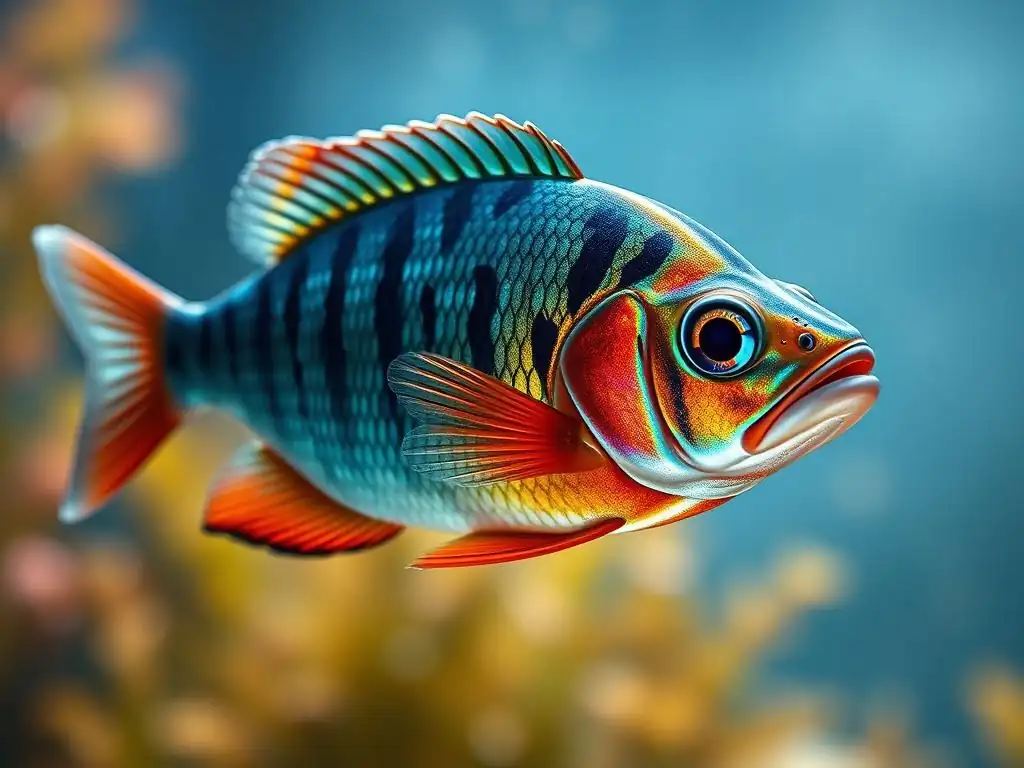
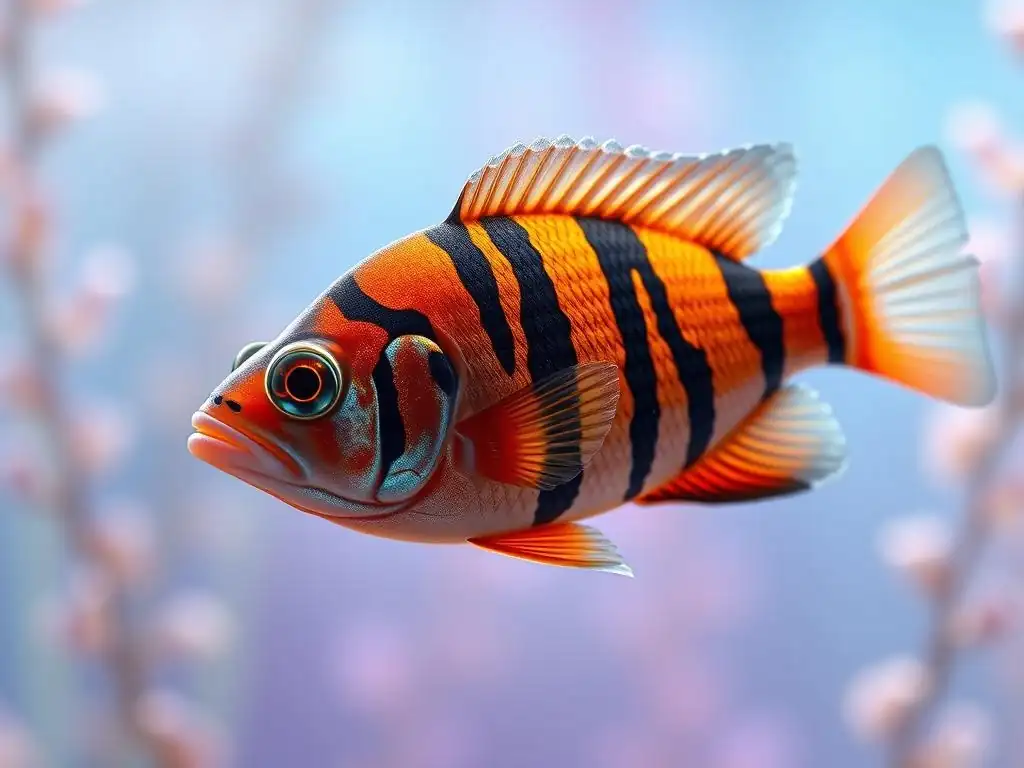
One of the most visually apparent barb stress symptoms is a noticeable dulling or fading of the fish's vibrant coloration. Healthy Tiger Barbs display bright orange bodies with distinct black stripes. Under stress, these colors can become pale, washed out, or even greyish, indicating that the fish is not thriving.
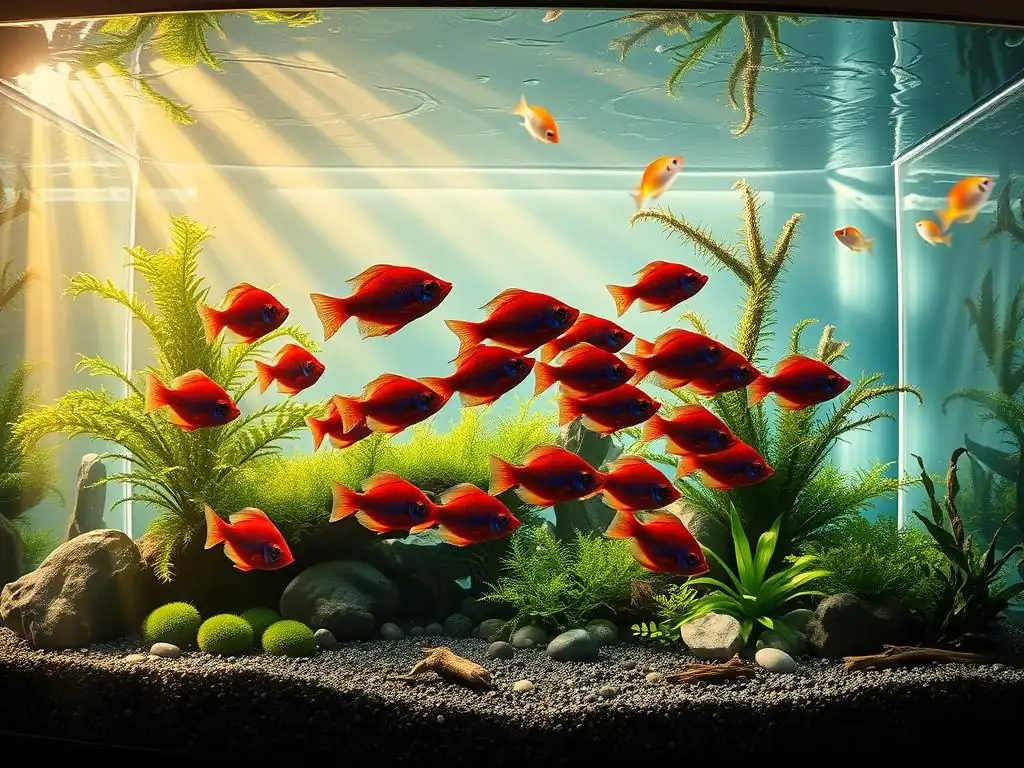
This color change is a physiological response, often linked to the release of stress hormones that affect pigment cells. It serves as an internal indicator that the fish is experiencing significant discomfort or illness. For example, a healthy Cherry Barb exhibits a rich red hue, but a stressed Cherry Barb will typically lose much of its vibrant coloration, becoming much paler.
Clamped Fins: A Sign of Physical Discomfort in Tiger Barbs
Clamped fins are a classic general indicator of stress or illness in fish, including Tiger Barbs. Instead of being spread out and fluid, the fins (dorsal, caudal, pectoral, pelvic, and anal) are held tightly against the body. This posture signifies discomfort, pain, or a general feeling of malaise.
While a momentary clamping might occur in response to a sudden scare, persistent or severe clamping across multiple fins for more than a few hours strongly suggests significant stress or an underlying health issue. This physical barb stress symptom requires immediate investigation into water parameters, tank conditions, or potential diseases to determine the necessary barb stress symptoms treatment.
Increased Respiration Rate: Difficulty Breathing Due to Stress
A healthy Tiger Barb exhibits steady, rhythmic gill movements. An increased respiration rate, characterized by rapid and labored gill movements where the operculum (gill cover) opens and closes much faster than usual, indicates that the fish is struggling to take in sufficient oxygen. This is a critical physiological barb stress symptom.
This difficulty in breathing can be caused by various factors, including low dissolved oxygen levels in the water (which can occur in warm, stagnant tanks), high concentrations of toxic ammonia or nitrite, or the presence of gill parasites. For instance, if dissolved oxygen levels fall below 5 milligrams per liter (mg/L), Tiger Barbs will typically show noticeable increases in their respiration rate, indicating respiratory distress.
Appearance of Ich or Other Infections: Stress Weakened Immune System
A direct and alarming consequence of chronic stress is a weakened immune system, which makes Tiger Barbs highly vulnerable to opportunistic pathogens. The appearance of common diseases like Ich ( Ichthyophthirius multifiliis), characterized by small, white, salt-like spots on the body and fins, or fungal infections (cotton-like growths), or bacterial fin rot, is often a secondary barb stress symptom.
This indicates that the fish's natural defenses have been compromised, allowing these pathogens to take hold. For example, a healthy Tiger Barb might be exposed to Ich without developing a full-blown infection, but a stressed one will likely show visible signs within days. Addressing the underlying stressor is paramount for effective barb stress symptoms treatment, as medication alone may not prevent recurrence if the stress factor persists.
Diagnosing the Root Cause of Tiger Barb Stress
Water Quality Issues: Testing and Addressing Water Parameters
Ammonia and Nitrite Levels: The Importance of a Balanced Nitrogen Cycle
Ammonia (NH3) and nitrite (NO2-) are highly toxic compounds to fish, even at very low concentrations. In a healthy, fully cycled aquarium, both ammonia and nitrite levels should consistently be 0 parts per million (ppm). Even a slight increase, such as 0.25 ppm of ammonia or nitrite, can cause acute stress, damage gill tissue, and lead to immediate barb stress symptoms in sensitive fish like Tiger Barbs.
Regular testing with a reliable liquid test kit (not test strips, which can be less accurate) is crucial. If these toxins are detected, immediate actions such as a substantial partial water change (e.g., 50%) with dechlorinated, temperature-matched water are necessary. Identifying the source of the spike, whether it's overfeeding, insufficient filtration, or an incomplete nitrogen cycle, is vital for long-term barb stress symptoms treatment and prevention.
pH Imbalance: Maintaining the Correct pH for Tiger Barbs (6.0-7.0)
Tiger Barbs thrive in slightly acidic to neutral water, with an ideal pH range of 6.0 to 7.0. Significant deviations outside this range, or rapid fluctuations in pH (e.g., a sudden drop from 7.0 to 5.5 in a few hours), can cause osmotic stress, where the fish's body struggles to regulate its internal salt and water balance. This can be severely debilitating or even fatal.
If the pH is consistently outside the optimal range, investigate the source; this could be the tap water, certain substrates, or decorations. Gradual adjustments are key: using pH buffers, adding driftwood (which slowly lowers pH), or adjusting water change frequency can help. Rapid pH changes are far more stressful than a stable, slightly suboptimal pH, so any adjustments should be made slowly over several days.
Temperature Fluctuations: Ensuring a Stable Tank Temperature (72-78°F)
The optimal temperature range for Tiger Barbs is 72-78°F (22-26°C). While they can tolerate slight variations, sudden and significant temperature swings of more than 2-3°F (1-2°C) within a few hours are highly stressful and can shock their system, leading to weakened immunity and barb stress symptoms. Consistent temperature is more important than hitting an exact number within the range.
Common causes of temperature fluctuations include faulty or undersized heaters, drafts from windows or air conditioners, or large water changes with unacclimated water. Ensuring a reliable, appropriately sized heater and maintaining a stable room temperature for the aquarium are vital preventative measures. Always match the temperature of new water to the tank water during changes to prevent thermal shock.
Tank Environment and Overcrowding: Assessing the Barb's Surroundings
Inadequate Tank Size: Providing Enough Space for Tiger Barb Schools (Minimum 20 Gallons for 6 Barbs)
Tiger Barbs are active, schooling fish that require ample swimming space. A minimum tank size of 20 gallons (approximately 75 liters) is recommended for a small school of 6 barbs, with larger tanks (e.g., 30-55 gallons or 115-210 liters) being ideal for larger schools (8-12 barbs). Insufficient space leads to chronic stress, heightened aggression, and stunted growth.
In an overcrowded tank, Tiger Barbs become more aggressive towards each other and other tank mates due to limited territory and constant competition for resources. This persistent low-level conflict significantly contributes to barb stress symptoms, such as clamped fins, faded colors, and increased susceptibility to disease. Providing adequate space is foundational for their well-being.
Lack of Hiding Places: Creating a Safe and Secure Environment with Plants and Decorations
While Tiger Barbs are energetic swimmers, they also need places to retreat and feel secure. A tank devoid of adequate hiding places, such as dense live or artificial plants, driftwood, or rock formations, can make them feel exposed and vulnerable. This constant feeling of insecurity contributes significantly to anxiety and barb stress symptoms.
Aim for a balanced aquascape that offers a mix of open swimming areas and densely planted or decorated zones. For example, using hardy plants like Java Fern, Anubias, or even artificial silk plants can provide excellent cover and visual barriers. These retreats allow barbs to escape perceived threats or temporary aggression from other barbs, reducing overall stress levels.
Aggressive Tank Mates: Identifying and Removing Potential Bullies (Avoid Long-Finned Fish)
Tiger Barbs are known for their semi-aggressive, nippy nature, especially when kept in too small numbers (less than 6) or with inappropriate tank mates. They are notorious fin-nippers, and long-finned, slow-moving fish such as Angelfish, Bettas, or Guppies are particularly vulnerable to their antics, leading to severe stress and physical injury for the victims.
If fin-nipping or bullying is observed, the aggressor (which might be a dominant Tiger Barb itself if the school is too small) or the victim needs to be removed and rehomed to a more suitable environment. Ensuring a large school of 8-10 or more Tiger Barbs often disperses their aggression among themselves, reducing stress on other species and preventing the need for extensive barb stress symptoms treatment.
Dietary Deficiencies: Ensuring a Balanced and Nutritious Diet
Providing a Variety of Foods: Meeting the Nutritional Needs of Tiger Barbs (Flakes, Live/Frozen Foods)
A monotonous diet, even if the fish are eating, can lead to nutritional deficiencies and long-term stress, manifesting as faded colors, reduced energy, and a weakened immune system. Healthy Tiger Barbs thrive on a varied diet that includes high-quality flake food (e.g., a good staple flake with 40-45% crude protein), supplemented with live or frozen foods.
Offer a diverse range of foods such as brine shrimp, bloodworms, daphnia, and spirulina-enriched flakes 2-3 times a week. This variety ensures they receive all necessary vitamins, minerals, and proteins, mimicking their natural diet and boosting their overall health and resilience. A well-nourished fish is far less susceptible to barb stress symptoms.
Avoiding Overfeeding: Preventing Water Quality Issues
While providing a nutritious diet is crucial, overfeeding is a common mistake that directly contributes to poor water quality, a primary stressor for Tiger Barbs. Excess food decays, rapidly producing toxic ammonia and nitrite, which then elevate nitrate levels. Overfeeding can also lead to digestive issues and swim bladder problems in the fish themselves.
The general guideline is to feed small amounts 2-3 times a day, only what the fish can consume entirely within 2-3 minutes. Any uneaten food should be promptly removed from the tank with a net or siphon to prevent decomposition. This practice prevents dangerous water parameter spikes and maintains a stable, healthy environment, crucial for preventing barb stress.
Tiger Barb Stress Treatment and Prevention Strategies
Immediate Actions for Stressed Tiger Barbs: A Step-by-Step Approach
Water Change: Performing a Partial Water Change (25%) to Improve Water Quality
Performing a partial water change is often the most effective immediate action for stressed Tiger Barbs, especially when water quality issues are suspected. A 25% partial water change with temperature-matched, dechlorinated water can rapidly dilute harmful toxins like ammonia, nitrite, and nitrates, while also replenishing essential minerals. This provides immediate relief from many barb stress symptoms.
Use a gravel vacuum to simultaneously remove accumulated debris and uneaten food from the substrate, which are sources of decaying organic matter. Ensure the new water is precisely the same temperature as the tank water to avoid further thermal shock, which could exacerbate the stress. This simple yet powerful step can significantly improve the environment for stressed barbs.
Quarantine: Isolating the Stressed Tiger Barb for Observation and Treatment
If a specific Tiger Barb shows severe stress symptoms, signs of illness, or is being bullied, moving it to a separate quarantine tank is highly recommended. A simple 5-10 gallon tank with a heater, a small sponge filter (seeded with beneficial bacteria from the main tank's filter), and an air stone provides an ideal isolation environment. This prevents potential disease spread and allows for focused observation.
In quarantine, the stressed fish can be monitored closely without competition for food or space. This setup also allows for precise medication dosages if a stress-related illness is diagnosed, minimizing the impact on the main display tank's beneficial bacteria and other inhabitants. Removing the fish from the main tank's stressors significantly aids recovery and effective barb stress symptoms treatment.
Long-Term Solutions for Preventing Tiger Barb Stress
Maintaining Optimal Water Parameters: Regular Testing and Adjustments
Consistent maintenance of optimal water parameters is the cornerstone of preventing Tiger Barb stress long-term. Implement a routine of weekly or bi-weekly water testing for ammonia, nitrite, nitrate, and pH using a reliable liquid test kit. Regular 20-25% partial water changes (e.g., weekly or bi-weekly depending on bioload) are essential to keep nitrate levels below 20 ppm and prevent the slow creep of parameters that can induce chronic stress.
By consistently adhering to a rigorous water quality regimen, you create a stable and predictable environment for your Tiger Barbs. This proactive approach minimizes chronic stressors on their physiological systems, allowing their immune systems to function optimally and significantly reducing the incidence of barb stress symptoms and related illnesses.
Providing a Suitable Tank Environment: Ensuring Adequate Space and Hiding Places
To prevent long-term stress, ensure the tank size is perpetually appropriate for the number of Tiger Barbs you keep (minimum 20 gallons for 6, scaling up for larger schools). Critically, incorporate plenty of live or artificial plants, driftwood, and rocks to create visual barriers and secure retreats. A well-designed aquascape mimics their natural habitat and fosters a sense of security.
A suitable environment minimizes aggression among the barbs themselves by providing ample space and breaking lines of sight, which reduces territory disputes. It also offers safe zones for individual fish to retreat when they feel overwhelmed or need rest, thereby reducing anxiety and preventing many common barb stress symptoms before they even appear.
Choosing Compatible Tank Mates: Avoiding Aggression and Bullying
Careful selection of tank mates is paramount for preventing stress in Tiger Barbs and other inhabitants. Research potential companions thoroughly, sticking to fast-moving, robust fish that can handle the barbs' boisterous nature, or those too large to be bothered. Avoid slow-moving, long-finned species, or particularly timid fish that will easily become targets of fin-nipping or bullying.
Good tank mates often include certain species of Danios, various Plecos, or larger Rasboras. Conversely, never mix Tiger Barbs with delicate fish like Angelfish, Bettas, or Guppies, as these are prime targets for their aggressive tendencies. This thoughtful selection is crucial for maintaining a peaceful community tank and preventing stress-related issues that necessitate barb stress symptoms treatment.
Establishing a Regular Feeding Schedule: Preventing Overfeeding and Nutritional Deficiencies
Establishing and adhering to a regular feeding schedule is key to both preventing water quality issues and ensuring optimal nutrition. Feed your Tiger Barbs 2-3 times daily, providing only small amounts that are consumed within a few minutes. Rotate between high-quality flakes or pellets and various frozen or live foods (like bloodworms or brine shrimp) to ensure a complete nutritional profile.
A consistent, balanced diet prevents both nutrient deficiencies that weaken fish and excess waste that degrades water quality. This dual benefit directly contributes to the barbs' overall health, boosts their natural resilience, and significantly reduces the likelihood of them developing barb stress symptoms related to poor nutrition or environmental toxins.
While stress itself is not treated with medication, the illnesses that manifest due to a stress-weakened immune system (e.g., Ich, fin rot, bacterial infections) often require specific treatments. For instance, Ich is commonly treated with medications containing malachite green or formalin, often combined with a gradual elevation of tank temperature to 82°F (28°C) in the quarantine tank to speed up the parasite's life cycle. Bacterial infections like fin rot might require broad-spectrum antibiotics.
Always follow product instructions meticulously for any medication used, and ensure proper dosage. If the cause of illness is unclear, or symptoms persist despite common treatments, consulting an aquatic veterinarian is highly recommended. They can provide accurate diagnoses, recommend specific barb stress symptoms treatment plans, and advise on more complex or resistant infections, ensuring the best possible outcome for your fish.
Restoring Your Tiger Barbs Wellbeing: Creating a Stress-Free Aquarium
Observing Your Tiger Barbs: Monitoring Their Behavior and Physical Condition
Daily observation is paramount for maintaining the well-being of your Tiger Barbs. Spend a few minutes each day watching their swimming patterns, color vibrancy, fin condition, and interaction with the school and environment. Early detection of subtle barb stress symptoms, such as a slight dulling of color or a tendency to hide more often, allows for quicker intervention before issues escalate.
Actively look for deviations from normal behavior: Are they schooling normally, or is one isolated? Are their colors bright and their stripes distinct, or are they faded? Are their fins spread and flowing, or are they clamped? Are they eating eagerly when food is offered? Any departure from these norms should prompt a thorough investigation into water parameters, tank conditions, or potential health concerns. This proactive monitoring is the first line of defense in maintaining their wellbeing.
Preventative Measures: Maintaining a Healthy and Balanced Aquarium Ecosystem
Prevention is always superior to cure when it comes to fish health and stress. This involves consistent adherence to proper aquarium husbandry practices: performing regular partial water changes, ensuring adequate and appropriate filtration, maintaining a stable water temperature within their optimal range, providing a varied and nutritious diet, and designing a thoughtfully structured tank layout with ample space and hiding places.
By consistently providing optimal conditions, you create a robust and resilient aquarium ecosystem where Tiger Barbs can not only survive but truly thrive. This holistic approach minimizes the likelihood of stress, significantly boosts their natural immunity, and dramatically reduces the need for reactive barb stress symptoms treatment, fostering a vibrant and healthy community for years to come.
The Importance of Patience: Allowing Your Tiger Barbs to Recover and Thrive
It is crucial to understand that fish recovery from stress, particularly chronic stress, can take time. Once the underlying stressors are identified and removed, and optimal conditions are re-established, it might still take days, or even weeks, for Tiger Barbs to fully regain their vibrant colors, return to normal schooling behavior, and exhibit their full robust health.
Avoid the temptation to make immediate drastic changes if initial improvements are not seen within hours. Instead, continue consistent care, maintain stable water parameters, and observe patiently. A stable, well-maintained environment, coupled with your diligent attention and understanding, will ultimately lead to a thriving, stress-free school of Tiger Barbs, showcasing their full beauty and active personalities.
Frequently Asked Questions
How can I identify stress in my Barbs?
Look for key stress symptoms like clamped fins, rapid breathing, loss of appetite, and erratic swimming. These can indicate that your Barbs are experiencing environmental or social stress.
What are the common causes of stress in Barbs?
Common causes include poor water quality, overcrowding, incompatible tank mates, sudden changes in temperature, and lack of hiding places. Addressing these factors is essential for their wellbeing.
What kind of water parameters are ideal for Barbs to reduce stress?
Barbs generally prefer slightly acidic to neutral water, with a pH of around 6.0-7.0. Maintaining stable water parameters like temperature and ammonia levels is crucial to minimize stress.
How can I treat stress in my Barbs once symptoms are identified?
Treatment involves identifying and addressing the underlying cause of the stress. This may involve water changes, adjusting tank parameters, separating aggressive fish, or adding hiding places.
What preventative measures can I take to avoid stress in my Barb aquarium?
Regular water testing and changes, appropriate tank size for the number of fish, careful selection of compatible tank mates, and providing a well-planted environment can all help prevent stress.
Final Reflection: Nurturing Tranquility in Our Aquatic Worlds
The insights shared throughout this article underscore a crucial truth: the wellbeing of our aquatic companions is inextricably linked to our understanding and proactive management of their environment. Just as we strive to minimize stress in our own lives, recognizing and addressing the stressors impacting our Barbs is paramount to ensuring their health and vitality. Ignoring these subtle cues can have devastating consequences, transforming a vibrant community tank into a breeding ground for disease and despair.
The delicate balance within an aquarium ecosystem mirrors the complexities of our own social structures. Observing the subtle shifts in behavior, the changes in coloration, and the overall demeanor of our Barbs provides a powerful lesson in empathy and interconnectedness. The greatness of a nation and its moral progress can be judged by the way its animals are treated.
- Mahatma Gandhi. This quote, though often applied to larger animals, resonates deeply with the responsibility we bear towards even the smallest creatures in our care.
Now, consider the lessons learned. How can you apply a more mindful approach to your aquarium management? Are you truly observing your Barbs, attuned to their needs and responsive to their distress signals? Let this article serve as a catalyst for deeper engagement with your aquatic world. Commit to creating a sanctuary of tranquility, where your Barbs can thrive, and in doing so, enrich your own life with the profound rewards of responsible stewardship.
Revitalize Your Barbs: Begin Their Stress-Free Journey!
Thank you for diving into the world of barb wellbeing! We hope this article provided valuable insights into recognizing and addressing stress in your aquatic companions. Now, let's turn that knowledge into action and create a happier, healthier environment for your barbs.
Here's what you can do:
- Immediately assess your tank environment: Carefully check water parameters, temperature, and tank mates to identify potential stressors. This is your most crucial first step.
- Monitor your barbs' behavior closely over the next 24 hours. Note any changes, however subtle, and consider sharing your observations with an online aquarium community for peer support.
- Consider adding a new, unique hiding spot to the tank, like a coconut shell or a piece of driftwood, to offer your barbs a sense of security they might not have had before.
What immediate change are you most excited to implement in your barb's tank to alleviate potential stress?