
The Benefits of Blackwater for Gouramis: Tannins and Natural Health

Welcome to Aquarium Mastery!
Ever wondered how to unlock the full potential of your gourami's vibrant colors and natural health? Discover the secrets of a blackwater aquarium and how its tannin-rich environment can revolutionize your gourami's well-being. Intrigued? Dive in to learn how to create the perfect blackwater paradise for your finned friends!
- Understanding Blackwater Aquariums for Gouramis
- The Role of Tannins in Gourami Health and Well-being
- Key Benefits of Blackwater for Gourami Species
- Creating a Blackwater Aquarium for Gouramis: A Step-by-Step Guide
- Blackwater and Gourami Disease Prevention
- Selecting the Right Gourami Species for a Blackwater Setup
- Common Mistakes to Avoid When Setting Up a Blackwater Gourami Tank
- Blackwater vs. Clear Water: Which is Best for Your Gourami?
- Advanced Blackwater Techniques for Gourami Keepers
- Conclusion: Optimizing Gourami Health with Blackwater Aquariums
-
Frequently Asked Questions
- What exactly is a Blackwater aquarium and why is it beneficial for gouramis?
- How do tannins in Blackwater aquariums benefit gouramis?
- What are some common ways to create a Blackwater environment in my gourami tank?
- Will Blackwater affect the appearance of my aquarium water?
- Are there any potential downsides to keeping a Blackwater aquarium for gouramis?
- Final Reflection: Embracing the Essence of the Blackwater Biotope
- Unleash the True Potential of Your Gouramis!
Understanding Blackwater Aquariums for Gouramis
What is a Blackwater Aquarium? Replicating the Gourami's Natural Habitat
A blackwater aquarium is a specialized setup designed to mimic the natural aquatic environments found in parts of the Amazon basin, Southeast Asia, and West Africa. These unique habitats are characterized by water stained a tea-like color due to the presence of dissolved organic compounds, primarily tannins and humic acids, leached from decaying leaves, wood, and other botanical matter.
Chemically, blackwater is typically soft (low General Hardness, GH) and acidic (low pH), often ranging from pH 4.0 to 6.5, with negligible carbonate hardness (KH). This distinct chemical profile and appearance are crucial for replicating the conditions in which many fish species, including a significant number of gouramis, naturally thrive.
For gourami species such as the Dwarf Gourami (Trichogaster lalius), Honey Gourami (Trichogaster chuna), and Sparkling Gourami (Trichopsis pumila), replicating their natural habitat is paramount for their health and well-being. Many of these fish originate from slow-moving, heavily vegetated rivers, streams, and peat swamps in regions like the Mekong Delta, Borneo, and Sumatra.
These areas are naturally rich in leaf litter and submerged wood, leading to the characteristic blackwater conditions. By creating a blackwater aquarium for gouramis, aquarists provide an environment that closely mirrors their ancestral homes, reducing stress and encouraging natural behaviors that might otherwise be suppressed in a conventional clear-water tank.
Why Gouramis Thrive in Blackwater Environments
Gouramis, being anabantoids, possess a labyrinth organ that allows them to breathe atmospheric oxygen, making them adaptable to various water conditions. However, their true potential for health, vibrancy, and natural behavior is often unlocked in a blackwater environment. The specific chemical composition of blackwater, with its low pH and GH, significantly reduces osmotic stress on these fish.
In hard, alkaline water, gouramis expend more energy regulating their internal salt balance, which can lead to chronic stress and a weakened immune system over time. The soft, acidic water of a blackwater aquarium for gouramis minimizes this physiological burden, allowing the fish to allocate more energy towards growth, coloration, and reproduction.
Beyond the chemical benefits, the dim lighting and sheltered feeling provided by the tannin-stained water create a sense of security for these often shy and sensitive fish. Gouramis, particularly species like the Dwarf Gourami, can be prone to stress in brightly lit, open tanks.
The subdued light and numerous hiding spots offered by botanicals in a blackwater setup encourage them to be more active, explore their surroundings, and display their full range of natural behaviors, including foraging and social interactions. This reduced stress directly translates to improved health, a stronger immune response, and a greater likelihood of successful breeding, making a blackwater aquarium for gouramis an ideal choice for dedicated enthusiasts.
The Role of Tannins in Gourami Health and Well-being
Tannins: Natural Compounds for a Healthy Aquarium
Tannins are a group of naturally occurring polyphenolic compounds leached from various botanical materials such as dried leaves (e.g., Indian Almond leaves, Guava leaves), driftwood, and seed pods (e.g., Catappa pods, Alder cones). These compounds are responsible for the characteristic amber or tea-like coloration of blackwater. Beyond their aesthetic contribution, tannins play a crucial role in the chemistry and health benefits of a blackwater aquarium for gouramis.
When introduced into water, tannins slowly release humic acids and other organic substances that contribute to lowering the pH and buffering capacity, creating the soft, acidic conditions preferred by many gourami species. For example, adding just 2-3 medium Indian Almond leaves to a 10-gallon tank can typically lower the pH by 0.2 to 0.5 units over several days, depending on the initial water parameters.
Moreover, tannins possess mild antiseptic, antifungal, and antibacterial properties. They can help inhibit the growth of certain harmful bacteria and fungi, providing a natural defense against common fish ailments. This protective effect is particularly beneficial for delicate fish like gouramis, which can be susceptible to fin rot or fungal infections under stressful conditions.
Tannins also contribute to the development of a healthy slime coat on fish, acting as a protective barrier against external pathogens. The presence of these beneficial compounds in a blackwater aquarium for gouramis helps to create a more stable and disease-resistant environment, promoting overall vitality and longevity.
Blackwater Extract and its Benefits for Gourami Fish
While natural botanicals are an excellent way to achieve blackwater conditions, blackwater extracts offer a convenient and controlled method to introduce beneficial tannins and humic acids into an aquarium. These liquid concentrates are derived from natural sources and provide the key compounds without the organic decay or potential for detritus buildup associated with large quantities of leaves or wood. This makes them an ideal solution for aquarists who desire the benefits of blackwater for gourami fish but prefer a cleaner aesthetic or need to adjust parameters more precisely.
The benefits of using blackwater extract for gourami fish are manifold. Primarily, it helps to quickly establish and maintain the desired soft, acidic water parameters that reduce stress and mimic their native habitats. For instance, a typical dose of blackwater extract can lower pH by 0.1-0.3 units within hours and provide a consistent tannin tint.
Additionally, the mild antiseptic properties of the tannins in the extract contribute to disease prevention, bolstering the gouramis' natural immunity. Aquarists often observe improved coloration, increased activity, and a greater willingness to breed in gouramis housed in tanks treated with blackwater extract, showcasing the profound positive impact these compounds have on their overall health and well-being.
Key Benefits of Blackwater for Gourami Species
Improved Gourami Coloration and Appearance with Blackwater
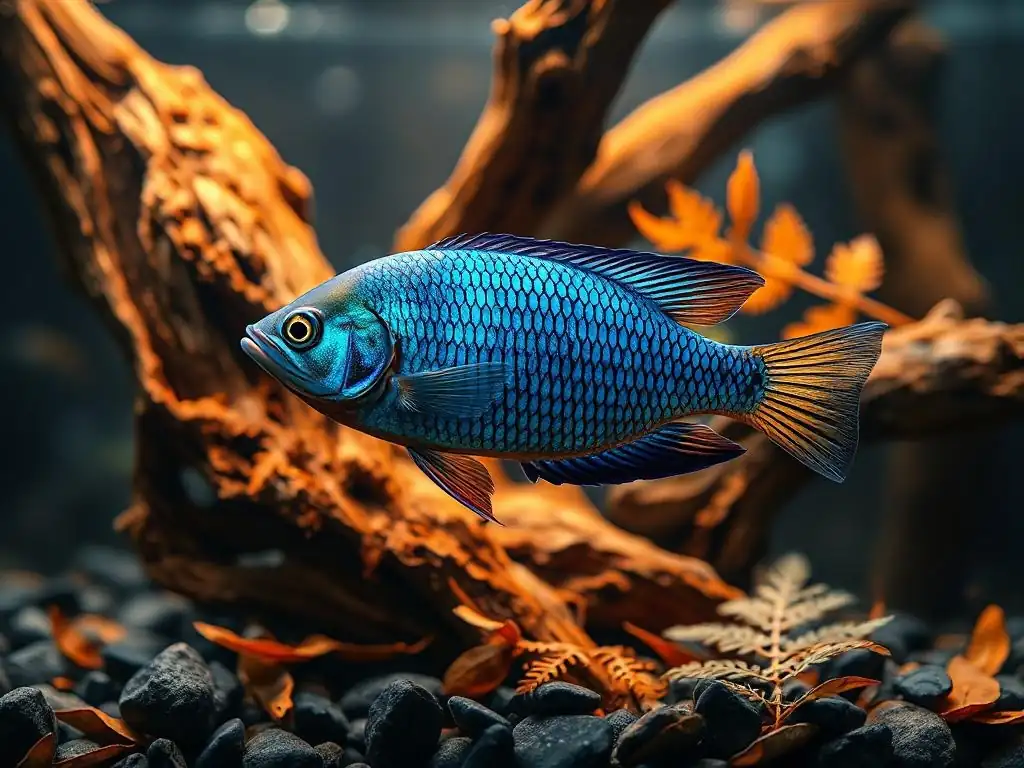
One of the most visually striking benefits of maintaining a blackwater aquarium for gouramis is the remarkable enhancement of their natural coloration. In a clear, brightly lit tank, gouramis can often appear washed out or dull. However, when placed in a tannin-stained environment, their colors intensify dramatically, reflecting their true genetic potential.
The subdued lighting and the specific chemical properties of blackwater water, including a slightly acidic pH, encourage fish to display their most vibrant hues. For example, the brilliant blues and reds of a male Dwarf Gourami become incredibly vivid, and the intricate patterns on a Pearl Gourami (Trichopodus leerii) appear sharper and more pronounced.
This intensification of color is not merely aesthetic; it is often an indicator of reduced stress and optimal health. In a blackwater setup, gouramis feel more secure and less exposed, allowing them to express their full range of natural behaviors, including displaying their breeding colors.
Anecdotal evidence from aquarists suggests that within a few weeks of transitioning to a blackwater aquarium for gouramis, fish previously showing muted colors will exhibit a noticeable improvement in vibrancy, often reaching their peak coloration. This natural enhancement makes blackwater an excellent choice for anyone looking to truly appreciate the beauty of their gourami species.
Enhanced Breeding Conditions for Gouramis in Blackwater Tanks
For aquarists interested in breeding gouramis, a blackwater aquarium for gouramis can significantly enhance breeding success rates. Many gourami species, particularly the popular bubble nesters like Dwarf Gouramis and Honey Gouramis, are naturally triggered to spawn by the soft, acidic water conditions found in their native blackwater habitats.
The presence of tannins and humic acids mimics these crucial environmental cues, signaling to the fish that conditions are ideal for reproduction. The lower pH and GH levels in blackwater are believed to promote better egg viability and fry development, as the eggs of many freshwater species are adapted to hatch in soft, acidic water.
Furthermore, the dim lighting and abundance of hiding spots provided by botanicals and dense planting in a blackwater tank create a secure and private environment conducive to spawning. The male gourami can construct his bubble nest undisturbed, and the female feels safer depositing her eggs.
For instance, Dwarf Gourami breeding attempts often see a 20-30% increase in successful spawns in a well-maintained blackwater setup compared to standard community tanks. This natural setting reduces pre-spawning stress, encourages pair bonding, and provides a safer haven for the delicate fry once they hatch, making a blackwater aquarium a preferred choice for serious gourami breeders.
Blackwater's Role in Reducing Gourami Stress and Promoting Natural Behavior
Stress is a major contributor to disease and reduced lifespan in aquarium fish, and gouramis, with their often sensitive nature, are particularly susceptible. A blackwater aquarium for gouramis plays a crucial role in mitigating this stress by replicating the dark, sheltered, and chemically stable conditions of their natural environment. The tannin-stained water reduces the intensity of light, which can be overwhelming for fish that typically inhabit shaded, densely vegetated areas. This subdued lighting provides a sense of security, encouraging shy species to venture out and exhibit more confident swimming patterns.
Beyond the visual aspect, the humic substances present in blackwater have a calming effect on fish, contributing to their overall well-being. This reduction in chronic stress strengthens the gouramis' immune systems, making them less susceptible to common ailments. In a blackwater setup, gouramis are often observed displaying more natural behaviors, such as intricate courtship rituals, active foraging among leaf litter, and less aggressive interactions among tank mates.
This improved behavioral display is a clear indicator of a healthy and comfortable fish. For example, a Dwarf Gourami housed in a blackwater environment may live up to 3-4 years, compared to 2-3 years in a stressful, clear-water setup, demonstrating the long-term benefits of a blackwater aquarium for gouramis.
Creating a Blackwater Aquarium for Gouramis: A Step-by-Step Guide
Choosing the Right Substrate and Hardscape for Blackwater Gourami Tanks
The foundation of a successful blackwater aquarium for gouramis begins with the careful selection of substrate and hardscape elements. For the substrate, fine-grained sand or smooth, dark-colored gravel is often preferred. Dark substrates not only enhance the visual depth and contrast with the gouramis' vibrant colors but also minimize light reflection, further contributing to the dim, natural feel of a blackwater environment. Avoid substrates that significantly alter water chemistry, such as crushed coral or aragonite, as these will buffer the pH upwards and counteract the goal of soft, acidic water.
The hardscape is where the majority of the tannins are introduced. Driftwood is essential, with popular choices including Malaysian driftwood, Mopani wood, and Cholla wood. These woods release tannins over time, staining the water and providing beneficial humic substances. It's advisable to pre-soak new driftwood for several days or weeks to release the initial heavy tannin leach and prevent buoyancy issues.
Additionally, botanicals such as Indian Almond leaves (Catappa leaves), Alder cones, Guava leaves, and various seed pods (e.g., Sterculia pods) are vital. These items not only contribute tannins but also create a natural-looking litter layer on the substrate, offering hiding spots and foraging opportunities for gouramis. A good starting point is 1-2 medium pieces of driftwood per 20 gallons and 2-3 Indian Almond leaves per 10 gallons, replenished as they decompose.
Introducing Blackwater Extracts and Botanicals Safely
Once the substrate and hardscape are in place, the next step is to safely introduce the elements that will create the blackwater conditions. If using natural botanicals, begin by rinsing them thoroughly to remove any surface debris. Then, add them gradually to the aquarium.
For instance, start with 1-2 Indian Almond leaves per 10 gallons and observe the water coloration and your gouramis' response over a few days. You can add more leaves incrementally until the desired tint is achieved. Some aquarists prefer to boil botanicals briefly before adding them to sterilize them and help them sink, though this can also release a burst of tannins initially.
For blackwater extracts, always follow the manufacturer's dosage instructions. It is generally recommended to start with a half dose and increase gradually, monitoring the water parameters (especially pH) closely. Blackwater extracts offer precise control over the tannin levels and can be particularly useful for maintaining a consistent tint after the initial botanical leach has slowed. When performing water changes, it's often beneficial to pre-treat the new water with a small amount of extract or condition it with botanicals to minimize fluctuations in water parameters and color, ensuring a stable blackwater aquarium for gouramis.
Maintaining Optimal Water Parameters in a Blackwater Gourami Setup
Maintaining stable and optimal water parameters is crucial for the long-term health of gouramis in a blackwater aquarium. The primary goal is to achieve and sustain soft, acidic water, typically with a pH between 5.5 and 6.8, and very low General Hardness (GH) and Carbonate Hardness (KH), ideally in the range of 0-5 dGH/dKH. Regular water testing using a reliable liquid test kit is essential to monitor pH, GH, KH, ammonia, nitrite, and nitrate levels. Ammonia and nitrite should always be undetectable, and nitrates kept below 20 ppm through regular maintenance.
Water changes are vital for nutrient export and parameter stability. However, they must be performed carefully to avoid shocking the fish with sudden changes. Small, frequent water changes (e.g., 10-15% weekly) are preferable to large, infrequent ones.
Use dechlorinated water that has been aged if possible, and ideally, pre-treat it with a small amount of blackwater extract or ensure it matches the tank's parameters as closely as possible. If your tap water is hard and alkaline, you may need to use reverse osmosis (RO) or distilled water, remineralized with products designed for soft water fish, to achieve the ideal conditions for a thriving blackwater aquarium for gouramis.
Blackwater and Gourami Disease Prevention
The Antifungal and Antibacterial Properties of Tannins
The presence of tannins in a blackwater aquarium for gouramis offers significant benefits in terms of disease prevention due to their inherent antifungal and antibacterial properties. Tannins, specifically humic acids, have been shown to inhibit the growth of certain pathogenic bacteria and fungi that commonly affect freshwater fish. They achieve this by lowering the pH of the water, creating an environment less favorable for the proliferation of many harmful microorganisms. Additionally, tannins can interfere with the metabolic processes of these pathogens and may even chelate heavy metals, reducing their toxicity in the water.
While not a cure for established diseases, the consistent presence of tannins can significantly reduce the likelihood of gouramis succumbing to common ailments such as fin rot (caused by bacterial infections), columnaris (Flavobacterium columnare), and various fungal infections. For example, studies have indicated that fish kept in tannin-rich water may experience up to a 15-20% reduction in bacterial skin and fin infections compared to those in clear water. This natural prophylactic effect helps to maintain a healthier fish population and contributes to the overall resilience of a blackwater aquarium for gouramis against disease outbreaks.
Reducing the Risk of Common Gourami Diseases with Blackwater
Beyond the direct antimicrobial effects, a blackwater aquarium for gouramis contributes to disease prevention by creating an optimal, low-stress environment that naturally boosts the fish's immune system. Stress is a primary factor in weakening a fish's defenses, making them more susceptible to opportunistic pathogens. By mimicking their natural habitat with soft, acidic water, subdued lighting, and ample hiding spots, blackwater conditions significantly reduce environmental stressors on gouramis. This allows their immune systems to function at peak efficiency, enabling them to better ward off potential infections.
For instance, common diseases like Ich (white spot disease, Ichthyophthirius multifiliis) and Velvet (Oodinium) often prey on stressed or weakened fish. While blackwater itself isn't a direct treatment, a healthy, unstressed gourami in a blackwater setup is far less likely to contract these parasites or will recover more effectively if exposed. The stable parameters and beneficial compounds in a blackwater environment create a holistic approach to health, reducing the overall risk of disease and promoting a longer, more vibrant life for your gouramis. A well-maintained blackwater aquarium for gouramis is a cornerstone of proactive health management.
Selecting the Right Gourami Species for a Blackwater Setup
Suitable Gourami Varieties for Blackwater Aquariums
While many gourami species can adapt to a range of water conditions, certain varieties truly thrive and exhibit their best health and coloration in a blackwater aquarium. These are typically the species that originate from soft, acidic, and tannin-stained waters in their natural habitats.
Excellent choices include the Dwarf Gourami (Trichogaster lalius), known for its vibrant blues and reds; the Honey Gourami (Trichogaster chuna), a peaceful and often shy species that benefits greatly from the security of dark water; and the Sparkling Gourami (Trichopsis pumila), a small, charming species that displays its intricate patterns and vocalizations beautifully in a blackwater setting.
Other suitable gouramis that appreciate blackwater conditions include the Licorice Gouramis (Parosphromenus spp. ), which are obligate blackwater species requiring very soft, acidic water (pH 4.0-6.0) to thrive and breed. While Pearl Gouramis (Trichopodus leerii) are more adaptable and can live in a wider range of parameters, they also benefit from the calming effects and mild antiseptic properties of a blackwater aquarium for gouramis, often displaying richer patterns and more confident behavior. When selecting your gouramis, researching their specific natural water parameters will ensure you choose species that will truly flourish in your blackwater setup.
Compatibility Considerations for Gouramis and Tank Mates in Blackwater Environments
When planning a blackwater aquarium for gouramis, it's crucial to select tank mates that share similar water parameter preferences and temperament. Introducing fish that prefer hard, alkaline water will compromise the blackwater environment and stress all inhabitants. Similarly, aggressive or fin-nipping species should be avoided, as gouramis can be delicate and their long fins make them targets. Ideal tank mates are peaceful, small to medium-sized, and also originate from soft, acidic blackwater regions.
Good companion fish for a blackwater aquarium for gouramis include small schooling tetras such as Neon Tetras (Paracheirodon innesi), Cardinal Tetras (Paracheirodon axelrodi), and Ember Tetras (Hyphessobrycon amandae), which often display more intense colors in blackwater. Various species of Rasboras, particularly Harlequin Rasboras (Trigonostigma heteromorpha) and Chili Rasboras (Boraras brigittae), are also excellent choices. Bottom dwellers like Corydoras catfish (e.g., Corydoras panda, Corydoras pygmaeus) and Otocinclus catfish are also suitable, as they appreciate soft water and help keep the substrate clean.
Always ensure the tank size is adequate for the adult size and schooling needs of all chosen species. For example, a 20-gallon long tank can comfortably house a pair of Dwarf Gouramis and a small school of 6-8 Ember Tetras.
Common Mistakes to Avoid When Setting Up a Blackwater Gourami Tank
Overdoing Blackwater Extracts: Finding the Right Balance
One common mistake when setting up a blackwater aquarium for gouramis is to overdo the introduction of blackwater extracts or botanicals, leading to excessively dark water or, more critically, dangerously low pH levels. While the goal is to create a tannin-stained environment, an opaque black water column can make it difficult to observe your fish for signs of stress or illness. More importantly, adding too many tannins too quickly, especially in tanks with very low buffering capacity (KH), can cause a rapid and drastic drop in pH, leading to pH shock, which can be fatal to fish.
It's essential to introduce tannins gradually, whether from botanicals or extracts, and monitor your water parameters closely. Aim for a tea-like color – a rich amber or light brown – rather than an inky black. Start with conservative doses and observe the changes in pH and color over several days before adding more. Regular monitoring of KH is also vital; if your KH is consistently zero or very close to it, your pH may be prone to sudden crashes. Finding the right balance ensures a safe and beneficial blackwater aquarium for gouramis without compromising water stability.
Monitoring Water Chemistry in Blackwater Aquariums
A critical oversight in blackwater setups is insufficient monitoring of water chemistry. While the goal is soft, acidic water, these conditions can sometimes be less stable than hard, alkaline environments due to very low buffering capacity. Without adequate KH, the pH can fluctuate wildly, leading to stress and health problems for your gouramis. Therefore, consistent and accurate water testing is paramount. Aquarists should regularly test for pH, General Hardness (GH), Carbonate Hardness (KH), ammonia, nitrite, and nitrate using reliable liquid test kits.
It's important to understand that while tannins lower pH, they do not provide buffering capacity. If your tap water has very low KH, you may need to implement strategies to maintain a stable, albeit low, pH, such as using RO water remineralized to a specific GH/KH or adding a small amount of a buffering agent designed for soft water. Relying solely on the visual tint of the water to gauge parameters is a significant mistake. Diligent and frequent testing ensures that the blackwater aquarium for gouramis remains a stable and healthy environment for its inhabitants.
Managing Lighting to Prevent Unwanted Algae Growth in Blackwater Tanks
While gouramis thrive in the subdued lighting of a blackwater aquarium, improper lighting management can still lead to unwanted algae growth. The tannins in the water naturally reduce light penetration, which is beneficial for the fish and helps to inhibit certain types of algae. However, if the lighting is too intense, on for too long, or if there's an imbalance of nutrients, algae can still become a persistent problem, detracting from the aesthetic and potentially competing with live plants.
To prevent algae issues, it's crucial to select appropriate lighting for your blackwater setup. Moderate to low light intensity LED fixtures are generally sufficient. Maintain a consistent photoperiod, typically 6-8 hours daily, to mimic natural light cycles without encouraging excessive algae. Incorporating live plants that thrive in low-light conditions, such as Anubias, Java Fern, and various Cryptocoryne species, can also help by outcompeting algae for nutrients. While tannins do offer some inherent algae-inhibiting properties, responsible lighting management and nutrient control are still essential for a clean and balanced blackwater aquarium for gouramis.
Blackwater vs. Clear Water: Which is Best for Your Gourami?
Comparing the Pros and Cons of Each Environment
Deciding between a blackwater and a clear water environment for your gouramis involves weighing the distinct pros and cons of each setup. A blackwater aquarium for gouramis offers numerous advantages: it closely mimics their natural habitat, significantly reduces stress due to subdued lighting and specific water chemistry, enhances their natural coloration, and provides mild antiseptic properties from tannins, aiding in disease prevention. It also promotes natural breeding behaviors and can lead to longer, healthier lives.
However, blackwater setups require careful monitoring of soft, acidic water parameters, which can be less stable if buffering capacity is too low. The aesthetic, while natural, may not appeal to all aquarists.
Conversely, a clear water aquarium is often easier to maintain in terms of water parameters, as tap water in many regions is naturally harder and more alkaline, requiring less adjustment. It allows for unobstructed viewing of fish and plants and can accommodate a wider range of tank mates that prefer neutral to alkaline conditions.
However, clear water may not be optimal for many gourami species that thrive in softer, more acidic water, potentially leading to increased stress, muted coloration, and reduced breeding success. The lack of tannins means no natural antiseptic benefits, and fish may be more prone to common ailments.
Determining the Ideal Water Conditions for Specific Gourami Species
The "best" water conditions ultimately depend on the specific gourami species you intend to keep. While many gouramis are adaptable, some genuinely flourish only when their natural habitat is closely replicated. For example, Dwarf Gouramis, Honey Gouramis, and particularly Licorice Gouramis (Parosphromenus spp.) are strong candidates for a blackwater aquarium, as their wild counterparts strictly inhabit soft, acidic, tannin-rich waters. Providing these conditions will unlock their full potential in terms of health, color, and behavior.
On the other hand, species like the Kissing Gourami (Helostoma temminckii) or larger Gouramis such as the Giant Gourami (Osphronemus goramy) are more adaptable and can tolerate, or even prefer, harder and more alkaline water. For these species, a clear water setup that matches their preferred parameters would be more appropriate. Therefore, thorough research into the specific requirements of your chosen gourami species is paramount. By aligning the aquarium environment with their natural preferences, whether it's a blackwater aquarium for gouramis or a clear water one, you ensure the highest level of care and well-being for your aquatic companions.
Advanced Blackwater Techniques for Gourami Keepers
Using Peat Moss and Other Natural Filtration Methods
For advanced gourami keepers looking to refine their blackwater aquarium, incorporating natural filtration methods like peat moss can provide a consistent and stable source of humic substances and tannins. Aquarium-grade peat moss can be placed in a filter bag within the canister filter or hang-on-back filter, where water flows through it.
As water passes over the peat, it slowly leaches tannins and humic acids, gradually lowering the pH and GH in a controlled manner. This method provides a more stable release of beneficial compounds compared to simply adding botanicals, which can have an initial burst of tannins followed by a slow decline.
Beyond peat, other natural filtration methods include using specialized blackwater filter media designed to release humic substances, or even incorporating a layer of fine, unbleached sphagnum moss directly into the substrate. It's important to monitor water parameters closely when using these methods, as they can significantly impact pH and hardness. Peat moss should be replaced periodically, typically every 3-4 months, as its effectiveness diminishes over time and it can begin to release unwanted nitrates if left too long. These techniques contribute to a highly stable and natural blackwater aquarium for gouramis.
Creating a Southeast Asian Biotope Aquarium for Gouramis
The pinnacle of blackwater keeping for gouramis is establishing a Southeast Asian biotope aquarium. A biotope is an aquarium designed to replicate a specific natural habitat, including its water parameters, substrate, hardscape, and plant and fish species. For gouramis, this typically involves recreating a slow-moving blackwater stream or swamp from regions like Malaysia, Indonesia, or Thailand. Such a setup provides the most authentic and beneficial environment, promoting the gouramis' most natural behaviors and ensuring optimal health.
Key elements of a Southeast Asian biotope include a fine, dark sand substrate, abundant driftwood (such as Malaysian or Mopani wood) creating complex root-like structures, and a thick layer of Indian Almond leaves and other botanicals on the bottom. Lighting is typically subdued, and live plants that naturally occur in these regions and thrive in low light are essential. Examples include various species of Cryptocoryne, Aponogeton undulatus, and floating plants like Dwarf Water Lettuce or Frogbit, which provide shade and cover.
Compatible tank mates would be other species from the same region and habitat, such as Harlequin Rasboras, Chili Rasboras, and Kuhli Loaches. This meticulous approach to a blackwater aquarium for gouramis offers an unparalleled experience for both the fish and the aquarist.
Conclusion: Optimizing Gourami Health with Blackwater Aquariums
The journey of creating and maintaining a blackwater aquarium for gouramis is a deeply rewarding endeavor that directly translates into the vibrant health and natural beauty of these fascinating fish. By meticulously replicating their native tannin-rich environments, aquarists provide a sanctuary that significantly reduces stress, enhances their natural coloration, and promotes successful breeding. The mild antiseptic properties of tannins, coupled with the stability of soft, acidic water, act as a natural shield against common diseases, fostering a robust immune system in your gouramis.
From improved coloration and enhanced breeding conditions to a profound reduction in stress and the promotion of natural behaviors, the benefits of a blackwater aquarium for gouramis are undeniable. While it requires diligent monitoring of water parameters and careful selection of botanicals, the effort culminates in a stunning and biologically appropriate habitat where your gouramis can truly thrive. Embracing the art of blackwater aquascaping is not just about aesthetics; it's about providing the best possible care, ensuring a longer, healthier, and more fulfilling life for your cherished gourami species.
Frequently Asked Questions
What exactly is a Blackwater aquarium and why is it beneficial for gouramis?
A Blackwater aquarium replicates the natural habitat of many gourami species, characterized by tannin-rich water from decaying organic matter. This provides a more comfortable and natural environment, promoting health and coloration.
How do tannins in Blackwater aquariums benefit gouramis?
Tannins, released from decomposing leaves and wood, create a softer, more acidic environment. They also have antiseptic and antifungal properties, which can reduce the risk of diseases in gouramis.
What are some common ways to create a Blackwater environment in my gourami tank?
You can achieve a Blackwater environment by adding dried leaves (like Indian Almond Leaves or Oak Leaves) and driftwood to your aquarium. Blackwater extracts are also available for a more controlled and consistent effect.
Will Blackwater affect the appearance of my aquarium water?
Yes, Blackwater will tint your aquarium water a tea-like color, ranging from light amber to dark brown depending on the concentration of tannins. This is perfectly normal and beneficial for the fish.
Are there any potential downsides to keeping a Blackwater aquarium for gouramis?
Maintaining a stable Blackwater environment requires regular monitoring of pH and water parameters. Overdoing it can lead to excessively acidic conditions, so gradual changes and testing are crucial.
Final Reflection: Embracing the Essence of the Blackwater Biotope
The journey through the world of blackwater aquariums and their profound benefits for gouramis reveals more than just optimal water parameters; it illuminates the power of mimicking nature to unlock the full potential of our aquatic companions. The insights shared throughout this article underscore the undeniable link between the natural environment and the health, vibrancy, and overall well-being of these fascinating fish.
This exploration has profoundly impacted my understanding of aquarium keeping, moving beyond mere maintenance to a deeper appreciation for the interconnectedness of life within the tank. It's a reminder that we, as aquarists, are not just keepers, but stewards of miniature ecosystems, responsible for recreating the conditions that allow these creatures to thrive. In nature, nothing exists alone.
- Rachel Carson. This quote perfectly encapsulates the blackwater biotope, where tannins, humic acids, and the delicate balance of the environment work in harmony to create a haven for gouramis.
Now, I invite you to consider how you can incorporate these principles into your own aquarium practices. Embrace the essence of the blackwater biotope, not just for the aesthetic appeal, but for the profound health benefits it offers your gouramis. Let us all strive to create aquariums that are not just visually stunning, but truly nurturing environments that allow these magnificent fish to flourish and reveal their full, vibrant potential.
Unleash the True Potential of Your Gouramis!
Thank you for diving into the world of blackwater and its benefits for your gouramis! We hope you've discovered some exciting new ways to enhance their health and happiness. Ready to take action?
Here are a few ways to bring the benefits of blackwater to your gouramis:
- Start small: gradually introduce a blackwater extract or Catappa leaves to your aquarium:, carefully monitoring your gouramis' behavior. Observe how the water parameters change and how the fish react.
- Explore natural alternatives! Experiment with different types of botanicals, like alder cones or rooibos tea, to find what works best for your gouramis and creates the most natural environment.
- Share your experience! Connect with other gourami keepers in online forums or social media groups to exchange tips, insights, and photos of your blackwater setup.
What unique blackwater botanical will you try first to enrich your gouramis' environment?