
Apistogramma Trifasciata: The ThreeStripe Dwarf Cichlid Demystified

Welcome to Aquarium Mastery!
Ever wondered about keeping those dazzling, personality-packed Apistogramma cichlids? Dive into our Apistogramma care tips guide and unlock the secrets to thriving ThreeStripe Dwarf Cichlids. From water parameters to tank mates, we'll unravel the mysteries and equip you with everything you need to create a happy and healthy home for these stunning freshwater gems. Ready to become an Apistogramma expert?
- Understanding Apistogramma Trifasciata: An Introduction to the Three-Stripe Dwarf Cichlid
-
Frequently Asked Questions
- What are the key water parameters needed for successful Apistogramma trifasciata care?
- What type of aquarium setup is best for Apistogramma trifasciata?
- What should I feed my Apistogramma trifasciata?
- Can I keep Apistogramma trifasciata with other fish species?
- What are some common health problems to watch out for in Apistogramma trifasciata?
- Final Reflection: Unveiling the Beauty of Responsible Apistogramma Care
- Unleash the Beauty: Bring Apistogramma Trifasciata to Life!
Understanding Apistogramma Trifasciata: An Introduction to the Three-Stripe Dwarf Cichlid
What is Apistogramma Trifasciata? Overview of Key Characteristics
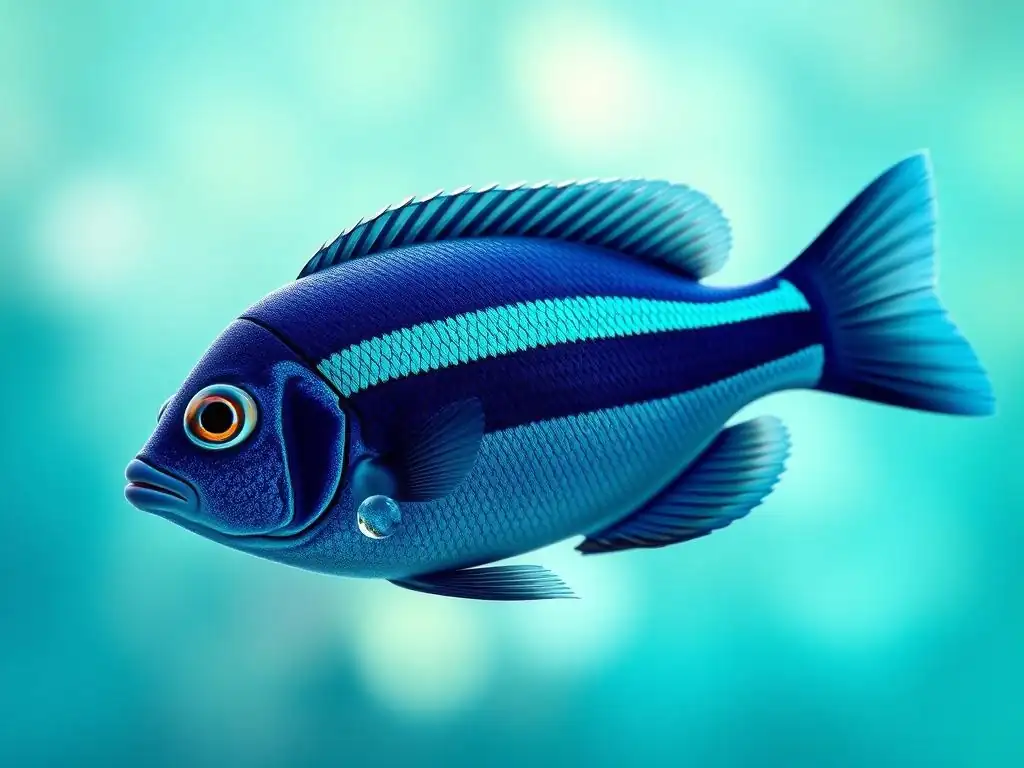
The Apistogramma trifasciata, commonly known as the Three-Stripe Dwarf Cichlid, is a fascinating and visually striking freshwater fish native to the slow-moving waters of South America. These captivating cichlids typically inhabit tributaries and floodplains within the Paraguay River basin, extending into parts of Bolivia, Brazil, and Argentina.
Males can reach a size of approximately 2.5 to 3 inches (6-7.5 cm) in length, while females remain slightly smaller, usually around 1.5 to 2 inches (4-5 cm). Their most distinguishing feature, from which they derive their common name, is the presence of three prominent horizontal stripes running along their body, often complemented by iridescent blue, green, or yellow hues, especially in dominant males.
Beyond their aesthetic appeal, Apistogramma trifasciata exhibit intriguing behaviors that make them a popular choice for dedicated aquarists. They are known for their relatively peaceful temperament, though males can become territorial, particularly during breeding periods.
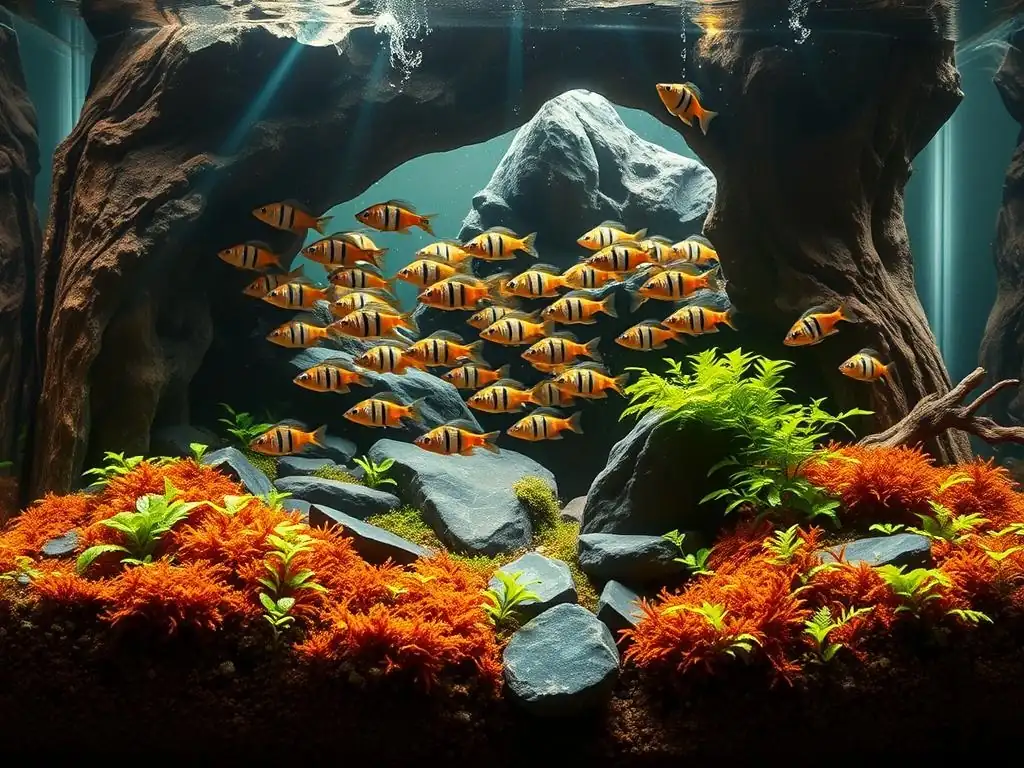
Their natural habitat, characterized by leaf litter and dense vegetation, influences their preference for similar conditions in an aquarium, which is a crucial aspect of providing comprehensive Apistogramma care tips. Understanding their natural environment is fundamental to replicating optimal water parameters, such as soft, acidic water with a pH typically ranging from 5.5 to 6.8 and a general hardness (GH) between 2-8 dKH, alongside temperatures of 75-82°F (24-28°C).
Why Choose Apistogramma Trifasciata for Your Freshwater Aquarium?
Choosing Apistogramma trifasciata for a freshwater aquarium offers a rewarding experience for aquarists seeking a species with both beauty and engaging behavior, without requiring an exceptionally large tank. Their vibrant coloration, particularly the males' striking blue and yellow fins and iridescent bodies, adds a dynamic visual element to any setup.
Unlike many larger cichlid species, their moderate size and generally peaceful disposition make them suitable for smaller community tanks, provided appropriate tank mates are selected. A minimum tank size of 15-20 gallons (approximately 57-76 liters) is often recommended for a single pair, allowing ample space for territory establishment and exploration.
Furthermore, the Three-Stripe Dwarf Cichlid provides an excellent opportunity for aquarists to delve into the nuances of specialized Apistogramma care tips. Successfully maintaining their preferred soft, acidic water conditions and observing their intricate social interactions, including pair bonding and parental care during breeding, can be incredibly satisfying. Their relatively shy nature means they thrive in well-planted tanks with plenty of hiding spots, which encourages natural behaviors and reduces stress. For those interested in breeding, Apistogramma trifasciata are known to be prolific breeders under optimal conditions, offering a chance to witness the full life cycle of these captivating fish.
Frequently Asked Questions
What are the key water parameters needed for successful Apistogramma trifasciata care?
Apistogramma trifasciata require soft, acidic water. A pH of 6.0-7.0 and a GH (general hardness) below 100 ppm are crucial for their health and breeding. Regular water changes are also essential.
What type of aquarium setup is best for Apistogramma trifasciata?
A densely planted aquarium with plenty of hiding places is ideal. Use driftwood, rocks, and caves to mimic their natural habitat. A sand or fine gravel substrate is preferred.
What should I feed my Apistogramma trifasciata?
They are not picky eaters but thrive on a varied diet. Offer them a mix of high-quality flake food, frozen foods (like bloodworms and daphnia), and live foods when possible. This encourages optimal coloration and breeding behavior.
Can I keep Apistogramma trifasciata with other fish species?
Yes, but choose tank mates carefully. Avoid aggressive or overly boisterous fish. Small, peaceful species like tetras, rasboras, and Corydoras are generally good companions.
What are some common health problems to watch out for in Apistogramma trifasciata?
They are susceptible to common freshwater diseases like Ichthyophthirius multifiliis (Ich) and fungal infections. Maintaining pristine water quality is the best preventative measure. Watch for signs like loss of appetite, clamped fins, and white spots.
Final Reflection: Unveiling the Beauty of Responsible Apistogramma Care
The journey into understanding and caring for Apistogramma trifasciata is more than just mastering aquarium parameters; it's about embracing the responsibility that comes with keeping these vibrant creatures. This guide, we hope, has illuminated the path to providing optimal care, ensuring the health and happiness of these captivating dwarf cichlids. The commitment to understanding their specific needs is a testament to the dedication of aquarists and the growing appreciation for the delicate balance within our aquatic ecosystems.
The allure of the Apistogramma trifasciata lies not only in its striking appearance but also in the intricate behaviors it displays. Witnessing these behaviors firsthand, understanding their social dynamics, and providing an environment where they can thrive is a deeply rewarding experience. It connects us to the natural world in a profound way. As the renowned aquarist, George Booth, once stated: The true joy of fishkeeping lies not just in the beauty of the fish, but in the understanding and respect we develop for their natural world.
Now, armed with this knowledge, we invite you to reflect on your own role in the aquarium hobby. Consider how you can further enhance the lives of your Apistogramma trifasciata, and how you can share this knowledge with others. Let us all strive to be responsible stewards of these magnificent creatures, ensuring their continued prosperity in our home aquariums and contributing to a greater appreciation for the biodiversity of our planet.
Unleash the Beauty: Bring Apistogramma Trifasciata to Life!
Thanks for diving deep into the world of the Three-Stripe Dwarf Cichlid! We hope you’ve discovered some valuable insights to enhance your aquarium experience. Now, let's put that knowledge into action.
Here are some exciting steps you can take:
- Start planning your Apistogramma Trifasciata aquarium today! Research compatible tank mates and begin cycling your new setup.
- Share this article with fellow aquarium enthusiasts and spark a conversation about keeping these fascinating fish.
- Delve deeper:Explore other dwarf cichlid species to discover which one best suits your aquascaping dreams.
What's the first thing you'll do to create the perfect environment for your future Apistogramma Trifasciata?