
Breeding Blind Cave Tetras: An Intriguing Biological Marvel for Aquarists

Welcome to Aquarium Mastery!
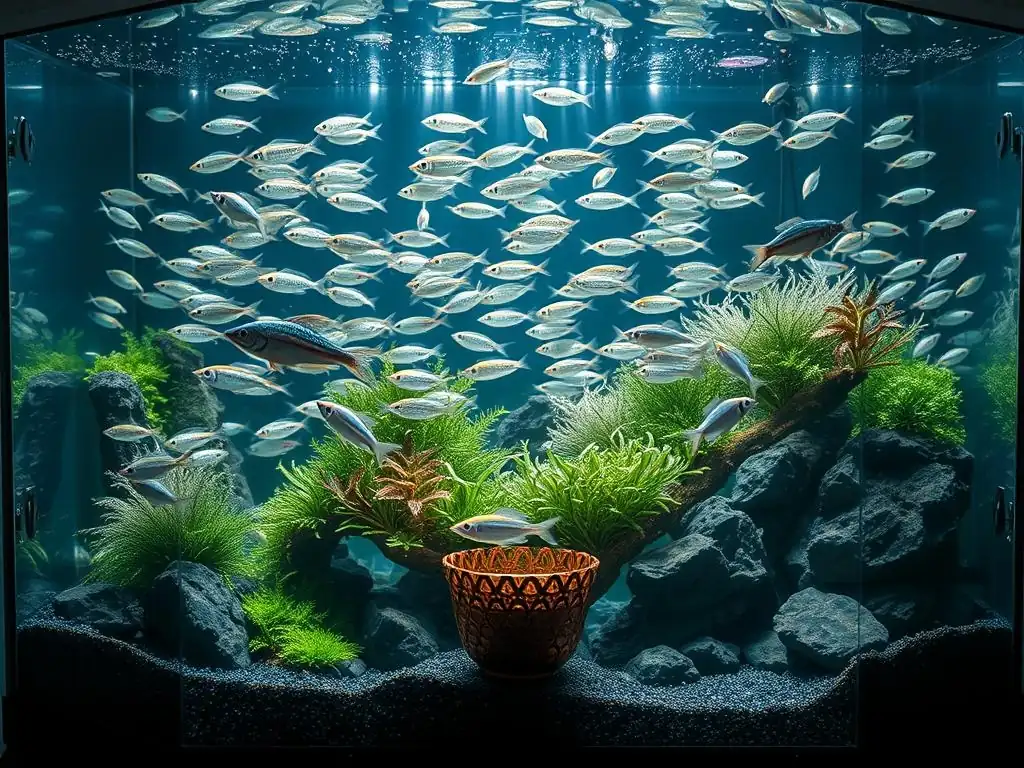
Dive into the fascinating world of aquariums! Are you ready to unlock the secrets of a truly unique species? In this article, we're exploring the captivating world of Blind Cave Tetras and unveiling essential breeding tips for these intriguing fish. Prepare to be amazed by their evolutionary adaptations and learn how you can successfully cultivate these biological marvels in your own freshwater aquarium. Curious to learn more? Let's get started!
- Understanding the Allure of Breeding Blind Cave Tetras
- Preparing for Blind Cave Tetra Breeding: Key Considerations
- Stimulating Spawning in Blind Cave Tetras: Techniques and Tips
- The Spawning Process of Blind Cave Tetras: A Detailed Observation
- Raising Blind Cave Tetra Fry: A Comprehensive Guide
- Troubleshooting Common Breeding Challenges with Blind Cave Tetras
- Documenting Your Blind Cave Tetra Breeding Journey
- Conclusion: Mastering Blind Cave Tetra Breeding
- Frequently Asked Questions
- Final Reflection: Illuminating the Depths of Adaptation
- Dive Deeper: Unlock the Secrets of Blind Cave Tetra Breeding!
Understanding the Allure of Breeding Blind Cave Tetras
The Unique Biology of Blind Cave Tetras (Astyanax mexicanus)
The Blind Cave Tetra, scientifically known as Astyanax mexicanus, is a truly extraordinary freshwater fish, renowned for its unique adaptations to life in complete darkness. Originating from subterranean cave systems in Mexico, this species has evolved remarkable traits, including a complete lack of eyes and pigmentation, resulting in its characteristic pale, often pinkish-white appearance. Instead of relying on sight, they possess an incredibly enhanced lateral line system, allowing them to detect vibrations and pressure changes in the water with remarkable precision, effectively navigating their environment and locating food.
These fascinating adaptations make Astyanax mexicanus a subject of extensive scientific research, particularly in the fields of evolutionary biology and developmental genetics. Scientists study their development to understand how complex traits like eyes are lost over generations and how other senses compensate. For aquarists, understanding this unique biology is the first step towards successful blind cave tetra breeding tips, as their specific needs are rooted in their evolutionary history.
Why Aquarists are Fascinated by Breeding the Blind Cave Tetra
The allure of breeding the Blind Cave Tetra for aquarists lies in the profound challenge and immense reward it offers. Unlike many common aquarium fish, their unique adaptations and specific environmental requirements demand a more nuanced approach, making successful propagation a significant accomplishment. Observing the entire life cycle of a creature so uniquely evolved provides an unparalleled educational experience, deepening an aquarist's understanding of biological adaptation and genetic expression.
Furthermore, the act of breeding these fish allows aquarists to contribute, in a small way, to the captive propagation of a species of scientific interest. It's not merely about increasing numbers but about observing the transmission of their intriguing genetic traits, such as anophthalmia (absence of eyes) and albinism, across generations. For those seeking advanced blind cave tetra breeding tips, the fascination often stems from a desire to master a complex project and witness biological marvels firsthand.
Preparing for Blind Cave Tetra Breeding: Key Considerations
Setting Up a Dedicated Breeding Tank for Blind Cave Tetras
Establishing a dedicated breeding tank is paramount for successful blind cave tetra breeding tips. A tank size of 10 to 20 gallons is generally suitable for a small group of breeding adults, typically 3-5 individuals. For optimal egg collection and fry safety, a bare-bottom tank is often preferred, or one with a thin layer of marbles or a spawning mop, which allows eggs to fall through and be protected from adult predation. A gentle sponge filter is highly recommended, as it provides adequate biological filtration without creating strong currents that could harm delicate eggs or newly hatched fry.
Lighting in the breeding tank should be kept very dim, or even absent for most of the day, mimicking their natural cave environment. Providing dark hiding spots, such as PVC pipes or small ceramic caves, can also help reduce stress for the breeding pair. The dedicated tank ensures that specific water parameters and conditions can be maintained precisely for reproduction, free from the disturbances or predatory instincts of other tank mates, significantly increasing the chances of successful blind cave tetra breeding tips implementation.
Water Parameters for Successful Blind Cave Tetra Reproduction
Precise and stable water parameters are critical for successful Blind Cave Tetra reproduction. These fish thrive in conditions that closely mimic their natural subterranean habitats. The ideal water temperature for spawning ranges from 72-78°F (22-26°C), with slight fluctuations used to trigger spawning. The pH should be neutral to slightly alkaline, typically between 7.0 and 7.8, reflecting the mineral content of their cave environments.
Water hardness is also an important factor, with a moderate dGH (general hardness) of 8-15 being ideal. Regularly testing your water with a reliable kit, such as an API Freshwater Master Test Kit, is essential to monitor and maintain these parameters. Consistency is key; sudden shifts in temperature, pH, or hardness can stress the fish and inhibit spawning. Adhering to these specific parameters is one of the most fundamental blind cave tetra breeding tips for egg viability and fry development.
Optimal Tank Conditions for Breeding Blind Cave Tetras
Beyond water parameters, several environmental conditions contribute to optimal blind cave tetra breeding tips. As inhabitants of dark caves, these fish prefer a dimly lit or even dark environment in their breeding tank. This can be achieved by placing the tank in a low-light area or by covering it partially. A quiet, undisturbed location is also beneficial to reduce stress on the breeding pair.
For egg laying, providing a suitable substrate is crucial. Spawning mops made from synthetic fibers, fine-leaved plants like Java Moss, or a layer of glass marbles (at least 1 inch deep) are excellent choices. These materials allow the small, adhesive eggs to settle where adults cannot easily reach them, preventing predation. Ensuring the water is clean, well-oxygenated, and mature – perhaps by using water from an established tank – further supports the overall health and reproductive readiness of the Blind Cave Tetras.
Stimulating Spawning in Blind Cave Tetras: Techniques and Tips
Conditioning Blind Cave Tetras for Breeding: Diet and Environment
Effective conditioning is a cornerstone of successful blind cave tetra breeding tips. For several weeks prior to attempting to breed, feed your prospective breeders a high-quality, varied diet rich in protein. Live foods such as bloodworms, brine shrimp, daphnia, and microworms are excellent choices, as they provide essential nutrients and stimulate natural feeding behaviors. Supplement this with high-protein frozen foods and premium flake or pellet foods. Feed small amounts multiple times a day (e.g., 3-4 times) to ensure they are well-nourished and building up reproductive reserves.
Environmental conditioning also plays a vital role. Mimic the natural wet/dry cycles that often trigger spawning in many fish species. This can involve performing small, frequent water changes (e.g., 10-15% daily or every other day for a week) using water that is slightly cooler than the tank temperature. This simulates rainfall and can prepare the fish for spawning. Following this period, a slight increase in temperature often acts as a final trigger, encouraging the fish to enter breeding mode.
Triggering Spawning Behavior in Blind Cave Tetras
Once the Blind Cave Tetras are well-conditioned, specific techniques can be employed to trigger spawning behavior. A gradual increase in water temperature is often effective; for example, raising the temperature from 72°F (22°C) to 76-78°F (24-26°C) over a period of 24-48 hours. Maintaining dim lighting in the breeding tank also contributes to a conducive environment. Introducing a suitable male-to-female ratio is important, with two males to one female or a small group of three males and two females often yielding good results, as it encourages competition among males and prompts females to spawn.
A significant water change, often 50% or more, with water that is slightly softer and slightly warmer than the tank water, can be the final catalyst. This large water change, mimicking a heavy rain event, often provides the necessary environmental cue for spawning to commence, typically within 24-48 hours. Observing the fish closely for pairing behavior and increased activity around the spawning medium indicates that these blind cave tetra breeding tips are taking effect.
Recognizing the Signs of Spawning Readiness in Your Blind Cave Tetras
Recognizing the subtle signs of spawning readiness in your Blind Cave Tetras is crucial for timely intervention and successful egg collection. Females, as they become gravid with eggs, will appear noticeably plumper and rounder, particularly in their abdominal region. This distension is a clear indicator that they are carrying ripe eggs and are ready to spawn. Their overall body shape will shift from streamlined to more robust.
Males, on the other hand, may exhibit increased activity and display more assertive behavior. They might be observed chasing females around the tank, gently nudging their flanks, or attempting to lead them towards the spawning medium. You may also notice a subtle trembling or quivering motion from the male as he tries to coax the female to release her eggs. Observing these behaviors signals that spawning is imminent, allowing aquarists to prepare for egg collection and apply the next crucial blind cave tetra breeding tips.
The Spawning Process of Blind Cave Tetras: A Detailed Observation
How Blind Cave Tetras Lay and Fertilize Eggs
The spawning process of Blind Cave Tetras typically occurs in the early morning hours, often at dawn if the tank has a natural light cycle. The male will actively pursue and nudge the female into the chosen spawning medium, whether it's a spawning mop, fine-leaved plants, or marbles. During this process, the female will release small, clear, and adhesive eggs, usually in batches of a few at a time. These eggs are designed to stick to the substrate or mop fibers, preventing them from scattering freely.
Simultaneously, as the female releases her eggs, the male will release his milt (sperm) over them, ensuring fertilization. This synchronized release is crucial for viability. The pair may repeat this process multiple times over several hours, with the female potentially laying anywhere from 100 to 500 eggs in a single spawning event, depending on her size and condition. The act is quite discreet, often occurring without much fanfare, but diligent observation will reveal the tiny, translucent eggs.
Protecting the Eggs: Removing Adult Blind Cave Tetras Post-Spawning
A critical step in blind cave tetra breeding tips is the immediate removal of adult fish after spawning. Like many other tetra species, Blind Cave Tetras are opportunistic egg eaters and will consume their own eggs if given the chance. If left in the breeding tank, the parents can devour a significant portion, if not all, of the newly laid eggs within a few hours, drastically reducing your potential yield.
As soon as you observe that spawning has ceased, or even if you see a substantial number of eggs laid, carefully net the adult fish and transfer them back to their main community tank. This swift action is paramount to ensure the survival of the fertilized eggs. The delicate eggs are then left undisturbed in the breeding tank to incubate, free from the threat of predation, allowing for a much higher hatch rate.
Raising Blind Cave Tetra Fry: A Comprehensive Guide
Hatching Blind Cave Tetra Eggs: Incubation and Monitoring
Following successful spawning, Blind Cave Tetra eggs typically hatch within 24-36 hours, provided the water temperature is maintained consistently between 76-78°F (24-26°C). The newly hatched fry are incredibly small and almost transparent, making them difficult to spot initially. For the first two to three days post-hatching, the fry will remain largely immobile, often clinging to the tank walls, substrate, or spawning mop fibers. During this period, they are sustained by their yolk sacs, which provide all the necessary nutrients for their initial development.
Monitoring the eggs and newly hatched fry is essential. Unfertilized eggs will typically turn opaque white and may develop fungus; these should be carefully removed using a pipette or small baster to prevent the spread of fungus to healthy eggs. Once the yolk sac is absorbed, the fry will become free-swimming and begin actively seeking food, signaling the next crucial stage in their development.
First Foods for Blind Cave Tetra Fry: Infusoria and Beyond
Once Blind Cave Tetra fry become free-swimming, typically around day 3-4 after hatching, they require microscopic food due to their tiny mouths. Infusoria, a collective term for various microscopic aquatic organisms, is the ideal first food. It can be cultured easily at home using vegetable matter or purchased from aquarium suppliers. Green water, rich in phytoplankton, can also serve as an excellent initial food source. Feed infusoria in small amounts, multiple times a day, to ensure a constant supply.
After approximately 3-5 days on infusoria, when the fry have grown slightly, they can be transitioned to larger, live foods such as newly hatched brine shrimp nauplii or microworms. These live foods are highly nutritious and stimulate the fry's feeding response. Continue to feed small portions 4-6 times a day to support their rapid growth and development. Consistent, high-quality feeding is one of the most vital blind cave tetra breeding tips for high fry survival rates.
Maintaining Optimal Water Quality for Blind Cave Tetra Fry Growth
Maintaining pristine water quality is paramount for the healthy growth and survival of Blind Cave Tetra fry, as they are extremely sensitive to pollutants. Daily small water changes, typically 10-15% of the tank volume, are essential. Use aged or dechlorinated water that precisely matches the temperature and parameters of the fry tank to avoid shocking the delicate fry. A small piece of airline tubing can be used to siphon water gently, preventing the accidental suction of fry.
A gentle sponge filter is critical for providing biological filtration and aeration without creating strong currents that could stress or injure the fry. Avoid overfeeding, as uneaten food rapidly decomposes and fouls the water, leading to dangerous ammonia and nitrite spikes. Regularly clean the sponge filter by gently rinsing it in old tank water to maintain its efficiency. Diligent water quality management is a non-negotiable aspect of successful blind cave tetra breeding tips.
Preventing Common Fry Diseases in Blind Cave Tetras
Preventing diseases in Blind Cave Tetra fry primarily revolves around maintaining impeccable water quality and a stress-free environment. Fry are highly susceptible to bacterial and fungal infections if their living conditions are compromised. The most common issue is fungal growth on unfertilized or dead eggs, which can then spread to healthy eggs or newly hatched fry. Immediately removing any opaque, fungused eggs with a pipette can significantly reduce the risk of widespread infection.
For the fry themselves, the best defense is prevention: consistent small water changes, appropriate feeding, and stable water parameters are key. Avoid any sudden fluctuations in temperature or pH. While medications can be used, they are often harsh on delicate fry. If a bacterial issue arises, a very mild salt bath (non-iodized aquarium salt, e.g., 1 teaspoon per 5 gallons) can sometimes help, but always research and use with extreme caution. A clean tank is the best medicine for applying blind cave tetra breeding tips effectively.
Troubleshooting Common Breeding Challenges with Blind Cave Tetras
Addressing Low Hatch Rates in Blind Cave Tetra Breeding
Low hatch rates are a common frustration in blind cave tetra breeding tips and can stem from several factors. One primary reason is unfertilized eggs, which often turn white and opaque shortly after spawning. This can indicate that the male is not mature, not vigorous enough, or the male-to-female ratio is imbalanced. Ensure your breeding males are robust and actively participating in the spawning process. Additionally, suboptimal water parameters (e.g., pH, hardness, or temperature being too far from the ideal range) during spawning and incubation can also reduce egg viability.
Another significant cause of seemingly low hatch rates is egg predation by the parents. If the adult fish are not removed immediately after spawning, they will consume a large percentage of the eggs. Even if you've done everything else correctly, failing to remove the adults swiftly can lead to a perceived low hatch rate. Re-evaluate your conditioning process, ensure the breeding environment is pristine, and prioritize prompt parent removal to improve your hatch success.
Combating Fungal Infections in Blind Cave Tetra Eggs
Fungal infections on Blind Cave Tetra eggs are a common and frustrating challenge. These infections typically originate on unfertilized or damaged eggs, which quickly turn opaque white. Once established, the fungus can rapidly spread to healthy, fertilized eggs, leading to widespread loss. To combat this, prompt action is necessary. The most effective method is to carefully inspect the eggs daily and use a pipette or small baster to gently remove any eggs that have turned white. This isolates the infection and prevents its spread.
Some aquarists also opt for a very mild antifungal treatment, such as a dilute solution of methylene blue, added to the breeding tank for the first 24-48 hours after spawning. While this can help prevent fungus, it should be used cautiously as it can also inhibit beneficial bacteria and potentially stress the eggs if overused. Ensuring proper water flow around the eggs and preventing overfeeding in the breeding tank (which can lead to bacterial blooms) also helps to minimize fungal outbreaks.
Preventing Fry Mortality: Ensuring a Healthy Environment
High fry mortality is a disheartening challenge for aquarists attempting blind cave tetra breeding tips, often pointing to issues with the rearing environment or feeding regimen. The most common causes are poor water quality, insufficient or inappropriate food, and unstable temperatures. Fry are incredibly sensitive to ammonia, nitrite, and nitrate, so daily small water changes (10-15%) are absolutely essential. Using aged or dechlorinated water that matches the tank's parameters will prevent osmotic shock.
Ensuring an adequate and consistent food supply is equally critical. Underfeeding leads to starvation, while overfeeding fouls the water. Provide appropriate-sized live foods like infusoria initially, transitioning to newly hatched brine shrimp or microworms as the fry grow, feeding multiple times a day. Maintain a stable temperature within the optimal range (76-78°F) and ensure a gentle sponge filter provides adequate oxygenation and filtration without creating strong currents. Addressing these factors proactively significantly boosts fry survival rates.
Documenting Your Blind Cave Tetra Breeding Journey
Keeping Records of Spawning Events and Fry Development
Thorough documentation is an invaluable aspect of mastering blind cave tetra breeding tips and contributing to the aquarist community's knowledge base. Maintain a detailed breeding log where you record every significant event. This should include the date of conditioning, the specific water parameters (temperature, pH, hardness) leading up to and during spawning, and the estimated number of eggs laid. Crucially, record the exact hatch date and an approximate count of the newly hatched fry.
Continue to track their development by noting growth rates, feeding schedules, and the types of food consumed as they progress. Document any observed health issues, successful remedies, or unexpected challenges. This meticulous record-keeping provides vital data for future breeding attempts, allowing you to refine your techniques and understand the specific needs of your Blind Cave Tetras, ensuring consistent success.
Sharing your Blind Cave Tetra breeding journey, whether successes or challenges, is a powerful way to contribute to the broader aquarist community. Document your experiences on online forums, dedicated aquarium blogs, or through local aquarium clubs. Presenting your detailed observations, including the specific blind cave tetra breeding tips you found most effective, can provide invaluable guidance to other aspiring breeders who are attempting to propagate this unique species.
Your detailed records, particularly concerning the nuances of their care, spawning triggers, and fry rearing, can help fill gaps in collective knowledge. By openly discussing your methods, triumphs, and even setbacks, you foster a collaborative environment that benefits everyone interested in these fascinating fish. This not only validates your efforts but also inspires others to take on similar rewarding projects, further enriching the hobby.
Conclusion: Mastering Blind Cave Tetra Breeding
The Rewards of Successfully Breeding Blind Cave Tetras
Successfully breeding Blind Cave Tetras is a deeply rewarding experience that extends far beyond simply increasing fish numbers. It is a testament to an aquarist's patience, dedication, and understanding of complex biological processes. Witnessing the entire life cycle of a species so uniquely adapted to its environment provides an unparalleled sense of accomplishment and a profound connection to the natural world. The satisfaction comes from knowing you've provided the optimal conditions for these intriguing biological marvels to thrive and reproduce under your care.
Moreover, the process of applying blind cave tetra breeding tips forces aquarists to delve deeper into water chemistry, fish behavior, and developmental biology, enhancing their overall expertise in the hobby. It's a journey of continuous learning, culminating in the joy of seeing healthy fry develop into adult fish, each a living example of extraordinary evolution.
Further Resources for Aspiring Blind Cave Tetra Breeders
For aquarists aspiring to master Blind Cave Tetra breeding, continuous learning and research are key. While this article provides comprehensive blind cave tetra breeding tips, further exploration can always deepen your understanding. Seek out specialized scientific papers that discuss the genetics and evolutionary biology of Astyanax mexicanus, as these can offer unique insights into their specific needs. Engaging with experienced breeders on dedicated online forums or through local aquarium societies can provide practical advice and troubleshooting support tailored to real-world scenarios.
Remember that success in breeding these unique fish comes with patience, keen observation, and a willingness to adapt your methods based on the specific responses of your fish. By utilizing all available resources and maintaining a diligent approach, you can successfully navigate the complexities of Blind Cave Tetra breeding and enjoy the profound rewards it offers.
Frequently Asked Questions
How difficult is it to breed Blind Cave Tetras?
Breeding Blind Cave Tetras can be challenging due to their specific needs. They require pristine water conditions and a dedicated breeding setup that mimics their natural cave environment to encourage spawning.
What are the key water parameters for successful Blind Cave Tetra breeding?
Maintaining optimal water quality is essential. Aim for a pH of around 6.5-7.5, a temperature of 72-78°F, and extremely low nitrate levels. Regular water changes are crucial.
Do Blind Cave Tetras need a special tank setup for breeding?
Yes, a breeding tank with dim lighting or complete darkness is ideal to mimic their cave habitat. Include fine-leaved plants or spawning mops for egg deposition, and remove the parents after spawning to prevent egg predation.
What do Blind Cave Tetra fry eat?
Initially, the fry need infusoria or liquid fry food. As they grow, transition them to baby brine shrimp and finely crushed flake food. Consistent feeding is necessary for healthy development.
What are some common problems encountered when breeding Blind Cave Tetras?
Common issues include fungal infections on the eggs, low hatch rates, and fry mortality due to poor water quality. Preventative measures like adding antifungal medications and ensuring excellent filtration are important.
Final Reflection: Illuminating the Depths of Adaptation
The journey of understanding and replicating the breeding of Blind Cave Tetras, as explored in this article, transcends the realm of mere aquaristics. It highlights the profound power of adaptation and evolution, a process constantly shaping life on our planet, even in the most obscure and seemingly inhospitable environments. These fish, devoid of sight yet thriving, offer a tangible reminder of nature's ingenuity and resilience.
This exploration has not only provided practical "Blind cave tetra breeding tips" but also sparked a deeper appreciation for the intricate web of life and the remarkable diversity it holds. The dedication required to successfully breed these unique creatures underscores the importance of patience, observation, and a deep understanding of their specific needs. In the realm of natural history, the blind cave tetra stands as a testament to the remarkable adaptability of life, a living embodiment of evolution's relentless pursuit of survival.
This quote encapsulates the enduring fascination these fish hold, reminding us that even in darkness, life finds a way.
Now, consider the lessons learned from these fascinating creatures. How can we apply the principles of adaptation and resilience to our own lives? How can we embrace challenges and find innovative solutions, even when faced with seemingly insurmountable obstacles? Let the Blind Cave Tetra inspire you to explore the depths of your own potential, to adapt, to thrive, and to illuminate the world around you with your unique perspective.
Dive Deeper: Unlock the Secrets of Blind Cave Tetra Breeding!
Thank you for exploring the fascinating world of Blind Cave Tetras with us! We hope you found the insights valuable and inspiring. Ready to take your understanding to the next level and contribute to the legacy of these remarkable fish?
Here are a few ways to get started:
- Embark on your own breeding project! Carefully research the specific requirements and start with a small, dedicated setup.
- Share your experiences and questions with fellow enthusiasts on aquarium forums, and learn from the collective wisdom of the community.
- Dare to explore the ethics of captive breeding and contribute to the ongoing conversation about responsible aquarium keeping.
What unique adaptation would you most like to see researched in Blind Cave Tetras?