
Three Spot Gourami (Blue, Opaline, Gold): Care for This Classic Anabantoid

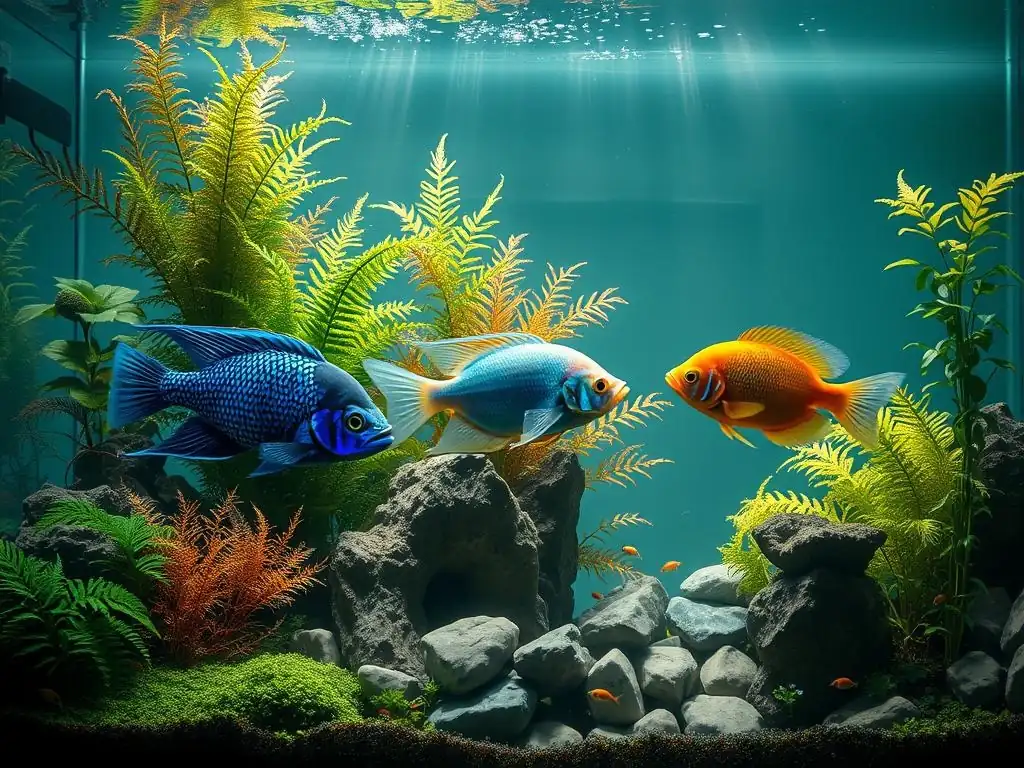
Welcome to Aquarium Mastery!
Ever wondered how to unlock the full potential of the mesmerizing Three Spot Gourami? Dive into our comprehensive guide and discover essential three spot gourami care tips that will transform your aquarium experience. Learn how to provide the perfect environment and ensure the health and happiness of these captivating fish. Ready to become a gourami guru? Let's get started!
- Understanding the Three Spot Gourami: An Introduction to Trichopodus trichopterus
- Essential Three Spot Gourami Care Tips for a Healthy Aquarium
- Three Spot Gourami Diet and Feeding Guidelines
- Three Spot Gourami Tank Mates: Compatibility and Social Behavior
- Three Spot Gourami Breeding: A Comprehensive Guide
- Common Health Issues and Diseases in Three Spot Gouramis
- Maintaining a Thriving Three Spot Gourami Aquarium: Advanced Care
- Troubleshooting Common Three Spot Gourami Problems
- Three Spot Gourami vs. Other Gourami Species: A Comparison
- The Future of Three Spot Gourami Keeping: Trends and Best Practices
- Frequently Asked Questions
- Final Reflection: Embracing the Timeless Allure of the Three Spot Gourami
- Dive Deeper into Gourami Keeping!
Understanding the Three Spot Gourami: An Introduction to Trichopodus trichopterus
Origins and Natural Habitat of the Three Spot Gourami
The Three Spot Gourami, scientifically known as Trichopodus trichopterus, originates from the slow-moving, heavily vegetated waters of Southeast Asia. Its native range spans across countries such as Thailand, Malaysia, Indonesia, Vietnam, and Cambodia. These resilient fish are typically found in shallow, stagnant, or slow-flowing environments like swamps, rice paddies, floodplains, and canals, where oxygen levels can be low. Their unique labyrinth organ, an accessory breathing apparatus, allows them to gulp atmospheric air directly from the surface, a crucial adaptation for surviving in these oxygen-depleted habitats.
Their natural environment is often characterized by dense aquatic vegetation, submerged roots, and leaf litter, which provide ample hiding spots and foraging grounds. The water in these areas can range from clear to turbid, often being stained with tannins from decaying organic matter, contributing to a slightly acidic to neutral pH. This specific habitat preference influences many of the Three spot gourami care tips necessary for replicating their ideal conditions in a home aquarium.
Color Variations: Blue, Opaline, and Gold Gourami Explained
The "wild type" or Blue Gourami is the foundational color morph of Trichopodus trichopterus. It typically exhibits an iridescent blue-grey body with two distinct black spots—one usually located mid-body and another near the base of the caudal (tail) fin. The eye itself can be considered a third "spot," hence the common name "Three Spot Gourami." This base coloration provides a subtle yet attractive appearance.
Through selective breeding, several popular color variations have been developed. The Opaline Gourami is a striking variant of the Blue Gourami, characterized by a marbled or "opalescent" pattern of darker and lighter blue-grey blotches across its body, giving it a unique, almost painterly look. The Gold Gourami, another result of selective breeding, displays a uniform golden-yellow to vibrant orange coloration, often with faint or absent body spots. Despite these diverse aesthetic differences, the fundamental Three spot gourami care tips remain consistent across all color morphs, as they are the same species.
Why the Three Spot Gourami Remains a Popular Aquarium Fish
The Three Spot Gourami has maintained its status as a staple in the aquarium hobby for several compelling reasons. Foremost among these is their remarkable hardiness and adaptability, making them an excellent choice for both novice and experienced aquarists. Their ability to breathe atmospheric air grants them a higher tolerance for fluctuating water parameters compared to many other tropical fish, though stable conditions are always preferred.
Furthermore, their moderate size, typically reaching up to 6 inches (15 cm), allows them to be housed in medium to large community aquariums. Their relatively peaceful disposition, when kept in appropriate conditions and with suitable tank mates, adds to their appeal. The availability of various attractive color morphs, such as the Blue, Opaline, and Gold Gourami, also contributes to their enduring popularity, ensuring that specific Three spot gourami care tips are always in demand.
Essential Three Spot Gourami Care Tips for a Healthy Aquarium
Ideal Tank Size and Setup for Three Spot Gouramis
For a single Three Spot Gourami, a minimum tank size of 20 gallons (approximately 75 liters) is recommended. However, to ensure optimal health and to accommodate a pair or a small group, a 30-gallon (113-liter) or larger aquarium is highly preferable. These fish appreciate horizontal swimming space, so tanks with a longer footprint are more suitable than tall, narrow ones. Ample space helps to mitigate potential territorial aggression, especially among males.
The tank setup should mimic their natural, heavily vegetated habitat. Densely planted areas using robust live plants like Anubias, Java Fern, and Vallisneria provide essential cover and break up lines of sight, which is crucial for reducing stress and aggression. Incorporating floating plants such as Frogbit or Duckweed helps to diffuse overhead lighting and offers a sense of security, mimicking the shaded, calm waters they prefer. Driftwood and smooth rocks can also be added to create additional hiding spots and visual barriers, contributing significantly to effective Three spot gourami care tips.
Maintaining Optimal Water Parameters for Gourami Health
Temperature and pH Levels for Three Spot Gouramis
Maintaining stable and appropriate water parameters is paramount for the long-term health of Three Spot Gouramis. The ideal water temperature range for these fish is between 75-82°F (24-28°C). Consistent temperature is crucial, as sudden fluctuations can cause stress, weakening their immune system and making them susceptible to diseases. A reliable aquarium heater with a thermostat is essential to maintain this stability, particularly in environments with varying ambient temperatures.
Regarding pH levels, Three Spot Gouramis are quite adaptable, thriving in a range from 6.0 to 8.0, though a slightly acidic to neutral range of 6.5-7.5 is often considered optimal. They also prefer soft to medium-hard water, with a general hardness (GH) between 5-19 dGH (90-340 ppm). While they are tolerant, sudden changes in pH or hardness should be avoided. Regular testing of water parameters using an aquarium test kit is a fundamental aspect of comprehensive Three spot gourami care tips, ensuring stability and preventing stress-related issues.
Importance of Water Changes for Gourami Well-being
Regular partial water changes are one of the most critical Three spot gourami care tips for maintaining pristine water quality and preventing the buildup of harmful nitrates and other dissolved organic compounds. For a well-maintained aquarium with appropriate stocking levels, a 25-30% weekly water change is generally recommended. This routine helps to replenish essential minerals, remove waste products, and keep the water clean and oxygenated.
Failure to perform consistent water changes can lead to elevated levels of ammonia, nitrite, and nitrate, all of which are toxic to fish. High concentrations of these compounds can cause severe health problems, including fin rot, lethargy, respiratory distress, and a compromised immune system, significantly shortening a gourami's lifespan. Therefore, diligent adherence to a regular water change schedule is non-negotiable for ensuring the vitality and longevity of your Three Spot Gouramis.
Filtration and Aeration Needs for Trichopodus trichopterus
For Trichopodus trichopterus, effective filtration is vital, but it must be chosen carefully to suit their preference for calm water. A filter that provides robust mechanical and biological filtration without creating excessive current is ideal. Canister filters or hang-on-back (HOB) filters with adjustable flow rates are excellent choices, as they can process a large volume of water while minimizing turbulence within the tank. Sponge filters are also suitable for smaller tanks or breeding setups due to their gentle flow.
While Three Spot Gouramis possess a labyrinth organ allowing them to breathe atmospheric air, good surface agitation and aeration are still beneficial for overall water health and gas exchange within the water column. A gentle filter outflow directed towards the surface or a small air stone can provide adequate aeration without generating strong currents that could stress the fish. Ensuring proper filtration and gentle aeration are key components of effective Three spot gourami care tips, contributing to a stable and healthy aquatic environment.
Three Spot Gourami Diet and Feeding Guidelines
What to Feed Your Three Spot Gourami: A Balanced Diet
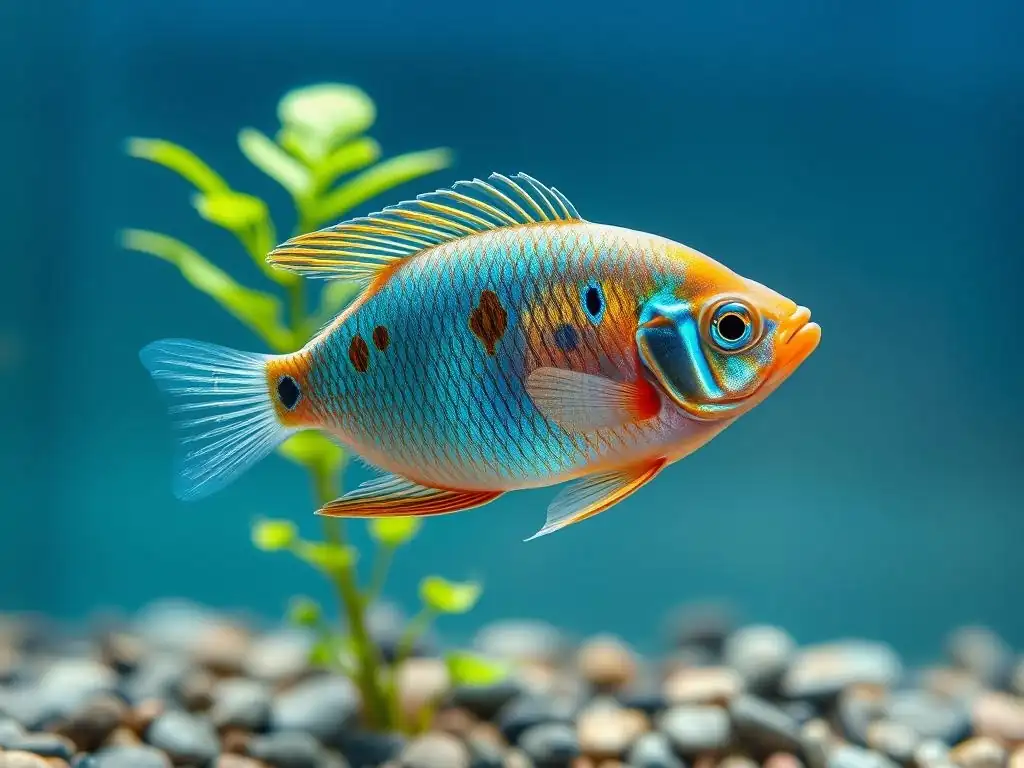
Three Spot Gouramis are omnivores, meaning their diet in the wild consists of both plant matter and small invertebrates. To ensure optimal health and vibrant coloration in the aquarium, it is crucial to provide a balanced and varied diet. A high-quality flake or pellet food formulated for omnivorous tropical fish should serve as the staple. Look for products that list both animal and plant-based ingredients to cover their nutritional needs.
Supplementing their staple diet with a variety of other foods is highly beneficial. Blanched vegetables, such as spirulina flakes, shelled peas, or finely chopped zucchini, provide essential plant matter and fiber. Occasionally offering high-quality freeze-dried foods can also add variety. A diverse diet not only meets their nutritional requirements but also stimulates their natural foraging behaviors, making these Three spot gourami care tips essential for their well-being.
Feeding Frequency and Portion Control for Gouramis
To prevent overfeeding and maintain excellent water quality, Three Spot Gouramis should be fed small amounts 2-3 times per day. The quantity provided at each feeding session should be consumed entirely within 2-3 minutes. This ensures that no excess food is left to decompose, which can quickly foul the water and lead to dangerous spikes in ammonia and nitrite levels. Overfeeding can also cause digestive issues in the fish, such as bloat, and contribute to obesity.
Consistent portion control is a cornerstone of responsible Three spot gourami care tips. By adhering to this guideline, aquarists can prevent common problems associated with poor water quality and ensure their fish receive adequate nutrition without compromising their environment. Observing your gouramis during feeding will help you determine the precise amount they can consume efficiently.
Live and Frozen Food Options for Enhanced Gourami Nutrition
Incorporating live and frozen foods into the Three Spot Gourami's diet once or twice a week provides significant nutritional benefits and simulates their natural feeding habits. Excellent frozen options include bloodworms, brine shrimp, and Mysis shrimp, all of which are rich in protein and essential fatty acids. Ensure frozen foods are thoroughly thawed before offering them to prevent digestive upset.
Live foods such as daphnia, brine shrimp, or small worms can stimulate their natural hunting instincts and provide superior nutritional value. These options are particularly beneficial for conditioning breeding pairs or for boosting the overall vitality of your fish. While not a daily necessity, the strategic inclusion of live and frozen foods is a valuable aspect of advanced Three spot gourami care tips, contributing to enhanced coloration, vigor, and overall health.
Choosing the Right Tank Mates for Peaceful Coexistence
Selecting appropriate tank mates is a critical aspect of Three spot gourami care tips, as these fish can exhibit semi-aggressive tendencies, particularly males. They may bully smaller, more timid fish or those with long, flowing fins, which they might mistake for rival gouramis. Therefore, it is best to choose active, similarly sized, and non-aggressive community fish that can hold their own without being overly boisterous.
Compatible tank mates include larger tetras like Lemon Tetras or Serpae Tetras (in sufficiently large schools to diffuse aggression), peaceful barbs such as Cherry Barbs, various species of rasboras, and robust bottom dwellers like Corydoras catfish or Otocinclus catfish. Larger, peaceful loaches can also be good companions. Always ensure the tank is large enough to accommodate all inhabitants and provides ample hiding spots to minimize territorial disputes.
Avoiding Aggressive Tank Mates That Can Stress Gouramis
To prevent stress and potential injury to your Three Spot Gouramis, it is crucial to avoid housing them with overly aggressive or nippy fish. Species like Tiger Barbs, unless kept in a very large school (10+ individuals) in an adequately sized tank, can often nip at the gourami's long, delicate ventral fins, leading to stress and susceptibility to fin rot. Highly territorial or aggressive cichlids are also generally unsuitable companions.
Similarly, very small or extremely delicate fish should be avoided, as Three Spot Gouramis might intimidate them or, in rare cases, attempt to prey on them if they are small enough to fit in the gourami's mouth. Constant harassment from inappropriate tank mates can lead to chronic stress, weakened immune systems, loss of appetite, and ultimately, a reduced lifespan for your gouramis. Careful selection is therefore a vital component of successful Three spot gourami care tips.
Three Spot Gouramis, especially males, can be territorial, which influences their social dynamics within an aquarium. In tanks smaller than 50 gallons (190 liters), keeping multiple males can lead to significant aggression and bullying, often resulting in one dominant male relentlessly harassing weaker individuals. In larger aquariums, a male can sometimes be kept with multiple females (a harem setup) to diffuse aggression, as his attention is spread among several individuals.
Within a group, a clear hierarchy often establishes itself, with one fish (usually the largest male) becoming dominant. This dominant individual may claim a specific territory, often around a piece of decor or a dense plant cluster. Providing plenty of visual barriers and hiding spots is crucial. This allows subordinate fish to escape the dominant individual's line of sight, reducing stress and preventing prolonged harassment. Understanding these dynamics is essential for managing Three spot gourami care tips effectively in a community setting.
Three Spot Gourami Breeding: A Comprehensive Guide
Setting Up a Breeding Tank for Three Spot Gouramis
To successfully breed Three Spot Gouramis, a dedicated breeding tank is highly recommended. A 10-20 gallon (38-75 liter) aquarium is generally sufficient. The tank should be set up with very calm water and a heater to maintain a stable temperature of 80-82°F (27-28°C). Crucially, the tank needs plenty of floating plants, such as Water Sprite, Riccia fluitans, or even artificial floating leaves, as these provide the necessary anchor points for the male to build his bubble nest.
The water parameters should be slightly soft (GH 4-8 dGH) and slightly acidic (pH 6.5-7.0) to stimulate spawning. A gentle sponge filter is ideal for filtration, as it provides biological filtration without creating strong currents that could disrupt the bubble nest or harm delicate fry. This specific setup is a key component of successful Three spot gourami care tips for breeding.
Identifying Male and Female Three Spot Gouramis
Distinguishing between male and female Three Spot Gouramis is relatively straightforward, particularly when they are mature. Males are typically larger and more brightly colored than females, exhibiting more intense blue, opaline, or gold hues. The most reliable distinguishing feature is their dorsal fin: in males, it is noticeably longer and more pointed, often extending almost to the caudal fin. Males also tend to have a more slender body profile.
Females, on the other hand, are generally smaller and less vibrant in coloration. Their dorsal fin is shorter and more rounded, not extending as far back as the male's. When a female is ready to spawn (gravid), her abdomen will appear noticeably plumper and more rounded due to the presence of eggs. These visual cues are essential for successful pairing and are critical Three spot gourami care tips for anyone attempting to breed them.
The Breeding Process: Spawning and Fry Care
Once a male and female are conditioned and introduced to the breeding tank, the male will begin constructing a bubble nest at the water's surface, typically among floating plants. He uses his mouth to blow mucous-coated bubbles, creating a robust, foamy structure. When the nest is complete, he will entice the female underneath it through a series of elaborate displays. Spawning involves the male wrapping his body around the female, gently squeezing eggs from her.
The eggs, which are lighter than water, float upwards into the bubble nest. A single spawning event can yield anywhere from 300 to 800 eggs. After spawning, it is crucial to remove the female from the breeding tank, as the male may become aggressive towards her while diligently guarding the nest.
The male will then tend to the eggs, moving any that fall out back into the nest. Fry typically hatch within 24-36 hours, and become free-swimming in 3-5 days. At this point, the male should also be removed to prevent him from consuming the fry, which is a vital step in Three spot gourami care tips for successful breeding.
Raising Three Spot Gourami Fry: Feeding and Water Quality
Raising Three Spot Gourami fry requires meticulous attention to diet and water quality. For the first few days after becoming free-swimming, the fry are incredibly tiny and require microscopic food sources. Infusoria, a culture of microscopic organisms, is the ideal first food. Once they grow slightly larger, typically after 3-5 days, they can be transitioned to newly hatched brine shrimp or micro-worms, which provide essential protein for rapid growth.
Maintaining pristine water quality in the fry tank is paramount for their survival. Small, frequent water changes (10-15% daily or every other day) using a small airline tubing to gently siphon out debris are crucial. The water used for changes should be dechlorinated and matched in temperature to the tank water to prevent shock. Stable temperature, along with optimal pH and hardness, are critical Three spot gourami care tips during this delicate fry-rearing phase, as they are highly susceptible to poor water conditions.
Common Health Issues and Diseases in Three Spot Gouramis
Recognizing Signs of Illness in Your Gourami
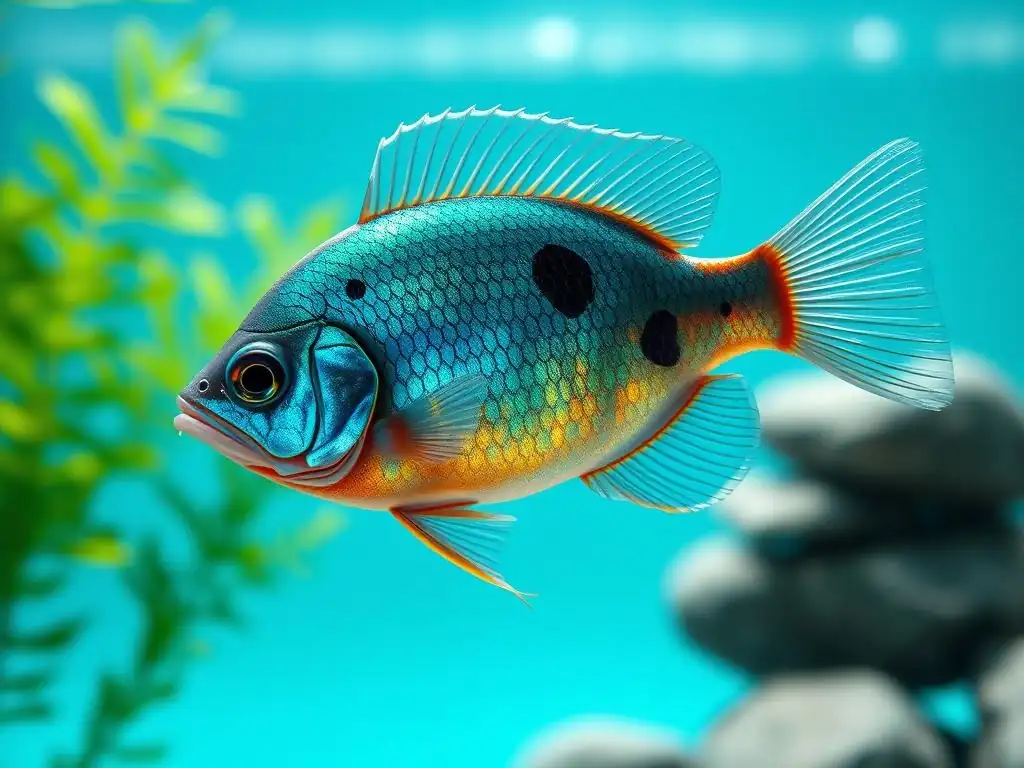
A healthy Three Spot Gourami is typically active, exhibits vibrant coloration, has clear eyes, and maintains an alert demeanor. Recognizing early signs of illness is crucial for prompt treatment and better outcomes. Common indicators of disease or stress include lethargy, spending unusual amounts of time at the surface or bottom of the tank, clamped fins held close to the body, or a significant loss of appetite.
Other visual symptoms to watch for include faded or dull coloration, cloudy eyes, rapid or labored breathing, and physical abnormalities like white spots (Ich), fuzzy white or grey growths (fungus), red streaks on the body or fins (septicemia), or fin deterioration (fin rot). Behavioral changes such as rubbing against tank decor, erratic swimming, or unusual aggression can also signal underlying health issues. Early detection is a fundamental part of effective Three spot gourami care tips.
Treating Common Gourami Diseases: Ich, Fin Rot, and More
One of the most common diseases affecting Three Spot Gouramis, like many freshwater fish, is Ich (Ichthyophthirius multifiliis), also known as White Spot Disease. It manifests as small, salt-like white spots on the body and fins. Ich is often treated by gradually raising the tank temperature to 82-86°F (28-30°C) for several days, which accelerates the parasite's life cycle, and by adding aquarium salt or a commercial Ich medication according to product instructions.
Fin Rot, characterized by frayed, ragged, or deteriorating fins, is typically caused by poor water quality, bacterial infections, or physical injury. Treatment involves immediate and significant improvement of water conditions through large, frequent water changes. In severe cases, antibacterial medications may be necessary. Prevention through diligent water quality management and avoiding fin-nipping tank mates are superior Three spot gourami care tips for these ailments.
Preventing Diseases Through Proper Tank Maintenance
The most effective strategy for managing diseases in Three Spot Gouramis is prevention, which hinges on consistent and proper tank maintenance. Maintaining excellent water quality is paramount; this involves performing regular partial water changes (e.g., 25-30% weekly) and ensuring your filtration system is clean and functioning efficiently. Avoiding overfeeding is also crucial, as uneaten food quickly decomposes and pollutes the water.
Quarantining new fish for a period of 2-4 weeks in a separate tank before introducing them to the main aquarium is another vital preventive measure. This allows for observation and treatment of any potential diseases without exposing the existing tank inhabitants. Providing a stress-free environment with appropriate tank mates, adequate hiding spots, and stable water parameters significantly boosts a gourami's immune system, making them less susceptible to common pathogens. Adhering to these Three spot gourami care tips is essential for long-term health.
Maintaining a Thriving Three Spot Gourami Aquarium: Advanced Care
Plant Selection for a Natural Gourami Habitat
For a truly thriving Three Spot Gourami aquarium, strategic plant selection is key to mimicking their natural habitat and providing essential environmental enrichment. Live plants not only enhance the aesthetic appeal of the tank but also provide crucial hiding spots, reduce stress, and improve water quality by absorbing nitrates. Robust species that can withstand gourami activity and offer good cover are ideal.
Excellent choices include Java Fern ( Microsorum pteropus), Anubias species ( Anubias barteri), Amazon Swords ( Echinodorus amazonicus), and various Cryptocoryne species. Crucially, incorporating floating plants such as Frogbit ( Limnobium laevigatum), Water Lettuce ( Pistia stratiotes), or Dwarf Water Lily ( Nymphaea pubescens) is highly beneficial. These plants diffuse light, create shaded areas that gouramis appreciate, and offer a sense of security, which are advanced Three spot gourami care tips for well-being.
Decorating Your Tank to Mimic the Gourami's Natural Environment
Beyond live plants, thoughtful decoration plays a significant role in creating a natural and stress-free environment for Three Spot Gouramis. Incorporating elements like driftwood, smooth river rocks, and artificial caves can provide additional hiding spots and break up lines of sight within the tank. This helps to reduce potential aggression, especially in community setups or when housing multiple gouramis. Arranging these decor items to create distinct territories can further minimize conflict.
A dark-colored substrate, such as black gravel or sand, can also enhance the gourami's natural coloration and reduce glare, making them feel more secure. This mimics the often dark, tannin-stained waters of their native habitat. Ensure all decor items are aquarium-safe, thoroughly cleaned before introduction, and free of any sharp edges that could potentially injure the fish. Careful aquascaping is an often-overlooked but impactful aspect of Three spot gourami care tips.
Long-Term Care and Lifespan Expectations for Three Spot Gouramis
With diligent application of comprehensive Three spot gourami care tips, these resilient fish can enjoy a remarkably long lifespan in a home aquarium. While their typical lifespan is 4-6 years, well-maintained specimens in optimal conditions have been known to live for up to 8 years. Consistent attention to water quality, providing a balanced and varied diet, and minimizing stress are the primary factors contributing to their longevity.
Regular observation of your gourami's behavior, appetite, and physical appearance allows for early detection of any potential issues, enabling prompt intervention. Maintaining a stable environment, free from drastic fluctuations in temperature or water parameters, is also crucial for their long-term health. By committing to these advanced Three spot gourami care tips, aquarists can ensure their fish not only survive but truly thrive for many years.
Troubleshooting Common Three Spot Gourami Problems
Addressing Aggression and Bullying in the Aquarium
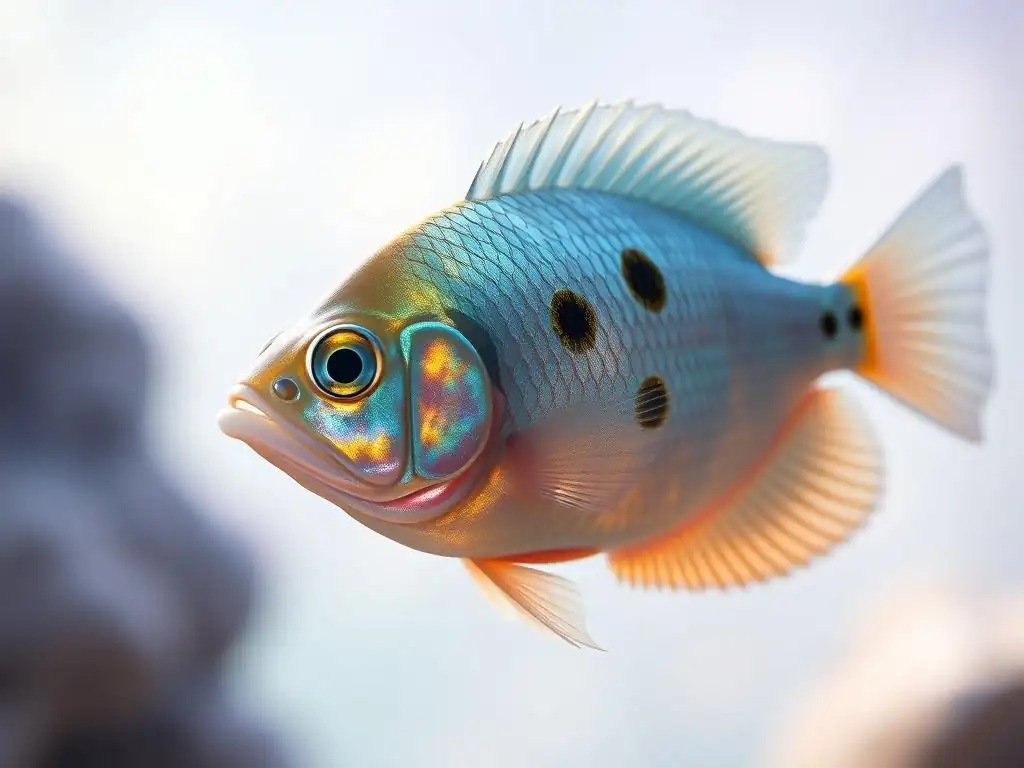
Aggression and bullying are among the most common behavioral issues encountered with Three Spot Gouramis, particularly between males or towards smaller, more timid tank mates. If aggression occurs, first assess your tank size and stocking density. Overcrowding is a frequent trigger. Increasing the number of hiding spots and visual barriers with plants and decor can help to break up lines of sight and provide escape routes for bullied fish.
If aggression persists, especially with multiple males in a smaller tank, consider separating the aggressive individual into a different aquarium or rehoming affected fish. Sometimes, rearranging the tank decor can disrupt established territories and "reset" social dynamics. Introducing new fish simultaneously can also sometimes dilute aggression, as no single fish feels threatened by a new solitary addition. Addressing these issues is a practical application of Three spot gourami care tips.
Diagnosing and Resolving Feeding Issues
A Three Spot Gourami refusing to eat can be a concerning sign, often indicating stress, poor water quality, or an underlying illness. The first step in troubleshooting is to thoroughly check all water parameters—ammonia, nitrite, nitrate, pH, and temperature—to ensure they are within the optimal range. Poor water quality is a leading cause of appetite loss and overall fish distress.
If water parameters are optimal, assess the food itself. Is it fresh? Is it appropriate for gouramis? Sometimes, offering a different type of food, such as live or frozen brine shrimp or bloodworms, can stimulate a reluctant eater. If the gourami continues to refuse food despite good water quality and varied offerings, observe for other signs of disease, such as lethargy, clamped fins, or discoloration. Persistent refusal to eat warrants further investigation into potential health issues, making thorough diagnosis a key part of Three spot gourami care tips.
Dealing with Poor Water Quality and Its Effects on Gouramis
Poor water quality is arguably the most significant factor contributing to stress, disease, and premature death in Three Spot Gouramis. Elevated levels of ammonia and nitrite are highly toxic, while chronically high nitrates can lead to suppressed immune systems and general malaise. If water tests reveal undesirable parameters, immediate action is required.
Perform a significant partial water change, typically 50% or more, using dechlorinated water that is temperature-matched to the tank to avoid shocking the fish. Increase the frequency of future water changes until parameters stabilize. Review your feeding habits to ensure you are not overfeeding, and check your filter media to ensure it is clean and functioning effectively. Addressing the root cause of poor water quality is the most fundamental and impactful of all Three spot gourami care tips for ensuring the long-term health and vitality of your fish.
Three Spot Gourami vs. Other Gourami Species: A Comparison
Distinguishing Three Spot Gouramis from Dwarf Gouramis
While both are popular aquarium fish and belong to the gourami family, Three Spot Gouramis ( Trichopodus trichopterus) and Dwarf Gouramis ( Trichogaster lalius) have distinct differences. The most significant is size: Three Spot Gouramis are considerably larger, reaching up to 6 inches (15 cm) in length, whereas Dwarf Gouramis typically only grow to 2-3 inches (5-7.5 cm). This size difference directly impacts tank size requirements and potential tank mates.
Their coloration and patterns also differ greatly. Three Spot Gouramis are known for their relatively uniform blue, opaline, or gold bodies with two distinct spots. Dwarf Gouramis, in contrast, are celebrated for their vibrant, iridescent stripes of red, blue, and orange. In terms of hardiness, Three Spot Gouramis are generally considered more robust and less susceptible to specific health issues like Dwarf Gourami Disease, which can affect Trichogaster lalius. These distinctions are important for applying accurate Three spot gourami care tips.
Comparing Three Spot Gouramis to Pearl Gouramis
Pearl Gouramis ( Trichopodus leerii) are another popular anabantoid, often compared to Three Spot Gouramis due to their similar family lineage. While both can reach similar sizes (Pearl Gouramis typically grow up to 5 inches or 12 cm), their appearance and temperament vary. Pearl Gouramis are instantly recognizable by the intricate, pearl-like spots that cover their entire body, giving them a shimmering, net-like appearance, and their long, delicate, thread-like ventral fins.
In terms of temperament, Pearl Gouramis are generally considered more peaceful and less prone to aggression than Three Spot Gouramis, making them excellent candidates for community tanks. While both species benefit from calm water and planted environments, Pearl Gouramis tend to be more sensitive to water quality fluctuations and prefer heavily planted tanks with subdued lighting. Understanding these nuances helps tailor Three spot gourami care tips to the specific species.
Understanding the Differences in Care Requirements
Although all gourami species share some fundamental care requirements, such as the need for calm water, a labyrinth organ for breathing air, and a varied diet, there are subtle yet important differences that impact their ideal husbandry. Three Spot Gouramis are often recommended for beginners due to their hardiness and adaptability to a wider range of water parameters, making their Three spot gourami care tips relatively straightforward.
Dwarf Gouramis, while beautiful, require more pristine water conditions and are known to be more delicate, with a higher susceptibility to certain diseases. Pearl Gouramis, while peaceful, thrive best in very stable, mature, and densely planted aquariums that closely mimic their natural, tranquil habitats. Recognizing these species-specific nuances in temperament, sensitivity, and environmental preferences is crucial for providing optimal care for any gourami species, ensuring their long-term health and well-being.
The Future of Three Spot Gourami Keeping: Trends and Best Practices
Sustainable Practices for Sourcing Three Spot Gouramis
The majority of Three Spot Gouramis available in the aquarium trade today are the result of extensive captive breeding programs, making them a highly sustainable choice for aquarists. This widespread captive breeding significantly reduces the pressure on wild populations, which is a key environmental benefit. Furthermore, commercially bred fish are often hardier, more accustomed to aquarium conditions, and less likely to carry parasites or diseases compared to their wild-caught counterparts.
To support sustainable practices, aquarists should prioritize sourcing their Three Spot Gouramis from reputable breeders and suppliers. Inquire about the origin of the fish to ensure they are indeed captive-bred. Supporting businesses that adhere to ethical breeding practices and prioritize the health and welfare of their fish contributes positively to the aquaculture industry and promotes responsible fish keeping, aligning with the best Three spot gourami care tips.
Emerging Research on Gourami Health and Behavior
The field of aquaculture and ornamental fish keeping is continuously evolving, with ongoing research shedding new light on the health and behavior of species like the Three Spot Gourami. Emerging research continues to refine our understanding of common gourami diseases, leading to more effective diagnostic tools and treatment protocols, particularly for issues affecting labyrinth fish. Advances in genetics are also exploring the development of more robust, disease-resistant strains, which promises to enhance overall Three spot gourami care tips in the future.
Furthermore, behavioral studies are providing deeper insights into their social dynamics, aggression patterns, and environmental enrichment needs. This research helps aquarists better understand optimal tank setups, ideal stocking densities, and compatible tank mates, allowing for the creation of environments that truly cater to the gourami's natural instincts and reduce stress. Staying abreast of these developments is vital for providing cutting-edge care.
Continuing Education for Three Spot Gourami Keepers
The aquarium hobby is a dynamic and ever-evolving field, with new information, techniques, and products constantly emerging. For Three Spot Gourami keepers, continuing education is essential to ensure they are providing the best possible care for their fish. Regularly consulting reliable sources such as Aquarium Mastery, reputable scientific publications, and established aquarium forums allows aquarists to stay informed about the latest best practices in Three spot gourami care tips.
Participating in local aquarium clubs or online communities also offers invaluable opportunities for learning. Sharing experiences, discussing challenges, and exchanging knowledge with fellow enthusiasts fosters a collaborative approach to fish keeping. This continuous learning process not only benefits the individual aquarist but also contributes to the collective knowledge base of the hobby, enhancing the well-being of Three Spot Gouramis and other aquatic inhabitants worldwide.
Frequently Asked Questions
What are the ideal tank conditions for a Three Spot Gourami?
Three Spot Gouramis thrive in well-established freshwater tanks with plenty of plants and hiding places. The ideal temperature range is 72-82°F (22-28°C), and the pH should be between 6.0 and 7.5.
What should I feed my Three Spot Gourami?
These gouramis are omnivores and will accept a variety of foods. Offer them a balanced diet of flake food, frozen food, and live food such as bloodworms and brine shrimp.
How large does a Three Spot Gourami get?
A Three Spot Gourami can grow up to 4-6 inches (10-15 cm) in length. Therefore, they need a sufficiently large tank to accommodate their adult size and swimming habits.
Are Three Spot Gouramis peaceful fish?
While generally peaceful, Three Spot Gouramis can become territorial, especially males. It's crucial to provide a tank with ample space and hiding spots to minimize aggression. Avoid housing them with fin-nipping fish.
What are some common health issues that affect Three Spot Gouramis?
Common issues include Ich (white spot disease), fin rot, and dropsy. Maintaining excellent water quality and providing a stress-free environment are crucial for preventing these problems.
Final Reflection: Embracing the Timeless Allure of the Three Spot Gourami
The enduring popularity of the Three Spot Gourami, as we've explored in this guide, underscores its remarkable adaptability and captivating beauty within the aquarium hobby. This classic anabantoid, with its diverse color morphs and relatively easy care requirements, continues to grace aquariums worldwide, proving that some things truly stand the test of time. Its presence serves as a reminder of the simple joys and profound connections we can forge with the natural world, even within the confines of our homes.
The journey of understanding and caring for the Three Spot Gourami is more than just mastering water parameters and feeding schedules; it's about cultivating a deeper appreciation for the delicate balance of aquatic ecosystems. My own experience with these fish has instilled in me a profound respect for their resilience and the responsibility we bear as their caretakers. In the end, we will conserve only what we love; we will love only what we understand; and we will understand only what we are taught.
- Baba Dioum. This quote perfectly encapsulates the importance of sharing knowledge and fostering a sense of stewardship for these fascinating creatures.
As you embark on, or continue, your journey with the Three Spot Gourami, remember that informed care is the greatest gift you can offer. Let the knowledge shared here inspire you to create a thriving environment for these beautiful fish, and in doing so, contribute to the preservation of their legacy for generations to come. Consider the impact of your choices, not just on your aquarium, but on the broader understanding and appreciation of the natural world. The joy of keeping these fish is amplified by the knowledge that you are providing them with the best possible life.
Dive Deeper into Gourami Keeping!
Thanks for exploring the fascinating world of Three Spot Gouramis with us! Now that you're equipped with the knowledge to care for these stunning fish, let's turn that knowledge into action!
- Start Planning Your Gourami's Dream Tank: Use our guide to select the perfect size, plants, and tankmates to create an environment where your Gourami will thrive.
- Share your newfound gourami expertise! Tell your friends, family, or aquarium groups.
- Research and consider other color varieties, such as the Powder Blue or Lavender gourami, to potentially expand your collection in the future.
What's one specific thing you'll change about your current or future gourami setup based on what you've learned?