
Breeding Featherfins: A Guide to Spawning *Ophthalmotilapia* and *Cyathopharynx*

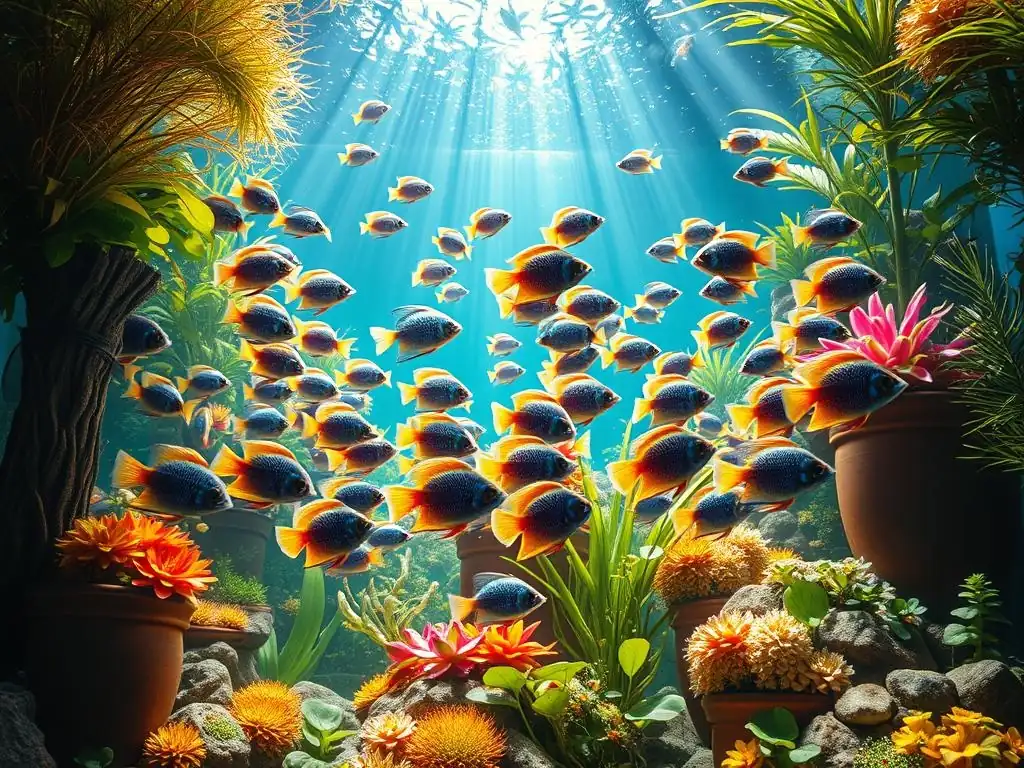
Welcome to Aquarium Mastery!
Ever wondered how to unlock the secrets of breeding the captivating Featherfin cichlids? Ophthalmotilapia and Cyathopharynx are stunning additions to any freshwater aquarium, but successfully spawning them can feel like an impossible feat. Dive into our comprehensive Featherfin spawning guide tips and discover the key to creating the perfect environment for these majestic fish to thrive and reproduce. Ready to witness the miracle of life in your own tank? Let's get started!
- Understanding Featherfin Cichlids: An Introduction to Ophthalmotilapia and Cyathopharynx Spawning
- Creating the Ideal Breeding Environment for Featherfins
- Featherfin Spawning Triggers and Conditioning
- The Featherfin Spawning Process: Observation and Intervention
- Raising Featherfin Fry: From Hatching to Juvenile
- Troubleshooting Common Featherfin Spawning Problems
- Featherfin Spawning Guide Tips: Expert Advice for Success
-
Frequently Asked Questions
- How difficult is it to breed Featherfin cichlids in a home aquarium?
- What are the key water parameters needed for successful Featherfin spawning?
- What type of substrate is best for Featherfin spawning?
- What is the ideal male-to-female ratio for breeding Featherfins?
- What are some common mistakes to avoid when trying to breed Featherfins?
- Final Reflection: The Enduring Allure of Creation
- Dive Deeper: Begin Your Featherfin Breeding Adventure!
Understanding Featherfin Cichlids: An Introduction to Ophthalmotilapia and Cyathopharynx Spawning
Distinguishing Ophthalmotilapia and Cyathopharynx Species for Successful Breeding
Ophthalmotilapia and Cyathopharynx species, both commonly known as Featherfin cichlids, exhibit distinct breeding behaviors and physical characteristics that are crucial for successful Featherfin spawning guide tips. Ophthalmotilapia males, such as Ophthalmotilapia ventralis, are renowned for their elongated, streamer-like ventral fins, which they display prominently during courtship. They typically spawn over flat surfaces or open substrate, relying on visual cues and fin movements to entice females. Their breeding strategy often involves the male establishing a territory and performing elaborate dances to attract a female to his chosen spawning site.
In contrast, Cyathopharynx species, particularly Cyathopharynx furcifer, are famous for their elaborate sand "crater" nests. Males painstakingly construct these circular depressions, sometimes exceeding 30 cm in diameter, in the sandy substrate. These impressive structures serve as the central hub for their courtship and spawning rituals. The male Cyathopharynx will vigorously defend his meticulously crafted nest, using it as a focal point to display his vibrant coloration and allure a female. Understanding these specific behavioral nuances is paramount, as the required tank setup and observation strategies differ significantly between the two genera.
Natural Habitat and Breeding Behaviors of Featherfin Cichlids in Lake Tanganyika
Featherfin cichlids originate from the ancient, deep, and mineral-rich waters of Lake Tanganyika in East Africa. The lake's unique chemistry, characterized by high alkalinity (pH 8.0-9.0) and significant hardness, has shaped their physiological and reproductive adaptations. Ophthalmotilapia species are often found in the intermediate zones of the lake, where sandy bottoms meet rocky outcrops, providing both open areas for display and shelter. They are pelagic spawners, meaning they often breed in open water or over flat rocks within the male's territory.
Cyathopharynx species, on the other hand, predominantly inhabit the vast sandy plains of Lake Tanganyika. Their natural behavior involves the males constructing their iconic sand craters, which are essential for their breeding success. Both genera are maternal mouthbrooders, a highly evolved reproductive strategy where the female carries the fertilized eggs and subsequently the fry in her mouth for an extended period, typically 21-28 days. This protective behavior ensures a higher survival rate for the offspring in the challenging natural environment. Observing these innate behaviors in the aquarium is a key aspect of any effective Featherfin spawning guide tips.
Creating the Ideal Breeding Environment for Featherfins
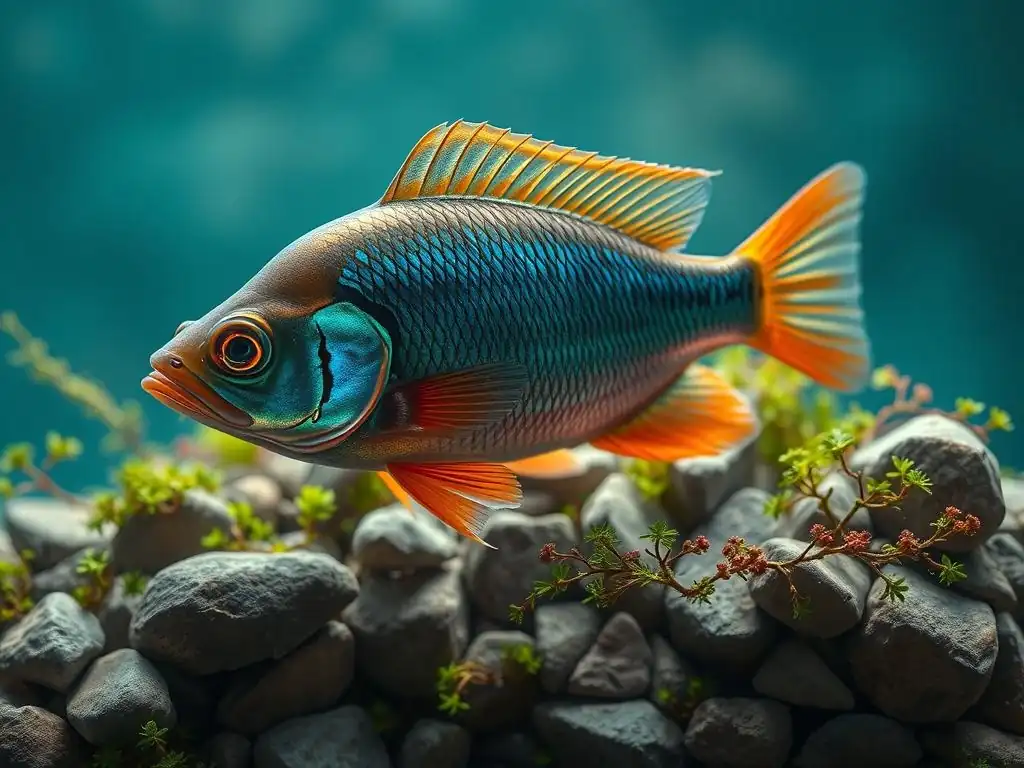
Tank Setup Essentials for Featherfin Spawning Success
Tank Size Recommendations for Breeding Groups of Ophthalmotilapia and Cyathopharynx
The size of the aquarium is a critical factor for successful Featherfin spawning. For a breeding group of Ophthalmotilapia (e.g., one male and three to four females), a tank of at least 75 gallons (approximately 280 liters) is recommended. This provides adequate swimming space and allows the male to establish a territory without excessive aggression towards the females. For larger species within the Ophthalmotilapia genus, or if keeping multiple males, a 125-gallon (470-liter) tank or larger is advisable to mitigate territorial disputes and provide ample room for each male to define his space.
Cyathopharynx furcifer, due to its larger adult size and the male's significant territorial requirements for nest building, demands even more expansive accommodations. A minimum tank size of 125 gallons (470 liters) is generally considered the starting point for a breeding colony, with a 6-foot (180 cm) long tank being ideal. This length allows multiple males to establish distinct territories and construct their elaborate sand craters, which can be up to 30 cm in diameter. Providing sufficient space is a primary Featherfin spawning guide tip to ensure healthy social dynamics and successful reproduction.
Substrate and Aquascaping for Optimal Featherfin Breeding Conditions
The choice of substrate is paramount, especially for Cyathopharynx species. Fine, smooth sand, such as silica sand or aragonite sand, is essential. Cyathopharynx males require a depth of at least 3-4 inches (7-10 cm) to construct their characteristic crater nests. The sand should be free of sharp edges that could injure the fish as they excavate. For Ophthalmotilapia, while they don't build elaborate sand structures, a sand substrate is still preferred as it mimics their natural habitat and allows for natural sifting behaviors.
Aquascaping should focus on providing open swimming areas while also incorporating visual barriers and potential hiding spots. Large, smooth rocks can be strategically placed to create territories and offer refuge for females or subdominant males. For Ophthalmotilapia, flat rocks can serve as potential spawning surfaces. When aquascaping for Cyathopharynx, ensure that heavy rocks are not placed directly on the sand where the male might build his nest, as this could impede his construction efforts and potentially cause instability. The goal is to create a dynamic environment that encourages natural behaviors, a core Featherfin spawning guide tip.
Water Parameters: Mimicking Lake Tanganyika for Successful Featherfin Reproduction
Temperature, pH, and Hardness Requirements for Featherfin Cichlid Spawning
Replicating the precise water parameters of Lake Tanganyika is fundamental for successful Featherfin spawning. The water temperature should be maintained consistently between 76-80°F (24-27°C). Stable temperatures are crucial, as fluctuations can stress the fish and inhibit their reproductive drive. A high-quality heater with accurate temperature control is therefore essential.
The pH level is another critical factor; Featherfins thrive in highly alkaline conditions. An ideal pH range for breeding is 8.0-8.6. This requires careful monitoring and potentially the use of buffering agents if your tap water is naturally acidic. Furthermore, the water must be hard, with a general hardness (GH) of 10-20 dGH and a carbonate hardness (KH) of 10-15 dKH. These high hardness levels provide essential minerals and contribute to the stability of the pH, preventing dangerous crashes that could jeopardize spawning success.
Maintaining Water Quality: Filtration and Water Changes for Breeding Featherfins
Maintaining pristine water quality is non-negotiable for Featherfin breeding. A robust filtration system is essential to handle the bioload of a breeding colony. Canister filters, offering excellent mechanical, biological, and chemical filtration, are highly recommended. Over-filtration capacity is generally beneficial, ensuring efficient removal of waste products.
Regular and substantial water changes are equally important. A weekly water change of 25-30% of the tank volume helps to remove accumulated nitrates and replenish vital minerals. For example, in a 125-gallon breeding tank, this translates to changing 30-40 gallons of water each week. The replacement water should be carefully conditioned to match the temperature, pH, and hardness of the tank water to avoid shocking the fish. Consistent water quality management is a cornerstone Featherfin spawning guide tip, directly impacting the health and reproductive readiness of your cichlids.
Featherfin Spawning Triggers and Conditioning
Dietary Needs for Breeding Featherfin Cichlids: Enhancing Fertility
High-Quality Foods to Promote Spawning in Ophthalmotilapia and Cyathopharynx
A diverse and high-quality diet is paramount for conditioning Featherfin cichlids for breeding, directly enhancing their fertility and vigor. The staple diet should consist of premium cichlid flakes and pellets that are rich in protein and spirulina. These provide essential amino acids and plant matter crucial for their overall health.
Supplementing the base diet with a variety of live or frozen foods is highly recommended. Examples include brine shrimp, Mysis shrimp, krill, and various plankton-based foods. For instance, feeding frozen Mysis shrimp 3-4 times a week provides vital fatty acids and protein, significantly contributing to gonad development in both males and females. Avoid foods high in fat, such as beef heart, which can lead to digestive issues and long-term health problems. A well-nourished fish is more likely to spawn, making diet a primary Featherfin spawning guide tip.
Simulating Seasonal Changes to Induce Featherfin Spawning
While Lake Tanganyika does not experience dramatic seasonal temperature shifts, subtle environmental cues can often trigger spawning in aquarium settings. One effective method is to simulate a "rainy season" effect. This can be achieved by performing a slightly larger-than-usual water change (e.g., 30-40%) with water that is a degree or two cooler than the tank water, followed by a gradual return to the optimal temperature range. This minor temperature dip and subsequent rise, combined with fresh water, can often stimulate breeding activity.
Maintaining a consistent photoperiod is also important, typically 12-14 hours of light per day. Some aquarists have reported success by slightly increasing the light intensity or duration for a brief period, mimicking the longer daylight hours of a productive season. These subtle environmental adjustments, when combined with optimal water parameters and conditioning, can effectively encourage Featherfin spawning behavior.
Identifying Mature Featherfin Pairs Ready for Breeding
Recognizing when your Featherfin cichlids are ready to breed is essential for timely intervention and maximizing success. Males will exhibit intensified coloration, particularly in their fins and body, becoming much more vibrant and striking. They will also begin to establish and vigorously defend a territory, which for Cyathopharynx includes the construction of their distinctive sand craters. Observing a male Ophthalmotilapia ventralis constantly flaring his elongated ventral fins at a female, attempting to draw her into his chosen spawning area, is a clear sign of readiness.
Females, when gravid with eggs, will show a noticeable distension in their belly region, appearing fuller and rounder. They will also display increased interest in the male's territory and his courtship displays, often approaching his spawning site. A female ready to spawn may also exhibit a more submissive posture towards the male, indicating her receptiveness. Identifying these key behavioral and physical cues is a crucial Featherfin spawning guide tip for anticipating and facilitating successful spawning.
The Featherfin Spawning Process: Observation and Intervention
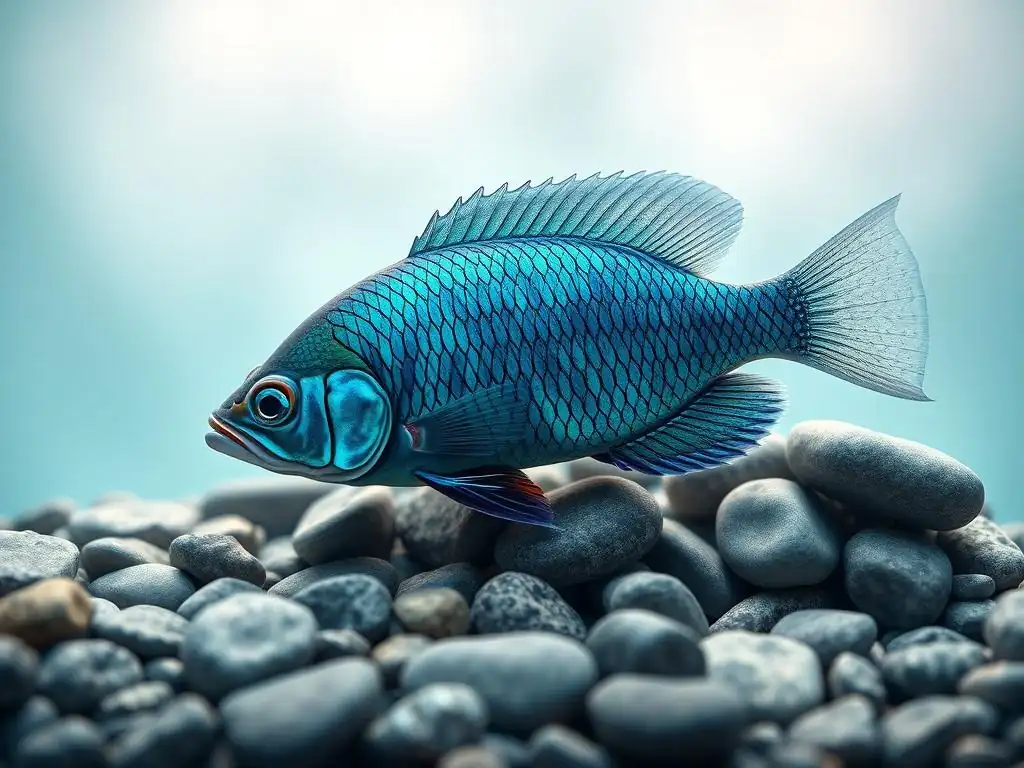
Featherfin Breeding Behaviors: Courtship and Egg Laying
The Featherfin spawning process is a fascinating display of cichlid behavior. Courtship typically begins with the male showcasing his vibrant colors and elaborate fins, often quivering and circling the female. For Cyathopharynx, the male will lead the female to his meticulously constructed sand crater, where the bulk of the spawning activity will occur. The female will inspect the nest, and if satisfied, the pair will begin the spawning ritual.
Egg laying occurs in a series of passes. The female lays a small batch of eggs, typically 5-10 at a time, and immediately turns to pick them up into her mouth. The male then presents his anal fin, which often features prominent "egg spots" (ocelli).
The female, mistaking these spots for additional eggs, attempts to pick them up, which stimulates her to gape her mouth. At this moment, the male releases milt, fertilizing the eggs orally within the female's buccal cavity. This sequence is repeated until all eggs, usually between 20-50 depending on the female's size and species, are laid and safely secured in her mouth.
Egg Care and Incubation in Featherfin Cichlids
Understanding Mouthbrooding Behavior in Ophthalmotilapia and Cyathopharynx
After the spawning process is complete, the female Featherfin will retreat to a quiet, often secluded, area of the tank. She will enter a period of mouthbrooding, during which she will not eat. Her buccal area (throat pouch) will be noticeably distended due, to the presence of the eggs. The incubation period typically lasts between 21-28 days, influenced by water temperature.
Throughout this period, the female continuously "tumbles" the eggs in her mouth. This constant movement ensures proper oxygenation for the developing embryos and prevents the growth of fungus or other pathogens. Observing a female with a full mouth and a refusal to eat is a definitive sign of mouthbrooding. It is crucial to minimize stress on the female during this time, as excessive disturbance can lead to her prematurely spitting out or even swallowing the eggs. This natural protective behavior is a hallmark of Featherfin reproduction and a key observation point for Featherfin spawning guide tips.
Artificial Incubation: When and How to Intervene in Featherfin Spawning
While natural mouthbrooding is ideal, artificial incubation, or "stripping," can be a valuable technique to maximize fry yield, especially if the female is stressed, inexperienced, or prone to prematurely spitting out her eggs. This involves gently removing the eggs from the female's mouth and placing them in an artificial incubator, such as an egg tumbler or a well-aerated container.
Stripping is often performed around 10-14 days post-spawning, when the eggs are more developed and robust, reducing the risk of damage. The egg tumbler should be set up to provide a gentle, constant flow of water that mimics the female's tumbling action, ensuring the eggs remain oxygenated and free from fungal growth. For example, a 1-liter tumbler can effectively incubate 30-50 Featherfin eggs, provided the flow rate keeps them constantly moving but without violent agitation. This method can significantly increase the number of surviving fry, making it a powerful Featherfin spawning guide tip for serious breeders.
Raising Featherfin Fry: From Hatching to Juvenile
First Foods for Featherfin Fry: Ensuring Proper Growth
Live Foods vs. Prepared Diets for Young Featherfin Cichlids
Newly hatched Featherfin fry are relatively large and robust, making them capable of consuming small live foods immediately upon release from the female's mouth or the egg tumbler. Newly hatched brine shrimp nauplii are an excellent first food choice. Their small size, high nutritional value, and erratic movement stimulate the fry's feeding response. Feeding newly hatched brine shrimp 2-3 times daily for the first few weeks will significantly boost fry development and growth rates.
While finely crushed high-quality flakes or specialized fry foods can be used, live foods generally yield superior results in terms of growth, color development, and overall vigor. The protein content and natural enzymes found in live foods contribute to faster and healthier development. As the fry grow, their diet can be diversified to include finely chopped frozen foods like cyclops or spirulina-enriched brine shrimp, gradually transitioning them to crushed pellets designed for juvenile cichlids.
Maintaining Water Quality for Featherfin Fry Development
Pristine water quality is absolutely critical for the survival and healthy development of Featherfin fry. Their delicate systems are highly sensitive to even low levels of ammonia, nitrite, and nitrate. Small, frequent water changes are far more effective and less stressful than large, infrequent ones. Performing 10-15% water changes daily or every other day helps to maintain stable parameters and remove uneaten food and waste.
When performing water changes, use a small air line tube to gently siphon detritus from the bottom of the fry tank, being careful not to suck up any fry. The replacement water must be precisely matched in temperature and parameters to the water in the fry tank to prevent shock. A sponge filter is the ideal filtration method for a fry tank, as it provides excellent biological filtration without the risk of sucking in the tiny, vulnerable fry, ensuring a safe environment for their growth.
Preventing Diseases and Common Issues in Featherfin Fry
Preventing disease in Featherfin fry primarily revolves around maintaining impeccable water quality and avoiding overfeeding. Overfeeding is a common culprit for water quality degradation, leading to elevated ammonia and nitrite levels that can quickly become fatal for fry. Feed small amounts multiple times a day, ensuring all food is consumed within a few minutes.
Stable water parameters are also crucial; sudden fluctuations in temperature or pH can severely stress fry, making them susceptible to common ailments like Ich (white spot disease) or bacterial infections. Ensure that all new fish introduced to the breeding setup are quarantined to prevent the introduction of pathogens. Good hygiene practices, including regular cleaning of the fry tank and sterilization of equipment, are the best defense against disease, leading to a higher survival rate and healthier juveniles from your Featherfin spawning guide tips.
Troubleshooting Common Featherfin Spawning Problems
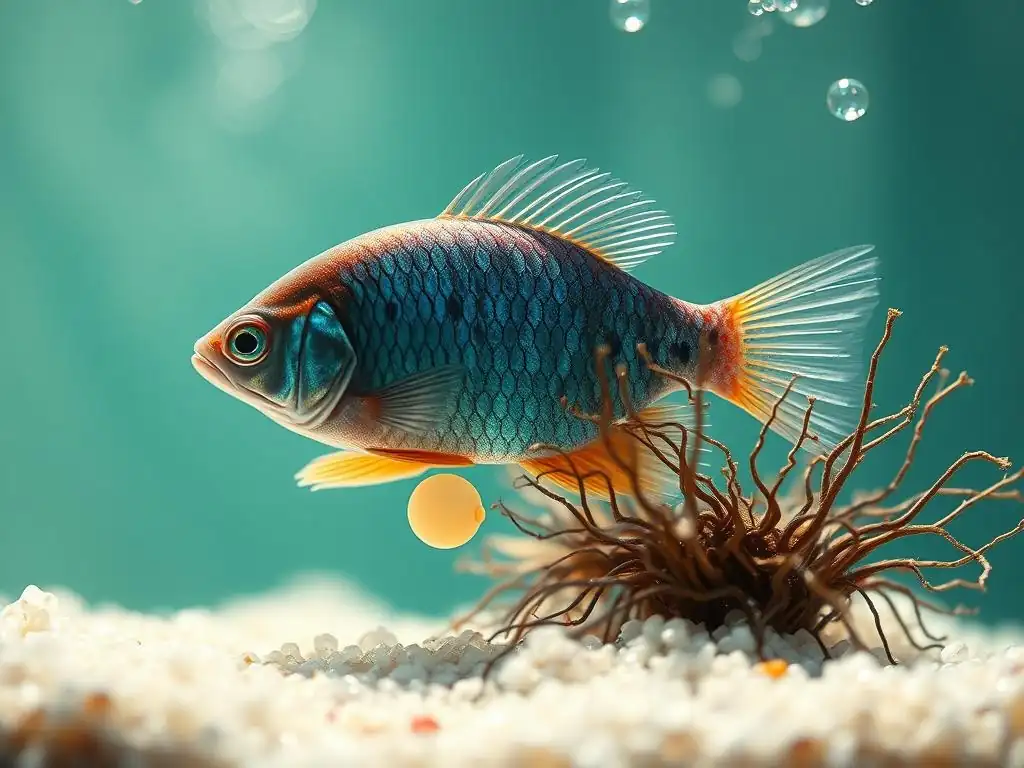
Addressing Infertility Issues in Featherfin Cichlids
Infertility in Featherfin cichlids can be a frustrating issue for aquarists. Several factors can contribute to it, including the age of the fish (being too young or too old for prime breeding), inadequate conditioning, or underlying genetic predispositions. Ensure that your breeding stock is within their optimal reproductive age, typically between 1.5 to 5 years for most species. A consistent, high-quality, and varied diet for several weeks or months leading up to breeding attempts is crucial for building up their reproductive fitness.
Meticulously check your water parameters. Even slight deviations from the ideal pH or hardness can negatively impact fertility. For instance, if your pH is consistently below 8.0, it might be too acidic for optimal Featherfin reproduction. Consider adding buffering agents like crushed coral or aragonite to the substrate to naturally maintain the desired alkaline and hard water conditions. Sometimes, simply introducing new, healthy breeding stock from a different lineage can resolve infertility issues related to inbreeding or genetic compatibility.
Preventing Egg Eating and Fry Predation During Spawning
Egg eating and fry predation are common challenges in cichlid breeding, especially in community tanks. While mouthbrooding females inherently protect their offspring, other tank inhabitants, and even the male Featherfin, may attempt to consume eggs or fry if given the opportunity. Providing ample hiding spots and visual barriers within the main breeding tank is crucial for the female to retreat to immediately after spawning.
If egg eating or fry predation remains a persistent problem, particularly from the male or other tank mates, consider moving the mouthbrooding female to a separate, quiet "brood tank" of 10-20 gallons (38-75 liters) once she has securely collected her eggs. This isolated environment provides a stress-free space for her to complete the incubation period and release the fry without threat, significantly increasing the success rate of your Featherfin spawning guide tips. Ensure the brood tank has identical water parameters to the main tank to avoid shocking the female.
Dealing with Aggression During the Featherfin Breeding Process
Aggression, particularly from the male towards the female or other tank mates, can be a significant issue during the Featherfin breeding process. This often stems from insufficient tank size or a lack of adequate hiding places and visual breaks. When a male establishes a territory for breeding, he can become intensely aggressive towards any perceived intruders, including potential mates if they are not receptive or if they cannot escape his advances.
To mitigate aggression, ensure your tank size meets or exceeds the recommendations, allowing ample space for the male's territory and for other fish to retreat. Maintaining a proper male-to-female ratio (e.g., 1 male to 3-4 females) helps disperse the male's attention, reducing concentrated aggression on a single female. If aggression becomes severe and poses a threat to the female or other fish, temporary separation using a tank divider may be necessary, or in extreme cases, rehoming one of the aggressive individuals. Careful observation and timely intervention are key Featherfin spawning guide tips for managing aggression.
Featherfin Spawning Guide Tips: Expert Advice for Success
Optimizing Water Parameters for Higher Featherfin Fry Survival Rates
Beyond the initial breeding parameters, maintaining exceptionally stable and clean water in the fry rearing tank is the single most critical factor for achieving high Featherfin fry survival rates. Aim for undetectable levels of ammonia and nitrite, and keep nitrates consistently below 10 ppm. Any spike in these nitrogenous compounds can be lethal to delicate fry.
Regular, small water changes are far superior to larger, less frequent ones for fry tanks. Performing 10% water changes daily, or every other day, with temperature-matched and conditioned water minimizes stress and keeps the environment pristine. For example, in a 20-gallon fry tank, this means removing only 2 gallons of water each day. This consistent approach ensures the fry develop in optimal conditions, making it a paramount Featherfin spawning guide tip.
Selecting the Right Breeding Stock for Long-Term Success
The foundation of any successful breeding program lies in selecting healthy, vibrant, and genetically diverse breeding stock. Always acquire fish from reputable sources that can attest to the health and lineage of their specimens. Avoid fish that appear stressed, have clamped fins, faded colors, or show any signs of disease. Look for individuals with good body shape, clear eyes, and active behavior.
For long-term success and to maintain genetic vigor, try to acquire fish from different bloodlines if possible. Starting with a group of 6-8 juveniles allows them to grow up together and naturally form compatible pairs or groups, which often leads to more harmonious breeding interactions. A diverse gene pool helps prevent inbreeding depression, ensuring healthier and more prolific future generations, a crucial Featherfin spawning guide tip for sustainable breeding.
Documenting Your Featherfin Spawning Efforts: Tracking Progress and Identifying Improvements
Detailed record-keeping is an invaluable tool for any serious Featherfin breeder. Document every aspect of your breeding attempts: the date of spawning, the estimated number of eggs laid, the number of fry hatched, water parameters before and after spawning, specific feeding regimens used, and any notable behaviors or issues observed.
This data allows you to identify patterns, understand what specific conditions or practices yield the best results for your particular setup and fish, and make informed adjustments. For example, tracking the number of viable fry per spawn over several months might reveal that a particular diet or water change schedule consistently leads to higher yields.
Analyzing past records can also help you troubleshoot future problems, such as identifying if a decline in spawning frequency correlates with a change in diet or a fluctuation in water parameters. This systematic approach is the ultimate Featherfin spawning guide tip for continuous improvement and mastery.
Frequently Asked Questions
How difficult is it to breed Featherfin cichlids in a home aquarium?
Breeding Featherfins can be challenging but rewarding. Success depends on stable water parameters and a dedicated breeding setup mimicking their natural environment.
What are the key water parameters needed for successful Featherfin spawning?
Featherfins need pristine water quality. Aim for a pH around 8.0-8.5, a temperature of 78-82°F, and low nitrate levels for successful spawning.
What type of substrate is best for Featherfin spawning?
Featherfins are substrate spawners, so providing a smooth, flat surface like slate or a large, flat rock is crucial. They prefer clean surfaces to lay their eggs.
What is the ideal male-to-female ratio for breeding Featherfins?
A ratio of one male to several females is generally recommended. This helps to reduce aggression and increase the chances of successful fertilization.
What are some common mistakes to avoid when trying to breed Featherfins?
Avoid sudden water changes and overcrowding. Maintaining a stress-free environment is essential for encouraging spawning behavior in Featherfins.
Final Reflection: The Enduring Allure of Creation
The intricacies of breeding Ophthalmotilapia and Cyathopharynx, as detailed in this guide, might seem niche, yet they speak to a fundamental human drive: the desire to understand and participate in the miracle of life. The delicate dance of courtship, the careful nurturing of eggs, and the eventual emergence of new life – these are processes that resonate deeply, even within the seemingly contained world of the aquarium. This guide, therefore, is more than just a collection of tips; it's an invitation to witness and contribute to the ongoing story of evolution, right in your own home.
The act of successfully spawning these magnificent Featherfins has profoundly influenced the aquascaping community, fostering a deeper appreciation for the delicate balance of aquatic ecosystems. Witnessing the vibrant colors and unique behaviors of these fish firsthand instills a sense of responsibility for their conservation and the preservation of their natural habitats. In the end, we will conserve only what we love; we will love only what we understand; and we will understand only what we are taught.
- Baba Dioum. This quote encapsulates the power of knowledge and experience in shaping our commitment to the natural world.
Now, as you embark on your own journey to breed these captivating Featherfins, remember that patience, observation, and a genuine respect for these creatures are your greatest assets. Let this guide be a starting point, a foundation upon which you build your own understanding and expertise. Consider how you can not only contribute to the hobby but also advocate for the conservation of these fish and their fragile environments. The future of these species, and indeed, the future of our planet, depends on our collective commitment to understanding and protecting the wonders of the natural world.
Dive Deeper: Begin Your Featherfin Breeding Adventure!
Thank you for exploring the fascinating world of Ophthalmotilapia and Cyathopharynx breeding! We hope you've found valuable insights to guide your journey. Now, it's time to put that knowledge into action and witness the magic of these incredible fish firsthand.
Here are a few steps you can take right away:
- Establish a dedicated breeding tank: Set up a separate aquarium mimicking the ideal conditions for spawning, focusing on water parameters, substrate, and hiding places.
- Share your newfound expertise with fellow aquarists! Help others discover the joys of breeding Ophthalmotilapia and Cyathopharynx by sharing this article.
- Experiment with different lighting schedules. What uncommon light schemes could trigger breeding behavior?
Ready to create a thriving featherfin family? What specific setup changes will you make to your aquarium this week?